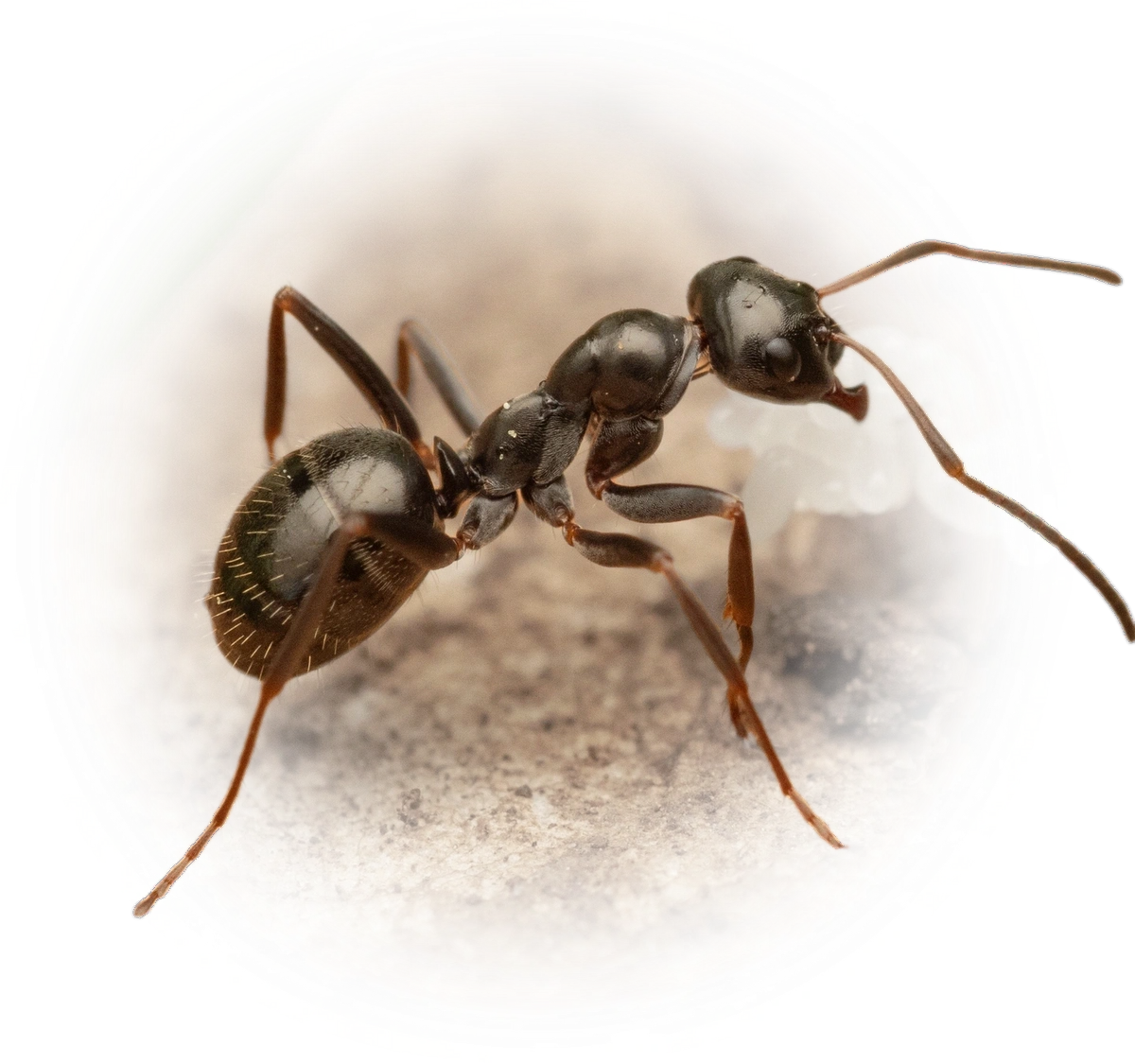

Formica gagates
- Scientific Name
- Formica gagates
- Tribe
- Formicini
- Subfamily
- Formicinae
- Author
- Latreille, 1798
- Distribution
- Found in 11 countries
Formica gagates Overview
Formica gagates is an ant species of the genus Formica. It is primarily documented in 11 countries , including Austria, Bulgaria, Switzerland. Detailed taxonomic data and occurrence records can be further explored via authoritative databases such as AntWeb or the Global Biodiversity Information Facility (GBIF).
Formica gagates
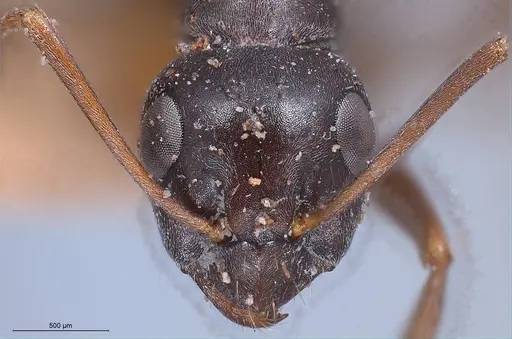
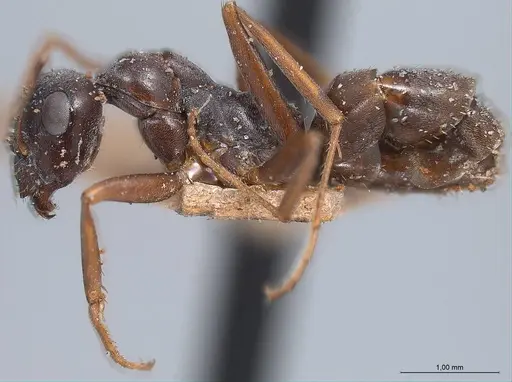
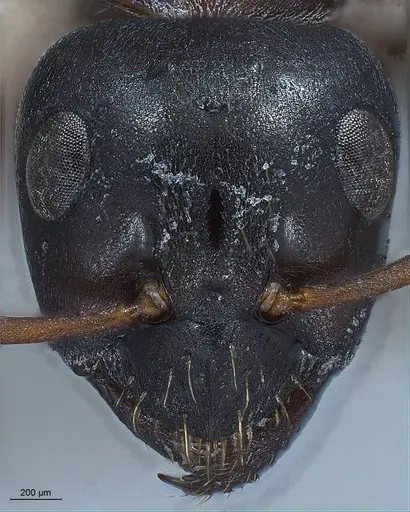
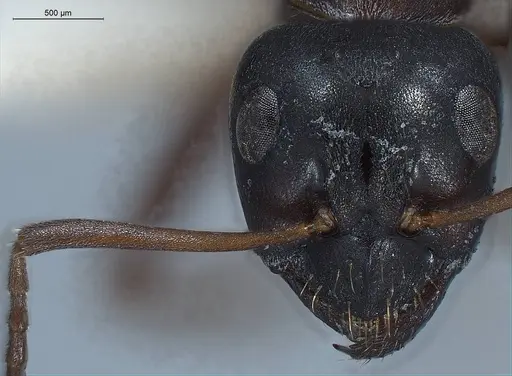
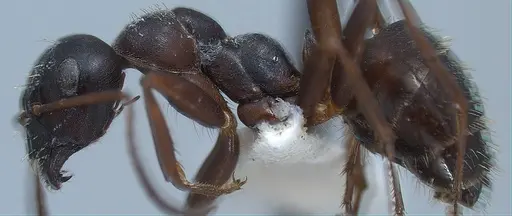
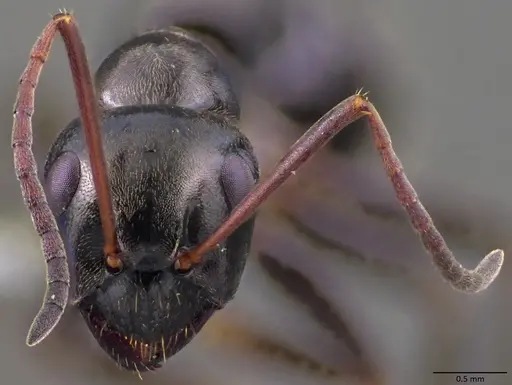
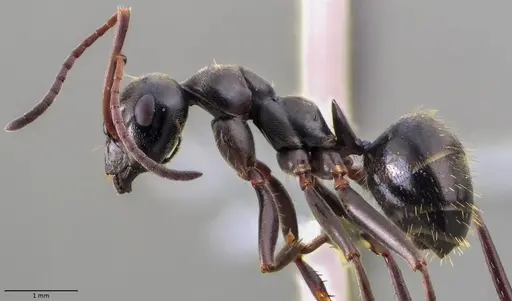
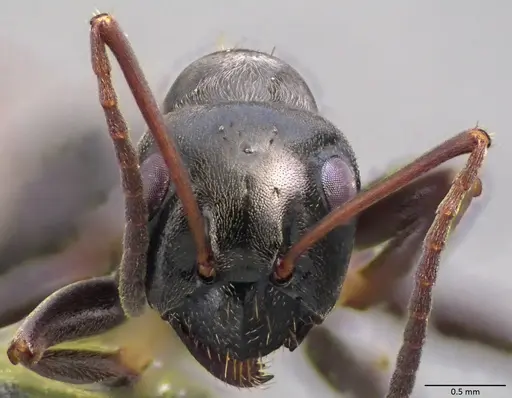
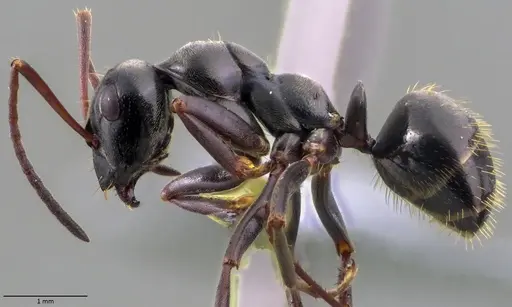
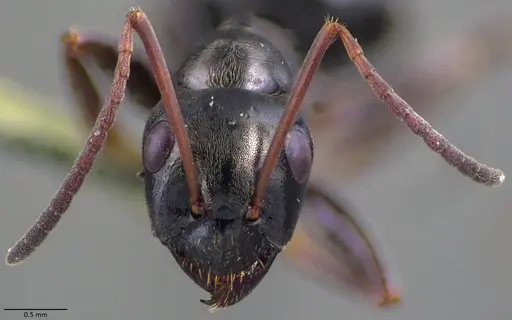
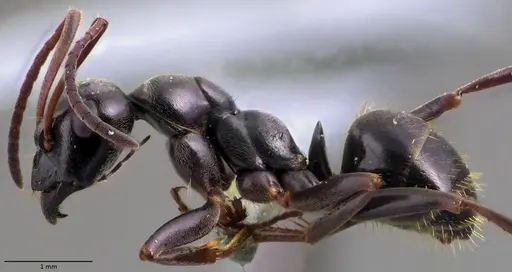
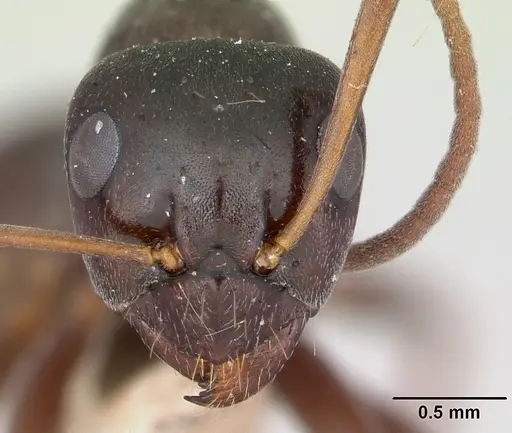
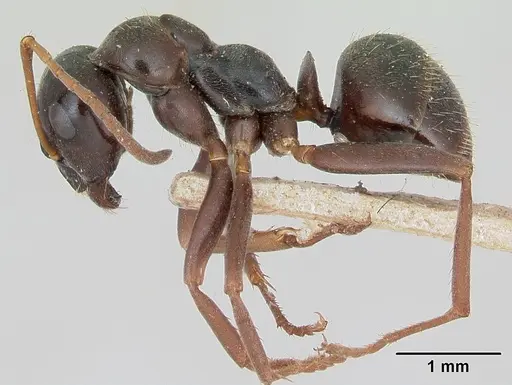
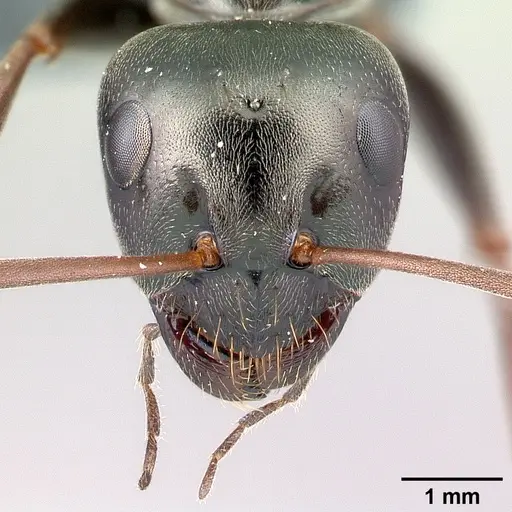
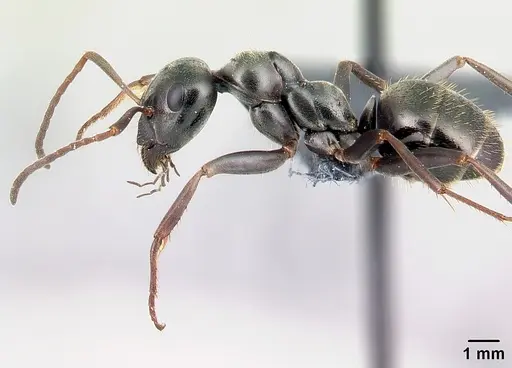
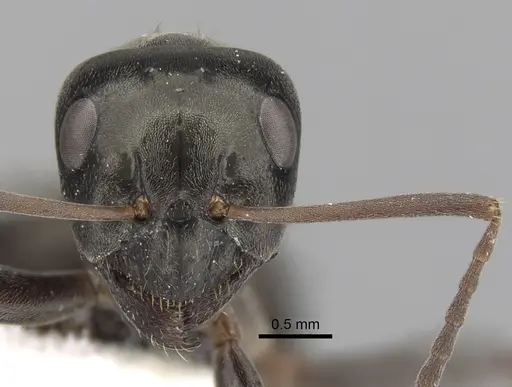
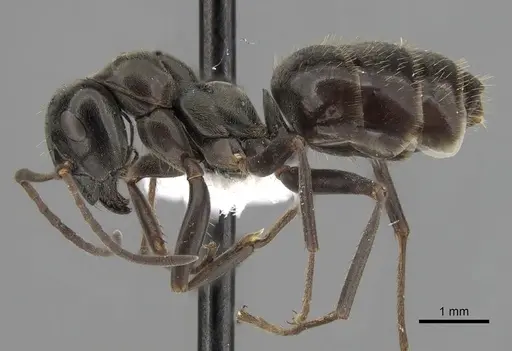
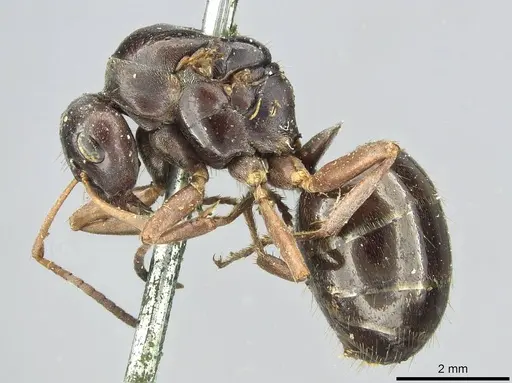
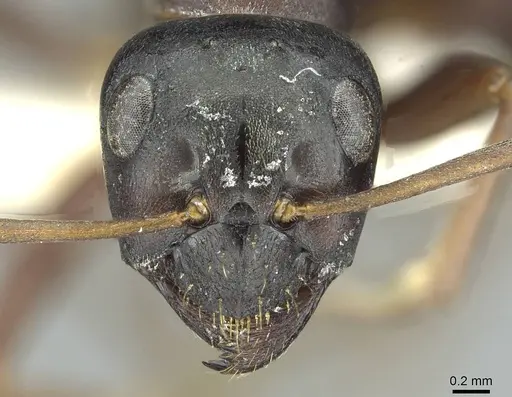
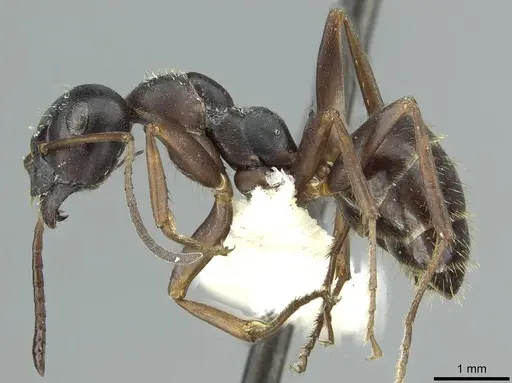
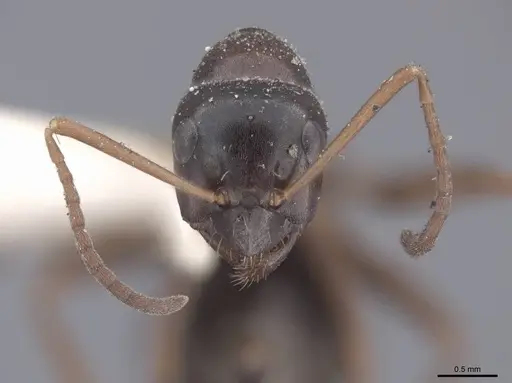
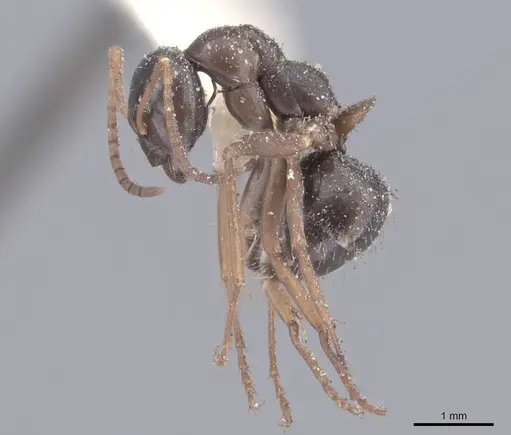
Formica gagates is a medium-sized black ant native to southern and Central Europe. Workers measure 4-7mm and have a distinctive glossy, nearly hairless appearance with dark brown to black coloration and yellowish-brown antennae and legs. This species belongs to the Serviformica subgenus and is known for its nervous temperament and tendency to nest under stones in warm, shaded habitats. It is commonly found at forest edges and in deciduous woodlands across its range from Spain eastwards to the Caucasus and Himalayas [1][2]. Unlike some related Formica species, F. gagates is a free-living species that forms colonies independently without parasitizing other ant species.
Quick Summary
- Difficulty: Medium
- Origin & Habitat: Southern and Central Europe, ranging from the Iberian Peninsula eastwards to the Caucasus, Crimea, and parts of Turkey and the Himalayas. This warmth-loving species inhabits deciduous forests, forest edges, and sunny dry grasslands, typically nesting under stones in moderately dry soil at elevations up to 1165m [3][4][5].
- Colony Type: Monogyne (single queen) colonies with documented oligogyne (few queens) possible in some populations. Free-living species that establishes colonies independently without social parasitism [6].
- Colony: Monogyne, Oligogyne
- Founding: Claustral
- Size & Growth:
- Queen: Estimated 7-9mm based on genus patterns
- Worker: 4-7mm [1][7]
- Colony: Several hundred workers per colony [8]
- Growth: Moderate, development from egg to first worker takes approximately 8-9 weeks under optimal conditions [9]
- Development: 8-9 weeks (55-61 days) at room temperature [9] (Development times: egg stage 15 days, larval stage 12-21 days, adult emergence 19-34 days. Total approximately 55-61 days from egg to first worker.)
- Antkeeping:
- Temperature: Keep at 20-25°C. This is a warmth-loving species that tolerates temperatures from 9.8-34.6°C but shows maximum activity at 18.4-33.6°C air temperature [10]. Room temperature within this range is suitable.
- Humidity: Moderate humidity preferred. In the wild, this species avoids both extremely dry and extremely moist areas, preferring moderately dry to mesic soil conditions. Keep nest substrate moist but not waterlogged [5].
- Diapause: Yes, requires hibernation during winter months. In Central Europe, colonies become less active from October through April. Provide a cold period around 5-10°C [11].
- Nesting: Nests in soil under stones. In captivity, a naturalistic setup with flat stones or a Y-tong/plaster nest works well. Provide a layer of moist soil and stones for them to nest under. They prefer semi-shaded conditions and forest-edge type environments [2][5].
- Behavior: This species has a nervous, somewhat aggressive temperament. Workers are active foragers that tend aphids for honeydew and hunt small insects. They are known to be a host species for the slave-making ant Polyergus rufescens. Escape prevention is important, while not tiny, they are agile and will exploit any gaps. They show highest seasonal activity in spring and early summer [8][12].
- Common Issues: Nervous temperament can lead to self-inflicted harm during observation, minimize disturbance, Sensitive to habitat disturbance, populations declining in some areas due to forestry practices, Easily confused with similar species like Formica fusca and Formica picea, verify identification, Wild-caught colonies may harbor parasites that can kill captive colonies, Requires specific forest-edge habitat conditions that are difficult to replicate indoors
Housing and Nest Setup
Formica gagates nests naturally under stones in soil, so a naturalistic setup works best. Use a container with a layer of moist soil (about 2-3cm deep) and place flat stones on top for the ants to nest beneath. You can also use a Y-tong or plaster formicarium with narrow chambers. This species prefers semi-shaded conditions, so avoid bright direct lighting. Keep the nest area humid but ensure good ventilation to prevent mold. The outworld should include a water tube and simple foraging area. Because of their nervous nature, minimize vibrations and disturbances near the colony [5][2].
Feeding and Diet
In the wild, F. gagates feeds on honeydew from aphids and small insects. In captivity, offer sugar water or honey as a constant energy source, and provide protein-rich foods like small crickets, mealworms, or fruit flies twice weekly. They will also accept other small invertebrates. Unlike some Formica species, they do not typically form large foraging trails, so place food directly in the foraging area. Remove uneaten protein food within 24-48 hours to prevent mold [8][13].
Temperature and Seasonal Care
Maintain temperatures between 20-25°C for optimal colony growth. This species is thermophilic and tolerates a wide range (9.8-34.6°C), but growth and activity are best in warmer conditions. During winter (roughly October to April in the Northern Hemisphere), reduce temperature to 5-10°C to provide a proper hibernation period. Do not feed during hibernation but ensure the nest substrate remains slightly moist. Return to normal temperatures gradually in spring to trigger renewed activity [9][10].
Behavior and Temperament
Formica gagates is known for its nervous temperament, workers are quick-moving and can be aggressive when threatened. They will readily bite if disturbed. One study noted that colonies often 'destroy themselves by end of observation period' due to their nervous behavior [9]. They are not escape artists in the same way as tiny ants, but still use standard barrier methods (fluon on glass edges). This species can serve as a host for the slave-making ant Polyergus rufescens, so keep them separate from that species if you keep both. Workers are active foragers that will hunt small prey and tend aphids on plants if available [8][12].
Colony Development
Development from egg to first worker takes approximately 8-9 weeks (55-61 days) at room temperature. The egg stage lasts about 15 days, followed by 12-21 days as larvae, then 19-34 days as pupae before adults emerge. Queens areclaustral, they seal themselves in a chamber and survive on stored fat reserves while raising the first brood alone. The first workers (nanitics) are smaller than mature workers. Colonies grow to several hundred individuals. Sexual reproductives (winged queens and males) appear in July-August in most of Europe [9][2].
Frequently Asked Questions
How long does it take for Formica gagates to raise first workers?
Approximately 8-9 weeks (55-61 days) from egg to first worker at room temperature. The egg stage takes about 15 days, larvae develop for 12-21 days, and then adults emerge after 19-34 days as pupae.
What temperature do Formica gagates need?
Keep them at 20-25°C. This is a warmth-loving species that tolerates temperatures from roughly 10°C to 35°C, but optimal activity and growth occur in the low-to-mid 20s°C range.
Do Formica gagates need hibernation?
Yes, they require a winter rest period. Reduce temperatures to 5-10°C from roughly October through April. Keep the nest slightly moist during this period and do not feed. This mimics their natural seasonal cycle in Central Europe.
What do Formica gagates eat?
They are omnivorous. Offer sugar water or honey constantly, and provide protein (small insects like crickets, mealworms, or fruit flies) 2-3 times per week. They will also collect honeydew from aphids if given access to plants.
Are Formica gagates good for beginners?
This species is rated as medium difficulty. While not as challenging as some exotic species, their nervous temperament and specific habitat requirements make them better suited for keepers with some experience. Their declining wild populations also make them a species to appreciate rather than collect from the wild.
Can I keep multiple Formica gagates queens together?
This species can form oligogyne colonies (with a few queens) in the wild, but it is not recommended to combine unrelated foundress queens in captivity. Single-queen colonies are more stable and recommended for beginners.
How big do Formica gagates colonies get?
Colonies typically reach several hundred workers. They are not among the largest Formica species, but they can still form substantial colonies with proper care over several years.
Where is Formica gagates found in the wild?
This species ranges across southern and Central Europe from Spain eastwards to the Caucasus, Crimea, and parts of Turkey. It lives in deciduous forests, forest edges, and sunny grasslands, nesting under stones in warm, semi-shaded locations.
Is Formica gagates endangered?
It is considered vulnerable in the Czech Republic and threatened in several Central European countries. Populations are declining due to forestry practices and habitat loss. It is legally protected in some regions like Lower Austria.
References

This caresheet is licensed under CC BY-SA 4.0 .
ANTWEB1008396
View on AntWeb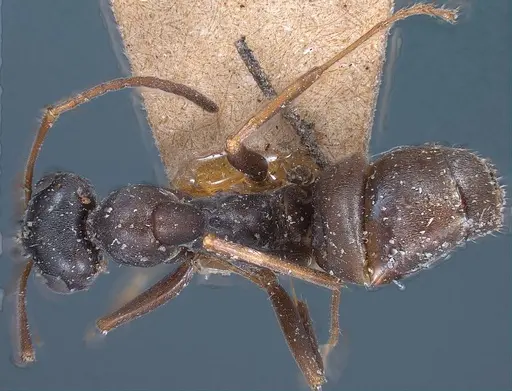
ANTWEB1008398
View on AntWeb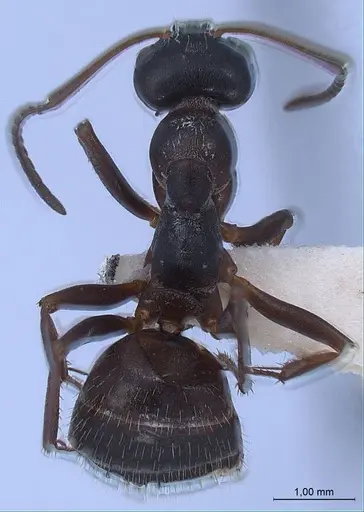
ANTWEB1060055
View on AntWeb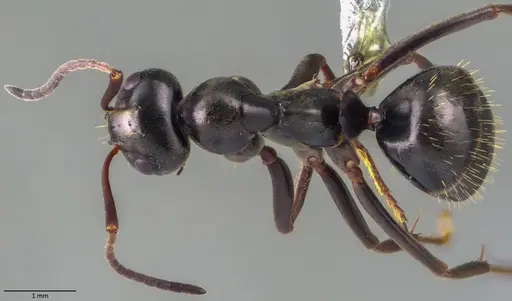
ANTWEB1060056
View on AntWeb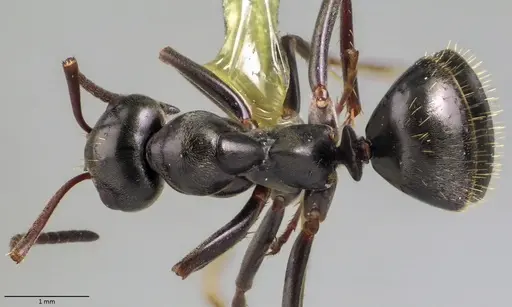
ANTWEB1060057
View on AntWeb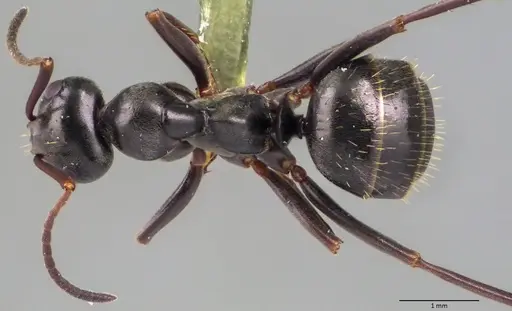
CASENT0010650
View on AntWeb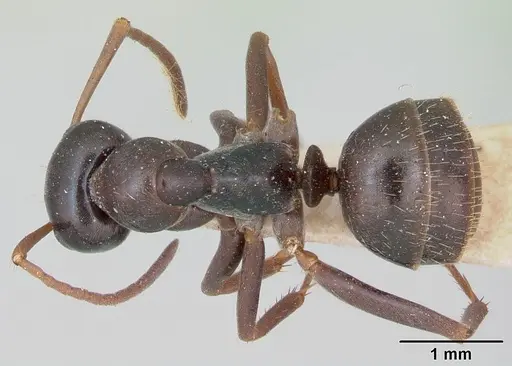
CASENT0179937
View on AntWeb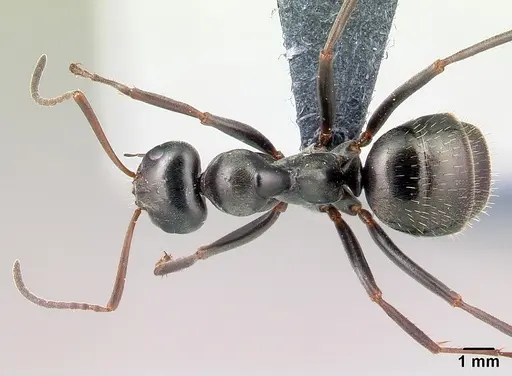
CASENT0280386
View on AntWeb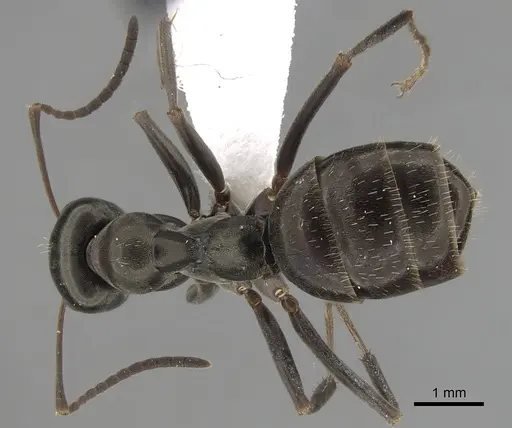
CASENT0911074
View on AntWeb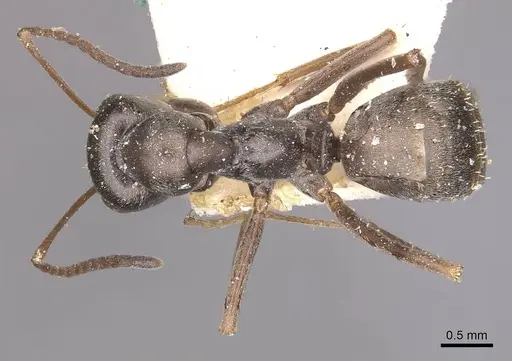
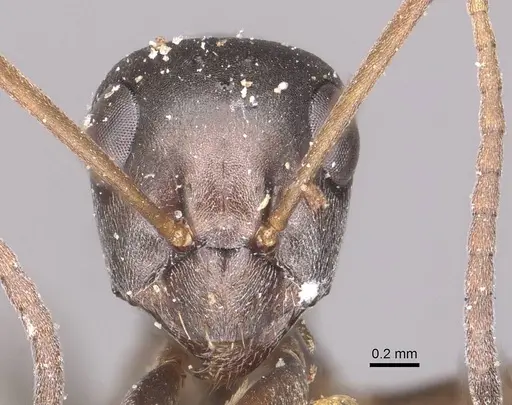
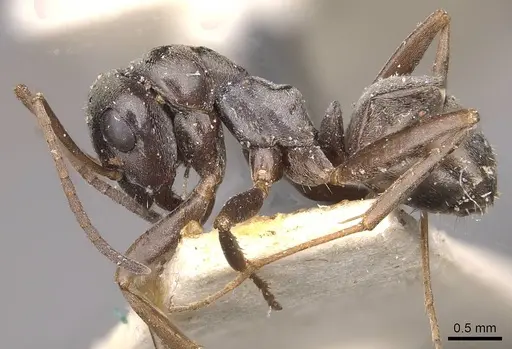
CASENT0913656
View on AntWeb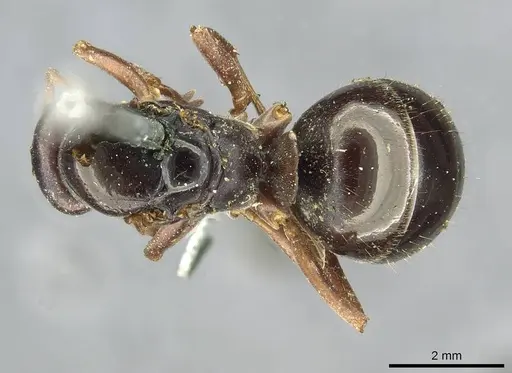
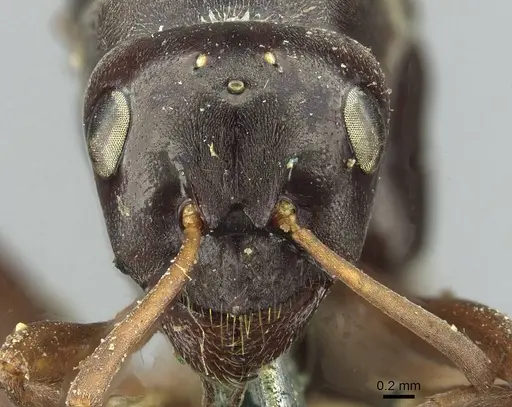
CASENT0913657
View on AntWeb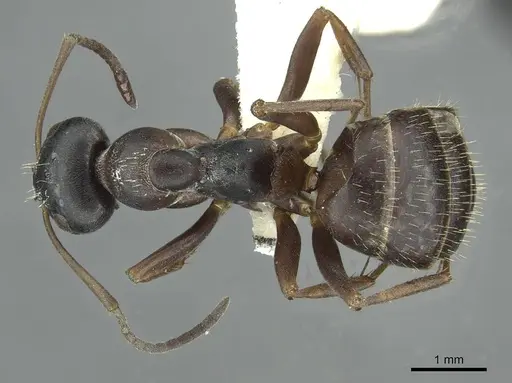
FMNHINS0000046281
View on AntWeb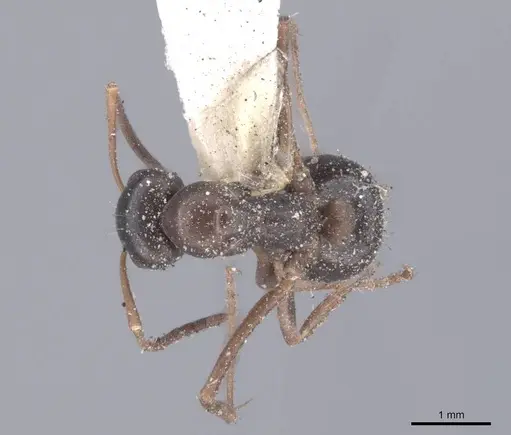
Literature
Loading...Loading products...