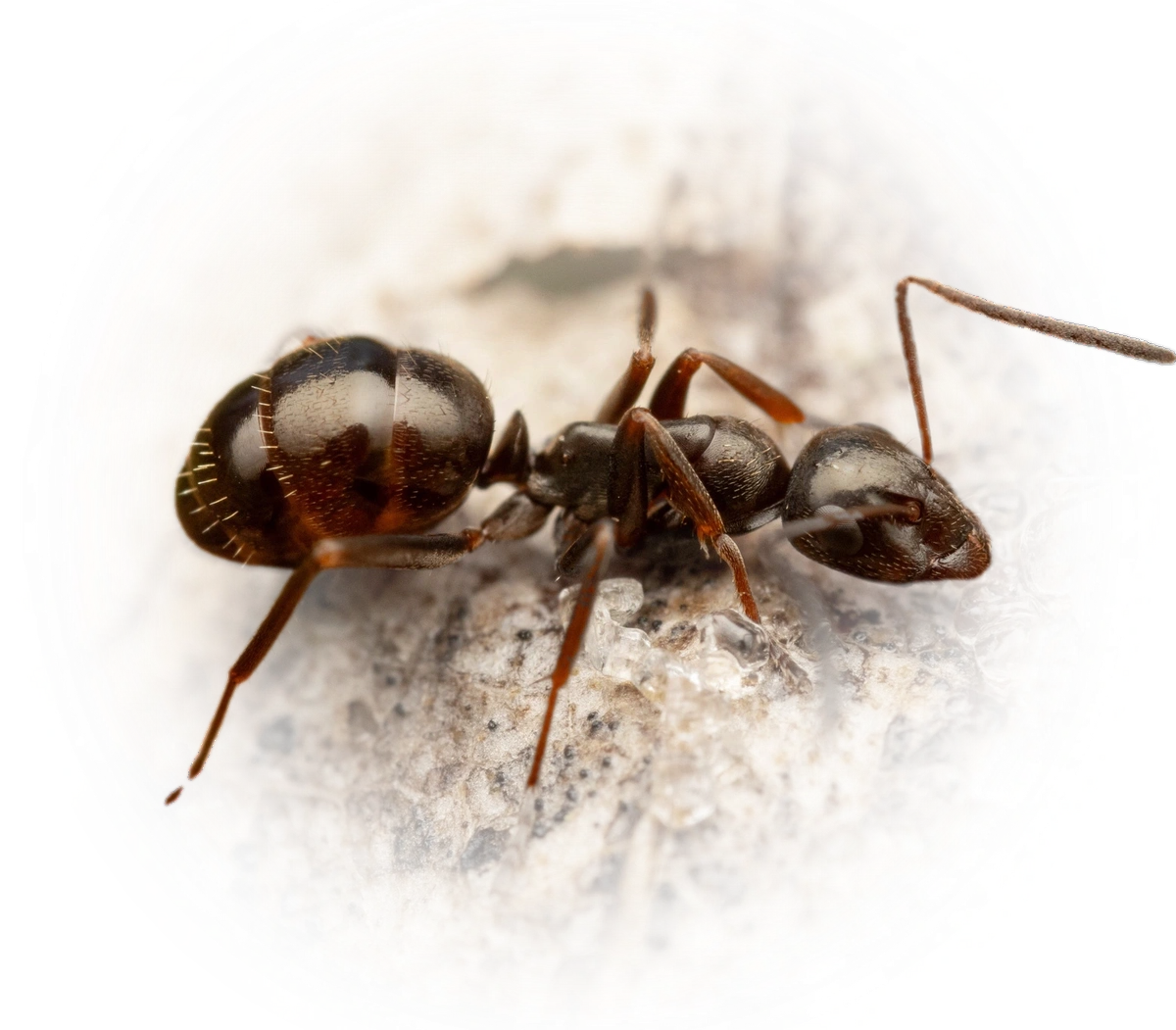

Formica picea
- Scientific Name
- Formica picea
- Tribe
- Formicini
- Subfamily
- Formicinae
- Author
- Nylander, 1846
- Common Name
- Black Bog Ant
- Distribution
- Found in 13 countries
Formica picea Overview
Formica picea (commonly known as the Black Bog Ant) is an ant species of the genus Formica. It is primarily documented in 13 countries , including Belgium, Switzerland, Germany. Detailed taxonomic data and occurrence records can be further explored via authoritative databases such as AntWeb or the Global Biodiversity Information Facility (GBIF).
Formica picea - "Black Bog Ant"
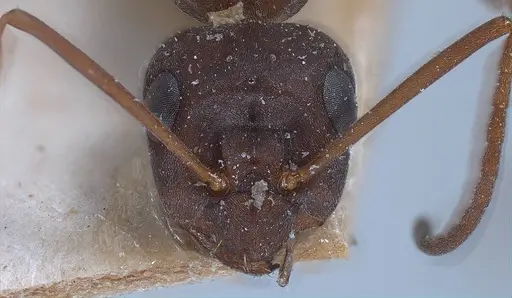
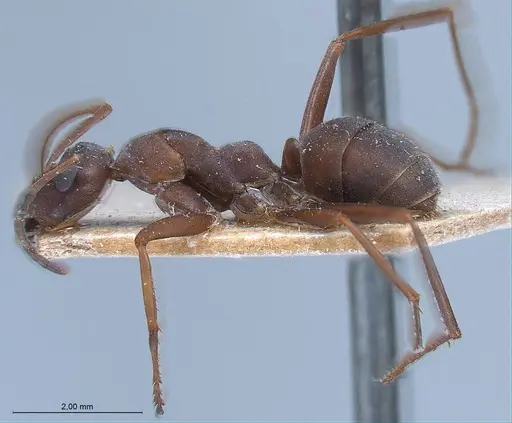
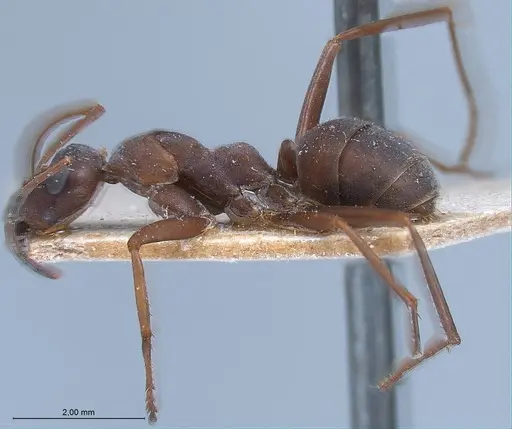
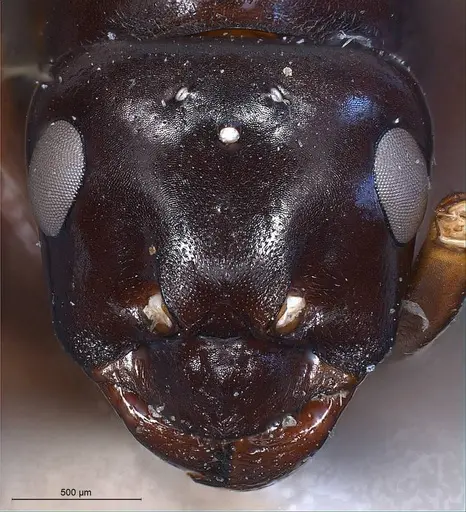
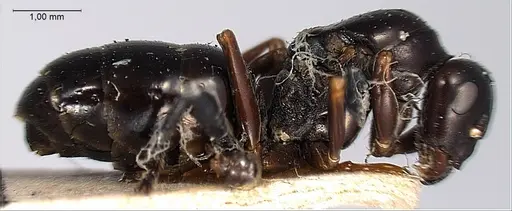
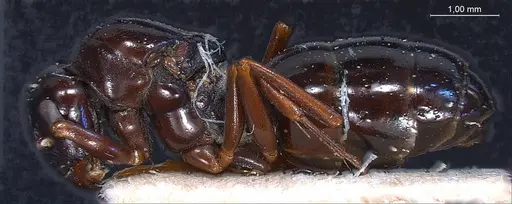
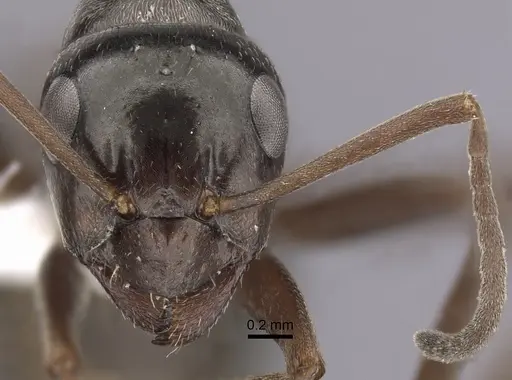
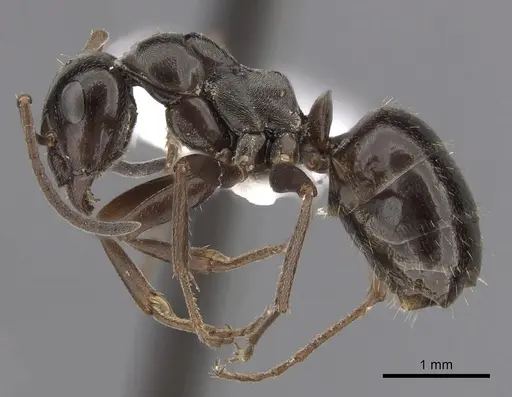
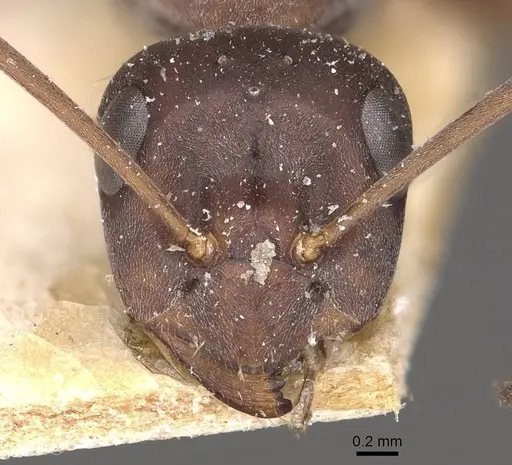
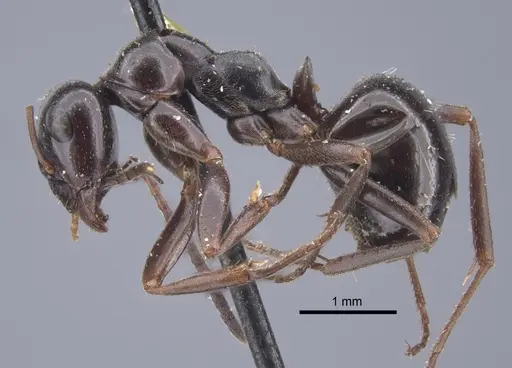
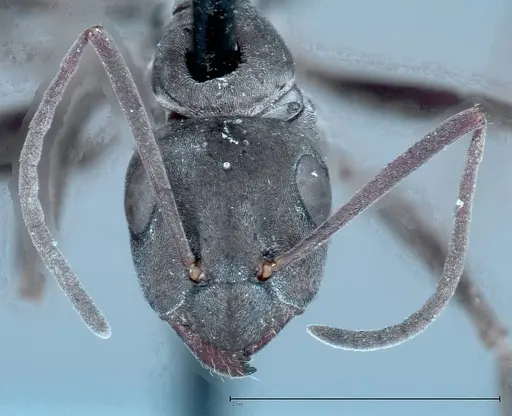
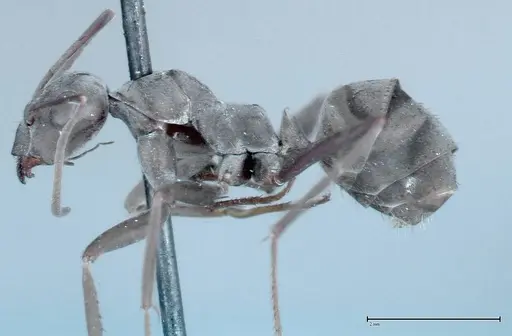
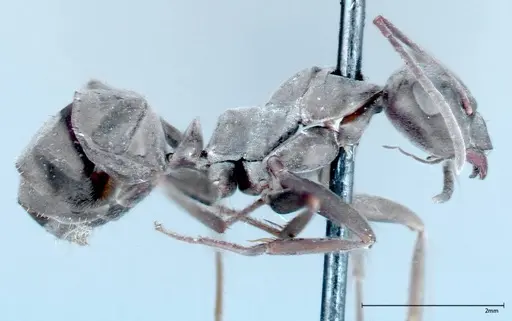
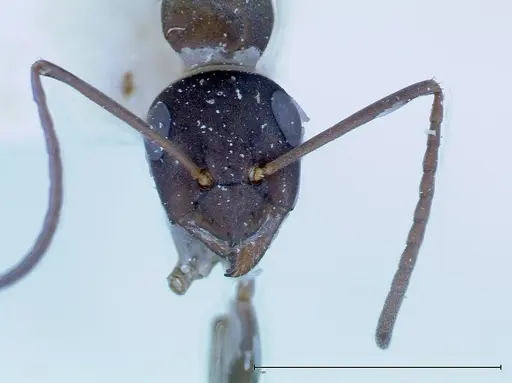
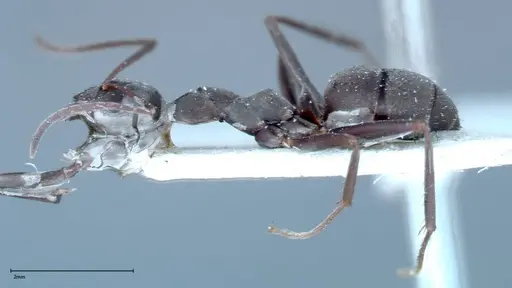
Formica picea is a small to medium-sized ant measuring 4-6.5mm for workers and 8-9.5mm for queens. Workers are glossy black with brownish legs and antennae, and have distinctive forward-directed hairs on the thorax. This species belongs to the Serviformica subgenus and is one of the most moisture-loving Formica species in Europe. It is a glacial relict species found across Europe, the Caucasus, and western Siberia, typically inhabiting peat bogs and moist heathlands where it builds nests in moss hummocks and grass tussocks. Colonies are polygynous with multiple queens working together, and the species is known for its exceptional cold tolerance and ability to survive in water-saturated substrates.
Quick Summary
- Difficulty: Medium
- Origin & Habitat: Native to Europe, Caucasus, and West Siberian Lowland. Found in peat bogs, moist heathlands, and wet meadows from lowlands to subalpine zones (540-680m in Czech Republic, up to 1995m in Austria). This is the most hygrophilous (moisture-loving) Formica species in Europe [1][2][3][4].
- Colony Type: Polygynous colonies with multiple queens (typically 1-5 in summer, but up to 120+ overwinter together). Colonies can reach 500-3500 workers in optimal habitats. The species exhibits polydomy (multiple nest sites) and low intraspecific aggression between colonies [2][5][6][7][8].
- Colony: Optionally polygyne
- Founding: Claustral
- Size & Growth:
- Queen: 8-9.5 mm [7]
- Worker: 4-6.5 mm [7][9]
- Colony: Up to 3500 workers in bog colonies,100-200 in forest/steppe habitats [7][8]
- Growth: Moderate
- Development: 6-8 weeks at optimal temperature (estimated based on Formica genus patterns) (Brood development occurs from May to early September in temperate regions. Formica species generally develop faster than Myrmica, taking 20-25 days from egg to pupa at optimal temperatures [10].)
- Antkeeping:
- Temperature: Keep colonies cool, aim for 15-22°C range. This is a cold-climate specialist with very low supercooling points. Room temperature is generally suitable, but avoid overheating. Provide a temperature gradient if possible [3][10].
- Humidity: High humidity is critical. Keep nest substrate consistently moist but not waterlogged. This species tolerates water saturation and has weak avoidance behavior against water surfaces. Provide damp moss or peat as nesting material [3][7].
- Diapause: Yes, requires winter hibernation at cold temperatures (around 5-10°C) for several months. Colonies survive frozen in Sphagnum nests where temperatures reach 0°C in winter. Do not hibernate in warm conditions [11][7].
- Nesting: Use moist, naturalistic setups with moss, peat, or grass tussock material. Y-tong nests with damp substrate work well. The species prefers tight chambers and builds nests in organic material rather than excavating soil. Avoid dry conditions [4][7].
- Behavior: Workers are not aggressive and have low surface activity. They primarily forage underground and tend root aphids. The species shows weak avoidance of water and can survive being submerged for 24 hours. Workers are highly sensitive to direct heat radiation and will flee from strong light/heat. Low intraspecific aggression allows multiple colonies to exist near each other [12][3][13][11].
- Common Issues: dry conditions kill colonies, this species absolutely requires moist habitat, overheating from direct sunlight or heating elements causes workers to flee, colonies are sensitive to habitat fragmentation in the wild, captive colonies may be fragile, slow growth means beginners may lose patience and overfeed, wild-caught colonies may have parasites that kill them in captivity
Housing and Nest Setup
Formica picea requires a setup that mimics its natural bog habitat. Use a naturalistic setup with damp peat, moss (Sphagnum or Polytrichum), or grass tussock material as the nesting medium. A Y-tong or acrylic nest with moist chambers works well. The key requirement is constant moisture, the substrate should feel damp but not have standing water. Avoid test tube setups as they tend to dry out too quickly for this moisture-dependent species. Provide a water reservoir or mist regularly to maintain humidity. The nest should be kept in a cool location away from direct sunlight and heat sources [4][7][3].
Feeding and Diet
In the wild, Formica picea primarily feeds on honeydew from root aphids and small insects. They are low-active predators that hunt aphids and sometimes scavenge on animal carcasses. In captivity, offer sugar water or honey regularly, along with small insects like fruit flies, small crickets, or mealworms. The species also tends aphids on plant roots, so providing a root aphid colony can be beneficial. They are not aggressive foragers and prefer to stay near their food sources. Feed protein prey 1-2 times per week and keep sugar water available at all times [7][14][8].
Temperature and Seasonal Care
This is a cold-climate specialist that thrives at temperatures between 15-22°C. Do not keep them warm, room temperature is typically ideal. They have very low supercooling points and can survive frozen solid in their Sphagnum nests during winter. From October/November through March/April, provide a cold hibernation period at 5-10°C (like in a refrigerator or cold garage). During the active season, avoid placing the nest in direct sunlight or near heat sources, as workers will flee from heat radiation. The species is highly sensitive to drying out and overheating [3][11][10].
Colony Structure and Behavior
Formica picea colonies are polygynous, meaning they have multiple queens. A typical colony has 1-5 egg-laying queens during summer, but they can accumulate up to 120+ queens for overwintering. Colonies can reach 500-3500 workers in optimal bog habitats. The species exhibits polydomy, where multiple nest sites are connected, and shows remarkably low intraspecific aggression, workers from different colonies often ignore each other. This allows high nest densities in small areas. Workers have low surface activity and do much of their foraging underground. They can serve as slave hosts for Formica sanguinea [5][6][7][13][8].
Reproduction and Nuptial Flights
Nuptial flights occur in mid-summer, typically July-August. Winged sexuals (alates) are produced in late summer. New colonies are founded by single queens that seal themselves in chambers (claustral founding). The species can also establish new colonies through colony fragmentation or budding, where queens walk from the parent nest to establish nearby colonies. This explains why they are highly sensitive to habitat fragmentation, future queens do not fly far from the parent nest [7][15][8].
Frequently Asked Questions
Can I keep Formica picea in a test tube?
Not recommended. This species requires constant moisture and tends to die in dry test tube setups. Use a naturalistic setup with damp peat or moss instead. If you must use a test tube, provide a very large water reservoir and monitor humidity closely [4][7].
What is the best nest type for Formica picea?
A naturalistic setup with damp substrate (peat, moss, or grass tussock material) works best. Y-tong nests with moist chambers are suitable. The key is maintaining high humidity without flooding. Avoid dry formicariums [4][7].
How long until first workers appear?
Expect first workers (nanitics) approximately 6-8 weeks after the queen lays eggs, based on typical Formica development patterns. Development is faster than Myrmica species at comparable temperatures [10].
Are Formica picea good for beginners?
Not ideal for complete beginners. They require specific moisture conditions and cool temperatures that differ from many common pet ant species. However, they are not overly difficult if you can provide the right damp, cool habitat [1].
Do they need hibernation?
Yes, they require a winter rest period. Keep colonies at 5-10°C for several months (October/November through March/April). They can survive being frozen in ice as long as the temperature stays at 0°C in their moist nest [11][7].
Can I keep multiple queens together?
Yes, Formica picea is naturally polygynous with multiple queens per colony. However, if combining unrelated foundress queens, introduce them carefully and monitor for aggression initially [5][6].
Why are my Formica picea dying?
The most common cause is dry conditions. This species absolutely requires moist habitat, if the substrate dries out, colonies will decline rapidly. Also check that temperatures are cool (not warm) and that there is no direct heat exposure [3][7].
How big do colonies get?
Colonies can reach 500-3500 workers in optimal habitats like peat bogs. In less ideal conditions, colonies may stay smaller (100-200 workers). Growth is moderate [7][8].
What do Formica picea eat?
They primarily feed on honeydew from root aphids and small insects. In captivity, offer sugar water or honey constantly, plus small insects (fruit flies, small crickets, mealworms) 1-2 times weekly [7][14].
References

This caresheet is licensed under CC BY-SA 4.0 .
ANTWEB1008395
View on AntWeb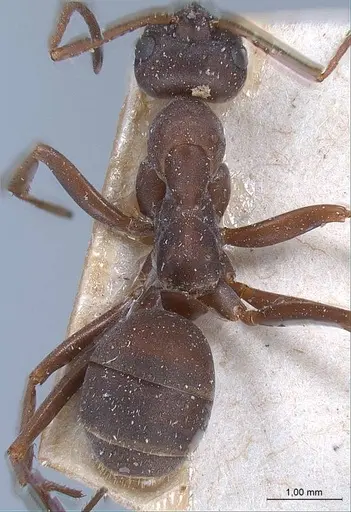
ANTWEB1008405
View on AntWeb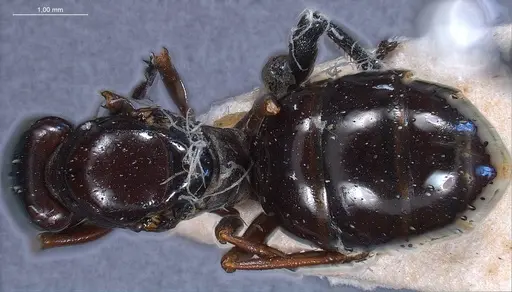
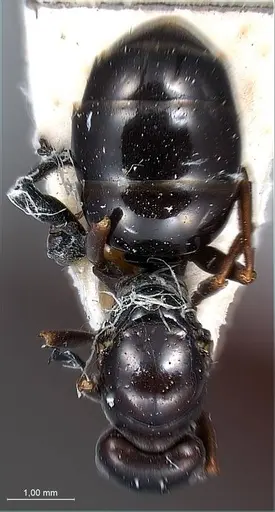
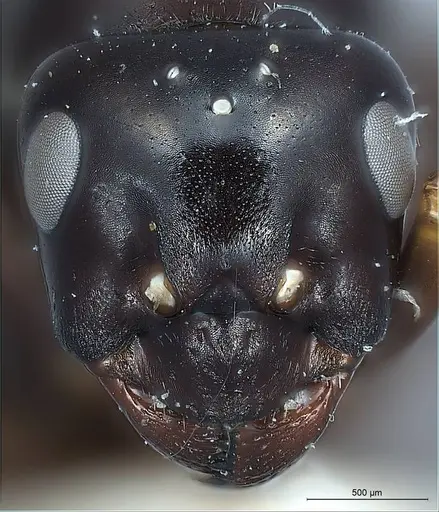
ANTWEB1008406
View on AntWeb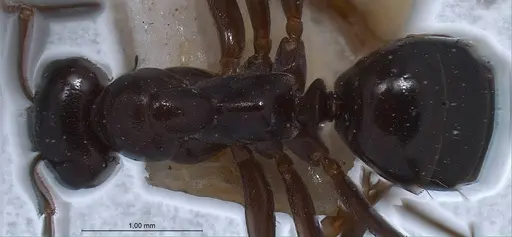
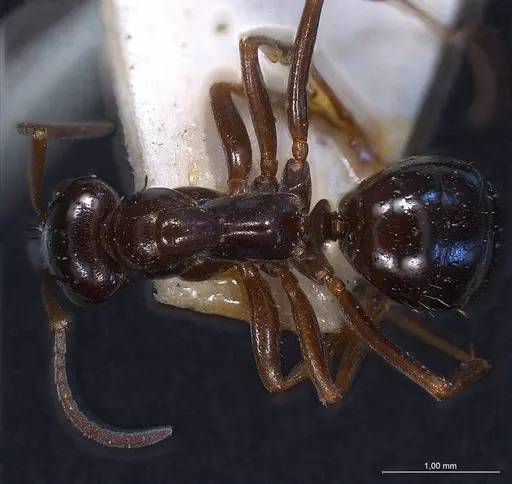
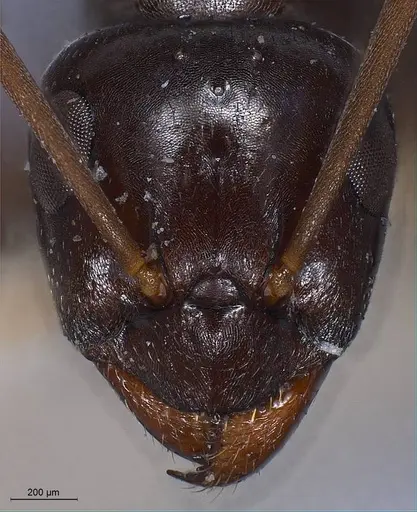
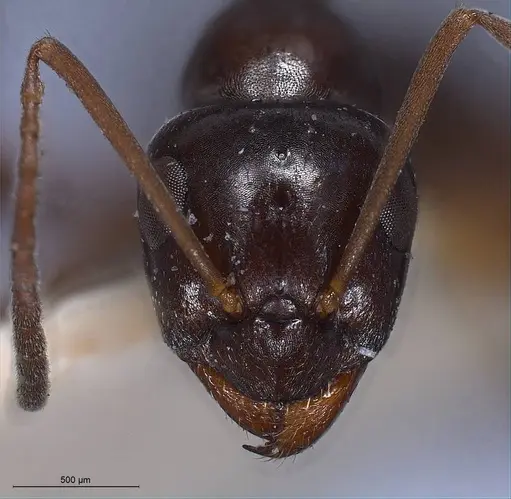
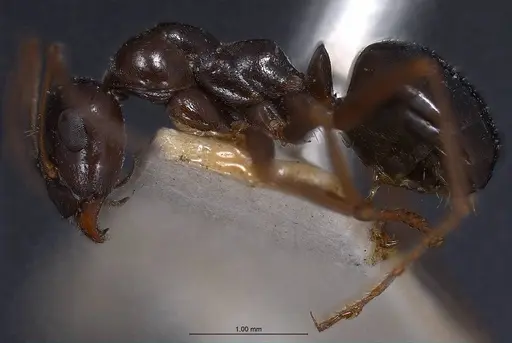
CASENT0173868
View on AntWeb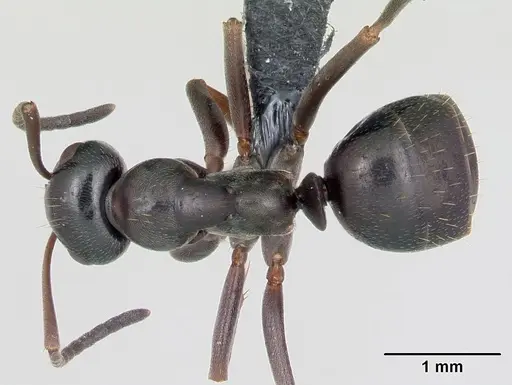
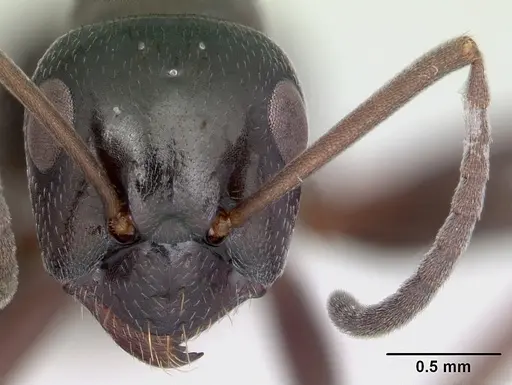
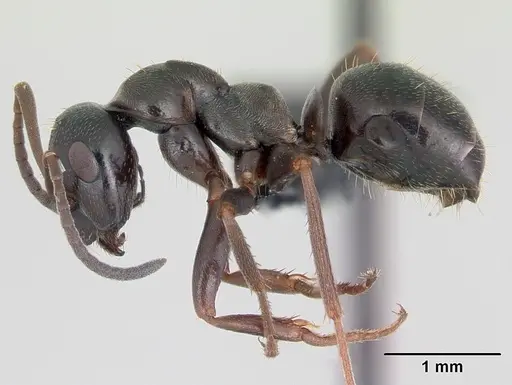
CASENT0280381
View on AntWeb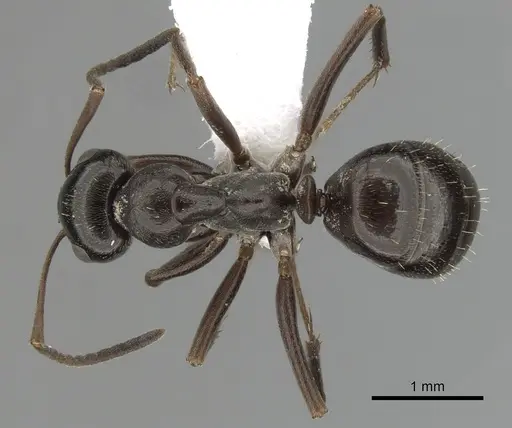
CASENT0911076
View on AntWeb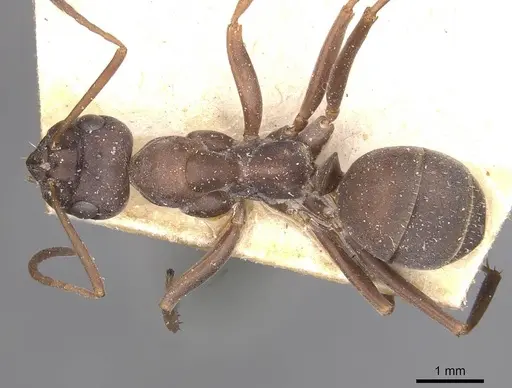
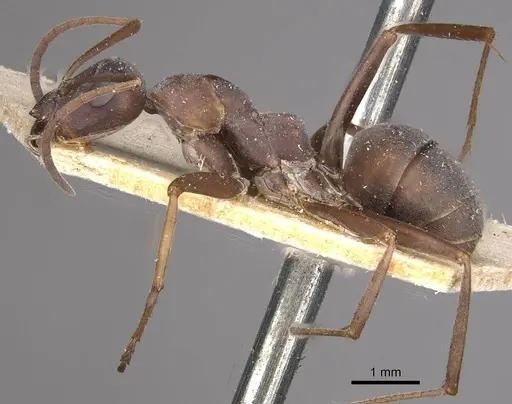
CASENT0917249
View on AntWeb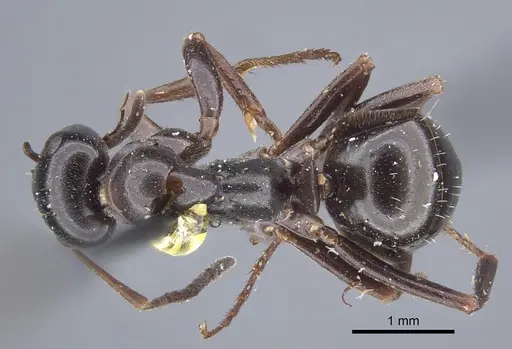
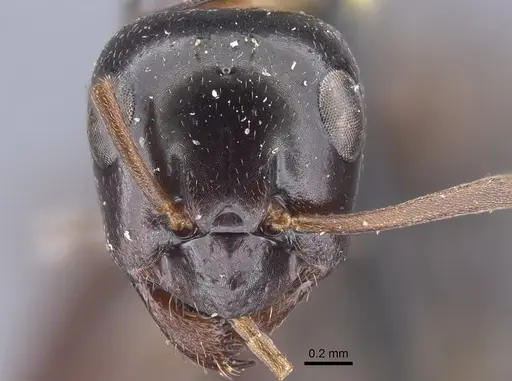
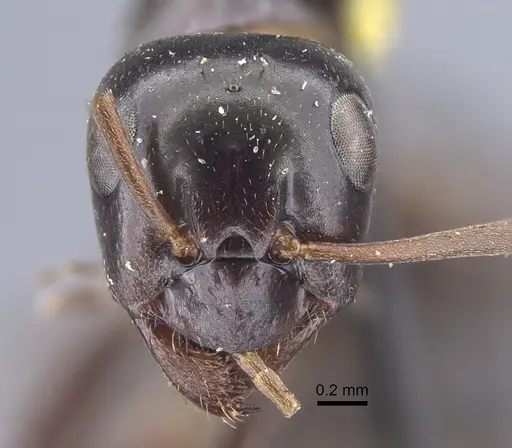
FOCOL0131
View on AntWeb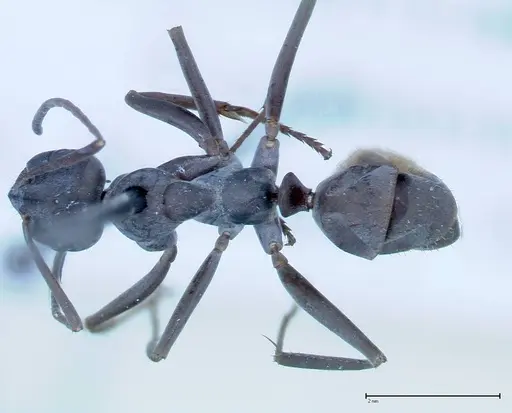
FOCOL0132
View on AntWeb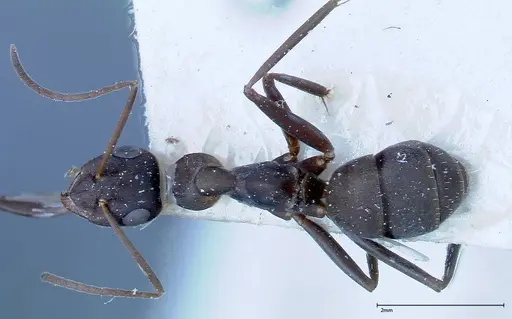
Literature
Loading...Loading products...