

Formica kozlovi
- Scientific Name
- Formica kozlovi
- Tribe
- Formicini
- Subfamily
- Formicinae
- Author
- Dlussky, 1965
- Distribution
- Found in 1 countries
Formica kozlovi Overview
Formica kozlovi is an ant species of the genus Formica. It is primarily documented in 1 countries , including Mongolia. Detailed taxonomic data and occurrence records can be further explored via authoritative databases such as AntWeb or the Global Biodiversity Information Facility (GBIF).
Formica kozlovi
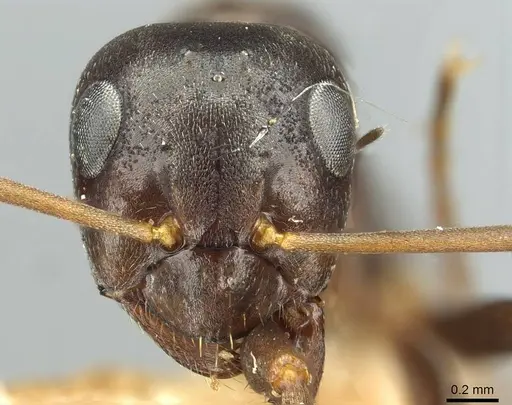
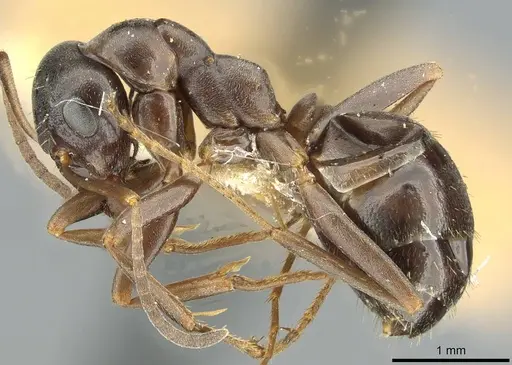
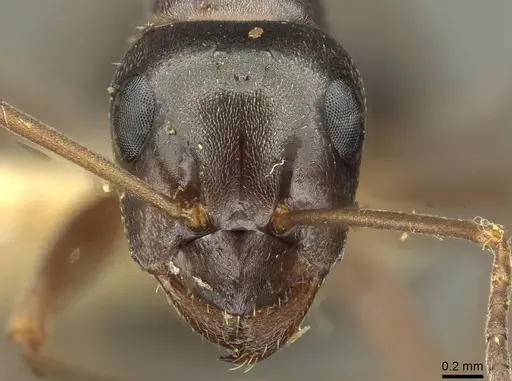
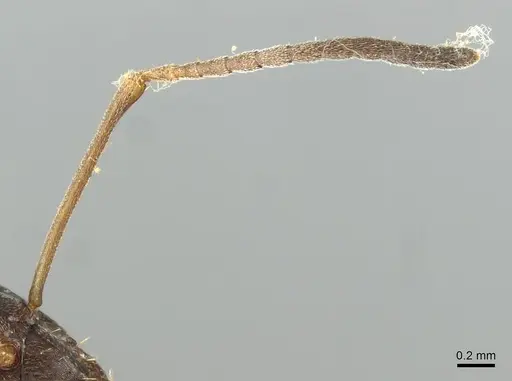
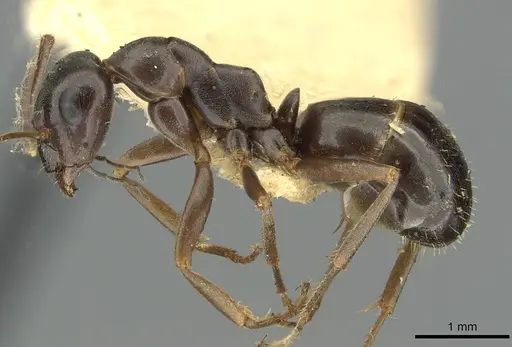
Formica kozlovi is a small to medium-sized ant species native to Mongolia and the mountains of southern Siberia. Workers are dark with the characteristic Formica body shape, featuring a distinct constriction between the thorax and abdomen. This species is closely related to Formica gagatoides, and recent genetic analysis suggests it may be conspecific with Asian populations of that species [1]. The workers can be identified by their relatively long scapes and the presence of three or more setae (bristles) on the femora of the middle legs, along with sparse pubescence on the gaster [1]. Queens are larger than workers and have the typical robust Formica queen morphology.
Quick Summary
- Difficulty: Medium
- Origin & Habitat: This species inhabits Mongolia and southern Siberia, primarily in high-altitude mountain habitats. It thrives in mid-mountain woodlands of larch and Siberian pine, combined with subalpine meadows and stony tundra at elevations between 600 and 2,700 meters [2][1]. In Mongolia, it has been recorded across ten regions spanning various biogeographic zones from taiga forests to high-altitude alpine areas [2]. The species is characteristic of the alpine-taiga zone and is commonly found near forest edges, in stumps, or under stones [3][4].
- Colony Type: Colony structure is not well-documented in the scientific literature. Based on typical Formica patterns, this species likely forms single-queen colonies (monogyne), though multi-queen colonies have been documented in related Formica species. Colonies show significant morphological variation, with mixed worker morphotypes occurring in Siberian populations [1].
- Colony: Monogyne
- Founding: Claustral
- Size & Growth:
- Queen: Estimated 8-10mm based on related Formica species, not directly measured for this species
- Worker: Workers approximately 1.3mm in mean size (CS: 1333 µm) [5]
- Colony: Unknown, likely several hundred to a few thousand workers based on typical Formica colony sizes
- Growth: Moderate, development times are typical for temperate Formica species
- Development: Estimated 6-8 weeks at optimal temperature based on genus-level Formica data (Development time inferred from related Formica species, specific data for F. kozlovi unavailable)
- Antkeeping:
- Temperature: Keep at cool to moderate temperatures, roughly 18-22°C. This species comes from high-altitude cold habitats in Mongolia and Siberia, so it prefers cooler conditions than many tropical ants. A temperature gradient allowing workers to choose their preferred zone is beneficial [1][3].
- Humidity: Moderate humidity is appropriate. Provide a water tube for drinking and keep the nest substrate slightly moist but not waterlogged. The natural habitat includes both forested areas and alpine meadows, suggesting tolerance for varying moisture levels [3][2].
- Diapause: Yes, this species originates from Siberia and Mongolia, regions with harsh winters. You will need to provide a hibernation period of 3-4 months at temperatures around 5-10°C, typically from late autumn to early spring [1].
- Nesting: In captivity, standard formicarium setups work well. This species naturally nests under stones, in stumps, and at forest edges [3]. Y-tong (AAC) nests, plaster nests, or naturalistic setups with soil substrate all work. Provide some cover and darkness, as they prefer nesting in concealed locations. The nest should have chambers scaled appropriately for their worker size.
- Behavior: Formica kozlovi is a relatively calm, non-aggressive species typical of the genus. Workers are active foragers that likely collect honeydew from aphids and hunt small invertebrates, as do related Formica species. They are not particularly aggressive and do not have a painful sting, though they may bite if provoked. Workers are moderately sized and can climb smooth surfaces, so standard escape prevention measures are recommended. They are diurnal and most active during daylight hours, matching their natural behavior in high-altitude habitats.
- Common Issues: cold requirements mean this species may struggle in warm rooms without temperature control, hibernation is essential for colony health, skipping winter rest often leads to colony decline, limited availability in the antkeeping hobby means founders are rarely available, high-altitude origin makes this species sensitive to overheating, specific colony structure (monogyne vs polygyne) is not well-documented, so introducing multiple queens is risky
Natural Habitat and Distribution
Formica kozlovi is found across Mongolia and the mountains of southern Siberia. In Mongolia, it has been recorded in ten different regions including Khuvsgul, Khentii, Khangai, and various Gobi areas, spanning elevations from 600 to 2,400 meters [2]. In the Altai Mountains, they inhabit altitudes from 1,740 to 2,700 meters, with the highest densities in mid-mountain woodlands of larch and Siberian pine combined with low-grass subalpine meadows and stony tundra [1]. They can have up to four nests per 25 square meters in optimal habitat [1]. The species is characteristic of the alpine-taiga zone and is commonly found near forest edges, in stumps, or under stones [3][4]. This high-altitude, cold-adapted distribution means the species is well-suited to cool temperatures but requires proper seasonal cycling.
Temperature and Seasonal Care
This is a cold-adapted species that requires cool to moderate temperatures. In captivity, maintain nest temperatures between 18-22°C, avoiding overheating. Because they originate from high-altitude Siberia and Mongolia, they are sensitive to heat stress, never expose them to temperatures above 28°C. A temperature gradient within the setup allows workers to regulate their own body temperature by moving between warmer and cooler areas. During the active season (spring through autumn), room temperature is often suitable. However, you must provide a proper hibernation period of 3-4 months during winter, keeping the colony at 5-10°C in a refrigerator or cold cellar. This winter rest is essential for colony health and likely triggers reproductive development. Skipping hibernation typically leads to colony decline over time. [1][3]
Feeding and Diet
Like other Formica species, Formica kozlovi likely accepts a varied diet of sugars and protein. Provide sugar water, honey, or diluted syrup as a constant energy source. For protein, offer small insects such as fruit flies, small crickets, mealworms, or other appropriately-sized arthropods. In the wild, they likely forage for honeydew from aphids and hunt small invertebrates in their forest and meadow habitats [3]. Feed protein sources 2-3 times per week, and keep sugar water available at all times. Remove uneaten prey after 24-48 hours to prevent mold. Fresh water should always be accessible.
Nesting and Setup
In nature, Formica kozlovi nests under stones, in stumps, and at forest edges [3]. For captivity, standard formicarium setups work well. Y-tong (AAC) nests, plaster nests, or naturalistic setups with soil substrate are all appropriate. Provide some darkness and cover within the nest area, as they prefer concealed nesting sites. The chambers should be scaled appropriately for their worker size (around 1.3mm). Include a water tube for humidity control. A foraging area should allow space for workers to forage and dispose of waste. Escape prevention is important, use fluon on edges and ensure lids fit tightly, though this species is not particularly small or known for exceptional escape ability.
Colony Development and Growth
Colony growth is moderate and follows typical Formica patterns. Queens are claustral founders that seal themselves in a chamber and raise the first workers (nanitics) alone using stored fat reserves. The first workers will be smaller than mature workers. Development from egg to worker likely takes 6-8 weeks at optimal temperatures, based on related Formica species [1]. Colonies likely reach several hundred to a few thousand workers over several years. The species shows significant morphological variation in wild colonies, with mixed worker morphotypes occurring in Siberian populations [1]. This variation is normal and does not indicate hybridization, it reflects natural within-species polymorphism.
Frequently Asked Questions
How long does it take for Formica kozlovi to raise first workers?
Based on related Formica species, expect 6-8 weeks from egg to first worker at optimal temperatures around 20°C. The queen will seal herself in and raise the first brood alone, with nanitic workers emerging smaller than mature workers.
Do Formica kozlovi ants need hibernation?
Yes, hibernation is essential. This species originates from Siberia and Mongolia with harsh winters. Provide 3-4 months of cold conditions at 5-10°C during winter, typically from late autumn to early spring. Skipping hibernation will likely cause colony decline.
What temperature is best for Formica kozlovi?
Keep nest temperatures between 18-22°C. This is a cold-adapted species from high altitudes, so avoid overheating, never expose them to temperatures above 28°C. A temperature gradient allowing workers to choose their preferred zone is beneficial.
Are Formica kozlovi good for beginners?
This species is rated as medium difficulty. While not overly demanding, the cold-temperature requirements and hibernation needs make it better suited for keepers who can provide proper seasonal cycling. Beginners should ensure they can maintain cool temperatures year-round.
What do Formica kozlovi ants eat?
They likely accept a typical Formica diet: sugar water, honey, or syrup as an energy source, and small insects like fruit flies, small crickets, or mealworms for protein. Keep sugar water available at all times and offer protein 2-3 times per week.
How big do Formica kozlovi colonies get?
Colony size is not well-documented, but based on related Formica species, colonies likely reach several hundred to a few thousand workers over several years of growth.
Can I keep multiple Formica kozlovi queens together?
Colony structure is not well-documented for this species. Based on typical Formica patterns, single-queen colonies are most common. Combining unrelated queens is not recommended as it has not been studied for this species and may result in aggression.
When should I move Formica kozlovi to a formicarium?
You can keep founding colonies in a simple test tube setup. Move to a formicarium once the colony reaches 20-30 workers and the test tube setup becomes cramped. A naturalistic setup with soil or a Y-tong nest works well for this species.
Where is Formica kozlovi found in the wild?
This species is native to Mongolia and southern Siberia. It lives in high-altitude mountain habitats including mid-mountain larch and pine forests, subalpine meadows, and stony tundra at elevations between 600 and 2,700 meters [2][1].
References

This caresheet is licensed under CC BY-SA 4.0 .
CASENT0912248
View on AntWeb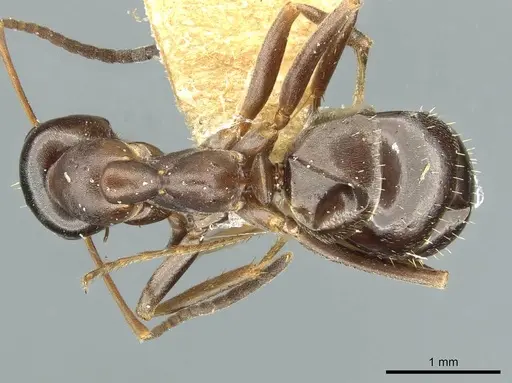
CASENT0913645
View on AntWeb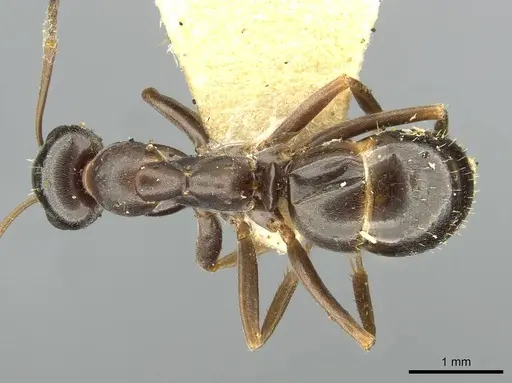
Literature
Loading...Loading products...