

Formica gagatoides
- Scientific Name
- Formica gagatoides
- Tribe
- Formicini
- Subfamily
- Formicinae
- Author
- Ruzsky, 1904
- Distribution
- Found in 8 countries
Formica gagatoides Overview
Formica gagatoides is an ant species of the genus Formica. It is primarily documented in 8 countries , including China, Denmark, Finland. Detailed taxonomic data and occurrence records can be further explored via authoritative databases such as AntWeb or the Global Biodiversity Information Facility (GBIF).
Formica gagatoides
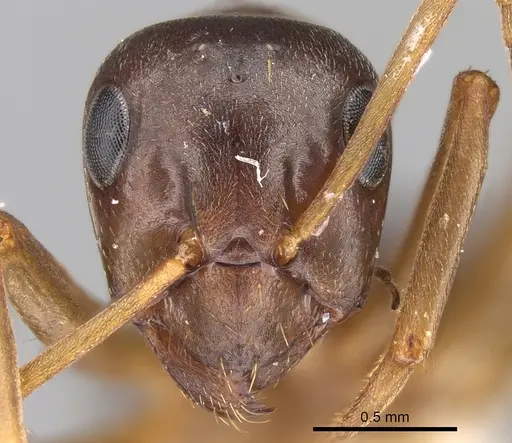
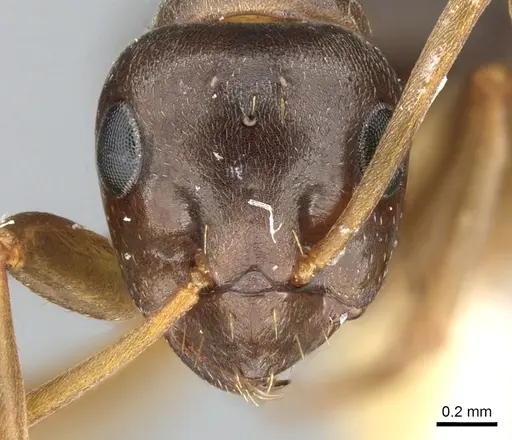
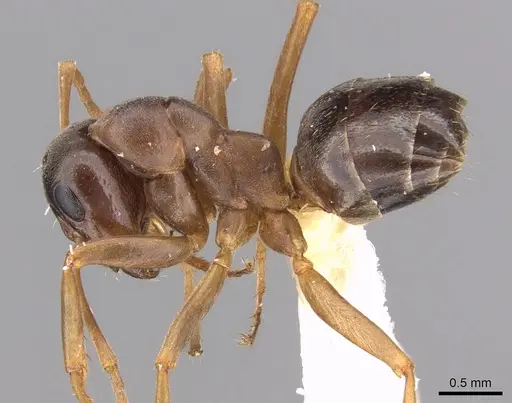
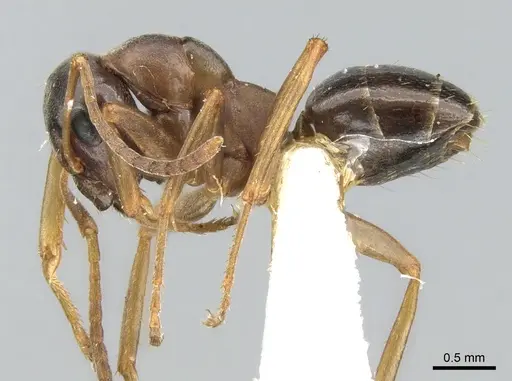
Formica gagatoides is a small, jet-black ant native to the arctic and boreal regions of the Northern Hemisphere. Workers measure 4-6mm and are nearly entirely black with brownish mandibles and legs, distinguished by their shiny gaster (abdomen) contrasting with a duller head and middle body section [1][2]. This species holds a unique place in ant biogeography as one of only three ant species with a truly Holarctic distribution, found across Eurasia from Norway to Siberia and Japan, and in northern North America (Yukon), having crossed the Bering Strait approximately 1.1 million years ago [3][4]. It thrives in cold climates, living in small colonies of up to 1000 workers with one or several queens, and is a cold-climate specialist that can survive temperatures below -40°C [5][6].
Quick Summary
- Difficulty: Medium
- Origin & Habitat: Exclusively arctic and boreal species native to the Holarctic region, found across northern Eurasia from Norway to Siberia, Japan (high altitudes 2700m+), and northern North America (Yukon). Inhabits sphagnum bogs, coniferous forests (particularly larch and Siberian pine), forest clearings, and alpine/subalpine areas. One of only three ant species with confirmed Holarctic distribution [3][4][7].
- Colony Type: Small colonies of several hundred workers with one or a few queens. Facultatively polygynous, can have single-queen (monogyne) or multi-queen (oligogyne) colonies [8][6].
- Colony: Optionally polygyne, Oligogyne
- Founding: Claustral
- Size & Growth:
- Antkeeping:
- Temperature: Keep around 20-24°C for active colony. This is a cold-adapted species, avoid overheating. Room temperature (18-22°C) is suitable. Provide a temperature gradient so ants can self-regulate [5]
- Humidity: Moderate humidity around 50-60%. Keep nest substrate moist but not waterlogged. In nature they nest in moss, rotting wood, and soil, these materials should stay damp but allow some drying between waterings [8]
- Diapause: Yes, this species requires a winter dormancy period. In their native range, nuptial flights occur in August-September and colonies experience extreme cold (below -30°C) during Siberian winters. Simulate winter by reducing temperature to 5-10°C for 3-4 months [10][8]
- Nesting: Nests in soil, rotting tree stumps, moss mounds, and dead wood. No mound building. Use a naturalistic setup with soil or a Y-tong/plaster nest with moisture retention. Provide access to both damp and slightly drier areas. Shallow nests (15-30cm deep in wild) are typical, avoid very deep setups [11][8]
- Behavior: Generally peaceful and non-aggressive. Workers forage for honeydew from aphids and hunt small insects. They do not defend foraging territories and are not territorial [8]. Workers are active foragers but can be somewhat slow-moving compared to tropical ants. Escape risk is moderate, use standard formicarium barriers. This species is a ground-nester and does not climb well on smooth surfaces [8].
- Common Issues: cold intolerance, overheating kills this species faster than cold exposure, winter dormancy failure, colonies that don't hibernate properly will decline, small colony size means slow population growth and higher extinction risk, shallow nesting in the wild means they need accessible moisture sources in captivity, wild-caught colonies may have parasites that require treatment
Housing and Nest Setup
Formica gagatoides is a ground-nesting species that naturally nests in rotting wood, tree stumps, soil, and moss mounds. For captivity, a naturalistic setup with a soil chamber works well, or you can use a Y-tong (acrylic) nest with plaster or soil-filled chambers for moisture retention [11][8]. The key is providing a shallow to moderate-depth nest (they naturally nest 15-30cm deep in the wild) with good moisture retention. Avoid deep, vertical formicaria, these ants prefer horizontal layouts that mimic their natural shallow nests. Include some damp substrate areas and allow parts of the nest to dry slightly between waterings. A water tube or reservoir connected to the nest helps maintain humidity without flooding [8].
Temperature Requirements
This is a cold-adapted species that thrives in temperatures most ants would find too cool. Keep the nest around 18-22°C for normal activity, this is ideal for a boreal species. Room temperature in most homes (18-21°C) is actually perfect for them. Avoid temperatures above 25°C as this can stress and kill colonies [5]. Provide a gentle temperature gradient across the nest so workers can choose their preferred zone. During summer, keep them at room temperature, they do not need heating. The most critical aspect is providing a proper winter dormancy period, see the Overwintering section below [10].
Feeding and Diet
Like other Formica species, F. gagatoides is omnivorous with a preference for sweet liquids and protein. Feed them sugar water or honey regularly (every 2-3 days), and offer protein sources like small insects (fruit flies, small crickets, mealworms) 1-2 times per week [8]. In the wild, they collect honeydew from aphids and are zoonecrophae, they feed on dead insects and other small arthropods. They are not aggressive hunters but will take small prey. Remove uneaten food after 24-48 hours to prevent mold. A varied diet helps maintain colony health. Some colonies readily accept protein, experiment to see what your ants prefer [8].
Overwintering and Diapause
This species absolutely requires a winter dormancy period to remain healthy. In their native arctic and boreal habitats, colonies experience temperatures below -30°C for months. In captivity, you must simulate this by moving the colony to a cold location (5-10°C) for 3-4 months, typically from late October through February in the Northern Hemisphere [10][8]. A refrigerator, cold garage, or basement that stays cool but above freezing works well. Do not keep them warm year-round, this disrupts their natural cycle and will weaken the colony over time. During dormancy, reduce food offerings to almost nothing and keep the nest slightly drier but not bone-dry. The cold tolerance data shows they can survive extreme cold (down to -30°C in the wild), so a cold room at 5-10°C is safe [10].
Colony Growth and Development
Colonies grow moderately, expect 6-12 months from founding to first workers (nanitics), then another year or two to reach 100-200 workers. Maximum colony size is around 1000 workers, which is relatively small compared to many Formica species [8]. The queen lays eggs in spring after emerging from winter dormancy, and brood develops through summer. Because colonies stay relatively small, avoid splitting or disturbing them too often. Patience is key with this species, they are slow but steady growers. The facultatively polygynous nature means you might start with multiple queens, which can speed initial growth, but single-queen colonies are also successful [6][8].
Behavior and Temperament
Formica gagatoides is one of the more peaceful Formica species. Workers are not aggressive and do not defend territories or foraging grounds [8]. They are active foragers but tend to move deliberately rather than frantically. Workers can spray formic acid as a defense when threatened, though this is mild compared to some ants. They are primarily ground-dwelling and do not climb smooth surfaces well, which makes escape prevention relatively easy compared to climbing species. They do not build mounds but create networks of tunnels in soil and rotting wood. Observation is rewarding because they are active and visible foragers [8].
Frequently Asked Questions
How long does it take for Formica gagatoides to produce first workers?
Expect 6-8 weeks from egg to first worker at room temperature (around 20°C). This is typical for Formica species. The queen will lay eggs in spring after winter dormancy, and you should see nanitics (first tiny workers) by mid to late summer in the first year after founding.
Do Formica gagatoides need hibernation?
Yes, absolutely. This is a cold-adapted arctic species that requires 3-4 months of winter dormancy at 5-10°C each year. Without this rest period, colonies will weaken and eventually die. This is non-negotiable for this species, think of it as recreating their natural Siberian or Scandinavian winter [10][8].
How big do Formica gagatoides colonies get?
Colonies reach a maximum of around 1000 workers, relatively small for Formica ants. In the wild, they live in small colonies of several hundred workers with one or a few queens [8].
Can I keep multiple Formica gagatoides queens together?
Yes, this species is facultatively polygynous, meaning colonies can have either a single queen or multiple queens. If you catch multiple founding queens, they can potentially start a colony together, though some may eventually separate. Multi-queen colonies often grow faster initially [6][8].
What temperature is best for Formica gagatoides?
Keep them cool, around 18-22°C is ideal. This is a boreal species that does poorly in warmth. Room temperature is perfect. Avoid heating above 25°C. They are cold-tolerant but not heat-tolerant [5].
Are Formica gagatoides good for beginners?
This species is intermediate in difficulty. They are not aggressive and don't require elaborate setups, but they do need proper winter dormancy and prefer cooler temperatures than most ant species. If you're prepared to provide a cold winter period, they can be rewarding. However, their specific cold requirements make them better suited for keepers who understand seasonal ant care [5][10].
What do Formica gagatoides eat?
They are omnivorous with a sweet tooth. Feed sugar water or honey regularly, plus small insects (fruit flies, small crickets, mealworms) for protein 1-2 times weekly. They also collect honeydew from aphids in the wild [8].
Where is Formica gagatoides found in the wild?
This is one of the most northern ant species on Earth. They range across the arctic and boreal zones from Scandinavia through Siberia to Japan (high altitudes) and northern North America (Yukon). They are one of only three ant species with a confirmed Holarctic (both hemispheres) distribution [3][4][7].
When do Formica gagatoides nuptial flights occur?
Nuptial flights occur in late summer, typically August-September in their native range. In Japan, flights likely occur after late August. Males and new queens emerge for their mating flights during this period [1][2].
References

This caresheet is licensed under CC BY-SA 4.0 .
CASENT0906304
View on AntWeb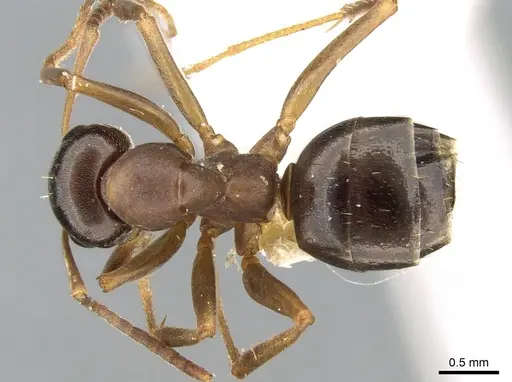
Literature
Loading...Loading products...