

Polyergus mexicanus
- Scientific Name
- Polyergus mexicanus
- Tribe
- Formicini
- Subfamily
- Formicinae
- Author
- Forel, 1899
- Common Name
- Western Amazon Ant
- Distribution
- Found in 2 countries
Polyergus mexicanus Overview
Polyergus mexicanus (commonly known as the Western Amazon Ant) is an ant species of the genus Polyergus. It is primarily documented in 2 countries , including Canada, United States of America. Detailed taxonomic data and occurrence records can be further explored via authoritative databases such as AntWeb or the Global Biodiversity Information Facility (GBIF).
Polyergus mexicanus - "Western Amazon Ant"
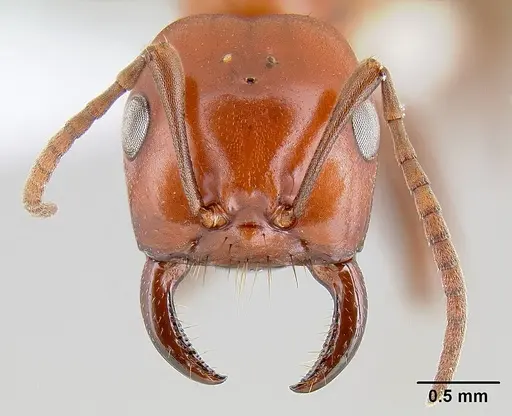
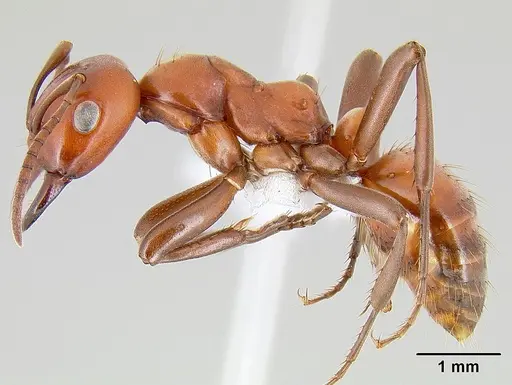
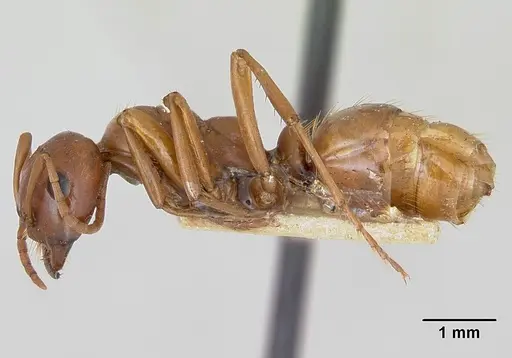
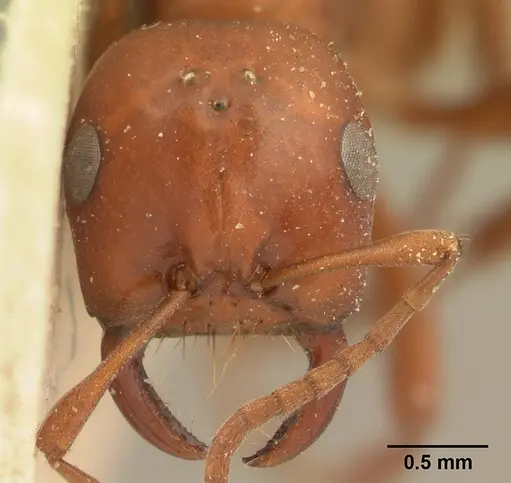
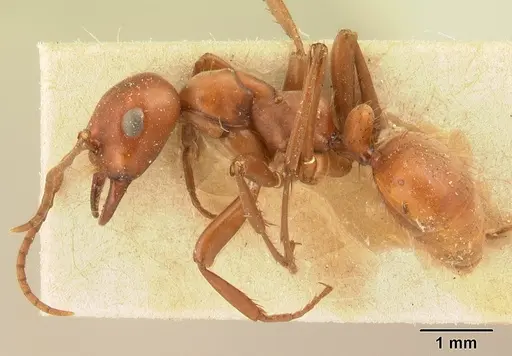
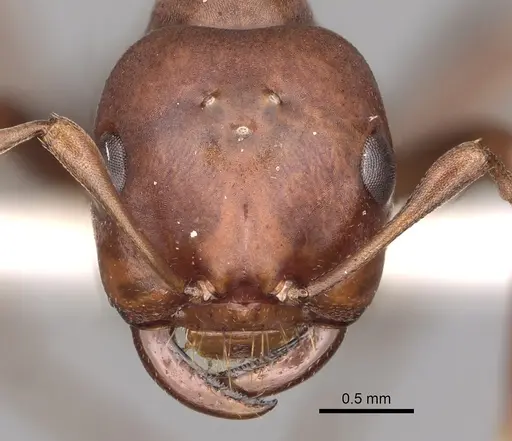
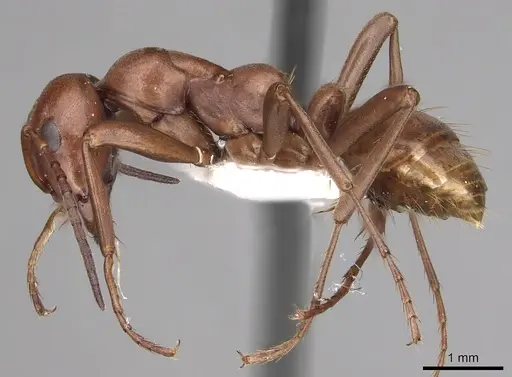
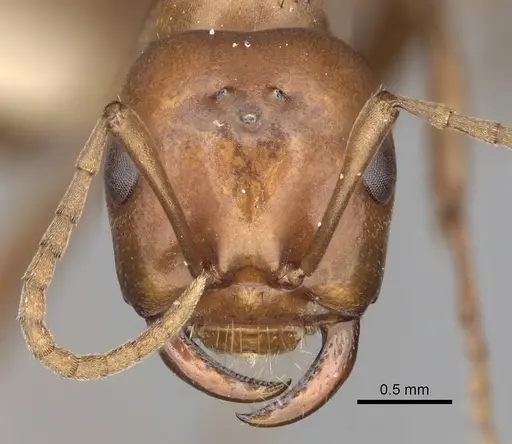
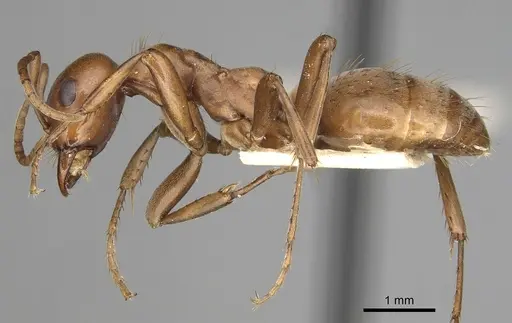
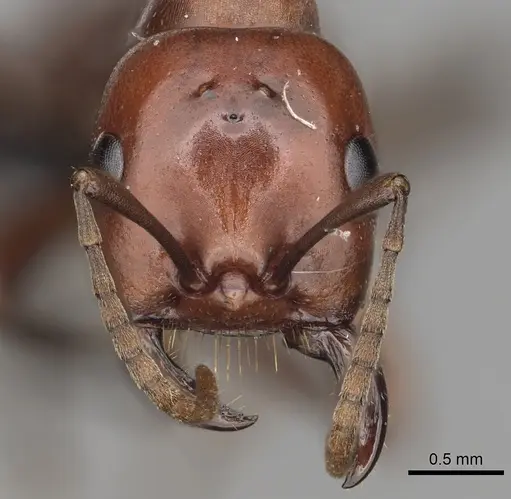
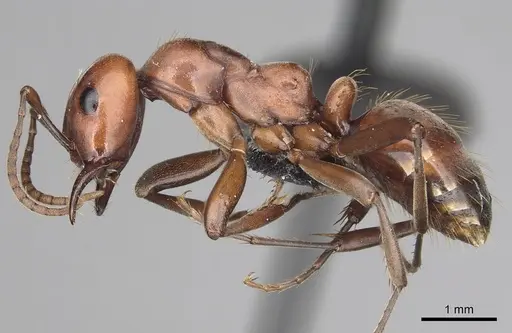
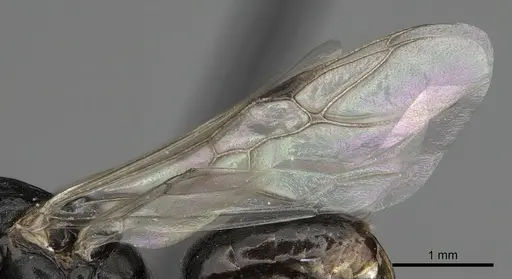
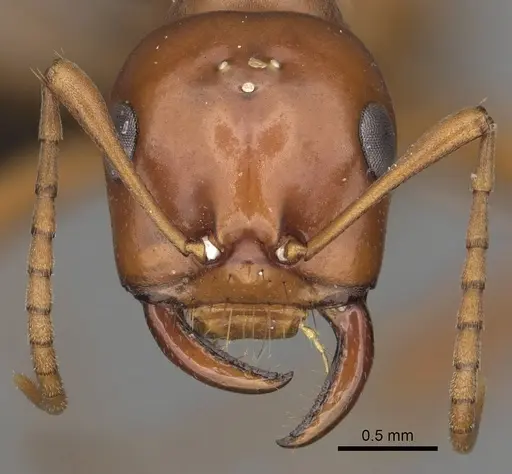
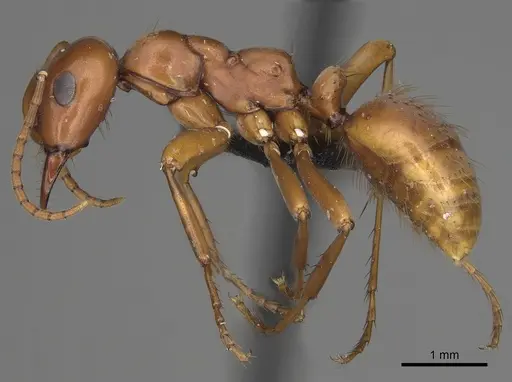
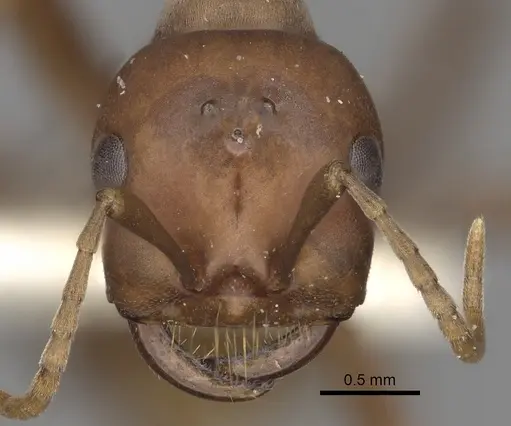
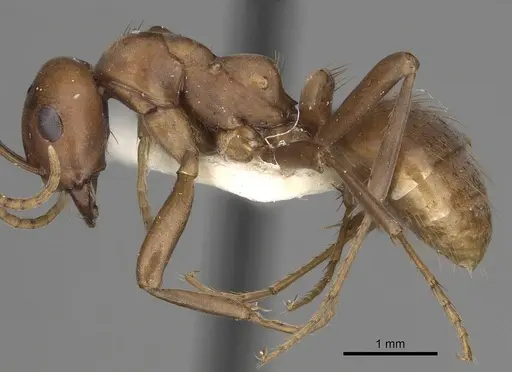
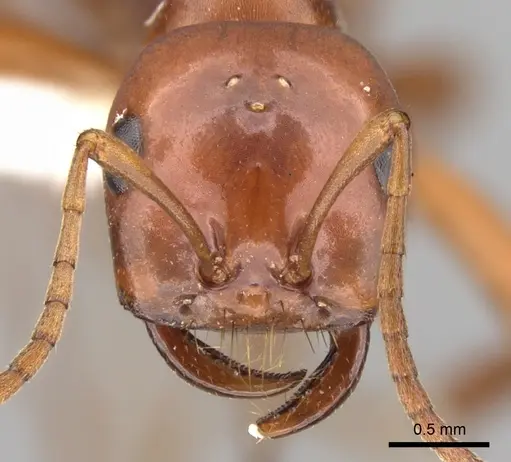
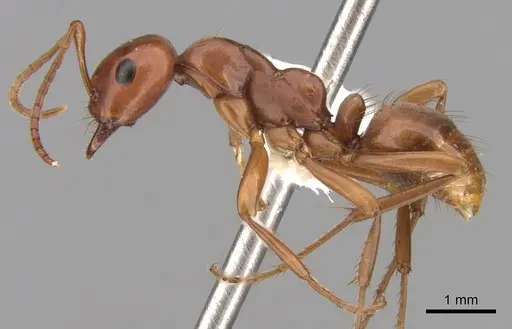
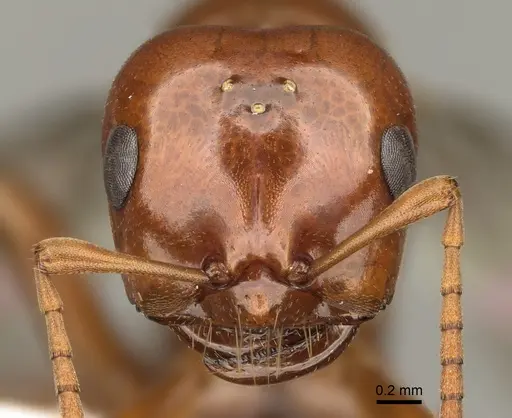
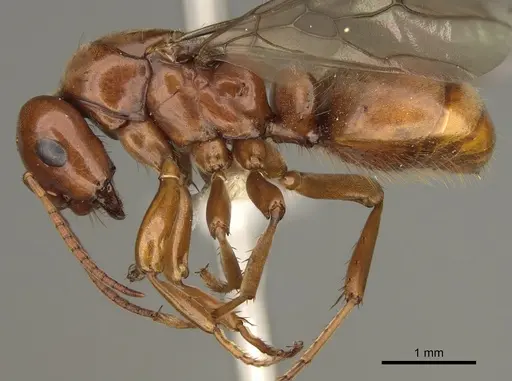
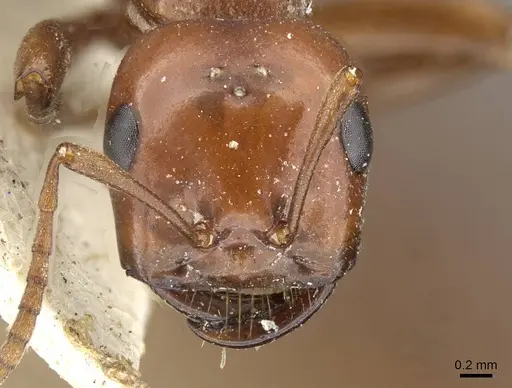
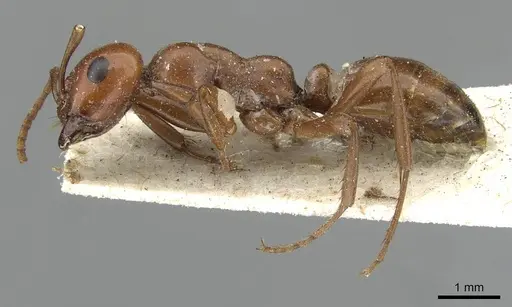
Polyergus mexicanus is a medium-sized red ant with distinctive sickle-shaped mandibles lacking teeth, built specifically for raiding other ant colonies. Workers measure 5-7mm and are mostly red with darker infuscation on the rear portions of their abdomen. This species is the most widely distributed Polyergus in North America, ranging from British Columbia south through California to Mexico, and east to the Mississippi Valley [1]. What makes this ant remarkable is its obligate slave-making lifestyle, it cannot survive without a host Formica colony to raise its young. The workers raid nearby Formica nests, stealing pupae that emerge as enslaved workers that do all the foraging, nursing, and nest maintenance [2].
Quick Summary
- Difficulty: Expert
- Origin & Habitat: Western North America from British Columbia to Mexico, east to Mississippi Valley. Found in oak woodlands, pine forests, grassland-woodland edges, and prairie groves. Prefers open habitats with little shrub layer, often in mesic (moderately damp) areas [1].
- Colony Type: Obligate dulotic (slave-making) ant, requires a host Formica colony to survive. The Polyergus queen invades a host colony, kills or displaces the host queen, and uses host workers to raise her brood. Workers are produced only after successful host integration.
- Colony: Monogyne
- Queen: Socially parasitic
- Special: Slave-making
- Size & Growth:
- Queen: Estimated 8-10mm (no direct measurements found, typical for genus)
- Worker: 5.01-7.36mm [1]
- Colony: Larger colonies than other Polyergus species, can reach several thousand workers when established with robust host colony
- Growth: Slow initially, depends on host colony integration, faster once established
- Development: Unknown, directly measured data not available. Development likely follows genus patterns of 6-10 weeks at warm temperatures once host integration occurs. (Development occurs within the host colony context, making direct measurement difficult. First workers emerge after the host workers begin caring for Polyergus brood.)
- Antkeeping:
- Temperature: Keep at 20-24°C (room temperature range). They occur across varied elevations from lowlands to 3200m, so moderate temperatures are appropriate [1].
- Humidity: Moderate humidity around 50-60%. These are woodland ants that tolerate some dryness but prefer not arid conditions.
- Diapause: Yes, requires winter dormancy. As a temperate species, colonies should be cooled to 5-10°C for 3-4 months during winter to match natural cycle.
- Nesting: This is the critical challenge, you cannot keep Polyergus mexicanus alone. You must maintain BOTH the slave-maker colony AND a host Formica colony (typically Formica subsericea, F. argentea, or related species). Use two connected setups so raids can occur naturally, or manually transfer host pupae to the Polyergus nest.
- Behavior: Polyergus mexicanus is an aggressive raider. Workers use their specialized mandibles to fight host colony defenders, then carry stolen pupae back to their nest. The enslaved host workers then perform all normal colony duties, foraging, nursing brood, maintaining the nest, while the Polyergus workers primarily conduct raids. They are not aggressive toward humans and rarely sting. Escape risk is moderate, workers are medium-sized and can be contained with standard barriers, but they are active and may explore [2].
- Common Issues: You MUST keep a host Formica colony, without one, your Polyergus colony will die. This is non-negotiable for this species., Finding and maintaining a suitable host species is difficult, F. subsericea, F. argentea, or related fusca-group species required., Raiding behavior can decimate host colonies if not managed, you need multiple host colonies or must limit raid frequency., Winter diapause is required, failure to provide proper hibernation will weaken and eventually kill the colony., Slow establishment phase, colonies may take years to become robust because they depend on host worker production.
The Slave-Making Lifestyle
Polyergus mexicanus is an OBLIGATE dulotic species, this means it cannot survive without a host colony. Unlike some ants that can live independently and only raid occasionally for new workers, every Polyergus colony MUST have enslaved host workers to function. The queen enters a host Formica colony, kills or displaces the host queen, and uses the host workers to raise her offspring. The resulting workers are primarily Polyergus, but they rely entirely on host workers for all non-raid activities [2][1]. This is fundamentally different from other ant species and is the single most important thing to understand before keeping this species. You are not just keeping one ant colony, you are maintaining a parasitic relationship between two species.
Housing Requirements - The Dual Colony System
This is not a species for beginners. To keep Polyergus mexicanus, you must maintain TWO colonies: the slave-maker colony AND a host Formica colony. The host species is typically Formica subsericea, Formica argentea, or other species in the Formica fusca and neogagates groups [1]. You can set up both colonies in separate enclosures connected by a forager tube or runway, allowing natural raids to occur. Alternatively, you can manually transfer host pupae to the Polyergus colony, the emerging workers will integrate and work for the parasite colony. Without a host colony or regular host pupae transfers, your Polyergus colony will starve as they cannot forage for themselves effectively. Expect to dedicate twice the space and maintenance effort of a typical ant species.
Feeding and Nutrition
In the wild, enslaved host workers do all the foraging. They collect honeydew, tend aphids, and hunt small insects just as they would for their own colony. In captivity, you feed the HOST colony, not directly to the Polyergus. Provide the host colony with standard ant foods: sugar water or honey, protein sources like mealworms or crickets, and occasional fruits. The enslaved workers will consume these and share with the colony. Polyergus workers primarily focus on raiding behavior, they are built for combat, not foraging. Some keepers report that Polyergus workers will accept sugar water directly, but this is not their primary feeding mode.
Temperature and Seasonal Care
Keep both colonies at moderate temperatures around 20-24°C. This species occurs across a wide elevation range from near sea level to 3200m, indicating adaptability to various thermal conditions [1]. During winter, both colonies require a diapause period of 3-4 months at 5-10°C. This is critical, without proper hibernation, the colony will become weakened and fail to produce reproductives (males and new queens) in subsequent seasons. Reduce feeding before diapause, move both colonies to a cool location, and allow them to slow down naturally.
Raiding Behavior
The most dramatic behavior you'll observe is the raid. Polyergus workers organize coordinated attacks on nearby Formica colonies, using their specialized sickle-shaped mandibles to fight host defenders. Successful raids result in the capture of host pupae, which workers carry back to their nest. These stolen pupae emerge as enslaved workers that integrate into the Polyergus colony and perform normal worker duties [2]. In some cases, P. mexicanus has been observed raiding non-host species (like Formica incerta), where they kill many workers and the queen, effectively becoming predators rather than parasites [1]. In captivity, you can observe this by connecting host and parasite colonies and allowing natural raid behavior.
Legal and Ethical Considerations
Polyergus mexicanus is native to western North America. If you live within this range (British Columbia to Mexico, east to Mississippi Valley), you may collect colonies locally, but always check local regulations. If you live outside this range, do NOT release this species, while native to North America, establishing colonies outside their range can cause ecological disruption. This species is NOT available from commercial breeders to the same degree as common species, you will likely need to locate a specialized supplier or collect your own. Additionally, ensure you also obtain a suitable host Formica species. [1]
Frequently Asked Questions
Can I keep Polyergus mexicanus in a test tube?
Not effectively. While you could house a founding queen in a test tube, this species REQUIRES a host colony to survive. You need a dual setup with both the slave-maker and a host Formica colony. Use two formicariums or test tube setups connected by tubing.
How do I keep Polyergus mexicanus alive?
You must keep TWO species: P. mexicanus AND a host Formica colony (typically F. subsericea, F. argentea, or related species). The Polyergus cannot survive without host workers. Either connect the colonies to allow natural raids, or manually transfer host pupae to the Polyergus nest for the emerging workers to become enslaved.
What do Polyergus mexicanus eat?
You feed the HOST colony. Provide them with sugar water/honey, protein (insects like mealworms or crickets), and occasional fruits. The enslaved host workers consume and distribute food throughout both colonies. Polyergus workers are specialized for raiding, not foraging.
How long until first workers?
Direct data is not available, but once the queen successfully integrates with a host colony, workers should appear within 6-10 weeks depending on temperature. The critical factor is host integration, without a host, no workers will be produced regardless of time.
Are Polyergus mexicanus good for beginners?
Absolutely not. This is an expert-level species requiring advanced knowledge of ant biology and the ability to maintain two colonies simultaneously. If you are new to ant keeping, start with species like Lasius niger, Camponotus, or Messor that can be kept simply.
Do Polyergus mexicanus need hibernation?
Yes. As a temperate species, they require a winter dormancy period of 3-4 months at 5-10°C. Both the slave-maker and host colonies should be cooled during winter. Failure to provide proper diapause will weaken the colony.
Can I keep multiple queens together?
Not applicable in the typical sense. Polyergus colonies are founded when a single queen invades a host colony. In captivity, you would start with one parasite queen and one host colony. Multiple parasite queens would compete within a host colony, typically with only one surviving.
Why are my Polyergus mexicanus dying?
The most likely cause is lack of host workers. Without enslaved Formica workers to forage, feed, and care for the brood, the colony cannot survive. Also check: are both colonies being fed? Is proper humidity maintained? Is diapause being provided? Review all aspects of host colony health.
How big do colonies get?
Colonies can reach several thousand workers when established with a healthy, long-standing host colony. The Missouri population (associated with large host F. subsericea) produces notably large colonies. However, growth is slow initially because it depends on successful raids and host worker integration.
References

This caresheet is licensed under CC BY-SA 4.0 .
CASENT0005397
View on AntWeb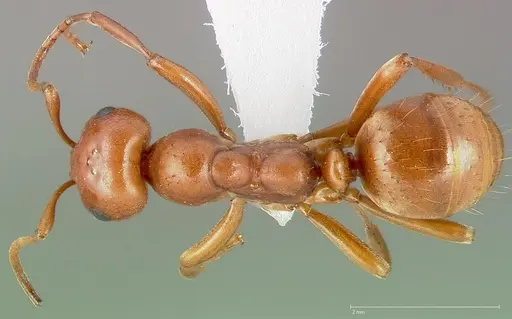
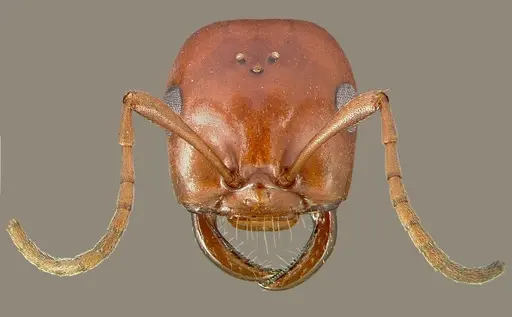
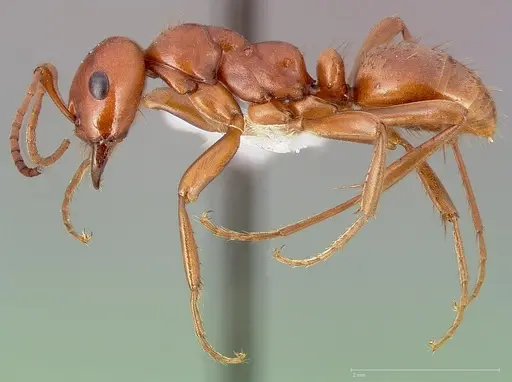
CASENT0106048
View on AntWeb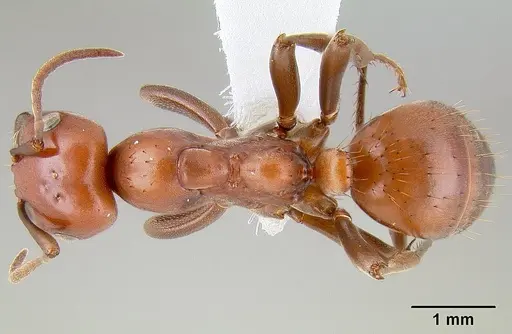
CASENT0172897
View on AntWeb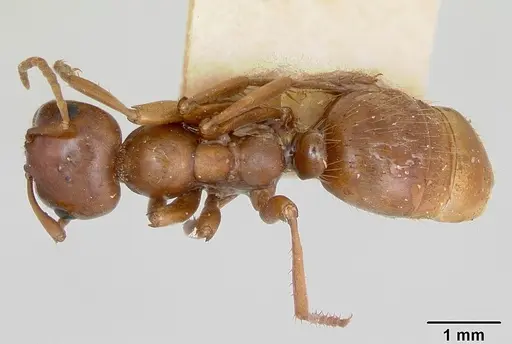
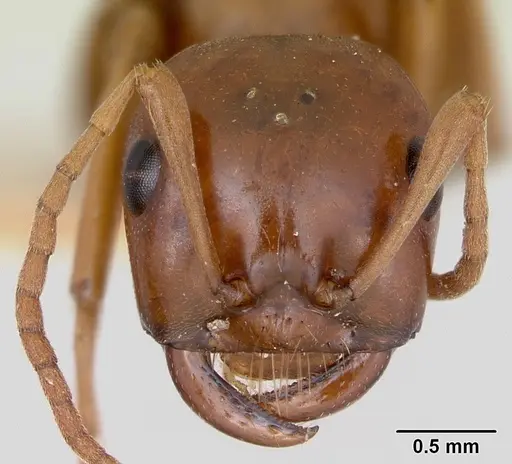
CASENT0179560
View on AntWeb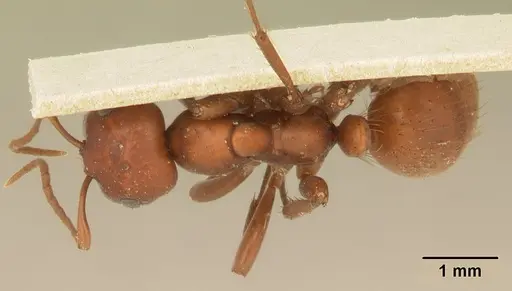
CASENT0281069
View on AntWeb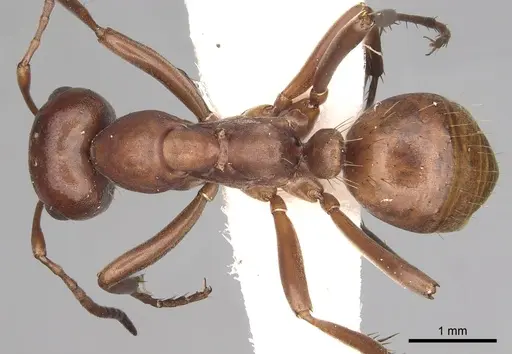
CASENT0281070
View on AntWeb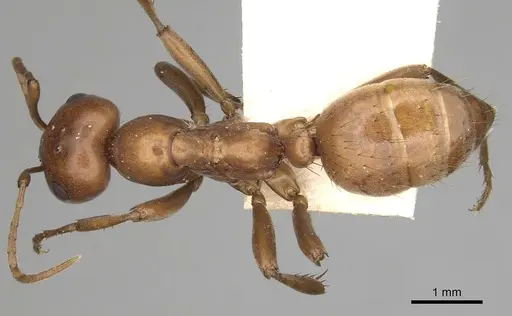
CASENT0281071
View on AntWeb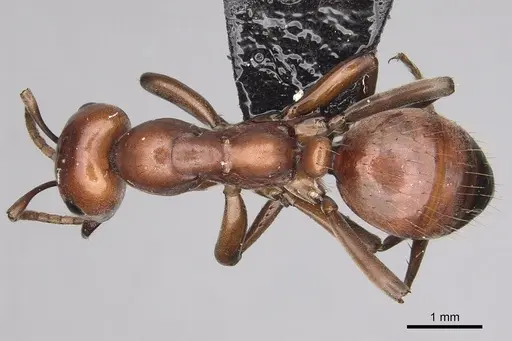
CASENT0281072
View on AntWeb
CASENT0281073
View on AntWeb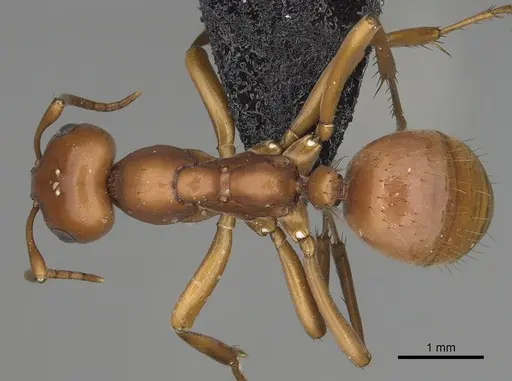
CASENT0281074
View on AntWeb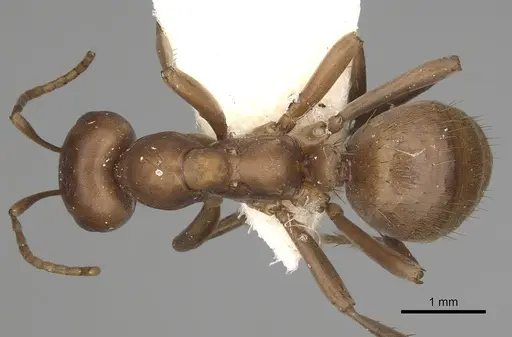
CASENT0281342
View on AntWeb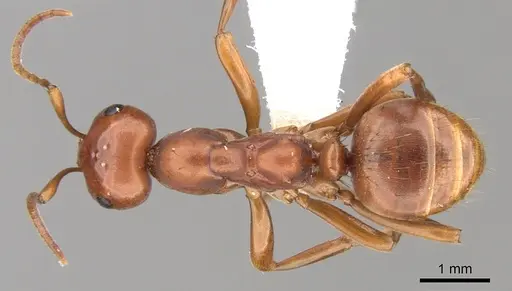
CASENT0863112
View on AntWeb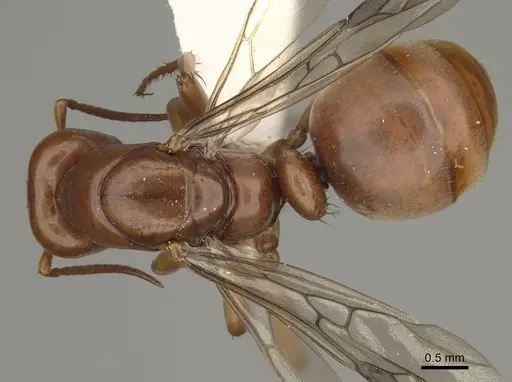
CASENT0911121
View on AntWeb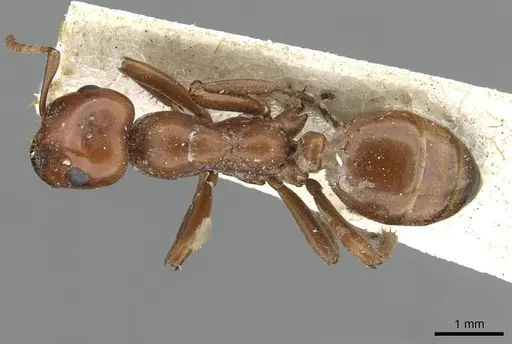
Literature
Loading...Loading products...