

Formica argentea
- Scientific Name
- Formica argentea
- Tribe
- Formicini
- Subfamily
- Formicinae
- Author
- Wheeler, 1912
- Common Name
- Silvery Field Ant
- Distribution
- Found in 2 countries
Formica argentea Overview
Formica argentea (commonly known as the Silvery Field Ant) is an ant species of the genus Formica. It is primarily documented in 2 countries , including Canada, United States of America. Detailed taxonomic data and occurrence records can be further explored via authoritative databases such as AntWeb or the Global Biodiversity Information Facility (GBIF).
Formica argentea - "Silvery Field Ant"
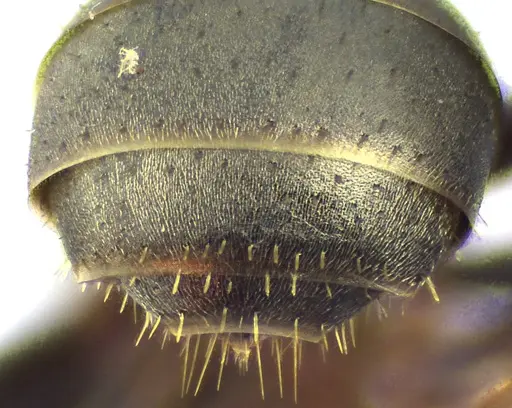
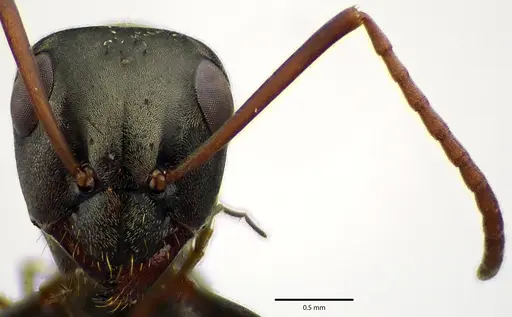
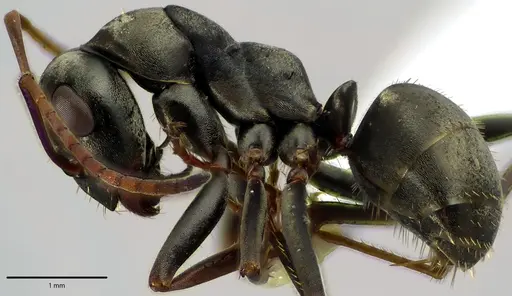
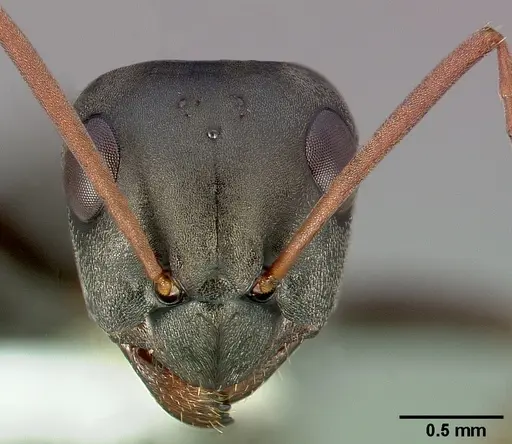
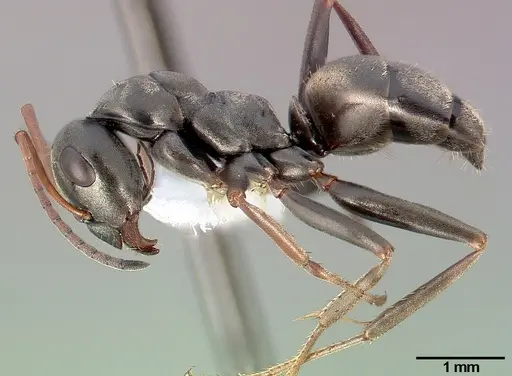
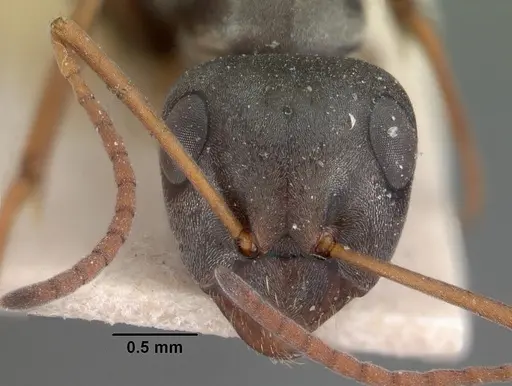
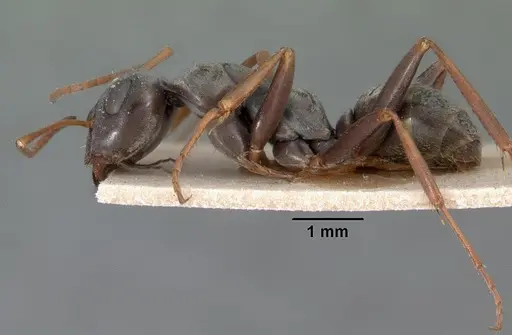
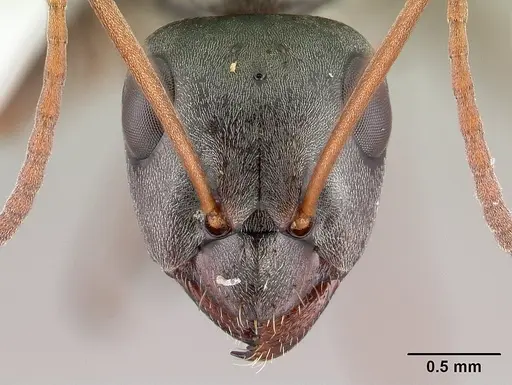
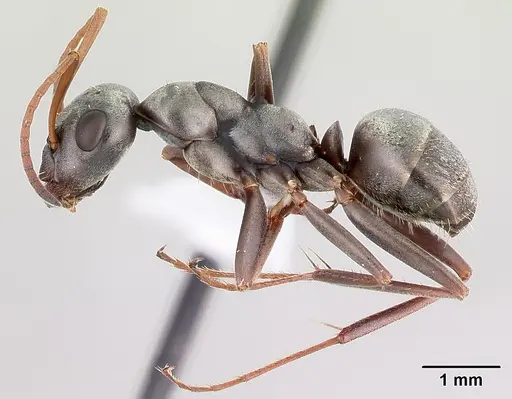
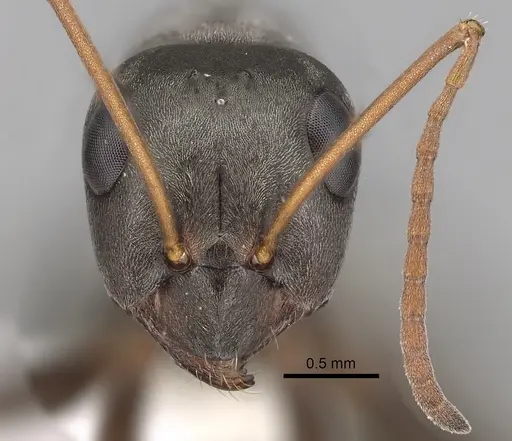
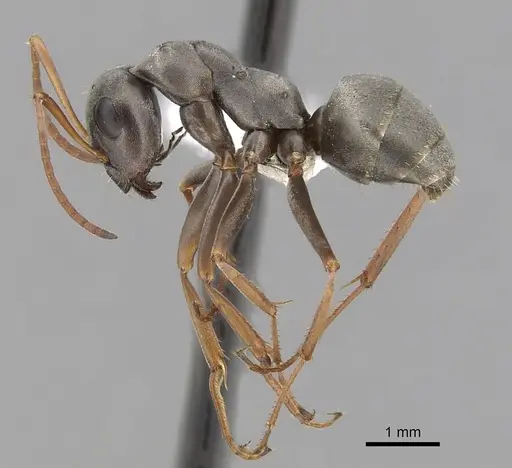
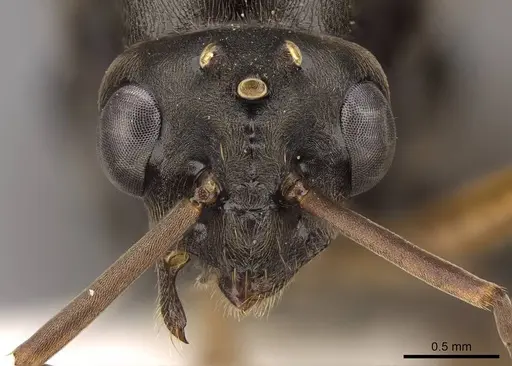
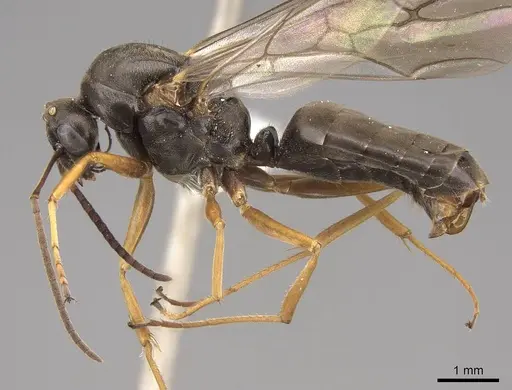
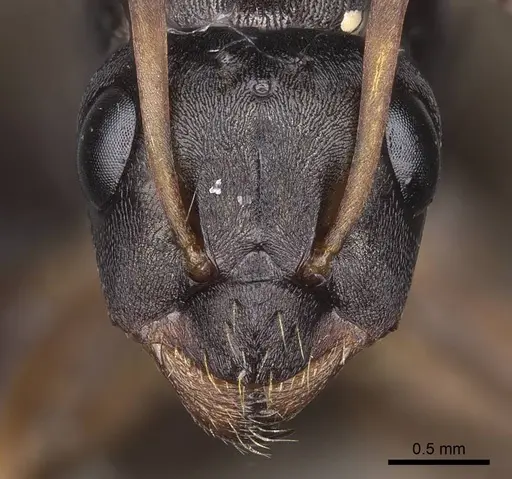
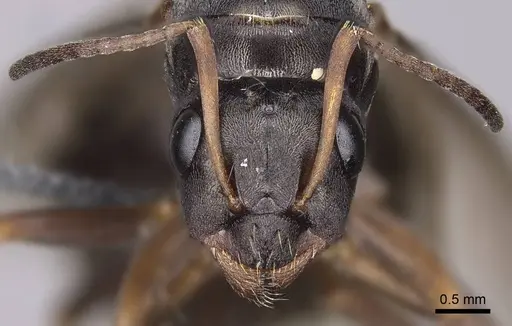
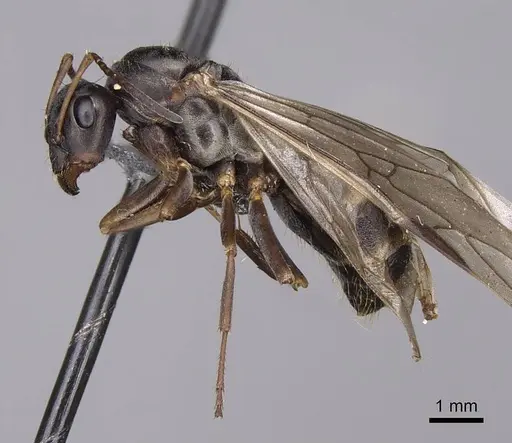
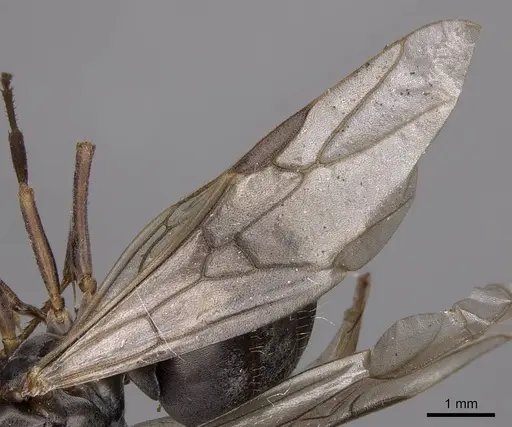
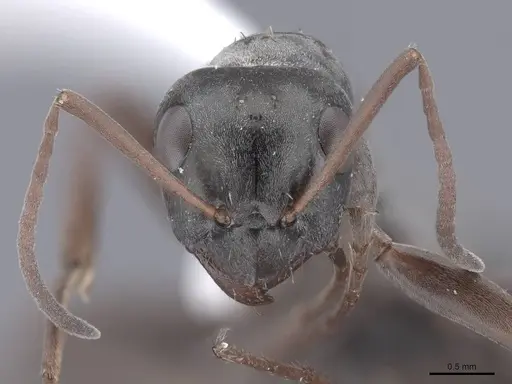
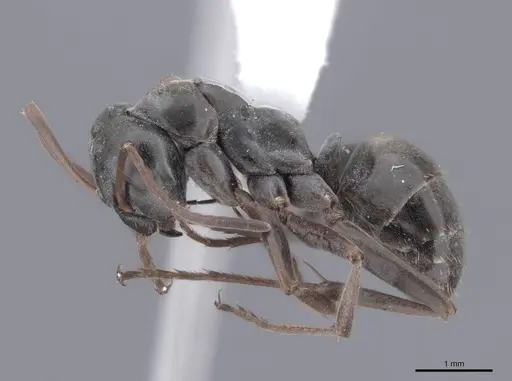
Formica argentea is a medium-sized ant native to most of North America, from Canada down into northern Mexico. Workers measure 3.5-7.4mm with a distinctive silvery sheen on their gaster caused by dense pubescence, while the rest of the body ranges from brownish to reddish-brown. This species belongs to the Formica fusca group and is known for its docile temperament, when disturbed, workers rapidly escape rather than defend aggressively. They are a montane species, with 95% of records occurring above 6,000 feet elevation, and they thrive in open woodlands, forest edges, and semi-open habitats. A notable feature is their ability to reproduce workers in queenless colonies, giving them flexibility in social structure.
Quick Summary
- Difficulty: Easy
- Origin & Habitat: Native to North America, ranging from Quebec west to British Columbia, south to the northern US states and into Mexico (Baja California and Chihuahua). Found in montane and cooler climates, 95% of records are above 6,000 feet elevation. Prefers open or semi-open situations, field-wood edges, and open deciduous woodlands. Nests in sandy soil under rocks or with low earthen mounds [1][2].
- Colony Type: Facultatively polygyne, colonies can have a single queen or multiple queens. Multiple dealate females have been documented in nests (at least 3). Workers can reproduce in queenless colonies, providing social flexibility [1][3][4].
- Colony: Optionally polygyne
- Founding: Claustral
- Size & Growth:
- Queen: Estimated 7-9mm based on genus patterns
- Worker: 3.5-7.4mm [1][5]
- Colony: Colony size data limited, likely moderate colonies of several thousand workers based on related Formica species
- Growth: Moderate, typical for temperate Formica
- Development: 6-10 weeks at optimal temperature (estimated based on genus patterns for temperate Formica species) (Development time is temperature-dependent, warmer conditions within acceptable range speeds development)
- Antkeeping:
- Temperature: Keep at room temperature around 20-24°C. This is a temperate/montane species, so they prefer cooler conditions than tropical ants. A gradient allowing workers to choose their preferred temperature is ideal [6].
- Humidity: Moderate humidity is fine, they nest in soil under rocks in the wild, which provides natural moisture regulation. Keep the nest substrate slightly moist but not waterlogged. Provide a water source.
- Diapause: Yes, as a montane/temperate species, they require a winter hibernation period. Reduce temperature to around 5-10°C for 3-4 months during winter (roughly October-March depending on your location).
- Nesting: Y-tong (AAC) nests work well for this species, as do plaster or naturalistic setups. They prefer nesting in soil or under stones in the wild, so a nest with soil chambers or a naturalistic setup with a soil area is ideal. Accepts test tube setups for founding colonies.
- Behavior: Docile and non-aggressive, they flee rather than fight when threatened. Workers are generalist foragers, actively searching for food both on the ground and in vegetation. They are prolific aphid farmers and will tend honeydew-producing insects. Escape risk is moderate, they are not tiny ants but can climb smooth surfaces. Standard barrier methods work well. Workers vary in task preference depending on their genotype, showing behavioral flexibility within the colony [7].
- Common Issues: colonies may fail if not given proper hibernation, this temperate species needs winter rest, wild-caught colonies can carry Laboulbenia formicarum fungus that infests workers, they are a host species for the slave-making ant Polyergus breviceps, keep away from Polyergus colonies, overheating is more dangerous than cold, avoid temperatures above 28°C, queenless colonies can produce worker reproduction but this should not be confused with a functional queen
Housing and Nest Setup
Formica argentea adapts well to various captive setups. For founding colonies, a simple test tube setup works fine, queens seal themselves in and raise their first brood alone without needing external food until workers emerge. As colonies grow, you can move them to a Y-tong (AAC) nest, plaster nest, or naturalistic setup with soil chambers. In the wild, they nest under stones or in soil with small earthen mounds, so a nest that allows them to create chambers in substrate works best. They do not require heating, room temperature is appropriate. Provide a water source and ensure the nest area stays moderately humid but not wet. [1][2]
Feeding and Diet
These ants are generalist feeders with a strong preference for sugary honeydew from aphids. In captivity, offer sugar water, honey, or diluted maple syrup as a constant carbohydrate source. For protein, provide small insects like fruit flies, pinhead crickets, or mealworms. They are known to tend aphids in the wild and are highly associated with many aphid species [8]. You can offer them live aphids to farm if you want to observe their mutualistic behavior. They are also effective pollinators due to their well-developed metapleural glands, so they may visit sweet baits [9][10]. Feed protein 2-3 times per week and keep sugar water available constantly.
Temperature and Seasonal Care
As a montane species from cooler climates, Formica argentea prefers temperatures in the 20-24°C range. They can tolerate cooler conditions and should be kept away from direct heat sources that would push temperatures above 28°C. During the active season (spring through fall), room temperature is ideal. Come winter, they require a hibernation period of 3-4 months at roughly 5-10°C, this can be provided by moving them to a cool basement, garage, or refrigerator (with proper ventilation). Hibernation is essential for colony health and triggers reproductive behavior the following spring. Do not skip the winter rest period. [1][6][2]
Behavior and Colony Dynamics
This species is known for its docile nature, when their nest is disturbed, workers quickly scatter and escape rather than attacking. This makes them a good choice for observation but also means they may abandon a setup if stressed too much. Colonies show interesting genetic influences on worker behavior, different patrilines (groups of workers from the same father) show biases in tasks like nest patrolling, maintenance, and queen guarding [7]. A unique trait is that workers can reproduce in queenless colonies, providing the colony with a backup reproductive option [1]. They are also known to be hosts for the slave-making ant Polyergus breviceps, so keep them separate from any Polyergus colonies you might keep.
Health and Common Problems
The main health concerns for this species are fungal parasites and improper seasonal care. Laboulbenia formicarum is a fungus that can infest workers, appearing as tiny structures on their bodies, while infested workers continue foraging, this parasite can spread through the colony [11][12]. Wild-caught colonies are more likely to carry this parasite. The most critical care requirement is providing proper winter hibernation, colonies that are kept warm year-round may decline. They are also vulnerable to overheating, so avoid placing their setup in direct sunlight or near heat sources. Standard escape prevention works well for their size.
Frequently Asked Questions
How long does it take for Formica argentea to produce first workers?
Expect first workers (nanitics) to emerge in 6-10 weeks at room temperature. This is typical for temperate Formica species, the exact timing depends on temperature, with warmer conditions within the acceptable range speeding development.
Can I keep multiple Formica argentea queens together?
Yes, this species is facultatively polygyne, colonies can have multiple queens. Multiple dealate females have been found in wild nests. However, if combining unrelated foundresses, introduce them carefully and monitor for aggression.
Do Formica argentea need hibernation?
Yes, absolutely. As a montane species from elevations above 6,000 feet, they require a winter rest period of 3-4 months at 5-10°C. Skip hibernation at your own risk, it will likely cause colony decline.
What do Formica argentea eat?
They are generalist feeders. Offer sugar water, honey, or maple syrup constantly for carbohydrates. For protein, feed small insects like fruit flies, mealworms, or pinhead crickets 2-3 times per week. They also farm and tend aphids for honeydew.
Are Formica argentea good for beginners?
Yes, they are considered an easy species to keep. They are docile, adaptable to various nest types, and have straightforward temperature requirements. The main requirement is providing proper winter hibernation.
How big do Formica argentea colonies get?
Colony size data is limited, but based on related Formica species, colonies likely reach several thousand workers. They are not supercolonial and typically form moderate-sized colonies.
Why are my Formica argentea dying?
Common causes include: skipping hibernation (critical for this species), overheating (keep below 28°C), excessive moisture causing fungal problems, or wild-caught colonies bringing in Laboulbenia fungus. Check that your setup matches their temperate/montane preferences.
What makes Formica argentea different from other Formica?
Their most distinctive feature is the silvery sheen on their gaster from dense pubescence. They are also notably docile compared to many Formica species, and they have the ability for workers to reproduce in queenless colonies, a rare trait in ants.
References

This caresheet is licensed under CC BY-SA 4.0 .
ANTWEB1041662
View on AntWeb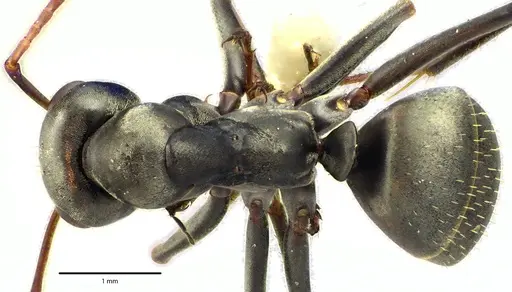
CASENT0005361
View on AntWeb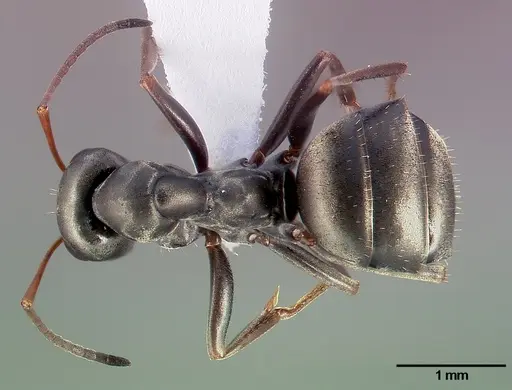
CASENT0102159
View on AntWeb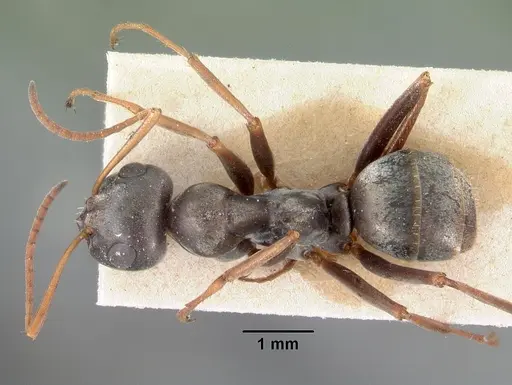
CASENT0179849
View on AntWeb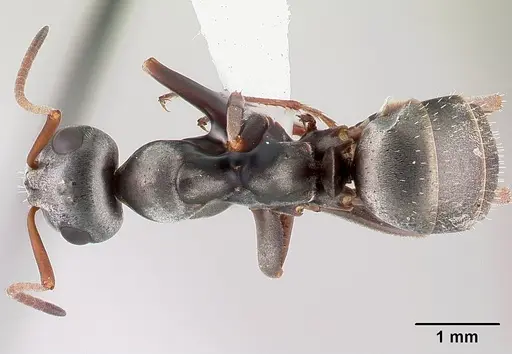
CASENT0280360
View on AntWeb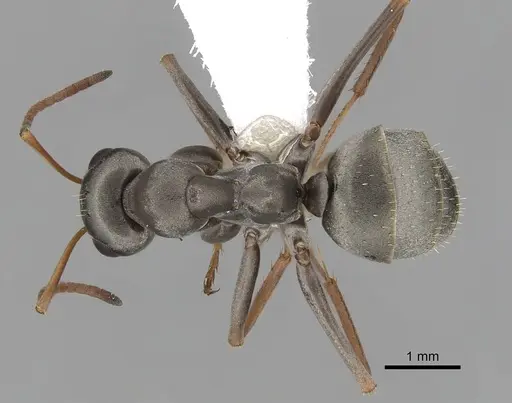
CASENT0843693
View on AntWeb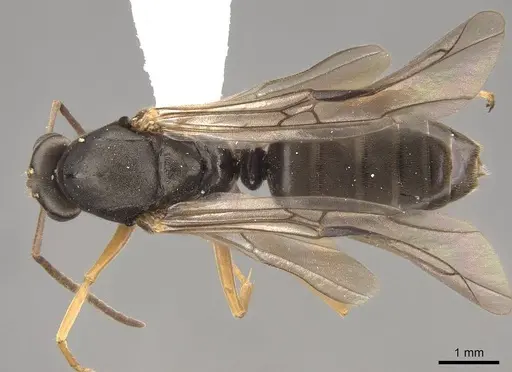
CASENT0923041
View on AntWeb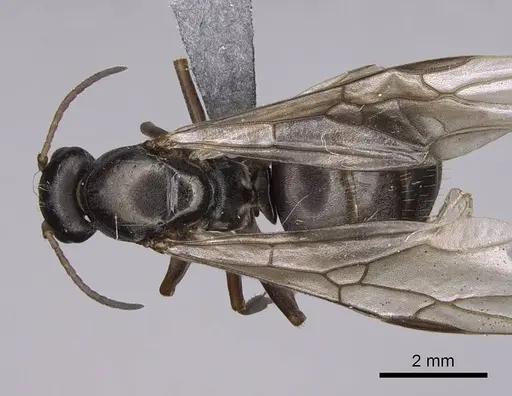
FMNHINS0000062555
View on AntWeb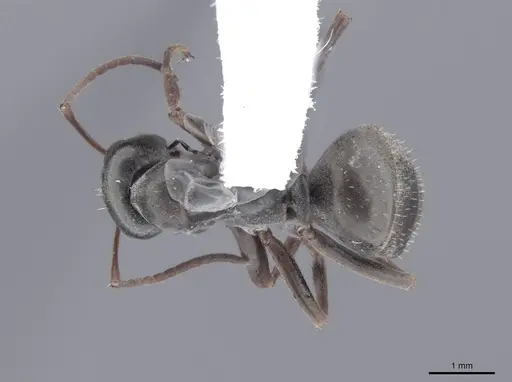
Literature
Loading...Loading products...