

Pheidole skwarrae
- Scientific Name
- Pheidole skwarrae
- Tribe
- Attini
- Subfamily
- Myrmicinae
- Author
- Wheeler, 1934
- Distribution
- Found in 1 countries
Pheidole skwarrae Overview
Pheidole skwarrae is an ant species of the genus Pheidole. It is primarily documented in 1 countries , including Mexico. Detailed taxonomic data and occurrence records can be further explored via authoritative databases such as AntWeb or the Global Biodiversity Information Facility (GBIF).
Pheidole skwarrae
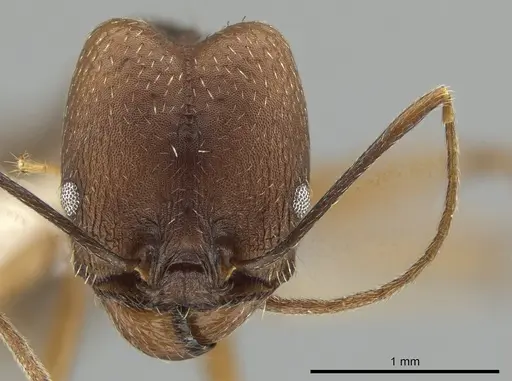
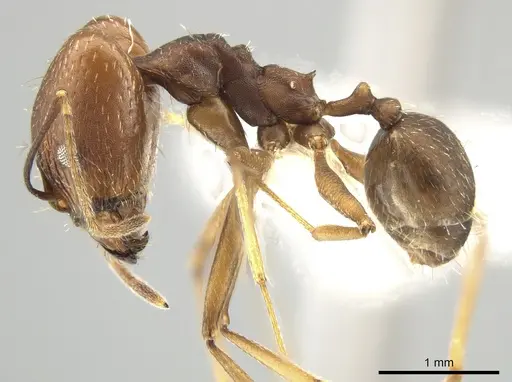
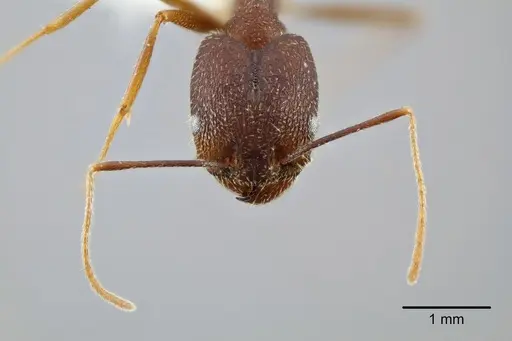
Pheidole skwarrae is a small ant species endemic to central Mexico, where it lives in tropical dry forests and xeric shrubland at elevations between 200 and 1,455 meters. The major workers have a distinctive elongated head with a deep occipital cleft and very long antennae that extend well past the head, while minor workers are much smaller with notably long scapes. Both castes have a medium brown body with yellowish-brown legs and antennae. This species belongs to the fallax group and is closely related to Pheidole granulata and Pheidole vistana. The type colony was found nesting beneath a stone, typical of ground-nesting Pheidole species in this region.
Quick Summary
- Difficulty: Unknown, insufficient captive care data
- Origin & Habitat: Endemic to central Mexico (Morelos, Jalisco, Puebla) in the Neotropical region. Found in tropical dry forest and xeric shrubland at 200-1,455m elevation [1]. The type colony was nesting beneath a stone [2].
- Colony Type: Single-queen colonies (typical for Pheidole genus). Colony structure has not been specifically documented for this species.
- Colony: Monogyne
- Founding: Claustral
- Size & Growth:
- Queen: Not documented in available literature, estimated 6-8mm based on typical Pheidole queen size
- Worker: Major workers: head width 1.32mm, body length approximately 4-5mm. Minor workers: head width 0.54mm, body length approximately 2-3mm [1].
- Colony: Not documented, likely several hundred workers based on typical Pheidole colony sizes
- Growth: Unknown, no development data available for this species
- Development: Unconfirmed, estimated 6-8 weeks based on typical Pheidole development patterns (No species-specific development data exists. Pheidole species typically develop from egg to worker in 6-8 weeks at optimal temperatures.)
- Antkeeping:
- Temperature: Keep around 22-26°C, this species is from central Mexico and likely prefers warm conditions. Provide a gentle temperature gradient.
- Humidity: Moderate humidity around 50-70%. Being from tropical dry forest and xeric shrubland, they prefer drier conditions compared to rainforest species. Allow the nest substrate to dry partially between waterings.
- Diapause: Unknown for this species, central Mexico populations may experience mild seasonal slowdown but likely do not require true hibernation. Monitor colony activity levels.
- Nesting: Natural nesting: beneath stones in the ground. In captivity, a Y-tong (AAC) nest or plaster nest works well. Provide a compact nest chamber with easy access to an outworld. The species is small so ensure chambers are appropriately sized.
- Behavior: This is a granivore species, they primarily eat seeds in the wild. They are ground-nesting and likely form moderate-sized colonies. Major workers have enlarged heads for seed processing. They are sensitive to environmental disturbance and were only found in conserved areas in field studies, making them potentially fragile in captive conditions [3]. Escape prevention should be moderate, they are small ants but not among the tiniest Pheidole.
- Common Issues: sensitivity to disturbance, wild colonies are rare and this species may be difficult to establish in captivity, lack of captive care data makes proper husbandry uncertain, granivore diet may require specific seed offerings or protein-rich foods not well documented, small colony sizes in the wild suggest colonies may develop slowly
Distribution and Natural Habitat
Pheidole skwarrae is endemic to central Mexico, specifically found in the states of Morelos, Jalisco, and Puebla. The species inhabits tropical dry forest and xeric shrubland at elevations ranging from 200 to 1,455 meters. This places it in the Mexican Transition Zone, where it has been collected using pitfall traps and tuna baits. Field studies show this species is highly sensitive to environmental disturbance, it was only recorded in conserved sites and not in disturbed areas, making it a bioindicator species for ecosystem health [3]. The type colony was collected nesting beneath a stone in Cuernavaca, Morelos, at an elevation around 1,300m [1][2].
Identification and Morphology
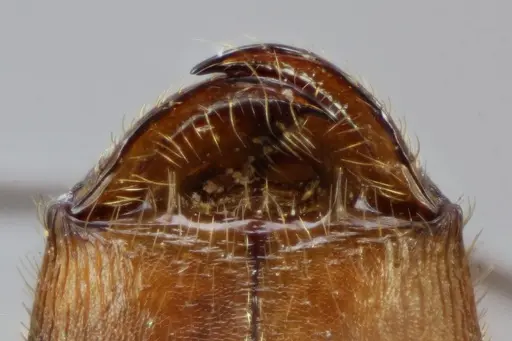
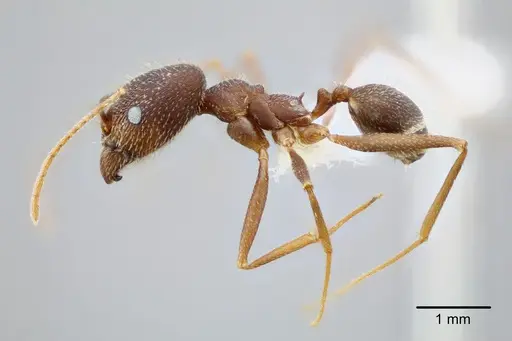
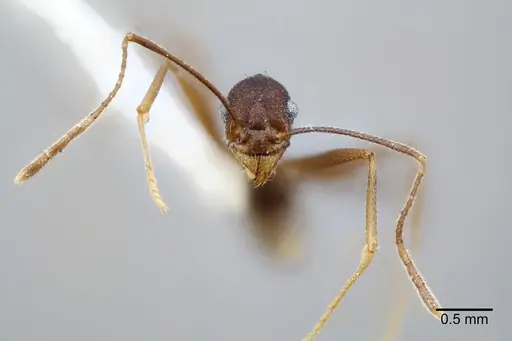
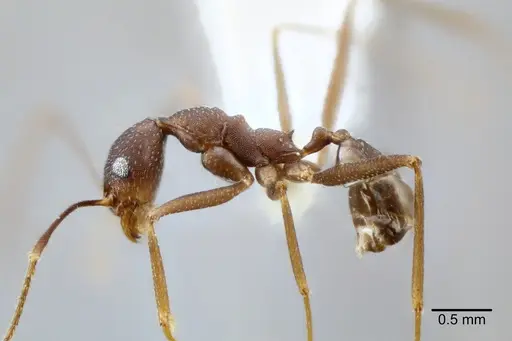
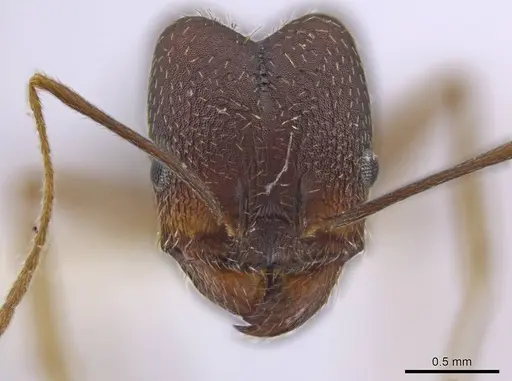
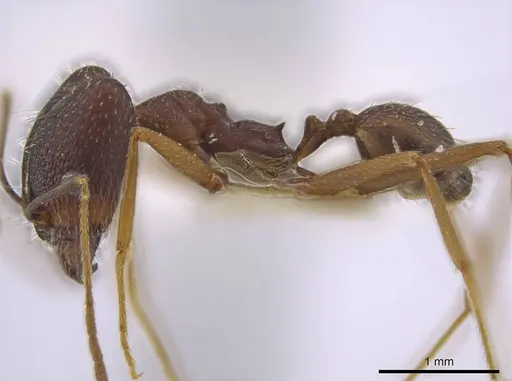
This species belongs to the fallax group within Pheidole. Major workers have a distinctive elongated head with a deep occipital cleft and subangulate occipital lobes when viewed from the front. The antennae are very long, extending past the occipital lobe by twice the scape's width. The entire body is foveolate (covered with small pits) and opaque, giving it a matte texture. Minor workers have an even longer relative scape length, extending twice the distance between its insertion point and the nuchal collar. Both castes are medium brown in color with yellowish-brown appendages. The major worker has a head width of about 1.32mm, while the minor worker has a head width of about 0.54mm [1].
Feeding and Diet
Pheidole skwarrae is classified as a granivore feeding guild, meaning it primarily consumes seeds in the wild [3]. This is typical of many Pheidole species, which have specialized major workers with enlarged heads and mandibles designed for seed processing. In captivity, you should offer a mix of seeds (grass seeds, millet, poppy seeds) as a staple food source. Protein in the form of small insects like fruit flies, pinhead crickets, or mealworm pieces should also be provided. Sugar water or honey can be offered occasionally, though granivore species typically rely less on sugar sources than purely predatory ants. Observe your colony's acceptance of different foods and adjust accordingly.
Nesting Preferences
In the wild, this species nests beneath stones in the ground, typical of many ground-nesting Pheidole. The type colony was found under a stone in Cuernavaca, Morelos [2]. For captive care, provide a nest chamber that mimics these conditions, a compact, dark space where the queen can seal herself during founding. Y-tong (AAC) nests or plaster nests work well for this species. The nest should have narrow to medium-sized chambers appropriate for their small size. Provide a water tube or moist substrate to maintain moderate humidity, but allow portions of the nest to dry out as they prefer xeric conditions. Access to an outworld for foraging is essential.
Conservation and Collection Notes
This species is notable for its sensitivity to environmental disturbance. Field studies in central Mexico found P. skwarrae only in conserved areas with minimal human disturbance, and it was completely absent from disturbed sites [3]. This makes it potentially one of the more delicate Pheidole species to keep, as wild-caught colonies may be stressed by collection and captive conditions. If obtaining from the wild, exercise caution as their populations are not large and they serve as bioindicators of ecosystem health. There is very limited information on this species in captivity, so be prepared for a learning curve. Consider connecting with experienced Pheidole keepers who may have worked with related Mexican species.
Frequently Asked Questions
How long does it take for Pheidole skwarrae to produce first workers?
The exact development time is unconfirmed for this species. Based on typical Pheidole development patterns, expect 6-8 weeks from egg to worker at optimal temperatures around 24-26°C. The claustral queen will seal herself in and raise the first brood alone using stored energy reserves.
What do Pheidole skwarrae ants eat?
This is a granivore species, they primarily eat seeds in the wild. Offer grass seeds, millet, or small bird seed as a staple. Supplement with protein sources like small insects (fruit flies, pinhead crickets) and occasionally offer sugar water or honey. Observe what your colony accepts best.
Are Pheidole skwarrae good for beginners?
This species is not recommended for beginners. There is very limited captive care data available, and field studies show they are highly sensitive to environmental disturbance. They may be difficult to establish in captivity compared to more common Pheidole species. If you're interested in this genus, start with more documented species like Pheidole pallidula or Pheidole megacephala.
What temperature and humidity do Pheidole skwarrae need?
Keep temperatures around 22-26°C. This species is from central Mexico and prefers warm conditions. Humidity should be moderate at 50-70%, being from tropical dry forest and xeric shrubland, they prefer drier conditions than rainforest species. Allow the nest to partially dry between waterings.
How big do Pheidole skwarrae colonies get?
Colony size is not documented for this specific species. Based on typical Pheidole genus patterns, expect colonies of several hundred workers. Major workers develop once the colony reaches moderate size and are used for seed processing and colony defense.
Can I keep multiple queens together?
Pheidole skwarrae is typically monogyne (single queen). Combining unrelated queens has not been documented for this species and is not recommended. Like most Pheidole, they establish single-queen colonies.
What type of nest is best for Pheidole skwarrae?
A Y-tong (AAC) nest or plaster nest works well. They naturally nest under stones in the ground, so provide a compact, dark chamber. The chambers should be appropriately sized for their small worker size. Ensure moderate humidity can be maintained.
Does Pheidole skwarrae need hibernation?
Diapause requirements are unknown for this species. Being from central Mexico, they may experience mild seasonal slowdown but likely do not require true hibernation. Monitor your colony's activity levels, if they become less active in winter, reduce feeding and keep them slightly cooler but above 15°C.
Why are my Pheidole skwarrae dying?
This species appears to be highly sensitive to disturbance and environmental conditions. Ensure you are not keeping them too wet (they prefer drier xeric conditions), and avoid excessive handling. Wild-caught colonies may already be stressed. If colony numbers decline, review temperature, humidity, and food offerings. Consider that this species may simply be difficult to maintain in captivity.
References

This caresheet is licensed under CC BY-SA 4.0 .
CASENT0636796
View on AntWeb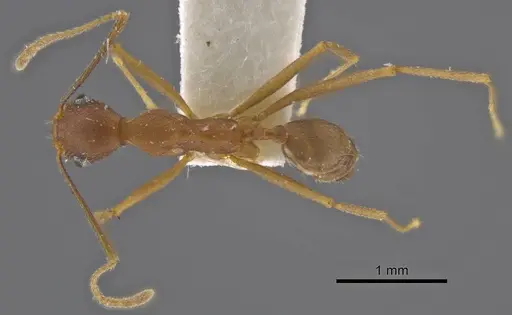
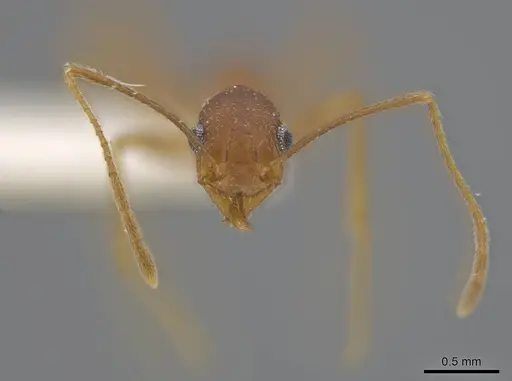
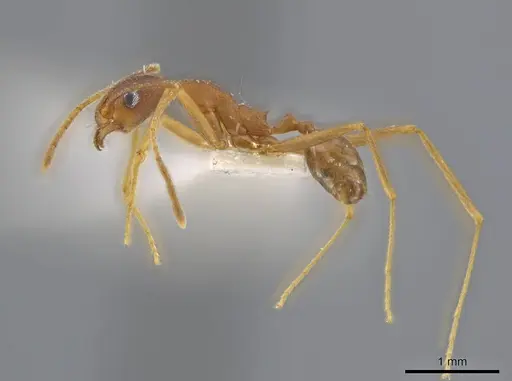
CASENT0643968
View on AntWeb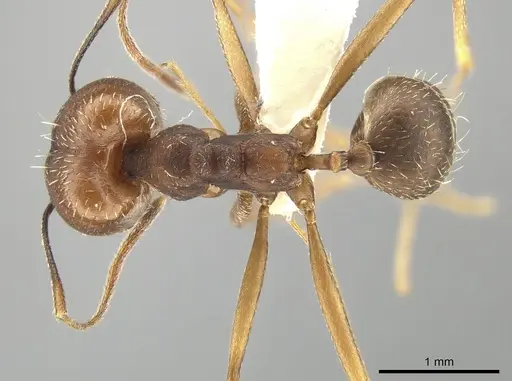
CASENT0649704
View on AntWeb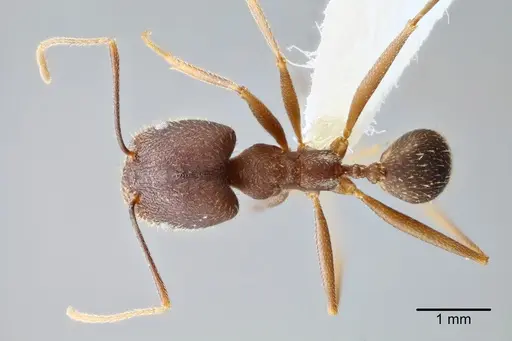
CASENT0649705
View on AntWeb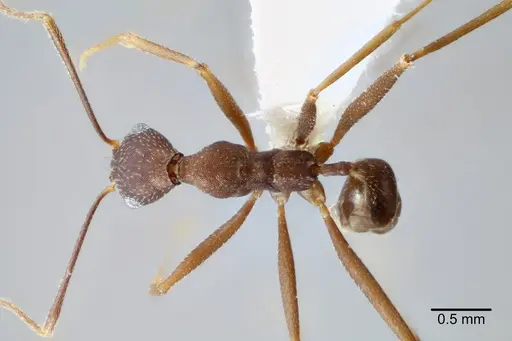
JTLC000016530
View on AntWeb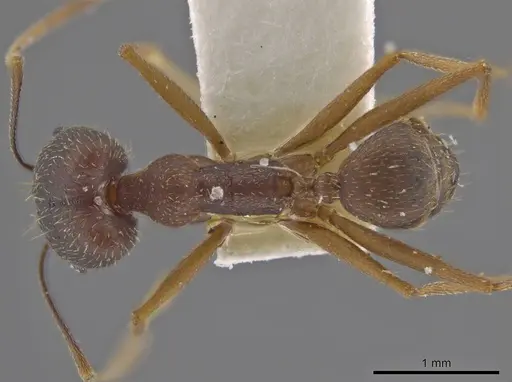
Literature
Loading...Loading products...