

Pheidole granulata
- Scientific Name
- Pheidole granulata
- Tribe
- Attini
- Subfamily
- Myrmicinae
- Author
- Pergande, 1896
- Distribution
- Found in 1 countries
Pheidole granulata Overview
Pheidole granulata is an ant species of the genus Pheidole. It is primarily documented in 1 countries , including Mexico. Detailed taxonomic data and occurrence records can be further explored via authoritative databases such as AntWeb or the Global Biodiversity Information Facility (GBIF).
Pheidole granulata
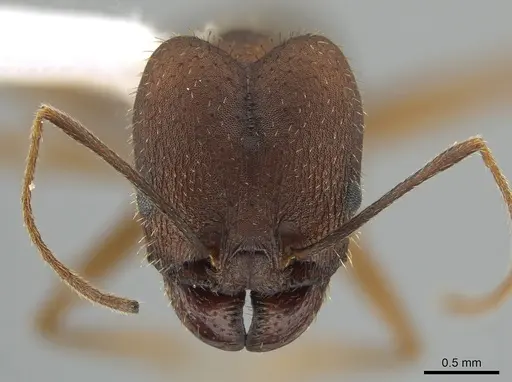
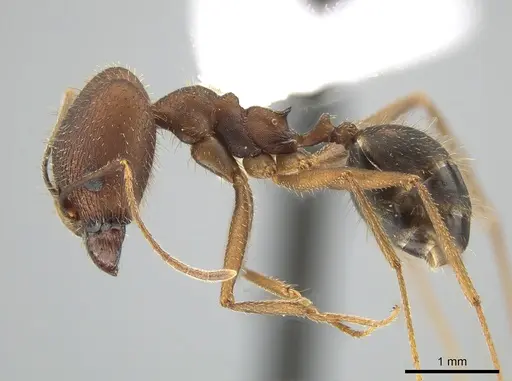
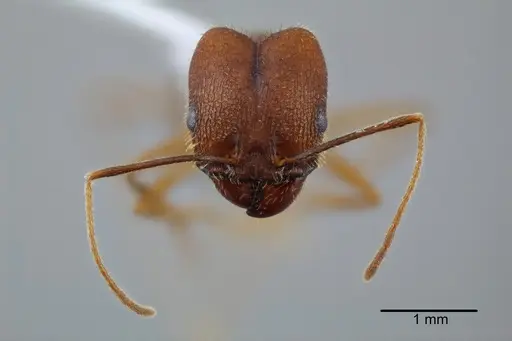
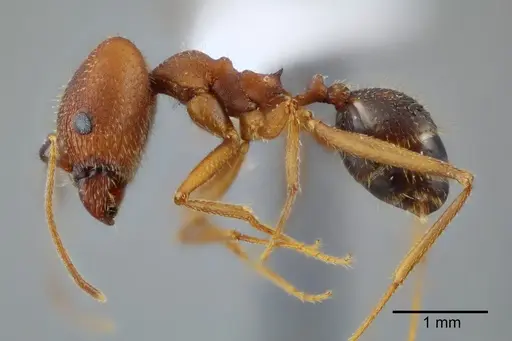
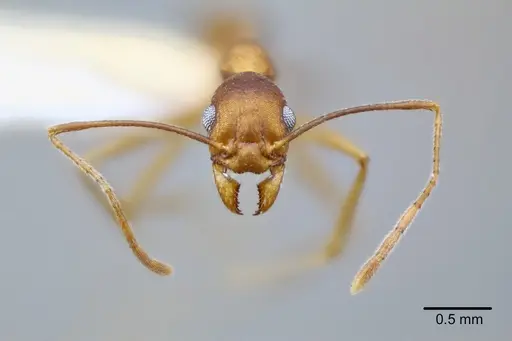
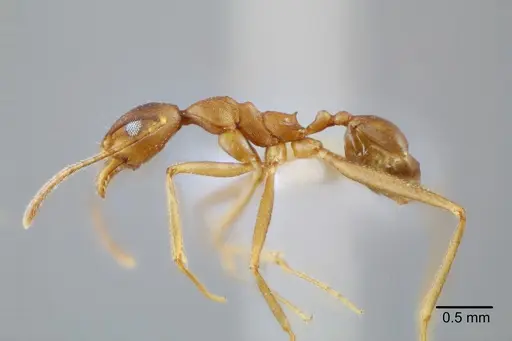
Pheidole granulata is a small to medium-sized ant belonging to the genus Pheidole, known for its distinctive 4-segmented antennal club, a rare trait shared with only two other species in the genus. Major workers measure approximately 1.48mm in head width and display a brownish-yellow coloration with a slightly darker gaster, while minor workers are around 0.60mm and are uniformly medium yellow. The entire body surface is foveolate (covered in tiny pits) and opaque, giving it a roughened texture. The species is endemic to the Baja California peninsula in Mexico, with additional records from southern California and inland regions like Nayarit and Puebla.
Quick Summary
- Difficulty: Unknown
- Origin & Habitat: Baja California peninsula and surrounding regions in northwestern Mexico, extending into southern California. Found in tropical deciduous forest and dry habitats at elevations ranging from near sea level to 892m [1][2][3].
- Colony Type: Colony structure is unconfirmed. Like most Pheidole species, likely forms single-queen colonies (monogyne), but this has not been directly studied.
- Size & Growth:
- Queen: Unknown, no queen measurements available in the literature
- Worker: Major workers: 1.48mm head width, Minor workers: 0.60mm head width
- Colony: Unknown, no colony size data available
- Growth: Unknown, no development data available for this species
- Development: Unknown, no direct measurements exist. Based on typical Pheidole patterns, estimate 6-10 weeks at optimal temperature (Development timeline is unconfirmed. Pheidole species typically produce nanitic (first) workers within 4-8 weeks under warm conditions, but this is an estimate only.)
- Antkeeping:
- Temperature: Based on the species' distribution in Baja California and southern California, aim for a warm gradient around 22-28°C. The species has been found in tropical deciduous forest at lower elevations, suggesting it tolerates warm conditions. Provide a temperature gradient so ants can self-regulate.
- Humidity: Likely prefers moderate to dry conditions given the arid to semi-arid nature of its natural range in Baja California. However, specimens have been collected in tropical deciduous forest, suggesting some tolerance for higher humidity. Aim for 40-60% humidity in the outworld, with a slightly moister nest area.
- Diapause: Unknown, no specific data on overwintering requirements. The southern California and Baja California distribution suggests the species may tolerate cooler winter temperatures but likely does not require a true hibernation period. Consider providing a cool period around 15-18°C during winter months.
- Nesting: Nesting preferences are unconfirmed. Based on the genus and habitat data (specimens collected in tropical deciduous forest), they likely nest in soil or under stones. In captivity, standard test tubes or acrylic nests work well. Provide a nesting area with moderate moisture.
- Behavior: Behavior is unstudied. Pheidole species are typically non-aggressive, ground-nesting ants with well-developed major workers (soldiers) that defend the colony and process food. The species shows typical Pheidole morphology with distinct major and minor castes. Escape risk is moderate, major workers at 1.48mm are not tiny, but minors at 0.60mm could escape through small gaps. Use standard escape prevention.
- Common Issues: Biology is completely unstudied, no established care protocols exist for this species, Colony size and growth rate are unknown, making it difficult to plan for colony development, Queen size and founding behavior have not been documented, Limited availability in the antkeeping hobby, wild-caught colonies may be the only option, Distribution data is sparse, so matching wild conditions to captive care is challenging
Species Identification and Distinction
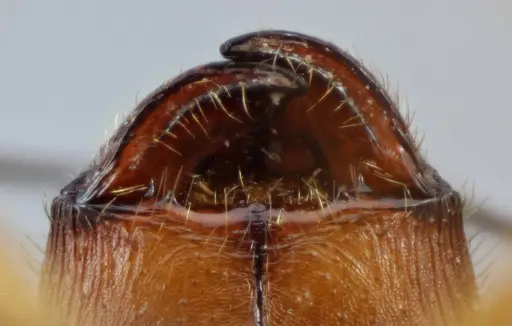
Pheidole granulata is one of only three Pheidole species possessing a 4-segmented antennal club, making it relatively distinctive within the genus. The major workers are characterized by their foveolate (pitted) and opaque body surface, a deeply concave occipital border, and very long scapes that extend well beyond the back of the head. The postpetiole is bell-shaped when viewed from above. Minor workers have a tapered occiput forming a neck with a nuchal collar, and their scapes are exceptionally long, exceeding the occipital corner by half their own length. This combination of traits places it in the fallax group of Pheidole, though the 4-segmented club is unusual for this group. The species name 'granulata' refers to the rough, grain-like texture of its body surface.
Distribution and Endemism
This species is endemic to the Baja California peninsula and surrounding regions in northwestern Mexico. It was originally described from Tepic, Nayarit, and has since been recorded from Baja California, Baja California Sur, and southern California (San Diego). More recent surveys have extended its known range east to Puebla, Mexico, at Jolalpan near the Transmexican Volcanic Belt. This suggests the species may be more widely distributed in central Mexico than previously thought, potentially occupying a range from the Nearctic into the Neotropical regions. The species has been collected at elevations ranging from near sea level to 892m in tropical deciduous forest habitats. [1][2][3]
Known Collection Data
What little biological data exists comes from occasional specimen collections. In Puebla, specimens were collected using nocturnal tuna and honey bait in tropical deciduous forest during the dry season at 892m elevation. This suggests the species is nocturnal or at least forages at night, and is attracted to protein and sugar baits. The collection method using baited traps indicates the species will scavenge for protein sources, which is typical for Pheidole. No other biological information, including nesting preferences, colony size, queen behavior, or development, has been documented in the scientific literature. [3]
Care Recommendations Based on Genus Patterns
Since direct biological data for this species is lacking, care recommendations must be based on general Pheidole genus patterns and the species' known distribution. Expect typical Pheidole behavior: colonies will have distinct major and minor workers, with majors primarily serving as defenders and food processors. The species likely accepts a standard Pheidole diet of protein sources (insects, seeds) and sugar (honey, sugar water). Given its Baja California and southern California distribution, it likely tolerates warm, relatively dry conditions. Start with a test tube setup for founding colonies, then transition to a formicarium as the colony grows. Provide a temperature gradient of 22-28°C and moderate humidity around 50-60%. These are starting points, adjust based on observed colony behavior.
Challenges for Antkeepers
Pheidole granulata presents unique challenges for antkeepers. First, it is extremely rare in the hobby, you may only find wild-caught colonies from its limited range in Baja California or southern California. Second, virtually no established care protocols exist because the species has never been scientifically studied in captivity. Third, verifying the species identity can be challenging since identification requires examining the 4-segmented antennal club and foveolate texture, characters best confirmed under magnification. If you do obtain this species, detailed observations of founding behavior, colony development, and behavior would be scientifically valuable. Consider documenting your colony's development to contribute to our understanding of this poorly known species.
Frequently Asked Questions
How do I care for Pheidole granulata ants?
Care is not well-established since the species has never been scientifically studied. Based on its Baja California distribution and typical Pheidole behavior, provide warm conditions (22-28°C), moderate humidity (50-60%), and standard Pheidole diet (protein and sugar). Use test tubes for founding colonies, transitioning to a formicarium as the colony grows. This is essentially an experimental species in captivity.
What does Pheidole granulata look like?
Major workers are brownish-yellow with a darker gaster and measure about 1.48mm in head width. Minor workers are uniformly yellow and smaller at 0.60mm head width. Both castes have very long scapes and a distinctive 4-segmented antennal club. The entire body surface is covered in tiny pits (foveolate) and appears rough or grainy.
Where is Pheidole granulata found?
This species is endemic to the Baja California peninsula in Mexico, with additional records from southern California (San Diego) and inland areas like Nayarit and Puebla. It occupies the transition zone between Nearctic and Neotropical regions.
How big do Pheidole granulata colonies get?
Colony size is unknown, no colony size data has been documented in the scientific literature. Based on typical Pheidole patterns, colonies likely reach several hundred workers, but this is an estimate only.
How long does it take for Pheidole granulata to produce first workers?
The egg-to-worker timeline is unconfirmed for this species. Based on typical Pheidole development, expect 6-10 weeks at optimal temperature (around 25°C). This is an estimate only since no direct development data exists for P. granulata.
Can I keep multiple Pheidole granulata queens together?
Colony structure is unconfirmed for this species. Most Pheidole species are monogyne (single queen), but polygyny has been observed in some species. Without specific data on P. granulata, it is not recommended to combine unrelated queens. If you find a queen, set her up alone for best success.
What do Pheidole granulata ants eat?
Based on collection data showing they were attracted to tuna and honey bait, they likely accept standard Pheidole foods: protein (insects, mealworms) and sugar sources (honey, sugar water). This is inferred from typical genus behavior since specific dietary studies do not exist for this species.
Is Pheidole granulata a good species for beginners?
No, this species is not recommended for beginners. The biology is completely unstudied, no established care protocols exist, and the species is extremely rare in the hobby. Additionally, proper identification requires examining specific morphological characters. This is a species for experienced antkeepers interested in keeping and potentially contributing to our knowledge of poorly studied species.
Does Pheidole granulata need hibernation?
Diapause requirements are unknown. The southern California and Baja California distribution suggests the species may tolerate cooler winter temperatures but likely does not require extended hibernation. Consider providing a mild cool period (15-18°C) during winter months, but this is speculative.
References

This caresheet is licensed under CC BY-SA 4.0 .
CASENT0643818
View on AntWeb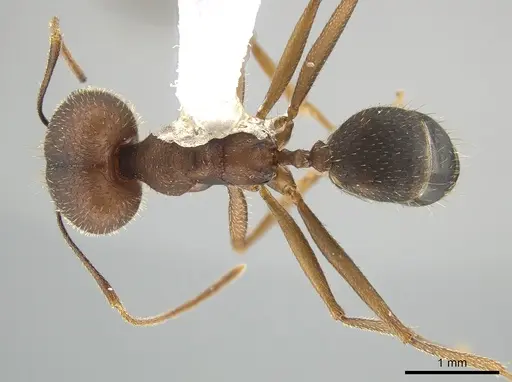
CASENT0649585
View on AntWeb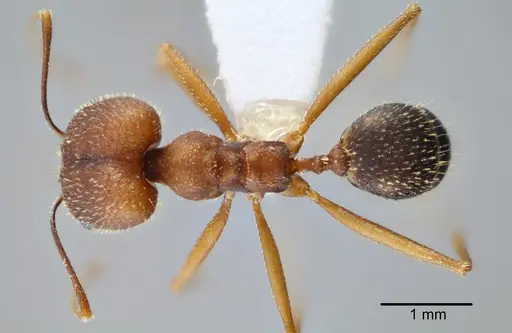
CASENT0649589
View on AntWeb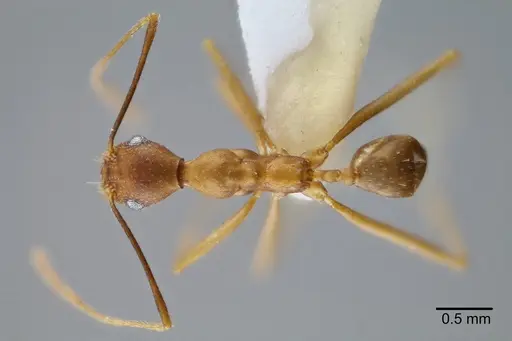
CASTYPE00652
View on AntWeb


Literature
Loading...Loading products...