
Pheidole megacephala exhibits a clear seasonal flight window. Peak flight activity is concentrated in January, with the overall period spanning January to December.

Pheidole megacephala
- Scientific Name
- Pheidole megacephala
- Tribe
- Attini
- Subfamily
- Myrmicinae
- Author
- Fabricius, 1793
- Common Name
- Big-headed Ant, Brown House-ant , Coastal Brown-ant, Lion Ant
- Distribution
- Found in 12 countries
- Nuptial Flight
- from January to December, peaking in January
AI Identifiable
try →
Pheidole megacephala Overview
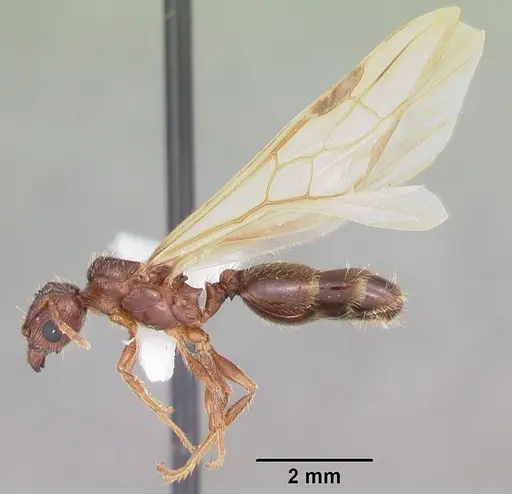
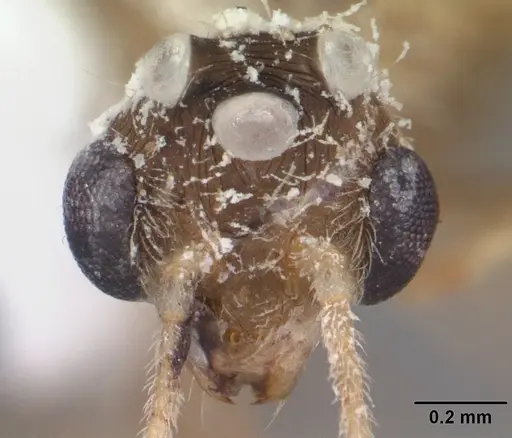
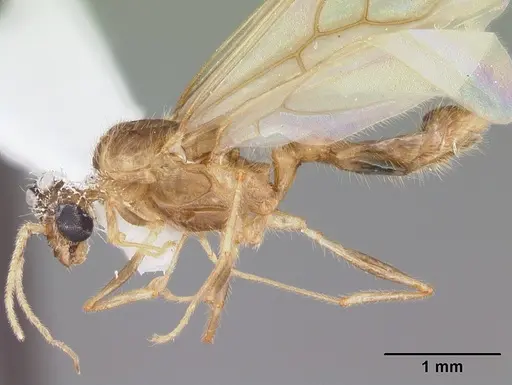
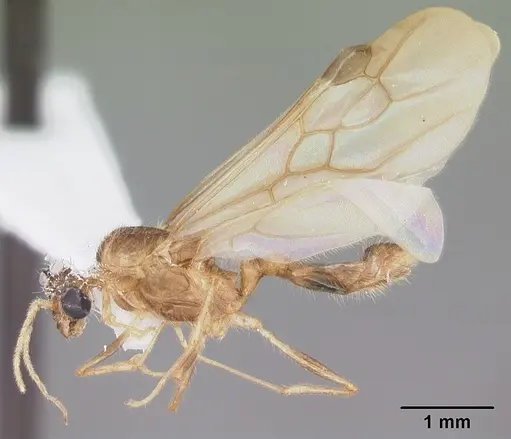
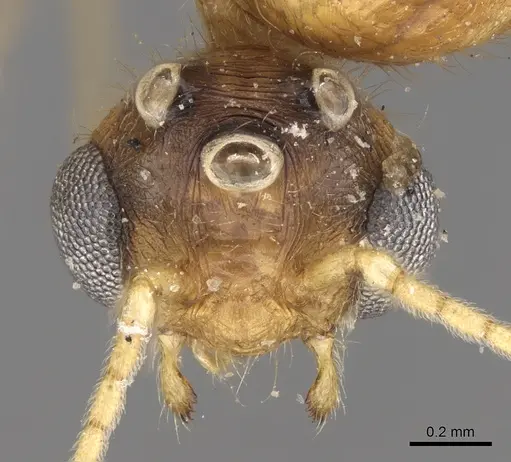
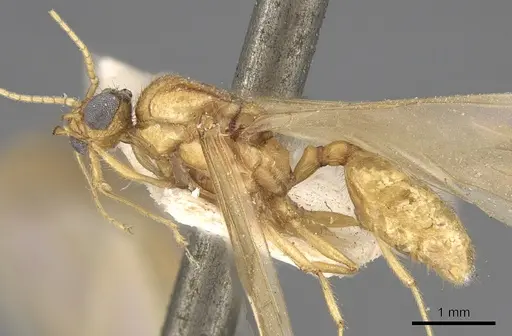
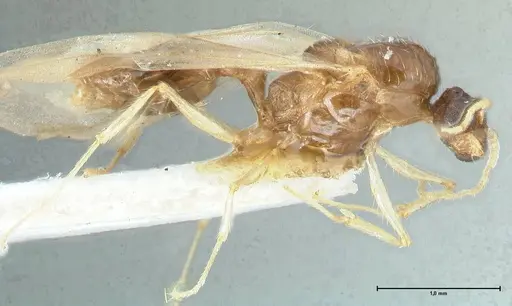
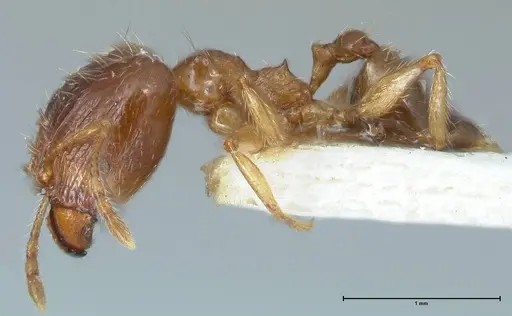
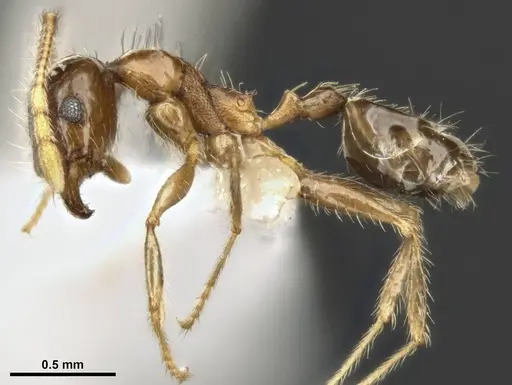
Pheidole megacephala (commonly known as the Big-headed Ant, Brown House-ant , Coastal Brown-ant, Lion Ant) is an ant species of the genus Pheidole. It is primarily documented in 12 countries , including Australia, Cabo Verde, Egypt. Detailed taxonomic data and occurrence records can be further explored via authoritative databases such as AntWeb or the Global Biodiversity Information Facility (GBIF).
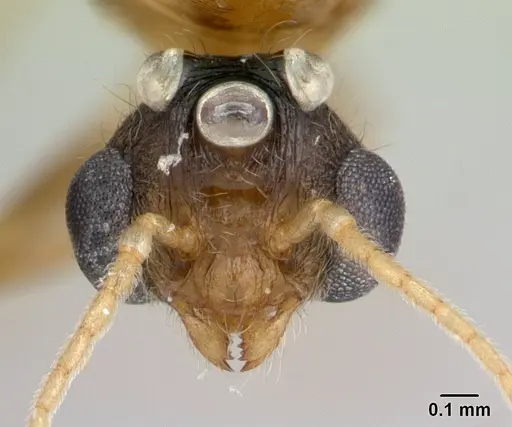
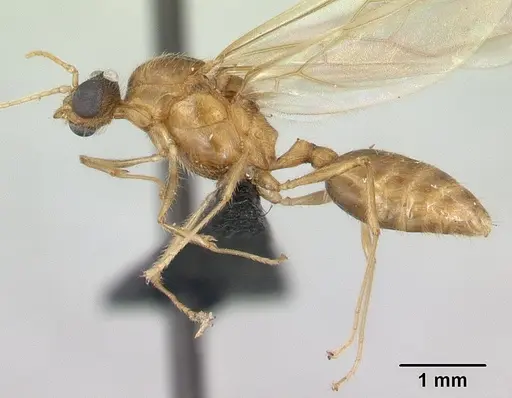
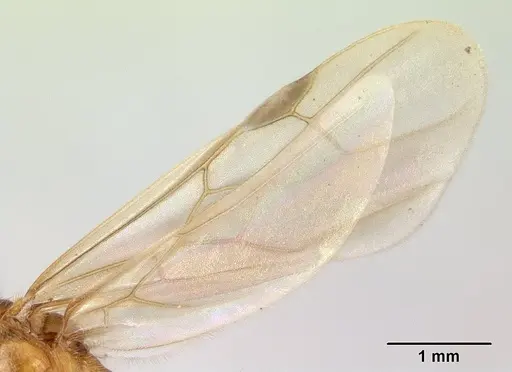
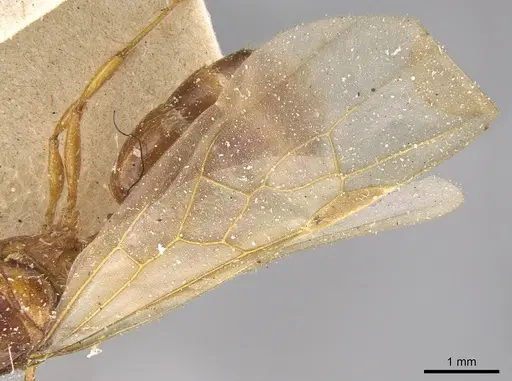
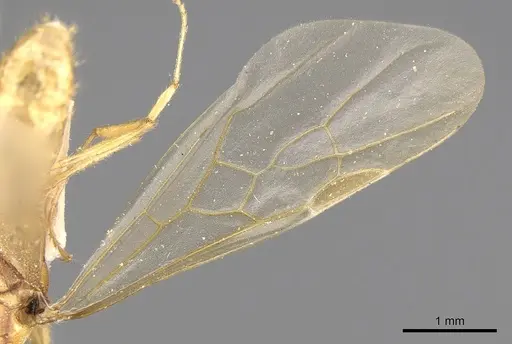
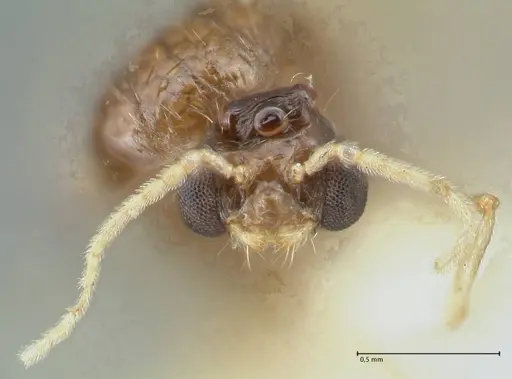
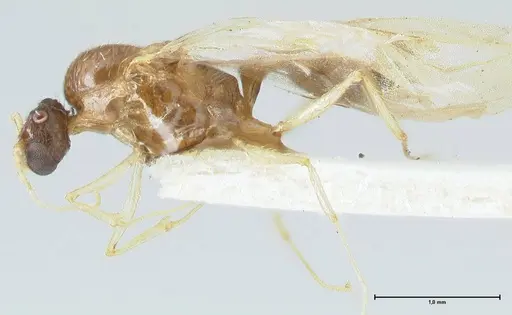
The nuptial flight of Pheidole megacephala is a significant biological event, typically occurring from January to December, peaking in January. During this time, winged queens and males leave the nest to mate and establish new colonies.
Pheidole megacephala - "Big-headed Ant, Brown House-ant , Coastal Brown-ant, Lion Ant"
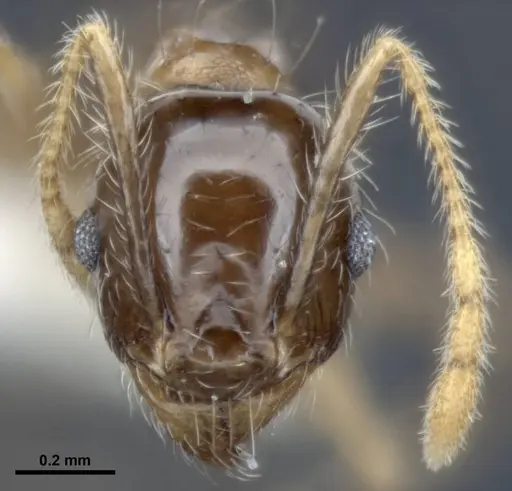
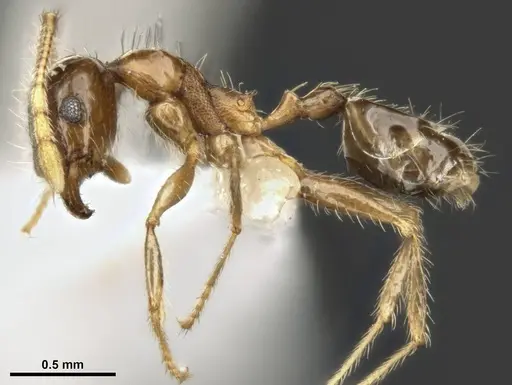
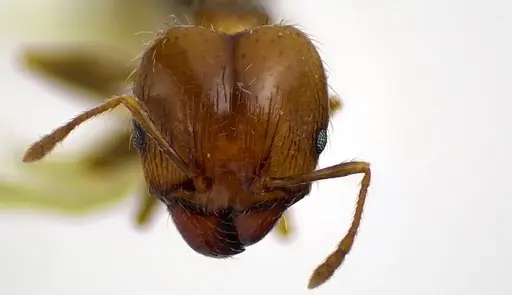
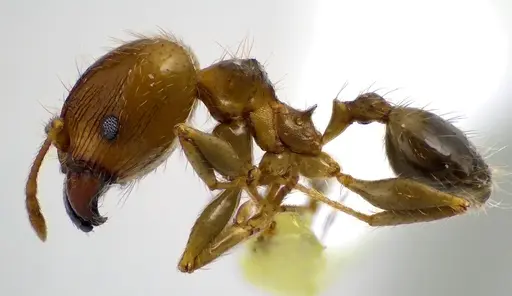
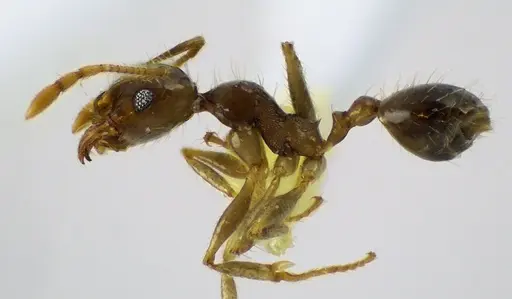
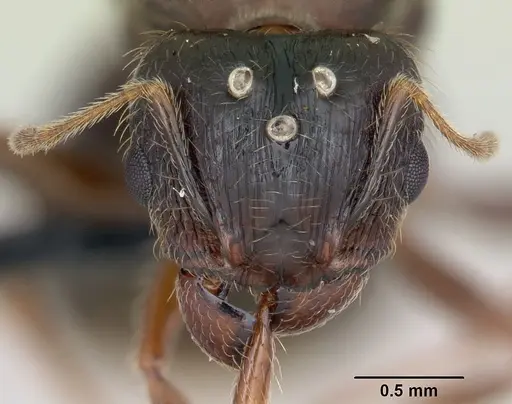
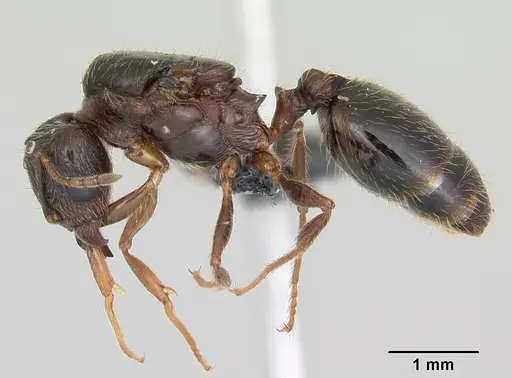
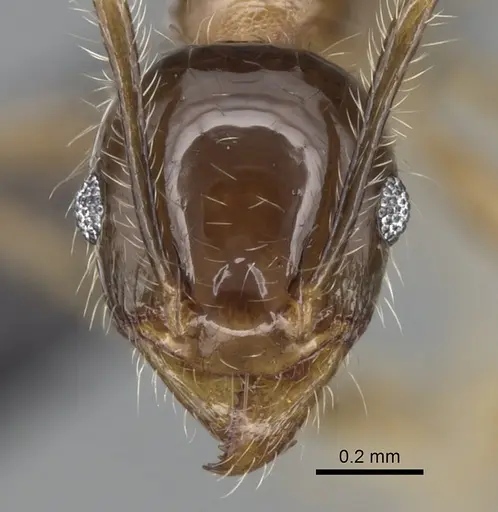
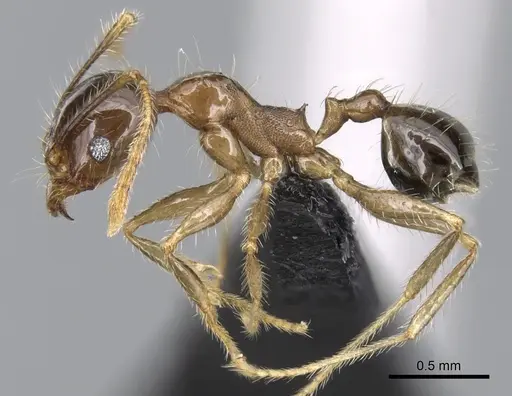
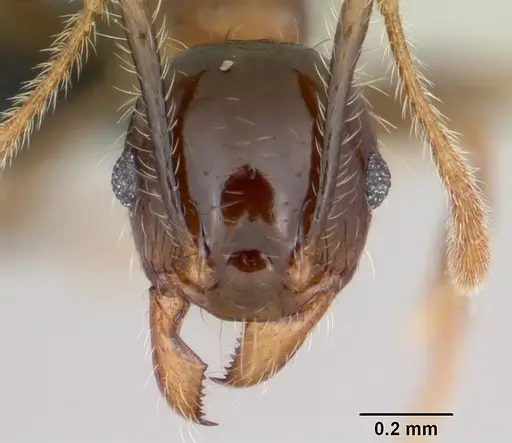
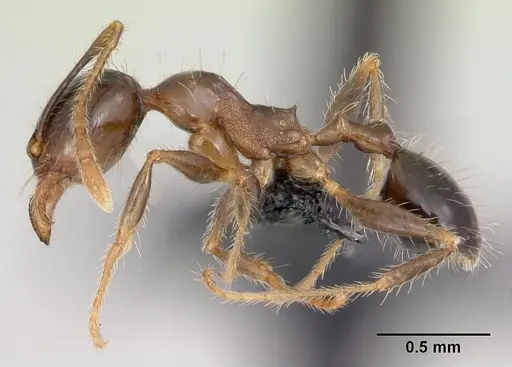
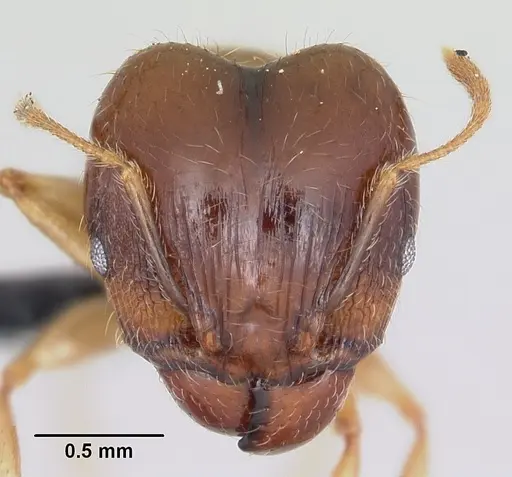
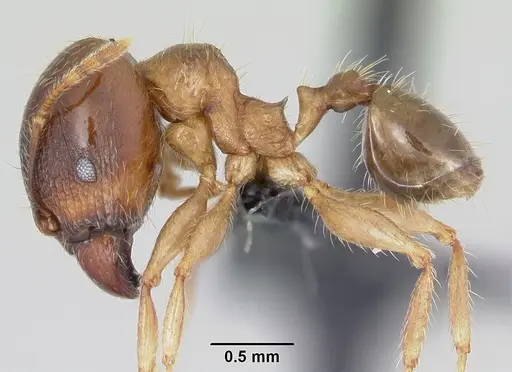
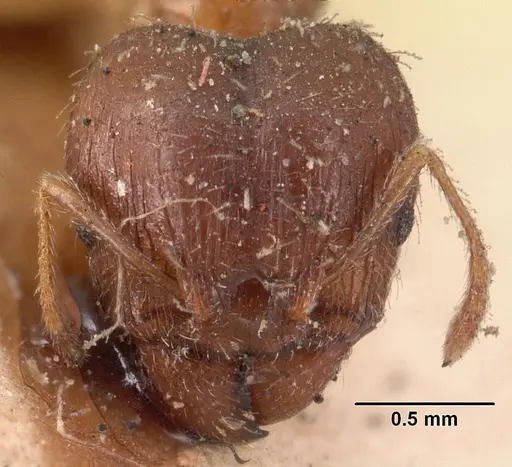
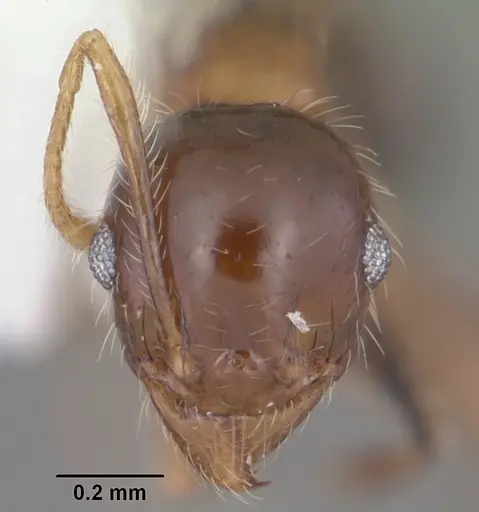
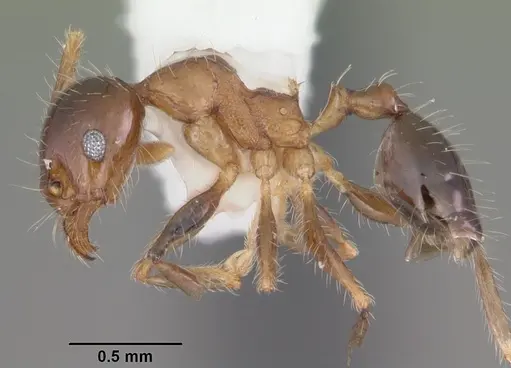
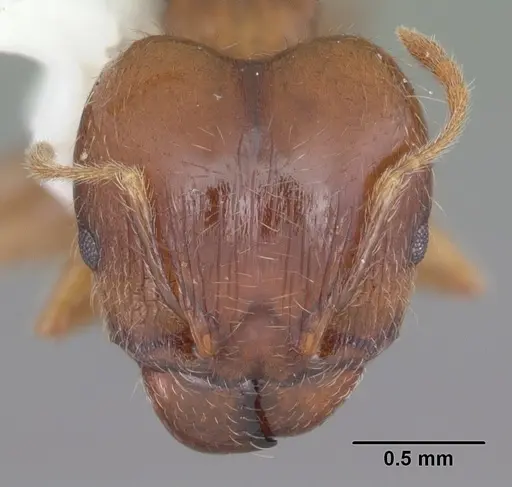
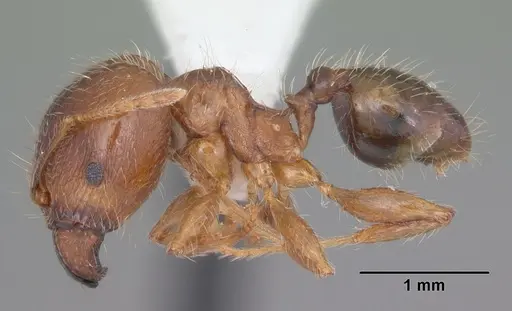
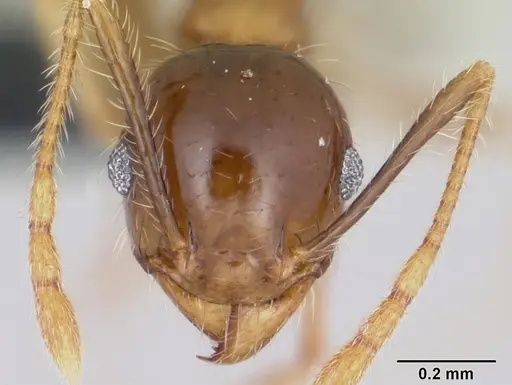
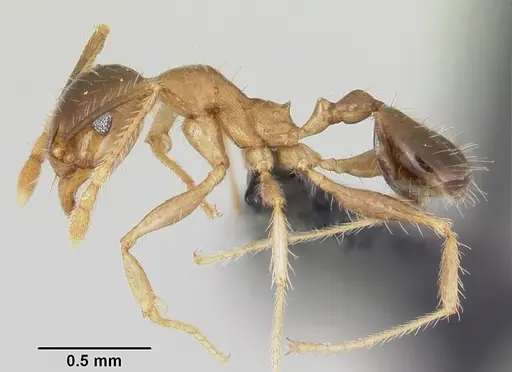
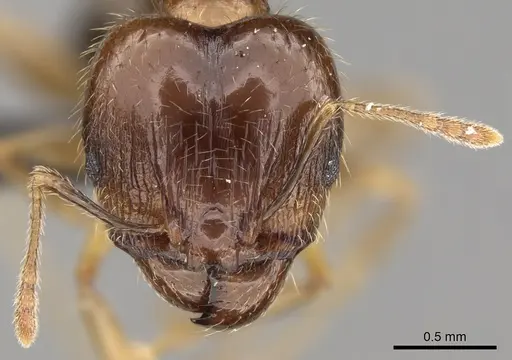
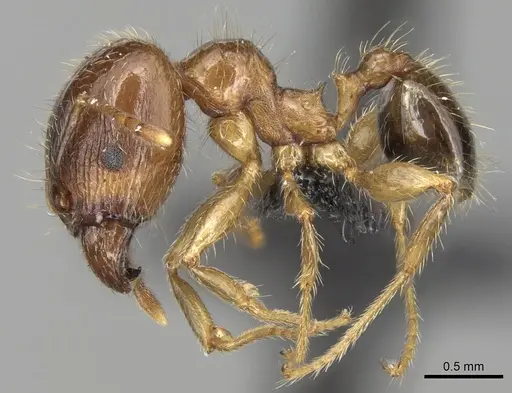
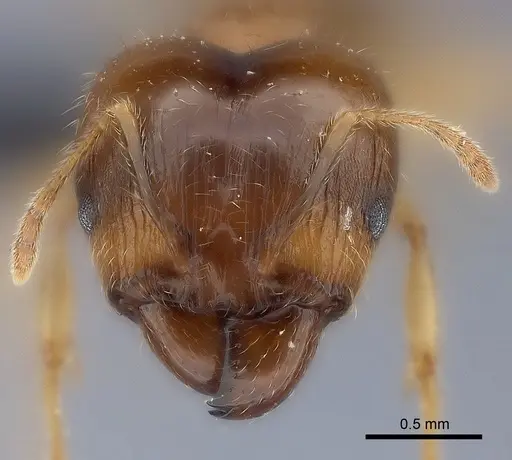
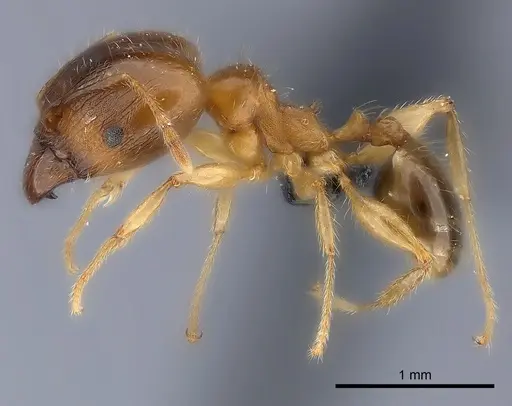
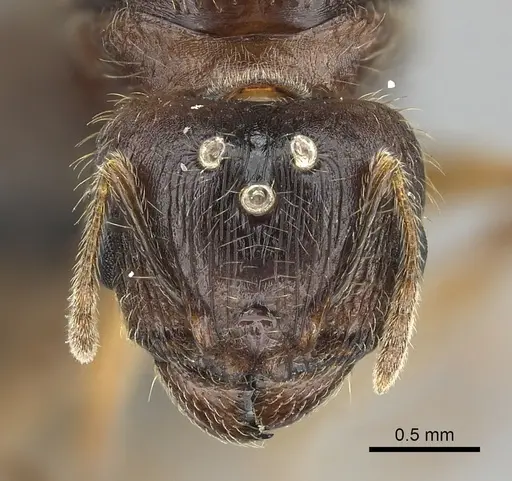
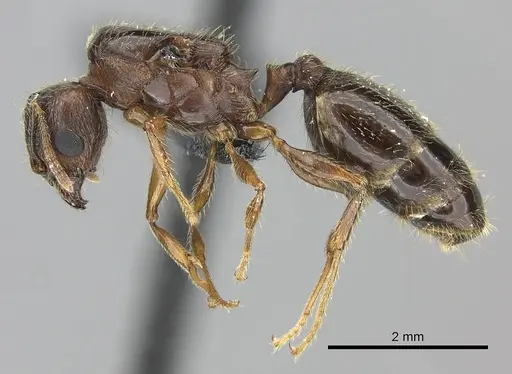
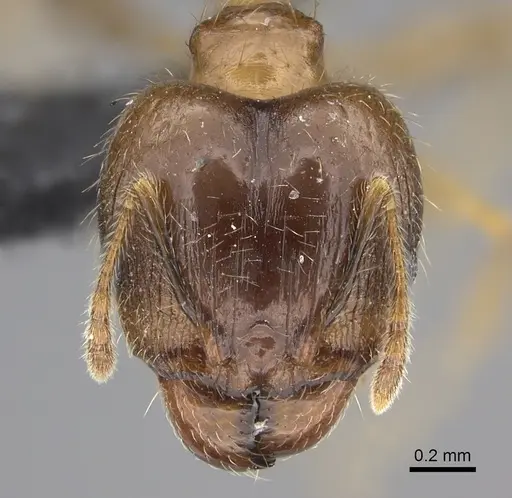
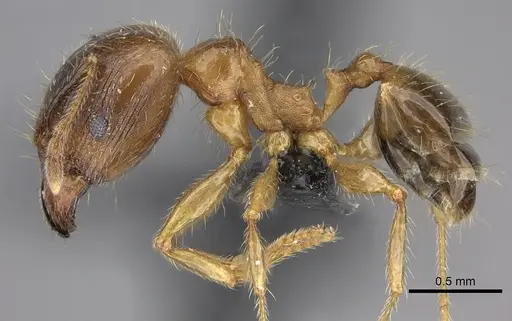
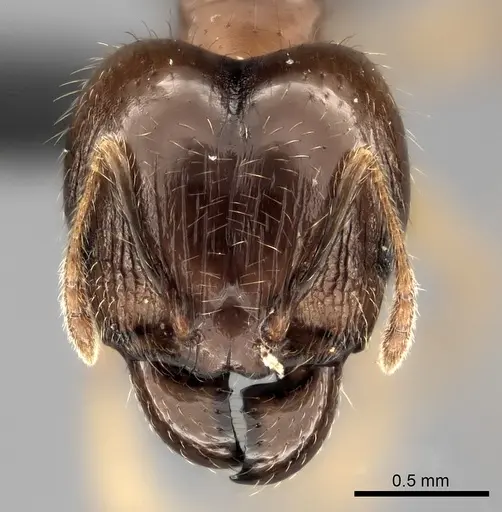
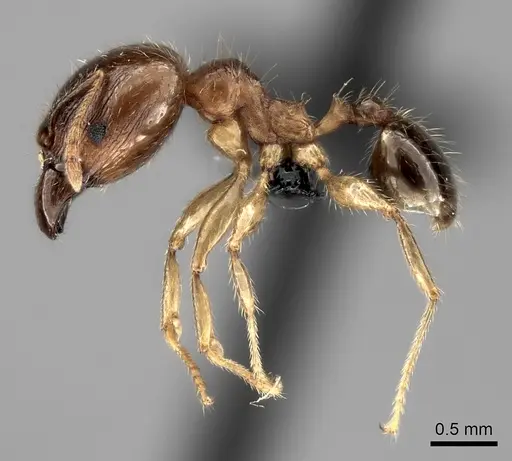
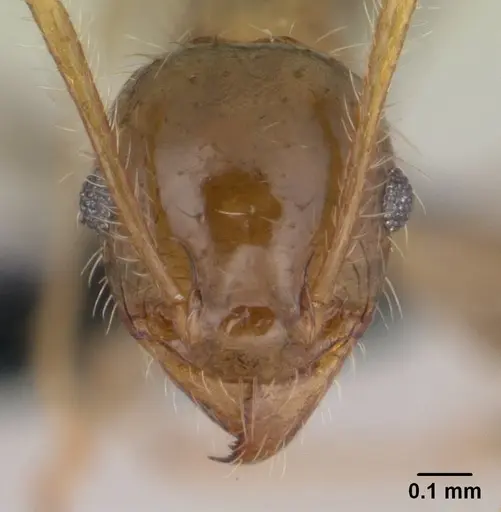
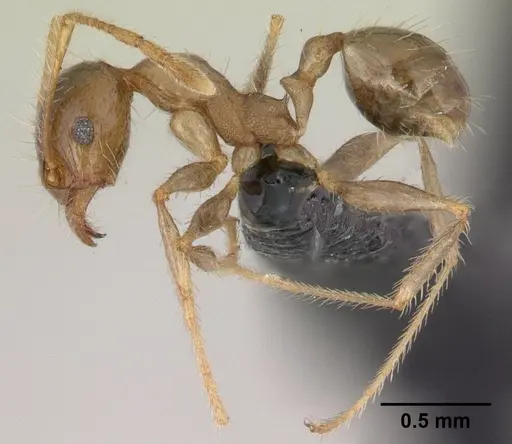
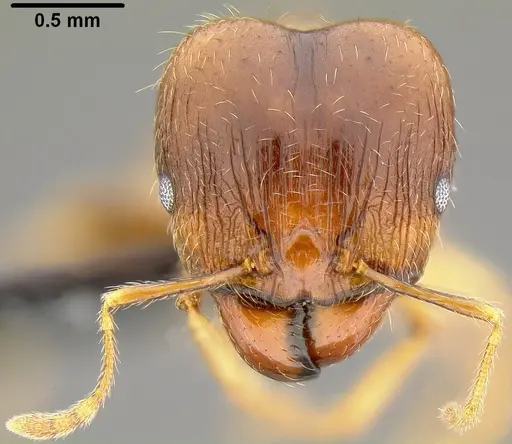
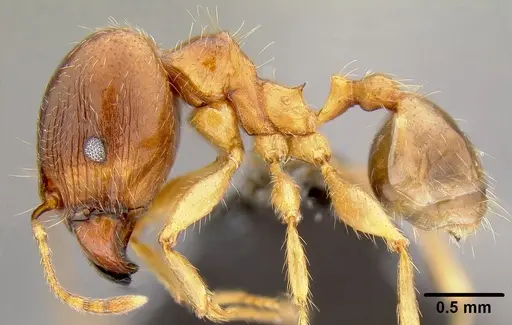
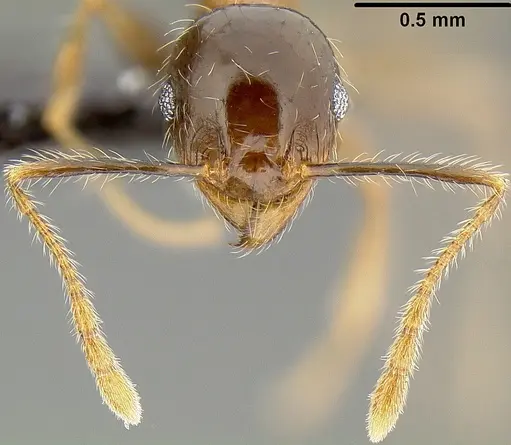
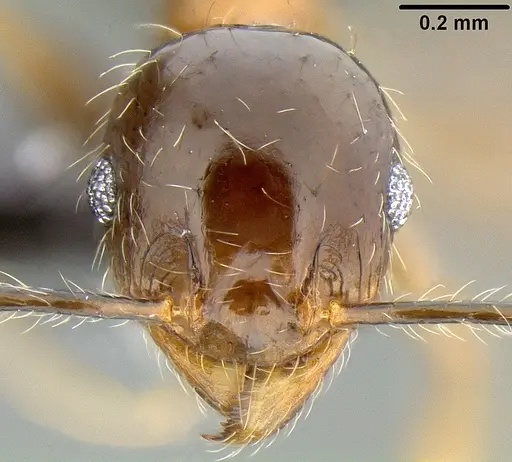
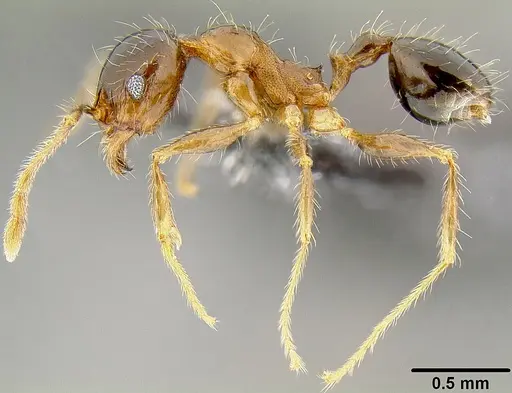
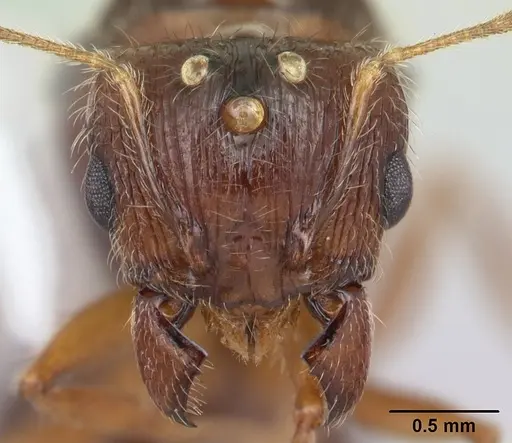
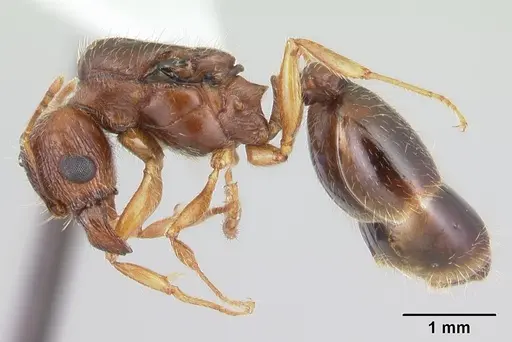
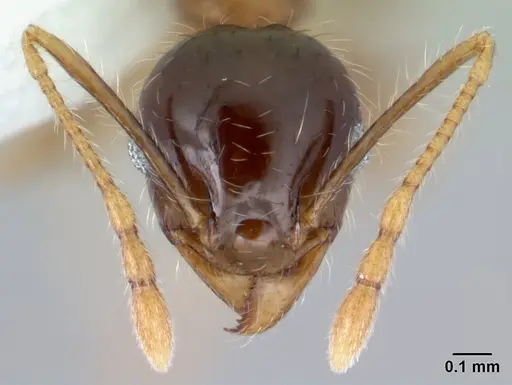
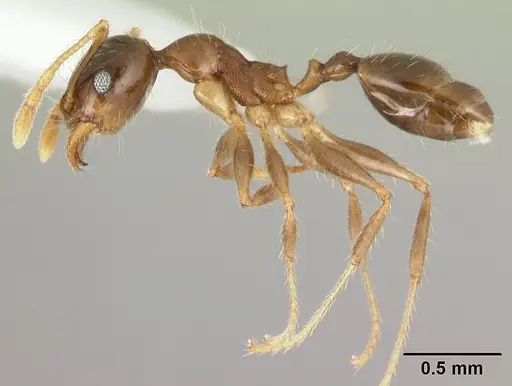
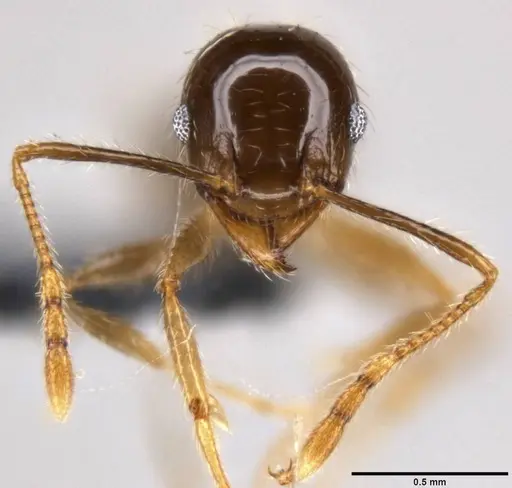
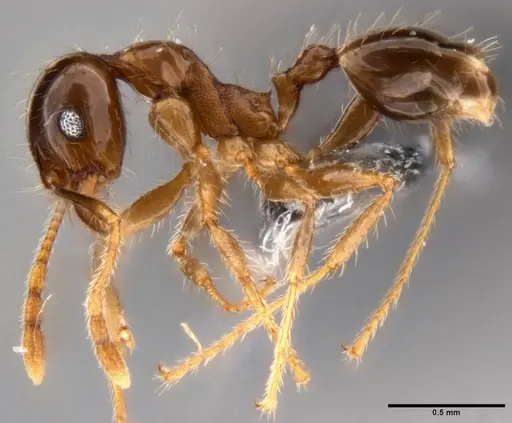
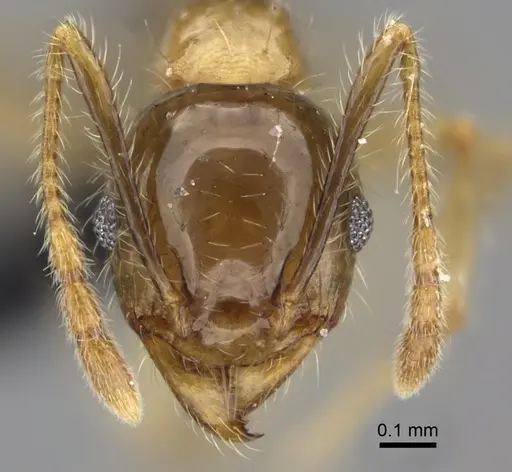
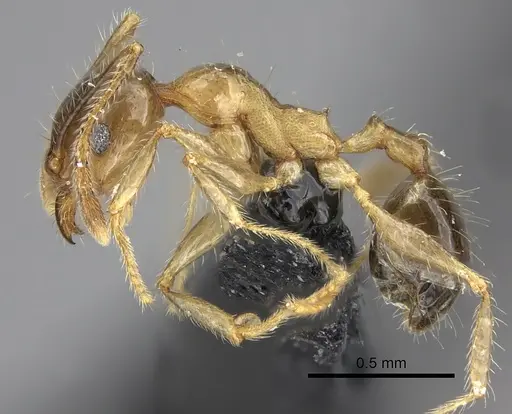
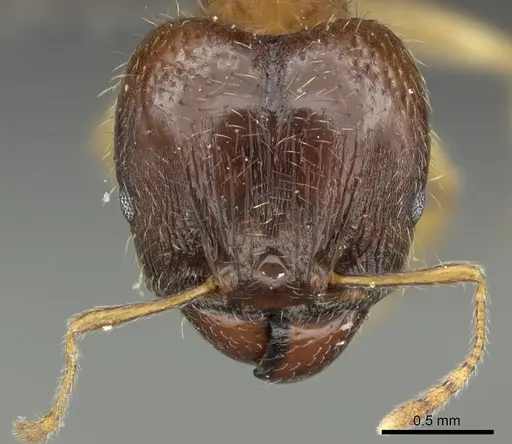
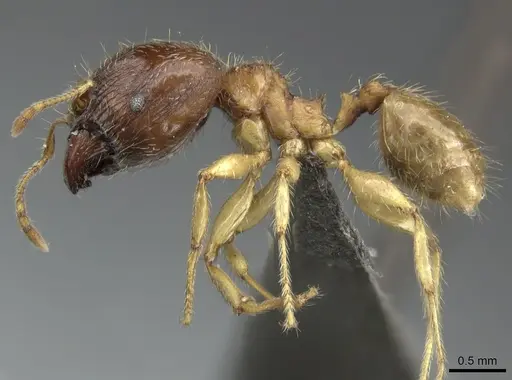
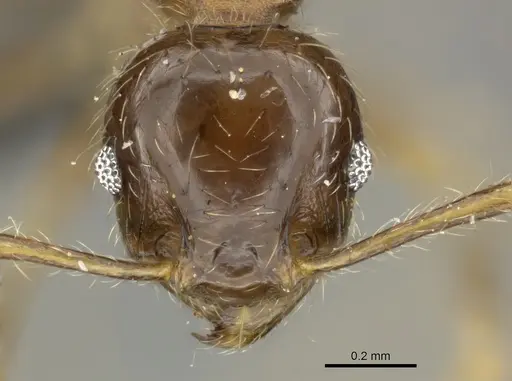
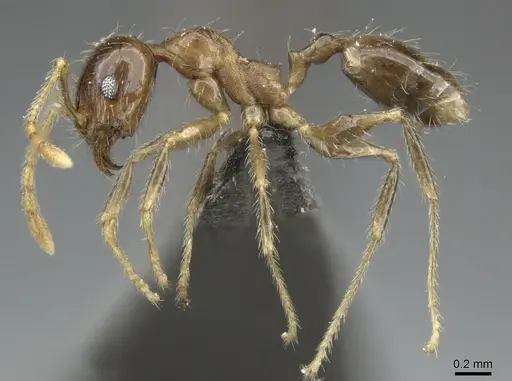
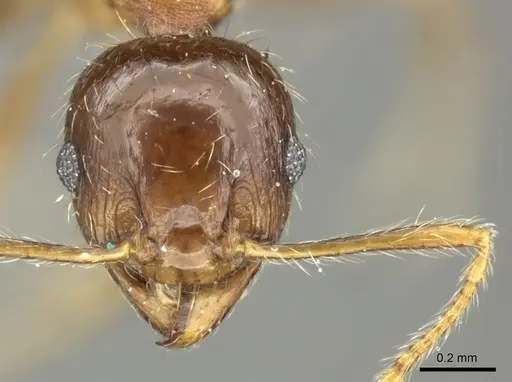
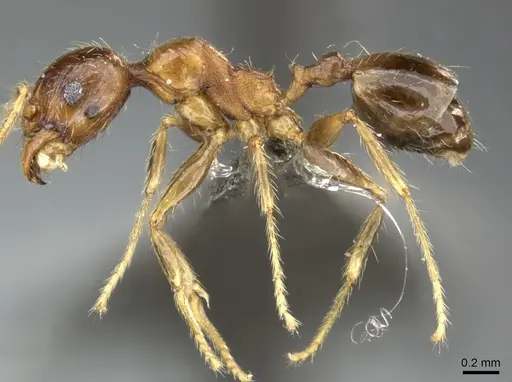
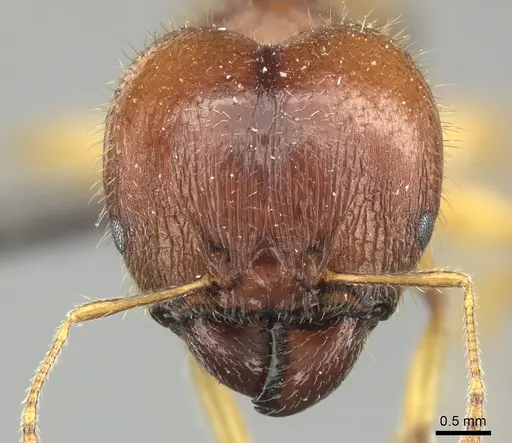
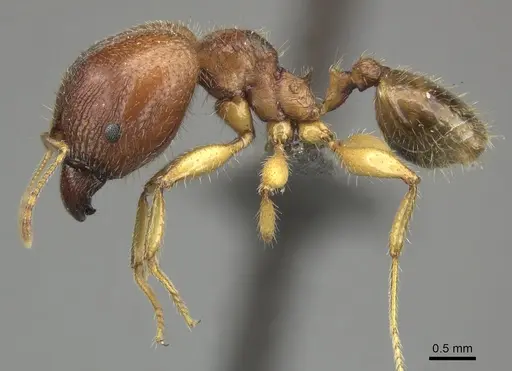
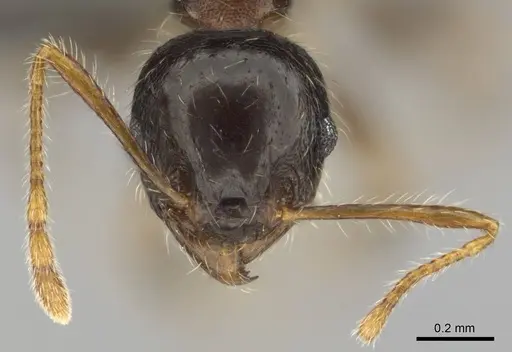
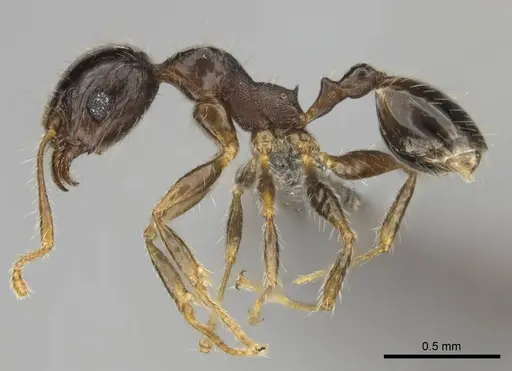
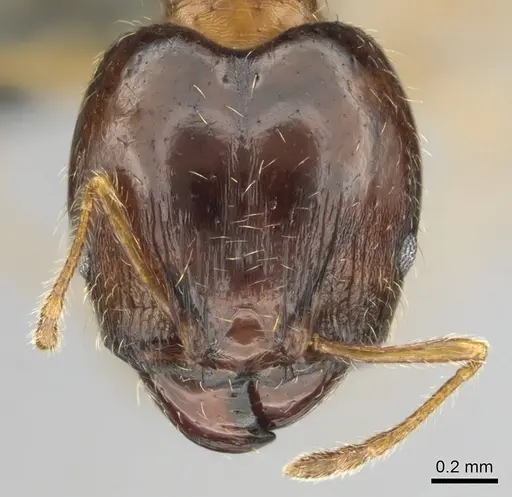
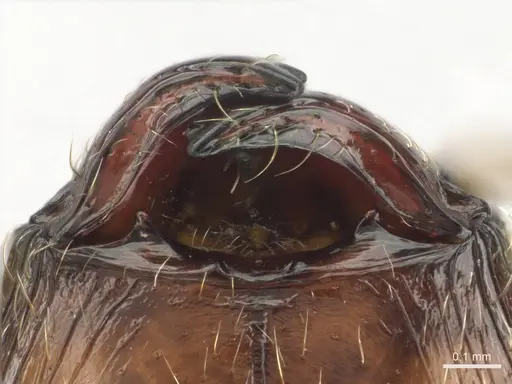
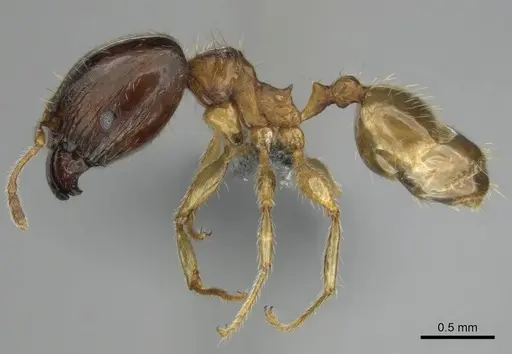
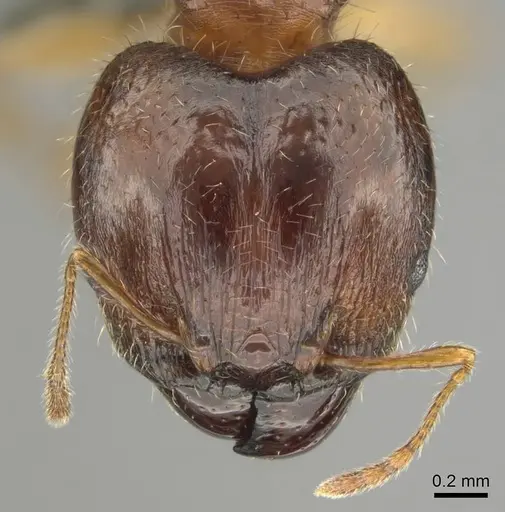
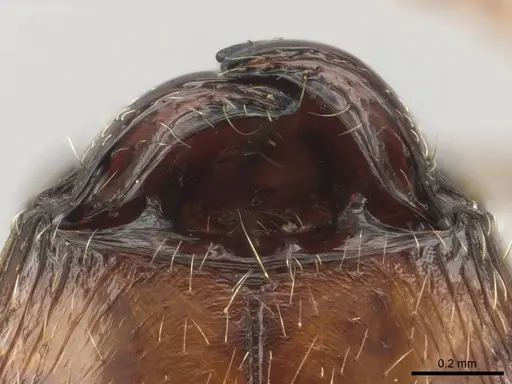
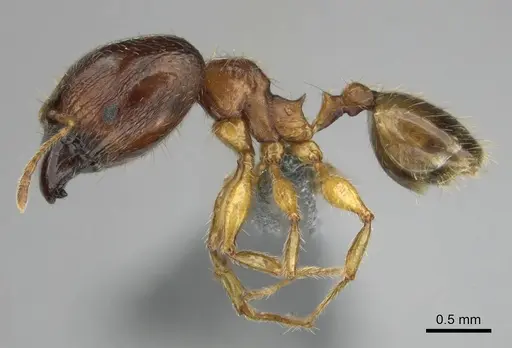
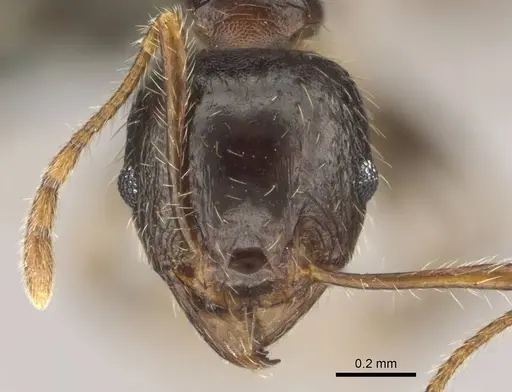
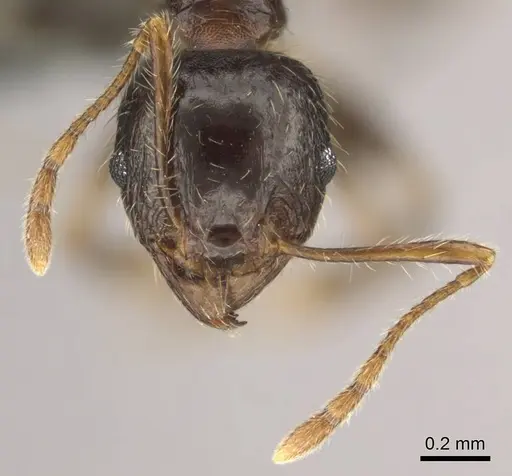
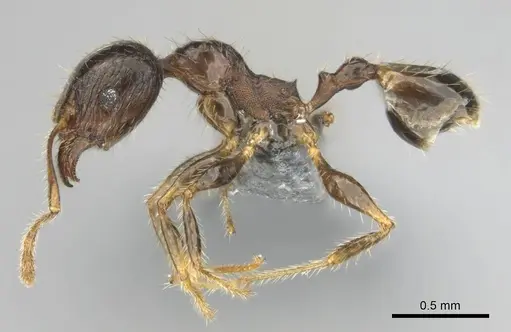
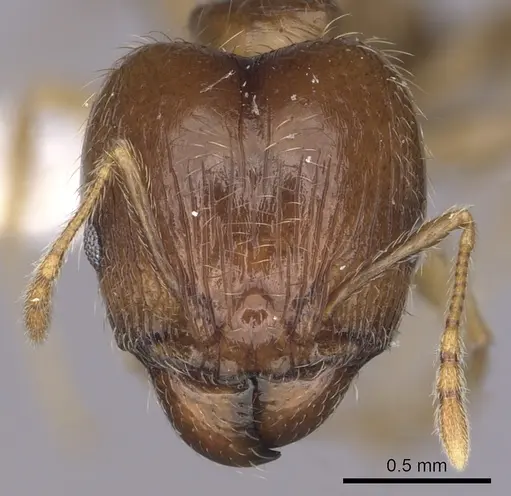
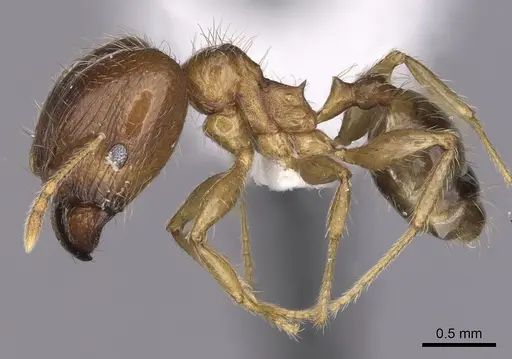
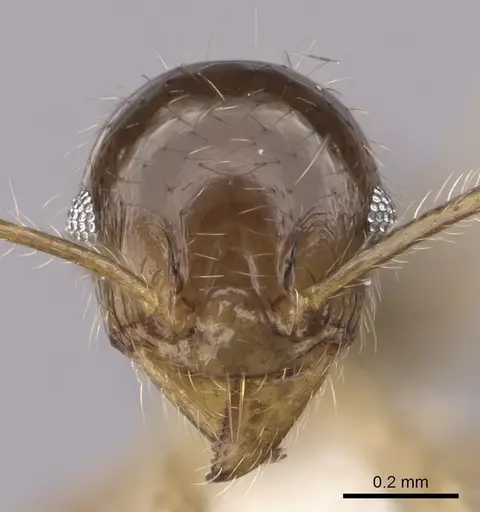
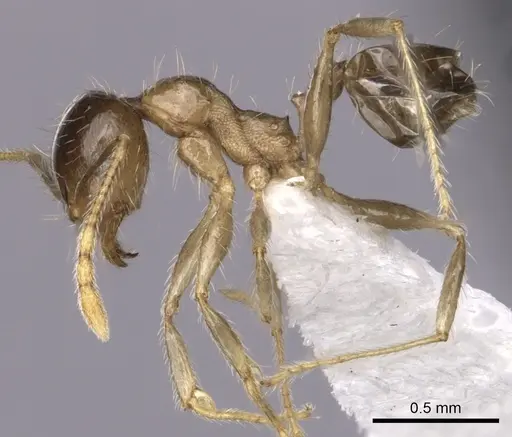
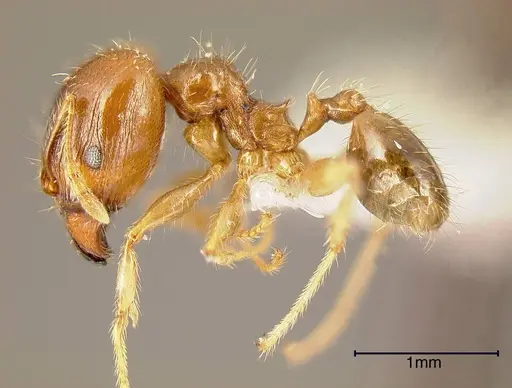
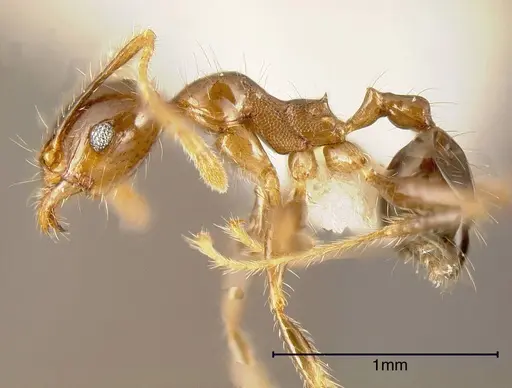
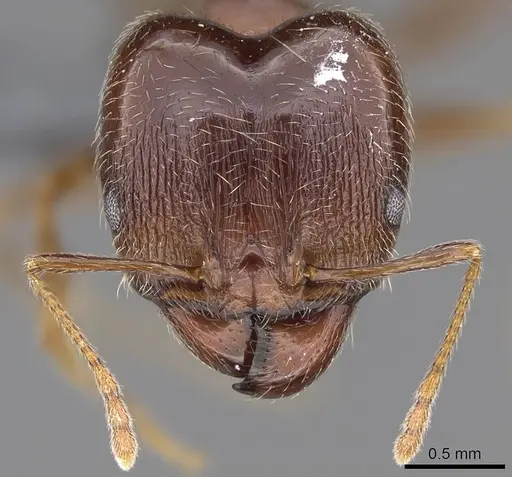
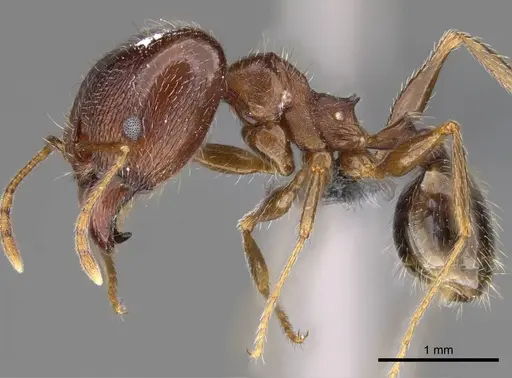
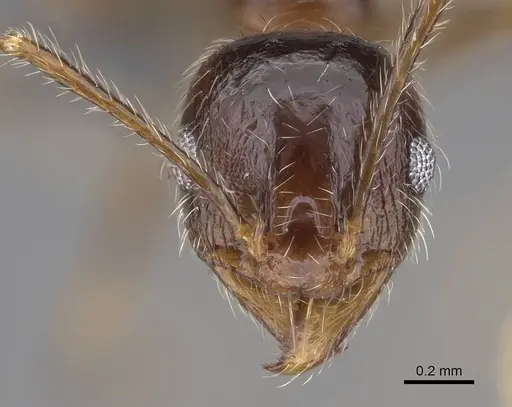
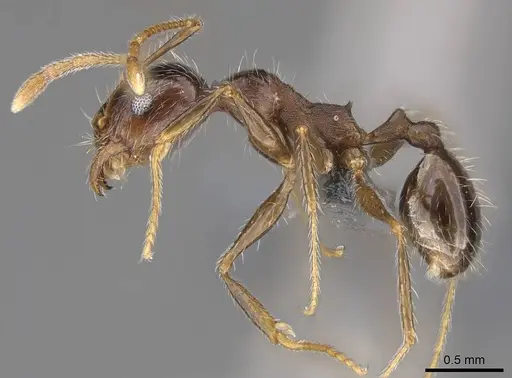
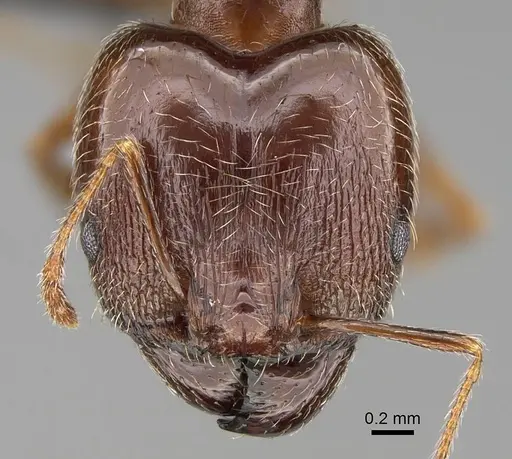
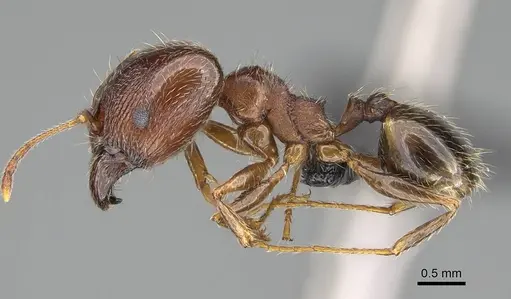
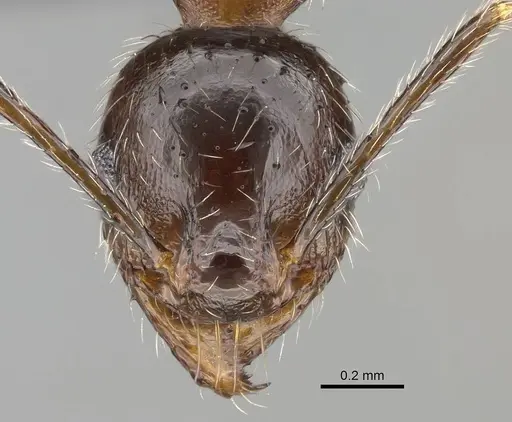
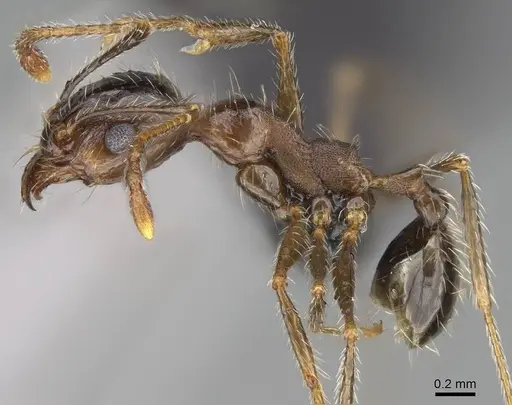
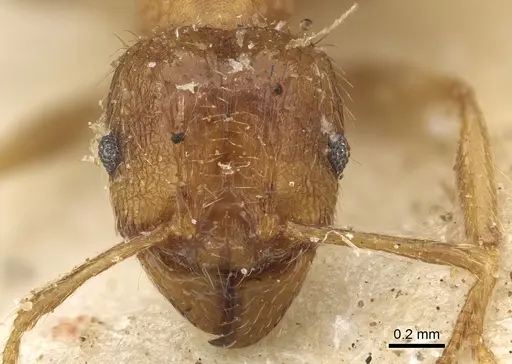
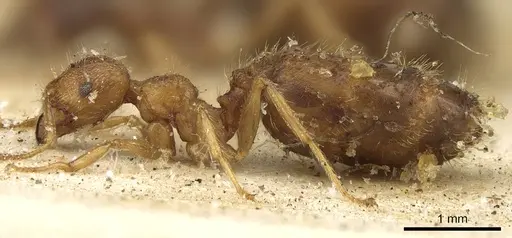
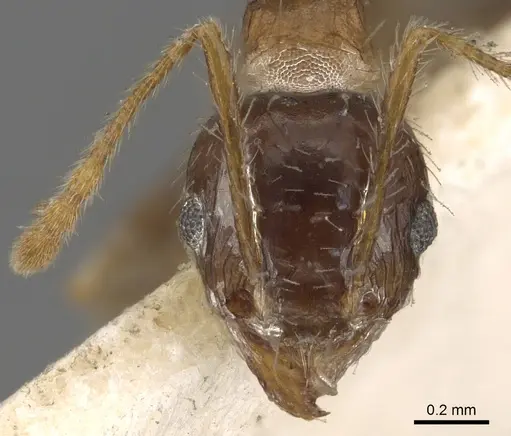
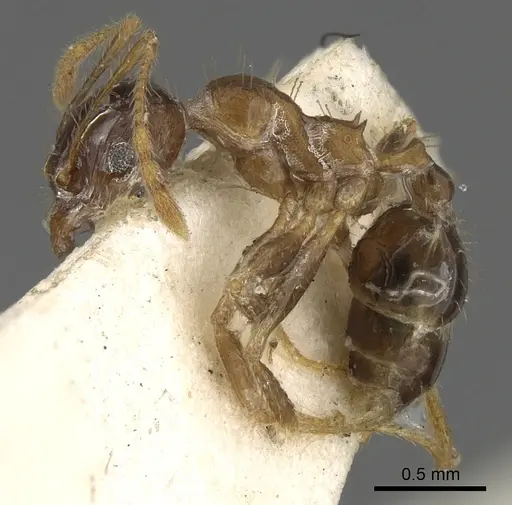
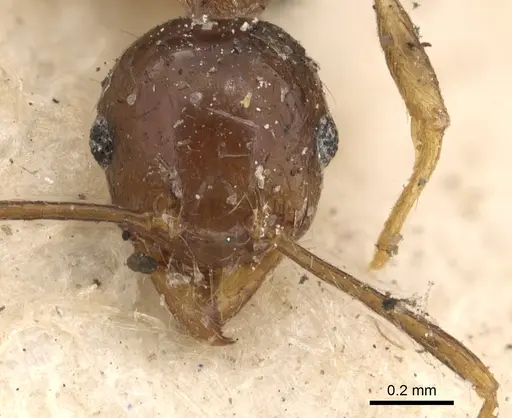
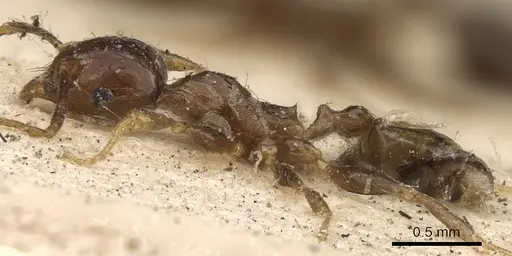
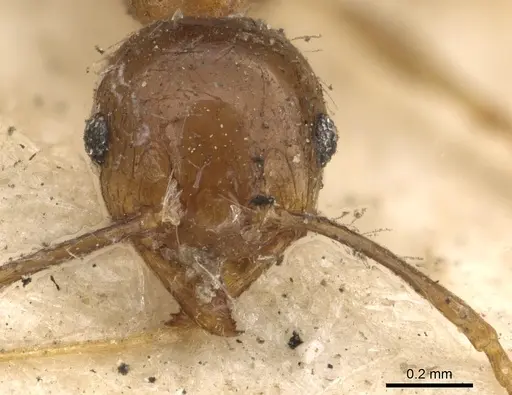
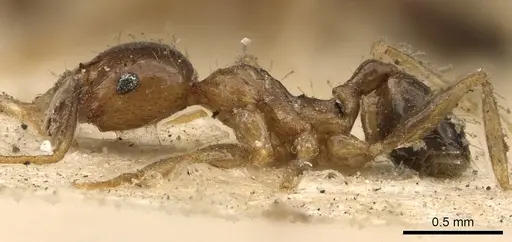
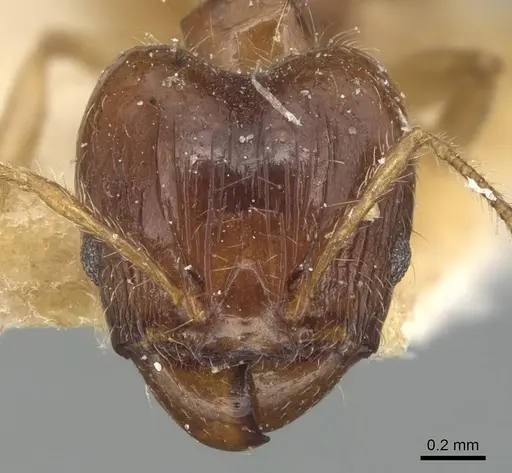
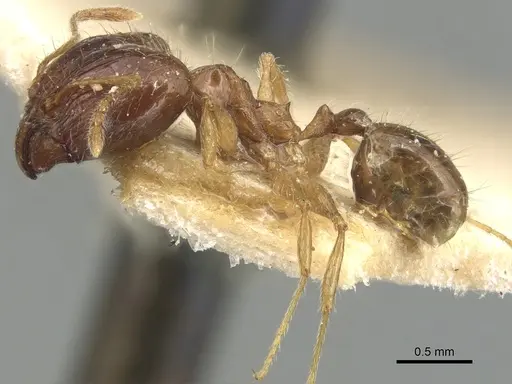
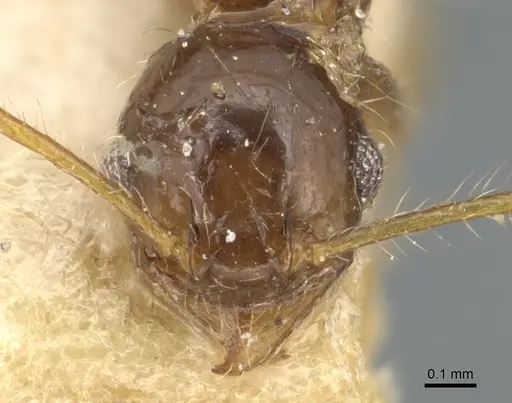
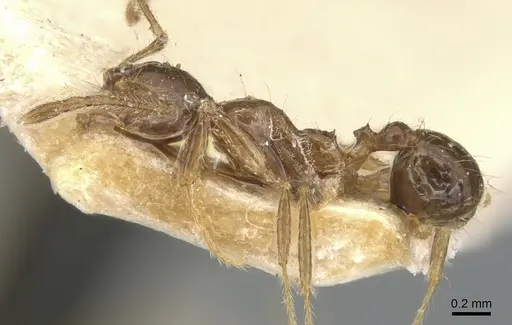
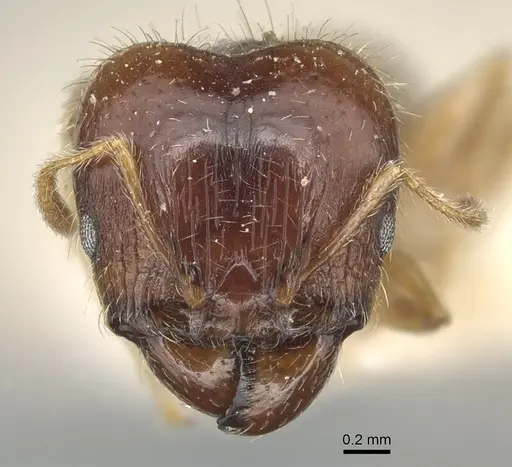
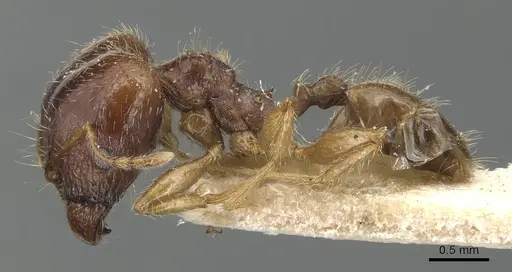
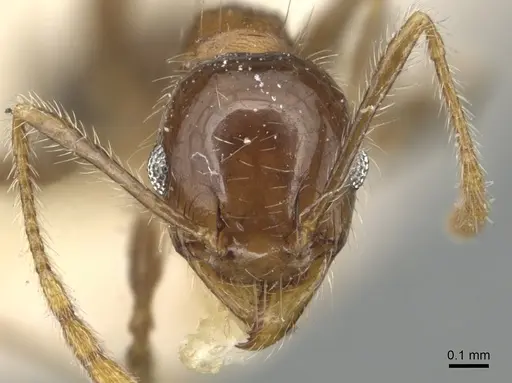
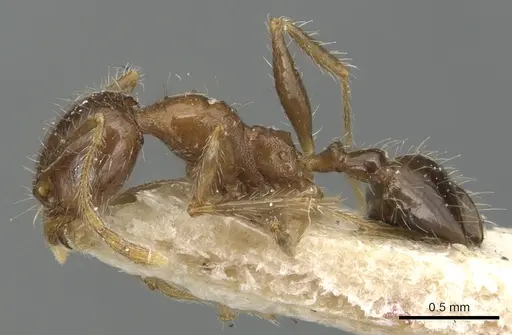
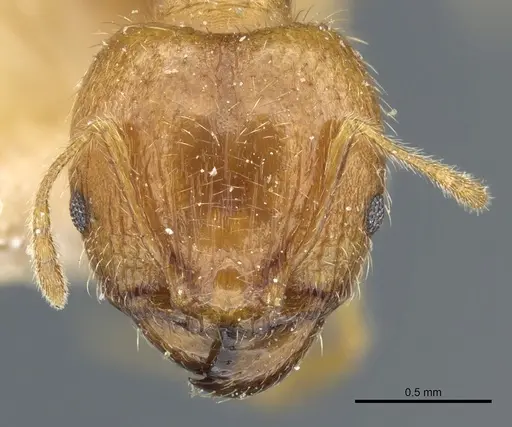
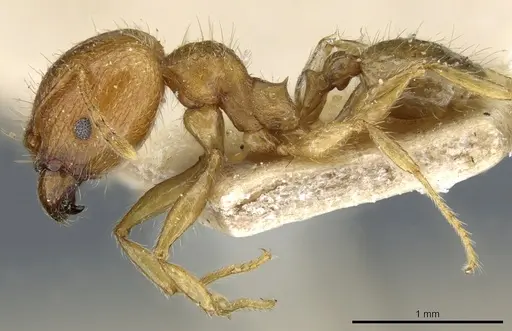
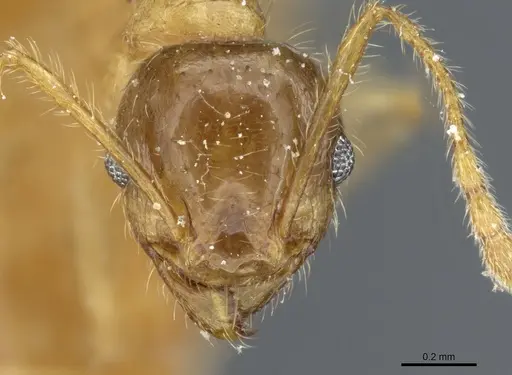
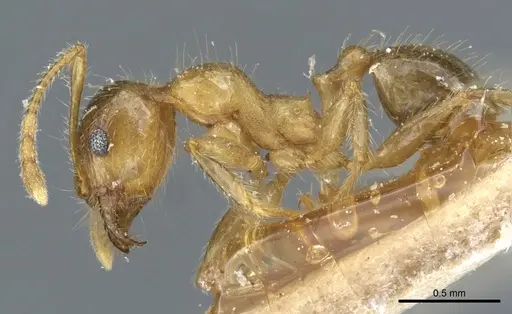
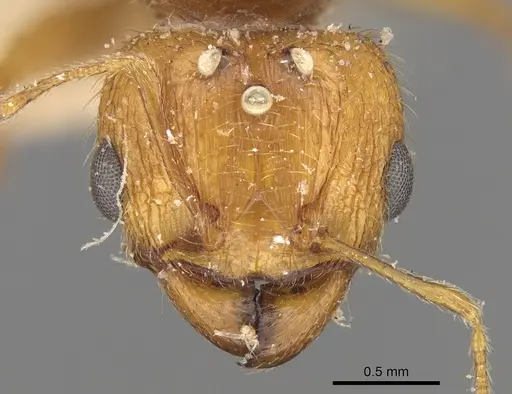
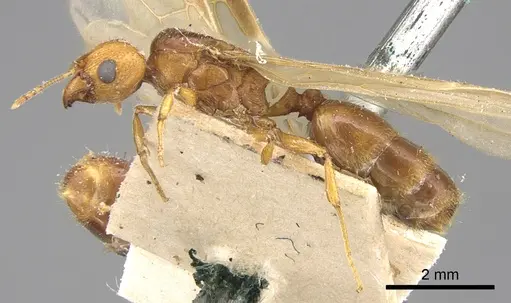
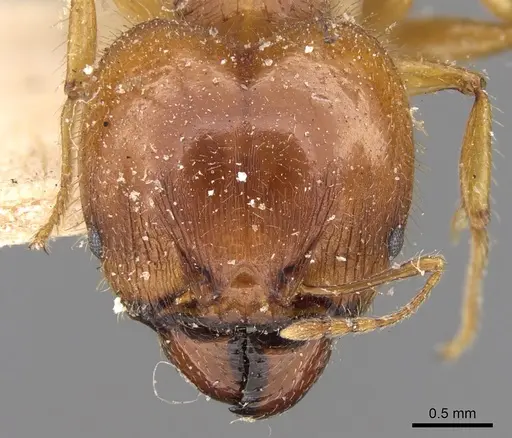
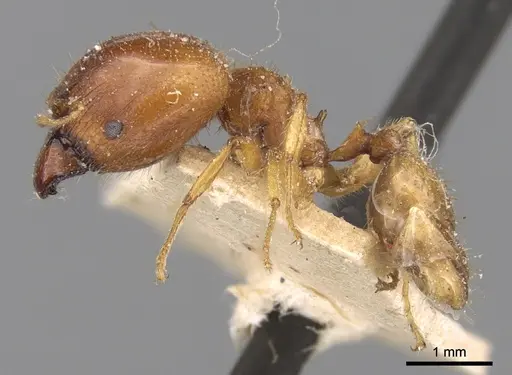
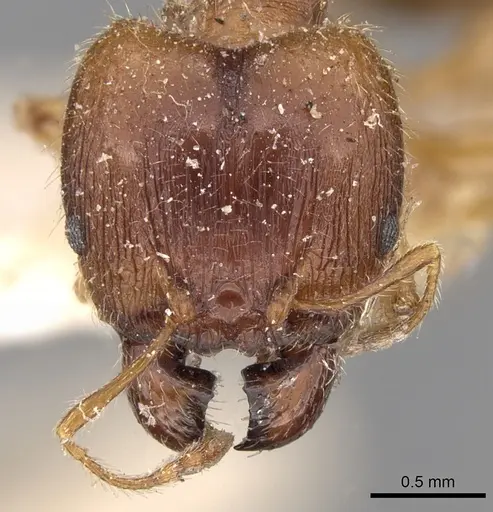
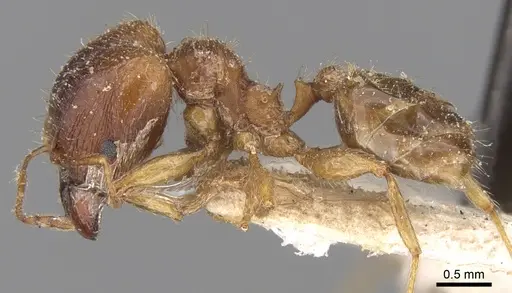
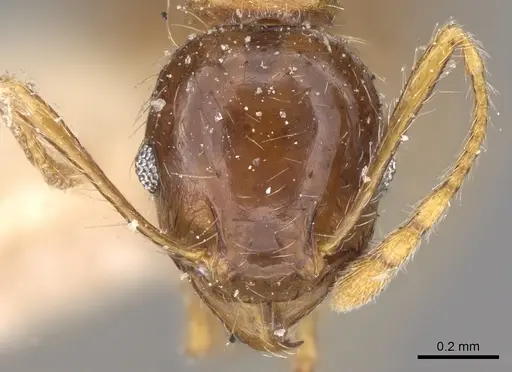
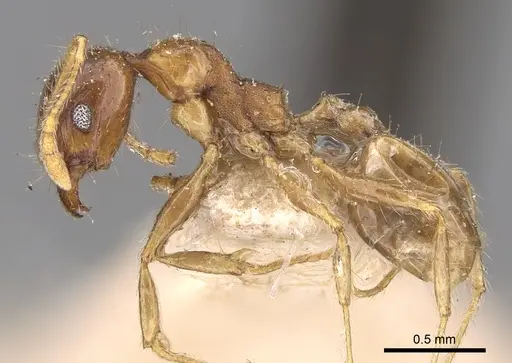
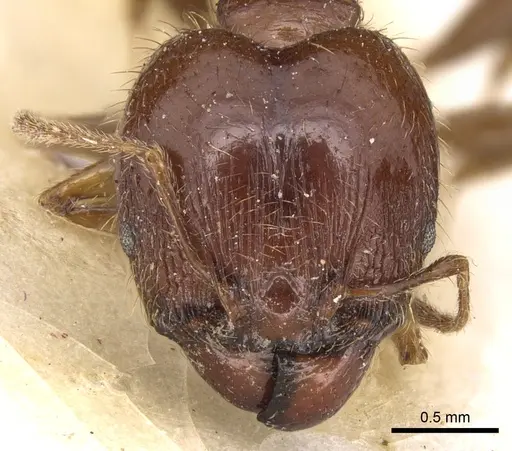
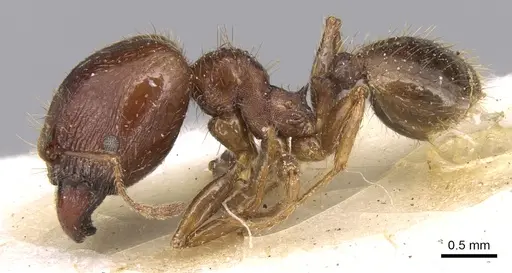
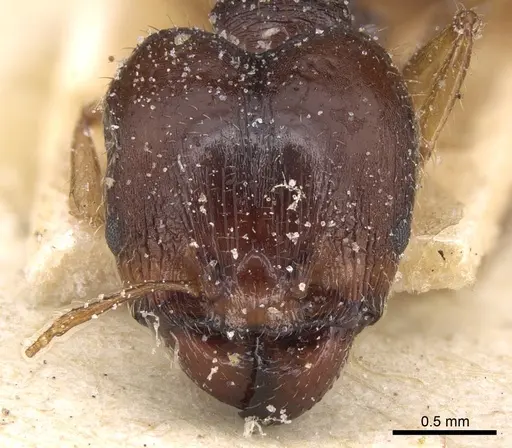
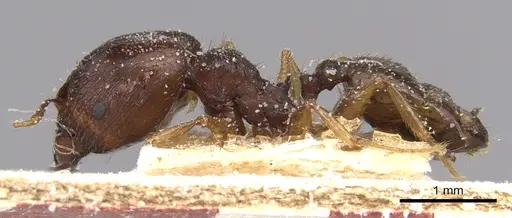
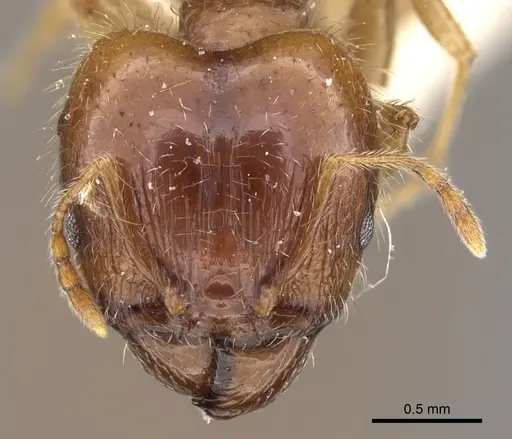
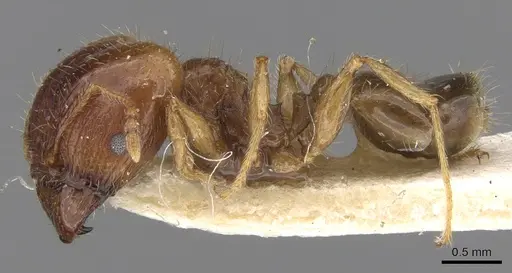
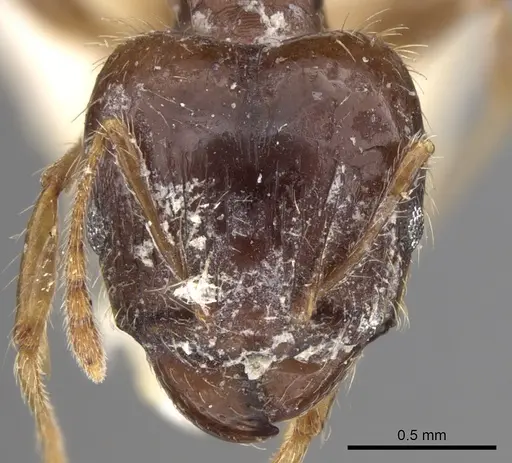
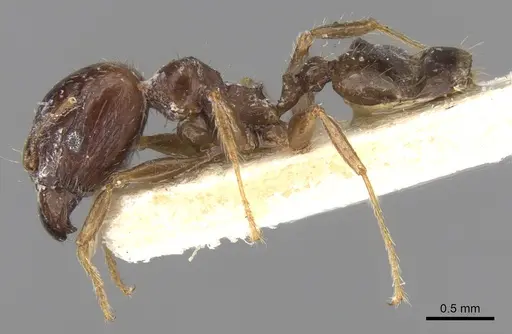
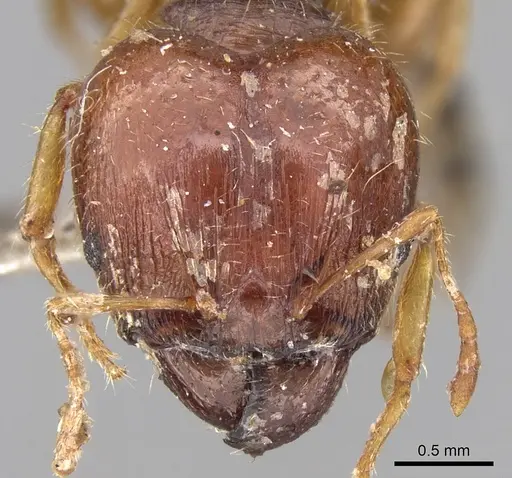
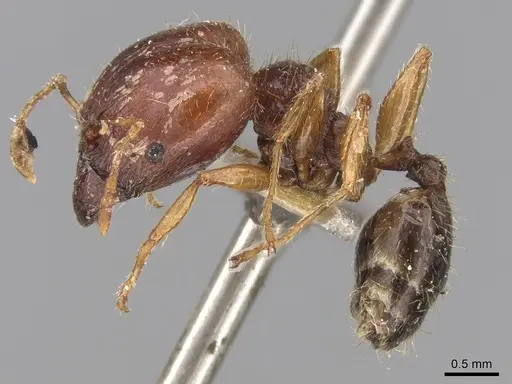
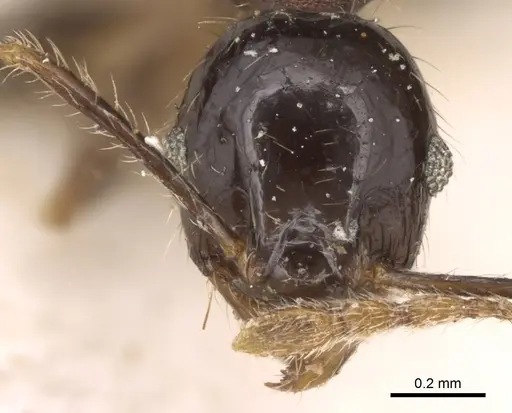
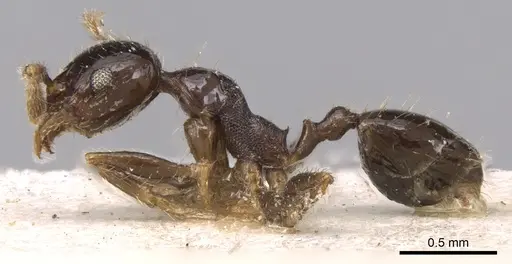
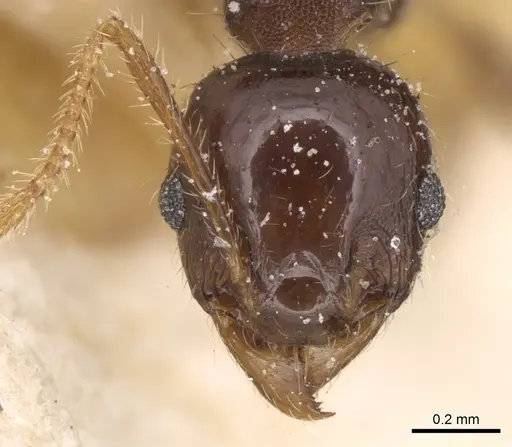
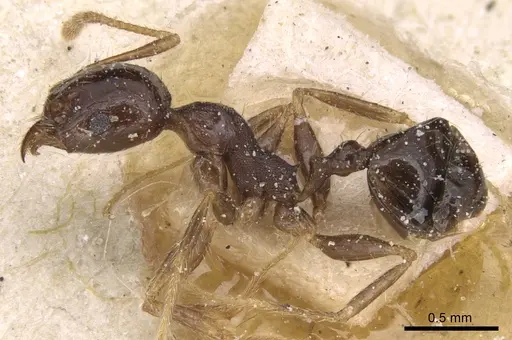
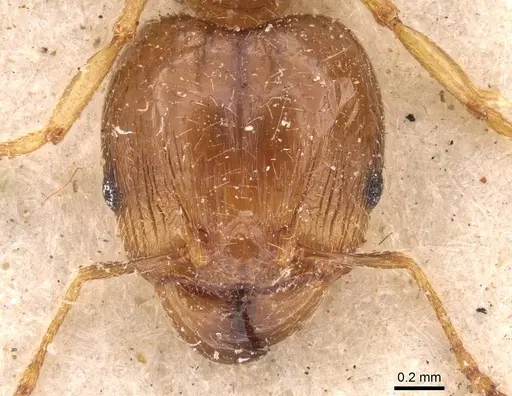
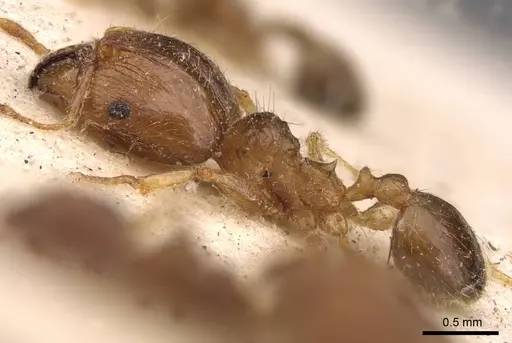
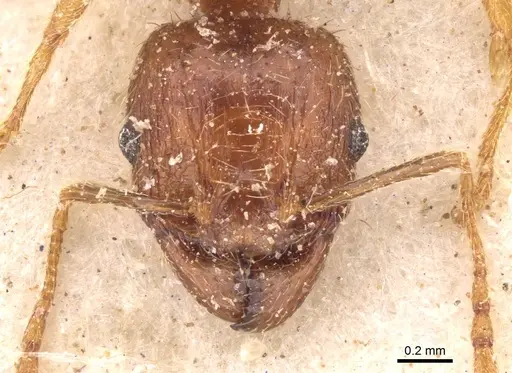
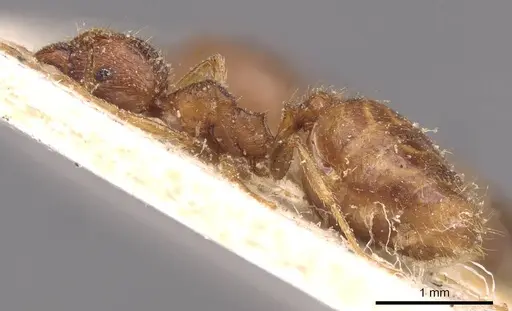
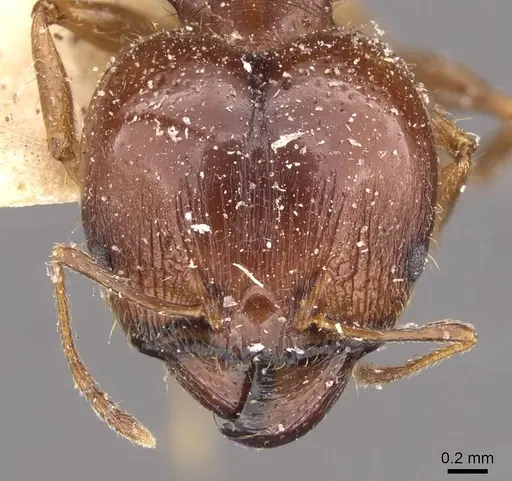
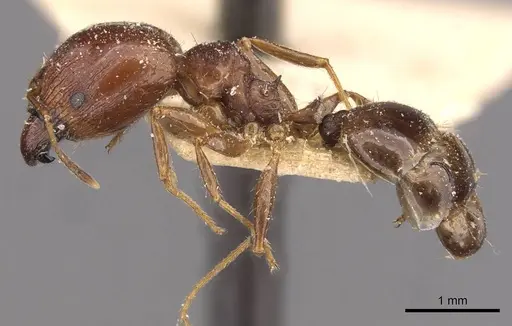
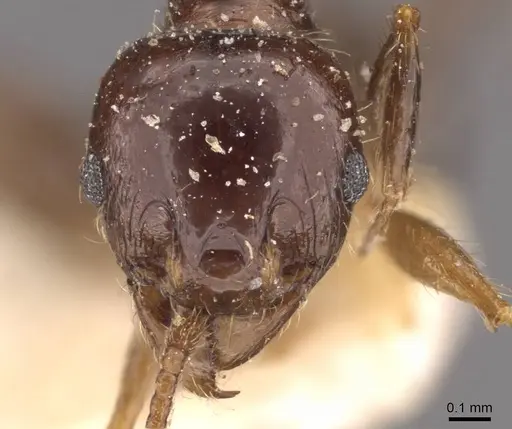
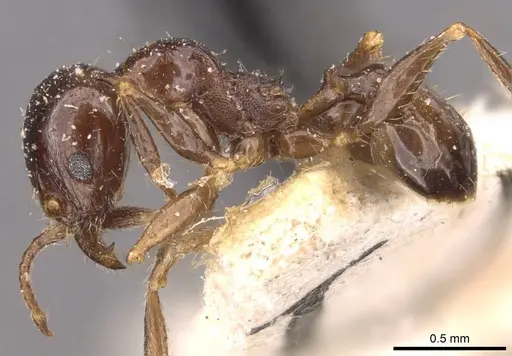
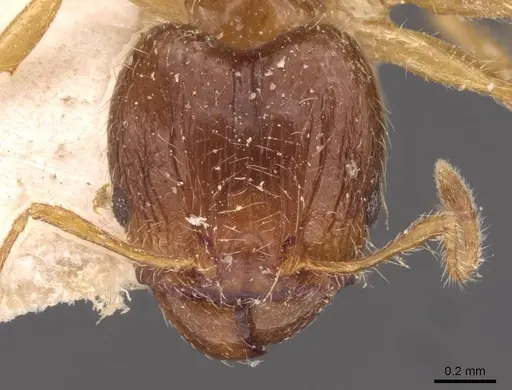
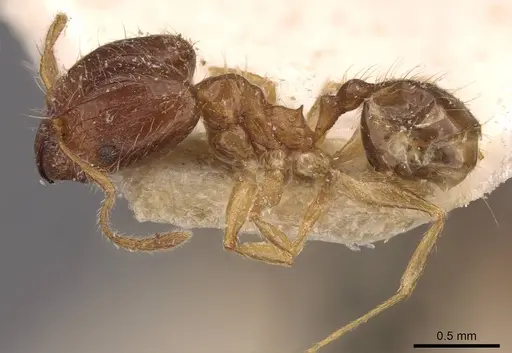
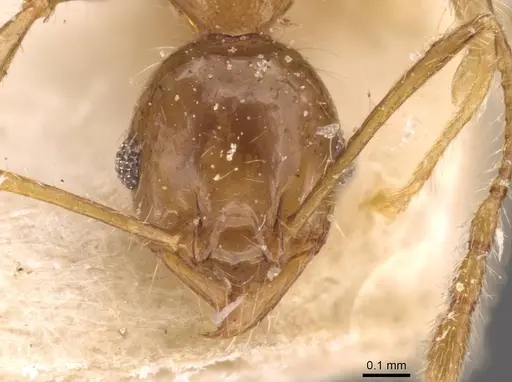
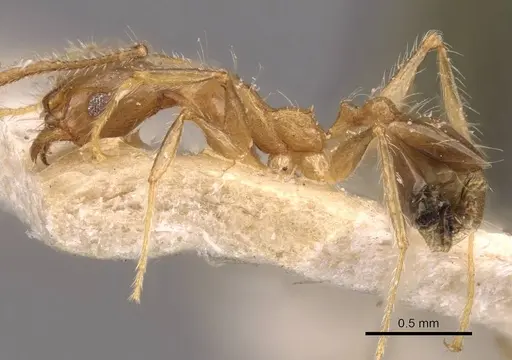
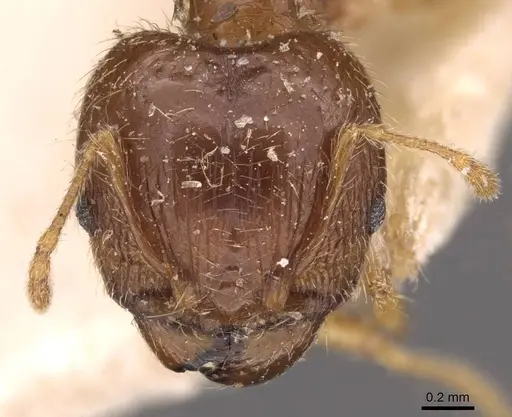
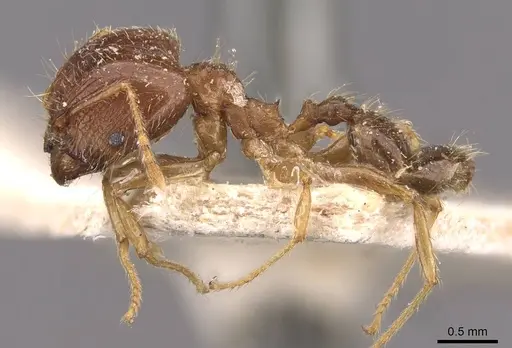
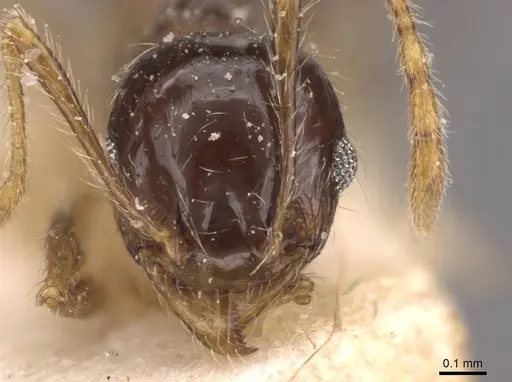
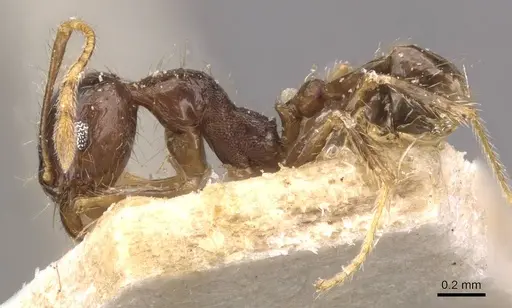
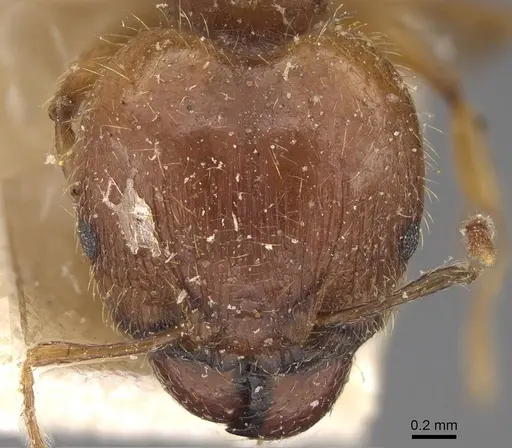
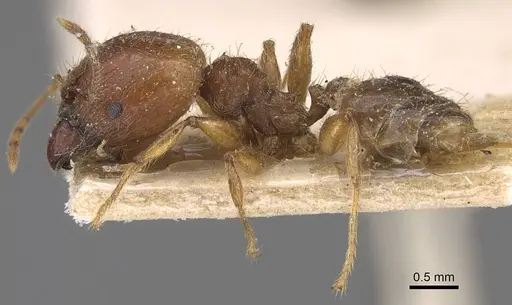
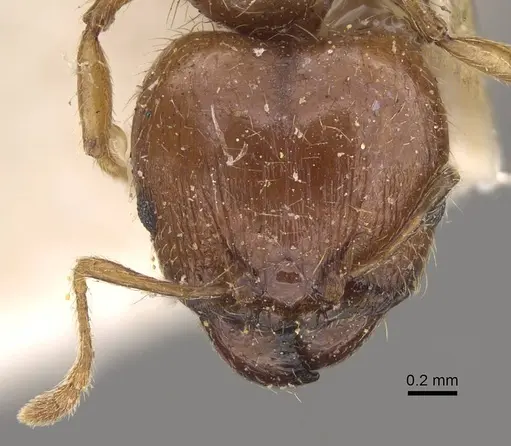
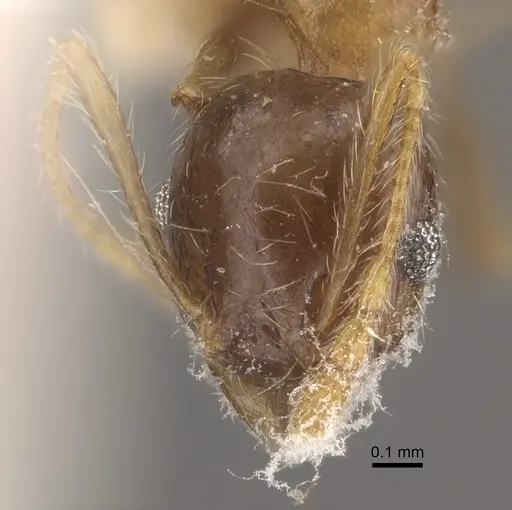
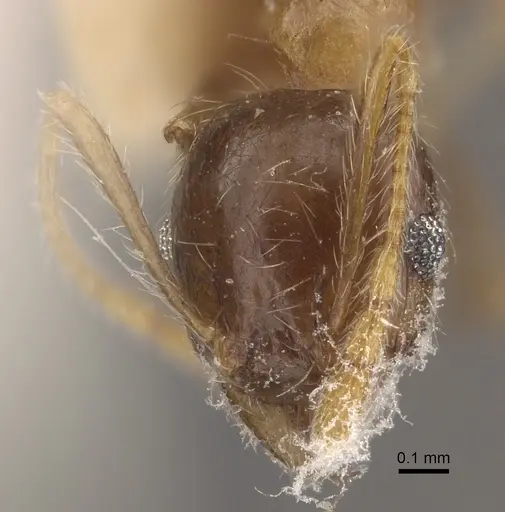
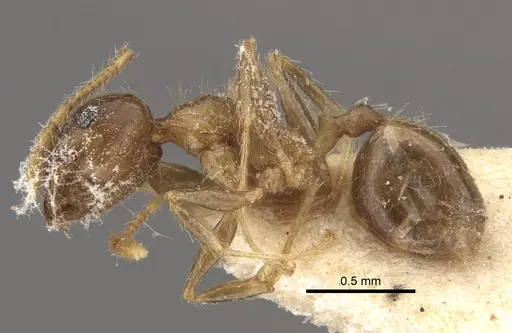
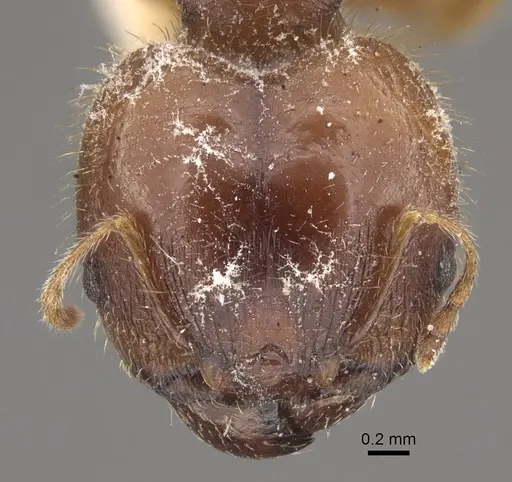
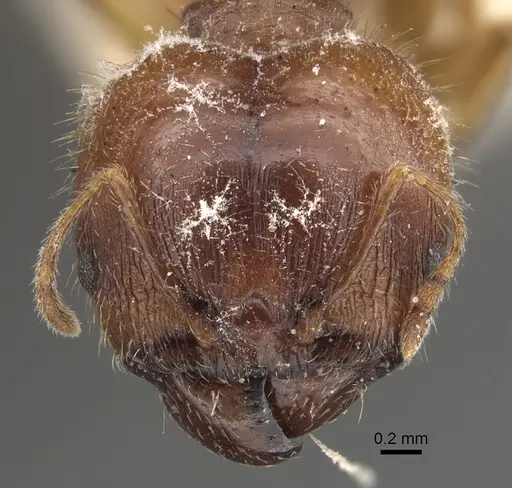
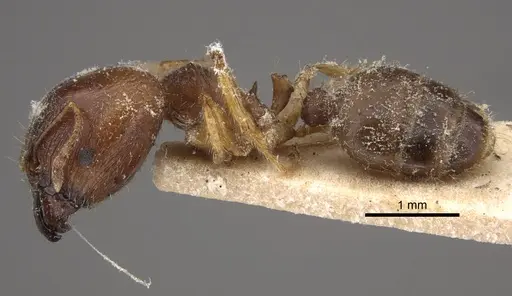
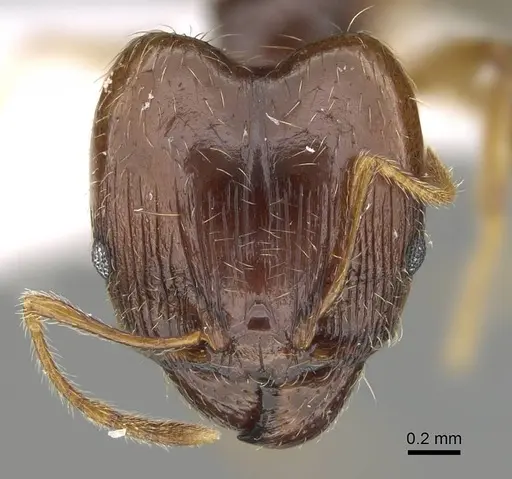
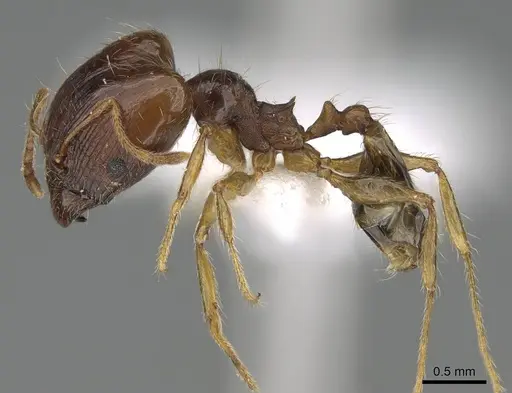
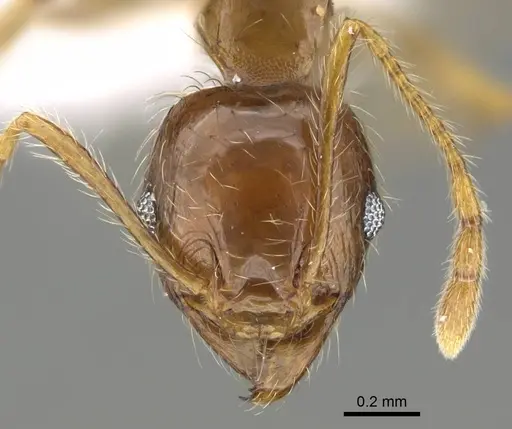
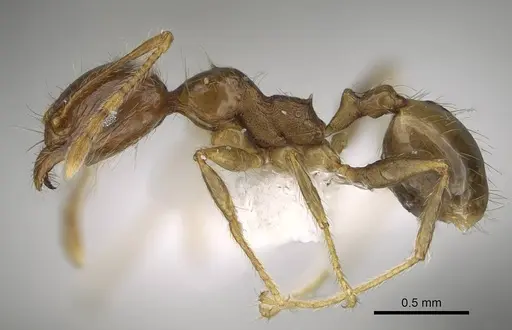
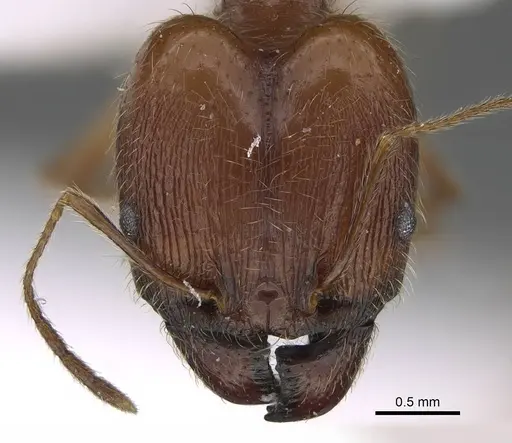
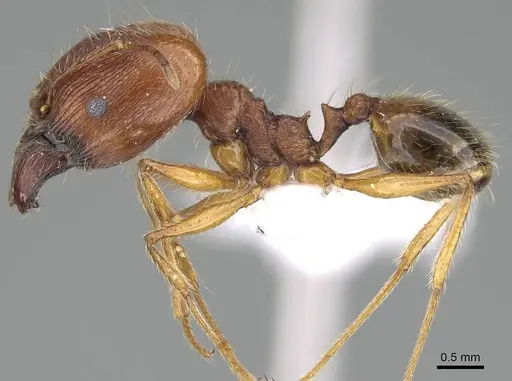
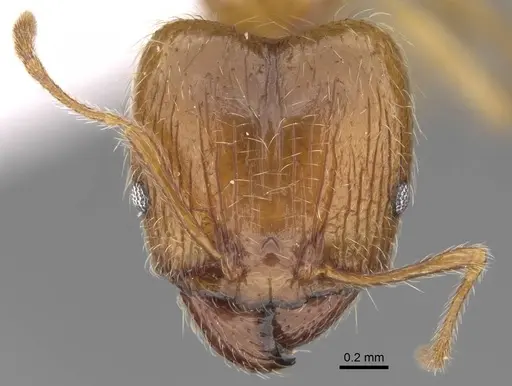
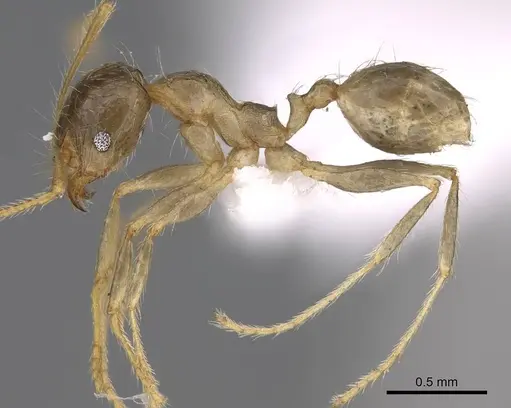
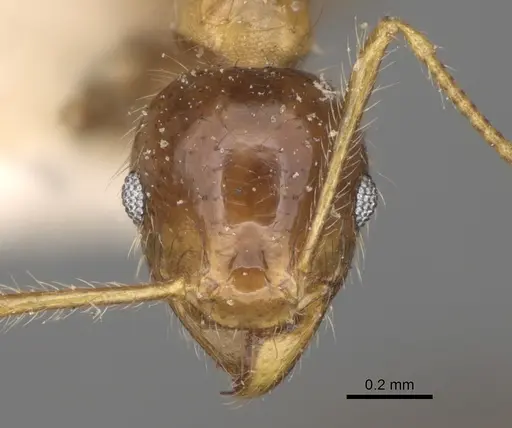
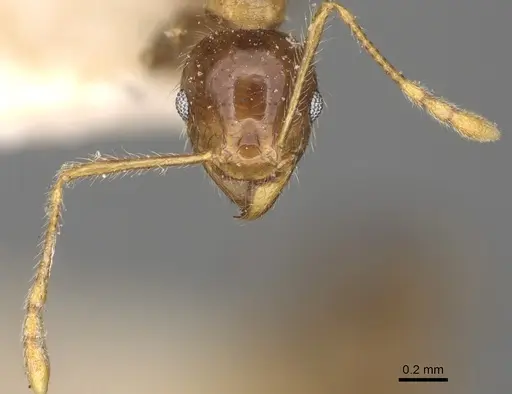
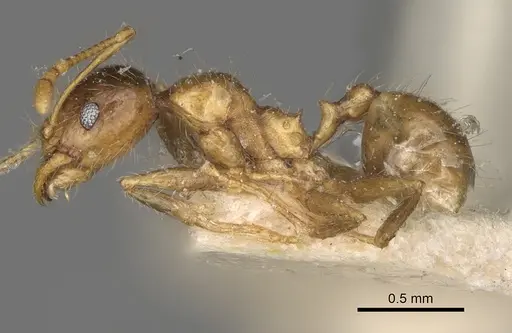
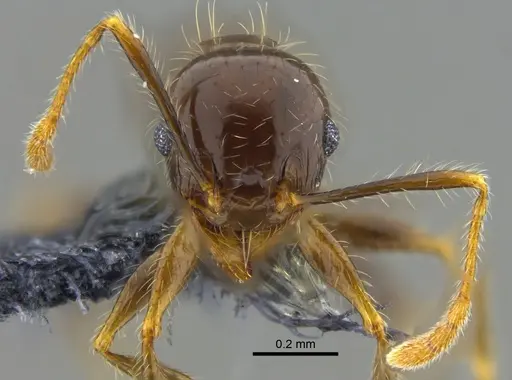
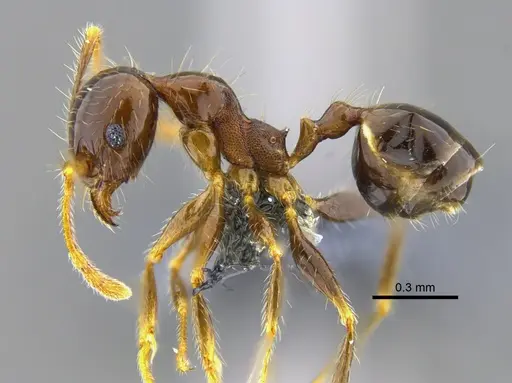
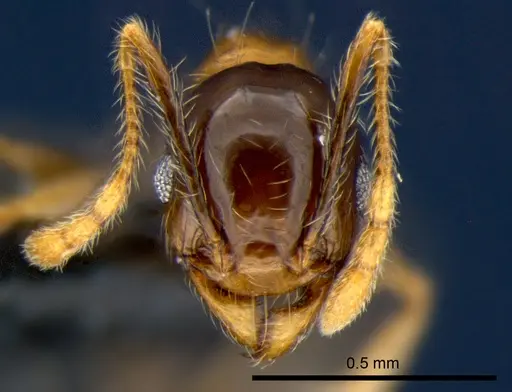
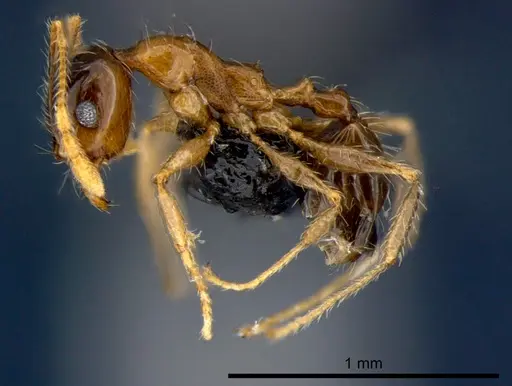
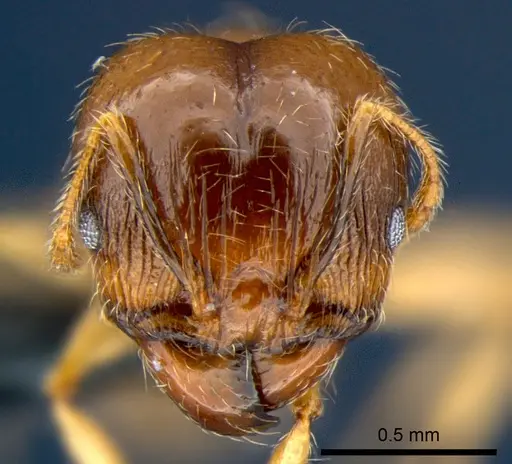
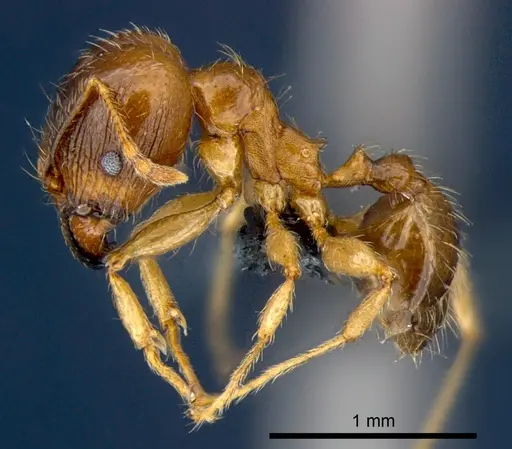
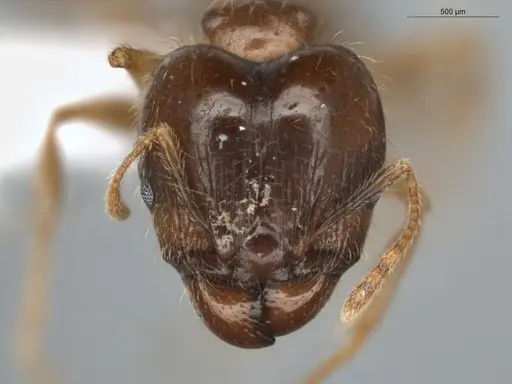
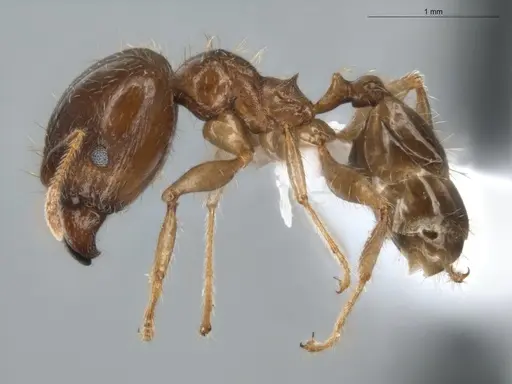
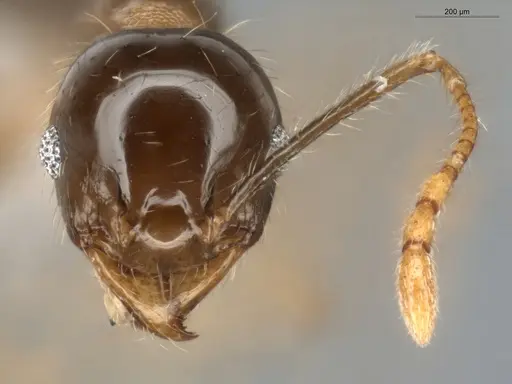
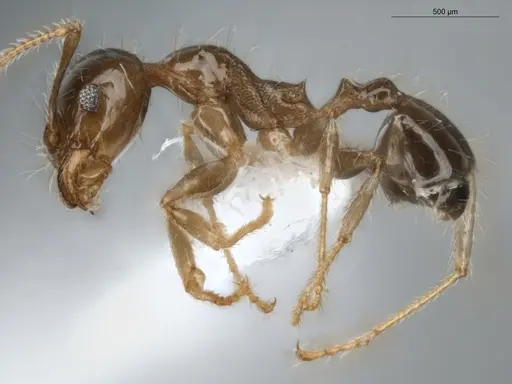
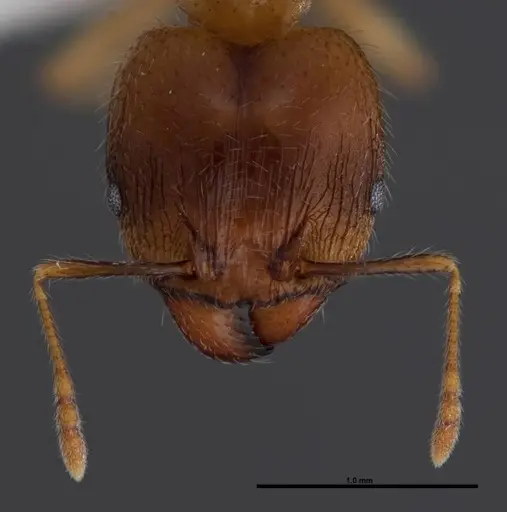
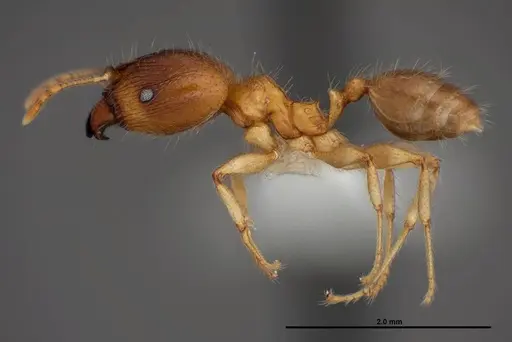
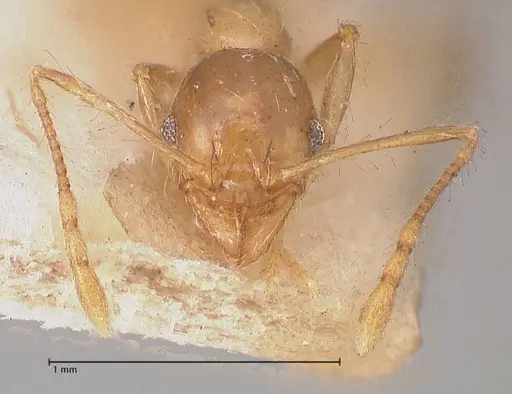
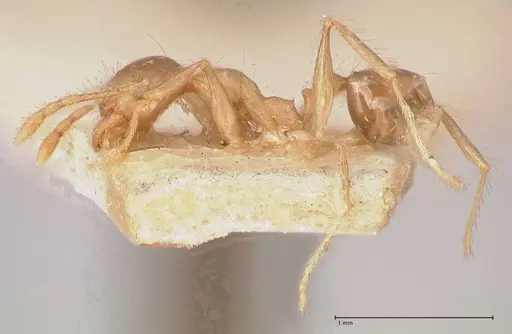
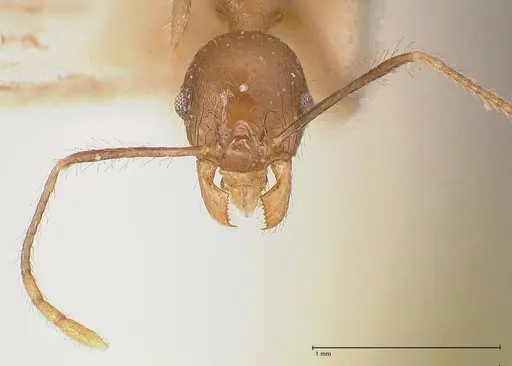
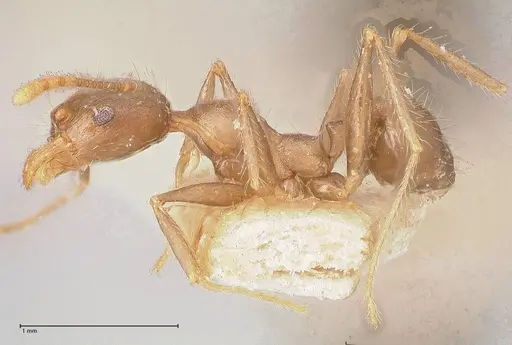
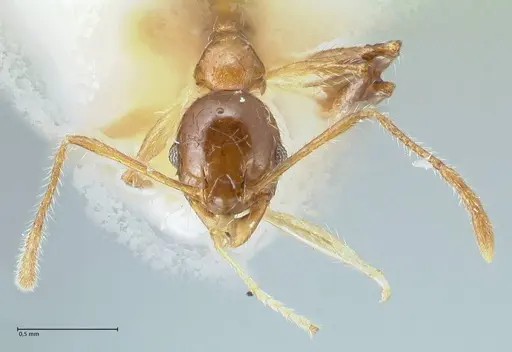
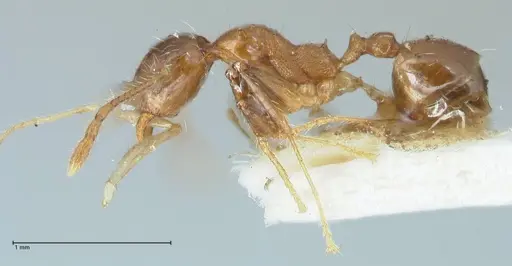
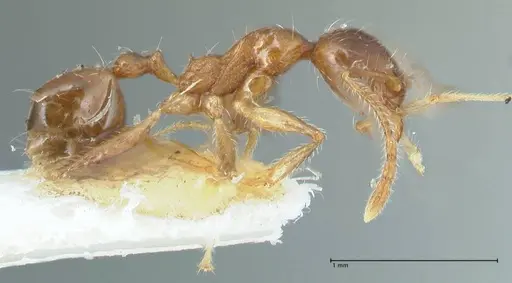
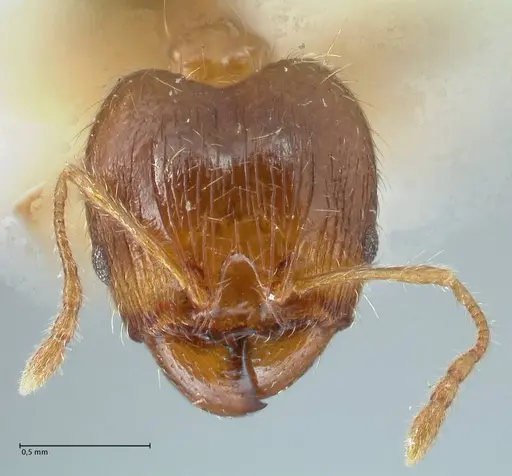
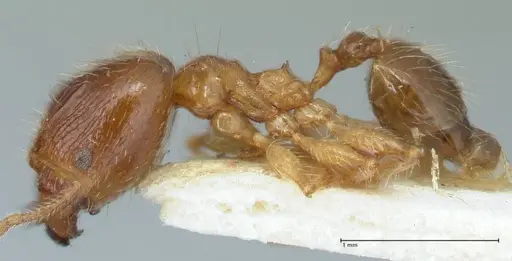
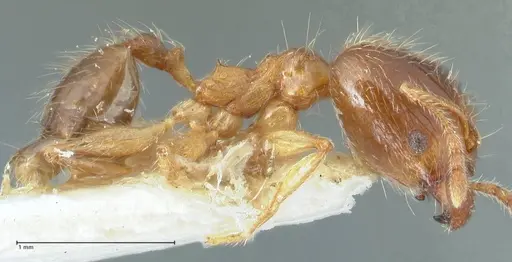
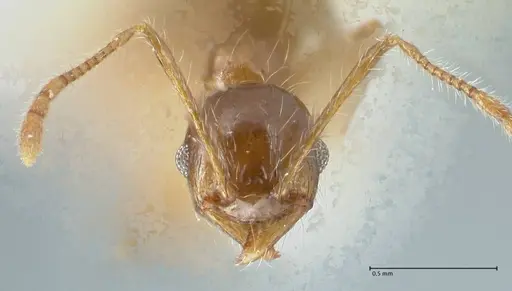
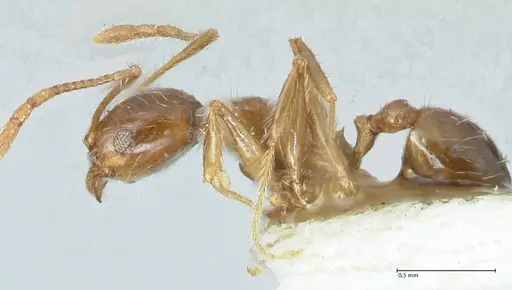
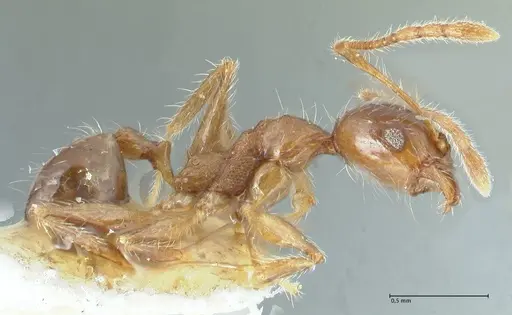
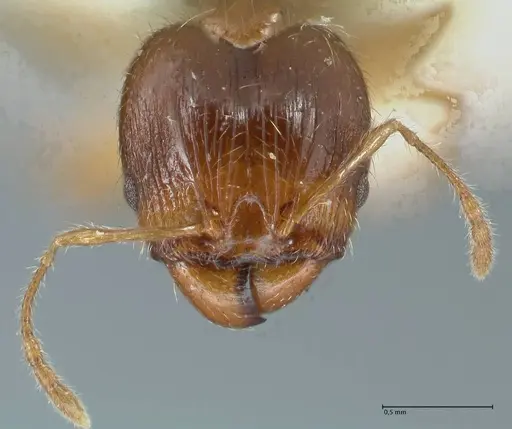
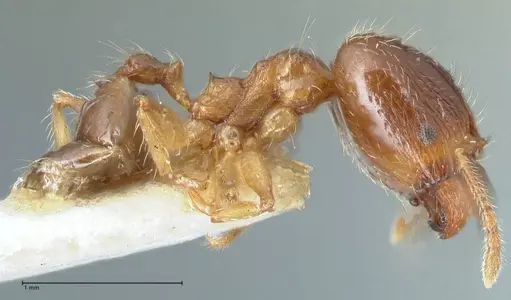
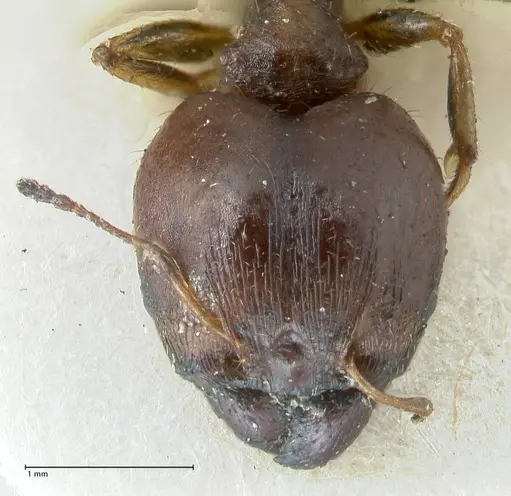
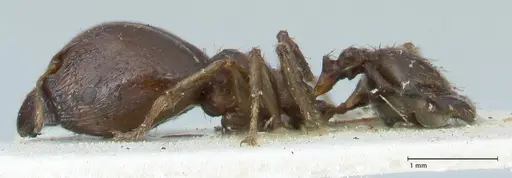
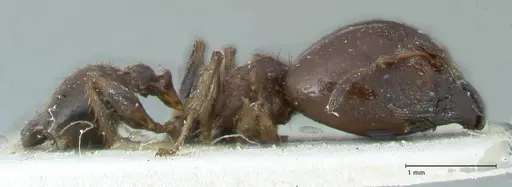
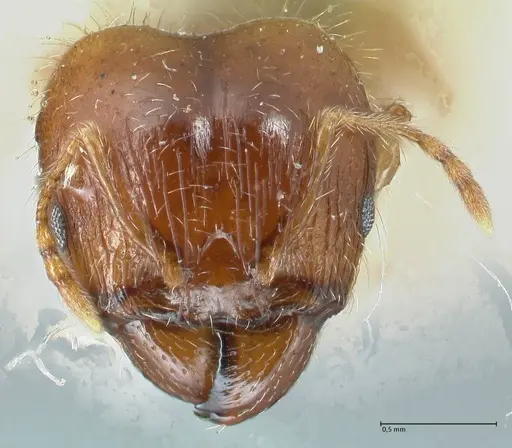
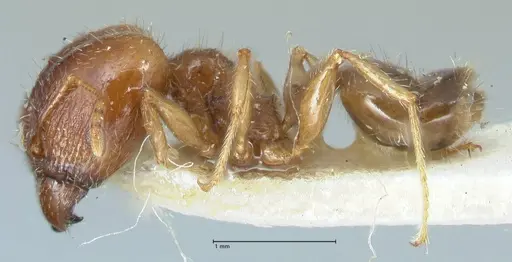
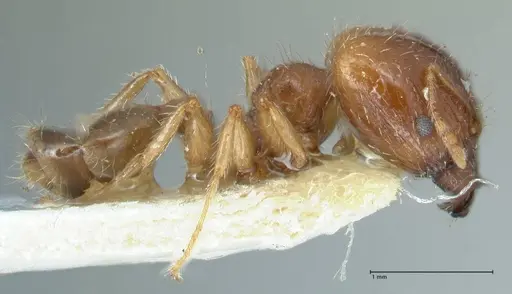
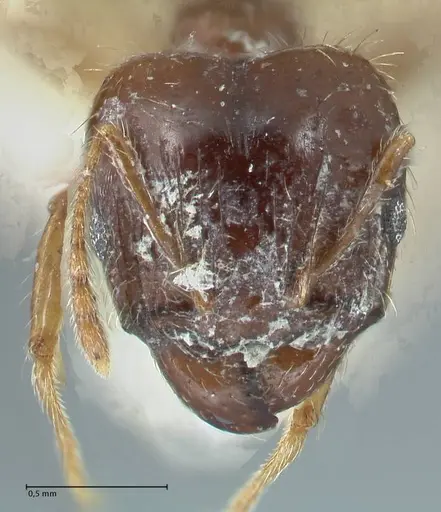
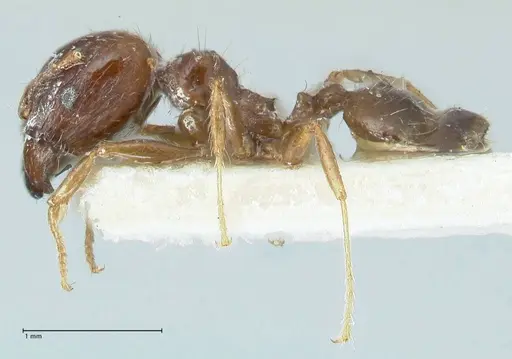
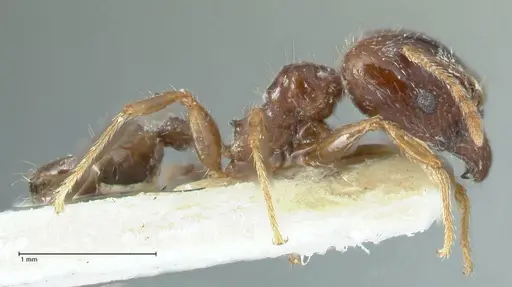
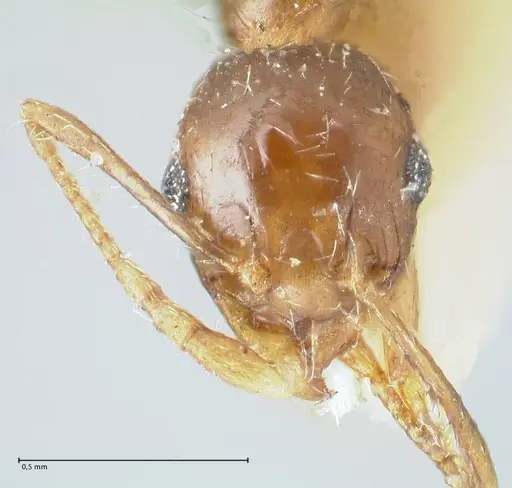
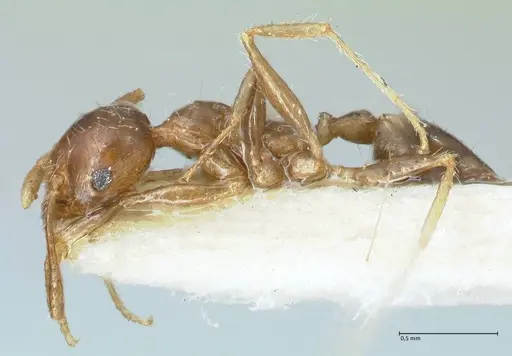
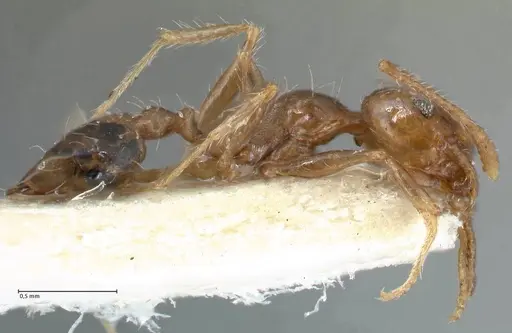
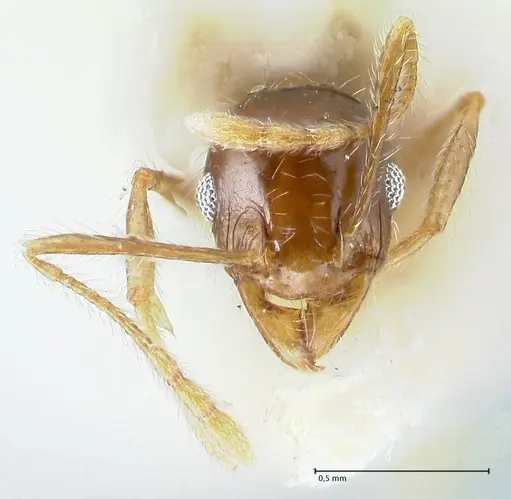
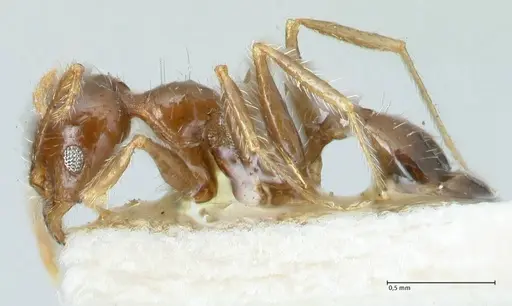
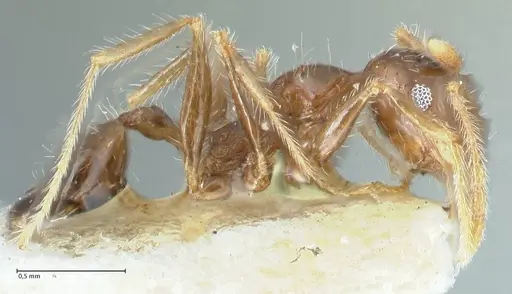
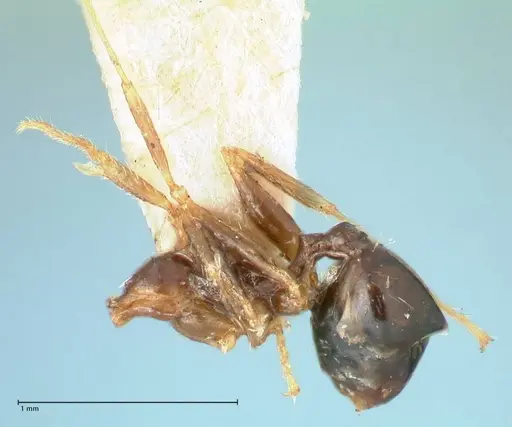
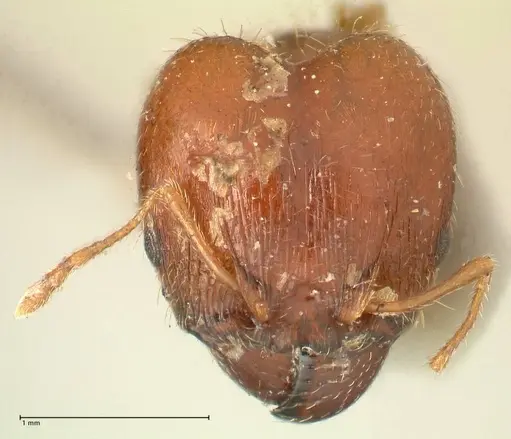
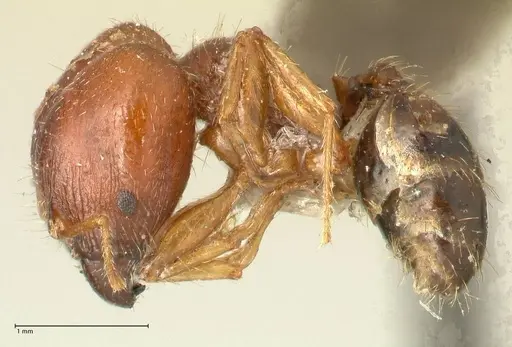
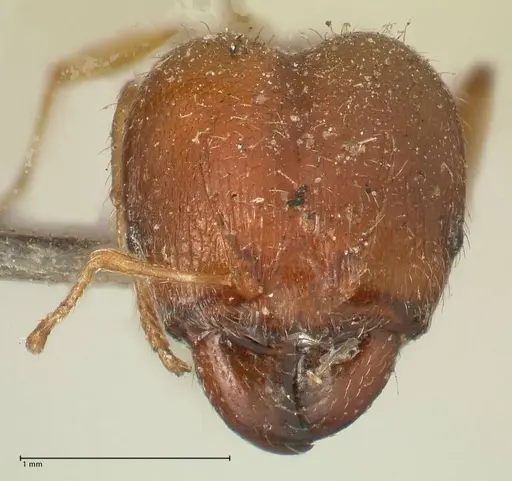
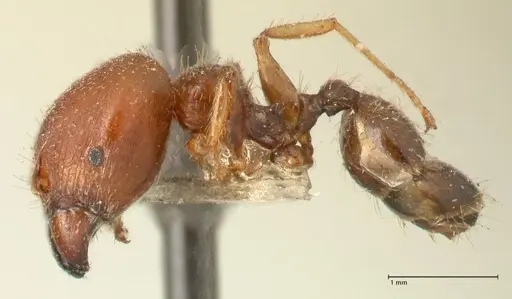
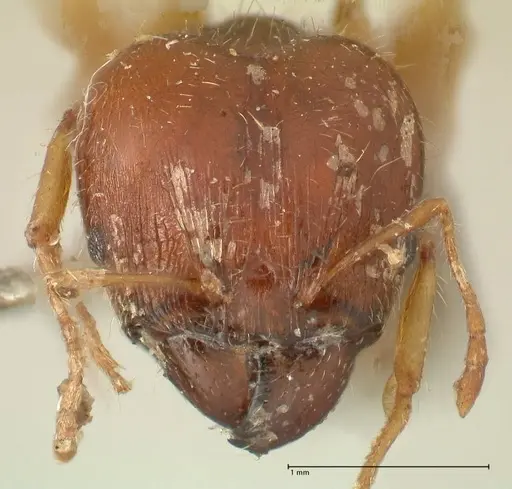
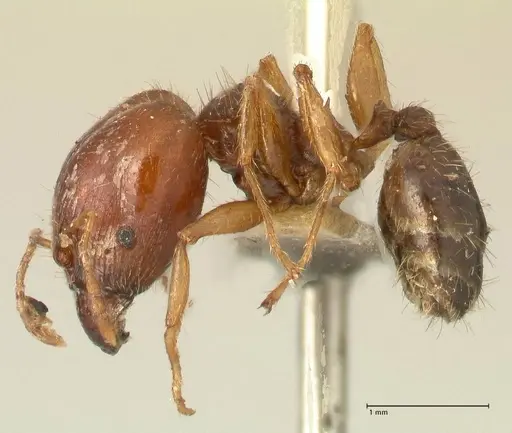
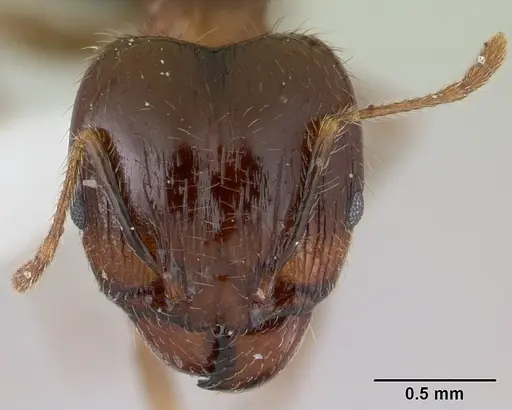
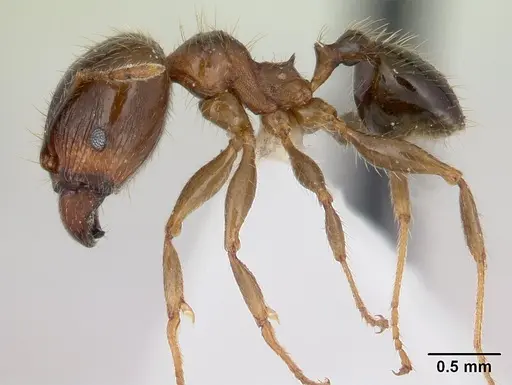
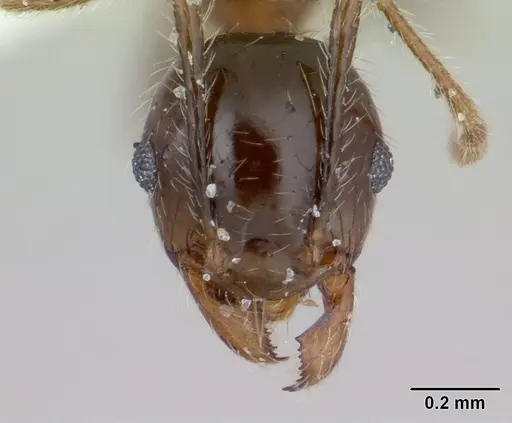
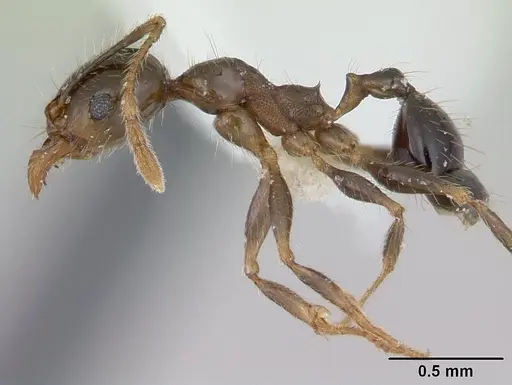
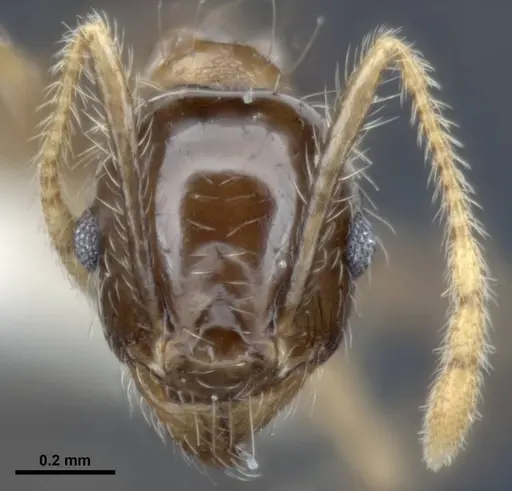
Pheidole megacephala is a small but aggressive ant species native to tropical Africa, now found across the globe as one of the most destructive invasive ant species. Workers come in two distinct sizes: minor workers at about 2 mm and major workers (soldiers) at 3.5 mm with their characteristic large, heart-shaped heads. The species forms massive polygynous colonies with multiple queens and can create sprawling supercolonies that dominate entire areas, excluding nearly all other ant species [1]. This ant is a generalist feeder that prefers protein-rich foods, tends honeydew-producing insects, and aggressively defends its territory against competitors. It ranks among the world's 100 worst invasive species and has caused devastating ecological impacts on Pacific islands and in tropical regions worldwide [2].
Quick Summary
- Difficulty: Expert
- Origin & Habitat: Native to tropical Africa (Afrotropical region), now pantropical, found on every continent. Prefers disturbed habitats, agricultural areas, and urban environments [1][3].
- Colony Type: Polygynous (multiple queens per colony) with polydomous (multiple interconnected nests) supercolonial structure. New colonies form through budding rather than nuptial flights [1].
- Size & Growth:
- Queen:{.size-link} 5.4-6.0 mm [4]
- Worker:{.size-link} Minor: ~2 mm, Major: ~3.5 mm [1]
- Colony: Can reach thousands to tens of thousands of workers across multiple nests [1]
- Growth: Fast
- Development: 34-38 days at 26-27°C (7-10 days egg,16-17 days larva,7-11 days pupa) [1] (Development is temperature-dependent, faster at warmer temperatures)
- Antkeeping:
- Temperature: Keep at 24-30°C. Workers are active at 24-30°C and stop foraging below 5°C. Can tolerate range from 5-38°C but optimal is 18-30°C [5].
- Humidity: Prefers moderate to high humidity. Keep nest substrate moist but not waterlogged. Tolerates various conditions but thrives in damp environments [1].
- Diapause: No, this is a tropical species that does not enter dormancy. Keep warm year-round [1].
- Nesting: Ground-nesting species. Accepts test tubes, Y-tong nests, or plaster nests. Provide moist substrate and avoid dry conditions. Can nest in soil, under stones, or in rotting wood [6].
- Behavior: Extremely aggressive toward other ant species and highly territorial. Uses mass recruitment to food sources and defends territories vigorously. Minor workers do most of the foraging while majors remain in the nest except during colony defense. Does not sting but will bite if threatened. Small size means excellent escape prevention is essential, they can squeeze through tiny gaps [1][7].
- Common Issues: colonies can grow extremely large, be prepared for rapid population growth [1], extremely aggressive, will attack and kill other ant species in proximity [1], small size means escapes are likely without fine mesh barriers (0.5mm or smaller) [1], tends honeydew-producing insects which can become agricultural pests [1], cannot tolerate cold temperatures below 5°C, keep warm year-round [1]
Nuptial Flight Activity Analysis 161 observations
Flight Activity by Hour 161 observations
Pheidole megacephala nuptial flight activity peaks around 11:00 during the late morning to early afternoon. Activity is spread across a 21-hour window (01:00–21:00). A secondary activity peak occurs around 14:00. Times may be influenced by human observation patterns.
Housing and Nest Setup
Pheidole megacephala is a ground-nesting species that adapts well to captivity. Test tubes work well for founding colonies, fill one-third with water and plug with cotton. For established colonies, Y-tong (AAC) nests or plaster nests with moisture reservoirs work excellently. The key requirement is maintaining consistent moisture in the nest chamber. These ants are small (minors ~2mm, majors ~3.5mm) so ensure all connections and barriers are tight. Apply Fluon or similar escape prevention to all tube connections and outworld entry points. Provide an outworld with easy access to protein and sugar foods. Because they form polydomous colonies in the wild, they may benefit from having multiple connected nesting areas once the colony grows large [6][1].
Feeding and Diet
This species is a generalist omnivore with a strong preference for protein-rich foods. In laboratory tests, they showed highest preference for freshly killed insects (like lobster cockroaches) and peanut butter, significantly preferring these over sugar-only or lipid-based foods. They will readily accept most protein sources including mealworms, fruit flies, crickets, and boiled eggs. Sugar sources (honey water, sugar water) are accepted but are a secondary preference. In the wild, they also tend honeydew-producing insects (aphids, mealybugs, scale insects) and will farm these for honeydew if given the opportunity. Feed protein every 2-3 days and keep sugar water available constantly. Remove uneaten protein after 24 hours to prevent mold [8][1].
Temperature and Seasonal Care
As a tropical species, Pheidole megacephala requires warm conditions year-round. Keep the nest area at 24-30°C for optimal growth and activity. Workers become inactive below 5°C and the colony can be damaged or killed by cold exposure. In temperate climates, this species must be kept indoors in a heated room or with a heating cable during winter. A heating cable on one side of the nest creates a temperature gradient allowing ants to self-regulate. Do not attempt hibernation, this species has no diapause requirement. Room temperature in heated homes (20-24°C) is acceptable, but warmer conditions (26-28°C) will result in faster brood development. Monitor for desiccation when using heating elements and maintain humidity [5][1].
Colony Structure and Behavior
This species forms some of the largest and most complex ant colonies known. Colonies are polygynous (multiple reproductive queens) and polydomous (multiple interconnected nests forming a supercolony). Unlike many ants, they do not have nuptial flights, new colonies are founded through budding, where a queen leaves with a group of workers to establish a new nest nearby. This allows colonies to spread across large areas without the typical mating flight behavior. Workers show complete dimorphism: minor workers (about 93% of the population) handle most foraging and brood care, while major workers with their enlarged heads handle seed processing, nest defense, and food storage. The species is notoriously aggressive and will dominate any area they colonize, often eliminating native ant species entirely [1][9].
Growth and Development
Development from egg to worker takes approximately 34-38 days at optimal temperature (26-27°C). The breakdown is: eggs hatch in 7-10 days, larvae develop over 16-17 days, and pupae emerge as workers in 7-11 days. At cooler temperatures (20-22°C), development extends to 66-78 days. Queens can lay 97-292 eggs over a 31-day period, though only about 38% typically develop into larvae. Colonies grow rapidly once established, a founding queen with just 100 workers can expand to several thousand within months under good conditions. The first workers (nanitics) are smaller than mature workers but quickly begin foraging to support further growth [1].
Legal and Ethical Considerations
Pheidole megacephala is listed among the world's 100 worst invasive species by the IUCN. It is critically important NEVER to release this species outside its native range (Africa). The ant has already caused devastating ecological damage on Pacific islands, in Australia, and throughout the tropics by eliminating native invertebrates and disrupting ecosystems. Before acquiring this species, check your local regulations, in some areas it is prohibited to keep or transport. If you can no longer care for your colony, the most responsible action is to humanely euthanize rather than release. This species should only be kept by antkeepers who understand and accept the responsibility of preventing any accidental release [2][1].
Frequently Asked Questions
How long does it take for Pheidole megacephala to develop from egg to worker?
At optimal temperature (26-27°C), development takes about 34-38 days total: 7-10 days as egg,16-17 days as larva, and 7-11 days as pupa. At cooler temperatures around 20-22°C, development extends to 66-78 days [1].
Can I keep multiple Pheidole megacephala queens together?
Yes, this species is naturally polygynous, meaning colonies typically have multiple queens. Unlike many ant species, they do not fight over colony foundation. However, starting with a single queen is also successful as they can later adopt additional queens through budding [1].
What do Pheidole megacephala eat?
They are omnivorous but strongly prefer protein-rich foods. Their top preferences are insects (especially freshly killed) and protein sources like peanut butter. They also accept sugar water and honey but these are secondary to protein. They will also tend honeydew-producing insects if available [8].
Do they need hibernation or diapause?
No, this is a tropical species with no diapause requirement. They must be kept warm year-round (24-30°C optimal). Cold temperatures below 5°C can kill the colony. Do not attempt hibernation [1].
Are Pheidole megacephala good for beginners?
They are relatively easy to keep due to their adaptability and lack of special humidity requirements, but they present unique challenges: they are extremely aggressive toward other ants, colonies can grow very large very quickly, and their small size requires excellent escape prevention. The biggest consideration is their invasive status, they should only be kept by responsible antkeepers who will never release them [2].
How big do colonies get?
Colonies can reach enormous sizes, potentially tens of thousands of workers across multiple interconnected nests. In the wild, supercolonies can cover hectares of land. In captivity, a healthy colony can reach several thousand workers within a year or two [1].
When should I move them to a formicarium?
Move from test tube to a proper nest (Y-tong, plaster, or naturalistic setup) when the colony reaches 50-100 workers or when the test tube becomes crowded. They adapt well to formicariums but always ensure excellent escape prevention due to their small size [6].
Why are my Pheidole megacephala dying?
The most common causes are: cold temperatures (below 5°C can be fatal), dry conditions (they need moist nest substrate), or improper feeding (they need protein, not just sugar). Also check for escape, small minors can slip through tiny gaps. Review temperature, humidity, and food quality first [1].
Report an Issue
The current care sheet is based fully on literature. See inconsistencies, or something that's incorrect? Please , it will be resolved after review from an admin. Contributing to the blogs tab also helps providing information, to make us be able to further improve the caresheets. Thank you for your support!
References

This caresheet is licensed under CC BY-SA 4.0 .
ANTWEB1008103
View on AntWeb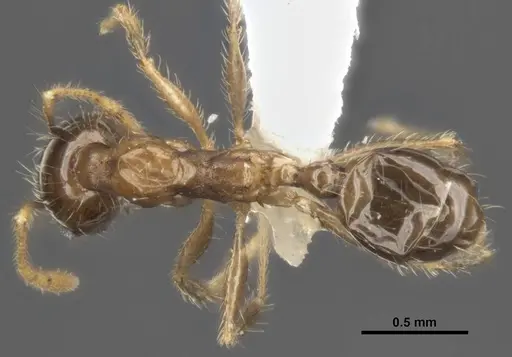
ANTWEB1041605
View on AntWeb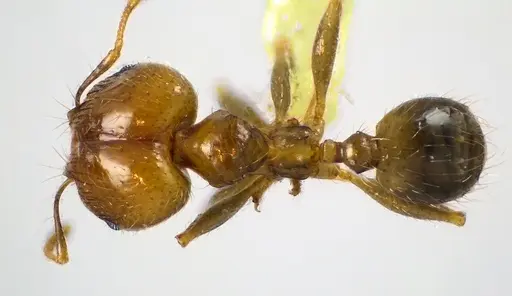
ANTWEB1041606
View on AntWeb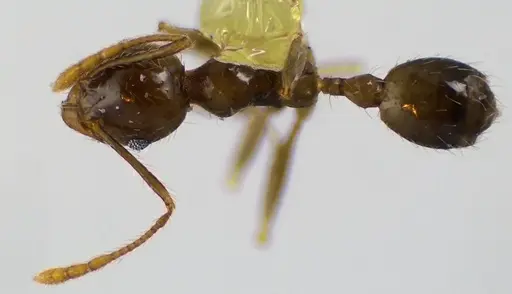
CASENT0055887
View on AntWeb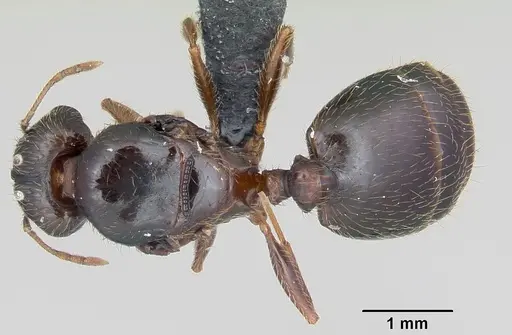
CASENT0056016
View on AntWeb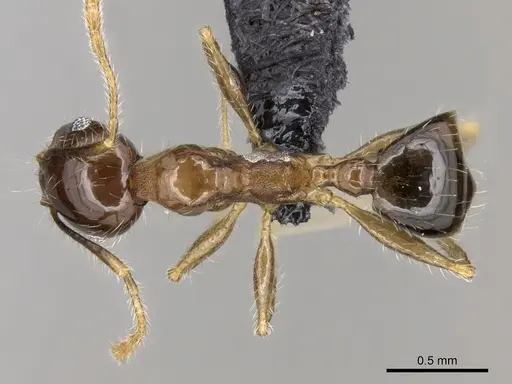
CASENT0059654
View on AntWeb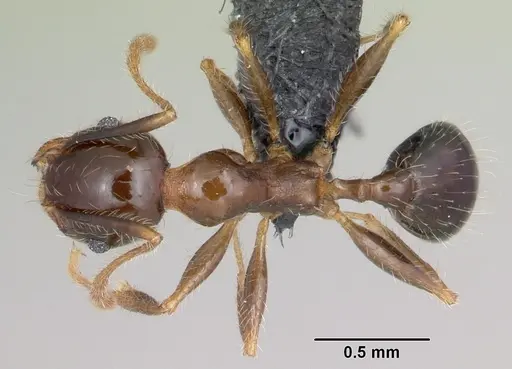
CASENT0059673
View on AntWeb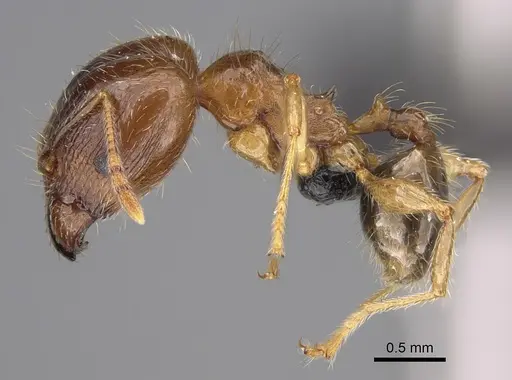
CASENT0063124
View on AntWeb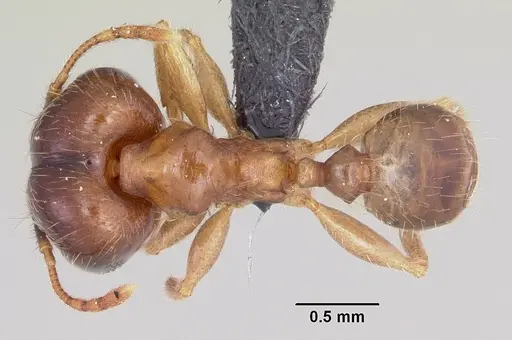
CASENT0101411
View on AntWeb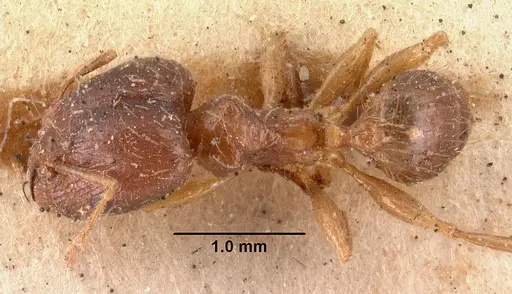
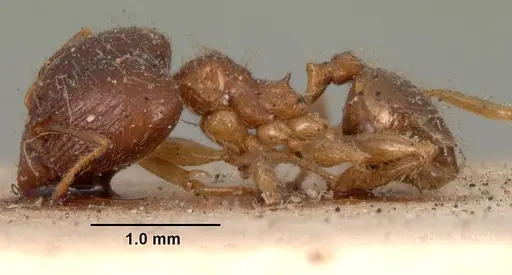
CASENT0104406
View on AntWeb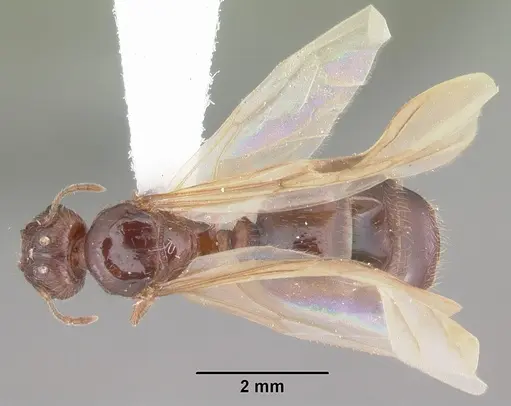
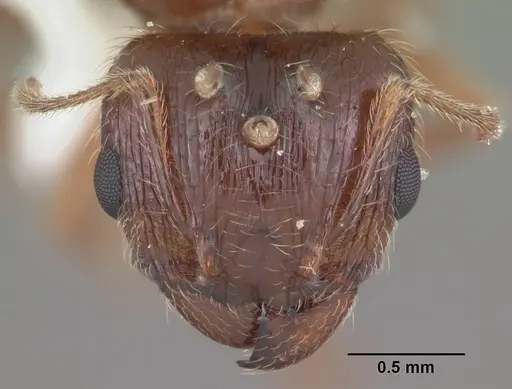
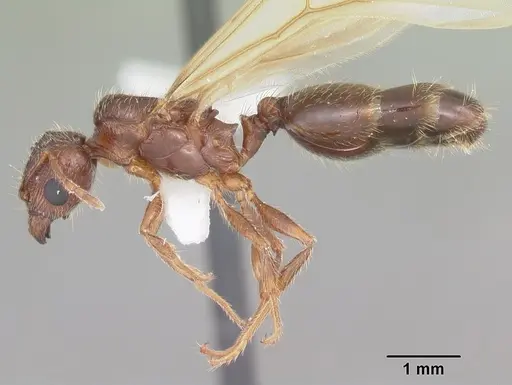
CASENT0104407
View on AntWeb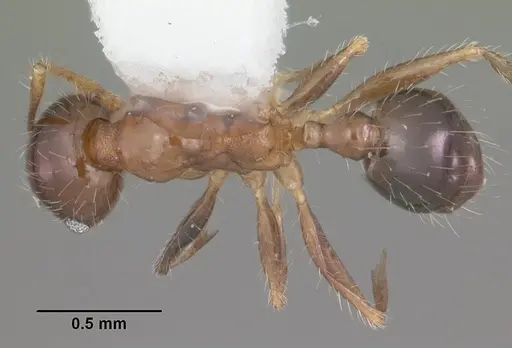
CASENT0104408
View on AntWeb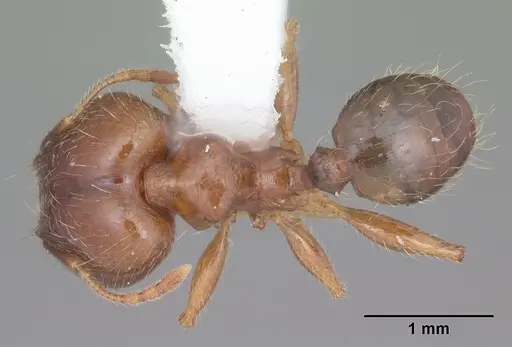
CASENT0104409
View on AntWeb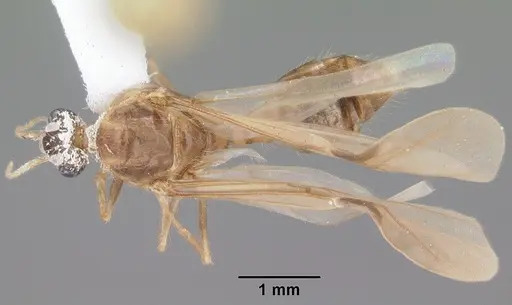
CASENT0104905
View on AntWeb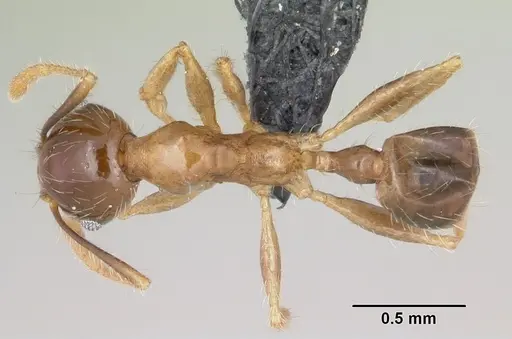
CASENT0104990
View on AntWeb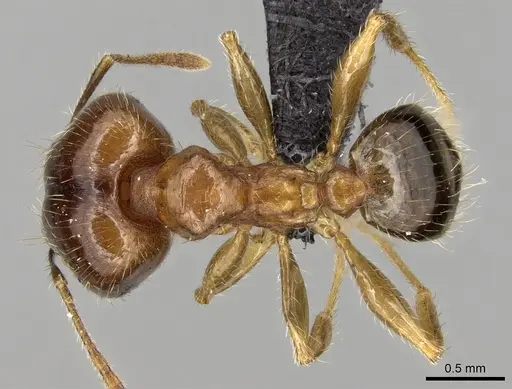
CASENT0116052
View on AntWeb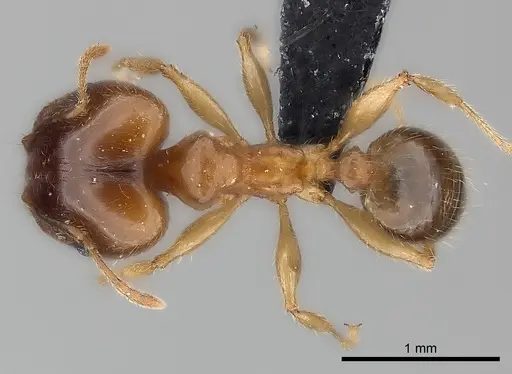
CASENT0118192
View on AntWeb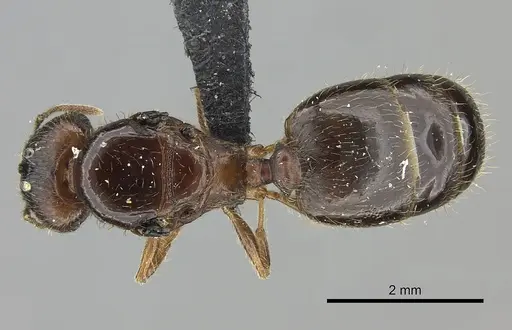
CASENT0118193
View on AntWeb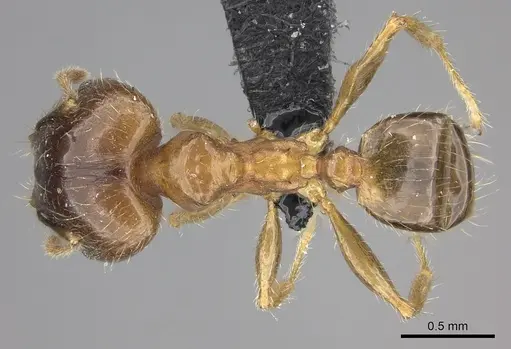
CASENT0121780
View on AntWeb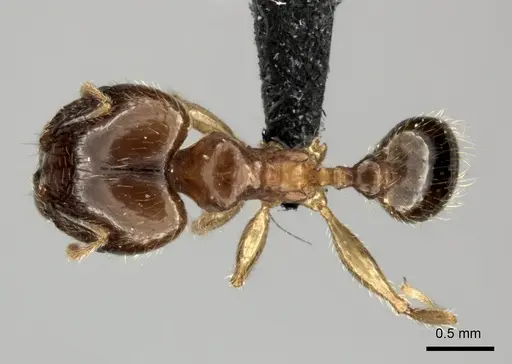
CASENT0134924
View on AntWeb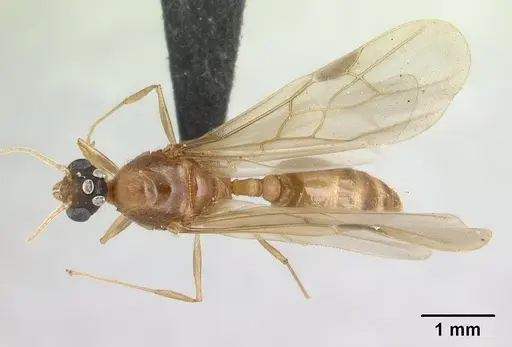
CASENT0146859
View on AntWeb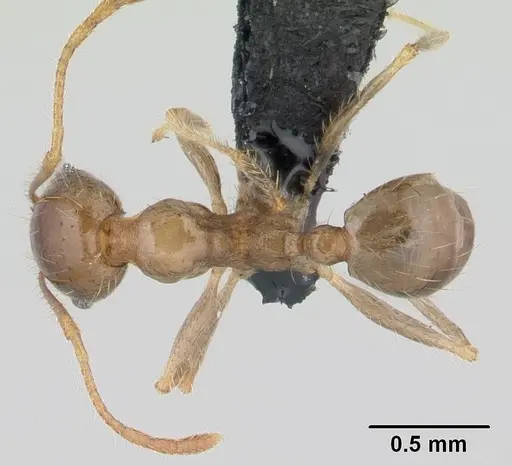
CASENT0171036
View on AntWeb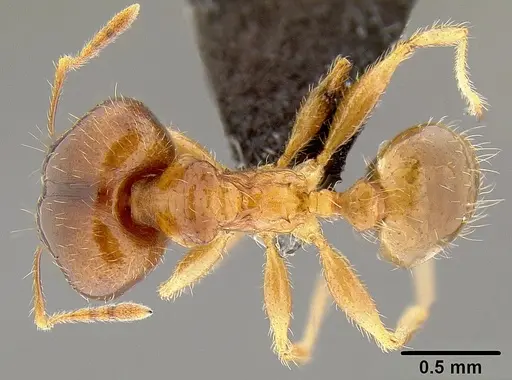
CASENT0171092
View on AntWeb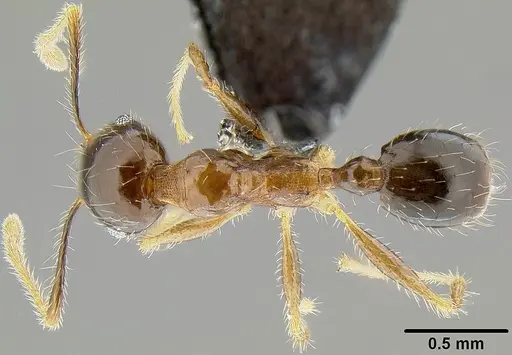
CASENT0178407
View on AntWeb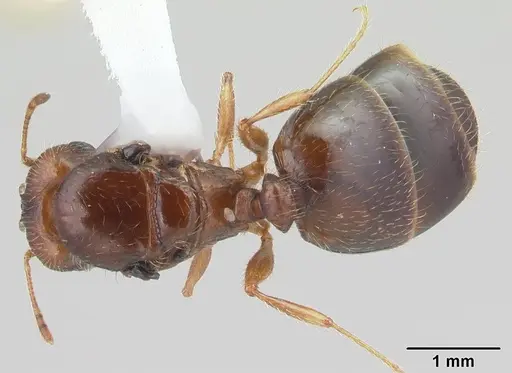
CASENT0178408
View on AntWeb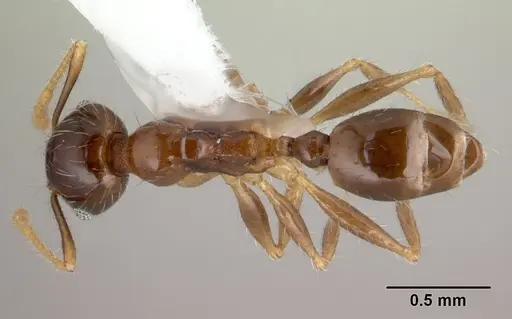
CASENT0199152
View on AntWeb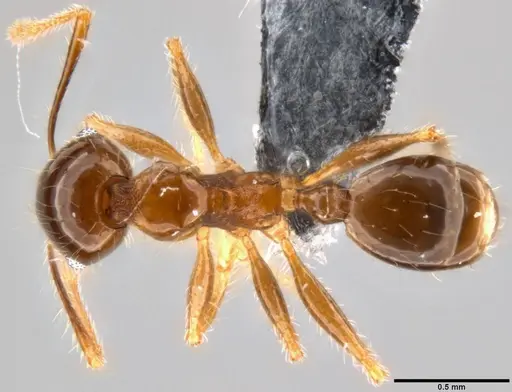
CASENT0199154
View on AntWeb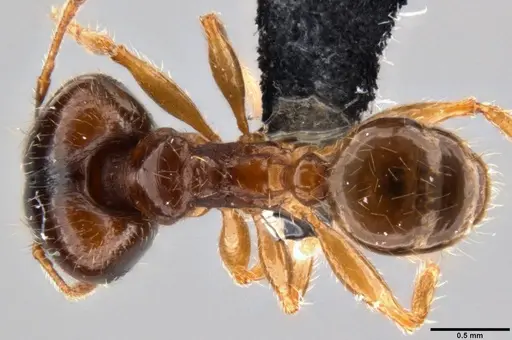
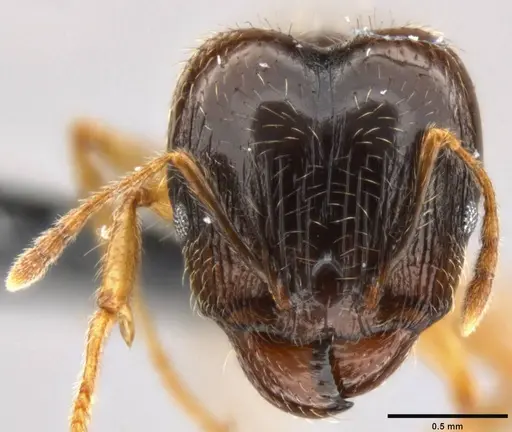
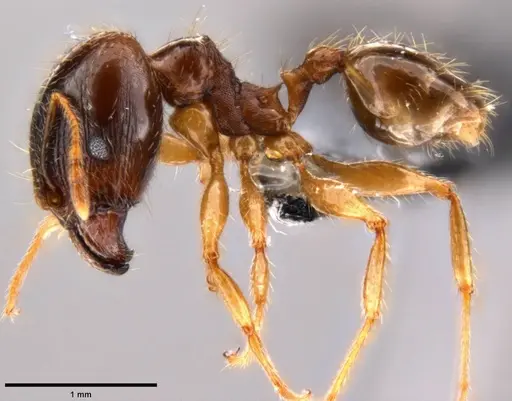
CASENT0235192
View on AntWeb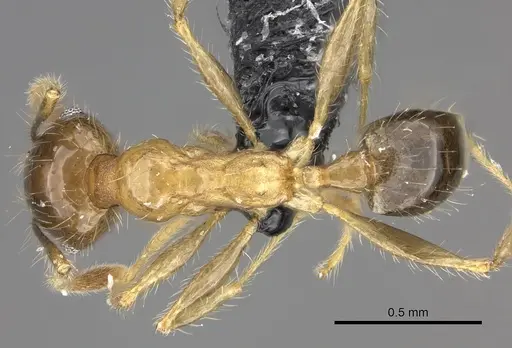
CASENT0235966
View on AntWeb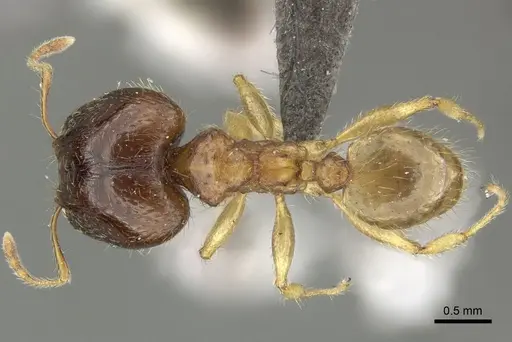
CASENT0235967
View on AntWeb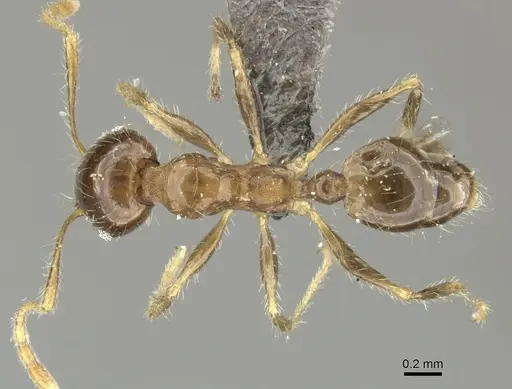
CASENT0235976
View on AntWeb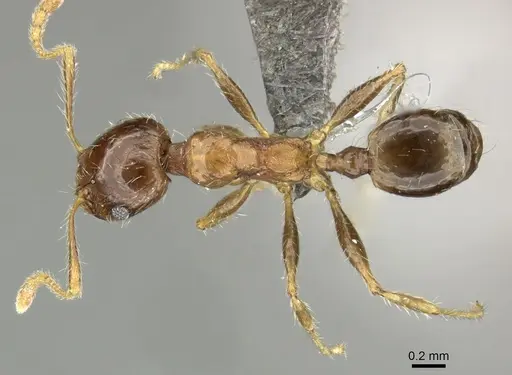
CASENT0235984
View on AntWeb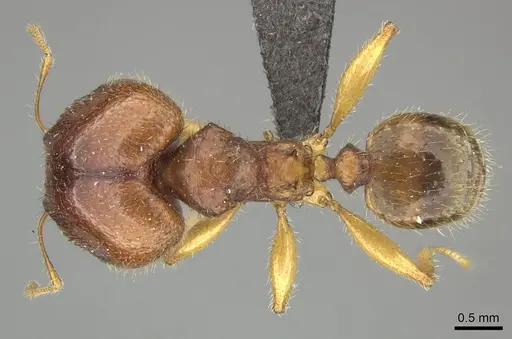
CASENT0252662
View on AntWeb
CASENT0254588
View on AntWeb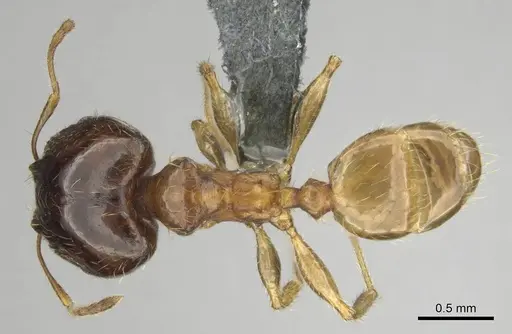
CASENT0258352
View on AntWeb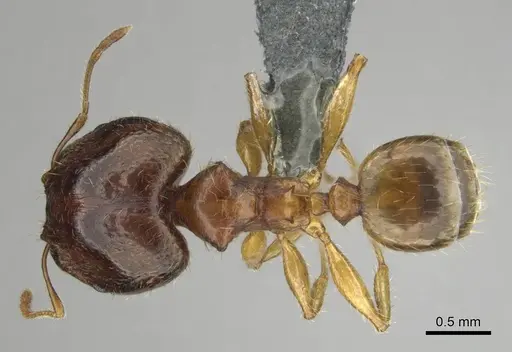
CASENT0258383
View on AntWeb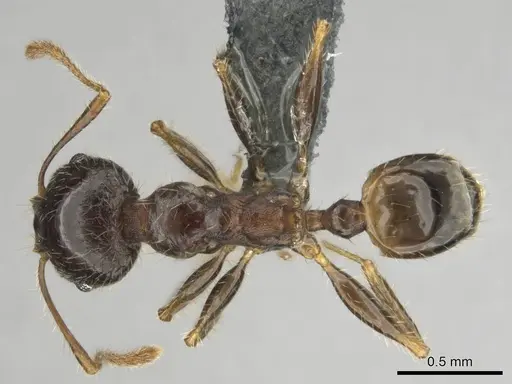
CASENT0316990
View on AntWeb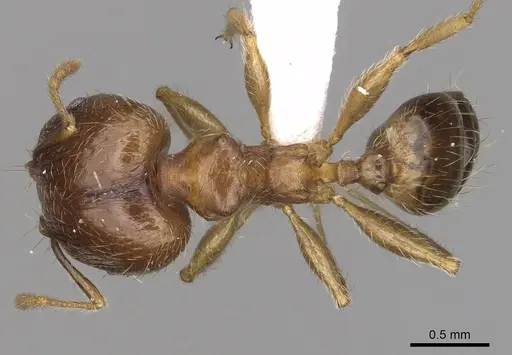
CASENT0316991
View on AntWeb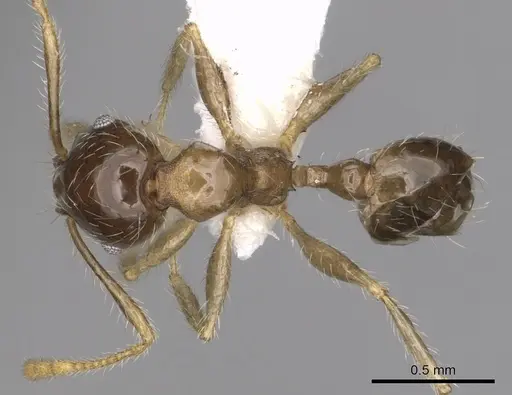
CASENT0635486
View on AntWeb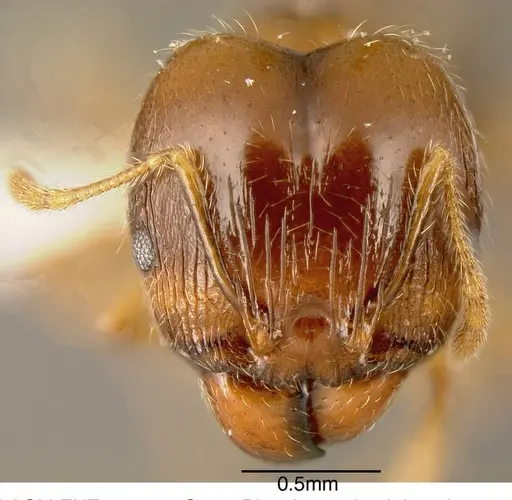
CASENT0635487
View on AntWeb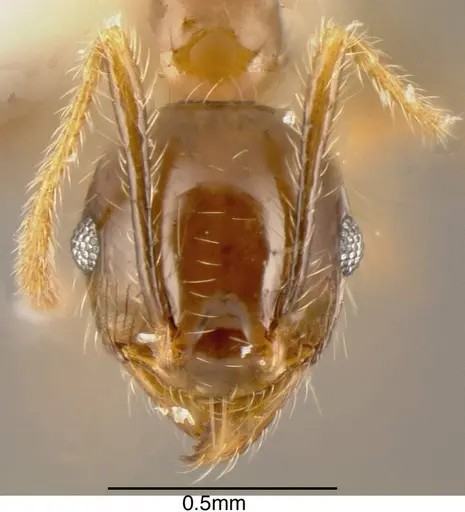
CASENT0785981
View on AntWeb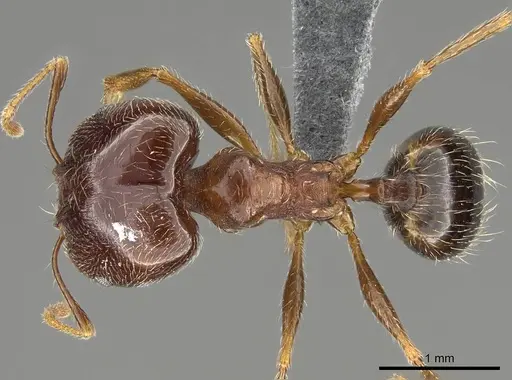
CASENT0785982
View on AntWeb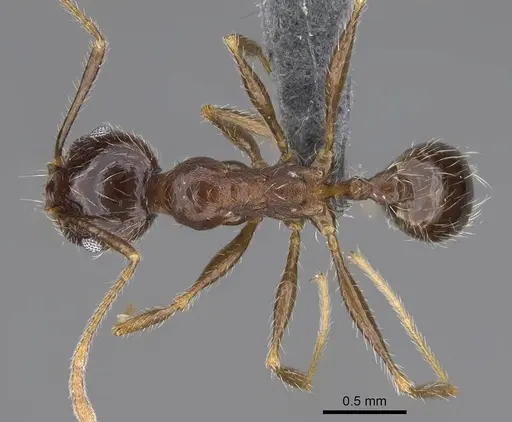
CASENT0822218
View on AntWeb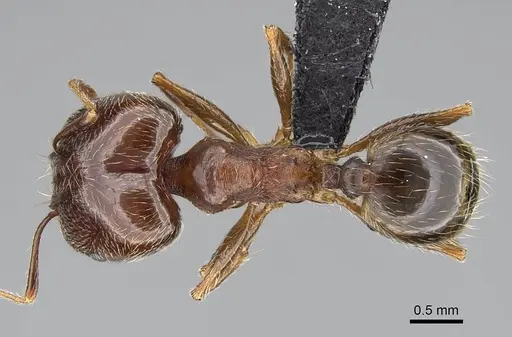
CASENT0822219
View on AntWeb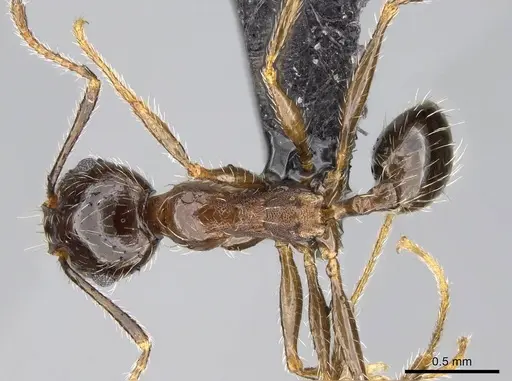
CASENT0901310
View on AntWeb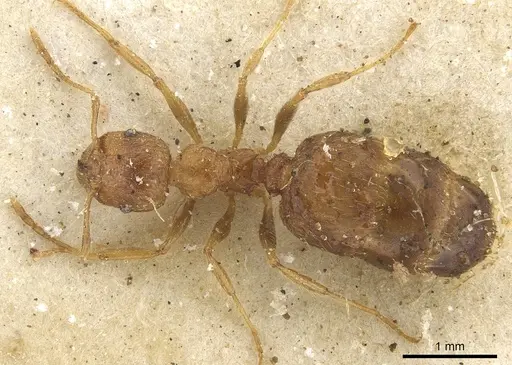
CASENT0901313
View on AntWeb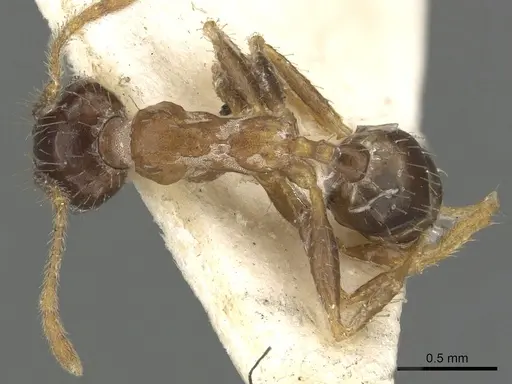
CASENT0901409
View on AntWeb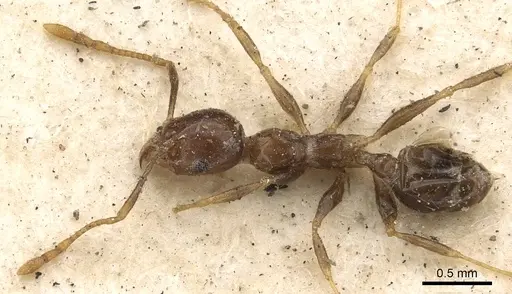
CASENT0901410
View on AntWeb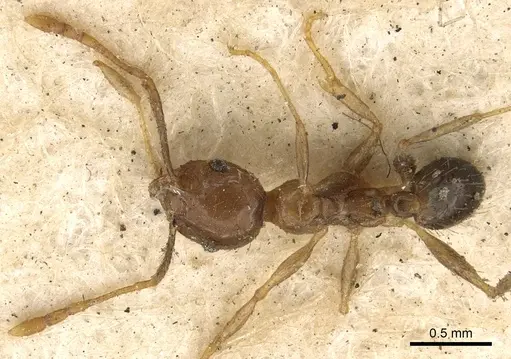
CASENT0904194
View on AntWeb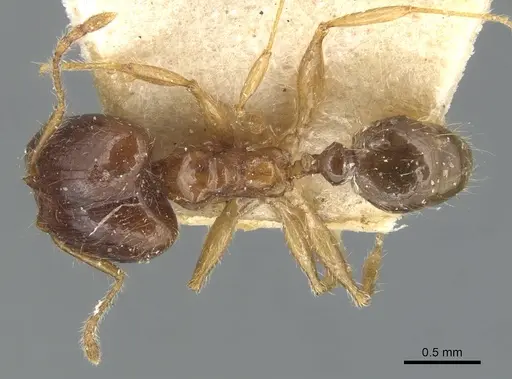
CASENT0904195
View on AntWeb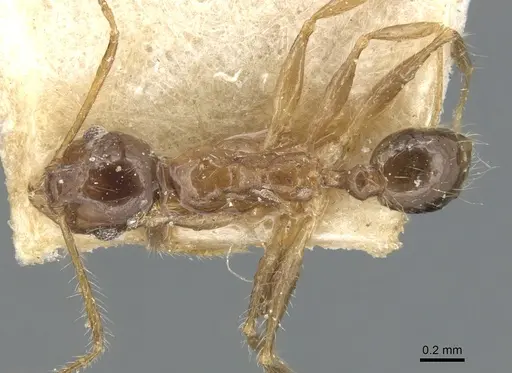
CASENT0904197
View on AntWeb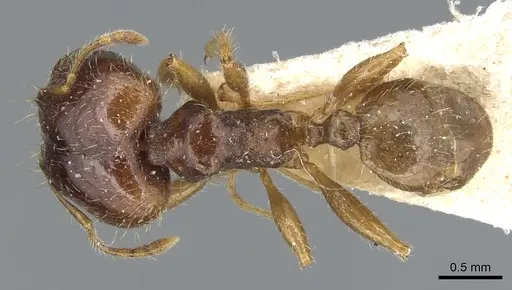
CASENT0904198
View on AntWeb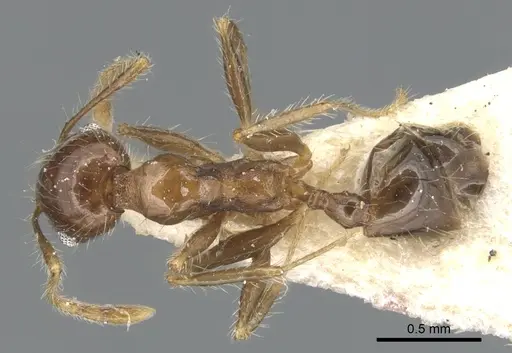
CASENT0904199
View on AntWeb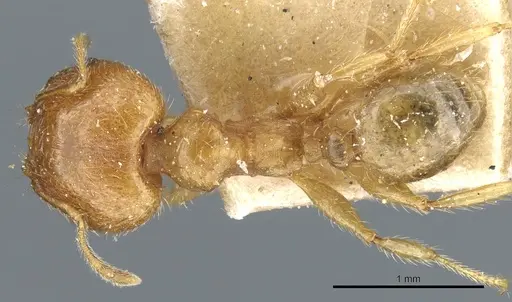
CASENT0904200
View on AntWeb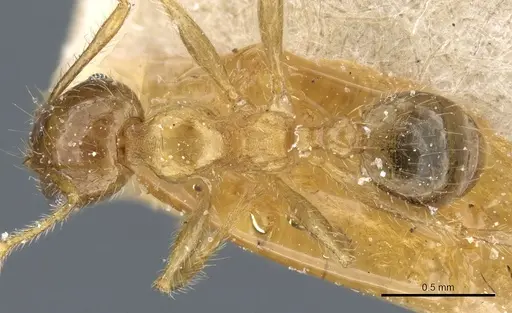
CASENT0906508
View on AntWeb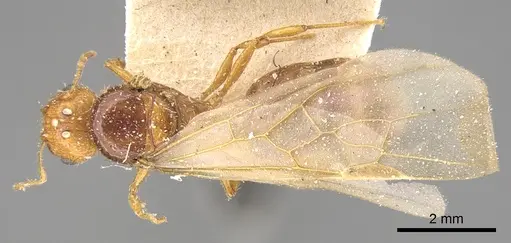
CASENT0906509
View on AntWeb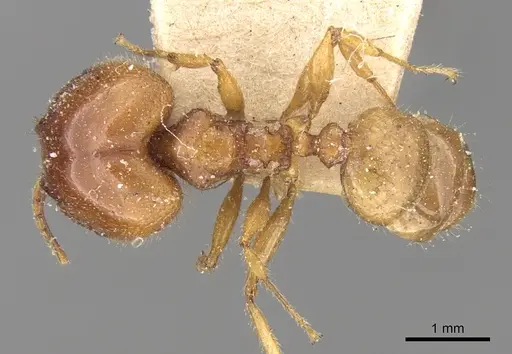
CASENT0906510
View on AntWeb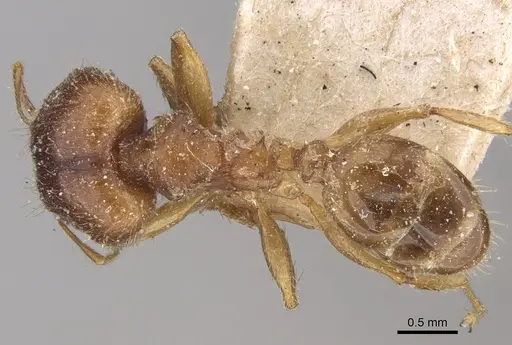
CASENT0906511
View on AntWeb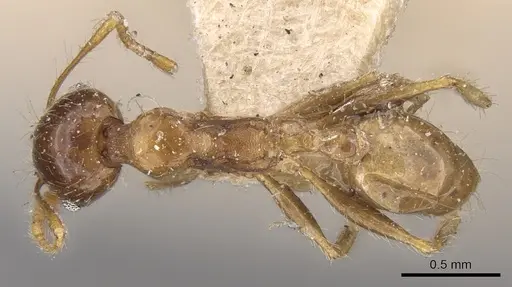
CASENT0906512
View on AntWeb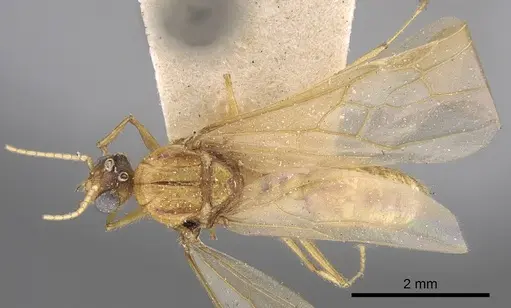
CASENT0906513
View on AntWeb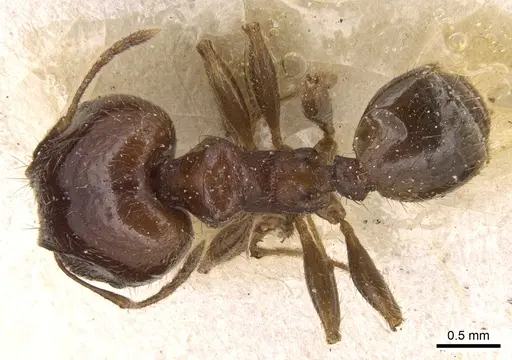
CASENT0906514
View on AntWeb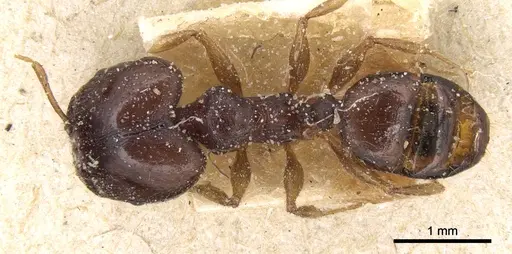
CASENT0906517
View on AntWeb
CASENT0906518
View on AntWeb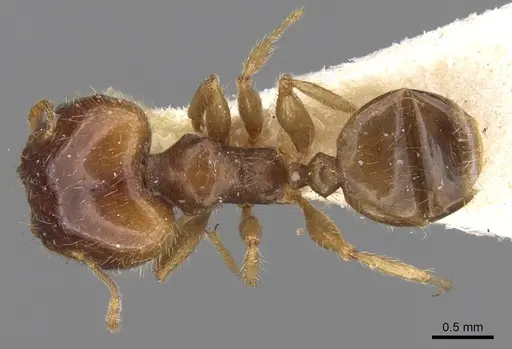
CASENT0906519
View on AntWeb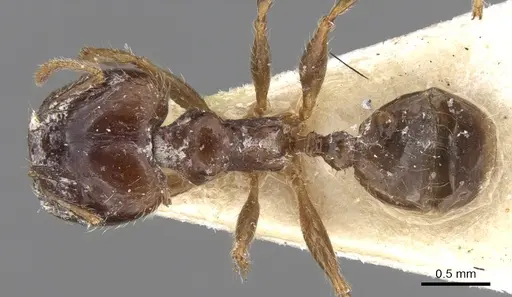
CASENT0906522
View on AntWeb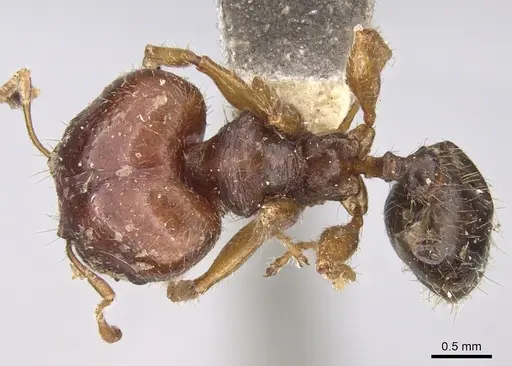
CASENT0906532
View on AntWeb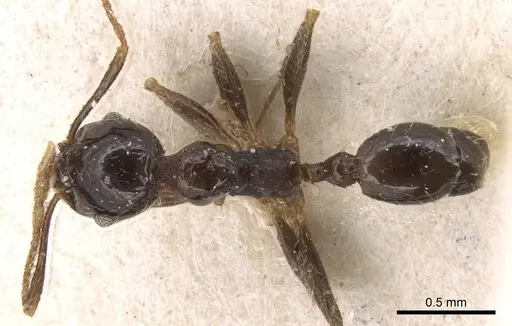
CASENT0906533
View on AntWeb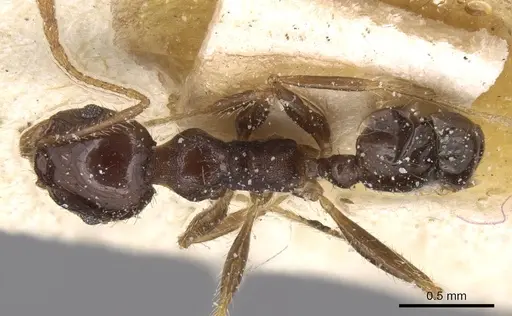
CASENT0907781
View on AntWeb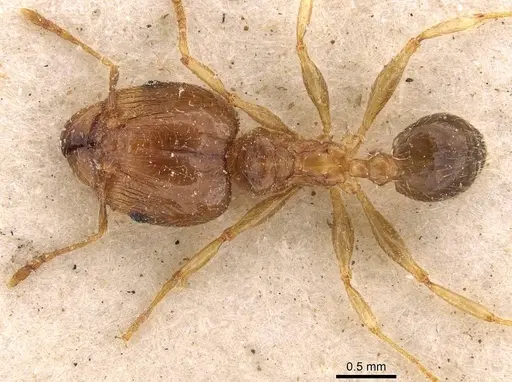
CASENT0907782
View on AntWeb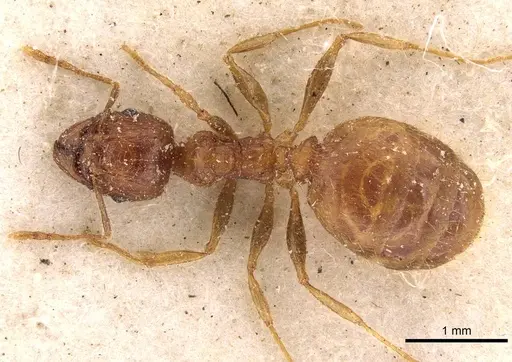
CASENT0907783
View on AntWeb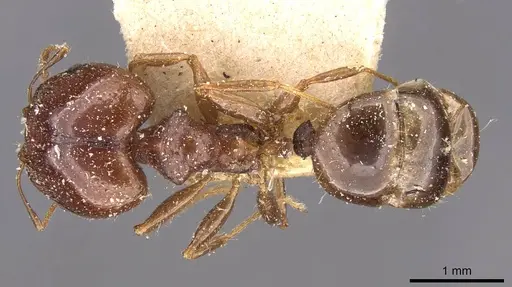
CASENT0907784
View on AntWeb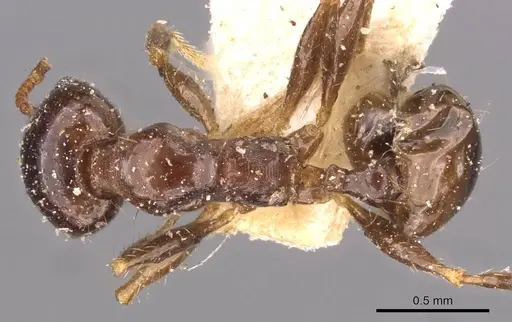
CASENT0907785
View on AntWeb
CASENT0907786
View on AntWeb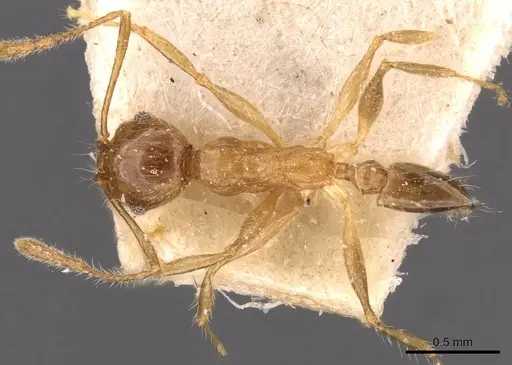
CASENT0907787
View on AntWeb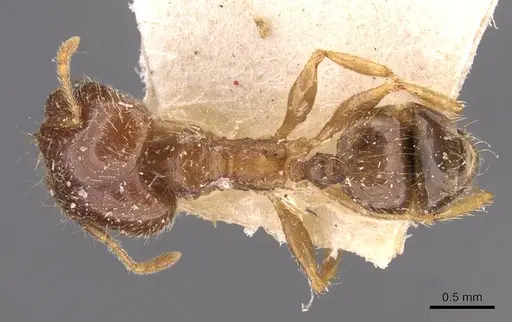
CASENT0907788
View on AntWeb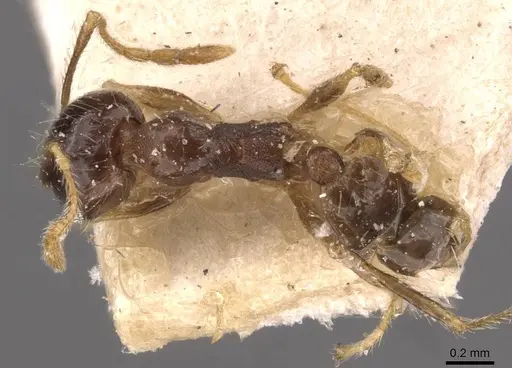
CASENT0914348
View on AntWeb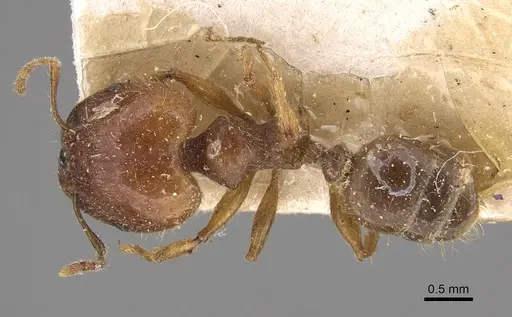
CASENT0914349
View on AntWeb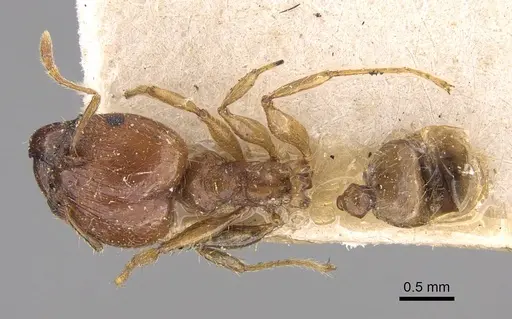
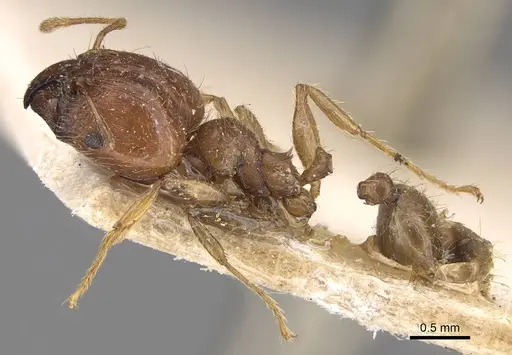
CASENT0914350
View on AntWeb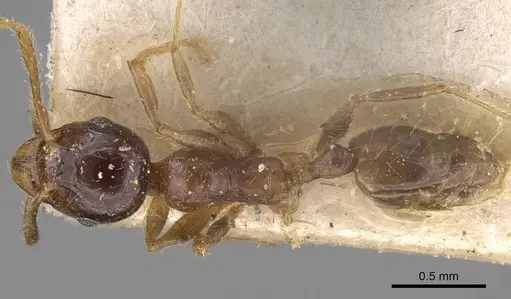
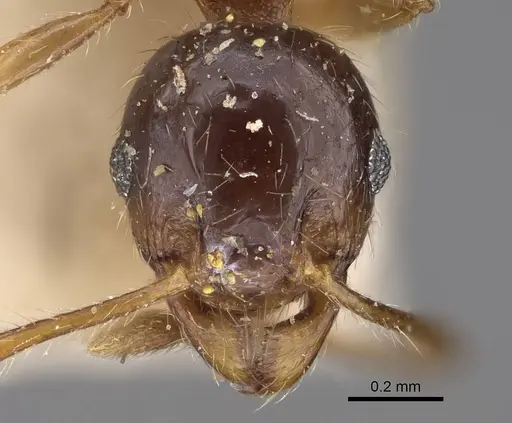
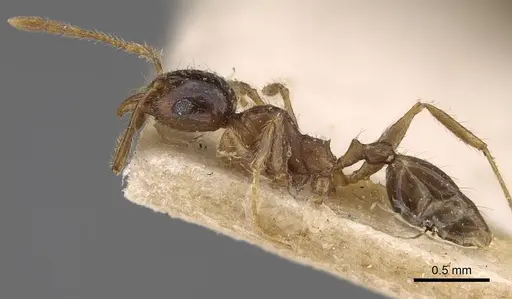
CASENT0917778
View on AntWeb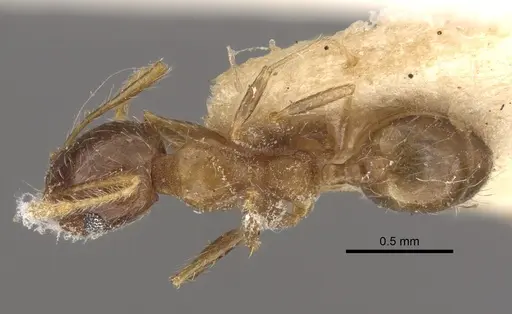
CASENT0917779
View on AntWeb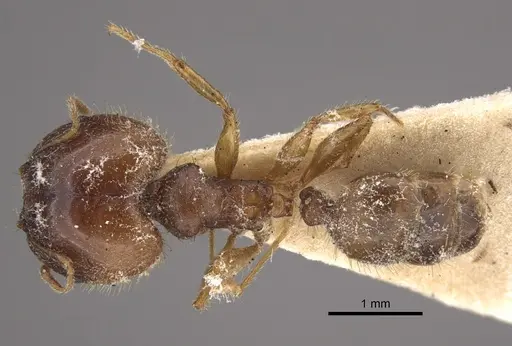
CASENT0919807
View on AntWeb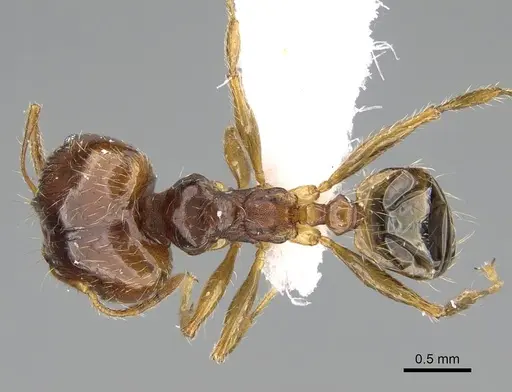
CASENT0919808
View on AntWeb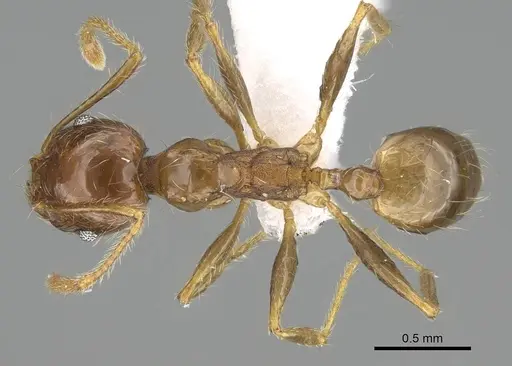
CASENT0922282
View on AntWeb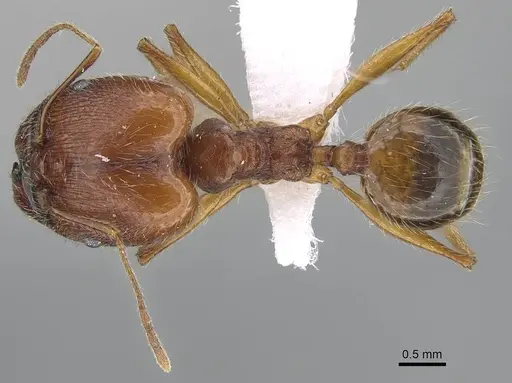
CASENT0922894
View on AntWeb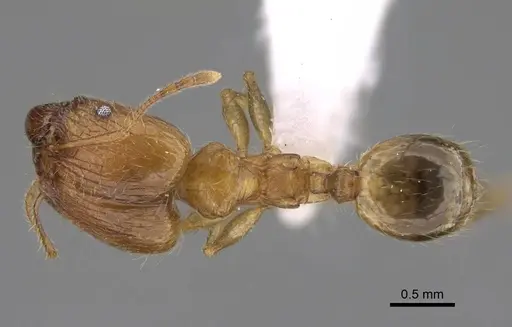
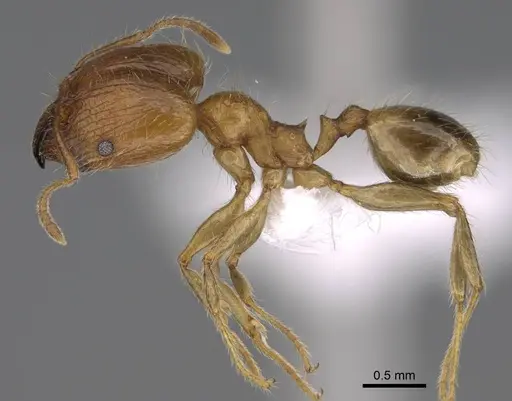
CASENT0922895
View on AntWeb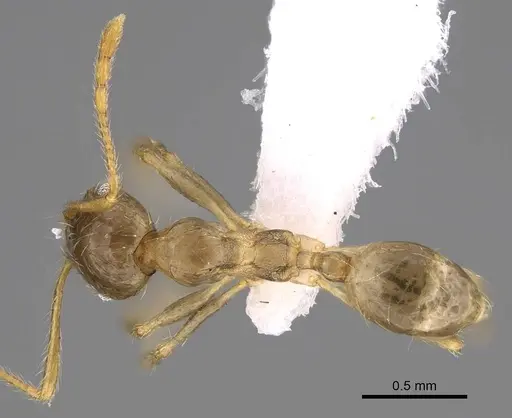
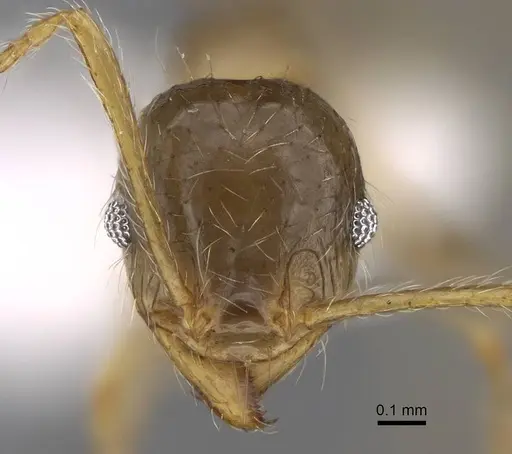
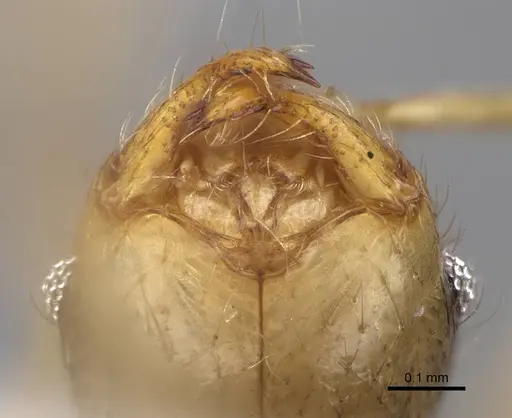
CASENT0923198
View on AntWeb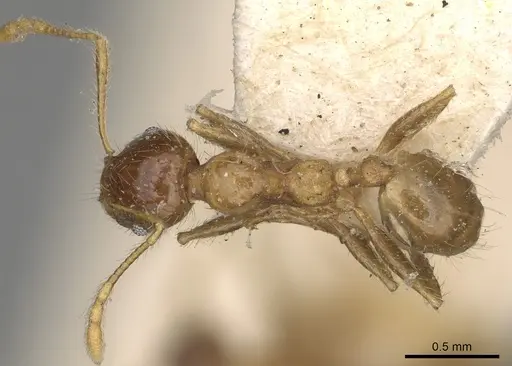
CBUMAGENT42040
View on AntWeb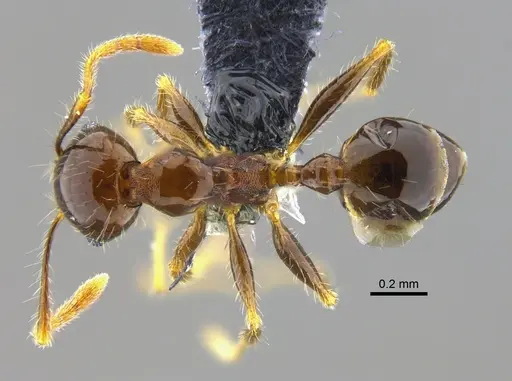
CSIRONC0177
View on AntWeb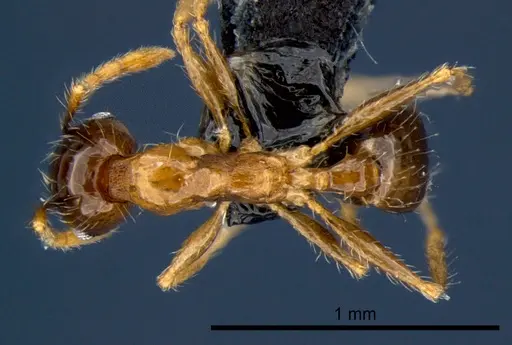
CSIRONC0178
View on AntWeb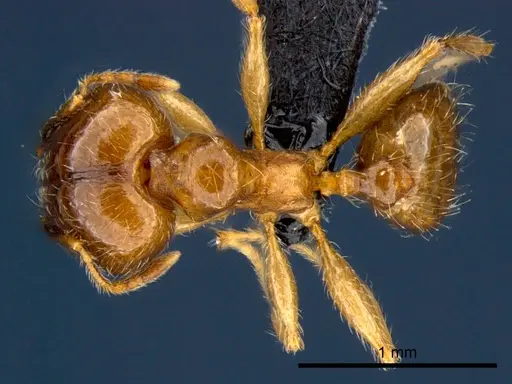
ECOFOG-BUG-0088-01-S
View on AntWeb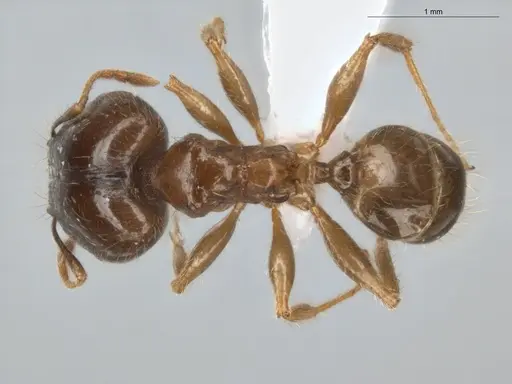
ECOFOG-BUG-0088-01
View on AntWeb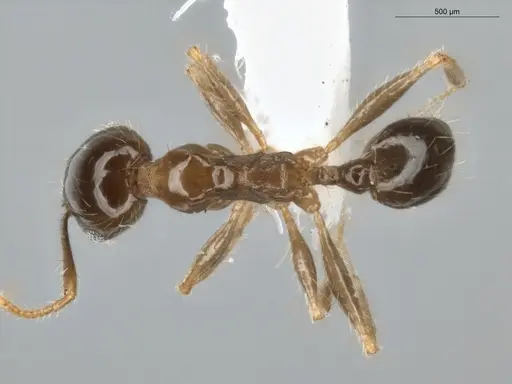
FMNHINS0000078505
View on AntWeb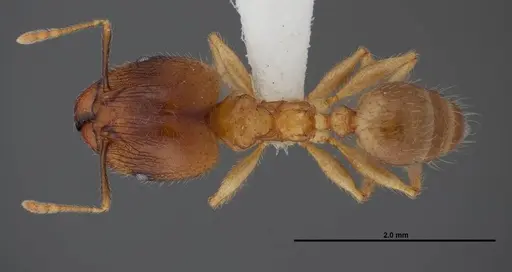
FOCOL0766-1
View on AntWeb
FOCOL0766-2
View on AntWeb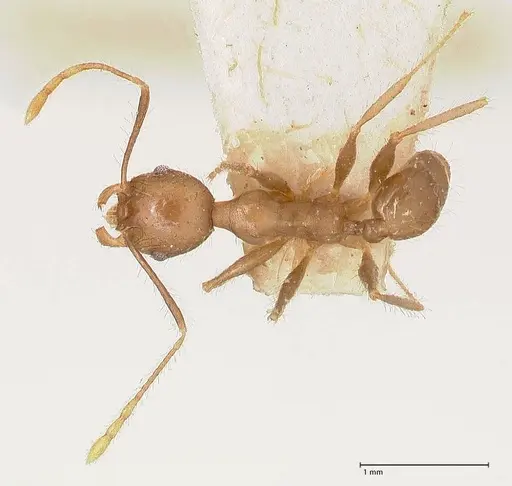
FOCOL1303
View on AntWeb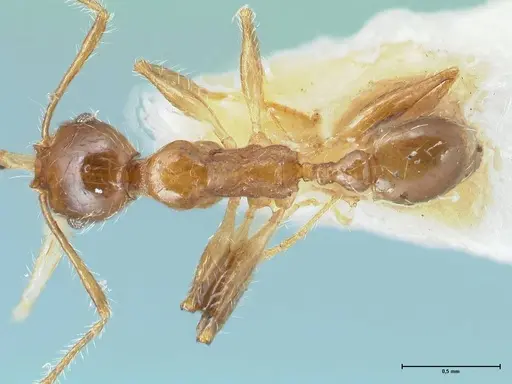
FOCOL1304
View on AntWeb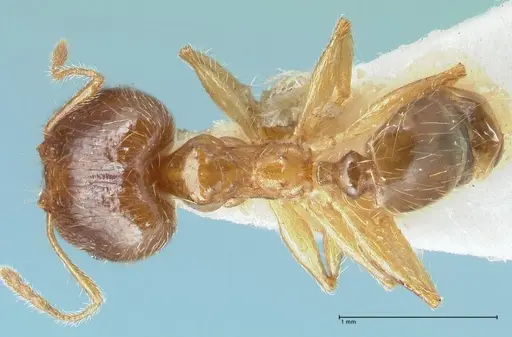
FOCOL1305
View on AntWeb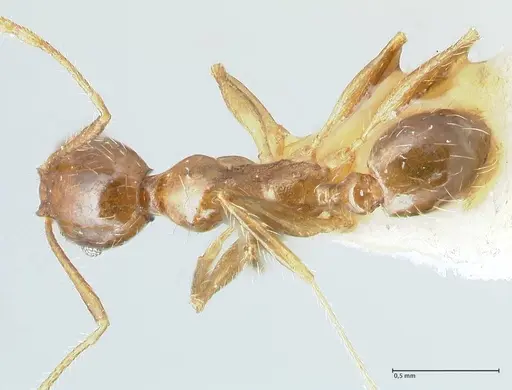
FOCOL1306
View on AntWeb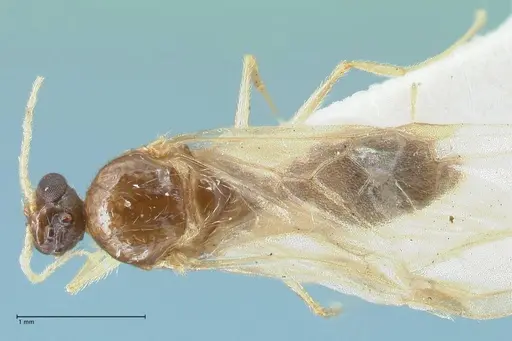
FOCOL1307
View on AntWeb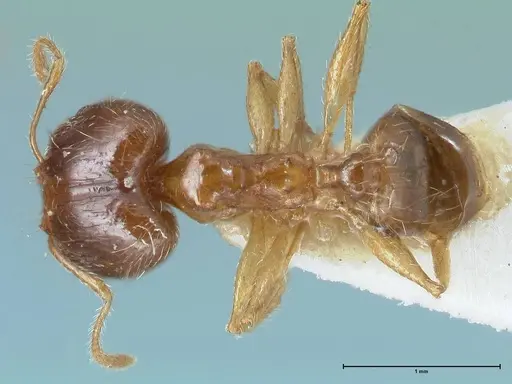
FOCOL1308
View on AntWeb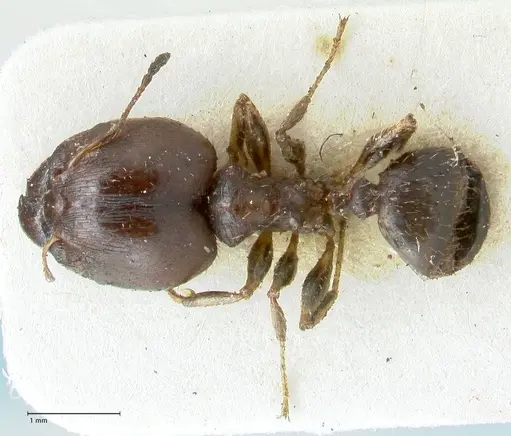
FOCOL1309
View on AntWeb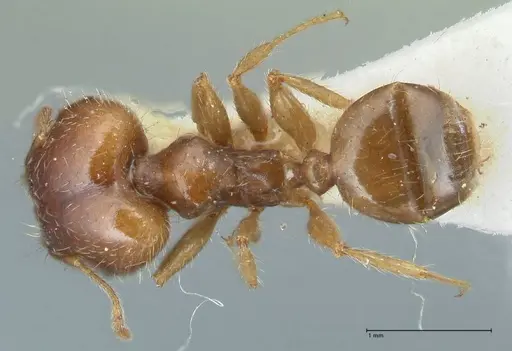
FOCOL1310
View on AntWeb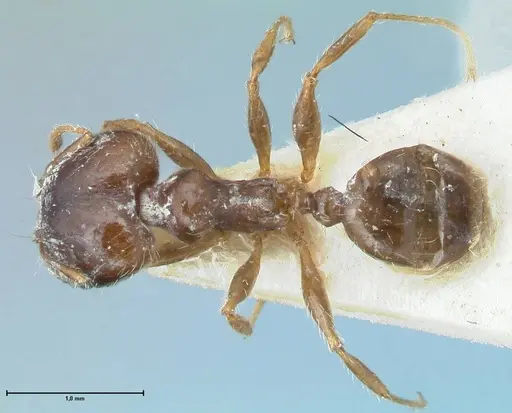
FOCOL1311
View on AntWeb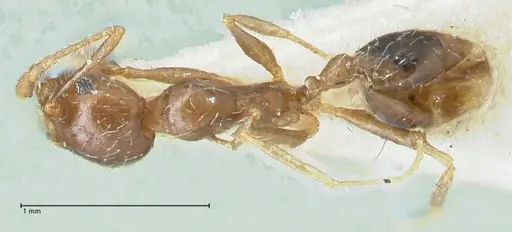
FOCOL1312
View on AntWeb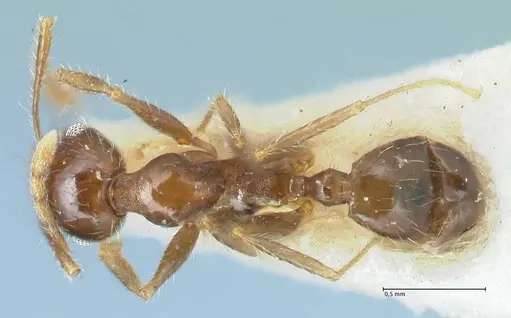
FOCOL1344
View on AntWeb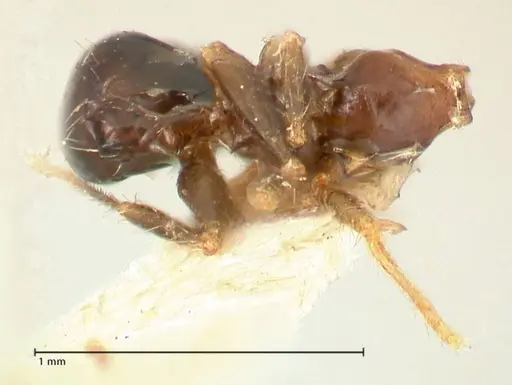
FOCOL1347
View on AntWeb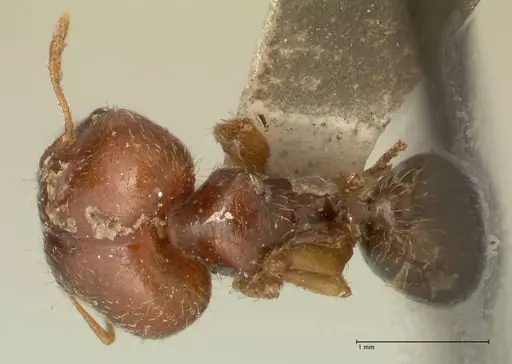
FOCOL1348
View on AntWeb
FOCOL1349
View on AntWeb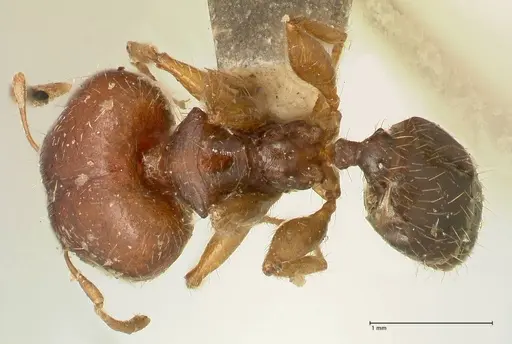
ICCDRS0003685
View on AntWeb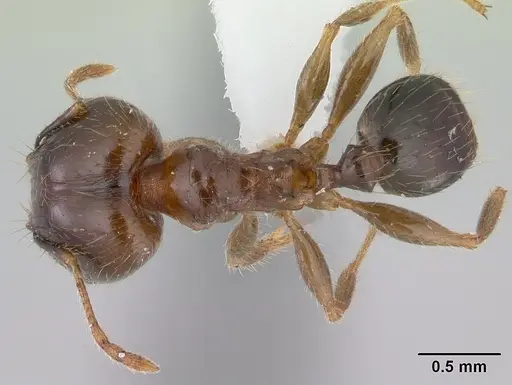
ICCDRS0003692
View on AntWeb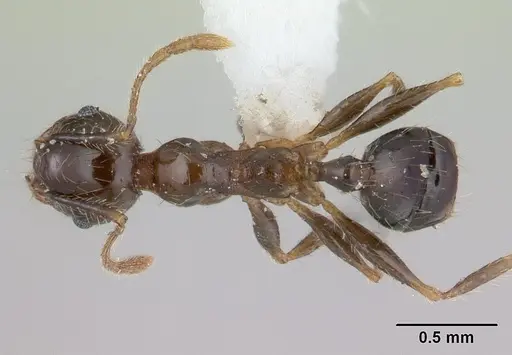
MCZ-ENT00511501
View on AntWeb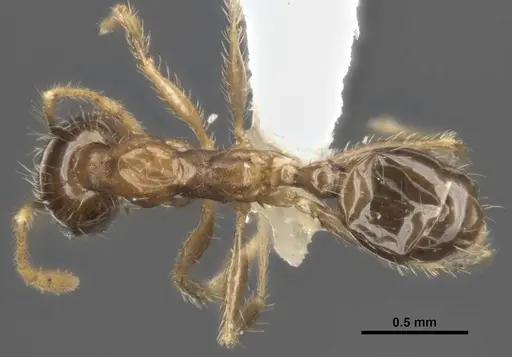
Literature
Loading...Loading products...