

Pheidole vistana
- Scientific Name
- Pheidole vistana
- Tribe
- Attini
- Subfamily
- Myrmicinae
- Author
- Forel, 1914
- Common Name
- Vista Big-headed Ant
- Distribution
- Found in 2 countries
Pheidole vistana Overview
Pheidole vistana (commonly known as the Vista Big-headed Ant) is an ant species of the genus Pheidole. It is primarily documented in 2 countries , including Mexico, United States of America. Detailed taxonomic data and occurrence records can be further explored via authoritative databases such as AntWeb or the Global Biodiversity Information Facility (GBIF).
Pheidole vistana - "Vista Big-headed Ant"
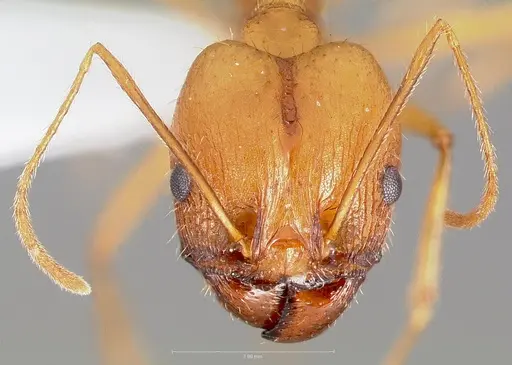
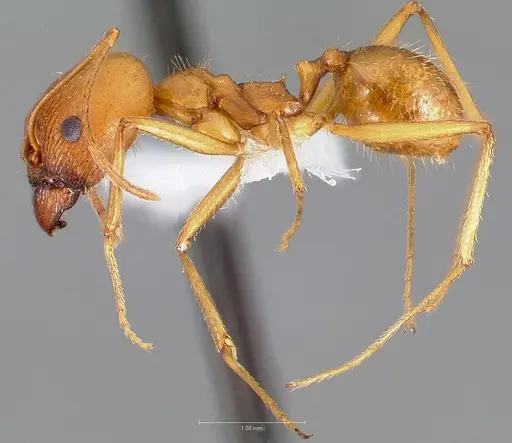
Pheidole vistana is a distinctive desert ant found in southern California, Arizona, and northern Mexico. Workers are yellow with extremely long antennae and legs, giving them a unique appearance. The minor workers are particularly slender with antennae that extend far beyond the back of their head. Major workers have a larger head but share the same pale yellow coloration. This species is called the 'ghost ant' because in dim light, their legs become invisible and their bodies appear to float above the ground as they forage. They nest under desert trees like palo verde, with large crater-shaped nest entrances reaching 15-38mm in diameter. Unlike many ants that forage anytime, these ants are strictly nocturnal, they emerge at dusk and are active into the night, avoiding the intense desert heat of daytime.
Quick Summary
- Difficulty: Medium
- Origin & Habitat: Southern California, Arizona, and northern Mexico (Baja California, Sonora). Found in desert and semi-arid scrub habitats, typically nesting under palo verde and other desert trees in sandy or gravelly soil [1][2].
- Colony Type: Monogyne (single queen) colonies. Each colony has one queen that lays eggs, supported by minor and major workers [3].
- Colony: Monogyne
- Founding: Claustral
- Size & Growth:
- Queen: Approximately 6-7mm (estimated from genus Pheidole patterns)
- Worker: Minor: 0.64mm HW, Major: 1.30mm HW
- Colony: Colonies reach several hundred workers (typical for Pheidole genus)
- Growth: Moderate, typical Pheidole development timeline
- Development: 6-8 weeks (estimated based on typical Pheidole genus development at warm temperatures) (Development time varies with temperature, faster in warm conditions (25-30°C), slower in cooler temperatures)
- Antkeeping:
- Temperature: Keep nest area at 25-30°C. This is a desert species that tolerates warm conditions. A heating cable on one side creates a gradient allowing ants to self-regulate. Room temperature (20-24°C) is acceptable but may slow development.
- Humidity: Low to moderate. Desert species prefer drier conditions, keep nest substrate lightly moist but allow it to dry between waterings. Provide a water tube but avoid constant dampness.
- Diapause: Yes, this species experiences winter dormancy in its native range. Reduce temperature to 15-18°C for 2-3 months during winter months (roughly November-February in the Northern Hemisphere).
- Nesting: Y-tong (AAC) nests work well for Pheidole. Provide a formicarium with chambers scaled to colony size. Naturalistic setups with sand substrate and hiding spots also work. Ensure escape prevention, minors are small and can slip through small gaps.
- Behavior: This species is exclusively predatory (entomophagous), they only eat insects and do not collect sugar or honeydew. Workers hunt in groups, attacking larger prey by grasping its legs and pulling backwards to stretch and pin it down. They also smear a sticky secretion from their abdomen on prey to further immobilize it. Workers are most active at dusk and during cloudy days. They are not aggressive toward keepers but can become a household pest if colonies expand near homes. Escape risk is moderate, minors are small but majors can be handled with standard precautions. They form efficient 'gangs' to transport large prey items cooperatively.
- Common Issues: entomophagous diet means colonies require constant live insect prey, failure to provide adequate protein leads to colony decline, no sugar acceptance, do not offer honey or sugar water, they will not take it, nocturnal activity means you may not see much during daytime hours, this is normal behavior, highly susceptible to Argentine ant invasion, keep separate from any Linepithema humile colonies, desert species needs dry conditions, overwatering causes mold and colony stress
Housing and Nest Setup
Pheidole vistana does well in Y-tong (acrylic) formicariums or naturalistic setups. For Y-tong nests, use standard chambers sized to the colony, they do not need massive spaces even when mature. A test tube setup works for founding colonies. For naturalistic setups, use a sandy substrate that drains well. This is a desert species, so avoid overly humid conditions. Provide a water tube connected to a cotton reservoir, but allow the nest area to dry between rehydration. Since they are nocturnal, place the nest in a location with natural light cycles so they can adjust their activity accordingly. Escape prevention should be moderate, apply fluon to the rim of the formicarium, though they are not particularly aggressive escape artists like some Myrmicinae. [1]
Feeding and Diet - Critical
This is the most important aspect of keeping Pheidole vistana successfully. They are strictly entomophagous, they eat ONLY insects and will not accept sugar, honey, honeydew, or seeds. This is unusual among ants and many keepers make the mistake of offering sugar water. Feed them a variety of small insects: fruit flies, pinhead crickets, small mealworms, waxworms, and other appropriately-sized prey. Prey should be no larger than what 3-4 workers can handle. They are skilled group hunters, offer larger insects occasionally to observe their cooperative hunting behavior where they spread-eagle the prey's legs and smear it with sticky secretion. Feed every 2-3 days, removing uneaten prey to prevent mold. A constant protein source is essential for brood production. [1]
Temperature and Seasonal Care
As a desert species from southern California and Arizona, Pheidole vistana prefers warm conditions. Keep the nest at 25-30°C for optimal brood development. They can tolerate higher temperatures (up to 35°C) but avoid prolonged exposure to extreme heat. A heating cable placed on one side of the nest creates a temperature gradient. During winter (roughly November through February in the Northern Hemisphere), reduce temperatures to 15-18°C to simulate their natural dormancy period. This winter rest is important for colony health and may trigger spring breeding. Do not feed during diapause, reduce feeding frequency and amount while the colony is dormant. [1]
Behavior and Foraging
Pheidole vistana is strictly nocturnal, workers emerge at dusk and remain active through the night, retreating during the day to avoid desert heat. This is not a species you will see actively foraging at noon. When they find prey, they use remarkable group coordination: multiple workers grasp the prey's legs and pull in opposite directions, stretching and pinning the victim. They also apply a sticky secretion from their abdomen to further immobilize prey. Once subdued, they efficiently transport prey cooperatively, forming chains or groups to move items much larger than any single worker. This cooperative transport is fascinating to observe. The colony will establish foraging trails at night, so keep noise and disturbance minimal during evening hours. [1]
Colony Development
Pheidole vistana follows typical Pheidole colony growth patterns. The claustral queen seals herself in a chamber and raises the first brood alone using stored fat reserves. First workers (nanitics) are smaller than normal workers but can begin foraging once they emerge. The colony grows gradually through worker brood cycles. Major workers develop as the colony matures, these have larger heads and are specialized for seed processing and defense. Expect the first major workers to appear after the colony reaches 50-100 workers. Growth rate is moderate, a well-fed colony can reach 200-300 workers within a year under optimal conditions. The colony will continue expanding as long as protein (insect prey) is consistently available. [1]
Ecological Considerations
Pheidole vistana is a native species in the southwestern United States and is considered vulnerable to competition from invasive ants, particularly the Argentine ant (Linepithema humile). Studies show this species is highly susceptible to displacement by Argentine ants and has declined in areas where Argentine ants have invaded [3][4]. If you keep this species, do not release any specimens in areas outside their native range (southern California, Arizona, Baja California, Sonora). They are not established in the pet trade and most colonies available to hobbyists are likely wild-caught. When acquiring this species, ensure they come from legal and sustainable sources.
Frequently Asked Questions
Can I keep Pheidole vistana in a test tube?
Yes, test tubes work well for founding colonies. Use a standard test tube with a water reservoir sealed with cotton. Keep it in a warm, dark location and do not disturb the queen during the founding stage. Once the colony reaches 20-30 workers, consider moving to a small formicarium.
What do Pheidole vistana eat?
They eat ONLY insects, this is critical. They are strictly entomophagous and will not accept sugar, honey, seeds, or other carbohydrate sources. Feed them small insects like fruit flies, pinhead crickets, small mealworms, or other appropriately-sized prey. Offer protein every 2-3 days.
How long until first workers appear?
Expect first workers (nanitics) approximately 6-8 weeks after the queen lays eggs, assuming temperatures around 25-30°C. Development is faster in warm conditions and slower at room temperature. The clausal queen seals herself in and raises the first brood alone.
Are Pheidole vistana good for beginners?
Medium difficulty, they are not difficult to keep but have specific dietary requirements (insects only, no sugar) that new keepers sometimes struggle with. Their nocturnal activity and need for live insect prey require more attention than typical ant species that accept varied diets.
Do they need hibernation?
Yes, they benefit from a winter rest period. Reduce temperatures to 15-18°C for 2-3 months during winter (roughly November-February). Reduce feeding during this period. This mimics their natural seasonal cycle in the desert southwest.
Can I keep multiple queens together?
No, this is a monogyne species with a single queen per colony. Unlike some Pheidole that can be polygynous, P. vistana colonies should be started with one queen. Introducing additional queens will result in fighting.
Why are my ants always hiding during the day?
This is completely normal behavior. Pheidole vistana is strictly nocturnal, they are active at dusk and night, then retreat during daytime. This is an adaptation to avoid desert heat. You will see most activity in the evening and night hours.
When should I move to a formicarium?
Move from test tube to formicarium when the colony reaches 30-50 workers. A Y-tong nest works well for this species. Make sure the chambers are appropriately sized, too large a space can stress smaller colonies.
Why are my Pheidole vistana declining?
Common causes include: lack of adequate insect prey (they need constant protein), too much humidity (desert species prefer drier conditions), Argentine ant contamination (they are highly susceptible), or insufficient warmth. Ensure you are feeding insects regularly and the nest is not overly damp.
References

This caresheet is licensed under CC BY-SA 4.0 .
CASENT0005740
View on AntWeb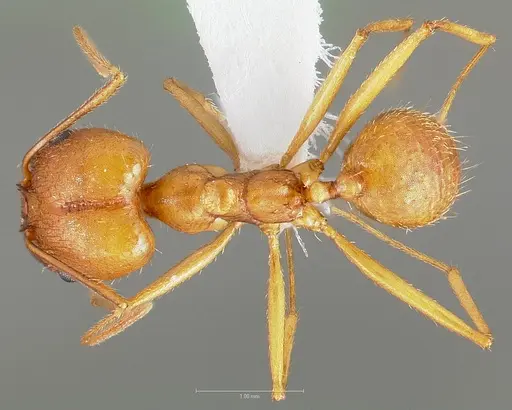
CASENT0005741
View on AntWeb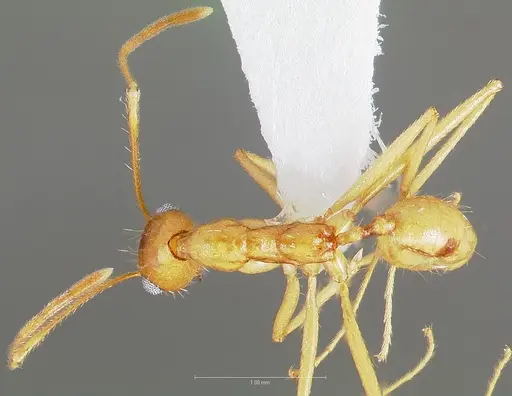
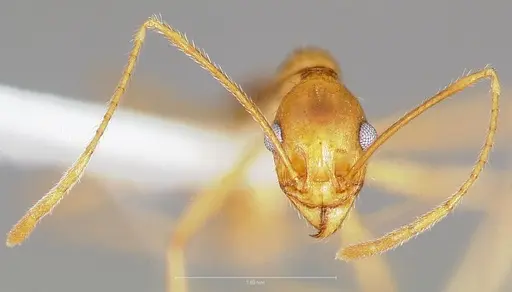
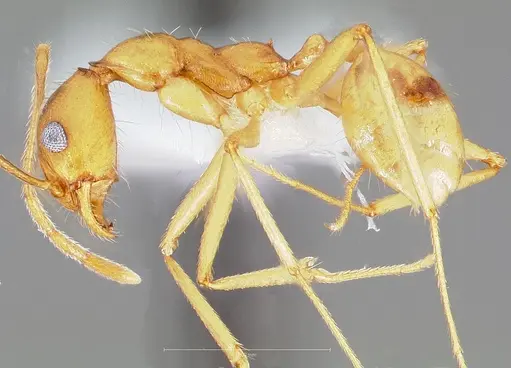
CASENT0863104
View on AntWeb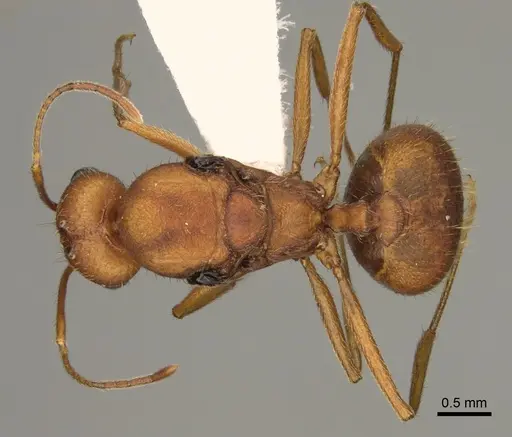
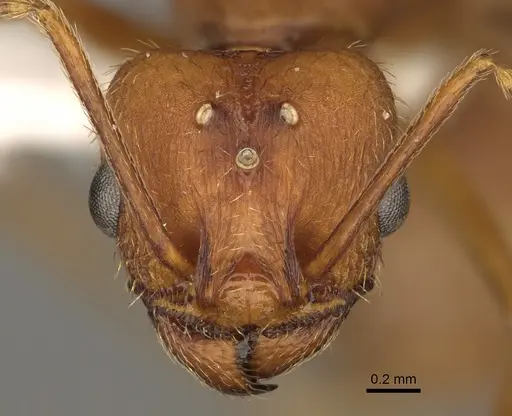
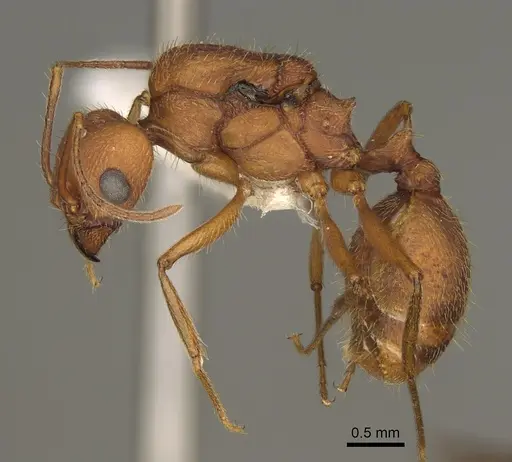
CASENT0908099
View on AntWeb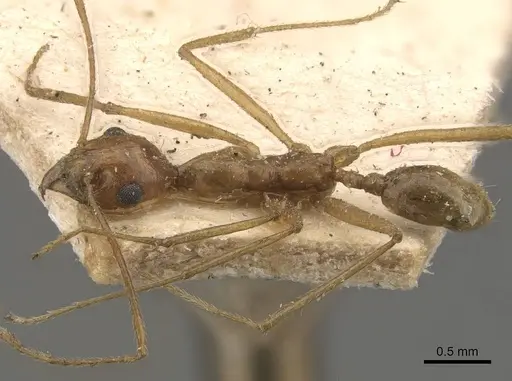
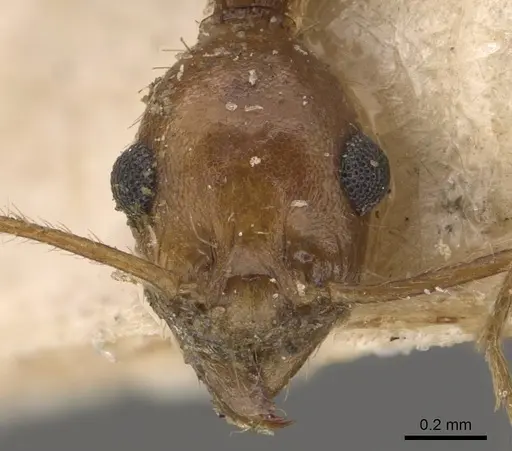
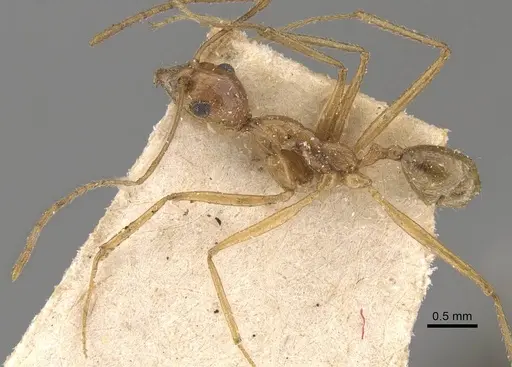
CASTYPE00643
View on AntWeb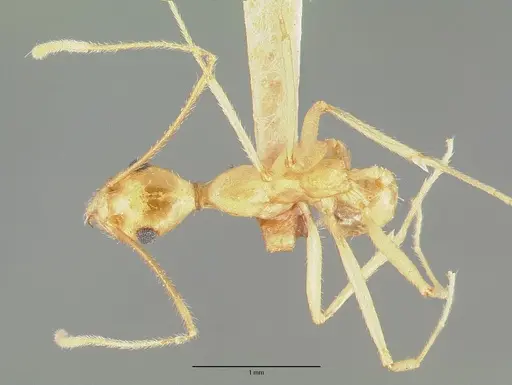


CASTYPE00644
View on AntWeb
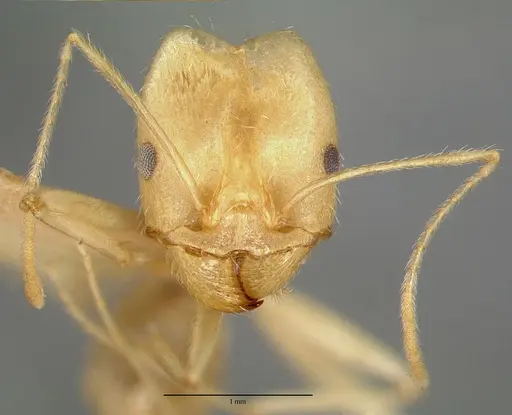

Literature
Loading...Loading products...