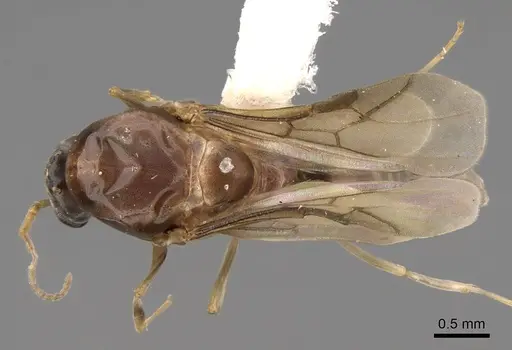
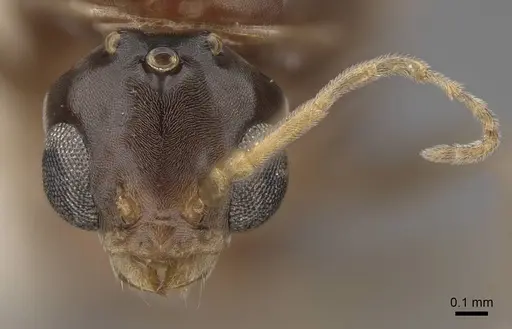
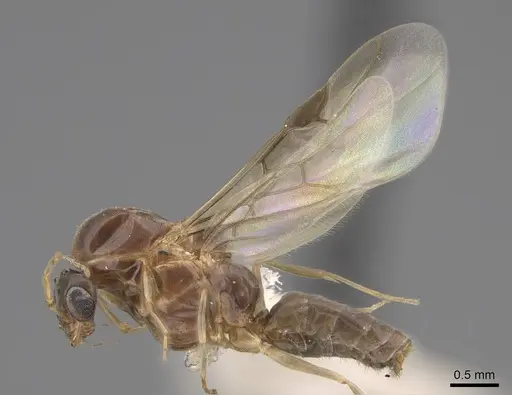
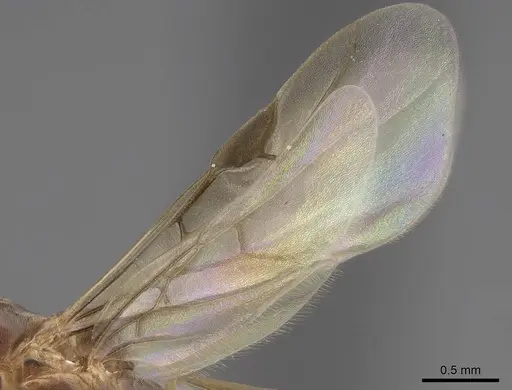
Linepithema humile exhibits a clear seasonal flight window. Peak flight activity is concentrated in January, with the overall period spanning January to December.
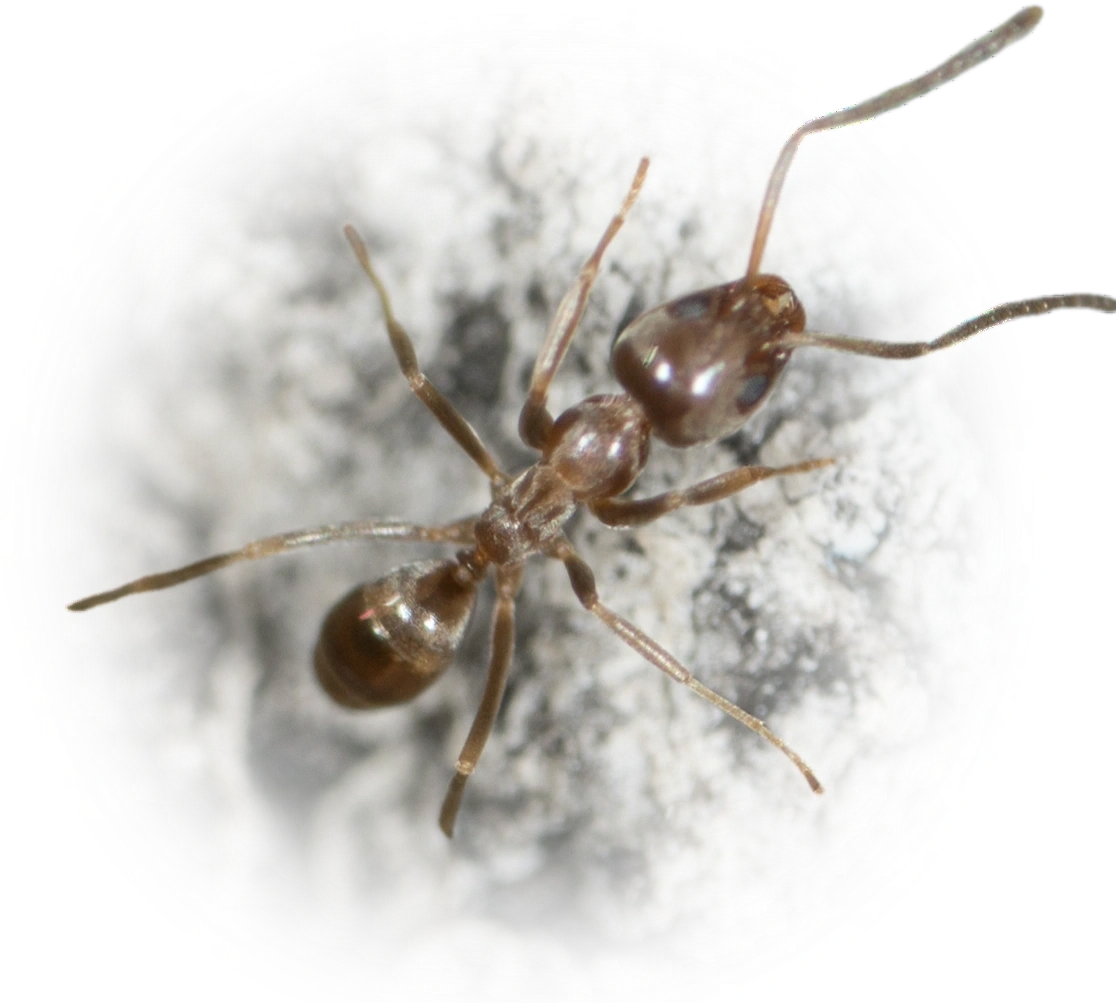
Linepithema humile
- Scientific Name
- Linepithema humile
- Tribe
- Leptomyrmecini
- Subfamily
- Dolichoderinae
- Author
- Mayr, 1868
- Common Name
- Argentine Ant
- Distribution
- Found in 11 countries
- Nuptial Flight
- from January to December, peaking in January
AI Identifiable
try →
Linepithema humile Overview
Linepithema humile (commonly known as the Argentine Ant) is an ant species of the genus Linepithema. It is primarily documented in 11 countries , including Argentina, Australia, Chile. Detailed taxonomic data and occurrence records can be further explored via authoritative databases such as AntWeb or the Global Biodiversity Information Facility (GBIF).
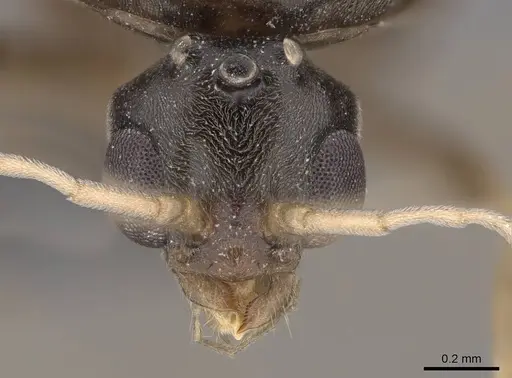
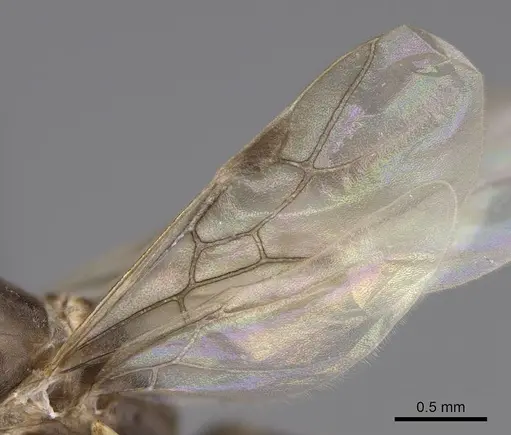
The nuptial flight of Linepithema humile is a significant biological event, typically occurring from January to December, peaking in January. During this time, winged queens and males leave the nest to mate and establish new colonies.
Linepithema humile - "Argentine Ant"
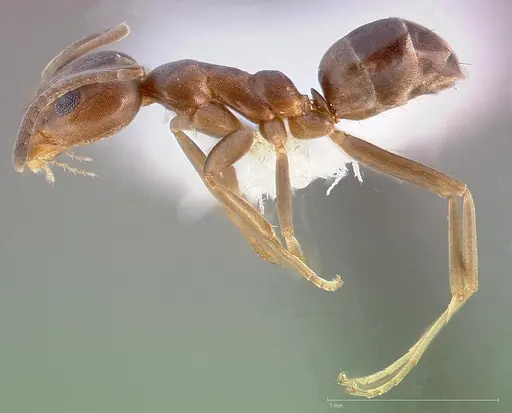
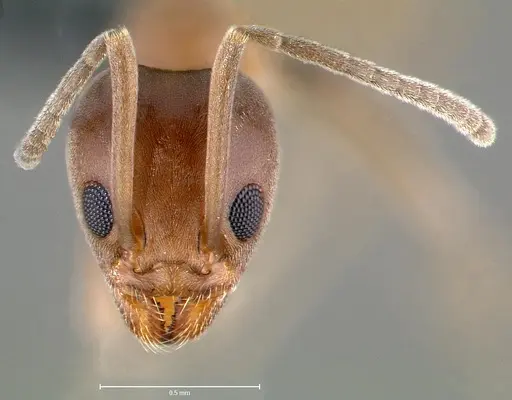
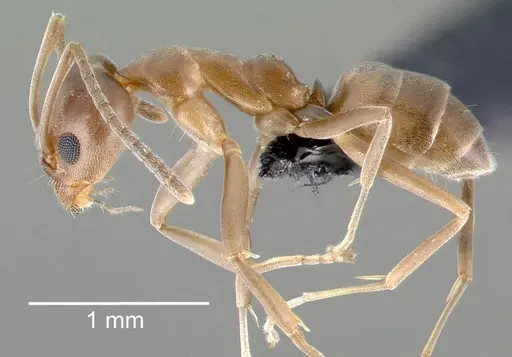
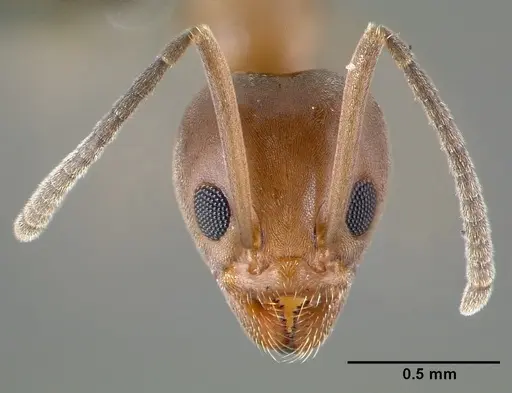
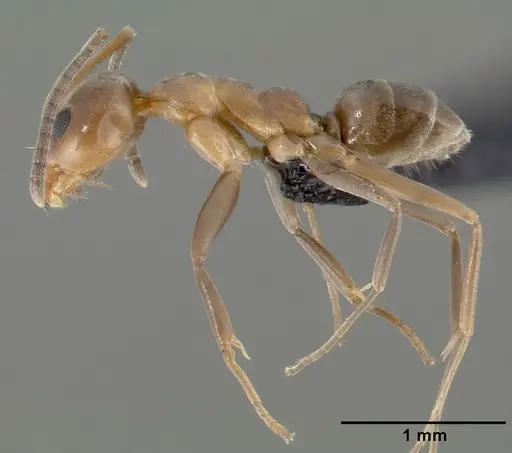
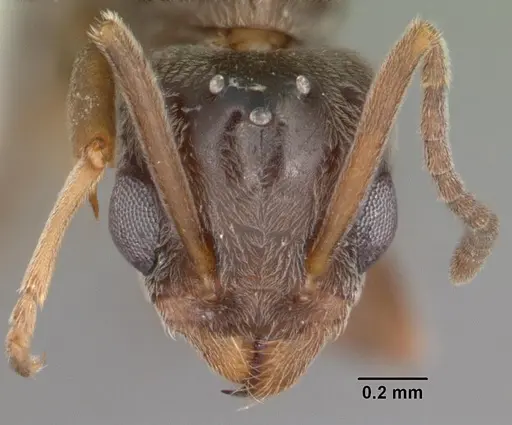
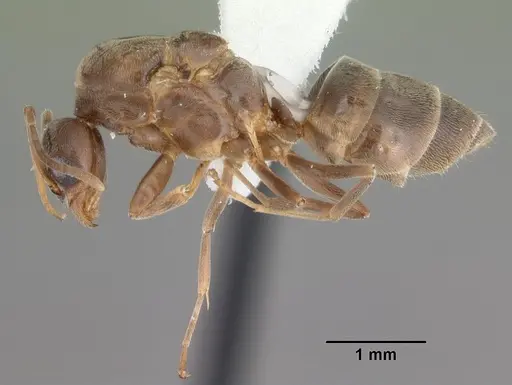
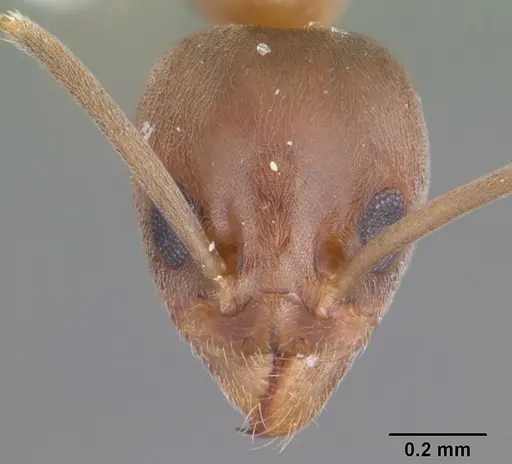
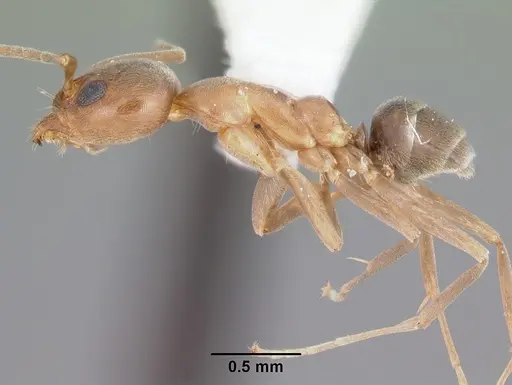
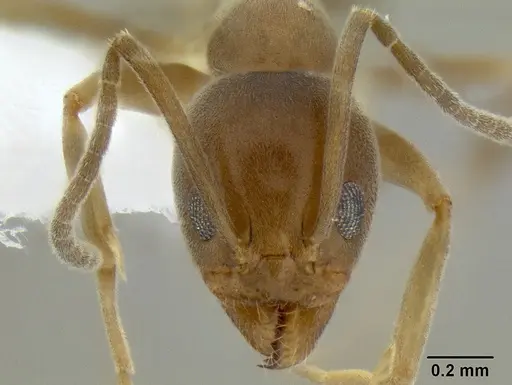
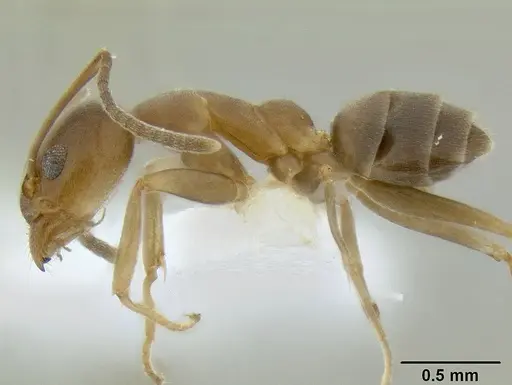
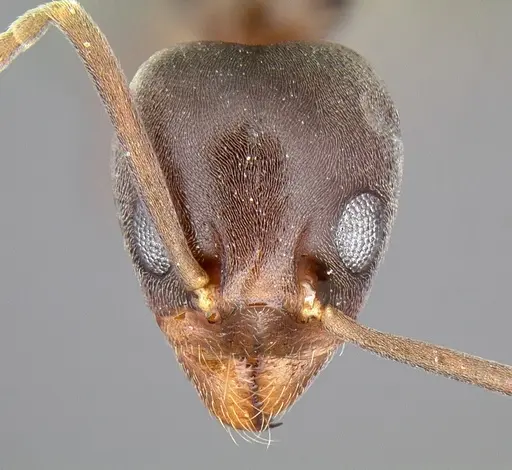
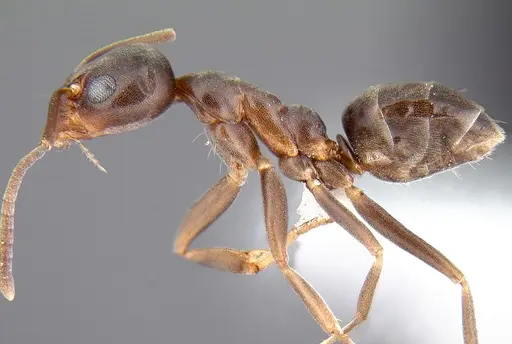
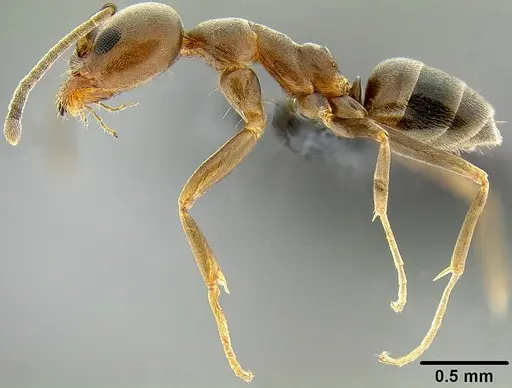
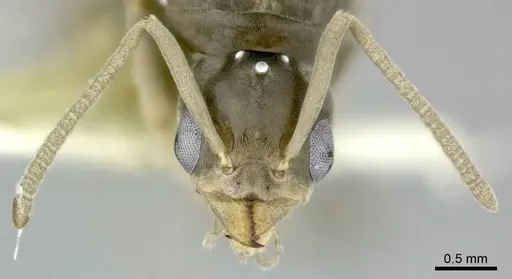
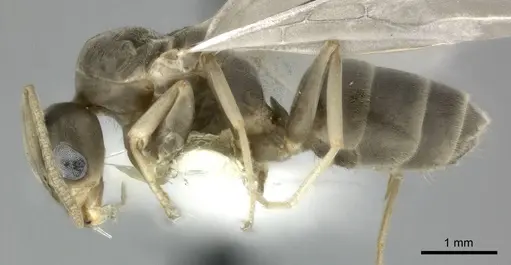
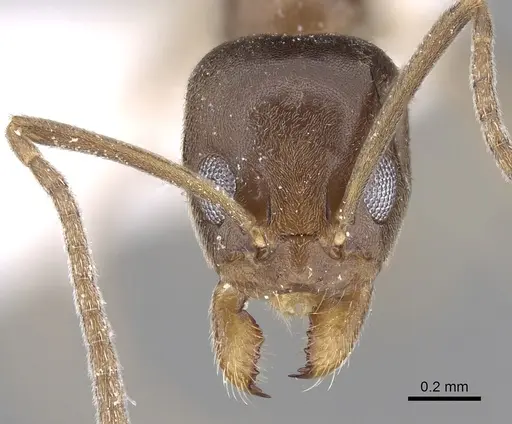
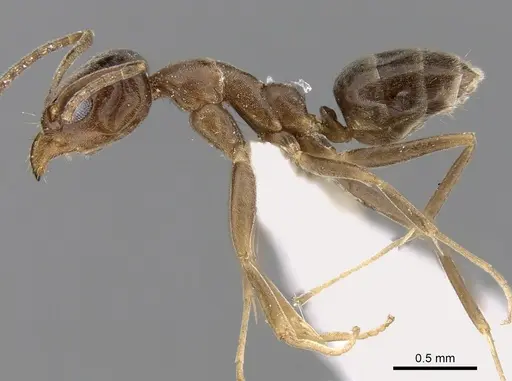
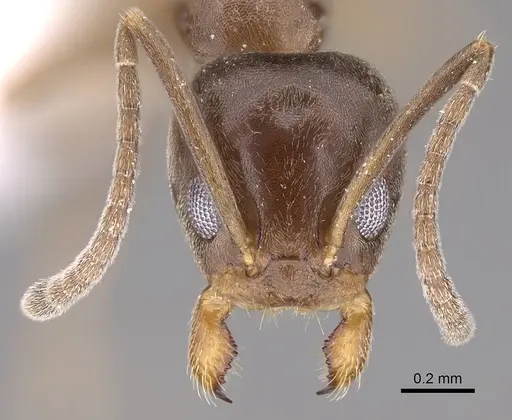
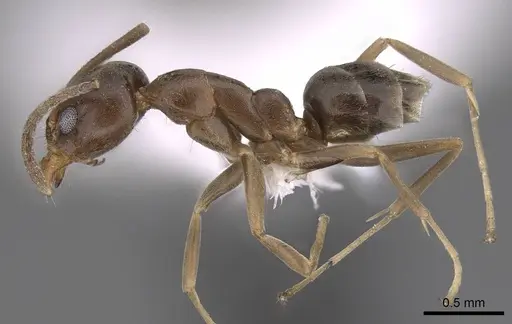
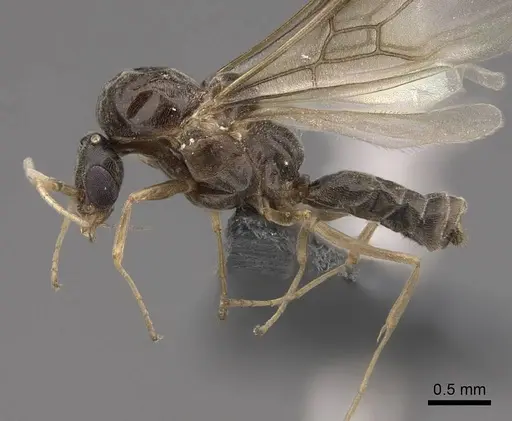
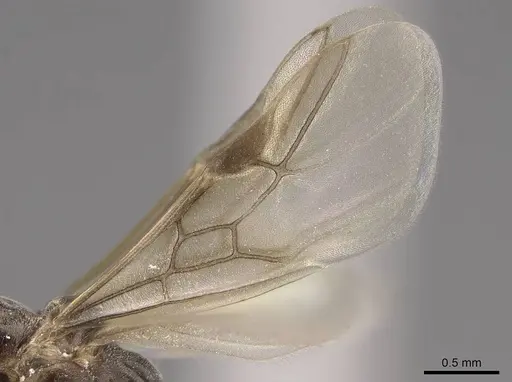
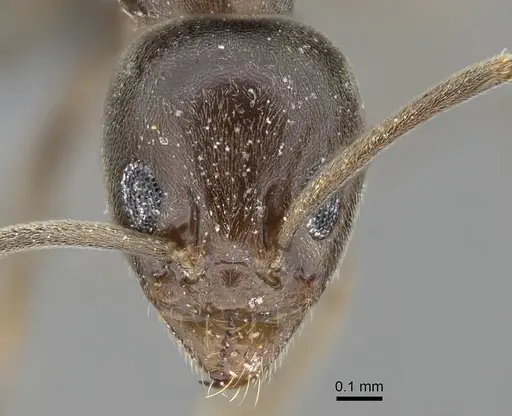
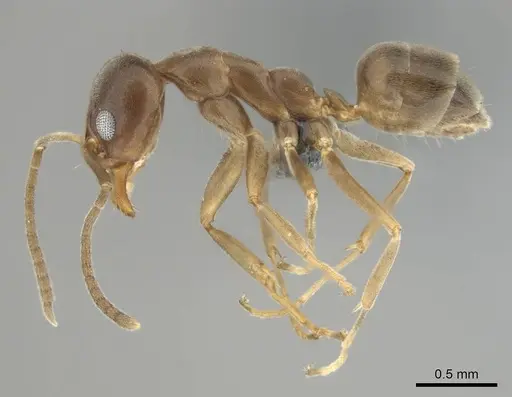
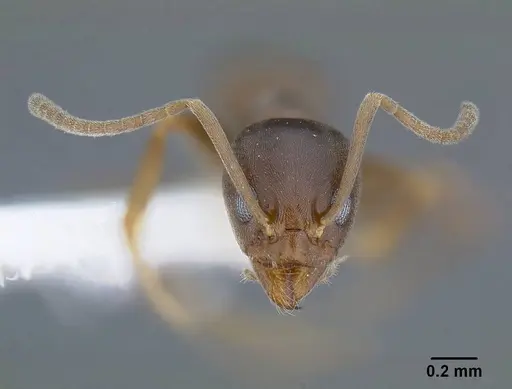
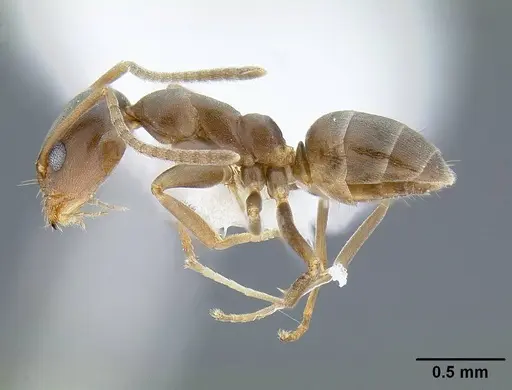
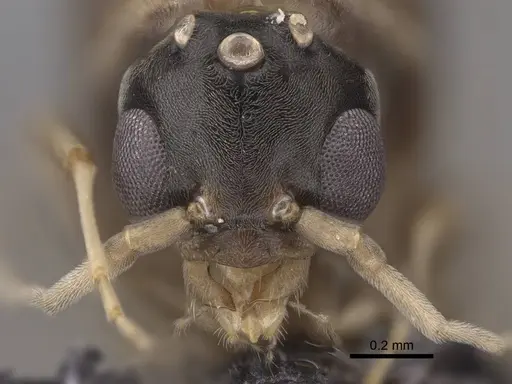
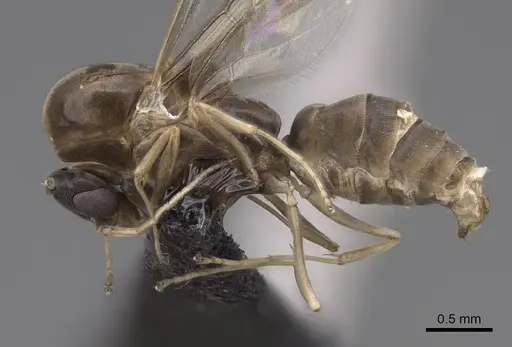
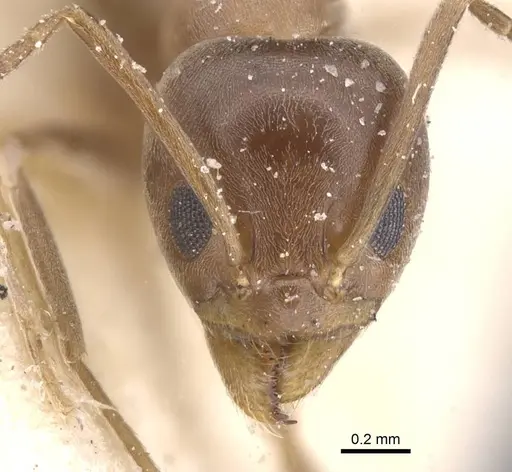
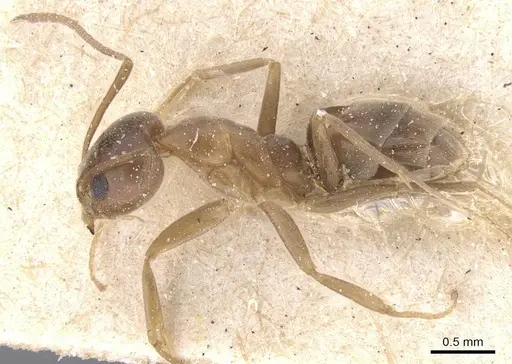
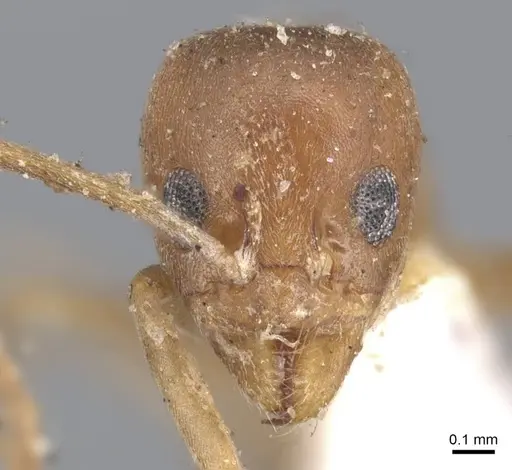
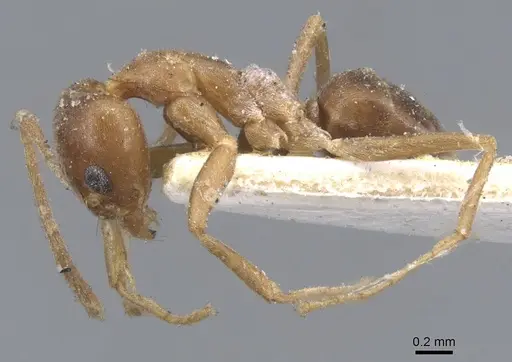
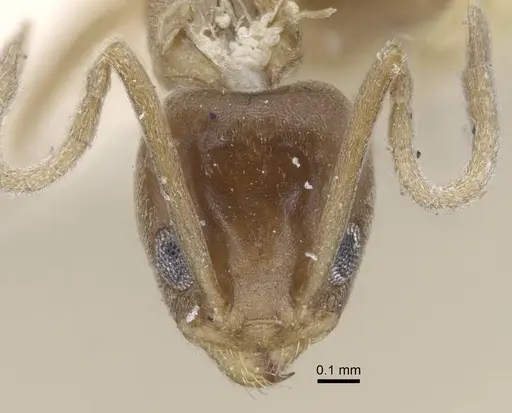
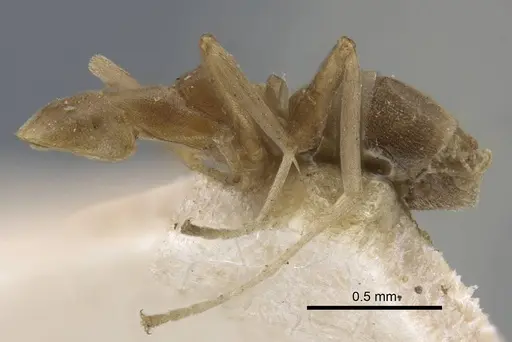
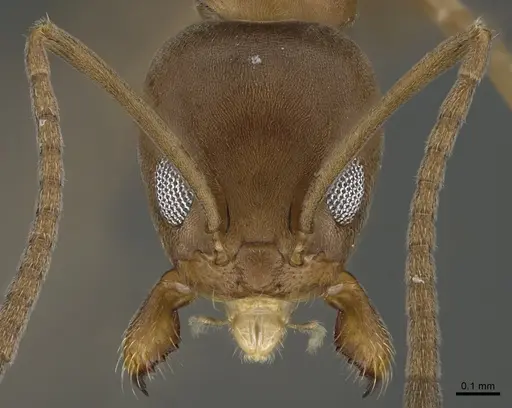
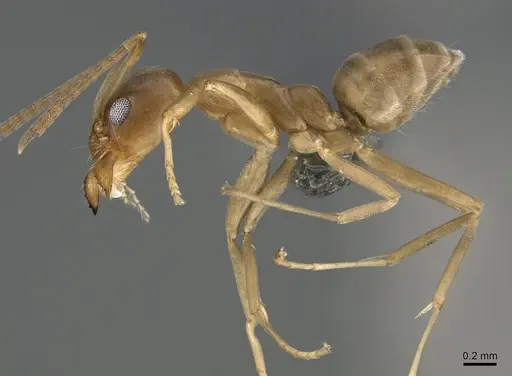
The Argentine ant, Linepithema humile, is a small, light to dark brown ant, typically ranging from 2.2 to 2.8 mm in length for workers. Queens are larger, measuring about 4.5 to 6 mm. This species is characterized by its uniform worker size, a slender body, and a single, pointed node (petiole) between the thorax and gaster. Unlike some other ant species, they do not possess a stinger or an acidopore. Argentine ants are renowned for their highly social nature and ability to form vast, interconnected 'supercolonies' with multiple queens and an enormous number of workers, which can spread across vast geographical areas. They are highly adaptable and opportunistic, often nesting in disturbed environments and urban areas, and are recognized globally as an invasive species.
- Difficulty: Medium
- Origin & Habitat: Native to South America, specifically the subtropical regions of Argentina, Uruguay, Paraguay, and southern Brazil. in Highly adaptable, found in various habitats limited mainly by temperature and water. They thrive in forests, agricultural fields, shrublands, urban and suburban areas, often nesting in soil, under rocks, logs, leaf litter, and even in human dwellings..
- Colony Type: Polygynous and unicolonial, meaning they have multiple queens and form vast, interconnected nests with little to no aggression between neighboring nests, leading to the formation of supercolonies., budding/migration (queens mate within the nest and new colonies are founded by one or more queens leaving the parent nest with a group of workers) founding.
- Size & Growth:
- Queen: 4.5-6.0mm
- Worker: 2.2-2.8mm
- Colony: Supercolony (hundreds of thousands to millions of workers, potentially spanning thousands of kilometers). Fast (due to multiple queens and effective resource recruitment) growth.
- Antkeeping:
- Temperature: Preferred temperature ranges from 21-27°C (70-80°F) for optimal activity and growth. Brood survival is highest around 26°C. They can tolerate temperatures from -5°C to 45°C, but typically don't thrive below 7-14°C..
- Humidity: Moderate to high humidity is preferred, but excessive moisture should be avoided to prevent mold and fungal growth. Humidity is an important factor for their survival..
- Diapause: Required. 2-3 months at 7-14°C.
- Nesting: Opportunistic nesters; they will use various substrates and prefer moist, protected locations. Common nesting sites include soil, under stones, logs, leaf litter, decaying plant material, and in cracks in concrete. They often move their nests to maintain favorable conditions..
- Behavior: High (towards other ant species and insects, low towards humans unless provoked) aggressiveness.
- Common Issues: Escape leading to invasiveness, Rapid population growth can quickly outgrow small setups, Need for constant food and moisture due to large colony size, Maintaining optimal temperature and humidity for brood development.
Nuptial Flight Activity Analysis 252 observations
Flight Activity by Hour 252 observations
Linepithema humile nuptial flight activity peaks around 10:00 during the late morning to early afternoon. Activity is spread across a 15-hour window (07:00–21:00). A secondary activity peak occurs around 16:00. Times may be influenced by human observation patterns.
Argentine ants are fascinating for their unique social structure. Unlike many other ant species, Linepithema humile form massive supercolonies, where countless nests are interconnected and individual ants move freely between them without aggression. This 'unicolonial' behavior allows them to achieve incredibly high population densities and outcompete most native ant species, making them formidable invaders in many parts of the world. Witnessing their cooperative foraging and lack of inter-nest conflict within these supercolonies is truly remarkable for any ant keeper.
Keeping Argentine ants requires careful consideration of their invasive potential. While captivating to observe, their ability to bud new colonies and spread rapidly means strict escape prevention is paramount. An escaped colony can quickly establish itself in a new environment and potentially disrupt local ecosystems. Therefore, for serious ant hobbyists, this species presents a unique challenge in maintaining a secure and contained setup, emphasizing responsible antkeeping practices.
Their diet is quite generalist and opportunistic. Argentine ants will readily consume a wide variety of foods, from sugary substances like honeydew and nectar to dead insects and other organic materials. This adaptability in their foraging habits contributes to their success in diverse environments, both in the wild and in a captive setup. Providing a varied diet of insect protein and sugars will keep your colony thriving and allow you to observe their impressive recruitment strategies as they exploit new food sources.
One interesting aspect of Linepithema humile is their mating behavior. Unlike many ant species that engage in dramatic nuptial flights, Argentine ant queens typically mate inside their natal nests. This in-nest mating, coupled with the ability of new queens to simply bud off from the parent colony with workers, contributes to their rapid expansion and the formation of extensive networks of related nests. This means you won't observe a classic 'swarm' of alates, but rather a more subtle, continuous reproductive cycle within the colony.
Frequently Asked Questions
Are Argentine ants good for beginner ant keepers?
While Argentine ants are fascinating due to their supercolony nature and rapid growth, they are generally considered a 'Medium' to 'Advanced' difficulty species for antkeepers. Their incredible escape potential and ability to quickly overrun a setup mean they're better suited for those with prior antkeeping experience and robust escape prevention methods.
Do Argentine ants sting?
No, Argentine ants do not possess a stinger or an acidopore, so they cannot sting. They may bite when provoked, but their mandibles are typically too small to cause significant pain to humans, resulting in only minor discomfort.
What kind of enclosure is best for Argentine ants?
Due to their rapid growth and ability to form supercolonies, Argentine ants require a spacious formicarium with excellent escape prevention. Nests that allow for easy expansion, such as modular setups or those with large outworlds, are ideal. Since they prefer moist but not overly wet conditions, a nest with good humidity control is important. Given their opportunistic nesting habits, they can adapt to various artificial nests, but security is key.
What do Argentine ants eat?
Argentine ants are omnivorous and have a broad diet. In captivity, they will readily consume sugary foods like sugar water, honey, or fruit, as well as protein sources such as dead insects (crickets, mealworms) or even some meats. They are known to 'farm' honeydew from aphids in the wild.
Do Argentine ants have nuptial flights?
Unlike many ant species, Argentine ant queens do not typically engage in a grand nuptial flight outside the nest. Mating usually occurs within the confines of the colony. New queens, after mating, will then shed their wings and begin laying eggs within the existing nest or bud off to form a new, interconnected colony.
How big can an Argentine ant colony get?
Argentine ants are famous for forming 'supercolonies' that can be incredibly vast, stretching for thousands of kilometers and containing millions, even trillions, of individual workers and hundreds of queens. These enormous colonies can encompass multiple nests that operate as a single, cooperative unit.
How fast do Argentine ant colonies grow?
Argentine ant colonies grow very rapidly. This fast growth rate is largely attributed to their polygynous nature (multiple queens) and efficient resource gathering. They can quickly produce large numbers of workers, making them a dynamic species to observe but also requiring regular space upgrades in captivity.
What temperatures and humidity do Argentine ants prefer?
Argentine ants thrive in temperatures between 21-27°C (70-80°F), with optimal brood development around 26°C. They require moderate to high humidity for survival and development, though care must be taken to avoid excessive moisture that could lead to mold.
Do Argentine ants need diapause?
Yes, Argentine ants typically require a period of diapause or a cool-down period. While they can survive warmer temperatures, a cooler winter period can regulate their life cycle and ensure colony health. In colder climates, they may become dormant during extremely cold weather.
Are Argentine ants aggressive?
Argentine ants are highly aggressive towards other ant species and many other insects, often outcompeting or displacing native fauna. However, they are generally not aggressive towards humans unless their nest is disturbed or they feel threatened, in which case they might bite.
What are the common issues when keeping Argentine ants?
The primary concern with Argentine ants in captivity is their incredible escape artistry and invasive potential. Other common issues include managing their rapid population growth, ensuring consistent food and moisture supply for a large colony, and maintaining proper temperature and humidity levels to support their fast development cycle.
What do Argentine ant workers look like?
Argentine ant workers are monomorphic, meaning they are all roughly the same size, typically ranging from 2.2 to 2.8 mm in length. They are generally light to dark brown in color, with a shiny, smooth body and a single, pointed node (petiole) between their thorax and gaster.

This caresheet is licensed under CC BY-SA 4.0 .
CASENT0000012
View on AntWeb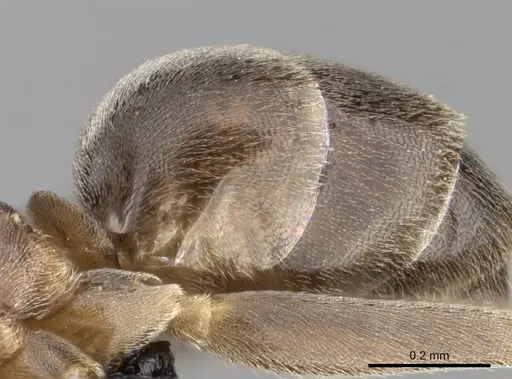
CASENT0005323
View on AntWeb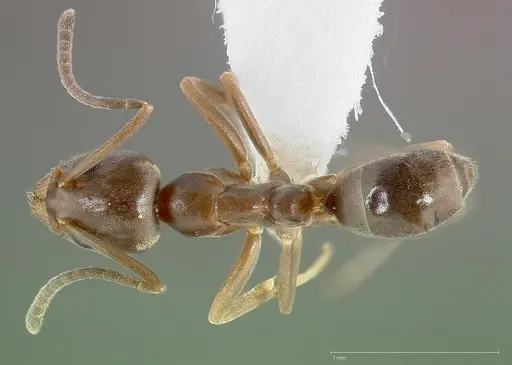
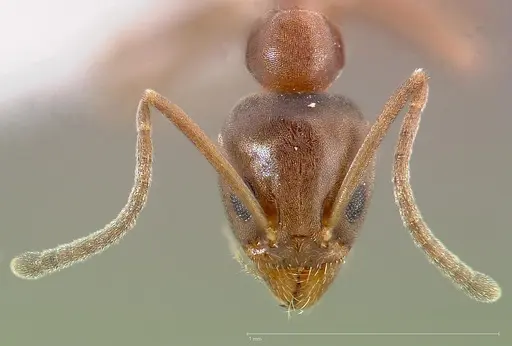
CASENT0006019
View on AntWeb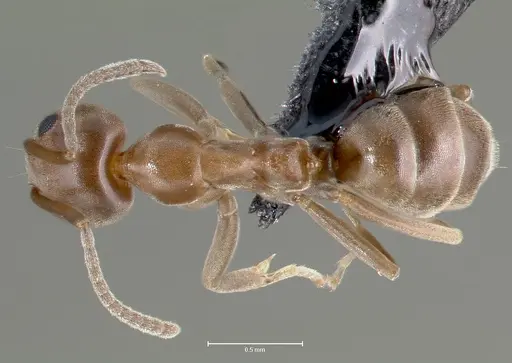
CASENT0006020
View on AntWeb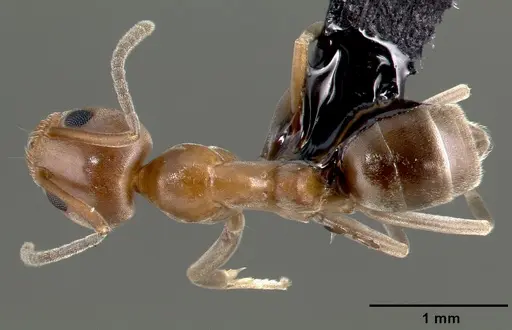
CASENT0104070
View on AntWeb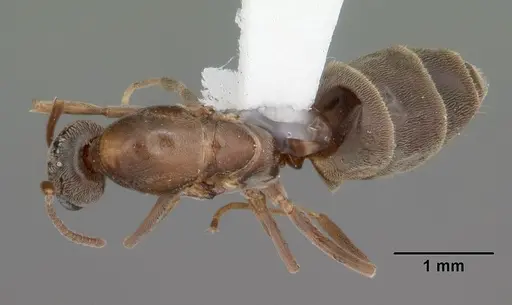
CASENT0104147
View on AntWeb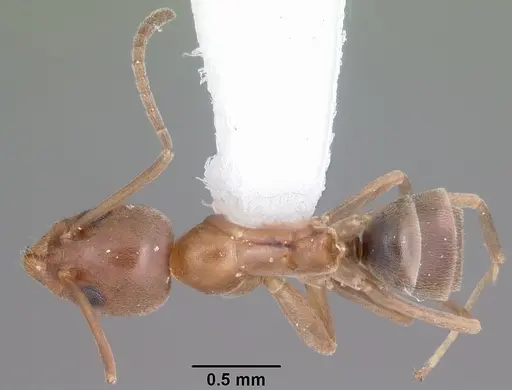
CASENT0106119
View on AntWeb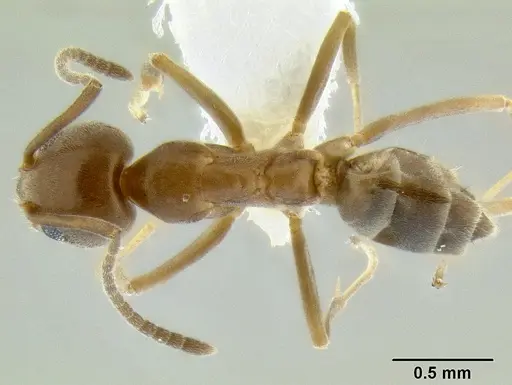
CASENT0106983
View on AntWeb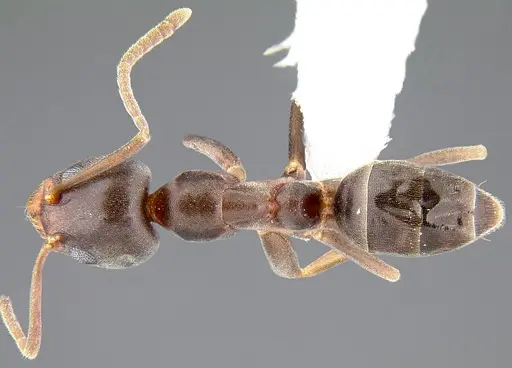
CASENT0171090
View on AntWeb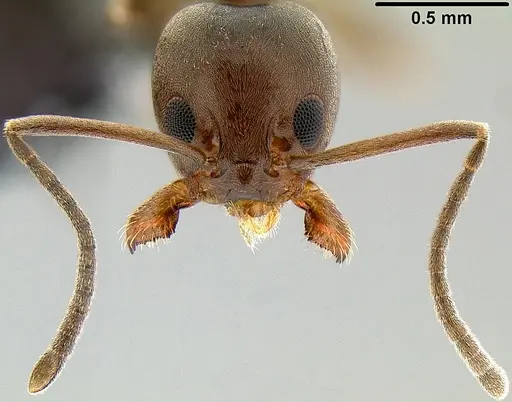
CASENT0246288
View on AntWeb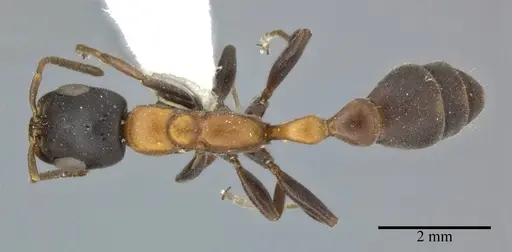
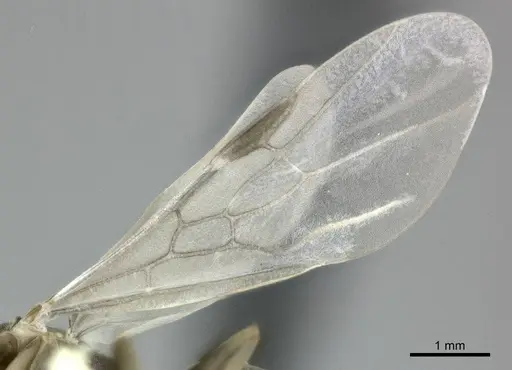
CASENT0249733
View on AntWeb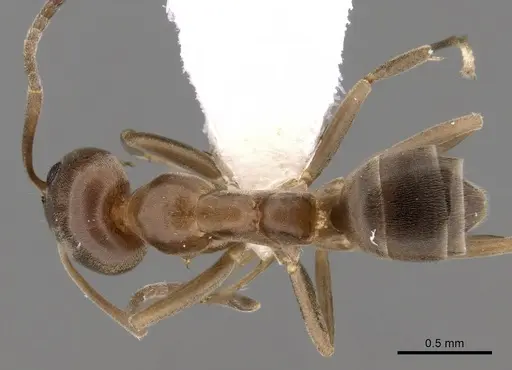
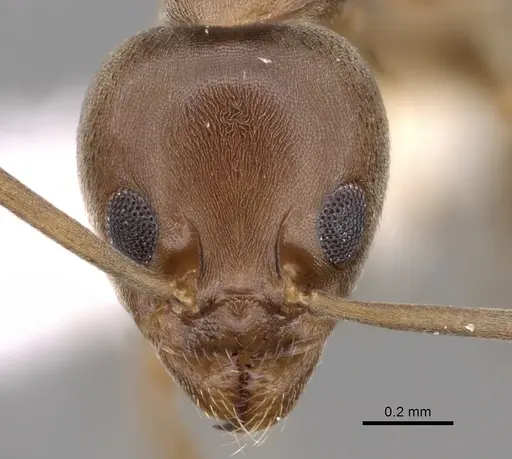
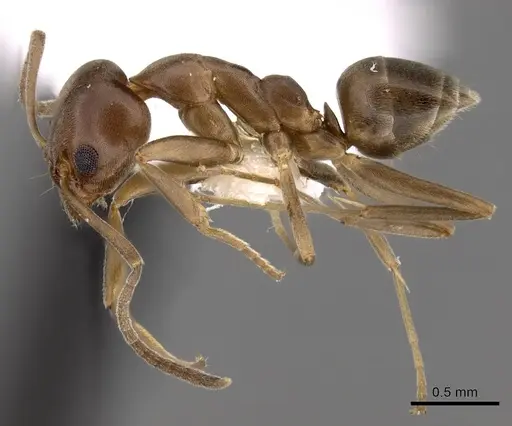
CASENT0280869
View on AntWeb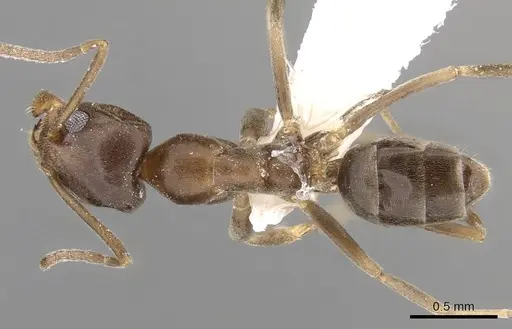
CASENT0281314
View on AntWeb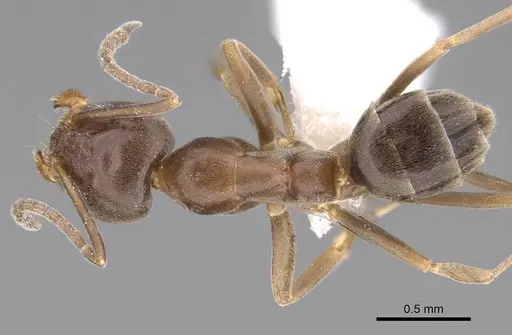
CASENT0724858
View on AntWeb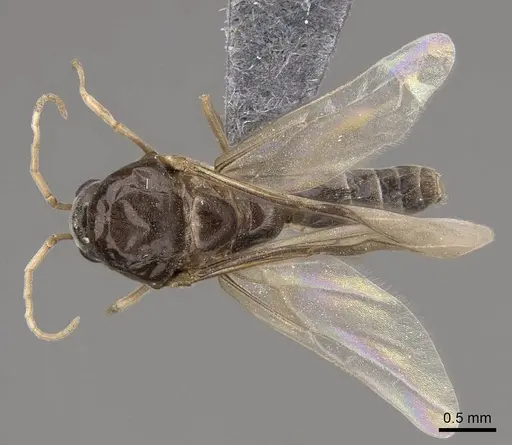
CASENT0785897
View on AntWeb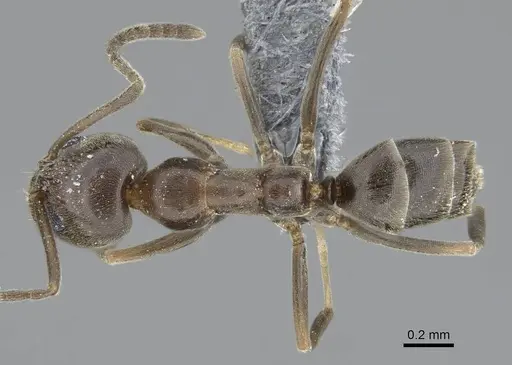
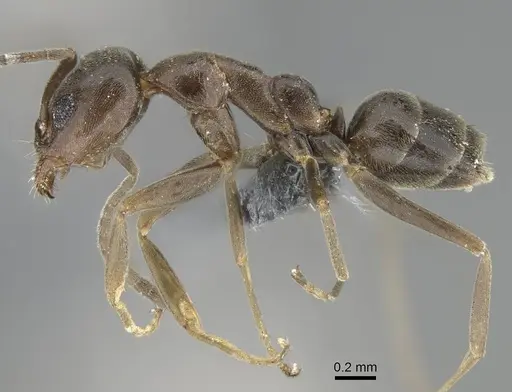
CASENT0813010
View on AntWeb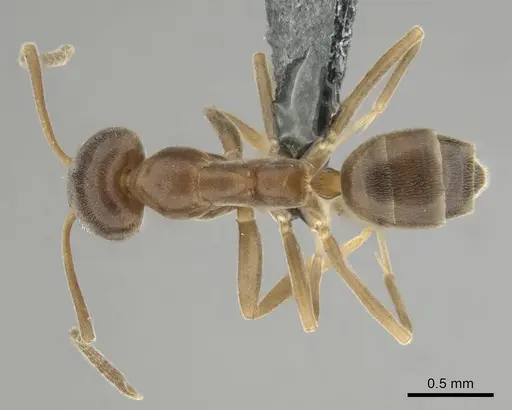
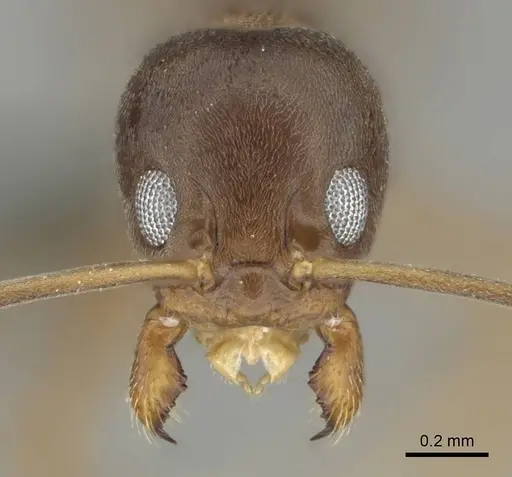
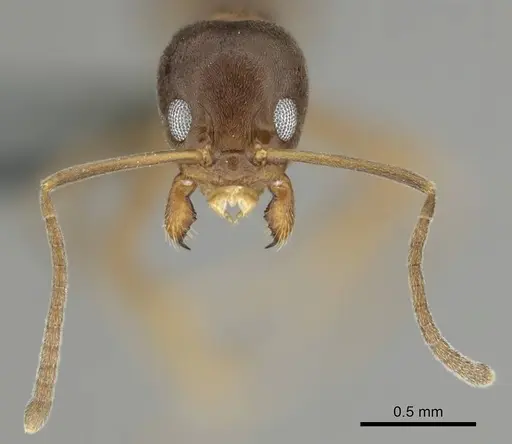
CASENT0844014
View on AntWeb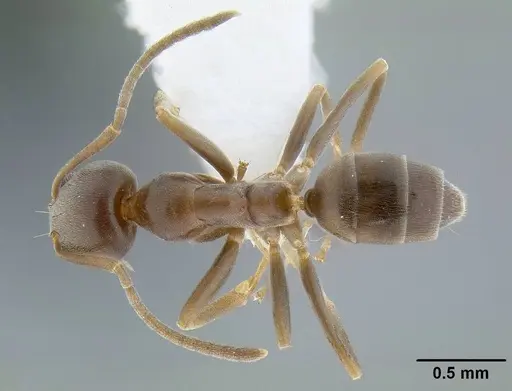
CASENT0845219
View on AntWeb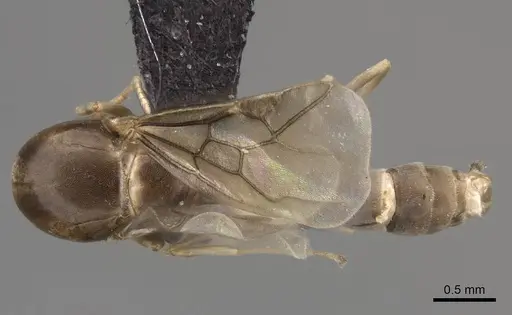
CASENT0911562
View on AntWeb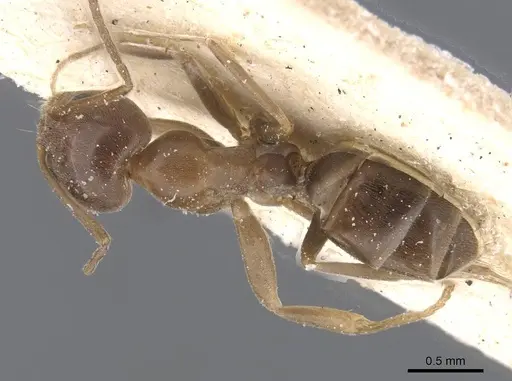
CASENT0915577
View on AntWeb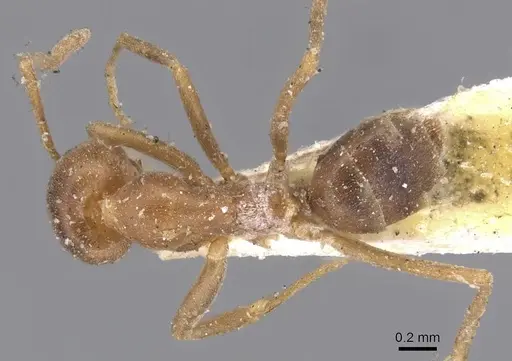
CASENT0917109
View on AntWeb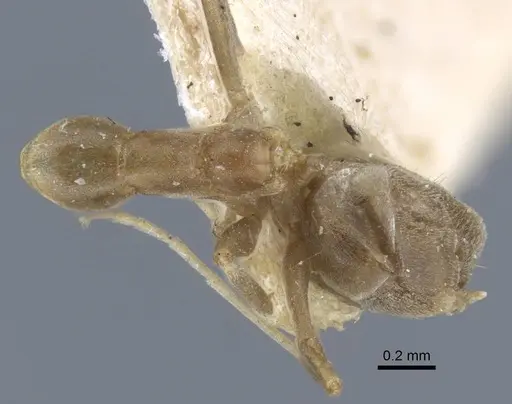
CASENT0923669
View on AntWeb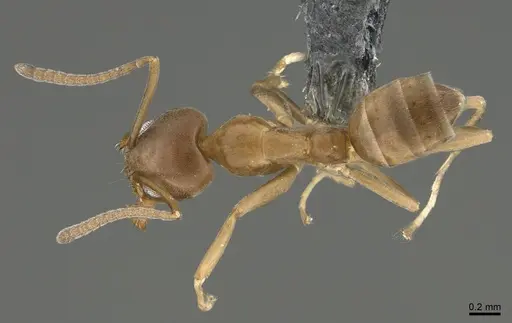
CASENT8154784
View on AntWeb