Pheidole pallidula exhibits a clear seasonal flight window. Peak flight activity is concentrated in June, with the overall period spanning May to July.
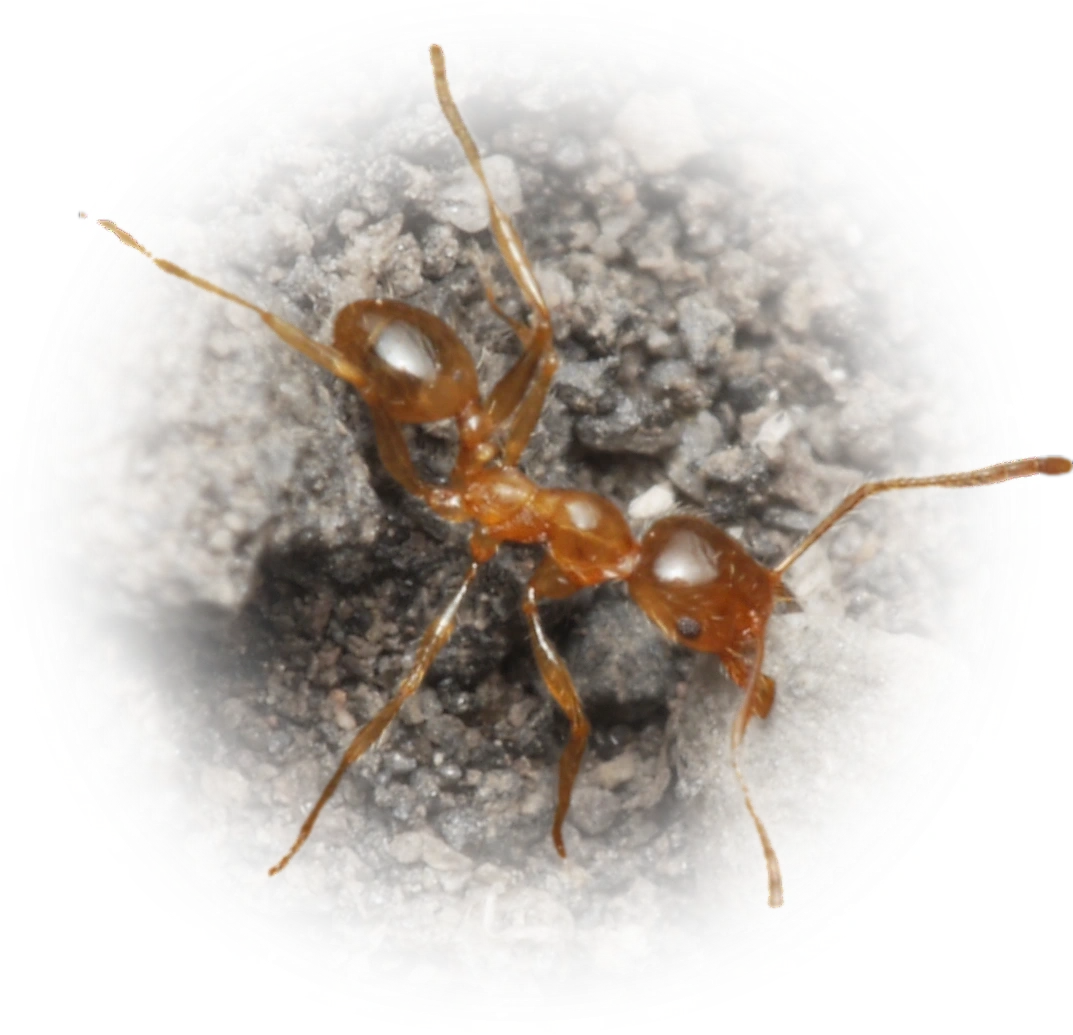
Pheidole pallidula
- Scientific Name
- Pheidole pallidula
- Tribe
- Attini
- Subfamily
- Myrmicinae
- Author
- Nylander, 1849
- Common Name
- Pallid Big-headed Ant
- Distribution
- Found in 12 countries
- Nuptial Flight
- from May to July, peaking in June
AI Identifiable
try →
Pheidole pallidula Overview
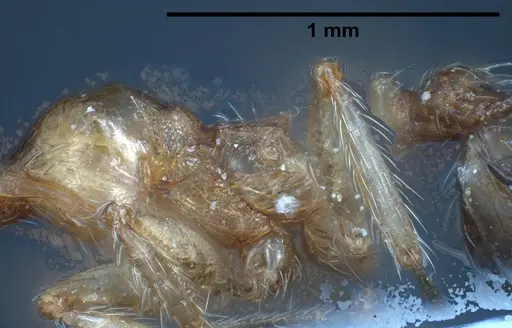
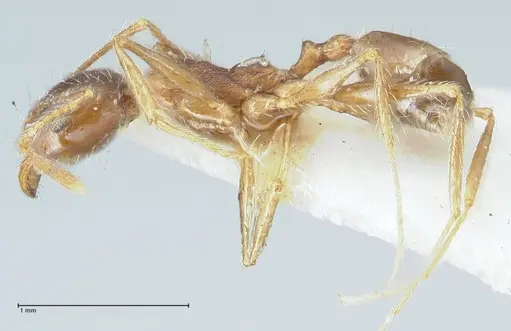
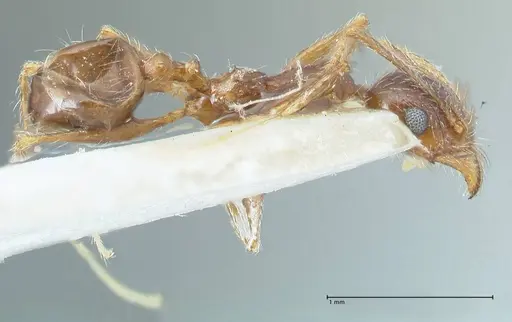
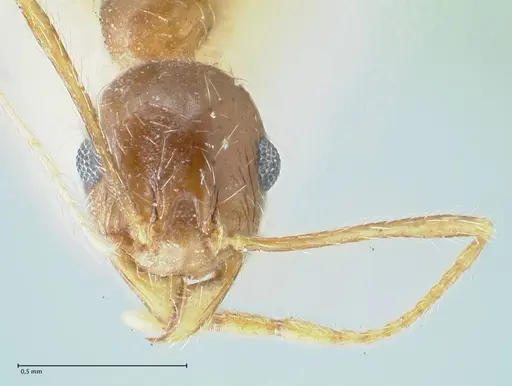
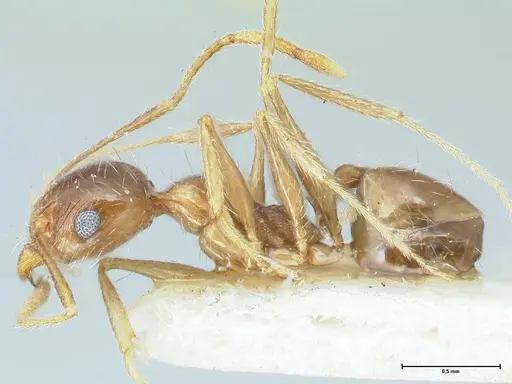
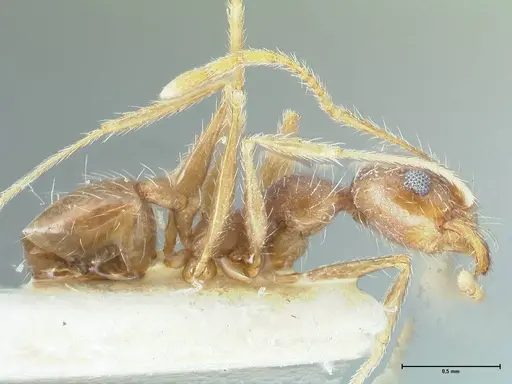
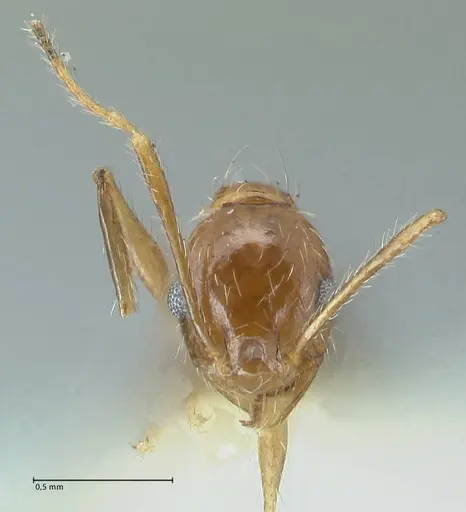
Pheidole pallidula (commonly known as the Pallid Big-headed Ant) is an ant species of the genus Pheidole. It is primarily documented in 12 countries , including Switzerland, Algeria, Spain. Detailed taxonomic data and occurrence records can be further explored via authoritative databases such as AntWeb or the Global Biodiversity Information Facility (GBIF).
The nuptial flight of Pheidole pallidula is a significant biological event, typically occurring from May to July, peaking in June. During this time, winged queens and males leave the nest to mate and establish new colonies.
Pheidole pallidula - "Pallid Big-headed Ant"
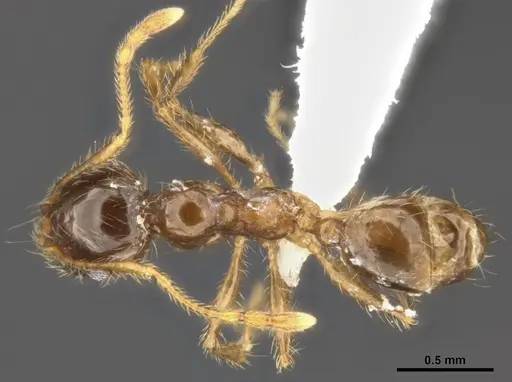
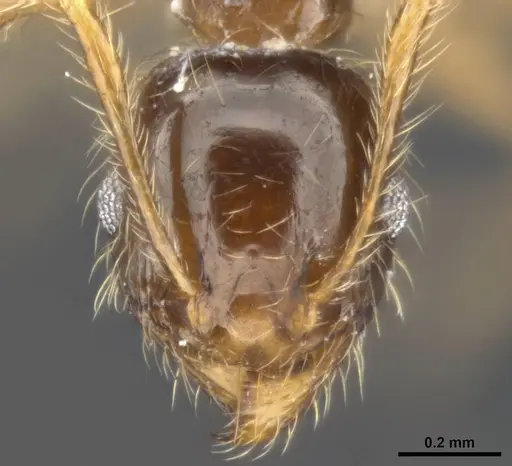
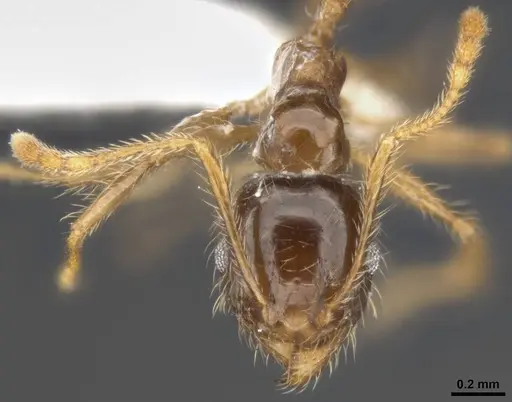
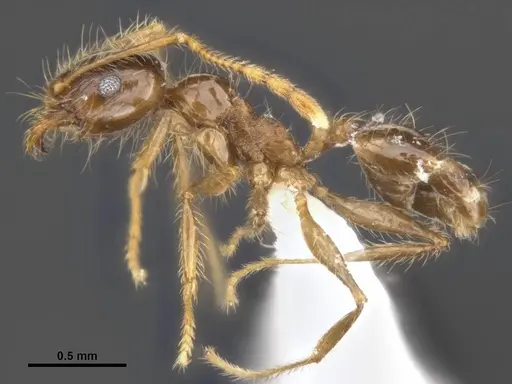
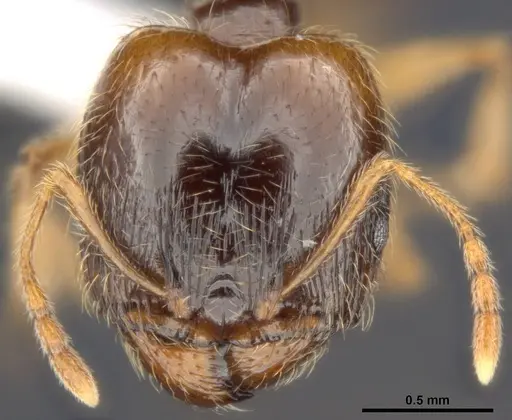
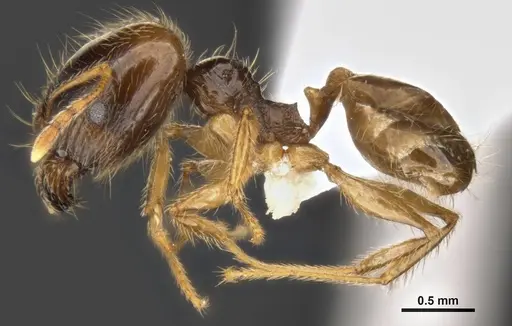
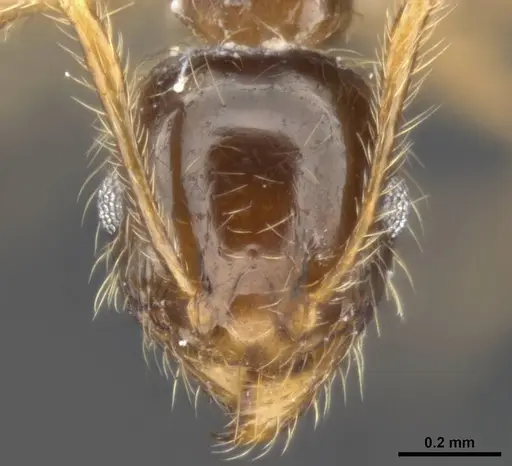
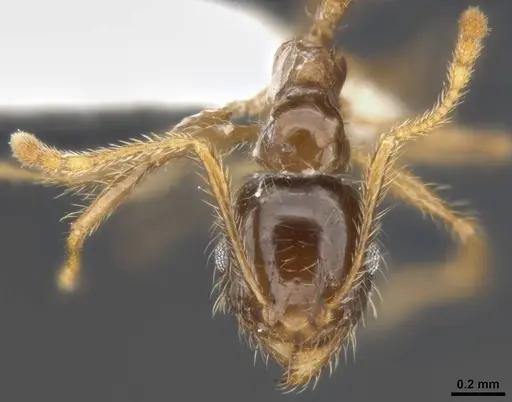
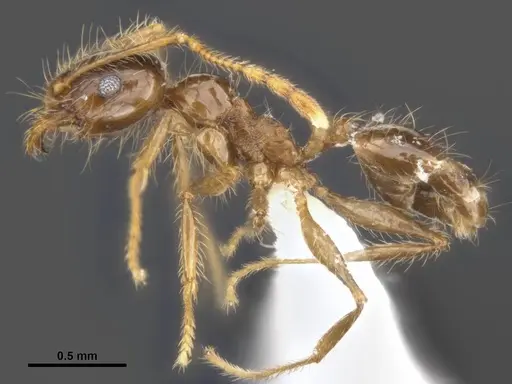
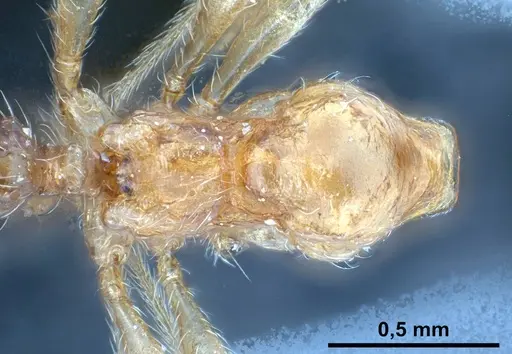
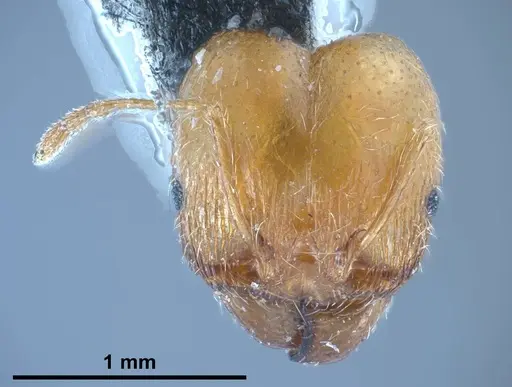
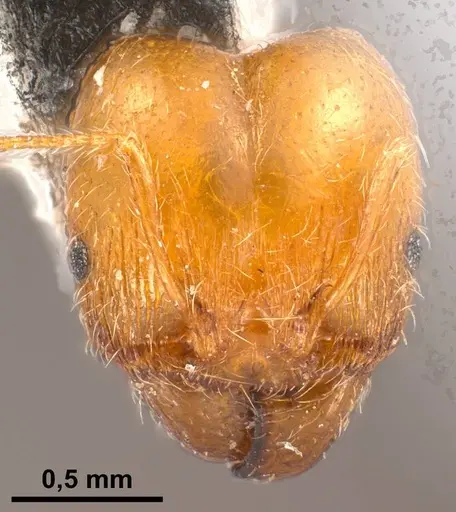
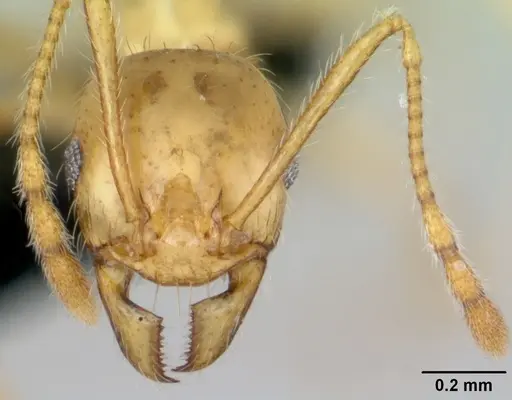
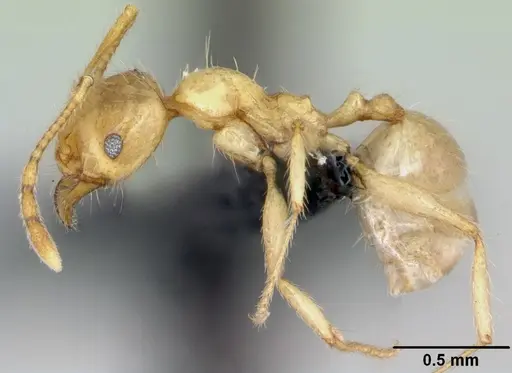
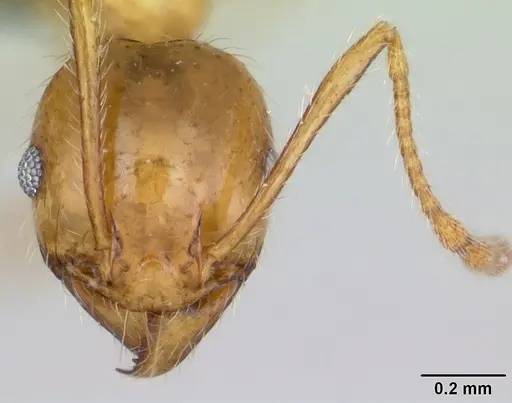
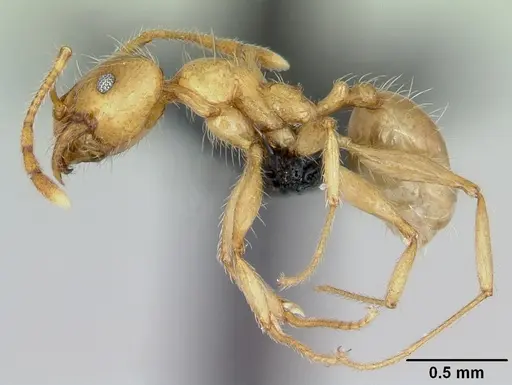
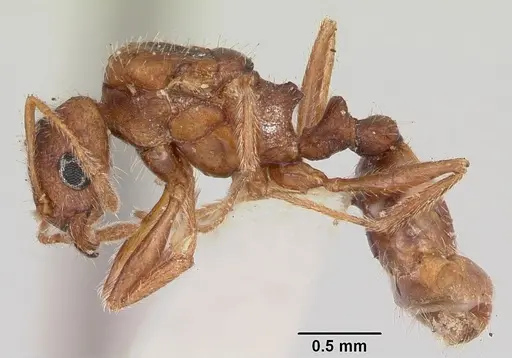
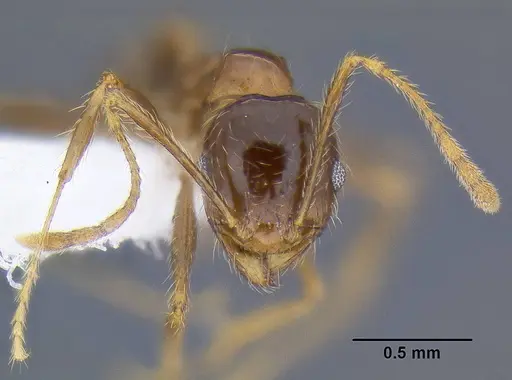
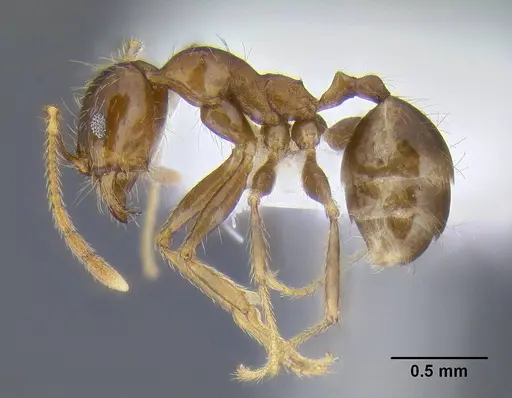
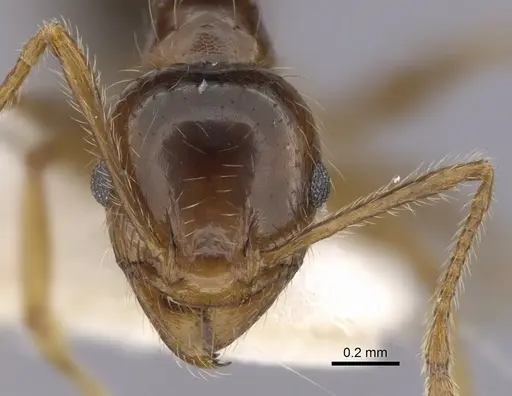
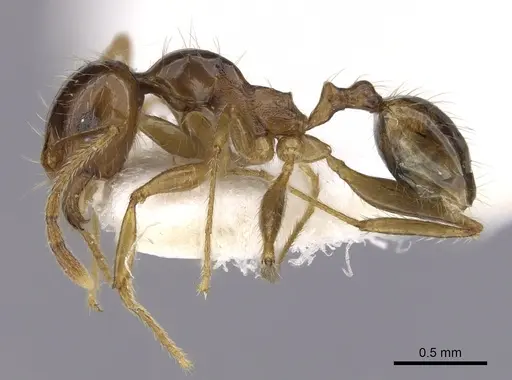
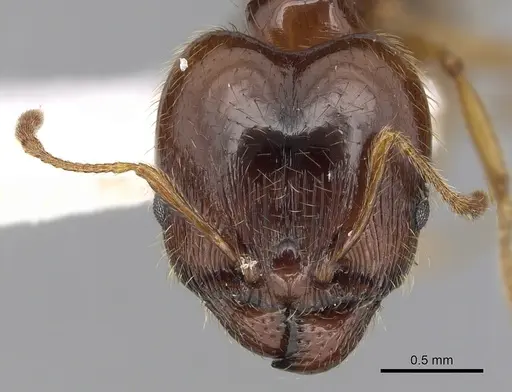
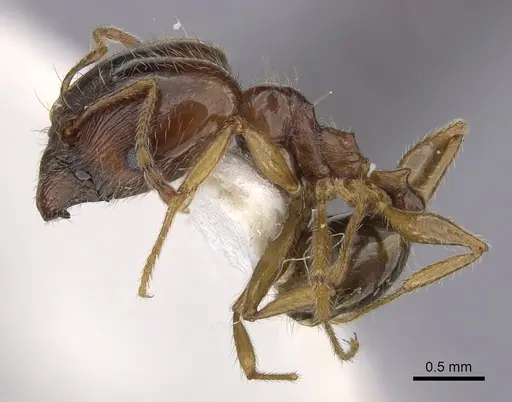
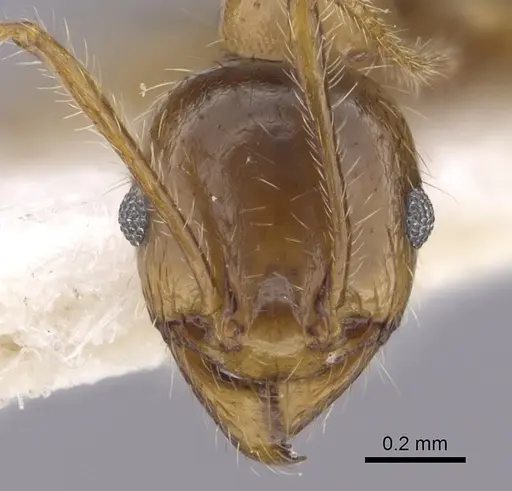
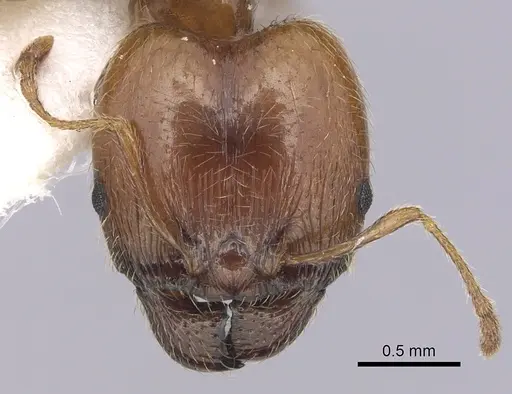
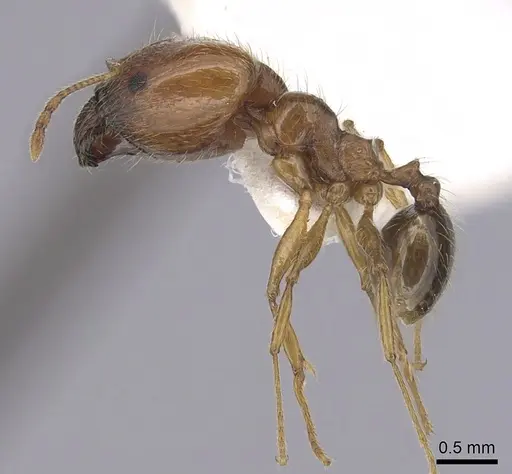
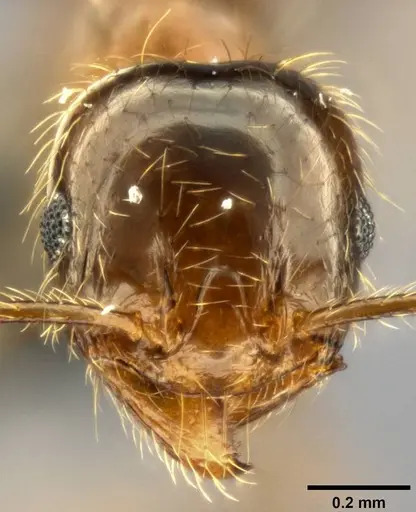
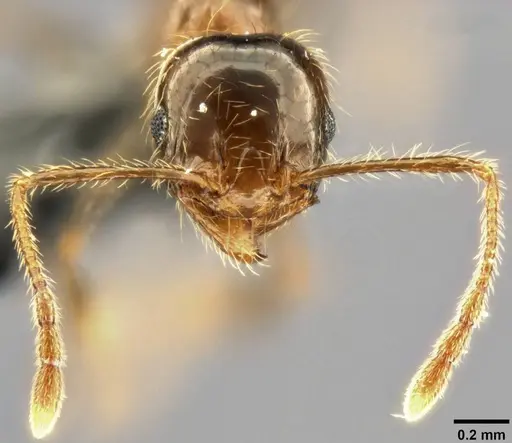
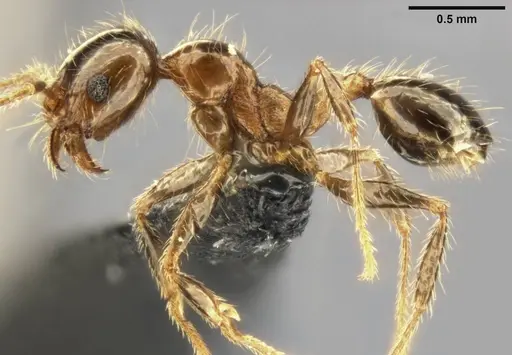
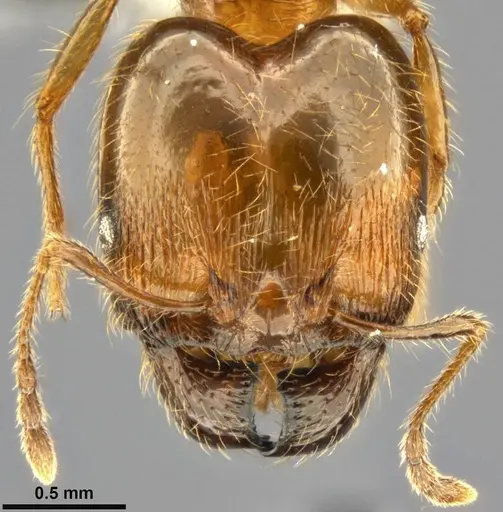
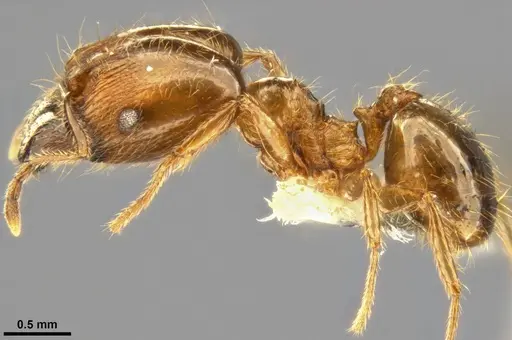
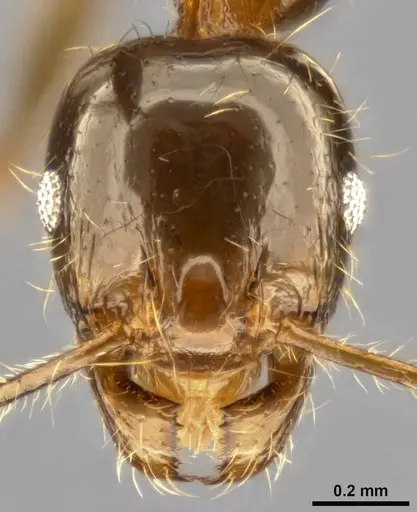
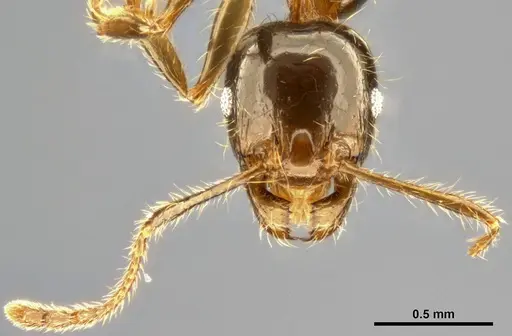
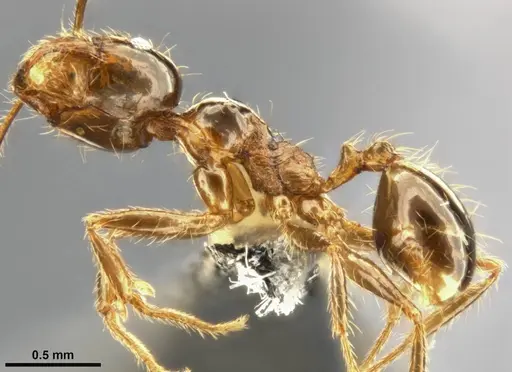
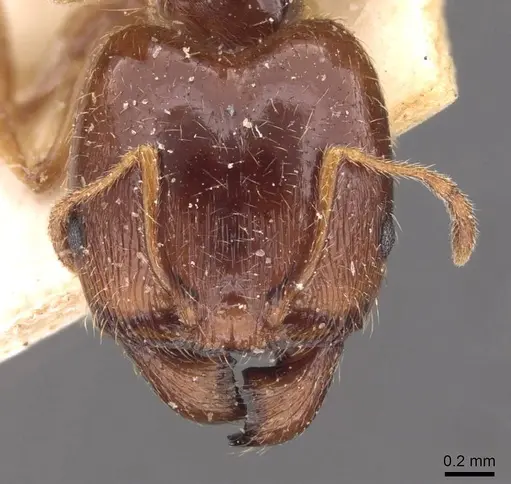
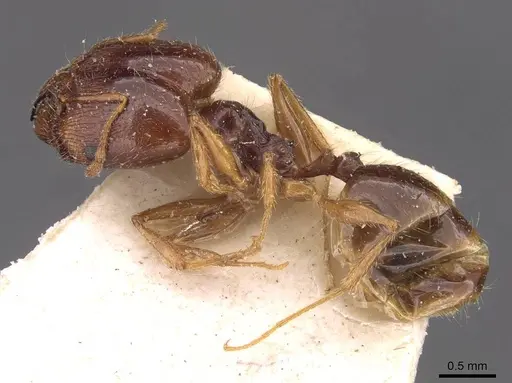
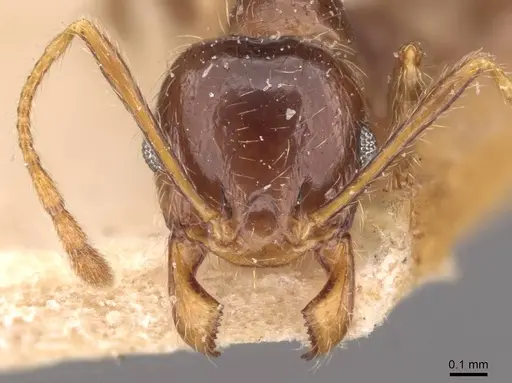
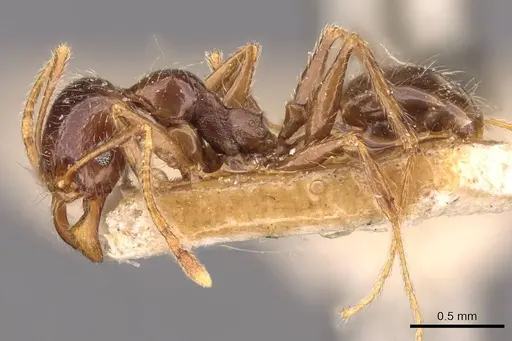
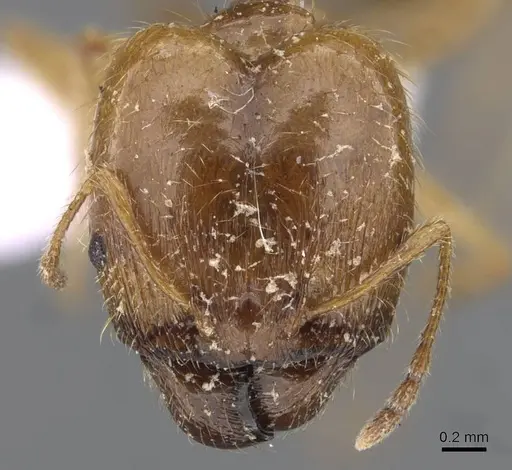
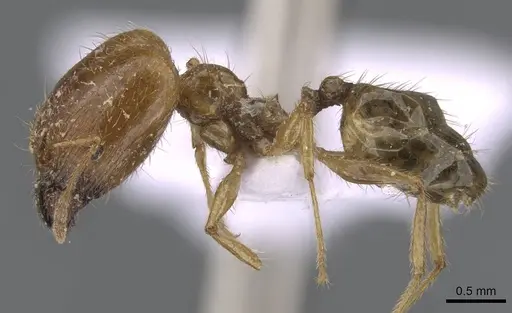
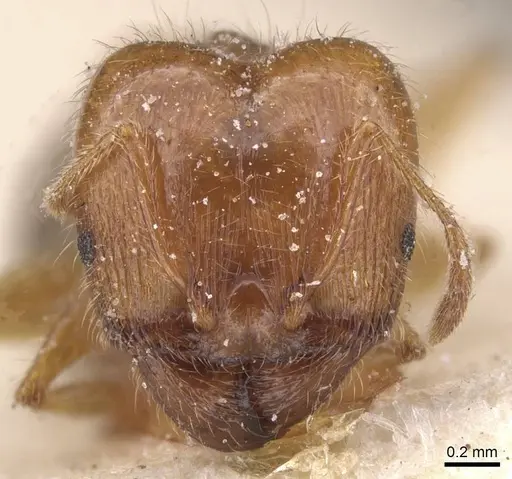
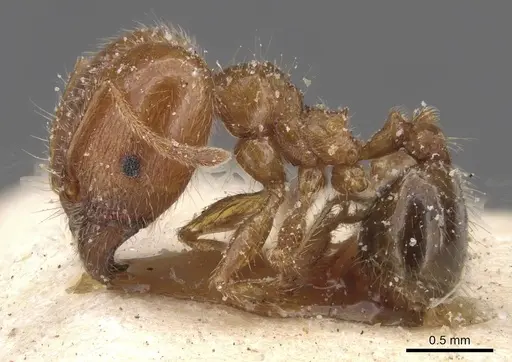
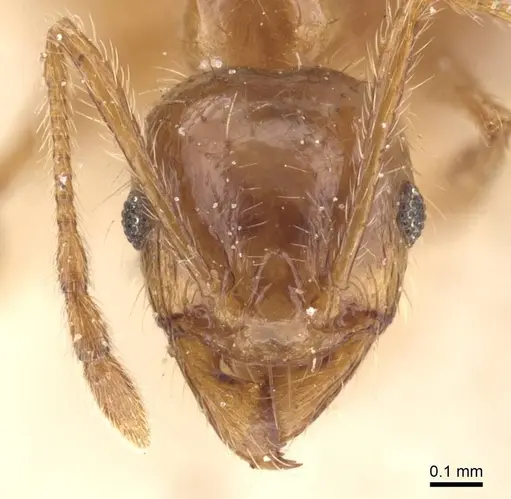
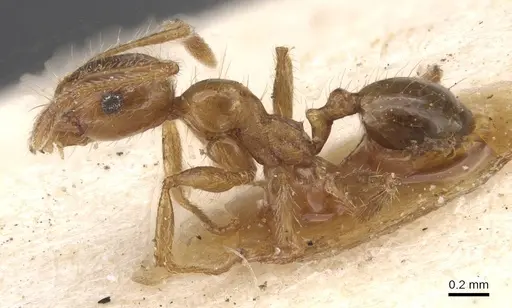
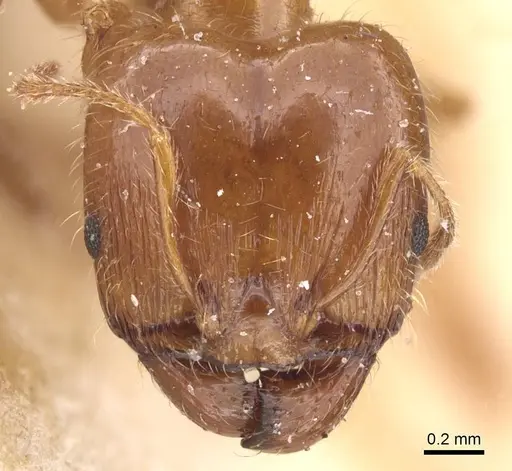
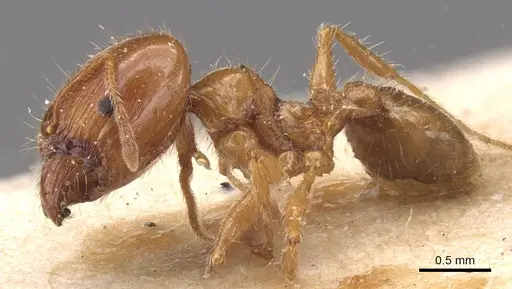
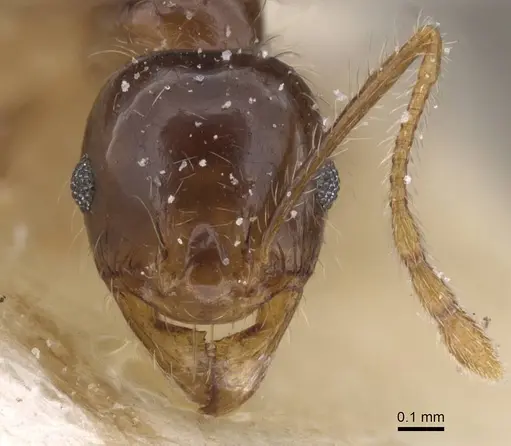
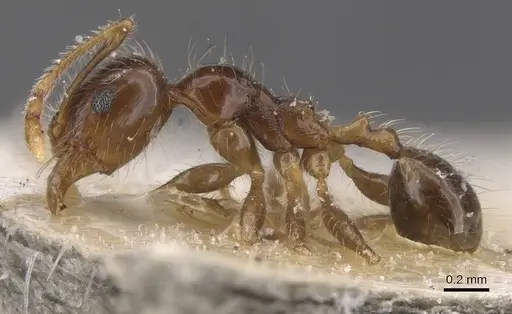
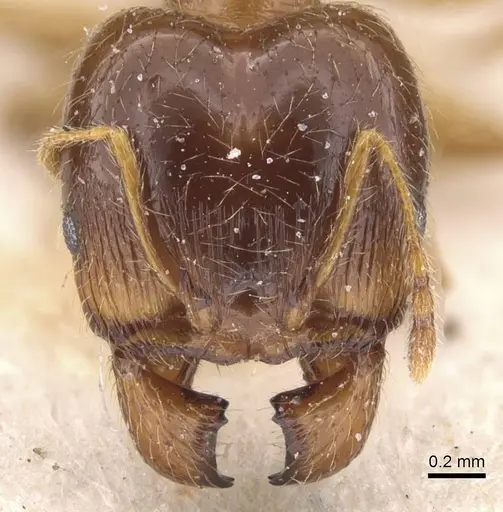
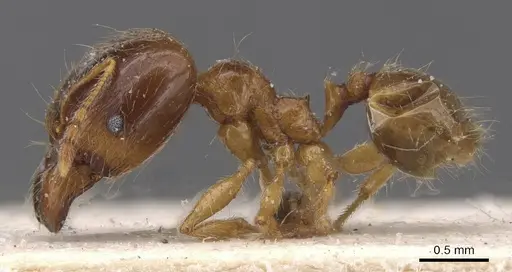
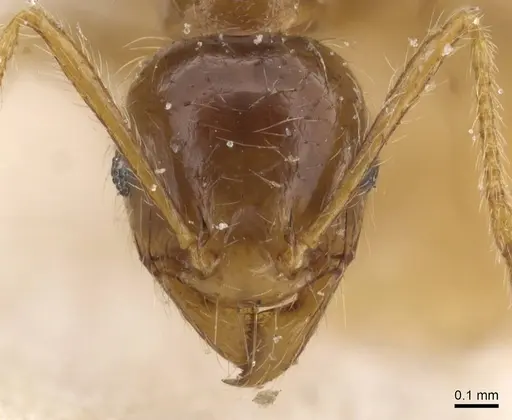
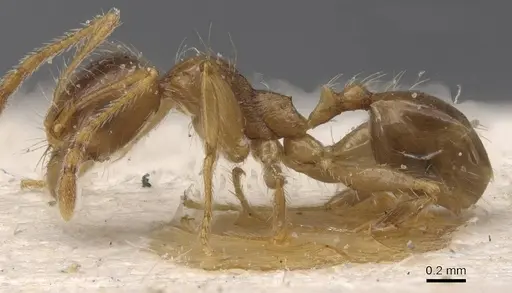
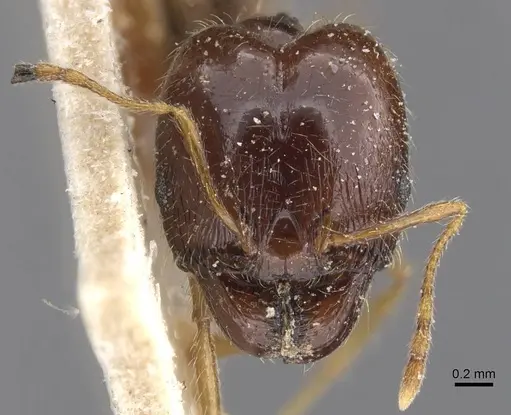
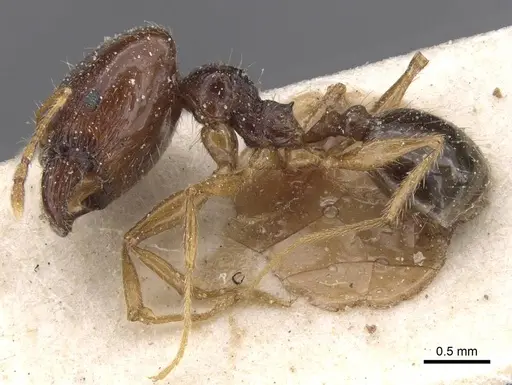
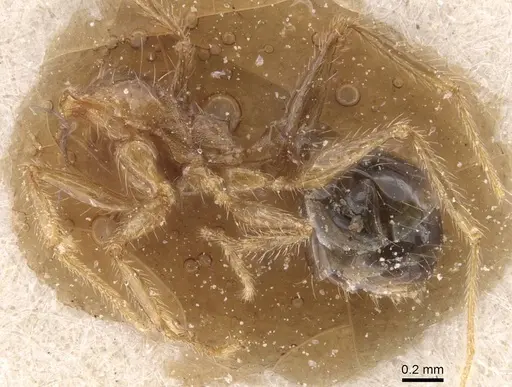
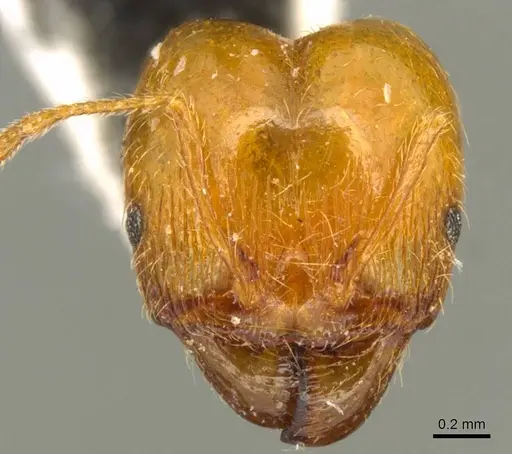
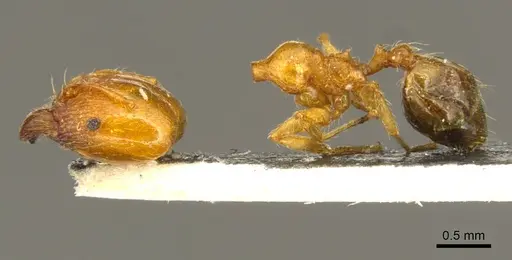
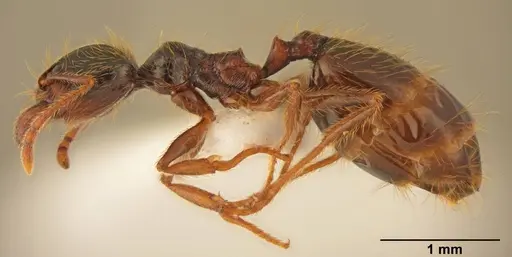
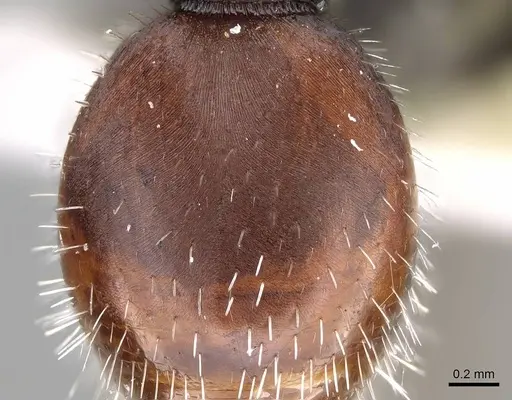
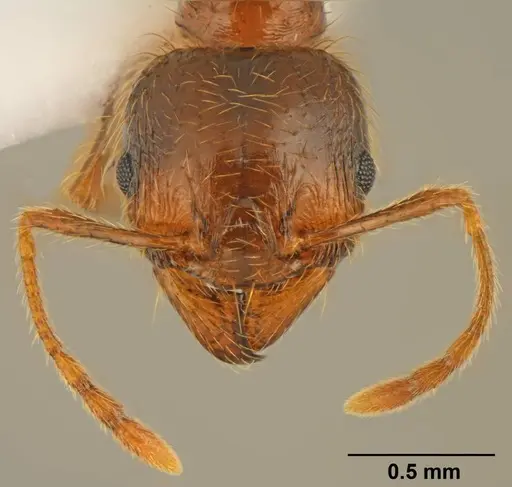
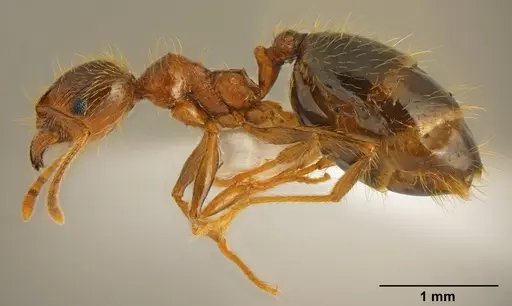
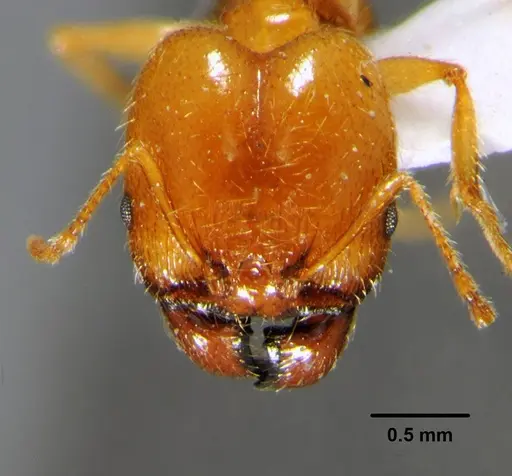
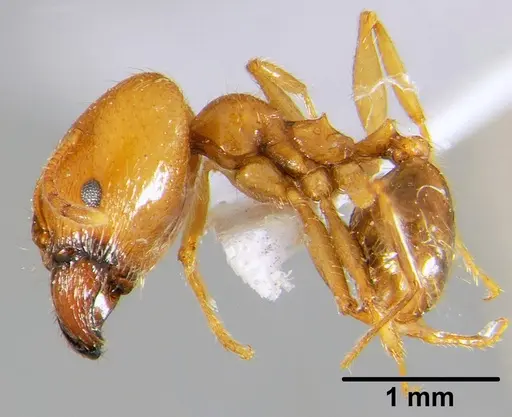
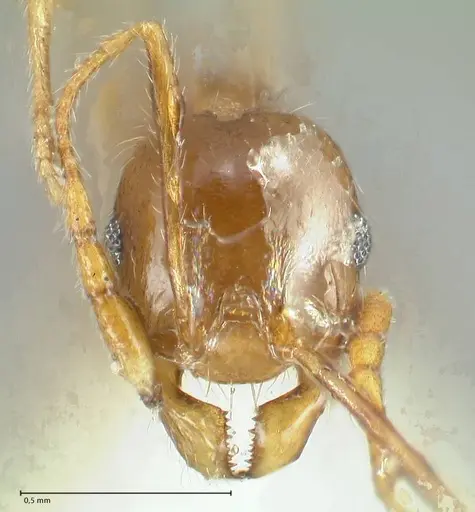
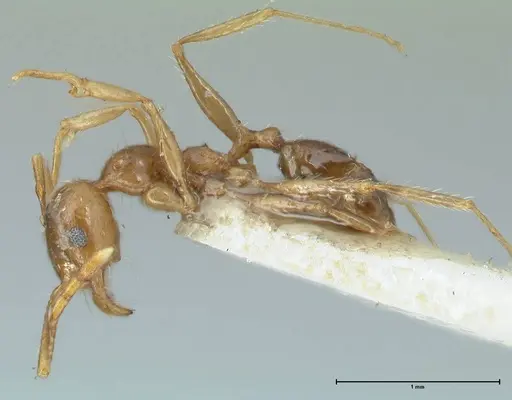
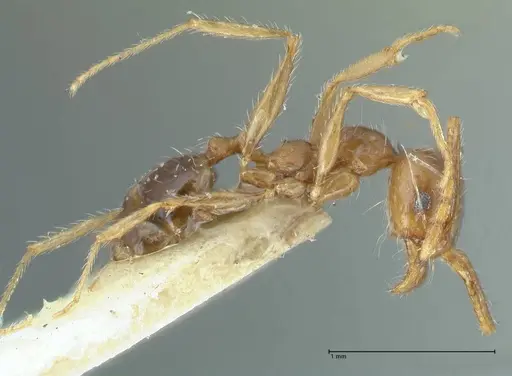
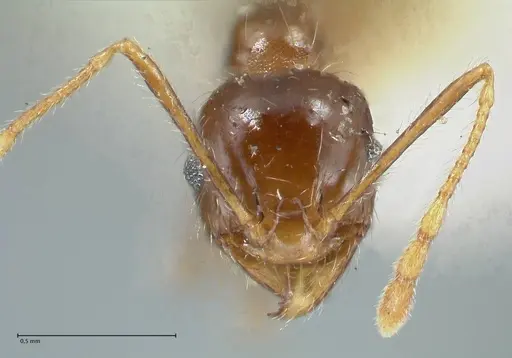
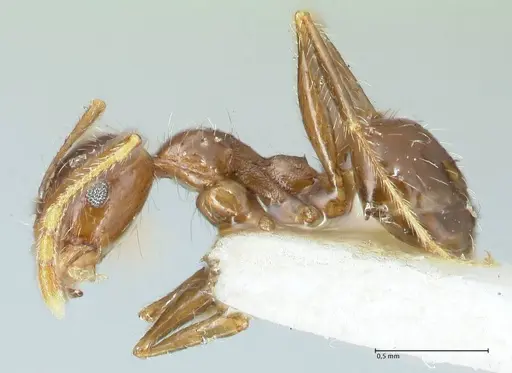
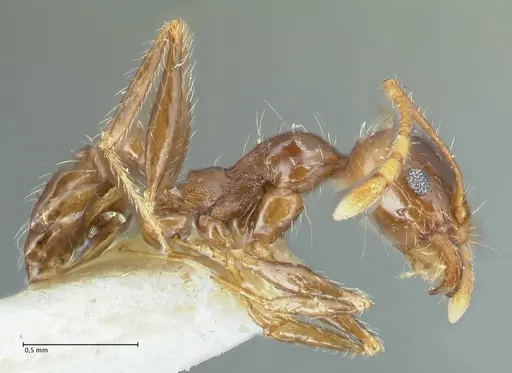
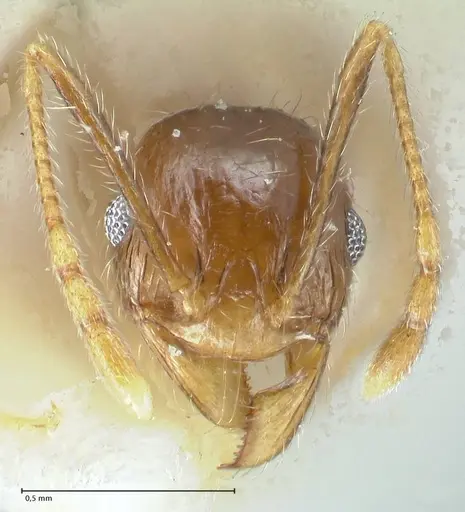
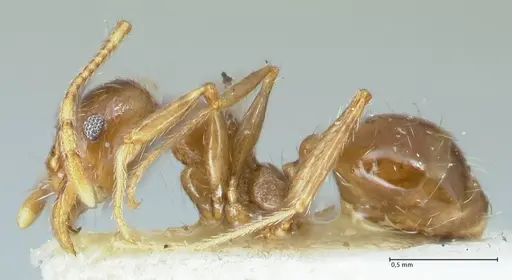
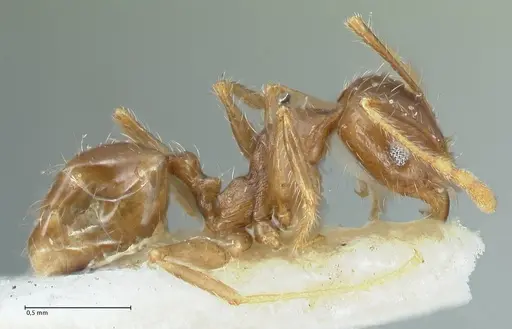
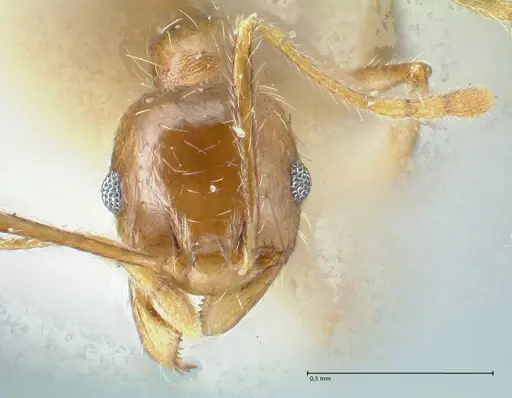
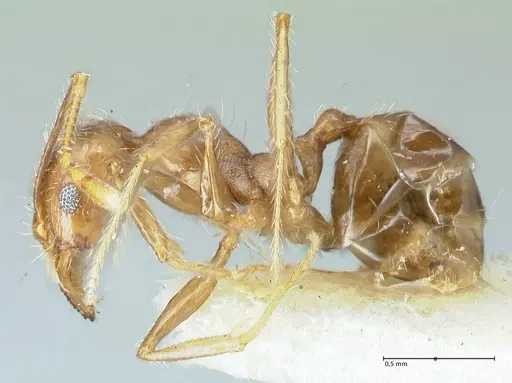
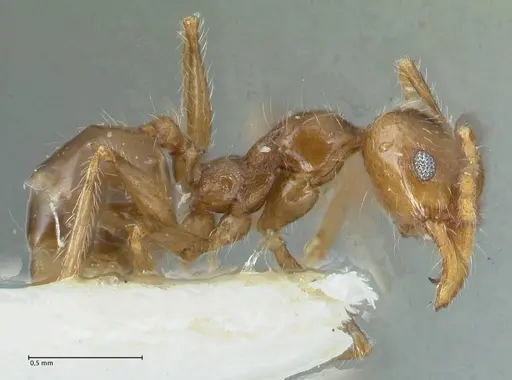
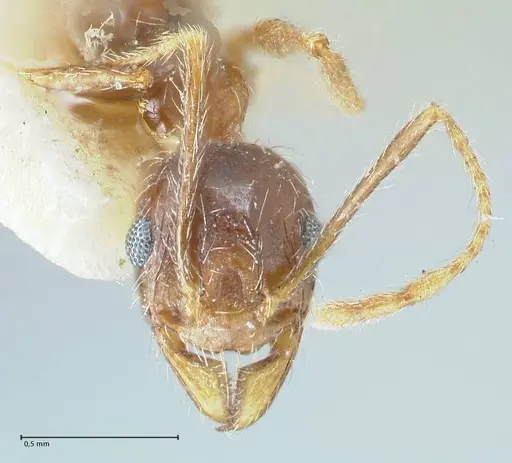
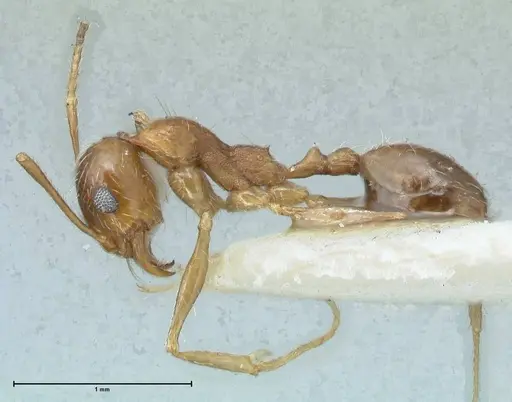
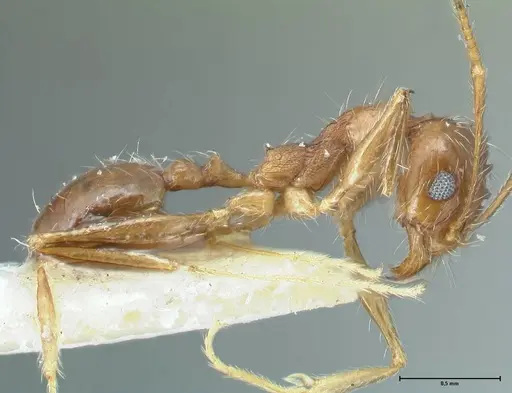
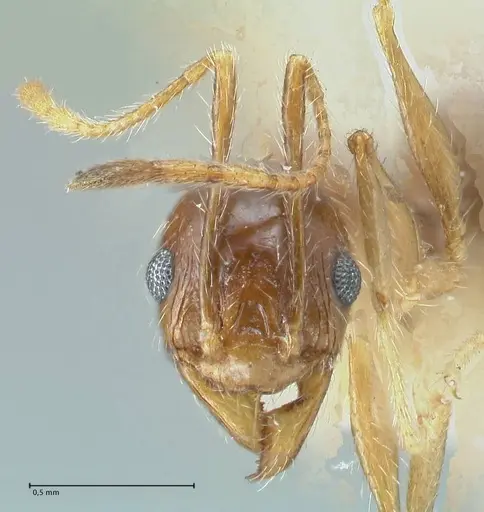
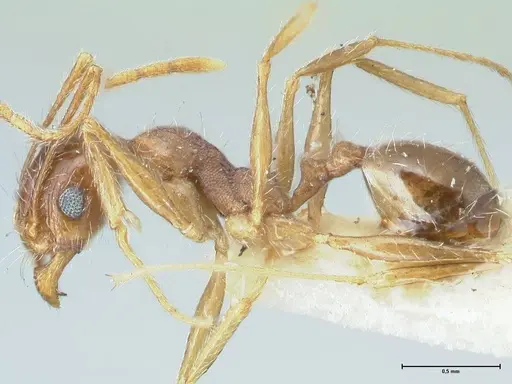
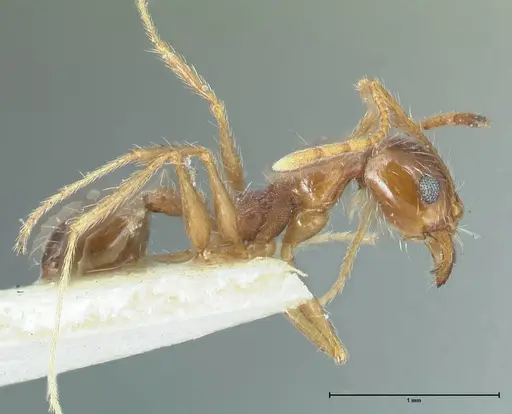
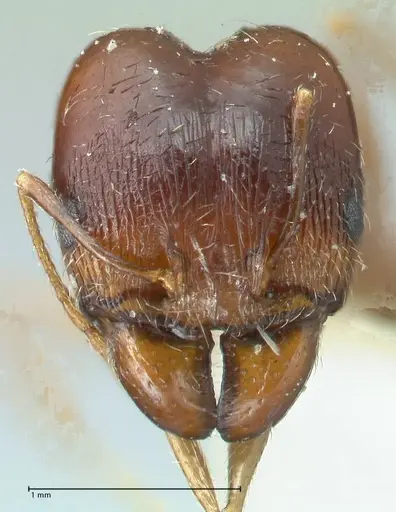
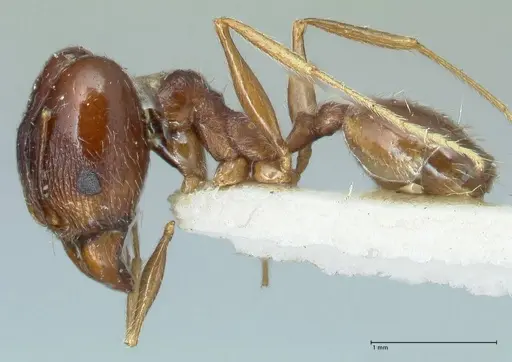
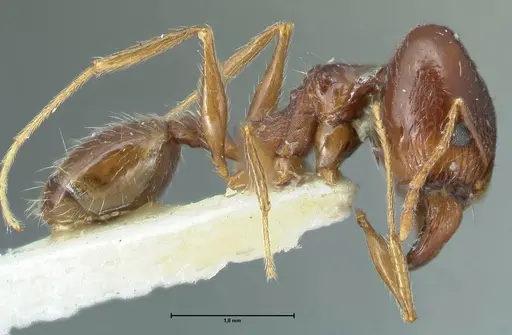
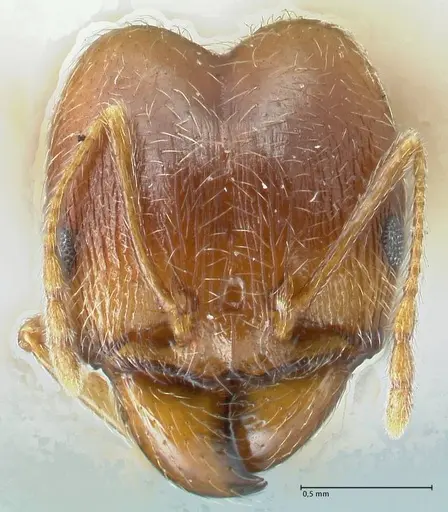
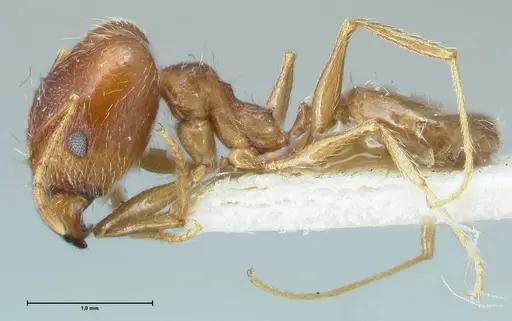
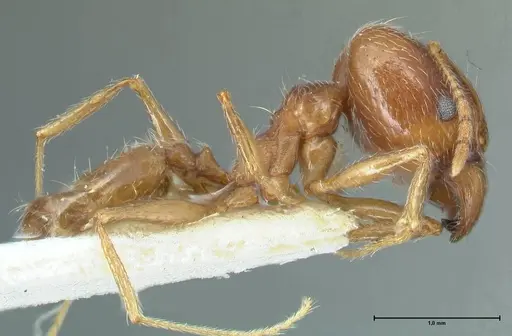
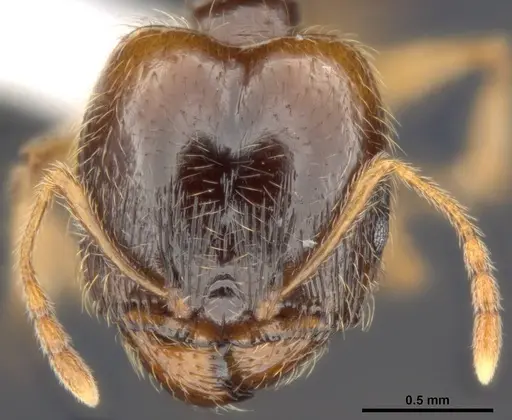
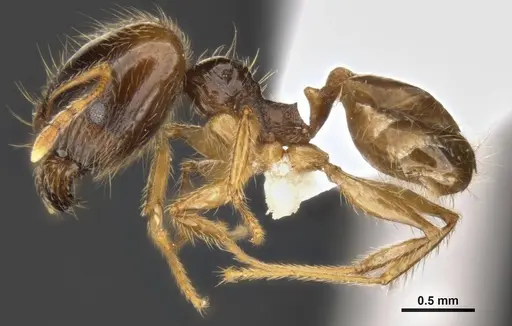
Pheidole pallidula is a dimorphic ant species native to the Mediterranean region, with minor workers measuring 1.6-2.6 mm and major workers (soldiers) reaching 3.3-4.9 mm in body length [1]. It is easily recognized by its strongly polymorphic worker caste and yellowish to light chestnut brown color [2]. Colonies can grow up to 6,000 workers [3]. The species is widespread across Southern Europe, North Africa, and parts of Western Asia [4], thriving in dry, open habitats and disturbed areas. It is notable for its mass recruitment system, efficient seed dispersal role, and complex social structure with both single-queen and multi-queen colonies [5].
Quick Summary
- Difficulty: Easy
- Origin & Habitat: Mediterranean region, widespread across Southern Europe, North Africa, and Western Asia [4]. Prefers dry, open habitats such as grasslands, meadows, roadsides, and rocky areas, often colonizing disturbed landscapes.
- Colony Type: Facultatively polygynous, colonies can have either a single queen (monogyne) or multiple queens (polygyne), with both types occurring in the same populations [5]. Workers are strongly polymorphic with distinct minor and major castes.
- Size & Growth:
- Queen: ~7-8 mm [6]
- Worker: Minor workers: 1.6-2.6 mm, Major workers: 3.3-4.9 mm [1]
- Colony: Up to 6,000 workers [3]
- Growth: Fast
- Development: 4-5 weeks [7] (At 25-27°C, egg stage 7-10 days, larval stage 11-12 days, pupal stage 8-13 days, total 28-33 days. First workers eclose 31-35 days after mating [7].)
- Antkeeping:
- Temperature: Keep at 20-28°C, ideally around 24°C. This species is heat-intolerant and shifts activity to crepuscular and nocturnal periods in hot weather. Critical thermal maximum is around 40°C [1].
- Humidity: Low to moderate. Prefers dry conditions, keep nest substrate moderately dry with a small water reservoir. Avoid overly damp conditions to prevent mold.
- Diapause: Yes, colonies reduce activity in winter. In captivity, a cooling period at 10-15°C for 2-3 months is beneficial [8].
- Nesting: Test tubes work for founding colonies. For established colonies, use Y-tong, plaster, or other standard formicaria with shallow, dry chambers. Provide a humidity gradient.
- Behavior: Aggressive and dominant in Mediterranean communities. Workers use mass recruitment to exploit food sources quickly. Minor workers handle foraging, while majors defend the nest and process large prey. Omnivorous diet includes insects, seeds, and honeydew. Activity is crepuscular/nocturnal in summer to avoid heat. Highly aggressive toward non-nestmates, with aggression correlating with genetic distance [5].
- Common Issues: escape prevention is critical, tiny minor workers can squeeze through gaps, use fine mesh barriers, colonies can become populous quickly, ensure adequate space, heat sensitivity may cause nest abandonment, position heating carefully, aggressive toward other ant species, keep separate, foundress queens are claustral, but founding behavior is unconfirmed
Nuptial Flight Activity Analysis 337 observations
Flight Activity by Hour 337 observations
Pheidole pallidula nuptial flight activity peaks around 20:00 during the evening. Activity is spread across a 24-hour window (00:00–23:00). Times may be influenced by human observation patterns.
Housing and Setup
Pheidole pallidula is easy to house in captivity. For founding, use a test tube with water reservoir, queens seal themselves in and raise first workers alone. Once colonies reach 20-30 workers, transfer to a small formicarium. Any standard nest type works, but prefer shallow chambers. Escape prevention is essential due to tiny workers, use tight-fitting lids and fine mesh. A small outworld suffices for foraging. Maintain moderate humidity with a dry area. [3][6]
Feeding and Diet
Omnivorous: feed protein (small insects like fruit flies or mealworms) 2-3 times per week, and constant sugar sources (honey water, diluted jam). They use mass recruitment to exploit food. Major workers help process large prey. Remove uneaten food to prevent mold. They may attend aphids for honeydew.
Temperature and Seasonal Care
Keep at 20-28°C, ideally 24°C. Heat-intolerant, shift activity to cooler periods in summer. Peak activity in late summer. Winter diapause at 10-15°C for 2-3 months is beneficial but not required. Avoid direct heating mats. [1][8]
Colony Structure and Castes
Dimorphic worker caste: minors (1.6-2.6 mm) forage and care for brood, majors (3.3-4.9 mm) defend and process prey. Caste ratio ~89% minors to 11% majors. Soldiers develop from larvae fed protein-rich food early. Colonies can be monogyne or polygyne. [2][7][5]
Behavior and Defense
Dominant species using mass recruitment and aggression. Lack a functional sting, defense relies on major worker bites. Workers are crepuscular/nocturnal in summer. Aggression toward non-nestmates increases with genetic distance. [5]
Reproduction and Nuptial Flights
Nuptial flights in July-August. Queens found colonies claustrally, raising first workers alone. Sex allocation varies: monogyne colonies produce more males, polygyne more females. [7]
Ecological Role
Predator of small insects and seed disperser for plants like Euphorbia species. Attends aphids for honeydew. Can be a pest in citrus orchards by protecting scale insects.
Frequently Asked Questions
How long does it take for Pheidole pallidula to produce first workers?
At 25-27°C, first workers appear 31-35 days after queen begins founding. Development: egg 7-10 days, larva 11-12 days, pupa 8-13 days [7].
Can I keep multiple queens together?
This species is facultatively polygynous, but introducing unrelated queens to an established colony may cause aggression. Try combining foundress queens before egg-laying with multiple chambers [5].
What do I feed them?
Omnivorous: protein insects 2-3 times per week, constant sugar sources. They accept seeds and may tend aphids.
Are they good for beginners?
Yes, they are hardy and adaptable. Main challenges are escape prevention and providing protein for soldiers [3].
How big do colonies get?
Up to 6,000 workers in the wild [3]. In captivity, mature colonies reach several thousand workers over years.
Do they need hibernation?
In native climates, activity reduces in winter. A cooling period at 10-15°C for 2-3 months is beneficial but not required [8].
Why are soldiers dying?
Soldiers have shorter lifespans, some mortality is normal. Check for stress, disease (e.g., Myrmicinosporidium durum), poor nutrition, or excessive heat [9].
What's the difference between minor and major workers?
Minors (1.6-2.6 mm) forage and handle most tasks, majors (3.3-4.9 mm) defend and process large prey. Both work together.
Report an Issue
The current care sheet is based fully on literature. See inconsistencies, or something that's incorrect? Please , it will be resolved after review from an admin. Contributing to the blogs tab also helps providing information, to make us be able to further improve the caresheets. Thank you for your support!
References

This caresheet is licensed under CC BY-SA 4.0 .
ANTWEB1008081
View on AntWeb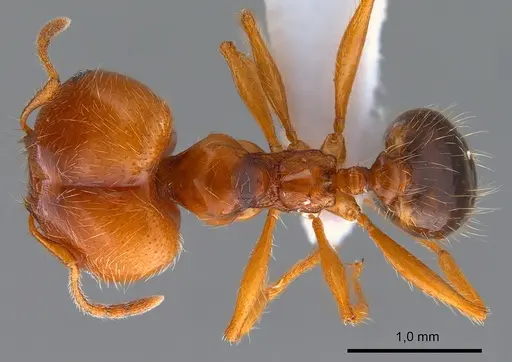
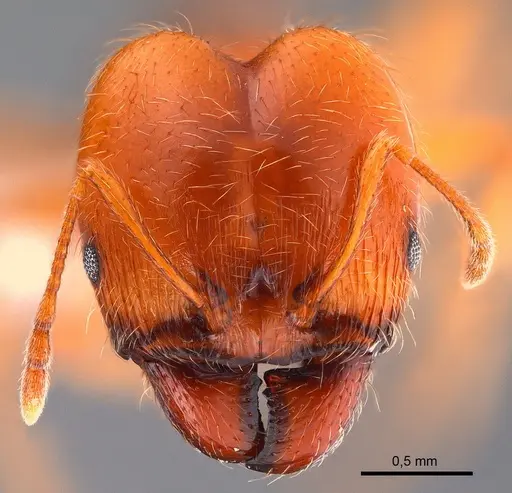
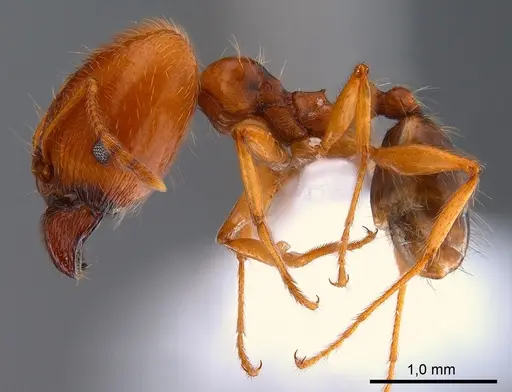
ANTWEB1008107
View on AntWeb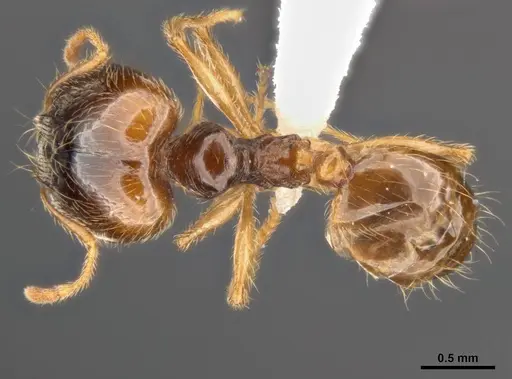
ANTWEB1008108
View on AntWeb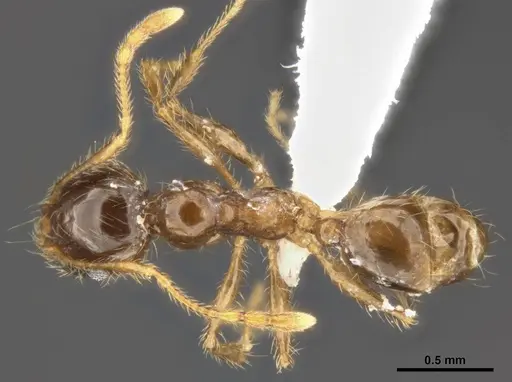
ANTWEB1038029
View on AntWeb
CASENT0080858
View on AntWeb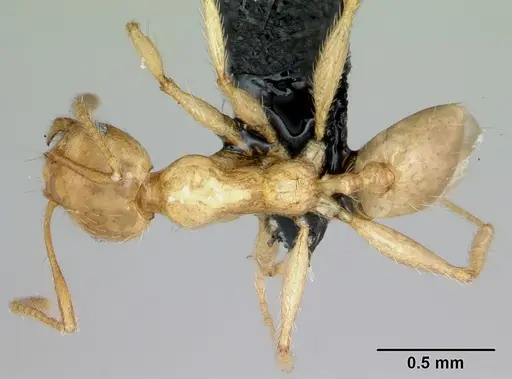
CASENT0080859
View on AntWeb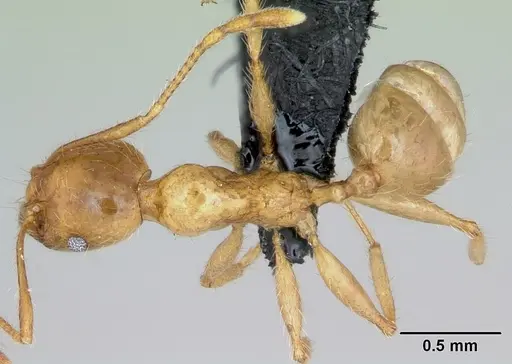
CASENT0080860
View on AntWeb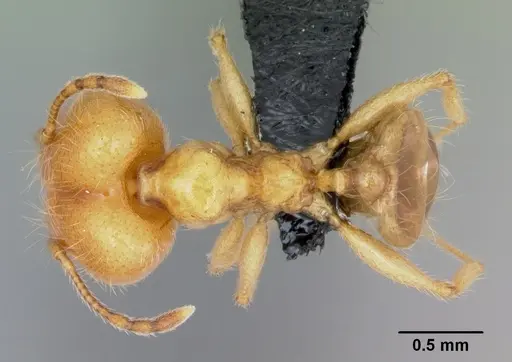
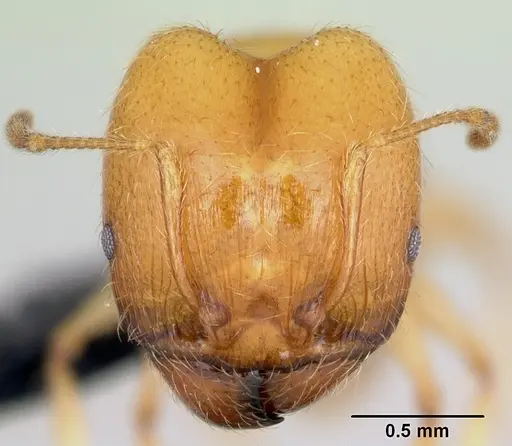
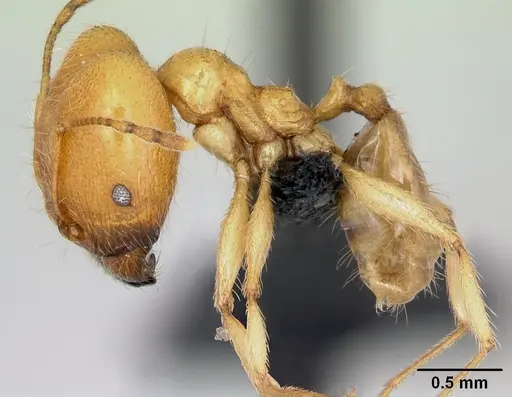
CASENT0103144
View on AntWeb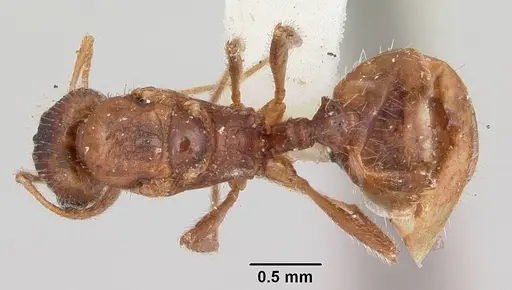
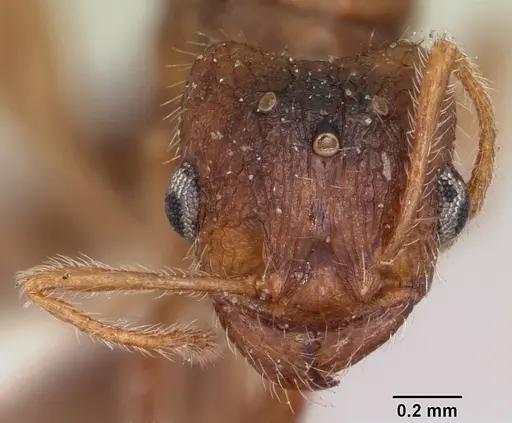
CASENT0106290
View on AntWeb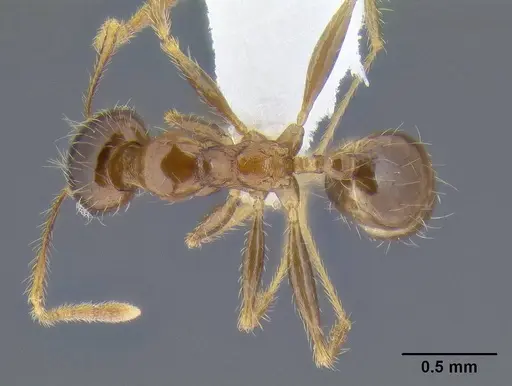
CASENT0249410
View on AntWeb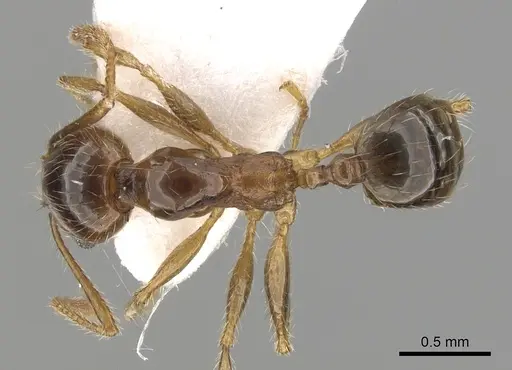
CASENT0249411
View on AntWeb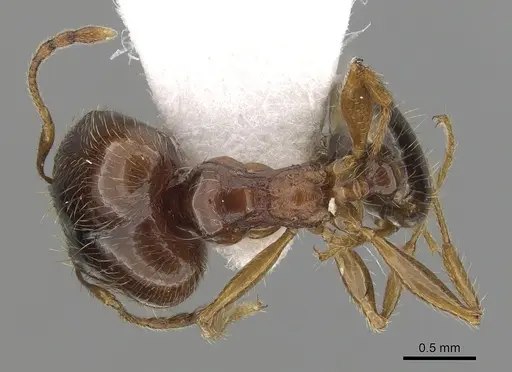
CASENT0249415
View on AntWeb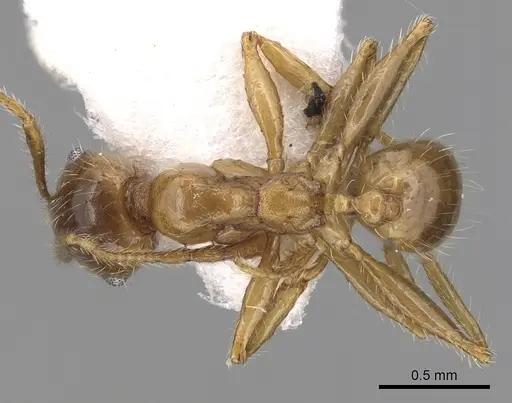
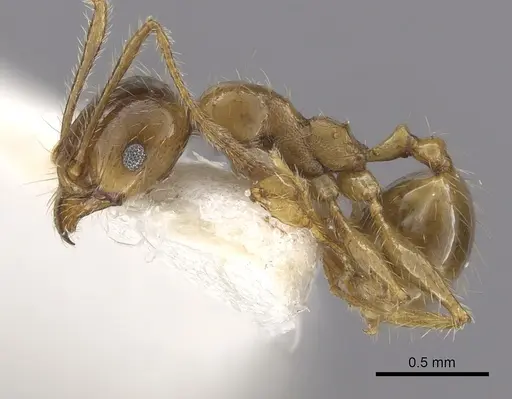
CASENT0249421
View on AntWeb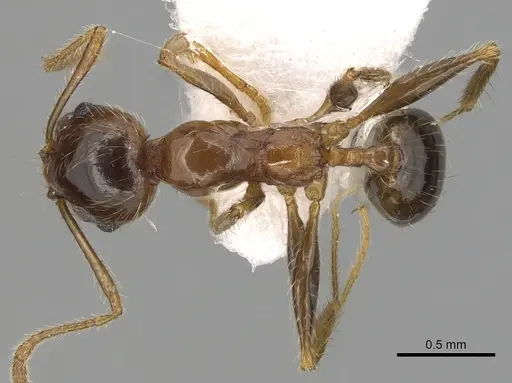
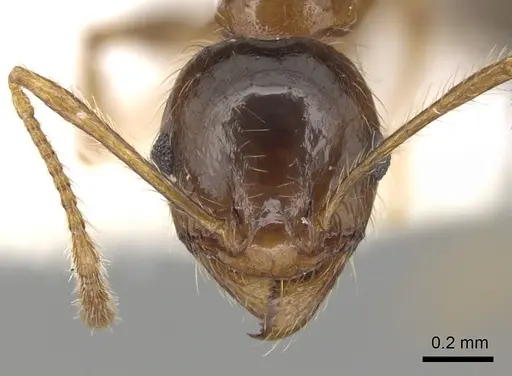
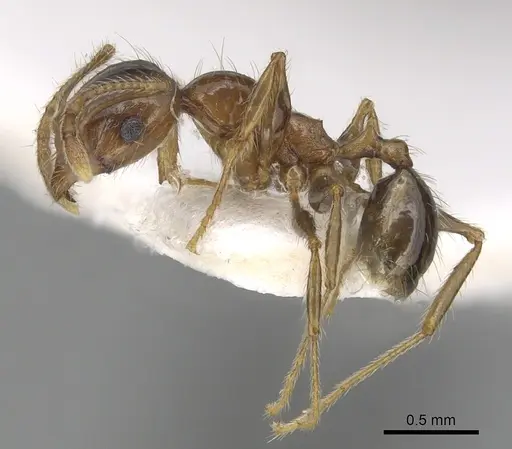
CASENT0249422
View on AntWeb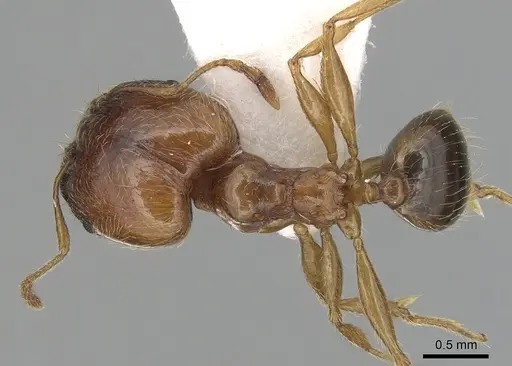
CASENT0282688
View on AntWeb
CASENT0283442
View on AntWeb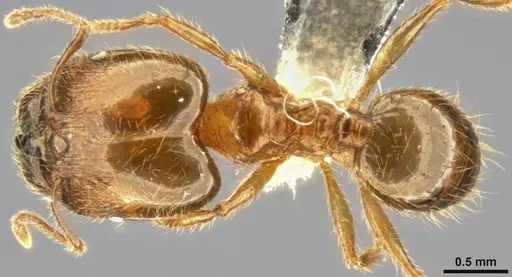
CASENT0283480
View on AntWeb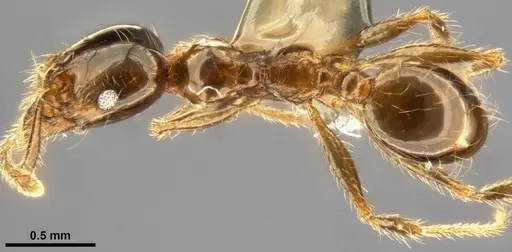
CASENT0907789
View on AntWeb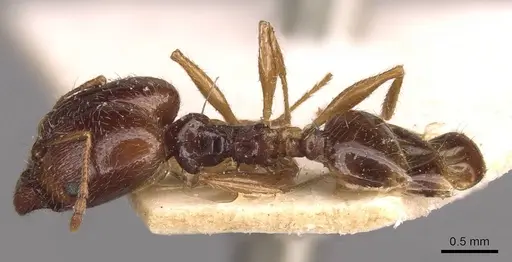
CASENT0907790
View on AntWeb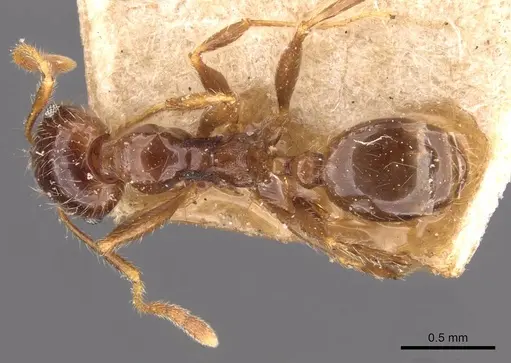
CASENT0910224
View on AntWeb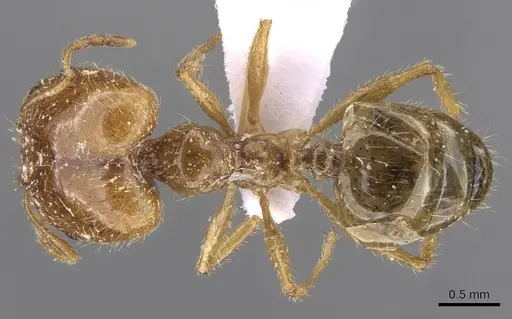
CASENT0913384
View on AntWeb
CASENT0913385
View on AntWeb
CASENT0913386
View on AntWeb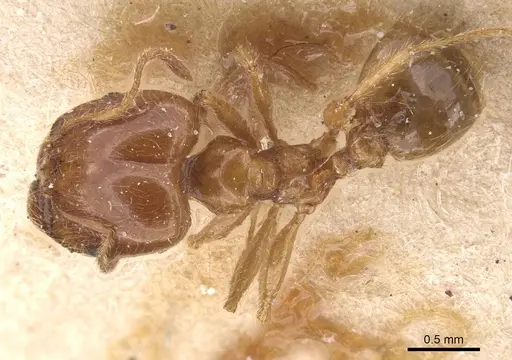
CASENT0913387
View on AntWeb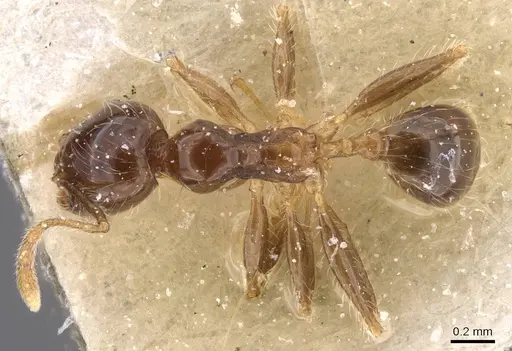
CASENT0913388
View on AntWeb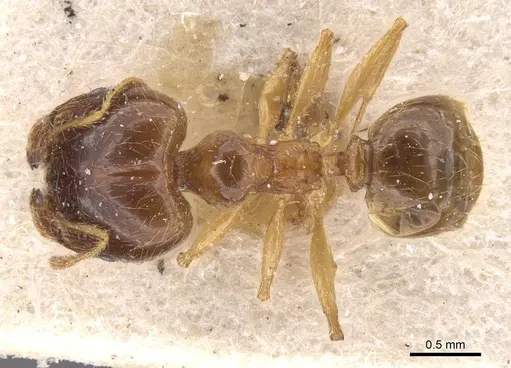
CASENT0913389
View on AntWeb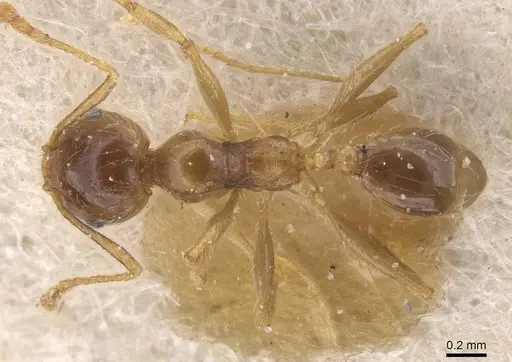
CASENT0913390
View on AntWeb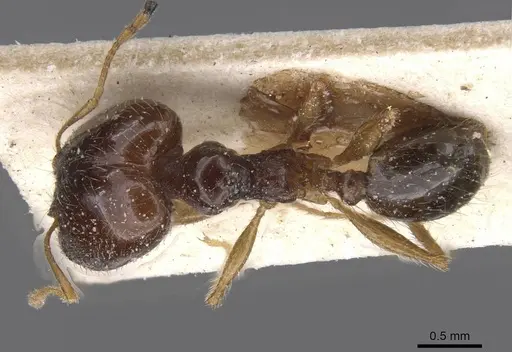
CASENT0913391
View on AntWeb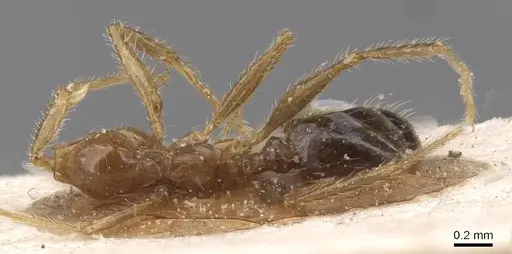
CASENT0916045
View on AntWeb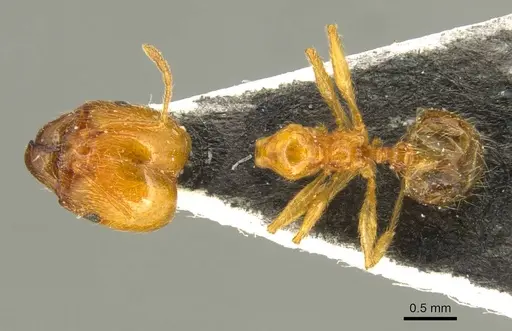
CASENT0922064
View on AntWeb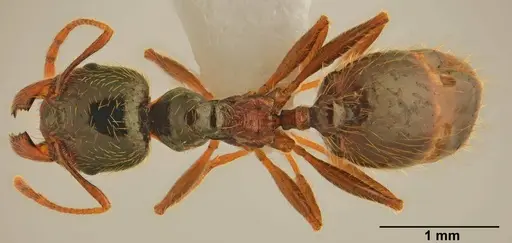
CASENT0922065
View on AntWeb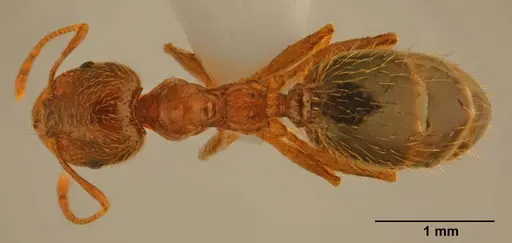
CFH000030
View on AntWeb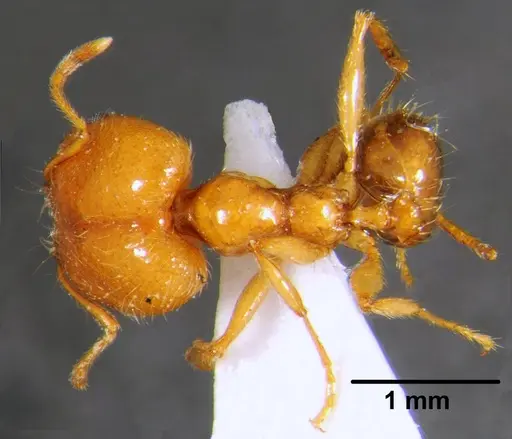
FOCOL1289
View on AntWeb
FOCOL1290
View on AntWeb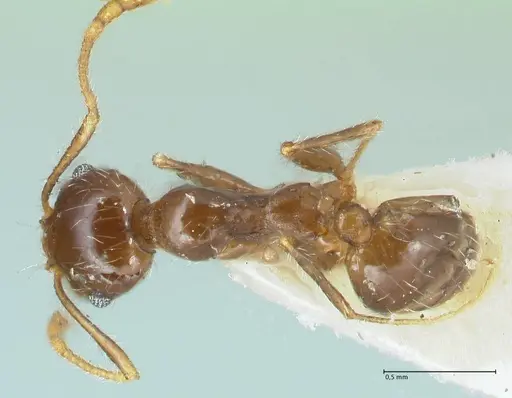
FOCOL1291
View on AntWeb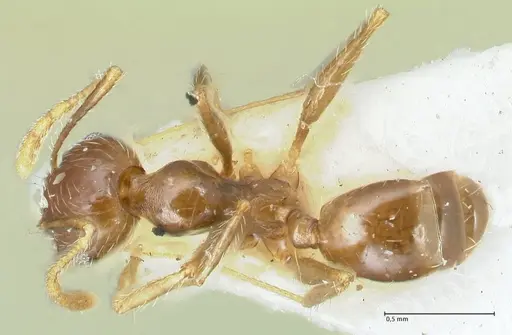
FOCOL1292
View on AntWeb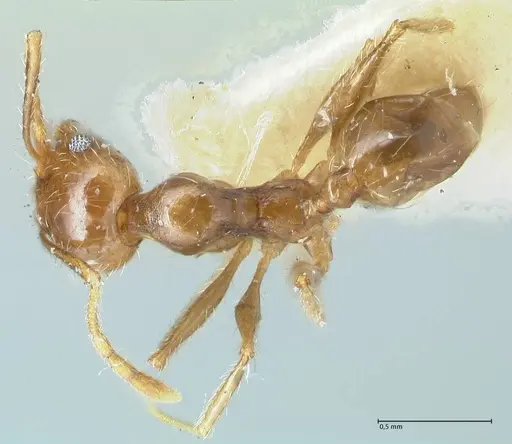
FOCOL1294
View on AntWeb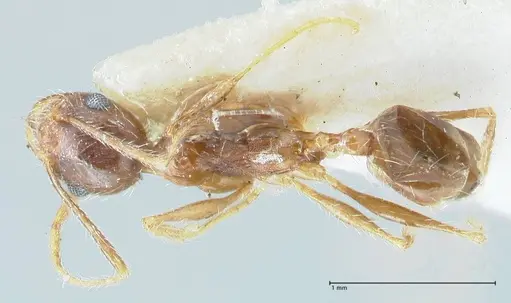
FOCOL1295
View on AntWeb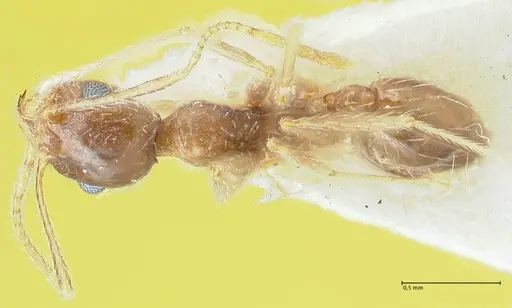
FOCOL1296
View on AntWeb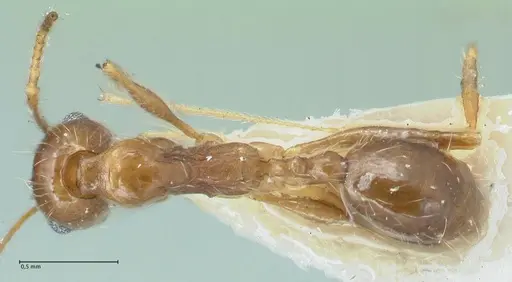
FOCOL1297
View on AntWeb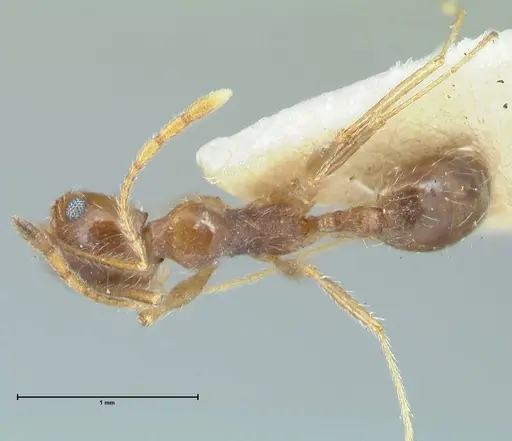
FOCOL1298
View on AntWeb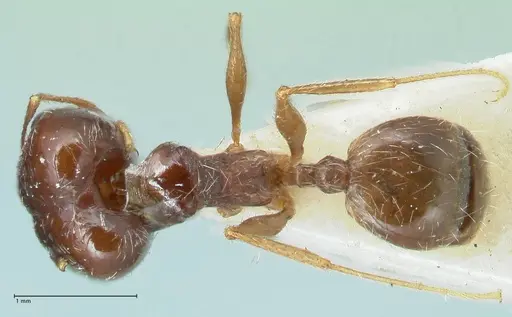
FOCOL1299
View on AntWeb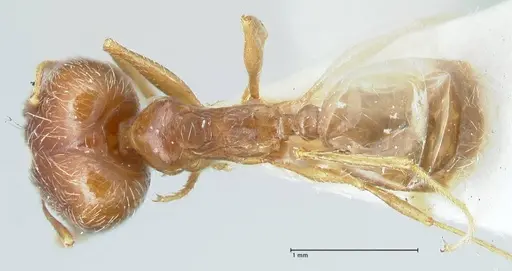
MCZ-ENT00511504-01
View on AntWeb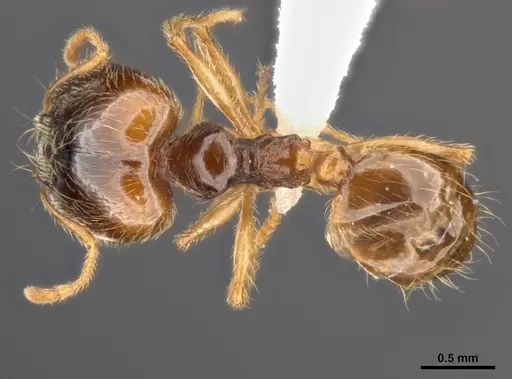
MCZ-ENT00511504-02
View on AntWeb