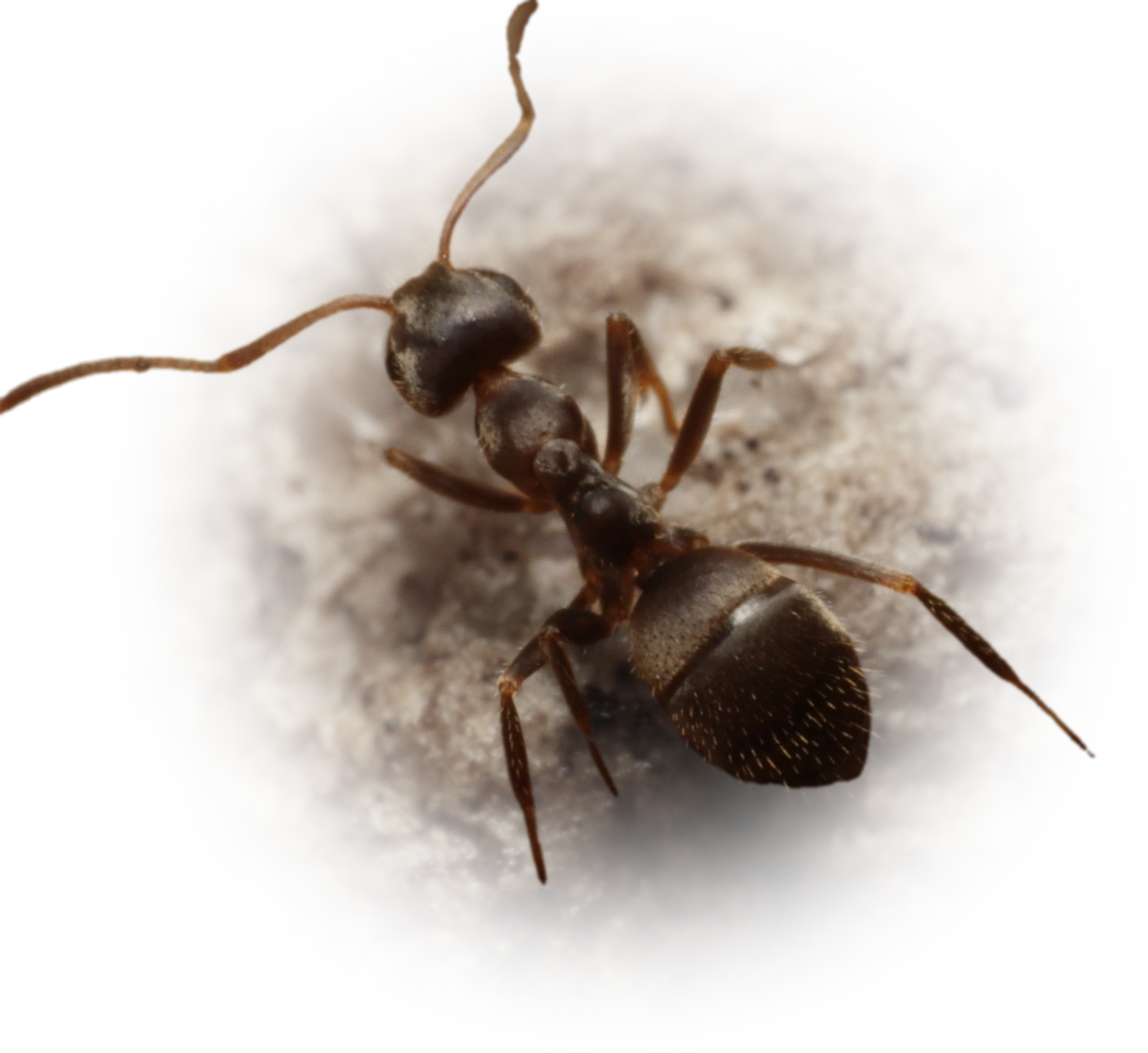

Lasius cinereus
- Scientific Name
- Lasius cinereus
- Tribe
- Lasiini
- Subfamily
- Formicinae
- Author
- Seifert, 1992
- Distribution
- Found in 3 countries
Lasius cinereus Overview
Lasius cinereus is an ant species of the genus Lasius. It is primarily documented in 3 countries , including Cyprus, Spain, France. Detailed taxonomic data and occurrence records can be further explored via authoritative databases such as AntWeb or the Global Biodiversity Information Facility (GBIF).
Lasius cinereus
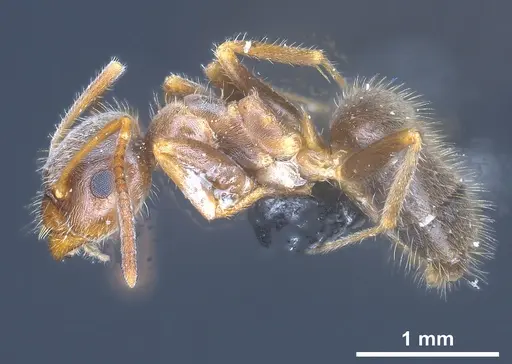
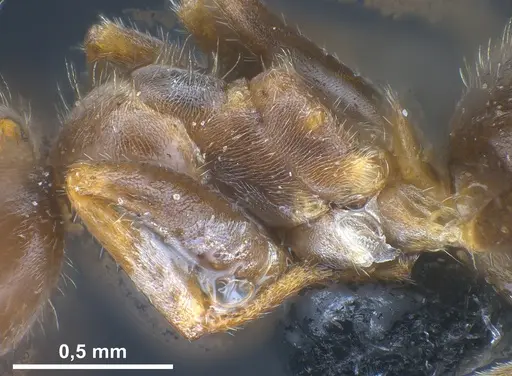
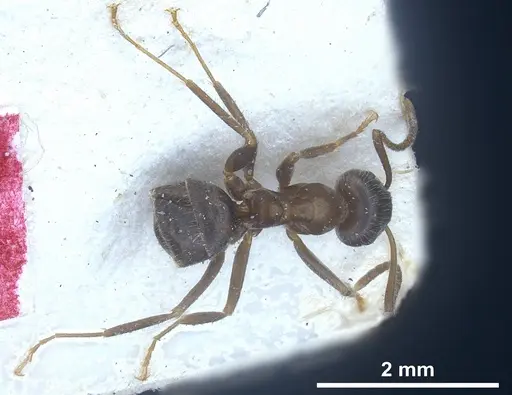
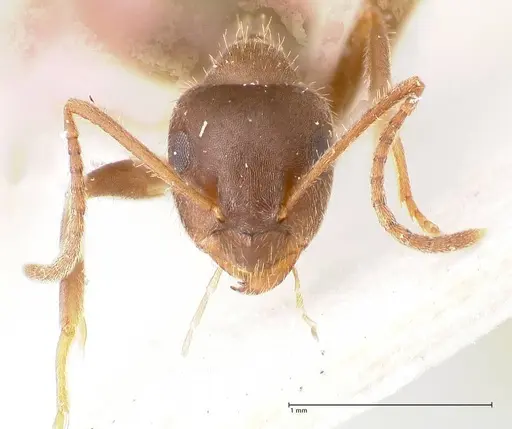
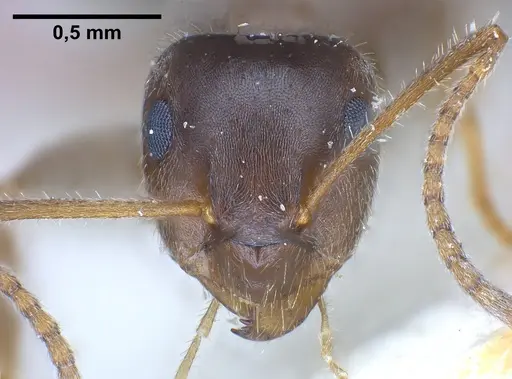
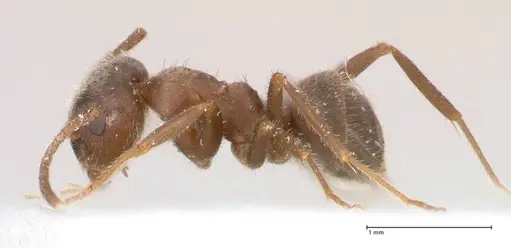
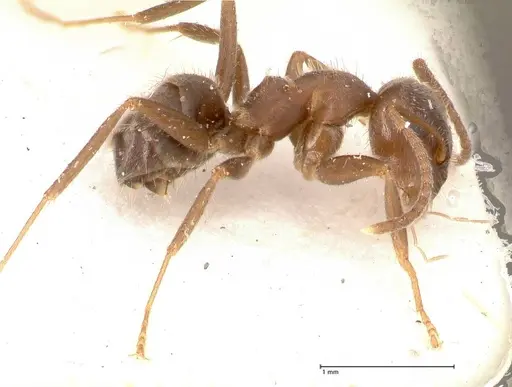
Lasius cinereus is a small, dull-bodied ant native to the Iberian Peninsula and southern France. Workers measure around 0.86mm in size with a completely matt (dull) cuticular surface that makes them easily distinguishable from related species like Lasius grandis. Their body is blackish brown on the head and gaster, with the mesosoma showing a dark to medium brown with a yellowish-reddish tinge. They have notably long heads and scapes, and all body parts carry numerous standing setae (bristles). This species is one of the most xerothermous (warmth-loving and dry-adapted) members of the Lasius genus in Spain, preferring limestone habitats with hot, sunny conditions [1].
What makes Lasius cinereus particularly interesting is its ecological role as a mutualist with lycaenid butterflies, these ants tend and protect caterpillars of species like Laeosopis roboris (the Spanish purple hairstreak) and other blues. They also serve as pollinators for the endangered plant Borderea chouardii in Spain. However, they face significant competition from invasive ants like the Argentine ant (Linepithema humile) and the invasive garden ant (Lasius neglectus), which displace them from their native habitats [2][3].
Quick Summary
- Difficulty: Medium
- Origin & Habitat: Native to the Iberian Peninsula and southern France. Found in xerothermous limestone habitats including xerothermous grassland, bare rocky ground with spiny shrubs, sunny Juniperus-Artemisia shrubland, open broad-leafed forests, and sunny Pinus forests. Nests under stones, in dead wood lying on the ground, and in soil [1].
- Colony Type: Likely single-queen colonies (monogyne) based on typical Lasius genus patterns. Ergatoid replacement reproductives have not been documented for this species.
- Colony: Monogyne
- Founding: Claustral
- Size & Growth:
- Queen: Queens measure approximately 1.4-1.5mm in head width (HW 1508.9 ± 41.43 µm) [4]. This is smaller than Lasius grandis queens.
- Worker: Workers are very small at CS 860 ± 68 µm (approximately 0.86mm) [1][5].
- Colony: Colony size is not well documented in scientific literature. Based on related Lasius species, colonies likely reach several hundred to a few thousand workers.
- Growth: Growth rate is unconfirmed but likely moderate, similar to other Mediterranean Lasius species.
- Development: Egg-to-worker development timeline is unconfirmed for this species. Based on typical Lasius patterns in Mediterranean climates, expect approximately 6-10 weeks at optimal temperature. (Development time is estimated from related Lasius species, direct measurements for L. cinereus are not available.)
- Antkeeping:
- Temperature: This is a warmth-loving species. Keep nest temperatures in the range of 24-28°C. They naturally inhabit hot, sunny Mediterranean locations and are the most xerothermous of the native Lasius species in Spain [6]. A heating cable on one side of the nest can create a temperature gradient. Avoid temperatures below 20°C for extended periods.
- Humidity: Keep substrate moderately dry to dry. This species prefers xerothermous conditions, think warm, rocky Mediterranean hillsides rather than damp forests. Allow the nest to dry out between waterings, and provide a small water tube for drinking. Avoid constant dampness.
- Diapause: Yes, as a Mediterranean species, they likely require a mild winter rest period. Reduce temperatures to around 10-15°C for 2-3 months during winter, mimicking their natural seasonal cycle in the Iberian Peninsula and southern France.
- Nesting: In nature, they nest under stones, in dead wood lying on the ground, and in soil, all in warm, sunny locations. For captivity, a Y-tong (acrylic) nest or plaster nest works well. Avoid overly humid setups. Provide a shallow foraging area with access to warmth. Test tubes can work for founding colonies but monitor for drying.
- Behavior: Workers are notably aggressive when their nest is disturbed, they will readily bite and defend [7][1]. They are active foragers, primarily seeking honeydew from aphids and extra-floral nectar. They are also known to tend lycaenid butterfly caterpillars. Their escape risk is moderate, while small, they are not as tiny as some Lasius species and standard escape prevention measures should suffice. They are most active in warm conditions and will reduce activity significantly when cooler.
- Common Issues: colonies may fail during winter if kept too damp, ensure dry winter conditions, slow founding phase may lead beginners to overfeed or disturb the queen unnecessarily, aggressive defense when nest is disturbed can lead to escapes if handling roughly, wild-caught colonies may carry parasites that affect captive survival, their small size means they can escape through standard test tube cotton if not properly secured
Nest Preferences and Housing
Lasius cinereus naturally nests under stones, in dead wood lying on the ground, and in soil, always in warm, sunny, xerothermous locations on limestone ground [1]. For captive care, provide a nest that stays warm and relatively dry. Y-tong (acrylic) nests or plaster nests work well. Avoid setups that retain too much moisture, this species is adapted to dry conditions. The nest should have narrow chambers appropriate for their tiny worker size (under 1mm). A shallow outworld allows for foraging. Position the nest in a warm area of your setup, ideally with a temperature gradient so workers can choose their preferred warmth.
Feeding and Diet
Like other Lasius species, these ants are omnivores with a strong preference for honeydew (the sugary liquid excreted by aphids). In captivity, offer sugar water or honey water constantly, they will readily drink it. They also accept small insects as protein sources. In the wild, they are known to tend lycaenid butterfly caterpillars and visit extra-floral nectaries, and they pollinate the endangered plant Borderea chouardii [2]. Feed small insects like fruit flies, pinhead crickets, or small mealworms. Offer sugar water every few days, and protein once or twice weekly. Remove uneaten prey to prevent mold.
Temperature and Seasonal Care
This is the most xerothermous (warmth-loving and dry-adapted) of the native Lasius species in Spain [6]. Keep nest temperatures between 24-28°C for optimal colony activity and brood development. They naturally occur in hot Mediterranean locations and can tolerate quite high temperatures. During winter, provide a mild diapause (winter rest) of 2-3 months at around 10-15°C. This mimics their natural seasonal cycle in the Iberian Peninsula and southern France. Avoid keeping them too cold year-round or too damp during hibernation, both can stress colonies.
Behavior and Defense
Workers are notably aggressive when their nest is disturbed, they respond quickly with bites and active defense [7][1]. This is a species that should be handled with care during nest inspections. They are active foragers, primarily hunting for honeydew from aphids and are known to tend several species of lycaenid butterfly caterpillars, including Laeosopis roboris, Glaucopsyche alexis, Polyommatus thersites, and Plebejus argus [8]. They are also significant pollinators for certain endangered plants. In confrontations with invasive ants like Lasius neglectus, they show high aggression but often face displacement due to the invasive species' numbers advantage.
Ecological Relationships
Lasius cinereus plays an important ecological role in its native range as a mutualist with lycaenid butterflies. The caterpillars of species like Laeosopis roboris (the Spanish purple hairstreak) are tended by these ants after hatching, the ants guard and protect the caterpillars, receiving honeydew in return [9][10]. They also serve as pollinators for the endangered plant Borderea chouardii, which grows on cliffs in Spain [2]. However, they face significant threats from invasive species. The Argentine ant (Linepithema humile) displaces them from suitable habitats, and laboratory tests show they compete aggressively but often unsuccessfully against the invasive Lasius neglectus [3][6].
Frequently Asked Questions
How long does it take for Lasius cinereus to have first workers?
The exact egg-to-worker timeline is unconfirmed for this species. Based on typical Lasius genus patterns in Mediterranean climates, expect approximately 6-10 weeks at optimal temperature (24-28°C). The first workers (nanitics) will be smaller than mature workers.
Can I keep Lasius cinereus in a test tube?
Yes, test tubes work well for founding colonies. Use a small-diameter tube appropriate for their tiny size. Monitor humidity carefully, this species prefers drier conditions than many other Lasius, so avoid overfilling the water reservoir. Transfer to a proper nest (Y-tong or plaster) once the colony reaches 20-30 workers.
What temperature do Lasius cinereus need?
Keep them warm, aim for 24-28°C in the nest area. This is a xerothermous (warmth-loving) species native to hot Mediterranean regions. A heating cable on one side of the nest creates a gradient they can regulate themselves. They can tolerate temperatures into the low 30s°C but avoid prolonged exposure above 35°C.
Are Lasius cinereus good for beginners?
This species is rated as medium difficulty. They are more specialized than common Lasius niger because they require warmer, drier conditions and are less tolerant of dampness. Their small size and aggressive defense behavior also require careful handling. They can be rewarding for keepers willing to provide the warm, xerothermous conditions they need.
Do Lasius cinereus need hibernation?
Yes, they likely need a mild winter rest period. As a Mediterranean species from the Iberian Peninsula and southern France, reduce temperatures to around 10-15°C for 2-3 months during winter. This mimics their natural seasonal cycle. Keep them dry during hibernation, damp cold is more dangerous than dry cold.
How big do Lasius cinereus colonies get?
Colony size is not well documented in scientific literature. Based on related Lasius species, colonies likely reach several hundred to a few thousand workers. They are not among the largest Lasius species.
Can I keep multiple Lasius cinereus queens together?
This is not recommended. Lasius cinereus is likely monogyne (single-queen colonies) based on typical Lasius patterns. Combining unrelated foundress queens has not been documented and would likely result in fighting. Only keep one queen per colony.
What do Lasius cinereus eat?
They are omnivores with a strong preference for sugar sources. Offer sugar water or honey water constantly. They also accept small live or dead insects as protein. In the wild, they primarily forage for honeydew from aphids and extra-floral nectar. Feed small insects like fruit flies, pinhead crickets, or small mealworms 1-2 times per week.
Why are my Lasius cinereus dying?
Common causes include: too much humidity (they prefer dry conditions), temperatures below 20°C (they need warmth), disturbing the queen during founding too often, or parasites from wild-caught colonies. Ensure proper warm, dry conditions and minimize disturbance during the founding phase. If colonies were wild-caught, parasites are a common cause of failure.
When to move Lasius cinereus to a formicarium?
Move them from the test tube setup once the colony reaches 20-30 workers and the test tube is showing signs of drying out or becoming moldy. A Y-tong or plaster nest works well. Make sure the new nest can maintain the warm, relatively dry conditions this species requires.
Are Lasius cinereus invasive anywhere?
No, Lasius cinereus is not considered invasive. It is native to the Iberian Peninsula and southern France. However, it is itself threatened by invasive ants like the Argentine ant (Linepithema humile) and Lasius neglectus, which displace it from its native habitats.
References

This caresheet is licensed under CC BY-SA 4.0 .
ANTWEB1041439
View on AntWeb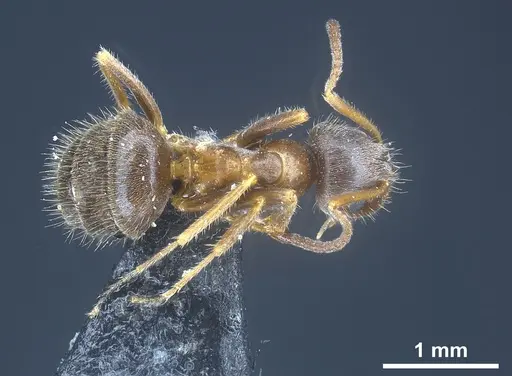
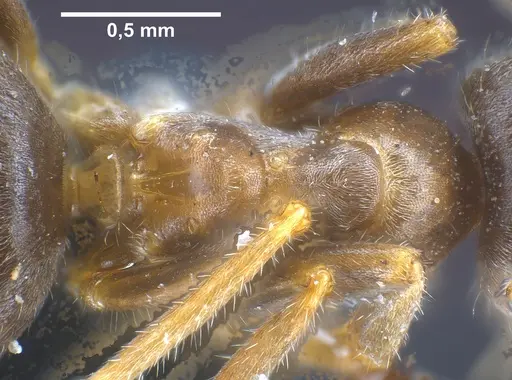
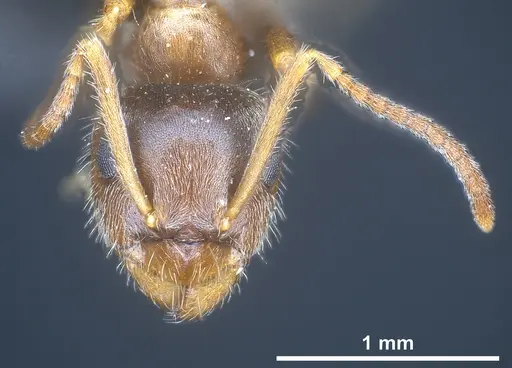
FOCOL0743
View on AntWeb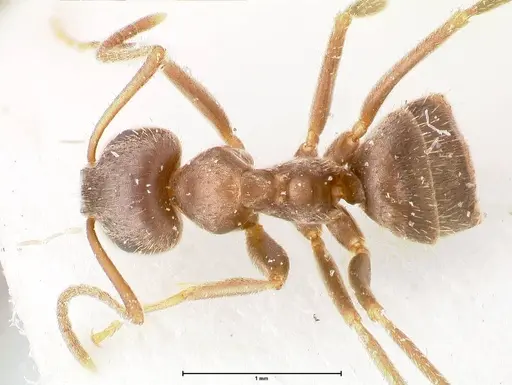
Literature
Loading...Loading products...