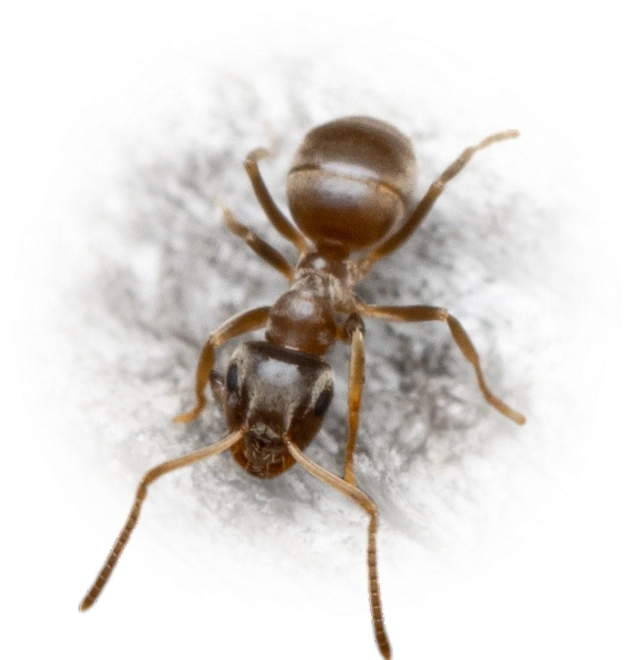

Lasius neglectus
- Scientific Name
- Lasius neglectus
- Tribe
- Lasiini
- Subfamily
- Formicinae
- Author
- Van Loon <i>et al.</i>, 1990
- Common Name
- Invasive Garden Ant
- Distribution
- Found in 11 countries
Lasius neglectus Overview
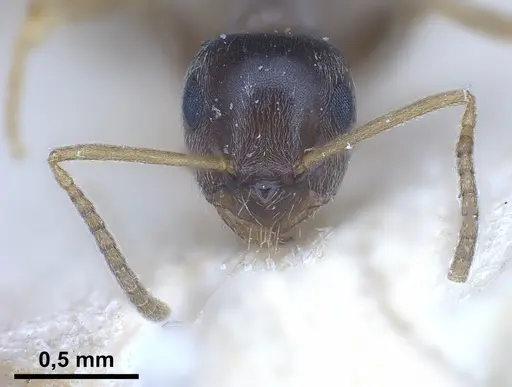
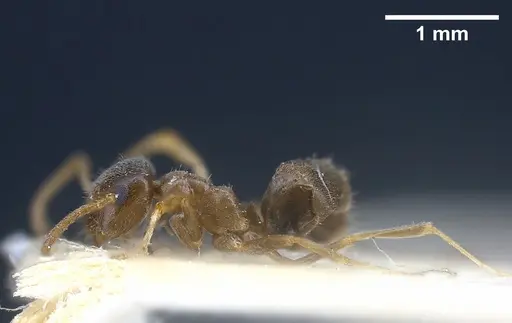
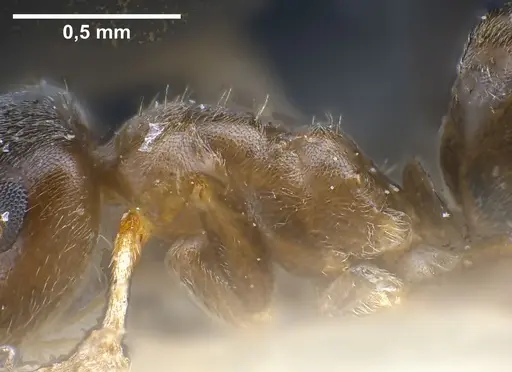
Lasius neglectus (commonly known as the Invasive Garden Ant) is an ant species of the genus Lasius. It is primarily documented in 11 countries , including Belgium, Bulgaria, Switzerland. Detailed taxonomic data and occurrence records can be further explored via authoritative databases such as AntWeb or the Global Biodiversity Information Facility (GBIF).
Lasius neglectus - "Invasive Garden Ant"
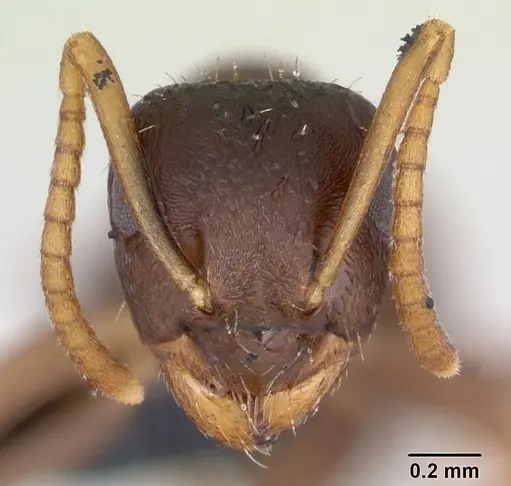
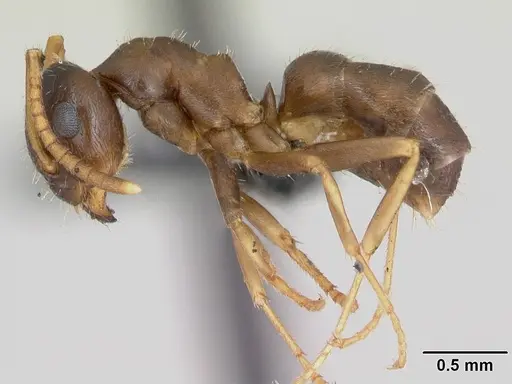
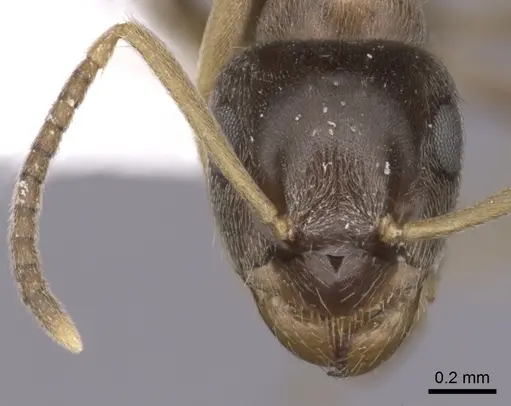
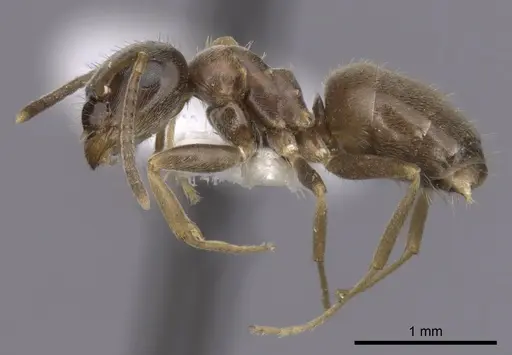
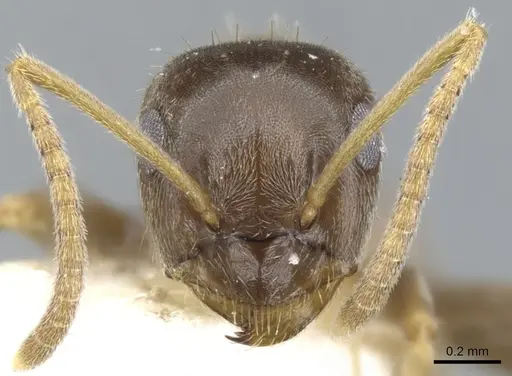
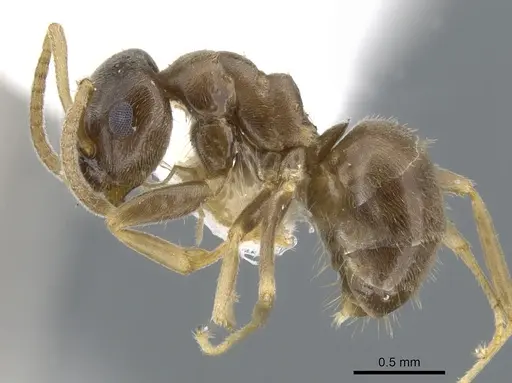
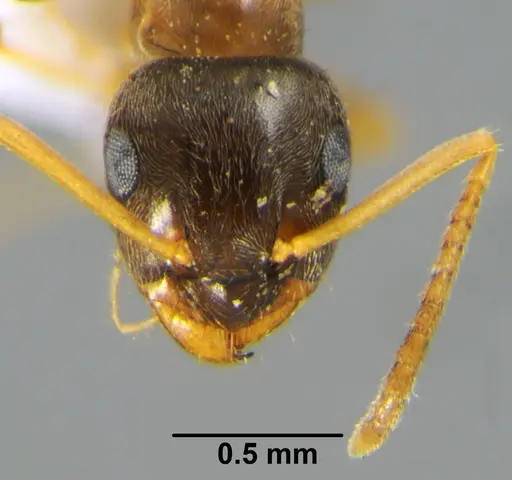
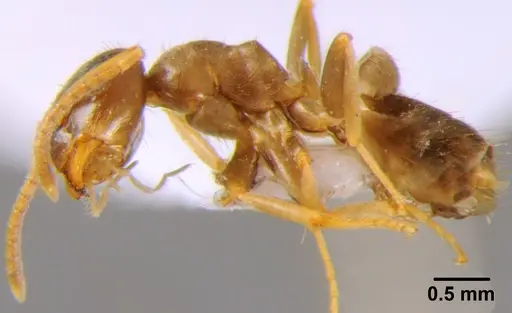
Lasius neglectus is a small, highly invasive ant species originally from Asia Minor (Turkey and surrounding regions). Workers measure 2.5-3.5mm and are pale brown in color, making them slightly smaller and lighter than the common black garden ant (Lasius niger). Queens reach about 6mm and are noticeably smaller than related species. This ant forms massive supercolonies with thousands of queens and can dominate entire urban areas, displacing native ant species. It was only described as a separate species in 1990,having been previously confused with Lasius niger and related species. The most striking behavior is the dense columns of workers climbing tree trunks to tend aphids, sometimes visible 24 hours a day during summer months. They have no nuptial flight, queens mate inside the nest and new colonies form through budding rather than independent founding.
Quick Summary
- Difficulty: Medium
- Origin & Habitat: Native to Asia Minor (Turkey and surrounding regions), now invasive across Europe, Central Asia, and parts of the Middle East. Found exclusively in disturbed urban and suburban habitats including parks, gardens, street-side trees, and greenhouses [1][2].
- Colony Type: Polygynous (multiple egg-laying queens per nest) and polydomous (multiple connected nests forming supercolonies). One of only two known polygynous Lasius s.str. species. Colonies can contain tens to hundreds of thousands of queens and millions of workers spanning areas from a few square meters to hundreds of hectares [3][1].
- Colony: Polygyne, Supercolonial
- Founding: Semi-claustral
- Size & Growth:
- Queen: 5.8-6mm [4]
- Worker: 2.5-3.5mm [5]
- Colony: Up to millions of workers and hundreds of thousands of queens in established supercolonies [3]
- Growth: Fast
- Development: Approximately 36 days at optimal temperature [3] (Development: egg incubation 12 days, larval development 9 days, pupal maturation 15 days. Nanitics (first workers) emerge in about 5 weeks.)
- Antkeeping:
- Temperature: Keep at room temperature (20-25°C). This species tolerates a wide range and can survive winters with extended frost down to about -5°C mean January temperature in the introduced range [2].
- Humidity: Moderate humidity is acceptable. Nests are typically found under stones, in soil, and at tree bases, standard ant keeping conditions work well.
- Diapause: Yes, requires winter rest period. In Europe, colonies are inactive from late autumn through early spring (roughly November-March, depending on location). Reduce temperature to 5-10°C during this period [3].
- Nesting: Test tubes and standard formicaria work well. In the wild, they nest under stones, in soil, under pavements, and at tree bases. Provide access to a foraging area where they can tend aphids or other honeydew sources.
- Behavior: Workers are highly active and form conspicuous foraging trails, especially on tree trunks toward aphid colonies. They are aggressive toward native ant species and will dominate resources. Workers have no sting but can spray formic acid as a defense. They are attracted to sweet liquids (honeydew, sugar water) and will also collect small prey. Escape prevention is important due to their small size, use tight-fitting lids and fine mesh barriers. They are primarily active during warm months (April-October in temperate regions) and can remain active 24 hours per day during peak season.
- Common Issues: Small size makes escape likely without proper barriers, Colony growth is extremely rapid, can quickly outgrow initial setups, Once established, colonies are very difficult to relocate or combine, Not recommended for release in non-native areas, this is a highly invasive species, Attracted to electrical installations, keep away from electronics
Housing and Nest Setup
Lasius neglectus adapts well to standard ant keeping setups. Test tube setups work well for founding colonies and small groups. As colonies grow, provide a formicarium (acrylic or plaster nest) connected to a foraging area. The key requirement is access to a vertical surface (like a tube or branch) that workers can climb to reach honeydew sources. In the wild, they famously form dense columns on tree trunks, so include something they can walk up in your setup. Use a water tube for humidity and keep the nest area dark (they prefer dark, confined spaces). Escape prevention is critical, these tiny ants can squeeze through surprisingly small gaps. Apply fluon or use tight-fitting lids on all connections. [3]
Feeding and Diet
This species is heavily dependent on carbohydrate sources, particularly honeydew from aphids. In captivity, offer sugar water (50% solution) or honey as a constant food source. They will also accept small insects as protein, though prey makes up only a small portion of their diet (around 3-5% of foragers carry prey items). If possible, provide access to live aphids on a plant, this mimics their natural behavior and leads to much better colony growth. In the wild, they tend aphids on dozens of tree species and collect enormous quantities of honeydew (up to 2-3 kg per tree per season). Feed sugar water every 2-3 days and protein (dead insects, mealworms) once or twice weekly. [5]
Temperature and Seasonal Care
Room temperature (20-25°C) is ideal for this species. They are remarkably tolerant of temperature extremes in their introduced range, surviving winters with mean January temperatures as low as -5°C in Central Europe. However, they prefer warm conditions and are most active from May through October. During the active season, they can remain active 24 hours per day when temperatures permit. In winter (roughly November through March in temperate regions), reduce temperature to 5-10°C to allow proper hibernation. Do not feed during hibernation but ensure some moisture is available. Return to normal temperatures in spring to trigger renewed activity. [2]
Colony Structure and Growth
Understanding Lasius neglectus colony structure is essential for proper care. Unlike most Lasius species which have single queens, this species is polygynous, each nest contains multiple egg-laying queens (typically 10-30,sometimes hundreds in large colonies). Queens can lay 6-12 eggs per day, leading to rapid population growth. Colonies are also polydomous, meaning they maintain multiple nest sites connected by trails. In captivity, you may see workers establishing secondary chambers rather than a single centralized nest. The supercolony structure means there is no intraspecific aggression, workers from different parts of the same population will mix freely without conflict. This is dramatically different from most ant species and affects how you manage multiple colonies. [1][3]
Behavior and Defense
Lasius neglectus workers are active, aggressive foragers with a distinctive behavior: they form dense columns on vertical surfaces (especially tree trunks) traveling to and from aphid colonies. They are highly aggressive toward other ant species and will dominate competitive encounters through superior numbers and coordinated attacks. Workers can spray formic acid as a defensive chemical, though they lack a sting. When threatened, they may bite and spray acid simultaneously. They are not dangerous to humans but can be a nuisance when they invade buildings. One notable behavior is their attraction to electrical fields, they often nest in electrical boxes and can cause short circuits. In your setup, expect constant activity and well-organized foraging trails.
Legal and Ethical Considerations
Lasius neglectus is a highly invasive species and should be kept with extreme caution. It is banned or restricted in many jurisdictions due to its environmental impact. Never release this ant anywhere outside its current range, it can devastate native ant communities and disrupt ecosystems. The species has already caused major problems across Europe, displacing native ants and affecting biodiversity. If you can no longer keep your colony, the most responsible option is to humanely euthanize it rather than risk environmental release. This species is not suitable for beginners who might accidentally release it, and even experienced antkeepers should carefully consider whether keeping an invasive species is appropriate.
Health and Disease
Lasius neglectus has been studied extensively for its immune behaviors. Workers perform sanitary care including grooming contaminated nestmates and chemical disinfection using formic acid. They can develop low-level infections that actually provide protective immunization against future pathogen exposure, a form of social vaccination. However, they are susceptible to the ectoparasitic fungus Laboulbenia formicarum, which can infect workers in some populations (28-88% prevalence in infected colonies). The fungus is costly under starvation conditions. In captivity, maintain clean conditions and avoid introducing wild ants or soil from unknown sources. Monitor for signs of fungal infection (unusual dark spots on workers).
Frequently Asked Questions
Can I keep Lasius neglectus in a test tube?
Yes, test tubes work well for founding colonies. However, because they are polygynous (multiple queens), you can keep several queens together from the start. They will establish faster than single-queen species. Make sure the cotton is packed firmly, these small ants can push through loose cotton.
How fast do Lasius neglectus colonies grow?
Very fast. Queens can lay 6-12 eggs per day, and development from egg to worker takes about 36 days. A well-fed colony can produce hundreds of workers in the first few months and can reach thousands within a year. Established supercolonies in the wild contain millions of workers.
Can I keep multiple queens together?
Yes, not only can you, you should. This is a polygynous species where multiple queens naturally coexist in the same nest. Unlike most ant species, they do not fight and will work together. In fact, starting with multiple queens (3-5) leads to faster colony establishment than starting with a single queen.
Do Lasius neglectus need hibernation?
Yes, they require a winter rest period. In their introduced range in Europe, they are inactive from roughly November through March. Reduce temperature to 5-10°C during this period. Do not feed during hibernation but ensure some moisture is available. This rest period is essential for colony health.
What do Lasius neglectus eat?
Their primary food is carbohydrate sources, honeydew from aphids in the wild, and sugar water or honey in captivity. They also need protein from small insects (fruit flies, pinhead crickets, mealworms). Offer sugar water constantly and protein 1-2 times per week. They are not picky eaters but strongly prefer sweet foods.
Are Lasius neglectus good for beginners?
Not recommended for beginners. This is a challenging species to keep responsibly due to its invasive potential, rapid growth, and tendency to escape. Additionally, their small size and specific humidity requirements can be tricky. If you're new to ant keeping, start with a more beginner-friendly species like Lasius niger or Messor species.
Why are my Lasius neglectus dying?
Common causes include: improper humidity (too dry or too wet), temperature stress (too cold or too hot), insufficient food (especially sugar sources), fungal contamination, or stress from too much handling. Check that your setup maintains moderate humidity and room temperature, and that you are providing constant sugar water. Also ensure good ventilation to prevent mold.
When will I get my first workers?
With a well-fed queen, you should see first workers (nanitics) in about 5 weeks (36 days total development time). The first batch is typically small (around 10-20 workers). After that, growth accelerates rapidly as more workers emerge and the colony begins foraging for food.
References

This caresheet is licensed under CC BY-SA 4.0 .
ANTWEB1041274
View on AntWeb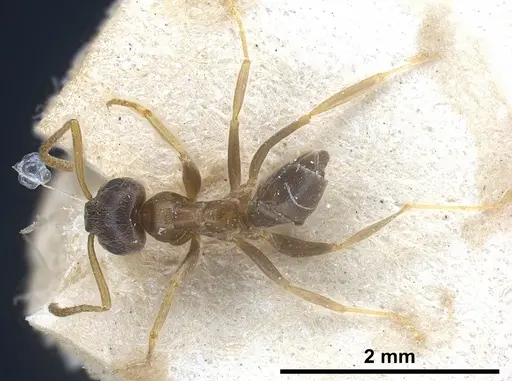
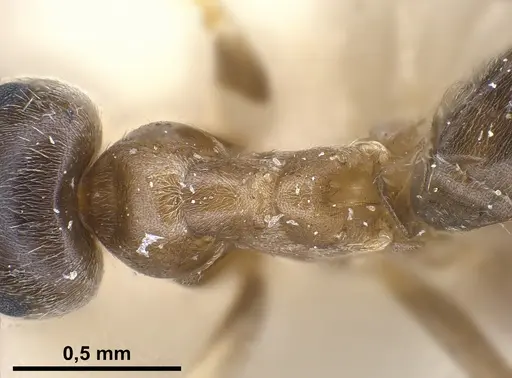
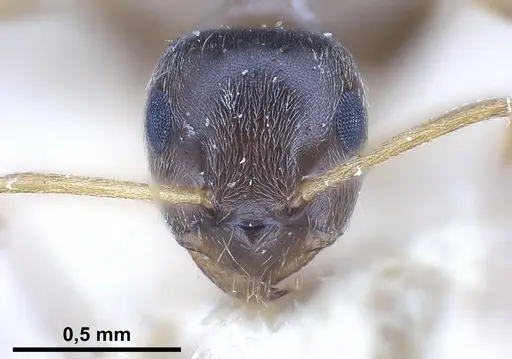
CASENT0173143
View on AntWeb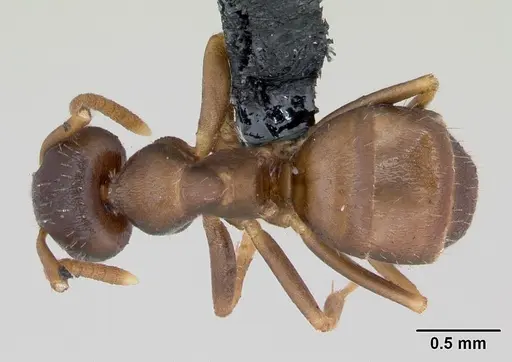
CASENT0280447
View on AntWeb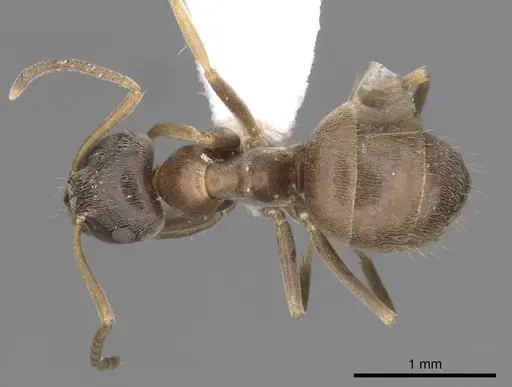
CASENT0903220
View on AntWeb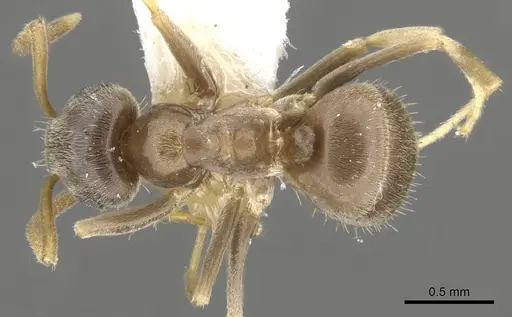
CFH000013
View on AntWeb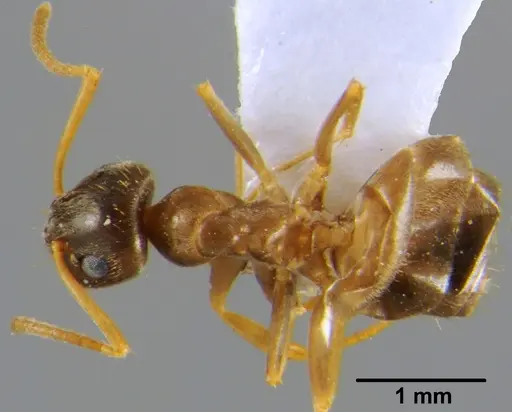
Literature
Loading...Loading products...