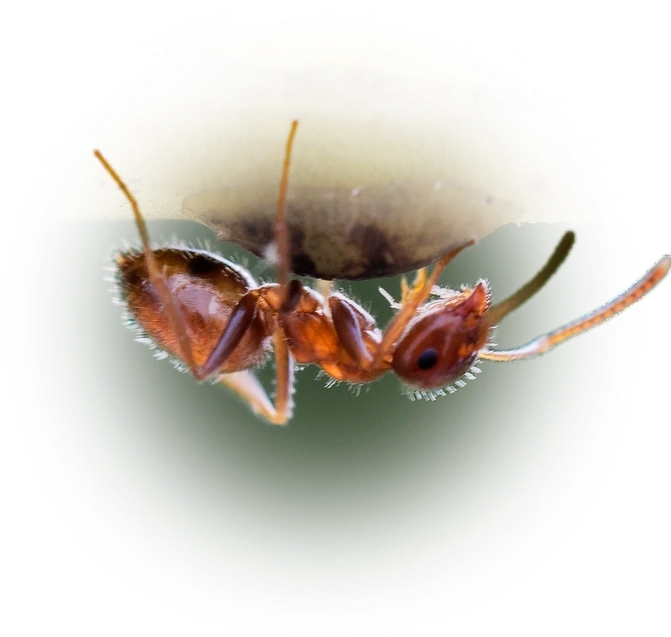

Lasius grandis
- Scientific Name
- Lasius grandis
- Tribe
- Lasiini
- Subfamily
- Formicinae
- Author
- Forel, 1909
- Distribution
- Found in 3 countries
Lasius grandis Overview
Lasius grandis is an ant species of the genus Lasius. It is primarily documented in 3 countries , including Spain, France, Portugal. Detailed taxonomic data and occurrence records can be further explored via authoritative databases such as AntWeb or the Global Biodiversity Information Facility (GBIF).
Lasius grandis
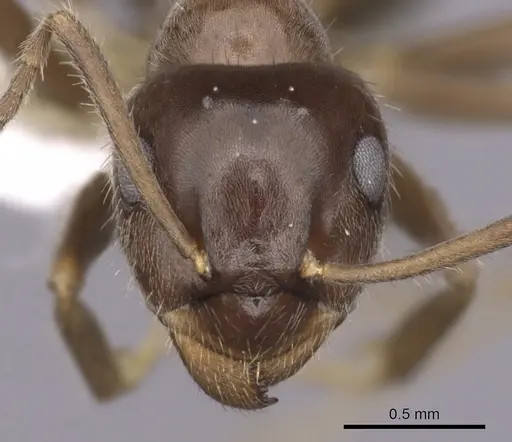
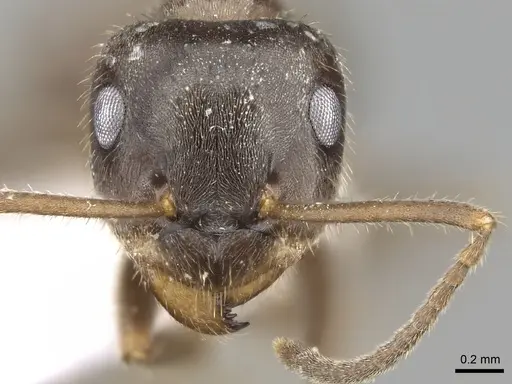
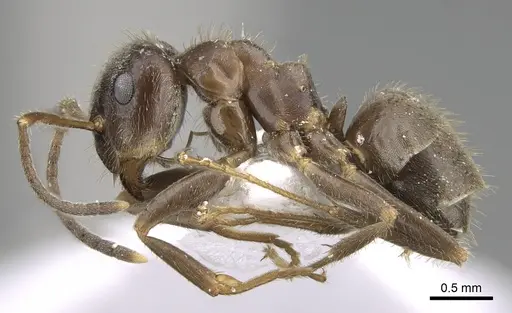
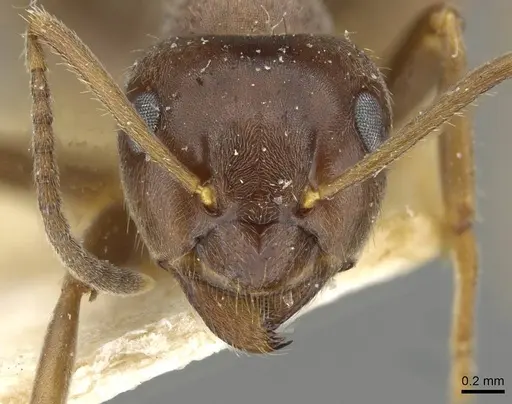
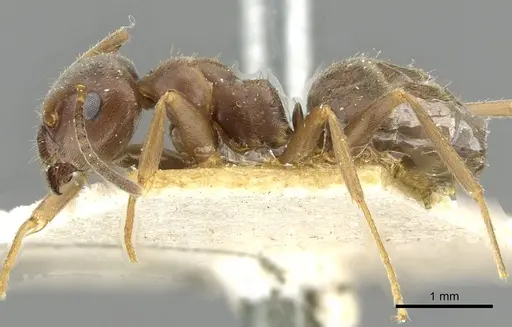
Lasius grandis is a medium-sized ant native to the western Mediterranean region, commonly known as the Iberian ant. Workers measure 2.5-4mm with a relatively large head and scape compared to similar species. The species shows two color morphs: a dark brown form and a lighter reddish-brown form that is particularly common on Corsica and Sardinia. This ant is one of the most abundant species across the Iberian Peninsula and has been recorded from sea level up to 2300m altitude in the Sierra Nevada mountains [1]. It nests under stones or in soil, occasionally building small soil mounds, and is notably aggressive when its nest is disturbed [1]. The species is closely related to the common Lasius niger but can be distinguished by its denser, longer pilosity (hair) on the scape and legs [2].
Quick Summary
- Difficulty: Easy
- Origin & Habitat: Western Mediterranean region, native to Iberia (Spain, Portugal), southern France, Corsica, Sardinia, and introduced to Tenerife. Found from sea level up to 2300m in mountainous areas [1]. Inhabits open habitats as well as deciduous and coniferous woodland, preferring medium to humid conditions. At lower altitudes found in sheltered gorges and valleys with running waters, at higher elevations or along Atlantic coast occurs in open grassland [1].
- Colony Type: Monogyne, strictly single queen colonies. Each colony has one queen that can live more than 10 years and form colonies of over 10,000 workers [3].
- Colony: Monogyne
- Founding: Claustral
- Size & Growth:
- Queen: Queens are relatively large, measuring approximately 15-17mm in total length [4].
- Worker: Workers are 2.5-4mm in length, making them a medium-sized Lasius species [5].
- Colony: Colonies can grow to over 10,000 workers in mature colonies [3].
- Growth: Moderate, development timeline follows typical Lasius patterns.
- Development: 6-8 weeks at optimal temperature based on genus-level data for Lasius species [4]. (Development is temperature-dependent, faster development occurs at warmer temperatures within the acceptable range.)
- Antkeeping:
- Temperature: Keep at room temperature, ideally 20-26°C. This is a Mediterranean species that tolerates warm conditions but prefers moderate temperatures with some humidity. In their native range, they are active from March to November and hibernate when temperatures drop below 15°C [3]. A heating cable on one side of the nest can create a temperature gradient if needed.
- Humidity: Prefers medium to humid conditions. Keep the nest substrate consistently moist but not waterlogged. This species avoids very dry conditions and prefers some degree of moisture, think damp soil under stones in their natural habitat. Provide a water tube as usual but monitor that the nest doesn't dry out [1].
- Diapause: Yes, requires a winter rest period. In Mediterranean climates, they hibernate from November to February when temperatures drop below 15°C [3]. In captivity, provide a cool period around 5-10°C for 2-3 months during winter, simulating natural seasonal cycles.
- Nesting: Nests under stones or in soil in the wild. In captivity, standard formicarium setups work well, test tubes for founding colonies, then transition to soil-based or plaster nests. They do well in naturalistic setups that allow for some humidity. Avoid completely dry environments.
- Behavior: This is an aggressive, territorial ant that defends its nest vigorously when disturbed, similar behavior to Lasius niger. Workers forage individually and use mass recruitment for larger food sources. They are excellent honeydew collectors and will tend aphids aggressively, protecting them from predators. This behavior makes them useful in aphid control but can interfere with beneficial insect populations in greenhouses. They are active foragers with peak activity in summer months, particularly July. Workers are about 35% larger than the invasive Lasius neglectus and compete well against them in laboratory tests [6]. Escape risk is moderate, standard barriers work well for this size of ant.
- Common Issues: colonies may decline if kept in dry conditions, they prefer humid environments, aphid-tending behavior can lead to pest problems if kept near houseplants, aggressive defense of nest means frequent disturbance responses, can be displaced by invasive ants like Lasius neglectus in shared habitats, queen longevity means colonies can persist for many years, commit to long-term care
Housing and Nest Setup
Lasius grandis adapts well to various captive setups. For founding colonies, use a standard test tube setup with a water reservoir, the queen will seal herself in and raise the first brood alone. Once the colony reaches 20-30 workers, you can transition to a formicarium. Soil-based naturalistic setups work particularly well since this species naturally nests under stones or in soil. Plaster nests are also suitable if you maintain adequate moisture levels. Avoid completely dry environments, these ants prefer some humidity in their nesting area. A small outworld for foraging allows workers to search for food and dispose of debris. [3][1][2]
Feeding and Diet
Like other Lasius species, Lasius grandis is omnivorous with a strong preference for honeydew. In captivity, offer sugar water or honey regularly, and provide protein sources like small insects (fruit flies, small crickets, mealworms) approximately twice weekly. Workers also scavenge and will accept various arthropods. In their natural habitat, they primarily prey on Psocoptera (booklice) and aphids [5]. They are efficient honeydew collectors and will aggressively tend any aphids present in their territory. If keeping them near houseplants, be aware they may protect aphids from beneficial insects.
Temperature and Seasonal Care
This Mediterranean species does best at room temperature (20-26°C). They are active from March through November in their native range, with peak activity in summer months, particularly July [3]. During winter, they require a diapause period, provide cool temperatures around 5-10°C for 2-3 months. In the Netherlands, colonies have been found nesting in door frames, showing they can adapt to human structures [2]. A heating cable on one side of the nest can create a temperature gradient if your room temperature runs cool, but this is usually not necessary in most homes.
Behavior and Colony Dynamics
Lasius grandis is notably aggressive when its nest is disturbed, workers will readily attack threats, similar to Lasius niger behavior [1]. Colonies are strictly monogynous, with a single queen that can live over 10 years [3]. Workers forage individually but will recruit nestmates to large food sources through chemical trails. This species competes well against invasive ants, in laboratory tests, Lasius neglectus attacks them most frequently and aggressively, likely due to their larger size (about 35% bigger) and overlapping ecological niche [6]. They are also known to pollinate certain flowers, including endangered species like Naufraga balearica in the Balearic Islands [7].
Common Problems
The main issues keepers face with Lasius grandis relate to humidity management, colonies struggle in dry conditions. They are also aggressive and may bite if disturbed, though their sting is minimal. Their aphid-tending behavior can cause problems if they access houseplants with pest aphids, as they will protect the aphids from beneficial insects. Wild-caught colonies may carry parasites including the parasitic fungus Laboulbenia formicarum [8]. Finally, these are long-lived colonies, queens can live over a decade, so this is a long-term commitment.
Frequently Asked Questions
How long does it take for Lasius grandis to raise first workers?
First workers (nanitics) typically appear after 6-8 weeks at room temperature. The claustral queen seals herself in and raises the brood alone using stored fat reserves, similar to other Lasius species.
Can I keep multiple Lasius grandis queens together?
No, this is a strictly monogynous species with single-queen colonies. Multiple unrelated queens will fight. Only one queen should be kept per colony.
What do Lasius grandis eat?
They are omnivorous but prefer sugary foods. Offer sugar water or honey regularly, plus small insects (fruit flies, small crickets, mealworms) as protein about twice weekly. They are also avid honeydew collectors and will tend aphids.
Do Lasius grandis need hibernation?
Yes, they require a winter rest period. In captivity, provide 2-3 months at 5-10°C during winter. In their native Mediterranean range, they hibernate from November to February when temperatures drop below 15°C.
Are Lasius grandis good for beginners?
Yes, they are considered an easy species to keep. They are resilient, adapt well to captivity, and have straightforward care requirements. Their main needs are adequate humidity and a winter cooling period.
How big do Lasius grandis colonies get?
Mature colonies can reach over 10,000 workers. The queen can live more than 10 years, allowing colonies to grow very large over time.
Why is my Lasius grandis colony declining?
The most common cause is dry conditions, they prefer humid environments. Check that the nest substrate is moist and the water tube is functioning. Also ensure they are getting adequate protein food.
When do Lasius grandis alates appear?
Winged reproductives (alates) typically appear from late June through July in their native range. In captivity, give them several years to mature before expecting reproductives.
References

This caresheet is licensed under CC BY-SA 4.0 .
CASENT0246613
View on AntWeb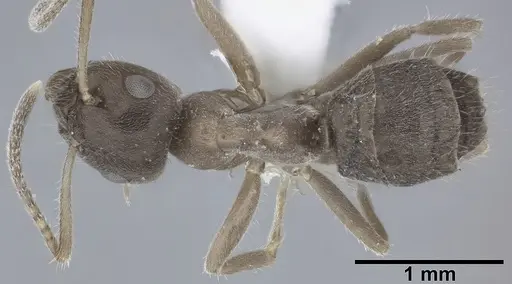
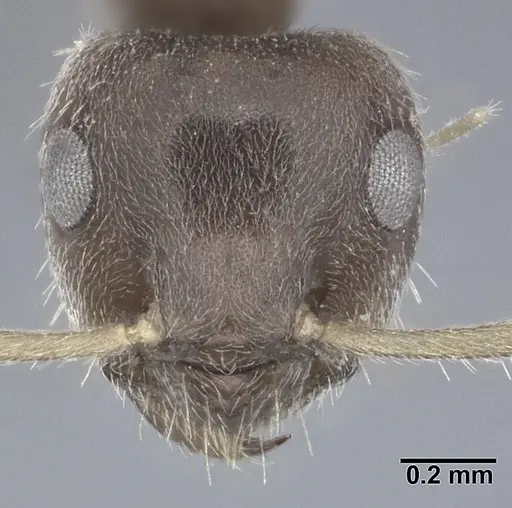
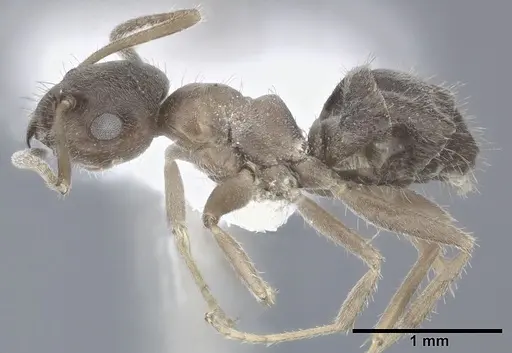
CASENT0280449
View on AntWeb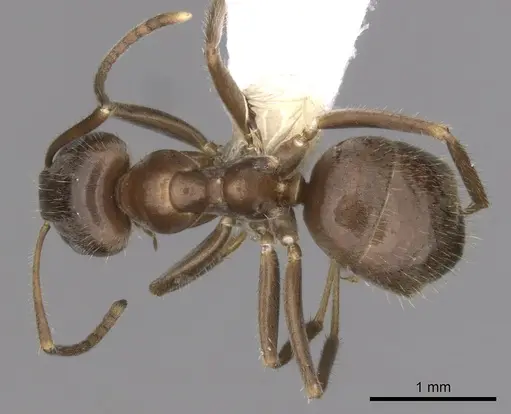
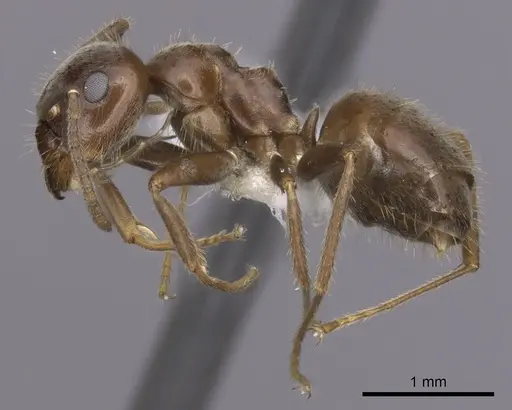
CASENT0906079
View on AntWeb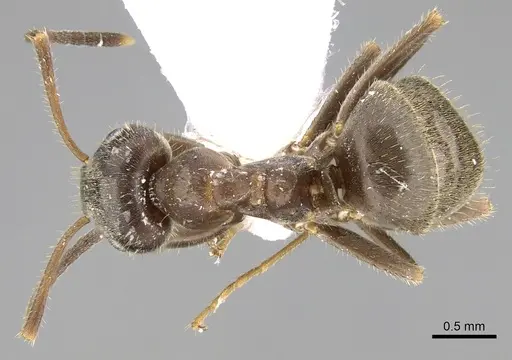
CASENT0911047
View on AntWeb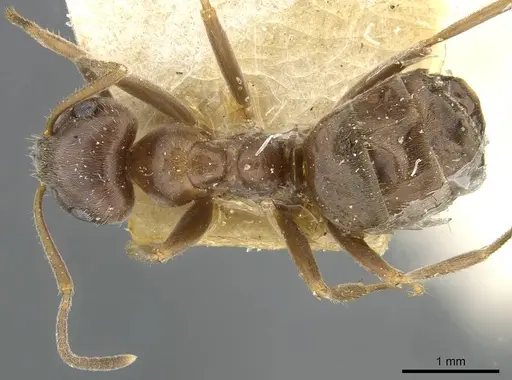
Literature
Loading...Loading products...