Lasius bombycina - "Steppe Black Ant"
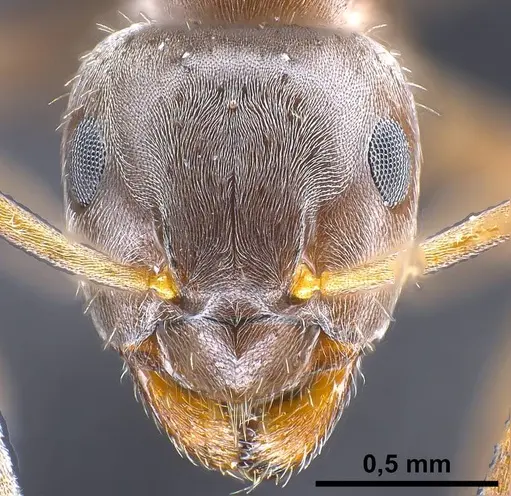
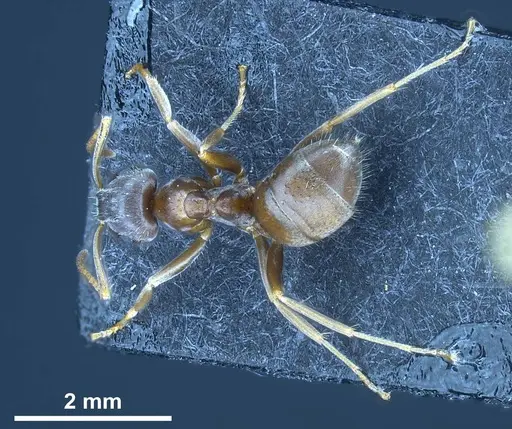
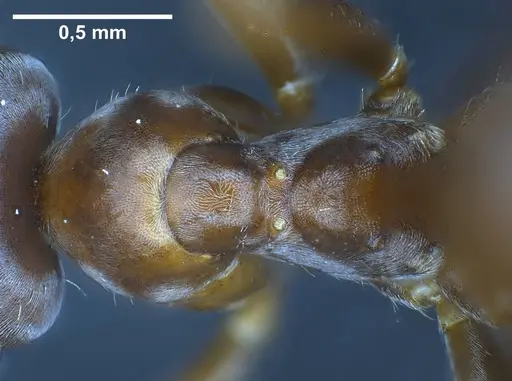
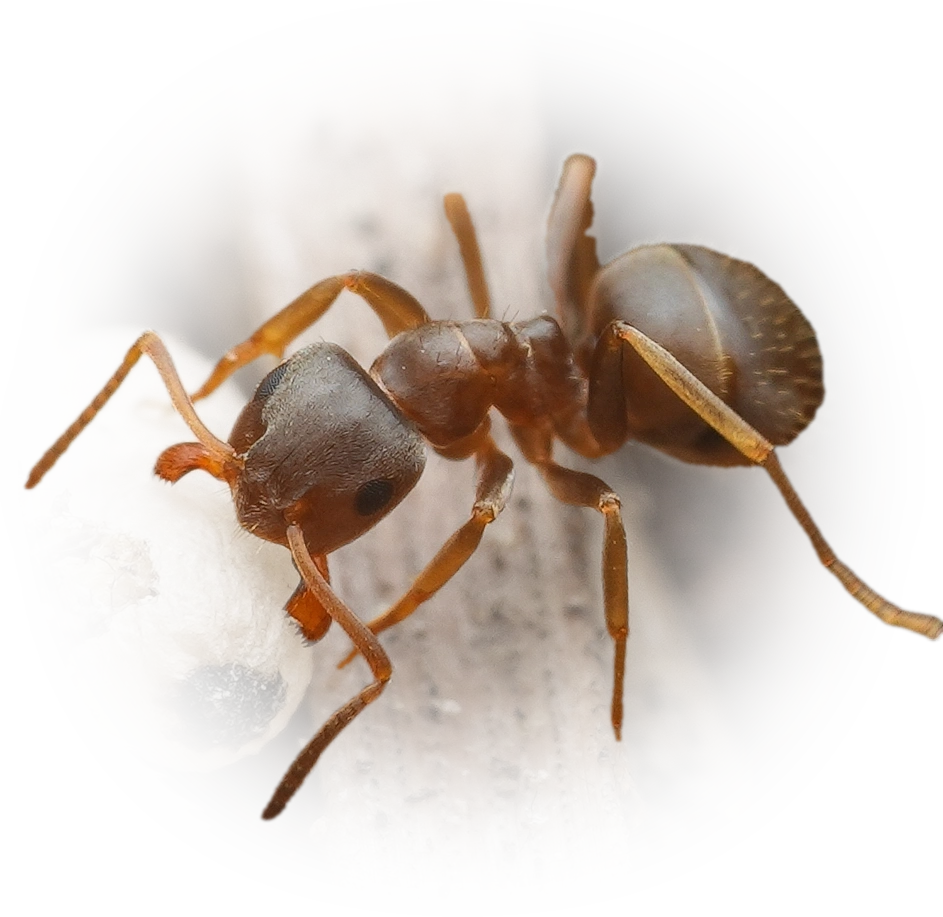
Lasius bombycina is a Palearctic ant species belonging to the Lasius paralienus species complex. Workers of this species are generally medium to dark brown, with lighter reddish to yellowish brown mandibles, scapes, and tibiae. They are comparable in appearance to the common Lasius niger, though queens of L. bombycina are typically larger and have more fat reserves. These ants are known for their ability to thrive in various environments, from xerothermous grasslands and urban gardens to mountain forests. They frequently build hidden soil nests, but in some areas, they construct noticeable soil mounds overgrown with herbs. They exhibit trophobiosis with aphids, tending to them for their sweet honeydew, and are also zoophagous, preying on small invertebrates.
- Difficulty: Easy
- Origin & Habitat: Europe, Asia (primarily Balkanian-Anatolian distribution, extending to E Austria and Asia Minor) in Xerothermous grasslands, urban gardens, mountain forests, under rocks and wood.
- Colony Type: Monogyne (single queen), claustral founding.
- Size & Growth:
- Queen: 10mm+
- Worker: 3-4mm
- Colony: Medium (thousands). Fast (can reach several hundred workers by the second year) growth.
- Antkeeping:
- Temperature: Optimal temperature range is between 21-28°C. Heating one part of the nest allows ants to choose their preferred temperature..
- Humidity: Prefer 50-60% humidity. While not overly demanding, avoid excessively dry conditions; misting can help maintain moisture..
- Diapause: Required. 4-5 months at 5-8°C.
- Nesting: Prefer underground nests. Test tubes are suitable for small colonies, while ytong nests or dirt setups work well for larger ones. They can adapt to various nest types..
- Behavior: Medium (aggressive towards other ants and may bite when defending their nest, can spray formic acid for defense) aggressiveness.
- Common Issues: Humidity fluctuations, Overfeeding leading to waste, Colony stalling if diapause is skipped.
One fascinating aspect of Lasius bombycina is their adaptability. While they are often found nesting hidden underground in loose or sandy soil, they've also been observed in urban gardens and mountain forests. This flexibility means that if you're keeping them, they can adjust to a variety of formicarium setups. However, providing them with a substrate that allows for tunneling, like sand or loam, can help mimic their natural nesting habits and potentially encourage more natural behaviors.
These ants are quite hardy, a trait that makes them an excellent choice for beginners in the antkeeping hobby. The queens, in particular, are known to tolerate temporary shortages of water or food, which is a big plus for new keepers learning the ropes. This resilience reduces the stress associated with potential minor mistakes in early colony care, making the initial stages of colony growth much more forgiving.
Lasius bombycina colonies are primarily insectivores, meaning they thrive on a diet of small invertebrates. However, they also have a sweet tooth, actively seeking out and consuming honey or sugar water. In the wild, they're known for tending aphids for their honeydew, a behavior known as trophobiosis. Replicating this in captivity with various insect proteins and sugary solutions will ensure a well-balanced diet and support robust colony growth.
Their growth rate is another attractive feature; colonies can expand quickly, reaching several hundred workers within their second year. This rapid development provides a rewarding experience for antkeepers who enjoy seeing their colonies flourish. Keep in mind that with faster growth comes the need for more frequent feeding and potentially earlier nest upgrades, so be prepared to scale up your setup as your colony thrives.
Diapause, or hibernation, is a crucial requirement for Lasius bombycina to maintain their long-term health and reproductive cycles. Mimicking their natural overwintering period by providing cooler temperatures (5-8°C) from late November to late March is essential. This period allows the queen and colony to rest and prepares them for a productive spring and summer, ensuring the vitality and longevity of your ant colony.
Frequently Asked Questions
What kind of formicarium is best for Lasius bombycina?
For starting colonies, a test tube setup is perfect for Lasius bombycina. As your colony expands into hundreds or thousands of workers, you'll want to move them into a larger formicarium. Ytong nests or naturalistic dirt setups are great choices, as these ants naturally prefer to nest underground.
What do Lasius bombycina ants eat?
These ants enjoy a varied diet! Offer them sugary liquids like honey water or sugar water, and don't forget protein sources. Small insects such as fruit flies, mealworms, or crickets are ideal. They're zoophagous and are known to tend aphids for honeydew in the wild, so a mix of sweets and insects is key.
Do Lasius bombycina queens need to hibernate?
Yes, absolutely! Lasius bombycina queens require a period of diapause, or hibernation, to remain healthy and ensure the colony's long-term success. It's best to provide a cooler environment, around 5-8°C, from late November to late March.
How fast do Lasius bombycina colonies grow?
Lasius bombycina colonies have a fast growth rate. You can expect them to reach several hundred workers by their second year, which is quite rewarding for antkeepers eager to see their colonies thrive.
Are Lasius bombycina aggressive?
They are considered to have a medium level of aggressiveness. While they are not known to sting, they will use their mandibles to bite and can spray formic acid for defense if they feel threatened or are defending their nest.
How long does it take for eggs to become workers?
The development from egg to a full-grown worker takes approximately 6 to 8 weeks, depending on the temperature conditions you provide.
What humidity do Lasius bombycina prefer?
Lasius bombycina thrive in humidity levels between 50-60%. While they're adaptable, it's important to prevent the nest from becoming too dry. Regular misting can help maintain ideal moisture levels.
Do these ants have a soldier caste?
No, Lasius bombycina workers are monomorphic, meaning they don't have distinct soldier or super major castes. All workers are generally similar in size and appearance, although there can be some minor size variation within the worker caste.
What kind of substrate should I use in their outworld?
Given their natural preference for nesting underground in loose and sandy soils, fine sand or a sandy loam mixture would be suitable for their outworld. This allows them to forage naturally and potentially engage in some minor digging behaviors.
When do Lasius bombycina queens have their nuptial flights?
Alates (winged queens and males) are typically observed inside the nests or swarming rather late in the season, usually from early August to late October, with a peak around early September.
Is Lasius bombycina a good species for beginners?
Yes, Lasius bombycina is considered an easy and undemanding species, making them a great choice for beginner antkeepers. Their hardiness and adaptability help them tolerate minor care fluctuations.
Can Lasius bombycina chew through common antkeeping materials?
Like many Lasius species, they are generally not known to chew through hard materials. Their nests in the wild are primarily in soil. As such, common antkeeping materials like acrylic, glass, or Ytong should be secure. However, always ensure there are no small gaps they can exploit, as Lasius ants can be quite the escape artists!
What is trophobiosis, and how does it relate to Lasius bombycina?
Trophobiosis is a symbiotic relationship where one organism, in this case, Lasius bombycina, benefits by consuming the sugary excretions (honeydew) of another organism, like aphids. In the wild, L. bombycina workers are known to tend subterranean and epigaean aphids for their honeydew.
Are there any specific concerns about mold in their nest?
While Lasius bombycina don't have extreme humidity demands, consistent moisture can lead to mold if ventilation is poor or if excess food waste accumulates. Good ventilation and regular cleaning of the outworld are important to prevent mold growth, especially in artificial setups.