

Lasius magnus
- Scientific Name
- Lasius magnus
- Tribe
- Lasiini
- Subfamily
- Formicinae
- Author
- Seifert, 1992
- Distribution
- Found in 2 countries
Lasius magnus Overview
Lasius magnus is an ant species of the genus Lasius. It is primarily documented in 2 countries , including Bhutan, India. Detailed taxonomic data and occurrence records can be further explored via authoritative databases such as AntWeb or the Global Biodiversity Information Facility (GBIF).
Lasius magnus
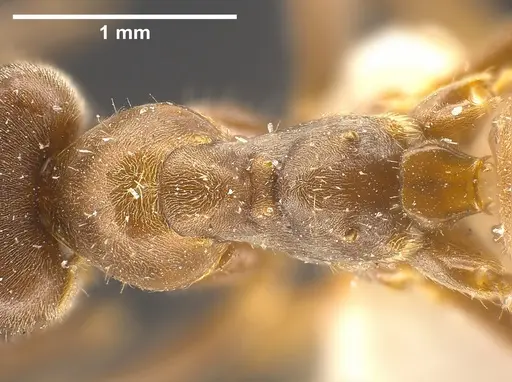
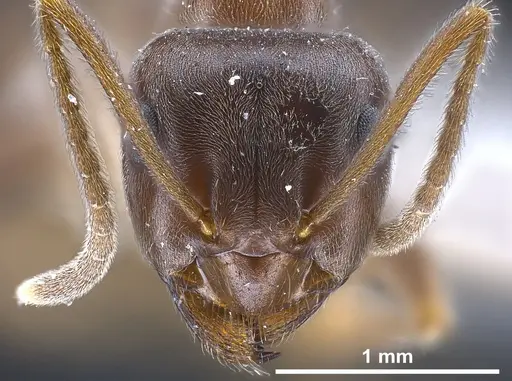
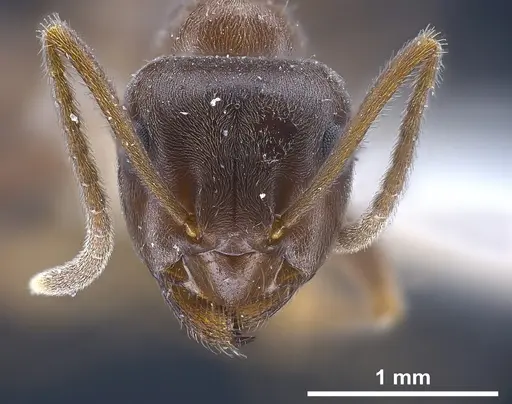
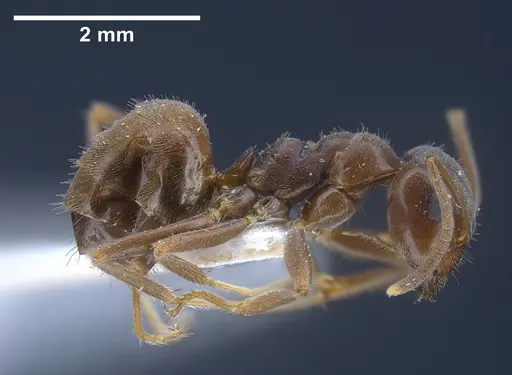
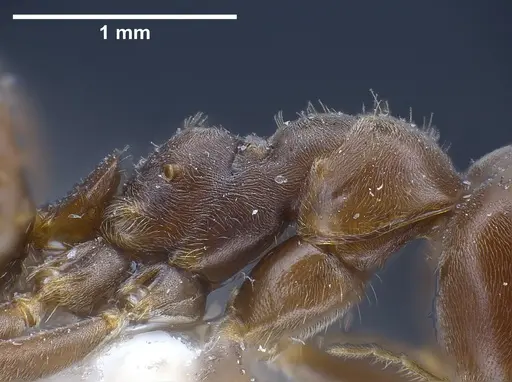
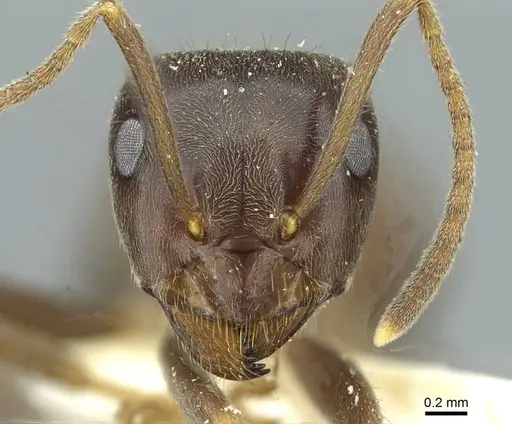
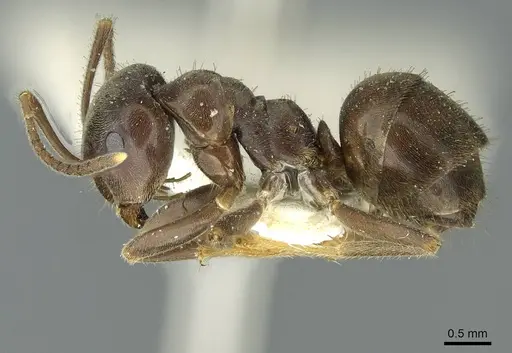
Lasius magnus is the largest species in the subgenus Lasius s.str., with workers reaching impressive sizes for the genus. Workers measure 948-1447 μm in head length, making them noticeably bigger than most Lasius species you'll encounter. The queens are exceptionally large, among the largest of any Lasius species described, reaching 3.5mm in alitrunk length. They have a distinctive appearance with a relatively long head, reduced mandibular teeth (only 6-8), and a unique pubescence pattern on their gaster where the hairs point inward rather than backward, a trait not found in any other Lasius species [1][2].
This species is native to the Himalayan region, found across Bhutan, northern India, and Nepal at high elevations between 1700 and 3100 meters. They inhabit moist evergreen broad-leafed and coniferous mountain forests, making them a true mountain-dwelling species. Interestingly, their large size and overlapping range with Lasius crinitus strongly suggests L. magnus serves as the host for this temporary social parasite [2][1].
Quick Summary
- Difficulty: Medium
- Origin & Habitat: Himalayan region (Bhutan, India, Nepal) at elevations 1700-3100m in moist evergreen broad-leafed and coniferous mountain forests [2][1]
- Colony Type: Likely single-queen colonies based on typical Lasius genus patterns. Ergatoid replacement reproductives may be present as documented in related species [1].
- Colony: Monogyne
- Founding: Claustral
- Size & Growth:
- Queen: Exceptionally large, alitrunk 3.5mm, head length 1.77mm [1]
- Worker: 948-1447 μm head length (very large for Lasius) [1][2]
- Colony: Unknown for captive colonies, likely moderate to large based on worker size
- Growth: Moderate, based on typical Lasius development patterns
- Development: Estimated 6-10 weeks at optimal temperature based on related Lasius species (Development time inferred from genus-level data, no species-specific studies available)
- Antkeeping:
- Temperature: Keep around 20-24°C. Being a high-elevation Himalayan species, they prefer cooler conditions than tropical ants, aim for low-to-mid 20s°C with some variation allowed [1]
- Humidity: Requires mesophilic to very moist conditions. Keep the nest substrate consistently damp but not waterlogged, think damp forest floor. Provide a gradient from moist to slightly drier areas [2][1]
- Diapause: Yes, as a Himalayan mountain species, they likely require a winter dormancy period. Expect reduced activity during colder months.
- Nesting: Y-tong or plaster nests work well. They prefer enclosed nests with chambers scaled to their large size. The natural habitat is under stones and in soil in moist forest environments.
- Behavior: Workers are active foragers, typical of Lasius genus. They likely tend aphids for honeydew and collect small insects as prey. Queens are claustral founders, the queen seals herself in a chamber and raises the first workers alone on stored fat reserves, as is typical for Lasius species. Colonies are not particularly aggressive but will defend if threatened. Escape risk is moderate, use standard Lasius-level escape prevention.
- Common Issues: high elevation origin means they need cooler temperatures than many common ants, avoid overheating, moisture requirements are critical, dry conditions will stress colonies, hibernation is likely required, plan for winter dormancy, wild-caught colonies may carry parasites specific to their native range, large queen size means founding colonies need appropriately sized test tube setups
Housing and Nest Setup
Lasius magnus is a large ant, so your nest chambers need to accommodate workers that are significantly bigger than typical Lasius niger workers. Y-tong (acrylic) nests or plaster nests work well. The key requirement is moisture retention, these ants come from moist Himalayan forests, so the nest substrate should stay damp but never become waterlogged. A test tube setup works for founding colonies, but be sure to use a tube with adequate diameter for the large queen and her first workers. As the colony grows, you can transition to a formicarium with multiple chambers. Always provide an outworld for foraging, these ants will venture out to collect food. [2][1]
Feeding and Diet
Like other Lasius species, Lasius magnus is omnivorous. Workers collect honeydew from aphids and tend scale insects, in captivity, you can offer sugar water or honey water as a constant sugar source. For protein, they accept small insects like fruit flies, small mealworms, and crickets. Feed protein prey 2-3 times per week, adjusting based on colony size. The large workers can handle prey items that would be too big for smaller Lasius species. Remove any uneaten prey after 24-48 hours to prevent mold issues.
Temperature and Seasonal Care
This is a high-altitude Himalayan species, so temperature management is critical. Keep the nest area around 20-24°C, they prefer cooler conditions than many common ant pets. Avoid temperatures above 28°C, which could stress or kill the colony. A heating cable on one side of the nest can create a gentle gradient, allowing ants to choose their preferred temperature zone. During winter, expect reduced activity as the colony enters dormancy. The exact temperature and duration of this rest period isn't documented, but based on their mountain origin, a 2-3 month period at 10-15°C is appropriate. [2][1]
Humidity Requirements
Lasius magnus comes from mesophilic to very moist forest habitats in the Himalayas. The nest should maintain consistent humidity, the substrate should feel damp to the touch but not have standing water. You can achieve this by connecting a water reservoir to the nest or by misting the substrate periodically. Watch for condensation on the nest walls, which indicates adequate moisture. However, avoid excessive wetness, as this can lead to mold growth and drown the colony. A humidity gradient from moist to slightly drier gives the ants options. [2][1]
Colony Founding
The founding behavior of Lasius magnus hasn't been directly studied, but it follows typical Lasius patterns. The claustral queen seals herself in a small chamber she digs in soil or other substrate. She lives entirely on her stored fat reserves while laying eggs and raising the first brood. The first workers (nanitics) will be smaller than mature workers but still notably large. This founding phase typically lasts 6-10 weeks depending on temperature. The queen should not be disturbed during this time, vibrations and light can cause her to abandon or eat the brood. Once the first workers emerge, you can begin offering minimal food in the foraging area. [1]
Behavior and Temperament
Lasius magnus workers are active foragers, patrolling their territory and collecting both sugary liquids and protein prey. They are not particularly aggressive toward humans, like most Lasius, they are more likely to flee than fight when disturbed. However, they will defend the nest if threatened. The large worker size means they can deliver a more noticeable bite than small Lasius species, though they lack a stinger. Colonies establish well-defined nest structures with brood chambers separated from food storage areas. Workers communicate using chemical signals and will recruit nestmates to good food sources. [1][2]
Frequently Asked Questions
How long does it take for Lasius magnus to raise first workers?
Based on typical Lasius development patterns, expect 6-10 weeks from egg to first worker at optimal temperature (around 22°C). The exact timeline may vary depending on temperature and colony health.
What temperature do Lasius magnus ants need?
Keep them at 20-24°C. As a Himalayan mountain species, they prefer cooler conditions than tropical ants. Avoid temperatures above 28°C.
Do Lasius magnus ants need hibernation?
Yes, likely. As a high-elevation Himalayan species, they require a winter dormancy period. Keep them at 10-15°C for 2-3 months during winter.
How big do Lasius magnus colonies get?
The maximum colony size is not documented in scientific literature. Based on their large worker size, colonies likely reach several thousand workers over several years.
Can I keep multiple Lasius magnus queens together?
Lasius species are typically single-queen colonies. Combining unrelated queens is not recommended as they will likely fight. Only keep one queen per colony.
What do Lasius magnus ants eat?
They are omnivorous. Offer sugar water or honey constantly, and protein prey (small insects like fruit flies, mealworms) 2-3 times per week.
Are Lasius magnus ants good for beginners?
They are rated as medium difficulty. Their specific humidity and temperature requirements (cool, moist conditions) make them slightly more challenging than common species like Lasius niger. Experience with Lasius species is helpful.
When should I move Lasius magnus to a formicarium?
Move from test tube to formicarium when the colony reaches 20-30 workers and the test tube space becomes cramped. Ensure the formicarium has adequate moisture retention.
Why is my Lasius magnus colony declining?
Common causes include: overheating (keep below 28°C), too dry conditions (maintain damp substrate), poor nutrition (ensure protein and sugar are offered), or parasites from wild-caught colonies. Check temperature and humidity first.
References

This caresheet is licensed under CC BY-SA 4.0 .
ANTWEB1041272
View on AntWeb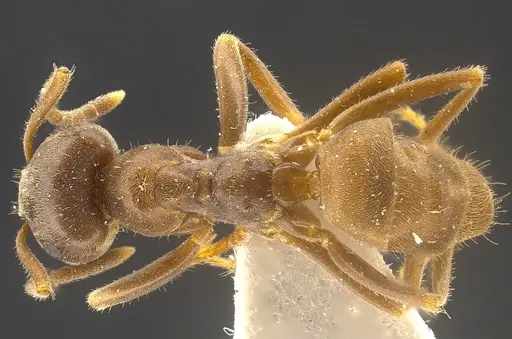
CASENT0912294
View on AntWeb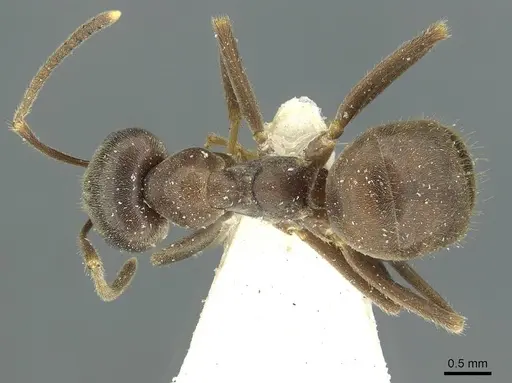
Literature
Loading...Loading products...