

Lasius crinitus
- Scientific Name
- Lasius crinitus
- Tribe
- Lasiini
- Subfamily
- Formicinae
- Author
- Smith, 1858
- Distribution
- Found in 1 countries
Lasius crinitus Overview
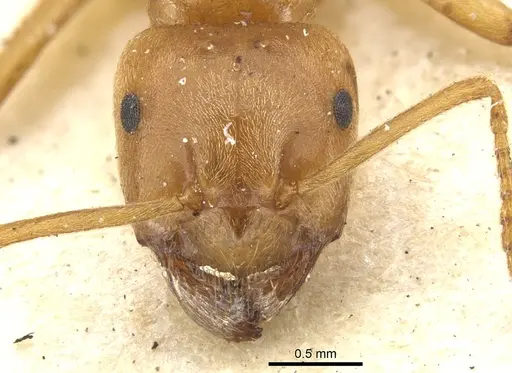
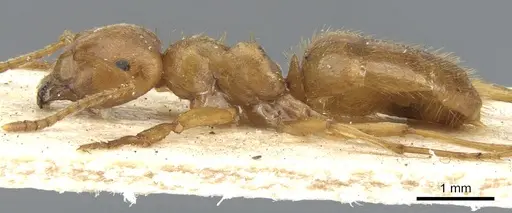
Lasius crinitus is an ant species of the genus Lasius. It is primarily documented in 1 countries , including India. Detailed taxonomic data and occurrence records can be further explored via authoritative databases such as AntWeb or the Global Biodiversity Information Facility (GBIF).
Lasius crinitus
Lasius crinitus is a large, striking ant species native to the Himalayas, found in India, Nepal, and Bhutan at elevations between 2000-3000 meters [1][2]. Workers are exceptionally large for the genus, measuring around 0.88-0.93mm in pronotum width, with a distinctive wedge-shaped petiole crest and long, coarse erect hairs covering their bodies. Queens are the largest in the entire Lasius genus, with a head width of 1.99mm, and feature a yellowish-ochraceous coloration with extremely long, fine, sinuous hairs concentrated on the gaster and petiole. This species belongs to the subgenus Chthonolasius, which are typically subterranean and have unique pilosity patterns [2]. The combination of their large size, abundant long hairs, and high-altitude Himalayan distribution makes them a distinctive and rewarding species for experienced antkeepers.
Quick Summary
- Difficulty: Medium
- Origin & Habitat: Himalayan mountain regions of India, Nepal, and Bhutan at 2000-3000 meters elevation [1][3]. They inhabit cool, damp mountain forests and are adapted to temperate alpine conditions.
- Colony Type: Single-queen colonies (monogyne). The colony structure is straightforward with one reproductive queen and workers.
- Colony: Monogyne
- Founding: Claustral
- Size & Growth:
- Queen: Queens are the largest in Lasius genus, head width 1.99mm.
- Worker: Workers are exceptionally large, pronotum width 0.88-0.93mm.
- Colony: Unknown maximum, but likely moderate-sized like other Lasius species.
- Growth: Moderate, typical for Lasius genus.
- Development: Estimated 6-10 weeks based on typical Lasius development at optimal temperature. (Development likely follows standard Lasius patterns, expect 6-10 weeks from egg to first worker at room temperature.)
- Antkeeping:
- Temperature: Keep cool, aim for 18-22°C. Their high-altitude Himalayan origin means they prefer cooler temperatures than most tropical ants. Room temperature is often suitable, but avoid heating above 24°C [1].
- Humidity: Moderate to high humidity. These mountain ants prefer damp conditions, keep nest substrate consistently moist but not waterlogged. Provide a water tube as their primary moisture source.
- Diapause: Yes, required for colony health. As a Himalayan species adapted to seasonal temperature cycles, they need a winter dormancy period of 2-3 months at 5-10°C.
- Nesting: Y-tong (AAC) or plaster nests work well. They prefer enclosed nests with good humidity retention. The subgenus Chthonolasius is typically subterranean, so a nest with minimal light exposure suits them. Test tubes are suitable for founding colonies.
- Behavior: Generally peaceful and non-aggressive. Workers are slow-moving and docile, typical of Lasius species. They are not known to be escape artists despite their large size, but standard escape prevention is still recommended. Foraging occurs primarily at night or in shaded areas, consistent with their subterranean nature. They likely feed on honeydew and small insects like other Lasius species.
- Common Issues: high-altitude species requires cool temperatures, overheating can kill colonies, winter dormancy is essential, colonies that don't hibernate may decline, humidity must be maintained, drying out is a common killer, slow growth can frustrate beginners, patience is required, wild-caught colonies may have parasites that need treatment
Housing and Nest Setup
Lasius crinitus does well in standard ant housing setups. For founding colonies, a test tube setup with a water reservoir works perfectly, the queen seals herself in and raises her first workers alone. As the colony grows to 20+ workers, you can upgrade to a Y-tong (AAC) nest or plaster formicarium. These ants prefer enclosed, dark spaces, their natural habitat is subterranean. The nest material should retain moisture well since they come from damp Himalayan forests. Avoid setups with excessive ventilation that would dry out the nest. A simple outworld for foraging completes the setup. [1][2]
Temperature Requirements
This is a cool-climate species. Keep your colony at 18-22°C, this is roughly room temperature in most homes, which makes them relatively easy to care for. The critical thing is to avoid overheating. Never place their nest in direct sunlight or near heat sources. If your room runs warm in summer, consider moving them to a cooler location. Their native habitat at 2000-3000 meters elevation means they're adapted to cool, stable temperatures. Prolonged heat above 25°C can be fatal. In winter, they benefit from natural temperature drops and will enter dormancy naturally if kept in an unheated room. [1]
Feeding and Diet
Like other Lasius species, these ants are omnivores with a sweet tooth. Offer sugar water or honey as a constant energy source, they'll readily take it. For protein, provide small insects like fruit flies, small mealworms, or cricket pieces. In the wild, they likely tend aphids and feed on honeydew, so sugar sources are important. Feed protein 2-3 times per week, and keep sugar water available at all times. Remove uneaten prey after 24 hours to prevent mold. Their large size makes them capable of tackling bigger prey items than tiny Lasius species.
Humidity and Water
Lasius crinitus needs moderate to high humidity. Their Himalayan mountain habitat is damp, especially during monsoon season. Keep the nest substrate consistently moist, it should feel damp to the touch but not have standing water. A water tube attached to the test tube or nest provides constant access to moisture. Monitor for condensation on the nest walls, which indicates good humidity. If the nest dries out, workers become sluggish and brood development slows. However, avoid excessive wetness which promotes mold. [1]
Winter Dormancy and Hibernation
As a Himalayan species from high elevations, Lasius crinitus requires a winter dormancy period. This is essential for colony health and longevity. Reduce temperatures to 5-10°C for 2-3 months, typically from late autumn through winter. You can move them to an unheated garage, basement, or refrigerator (in a separate ant-specific mini-fridge). During this time, the colony slows down significantly, you'll see fewer active workers. They don't need food during hibernation, but ensure they have access to water. Don't skip this dormancy, colonies that are kept warm year-round often decline prematurely. [1][2]
Colony Development
A claustral queen seals herself in a chamber and raises her first brood using stored fat reserves, she won't leave to forage during founding. Expect 6-10 weeks from egg to first worker (nanitic), though this varies with temperature. The first workers will be smaller than mature workers. Growth is moderate, a well-fed colony can reach 50-100 workers in the first year. Queens are long-lived, potentially lasting 10-15 years with proper care. Colonies grow faster in warmer months and slow during winter even without formal hibernation.
Frequently Asked Questions
How long does it take for Lasius crinitus to have first workers?
Expect 6-10 weeks from egg to first worker at room temperature (18-22°C). This varies based on temperature, warmer conditions speed development slightly, while cooler temperatures slow it down.
What temperature do Lasius crinitus need?
Keep them cool at 18-22°C. They're a high-altitude Himalayan species that prefers temperatures much cooler than tropical ants. Avoid heat sources and direct sunlight.
Can I keep multiple Lasius crinitus queens together?
No, this is a monogyne (single-queen) species. Multiple unrelated queens will fight. Only keep one queen per colony.
Do Lasius crinitus need hibernation?
Yes, they require a winter dormancy period of 2-3 months at 5-10°C. This is essential for their health and mimics their natural seasonal cycle in the Himalayas.
What do Lasius crinitus eat?
They accept sugar water or honey as a constant energy source, plus small insects like fruit flies, small mealworms, or cricket pieces for protein. Feed protein 2-3 times per week.
Are Lasius crinitus good for beginners?
They're rated medium difficulty. While their temperature needs are straightforward (room temperature), their hibernation requirement and slower growth make them better suited for keepers who already have some experience with ant keeping.
How big do Lasius crinitus colonies get?
Maximum colony size is not well documented, but based on related Lasius species, expect several hundred workers at maturity. They grow moderately fast once established.
When should I move Lasius crinitus from a test tube to a formicarium?
Move them when the colony reaches 20-30 workers and the test tube is becoming cramped. Make sure there's still water available in the setup before transferring.
Why is my Lasius crinitus colony dying?
Common causes include: overheating (keep below 24°C), drying out (maintain humidity), skipping hibernation, or poor nutrition. Check these factors and correct immediately. Wild-caught colonies may also carry parasites.
References

This caresheet is licensed under CC BY-SA 4.0 .
CASENT0903212
View on AntWeb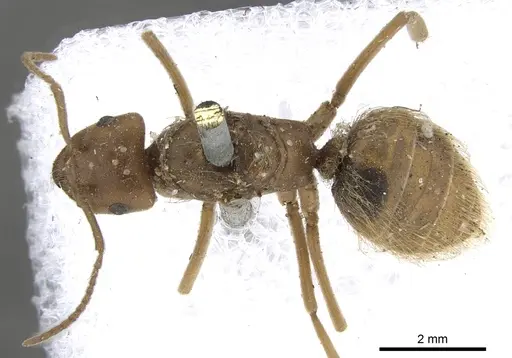
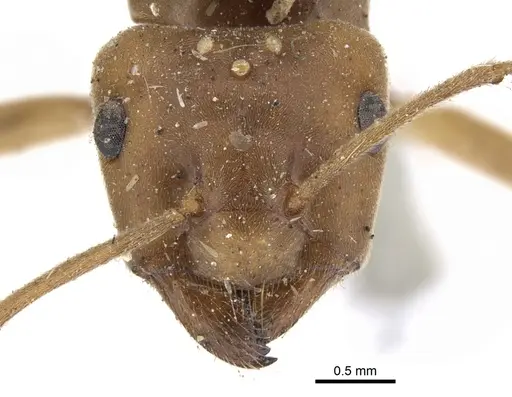
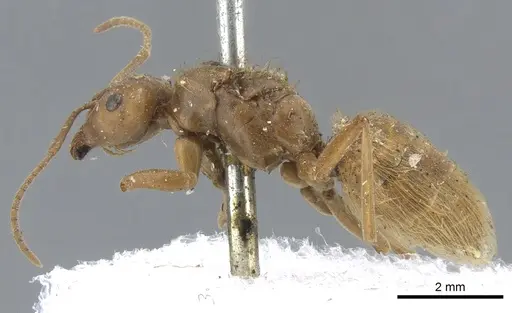
CASENT0903213
View on AntWeb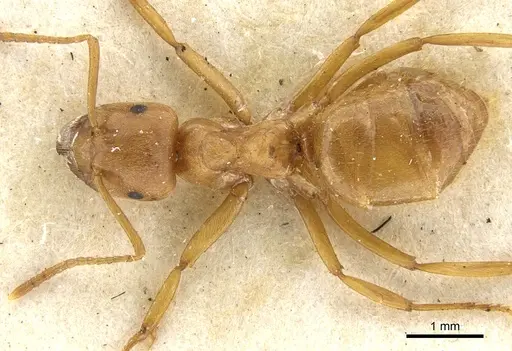
Literature
Loading...Loading products...