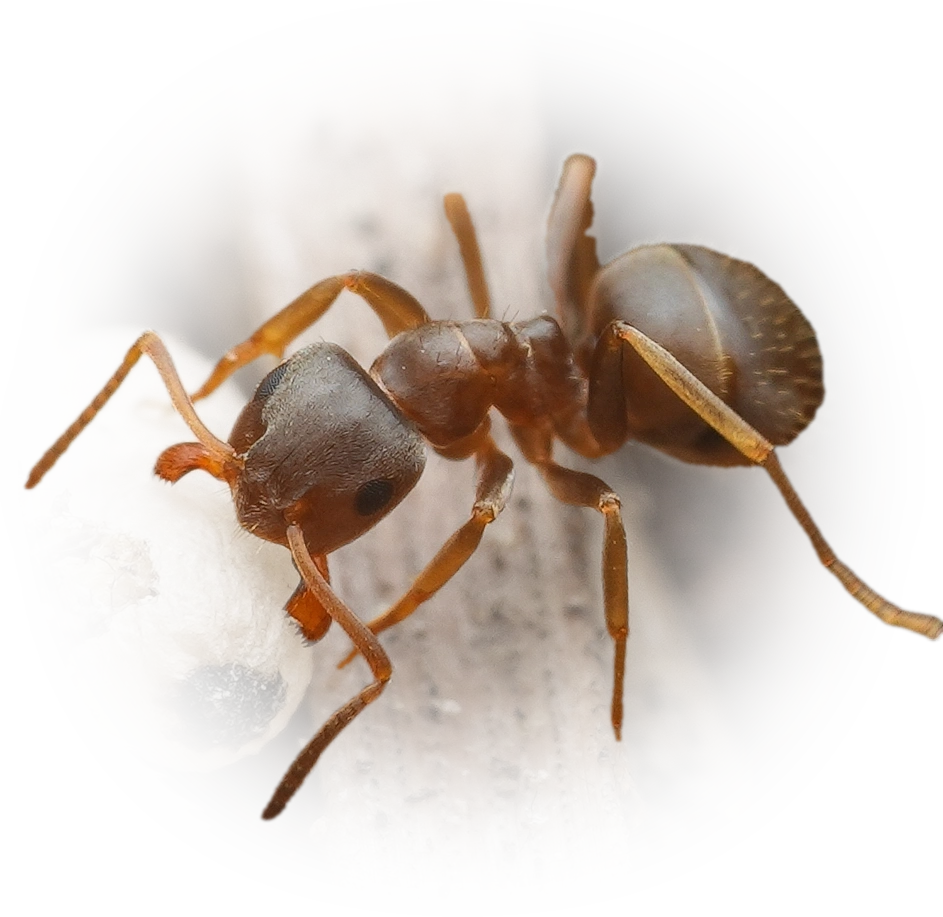

Lasius paralienus
- Scientific Name
- Lasius paralienus
- Tribe
- Lasiini
- Subfamily
- Formicinae
- Author
- Seifert, 1992
- Distribution
- Found in 11 countries
Lasius paralienus Overview
Lasius paralienus is an ant species of the genus Lasius. It is primarily documented in 11 countries , including Austria, Bulgaria, Switzerland. Detailed taxonomic data and occurrence records can be further explored via authoritative databases such as AntWeb or the Global Biodiversity Information Facility (GBIF).
Lasius paralienus
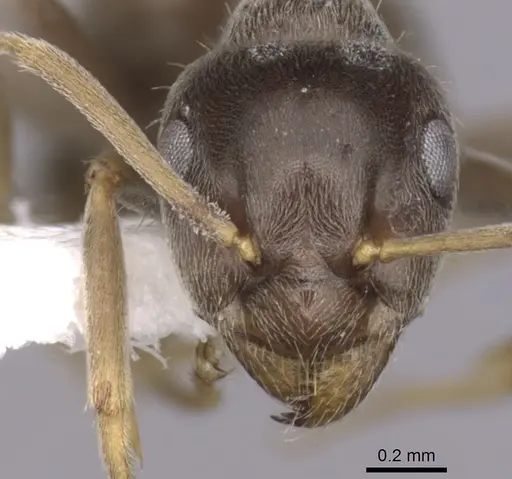
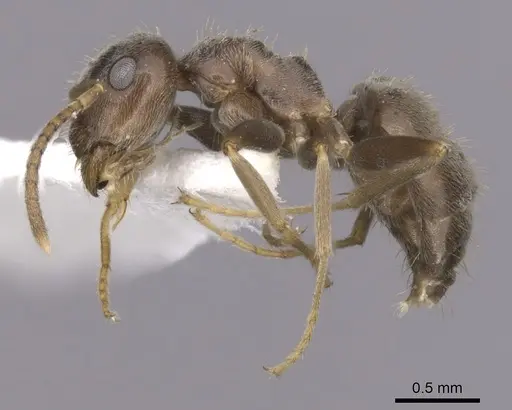
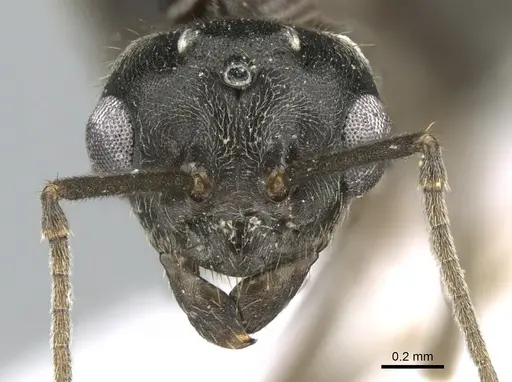
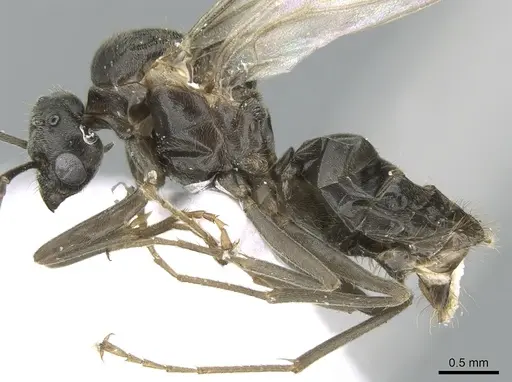
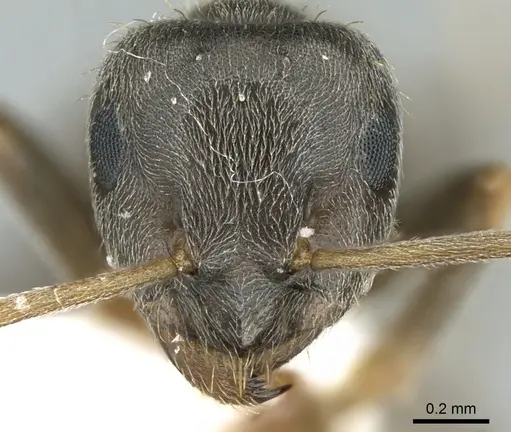
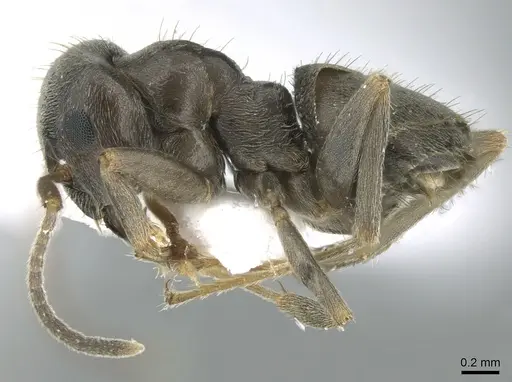
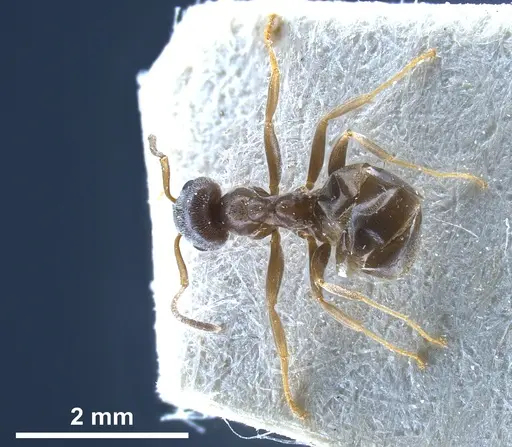
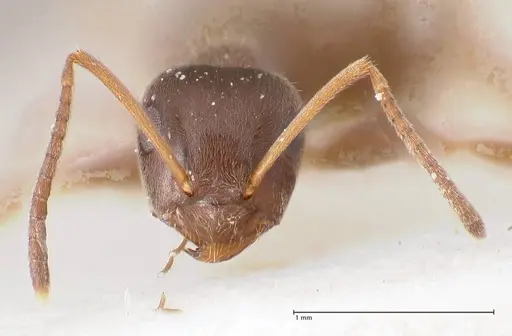
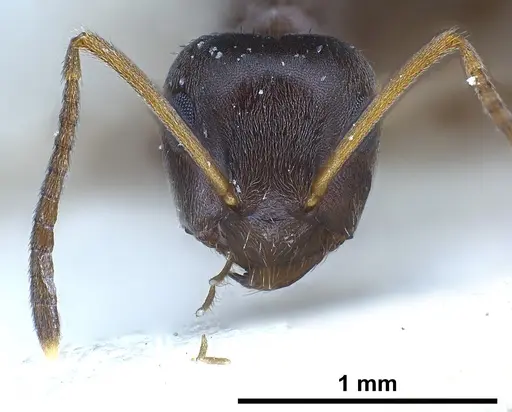
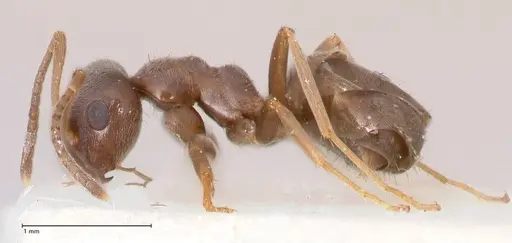
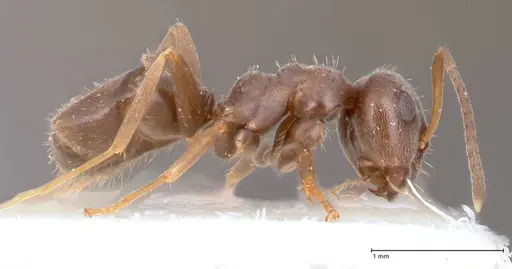
Lasius paralienus is a small to medium-sized ant native to Europe, part of the Lasius alienus species complex. Workers measure 3.0-4.0mm and have a distinctive appearance with medium to dark brown body coloration, light yellowish-brown mandibles and antennae, and dense white pubescence that gives their body a silky sheen. This species was only recognized as separate from Lasius alienus in 1992,so older records often refer to this species under that name. They are found across central and southern Europe from France to the Balkans, preferring warm, dry grasslands on limestone or sandy soils. A notable feature is their role as the main host for the social parasite Lasius balcanicus, and they tend to avoid areas where their close relative L. alienus occurs, showing limited habitat overlap.
Quick Summary
- Difficulty: Easy
- Origin & Habitat: Europe (central and southern), from France east to Bulgaria, north to southern Sweden. Prefers xerothermic (warm and dry) open grasslands, dry meadows, and steppe-heath habitats on limestone, sandy, or loess substrates. Found from sea level up to 500m in southern areas, and 500-950m in northern regions [1][2][3].
- Colony Type: Single-queen colonies (monogyne). Queens are known to found colonies both alone and through pleometrosis (multiple queens starting a nest together), with some documented colony foundation involving multiple queens [1][4].
- Colony: Monogyne
- Founding: Claustral, Pleometrosis
- Size & Growth:
- Queen: 6-7mm estimated based on related Lasius species [1]
- Worker: 3.0-4.0mm [5][3]
- Colony: Medium-sized colonies, typically several hundred workers [1]
- Growth: Moderate, typical for Lasius genus
- Development: 6-8 weeks estimated based on typical Lasius development at warm temperatures (Development timeline not directly studied for this species. Based on genus patterns for similar Lasius species, expect 6-8 weeks from egg to first worker at optimal temperatures (around 20-24°C). Queens produce sexuals about 1 month later than related species L. alienus and L. psammophilus [1].)
- Antkeeping:
- Temperature: Keep at 20-24°C. This is a warm-adapted species that thrives in dry, xerothermic conditions. Room temperature is typically suitable, but a slight warmth can accelerate colony growth. Avoid temperatures below 15°C for extended periods [1][3].
- Humidity: Low to moderate. These ants prefer dry conditions, think warm, dry grasslands rather than damp environments. Keep the nest substrate moderately dry, allowing it to fully dry between waterings. Avoid overly humid conditions that can cause mold [1][3].
- Diapause: Yes, requires winter dormancy. As a temperate species, colonies benefit from a hibernation period in winter (roughly November-February at 5-10°C). They tolerate Pannonian winter cold better than related species L. alienus [1][6].
- Nesting: Nests in soil under stones in captivity. Provide a test tube setup with dry to moderately moist substrate. These ants do well in formicariums with compact chambers. Avoid overly moist or wet setups. A small water reservoir is sufficient, they prefer drier conditions [1][3].
- Behavior: Generally peaceful and non-aggressive. Workers are active foragers that tend aphids for honeydew and collect small insects. They are not aggressive defenders and rarely bite. Colonies are moderately active and workers will readily explore outworlds for food. Escape risk is moderate, use standard barriers but they are not particularly good climbers [1][7].
- Common Issues: dry conditions are essential, overly moist substrate leads to mold and colony decline, hibernation is important for long-term colony health, skipping winter rest may weaken colonies, confusion with Lasius alienus and other related species means wild-caught identifications may be inaccurate, colonies can be outcompeted by more aggressive ant species if housed in shared spaces
Housing and Nest Setup
Lasius paralienus does well in standard test tube setups for founding colonies. Use a test tube with a small water reservoir separated by a cotton plug, these ants prefer drier conditions than many other Lasius species, so allow the substrate to dry out between waterings. Once the colony reaches 20-30 workers, you can move them to a small formicarium. Use a compact nest with tight-fitting chambers scaled to their medium size. Avoid high humidity setups, these are dry grassland ants that can develop mold problems in overly moist conditions. A thin layer of substrate (1-2cm) in an outworld works well for foraging. [1][3]
Feeding and Diet
Like most Lasius species, L. paralienus is omnivorous with a strong preference for sugar sources and protein. Feed them sugar water, honey, or diluted maple syrup as a constant carbohydrate source. For protein, offer small insects like fruit flies, small crickets, or mealworms. They are known to tend aphids in the wild and will readily accept honeydew substitutes. Feed protein 2-3 times per week for growing colonies, and provide sugar water continuously. Remove uneaten prey after 24 hours to prevent mold. Workers will also scavenge on small pieces of fruit or seeds, but protein-rich foods are essential for brood development. [1]
Temperature and Seasonal Care
Keep your colony at room temperature (20-24°C), this species naturally occurs in warm, xerothermic habitats and thrives with moderate warmth. A slight temperature gradient is beneficial but not required. In winter, provide a hibernation period of roughly 3-4 months at 5-10°C (like a refrigerator or cold cellar). This species actually tolerates cold better than its relative L. alienus, so don't be concerned if temperatures drop. Skipping hibernation can weaken colonies over time and may prevent proper seasonal cycle regulation. Reduce feeding during hibernation and keep the nest slightly cooler but not frozen. [1][6][3]
Behavior and Colony Dynamics
Lasius paralienus is a relatively peaceful species with low aggression toward humans and other ants. Workers are active foragers that readily search for food in outworlds. They are known to tend various aphid species in the wild, protecting them and collecting honeydew, you may observe this behavior if you keep aphids nearby. Colonies grow at a moderate pace, typically reaching several hundred workers. Queens can found colonies alone (claustral) or through pleometrosis with multiple queens cooperating initially. This species is known to be the main host for the social parasite Lasius balcanicus, though this is not something you'll encounter in captive care. They are not strong climbers and standard escape barriers are usually sufficient. [1][7][6]
Identification and Similar Species
Lasius paralienus was only described as a separate species in 1992,split from the closely related Lasius alienus. It belongs to the Lasius alienus species complex, which now includes three species: L. paralienus, L. casevitzi, and L. bombycina. Telling them apart requires careful examination of microscopic features like maxillary palp length, setae counts, and clypeal pubescence. In the field, L. paralienus tends to occur in warmer, drier habitats than L. alienus, and the two species show limited habitat overlap (only about 6% overlap in studies). For antkeepers, the practical takeaway is that accurate identification of wild-caught colonies may require expert examination, and many older records of 'L. alienus' from southern Europe likely refer to this species. [1][3]
Frequently Asked Questions
Is Lasius paralienus a good beginner ant species?
Yes, Lasius paralienus is an excellent beginner species. They are peaceful, don't sting, and have straightforward care requirements. They tolerate a range of temperatures and don't require high humidity like tropical species. The main requirements are providing dry conditions and a proper winter hibernation period. They are widely available from European suppliers and collectors.
How long does it take for Lasius paralienus to produce first workers?
Based on typical Lasius development patterns, expect 6-8 weeks from egg to first worker at room temperature (20-24°C). The exact timeline hasn't been directly studied for this species, but related Lasius species follow this general pattern. Founding queens seal themselves in and raise the first brood alone, so be patient during the founding stage, don't disturb the nest.
Do Lasius paralienus ants need hibernation?
Yes, they require a winter dormancy period. As a temperate European species, colonies benefit from 3-4 months of hibernation at 5-10°C during winter (roughly November-February). This species actually tolerates cold better than related species like L. alienus. Skipping hibernation can weaken colonies over time and may affect their seasonal cycle. Reduce feeding during this period and keep them in a cool location like a refrigerator or cold cellar.
What do Lasius paralienus ants eat?
They are omnivorous like most Lasius species. Feed them sugar water, honey, or diluted maple syrup as a constant carbohydrate source. For protein, offer small insects like fruit flies, small crickets, or mealworms 2-3 times per week. They will also tend aphids if given the opportunity, collecting honeydew. Remove uneaten prey after 24 hours to prevent mold issues.
Can I keep multiple Lasius paralienus queens together?
This species has been documented using pleometrosis (multiple queens founding a colony together) in the wild, but this is different from keeping unrelated established queens together. It's not recommended to combine unrelated foundress queens in captivity as they may fight. If you obtain a colony with multiple queens, they will typically sort out their hierarchy naturally. Single-queen colonies are the norm and work well.
How big do Lasius paralienus colonies get?
Colonies reach medium size, typically several hundred workers. This is not one of the large Lasius species that can produce thousands of workers. Growth rate is moderate, expect a few years to reach substantial colony sizes. They are not supercolonial and each colony remains relatively compact.
What humidity level do Lasius paralienus ants need?
Low to moderate humidity. These are xerothermic (warm and dry) ants that prefer dry conditions. Keep the nest substrate moderately dry, allowing it to fully dry between waterings. Avoid high humidity setups that can cause mold. A small water reservoir in the test tube is sufficient, they will drink from it as needed.
When do Lasius paralienus nuptial flights occur?
Nuptial flights occur in August, roughly one month later than the related species L. alienus and L. psammophilus. This timing allows sexuals to emerge during warm summer conditions. If you're breeding this species, expect alates (reproductives) to appear in late summer and be ready for mating flights if you plan to establish new colonies.
What's the difference between Lasius paralienus and Lasius alienus?
Lasius paralienus was only recognized as a separate species in 1992,split from L. alienus. They are sibling species that look very similar and require microscopic examination to tell apart (differences in maxillary palp length, setae counts, and clypeal pubescence). Ecologically, L. paralienus prefers warmer, drier xerothermic habitats while L. alienus prefers milder conditions. The two species show limited habitat overlap in the wild.
References

This caresheet is licensed under CC BY-SA 4.0 .
CASENT0172761
View on AntWeb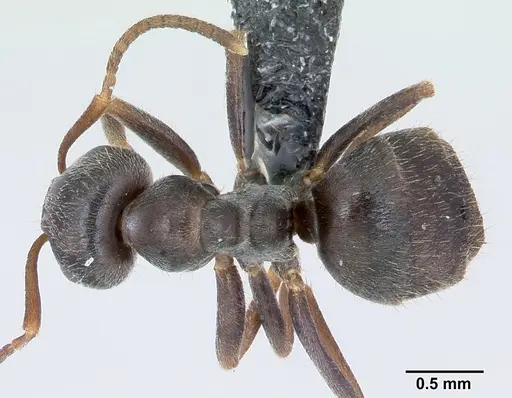
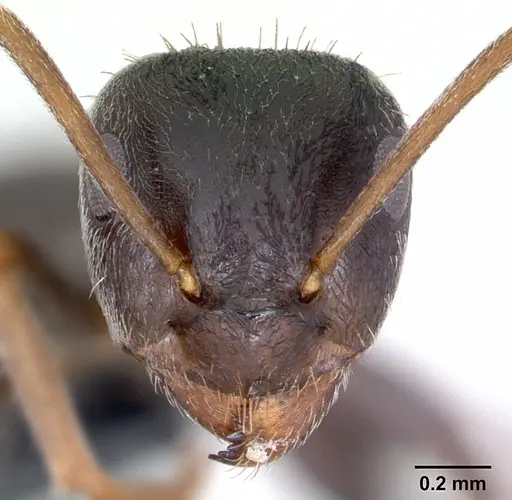
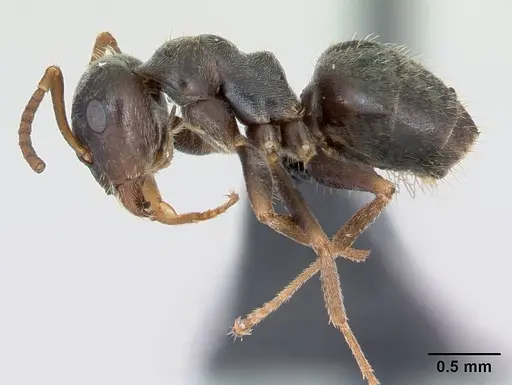
CASENT0280451
View on AntWeb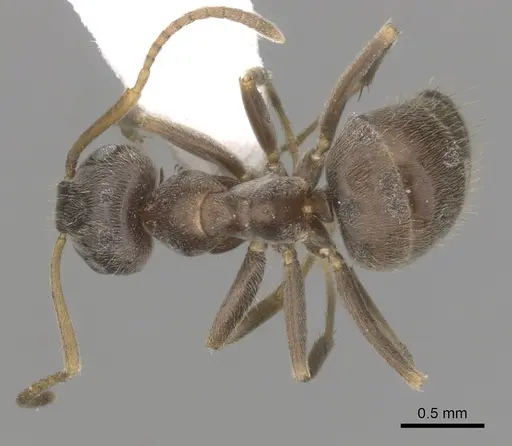
CASENT0906117
View on AntWeb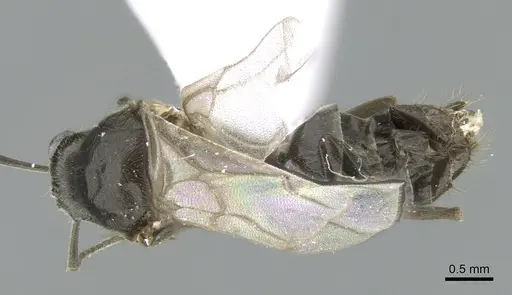
CASENT0906118
View on AntWeb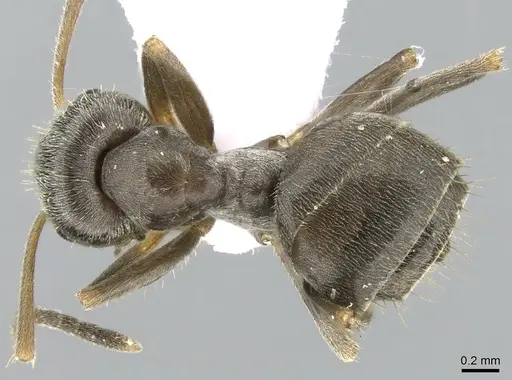
FOCOL0751
View on AntWeb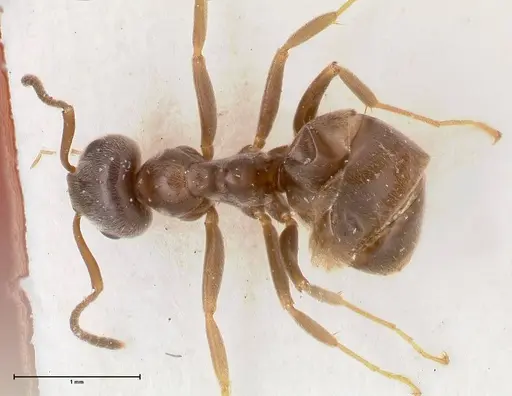
Literature
Loading...Loading products...