

Lasius balcanicus
- Scientific Name
- Lasius balcanicus
- Tribe
- Lasiini
- Subfamily
- Formicinae
- Author
- Seifert, 1988
- Distribution
- Found in 4 countries
Lasius balcanicus Overview
Lasius balcanicus is an ant species of the genus Lasius. It is primarily documented in 4 countries , including Bulgaria, Spain, Türkiye. Detailed taxonomic data and occurrence records can be further explored via authoritative databases such as AntWeb or the Global Biodiversity Information Facility (GBIF).
Lasius balcanicus
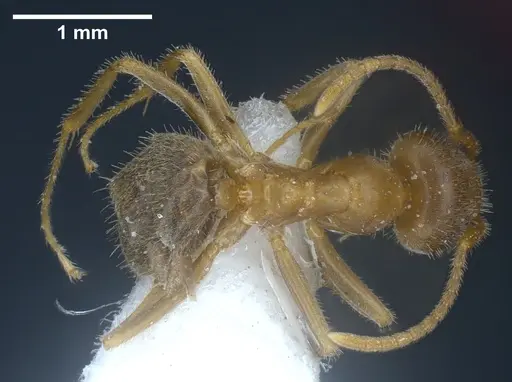
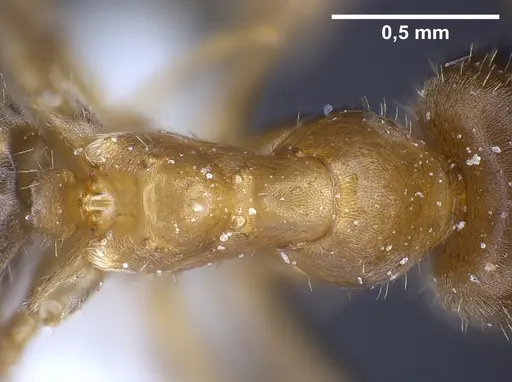
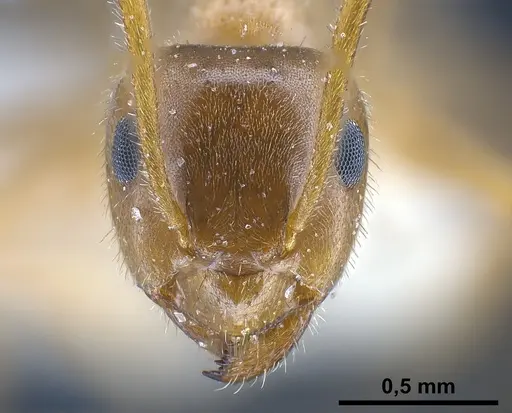
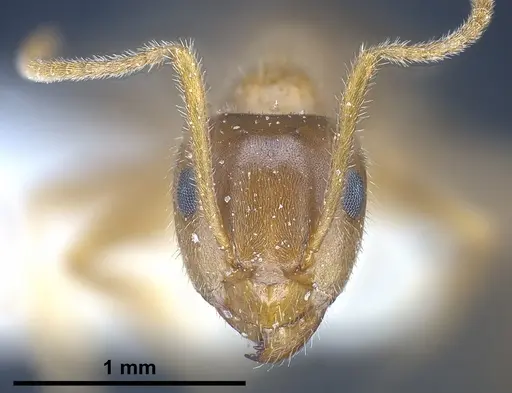
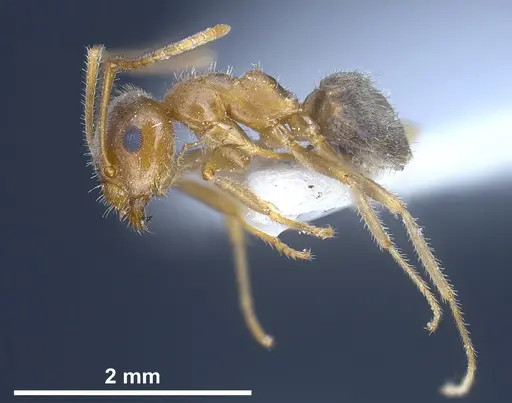
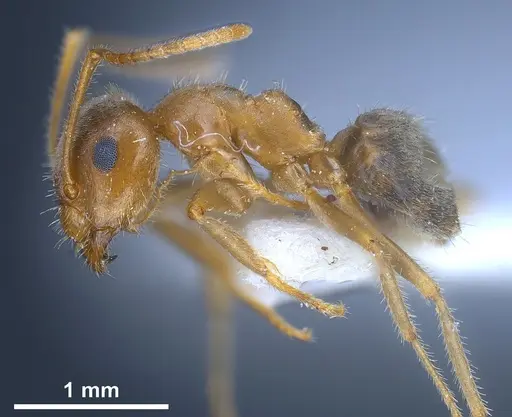
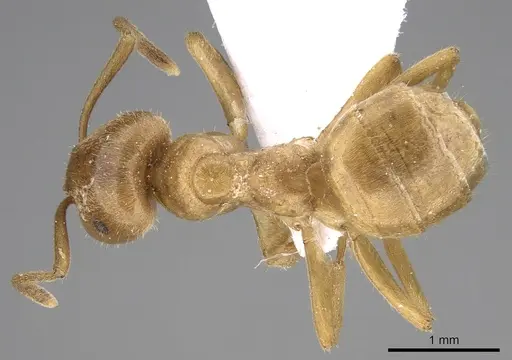
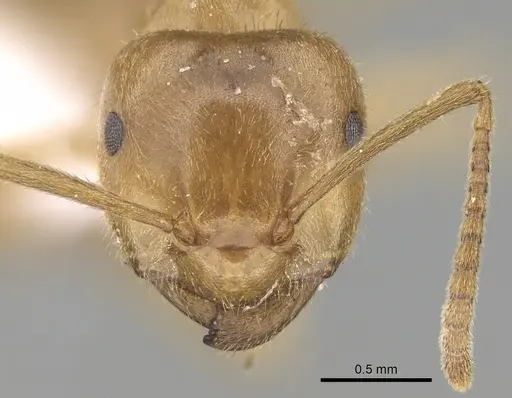
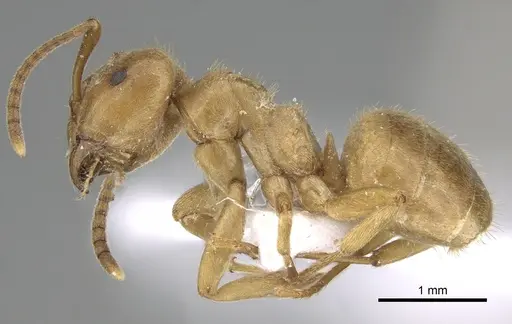
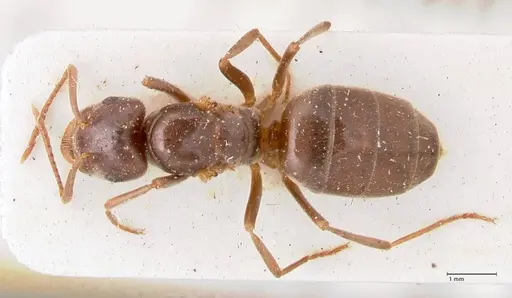
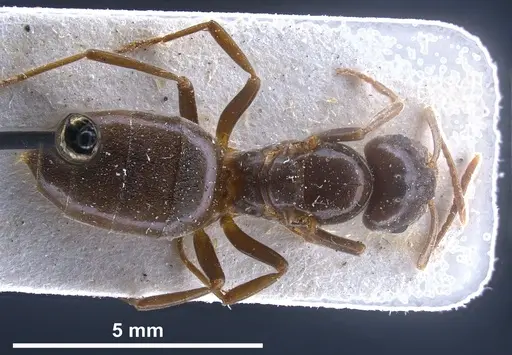
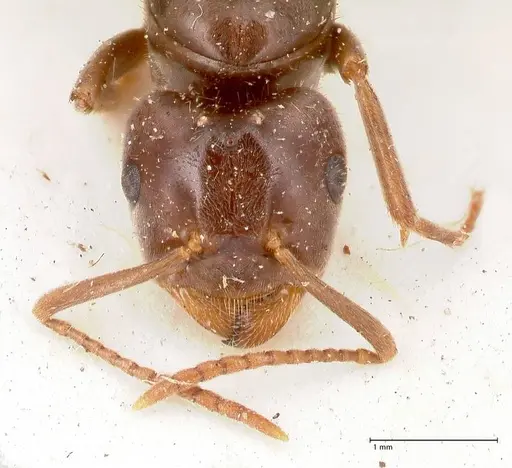
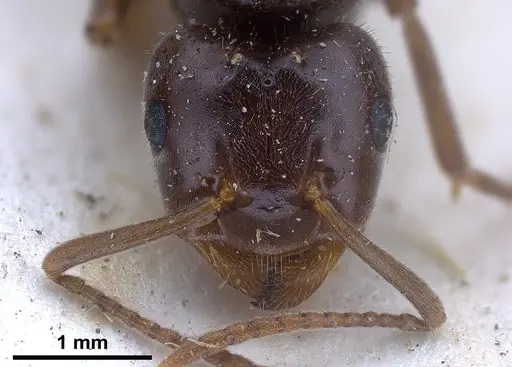
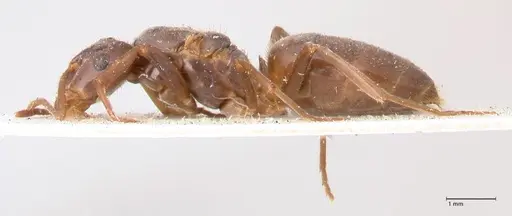
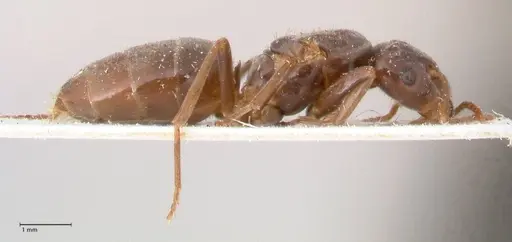
Lasius balcanicus is a small to moderately large yellow ant belonging to the Formicinae subfamily. Workers measure 1.0-1.2mm in head length with a pale yellow coloration covering the entire body including appendages. This species belongs to the umbratus group within the flavus clade and is part of the Chthonolasius subgenus. The head is slightly longer than wide with very small eyes, and the body is covered with pubescence and scattered erected setae. The species is native to the Balkan Peninsula and surrounding regions including Austria, Bulgaria, Greece, Hungary, Romania, Slovenia, and Turkey.
This ant is primarily found in mountainous regions at mid to high altitudes (668-1480m), inhabiting coniferous, pine, and fir forests as well as sunny locations in deciduous mountain forests. Nests are typically constructed under stones or directly in soil. One distinctive challenge with this species is that workers are nearly identical to the closely related Lasius distinguendus, definitive identification requires examining queen specimens from the same nest [1][2].
Quick Summary
- Difficulty: Medium
- Origin & Habitat: Native to the Balkan Peninsula and surrounding regions in southeastern Europe. Found in coniferous, pine and fir forests, and sunny locations in deciduous mountain forests at elevations between 668-1480m [3]. Nests under stones and in soil [3].
- Colony Type: Single-queen colonies (monogyne). The colony structure is typical of the Lasius genus.
- Colony: Monogyne
- Founding: Claustral
- Size & Growth:
- Queen: Approximately 6-7mm (estimated based on genus patterns)
- Worker: HL 1.032-1.175mm, HW 1.008-1.151mm [3]
- Colony: Colony size data not specifically documented, but typical Lasius colonies reach several thousand workers
- Growth: Moderate, estimated based on genus patterns
- Development: 6-10 weeks at optimal temperature (estimated based on related Lasius species) (Development time follows typical Lasius patterns, claustral founding means queens raise first workers alone using stored fat reserves)
- Antkeeping:
- Temperature: Keep at room temperature around 20-24°C. This species tolerates cooler conditions given its mountain forest origin. A gentle gradient allowing workers to self-regulate is beneficial.
- Humidity: Moderate humidity is suitable. Keep nest substrate slightly moist but not waterlogged. These ants naturally nest under stones in forest habitats where moisture levels are moderate.
- Diapause: Yes, Lasius species require a winter dormancy period. Provide hibernation at 5-10°C for 3-4 months during winter months.
- Nesting: Y-tong (acrylic) nests work well, or test tube setups. Naturalistic setups with stones over soil are also appropriate given their natural nesting under stones. Avoid overly dry conditions.
- Behavior: This is a calm, non-aggressive species typical of the Lasius genus. Workers are small and pale yellow, relatively slow-moving compared to some ant species. They are not known for being escape artists, but standard escape prevention is still recommended. As ground-nesting ants, they forage for honeydew and small insects. The species is a known host for various mite species in the wild [4].
- Common Issues: definitive identification is difficult, workers are nearly identical to Lasius distinguendus, requiring queens for accurate ID, colonies may be slow to establish initially due to moderate growth rate, hibernation requirements must be met or colony health will suffer, wild-caught colonies may carry mites or parasites that can cause problems in captivity, overheating is a risk, avoid temperatures above 28°C given their mountain origin
Housing and Nest Setup
Lasius balcanicus adapts well to common captive setups. Y-tong (acrylic) nests with narrow chambers work well, as do test tube setups. Given their natural tendency to nest under stones, a naturalistic setup with flat stones placed over moist soil can simulate their preferred environment. The chambers should be appropriately scaled to their small worker size. Provide a water tube or moisture reservoir to maintain humidity. These ants do best with moderate humidity, the substrate should feel damp but not soggy. A small outworld for foraging allows easy feeding access. [1][2][3]
Feeding and Diet
Like other Lasius species, these ants are omnivorous with a preference for sugar sources. Offer sugar water, honey, or diluted honey water as a constant food source. For protein, provide small insects such as fruit flies, small crickets, or mealworms. In the wild, Lasius ants commonly tend aphids for honeydew, so they readily accept sugar sources. Feed protein prey 2-3 times per week, and keep sugar water available at all times. Remove uneaten prey after 24-48 hours to prevent mold issues. [3]
Temperature and Seasonal Care
Maintain temperatures in the range of 20-24°C. This species originates from mountain forests in the Balkans, so it tolerates cooler conditions better than many tropical ants. Room temperature is often suitable. During summer, avoid overheating, temperatures above 28°C can be harmful. In winter, provide a proper hibernation period of 3-4 months at 5-10°C. This dormancy is essential for colony health and typically aligns with natural seasonal cycles. Reduce feeding during hibernation and keep the nest slightly cooler but not frozen. [3]
Colony Development
Lasius balcanicus follows typical claustral founding, the queen seals herself in a chamber and raises the first brood alone using her stored fat reserves. The first workers (nanitics) are typically smaller than mature workers. Development from egg to worker takes an estimated 6-10 weeks at optimal temperature, similar to other Lasius species. Growth is moderate, colonies may take several years to reach several thousand workers. Patience is key with this species as initial colony establishment is slow. Once established, colonies are hardy and long-lived. [3]
Identification Challenges
A significant challenge with Lasius balcanicus is distinguishing it from the closely related Lasius distinguendus. Workers of both species are nearly identical in appearance, making field identification difficult. Definitive identification requires examining queen specimens from the same nest colony [1][2]. If you collect wild colonies or receive samples, look for the gyne (queen) caste for accurate species confirmation. This is important for proper species records and for antkeepers interested in accurate identification.
Frequently Asked Questions
How long does it take for Lasius balcanicus to produce first workers?
Expect first workers (nanitics) approximately 6-10 weeks after the queen lays eggs, at optimal temperature around 22°C. This is typical of the Lasius genus. Initial colony growth is slow, the queen raises the first brood alone.
Do Lasius balcanicus ants need hibernation?
Yes, these ants require a winter dormancy period. Provide 3-4 months of hibernation at 5-10°C during winter months. This is essential for colony health and follows their natural seasonal cycle in mountain forest habitats.
What do Lasius balcanicus ants eat?
They are omnivorous. Offer sugar water or honey constantly for carbohydrates, and small insects like fruit flies or small crickets for protein 2-3 times per week. They readily accept honeydew if aphids are available.
Are Lasius balcanicus good for beginners?
This species is moderate in difficulty. They are hardy once established but have slower colony growth than some common species. The main challenge is accurate identification. They require proper hibernation which adds an extra care step.
Can I keep multiple Lasius balcanicus queens together?
No, this is a monogyne (single-queen) species. Multiple unrelated queens will fight. Only keep one queen per colony. If you find a wild colony, it will typically have just one functional queen.
How big do Lasius balcanicus colonies get?
Mature colonies likely reach several thousand workers, typical of Lasius species. Growth is moderate and takes several years to reach maximum size.
When should I move Lasius balcanicus to a formicarium?
Wait until the colony has 20-30 workers before moving to a formicarium. Test tube setups are ideal for founding colonies. Once the colony outgrows the test tube or has significant brood, transfer to a larger nest.
Why is my Lasius balcanicus colony declining?
Common causes include: improper hibernation (too warm or too short), overfeeding leading to mold, temperatures above 28°C, or stress from frequent disturbances. Check that humidity is moderate, not excessive. Wild-caught colonies may also carry parasites.
References

This caresheet is licensed under CC BY-SA 4.0 .
Literature
Loading...Loading products...