

Lasius distinguendus
- Scientific Name
- Lasius distinguendus
- Tribe
- Lasiini
- Subfamily
- Formicinae
- Author
- Emery, 1916
- Distribution
- Found in 14 countries
Lasius distinguendus Overview
Lasius distinguendus is an ant species of the genus Lasius. It is primarily documented in 14 countries , including Belgium, Bulgaria, Switzerland. Detailed taxonomic data and occurrence records can be further explored via authoritative databases such as AntWeb or the Global Biodiversity Information Facility (GBIF).
Lasius distinguendus
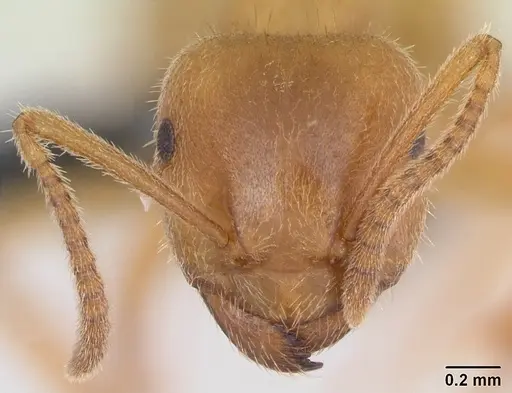
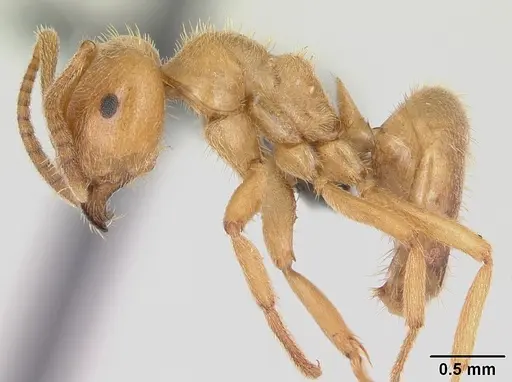
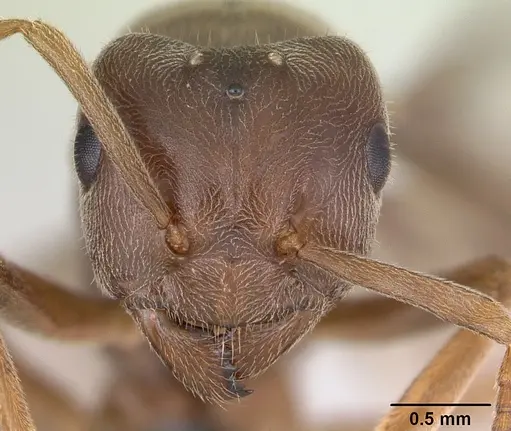
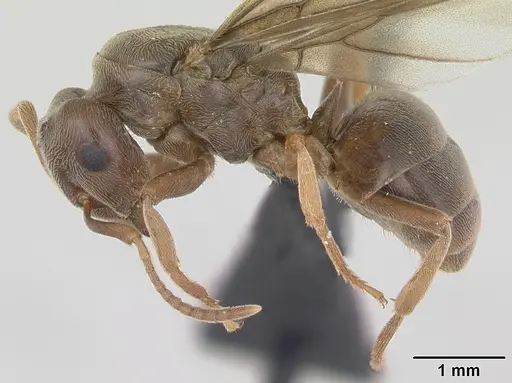
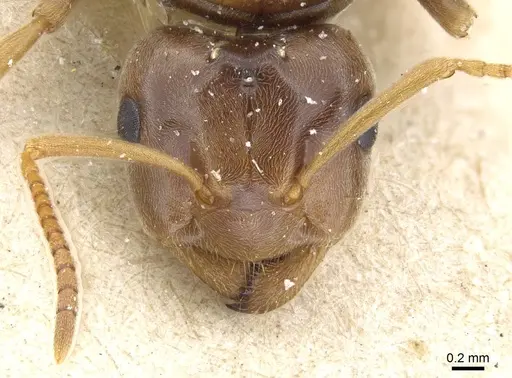
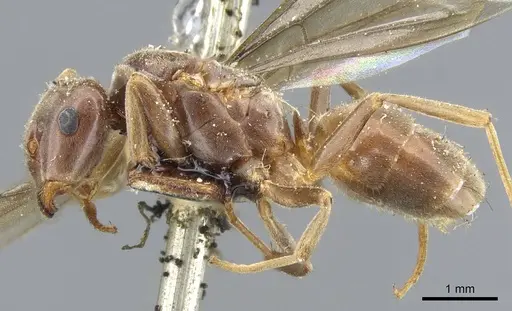
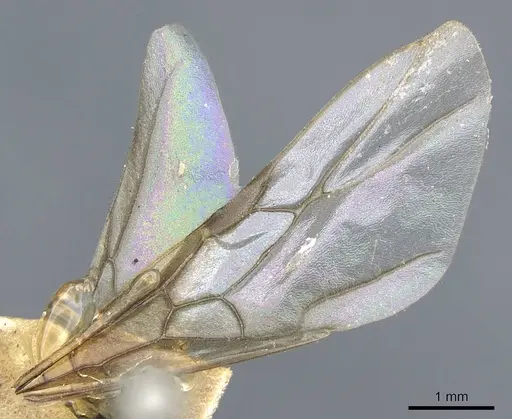
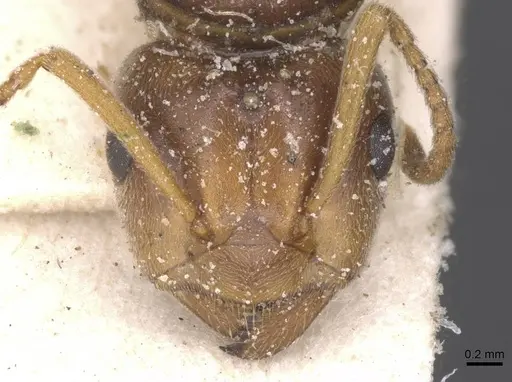
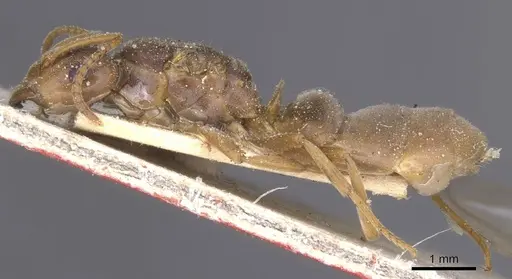
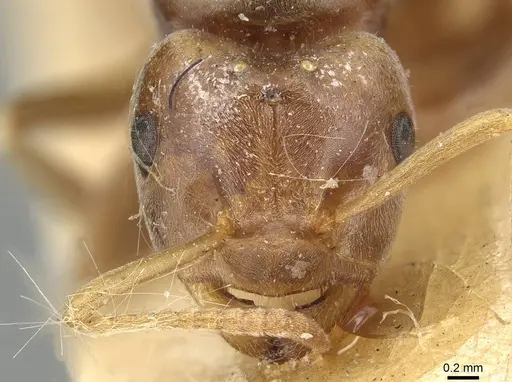
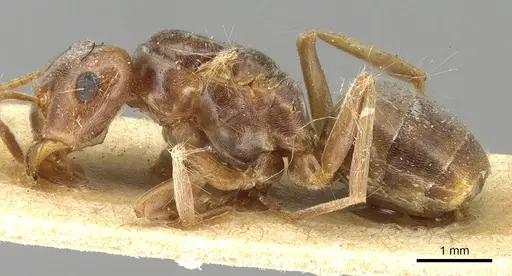
Lasius distinguendus is a small to moderately large yellow ant belonging to the subgenus Chthonolasius, which are temporary social parasites. Workers measure 1.0-1.2mm in head length and have a pale yellow body with relatively long body hairs compared to similar species like Lasius mixtus [1]. The queen has a distinctive high, broadly notched scale and more abundant genal hairs than related species. This ant is found across South and Central Europe, extending into parts of Mongolia and the Korean Peninsula, preferring dry, warm grasslands and meadows [2][3]. What makes L. distinguendus particularly interesting is its temporary social parasitic lifestyle, queens must invade and take over established colonies of other Lasius species to found their own colonies, making them challenging but rewarding to keep [4].
Quick Summary
- Difficulty: Expert
- Origin & Habitat: Native to South and Central Europe, from Spain and France east to Mongolia and the Korean Peninsula. Found in dry grasslands, xerothermic meadows, and calcareous grasslands. Prefers warm, open habitats and often builds nests with noticeable soil mounds [3][2].
- Colony Type: Temporary social parasite, single queen colonies that found nests by invading established colonies of Lasius s.str. species (mainly L. alienus, also L. platythorax, L. paralienus, L. niger). The invading queen kills the host queen and uses the host workers to raise her first brood [3][4].
- Colony: Monogyne
- Queen: Temporary parasitic
- Size & Growth:
- Queen: Approximately 6-7mm (estimated based on genus typical size for Chthonolasius)
- Worker: 1.0-1.2mm head length [1]
- Colony: Unknown for this species, typical Lasius colonies reach several thousand workers
- Growth: Slow, parasitic founding means colony growth depends on host colony integration
- Development: 6-10 weeks (inferred from related Lasius species) (Development is slower than non-parasitic Lasius due to the parasitic founding mechanism. First workers are raised by host colony workers.)
- Antkeeping:
- Temperature: Keep at 20-24°C. This is a warmth-loving species from dry, sunny grasslands, provide a gentle temperature gradient [3].
- Humidity: Moderate, they nest underground and tend root aphids, so keep substrate moderately moist but not waterlogged. Allow some drier areas for the ants to regulate humidity themselves.
- Diapause: Yes, as a temperate species, they require a winter rest period of 3-4 months at 5-10°C. Reduce feeding and keep them in a cool location like an unheated garage or refrigerator [5].
- Nesting: Use a test tube setup initially, then transition to a formicarium with soil or plaster. They are endogean (underground-dwelling) and prefer nesting in soil with access to root aphids. Provide a deep enough nest chamber for them to tend underground aphids [4].
- Behavior: These ants are very cryptic and spend most of their time underground. Workers are rarely seen on the surface as they forage underground and tend root aphids. They are not aggressive and rely on host colonies for their founding. Escape risk is moderate, use standard barriers but they are not particularly good climbers. The main challenge is the parasitic founding requirement, you cannot simply start a colony from a single queen without a host [4][3].
- Common Issues: parasitic founding is extremely difficult in captivity, queens need to invade host colonies, cryptic lifestyle makes them hard to observe and easy to lose in captivity, rare in the hobby and difficult to acquire, requires specific host species (L. alienus or similar) for colony founding, slow growth compared to non-parasitic ant species
Understanding Temporary Social Parasitism
Lasius distinguendus belongs to the subgenus Chthonolasius, which are temporary social parasites. This means queens cannot found colonies independently like most ants. Instead, a newly mated queen must find an established colony of another Lasius species (mainly Lasius alienus, but also L. platythorax, L. paralienus, or L. niger) and infiltrate it. The queen kills the host queen, often through direct combat, and uses the host workers to raise her first brood of workers [3][6]. This parasitic relationship is temporary, once the first workers of the parasite species emerge, they gradually replace the host workers, and the colony becomes purely L. distinguendus. This makes captive breeding extremely challenging, as you cannot simply establish a colony from a single queen without providing a suitable host colony [4].
Housing and Nest Setup
Because these ants are endogean (underground-dwelling) and cryptic, they need a nesting setup that mimics their natural environment. A test tube setup works for founding colonies, but established colonies do best in a formicarium with soil or plaster that allows them to create underground chambers. The nest should be deep enough to accommodate their root-aphid-tending behavior. Provide a water tube for humidity but avoid flooding. Since they are poor climbers and not escape artists, standard barrier methods like Fluon on container rims are sufficient. However, their cryptic nature means you may not see much activity, this is normal for the species [4][7].
Feeding and Diet
Like other Lasius species, L. distinguendus feeds on honeydew from aphids, particularly root aphids they tend underground. In captivity, offer sugar water (1:3 sugar to water ratio) or honey water as a constant food source. For protein, provide small insects like fruit flies, small crickets, or mealworms. They are known to tend aphids on plant roots, so if keeping them in a naturalistic setup with live plants, they may establish their own aphid farms. Feed protein 1-2 times per week and keep sugar water available at all times. Remove uneaten prey after 24 hours to prevent mold [4].
Temperature and Seasonal Care
As a species from dry, warm grasslands in Central and Southern Europe, L. distinguendus prefers temperatures in the range of 20-24°C. They are more xerothermophilous (warmth-loving and dry-preferring) than their close relative Lasius umbratus. Provide a gentle temperature gradient so ants can choose their preferred zone. During winter, they require a diapause (hibernation) period of 3-4 months at temperatures between 5-10°C. This is essential for their health and reproductive cycle. Reduce or stop feeding during hibernation and keep them in a cool, dark location like an unheated garage or refrigerator [3][5].
Finding and Acquiring Colonies
Lasius distinguendus is considered one of the rarer ant species in Europe and is difficult to find in the antkeeping hobby. They are rarely caught in pitfall traps due to their cryptic underground lifestyle, and workers are seldom seen on the surface. Queens can be found during nuptial flights in July and August, sometimes attracted to light traps. If you find a dealate queen in late summer, it may already be searching for a host colony. The best approach is to search for established colonies in warm, dry grassland habitats where their host species (L. alienus) is present. However, due to the parasitic founding requirement, established colonies are extremely rare in captivity [8][4].
Legal and Ethical Considerations
This species is protected or considered threatened in several European countries. In Germany, it is Red List category 3 (endangered), and in Austria and other countries, it has conservation concerns. Before collecting or keeping this species, check local regulations regarding ant collection and keeping. Never release captive colonies into the wild, especially in areas where they are not native, as this can cause ecological problems. If you obtain a colony, keep it contained and do not allow queens to escape during nuptial flights [9][10].
References

This caresheet is licensed under CC BY-SA 4.0 .
CASENT0172737
View on AntWeb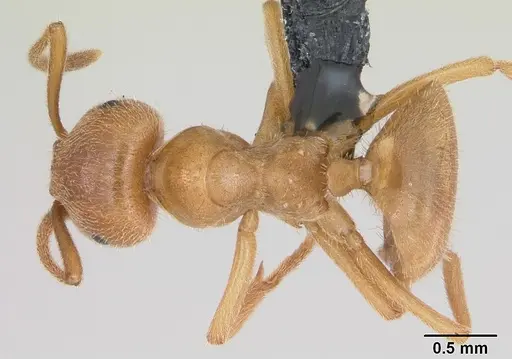
CASENT0172738
View on AntWeb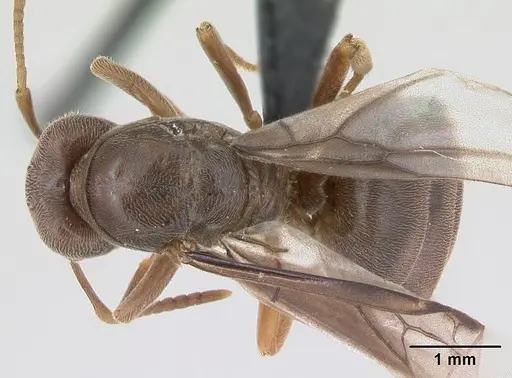
CASENT0905682
View on AntWeb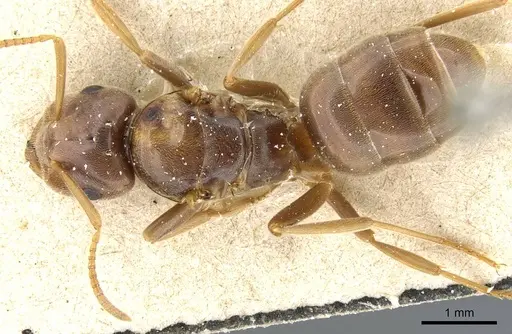
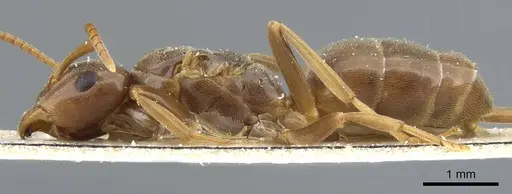
CASENT0905683
View on AntWeb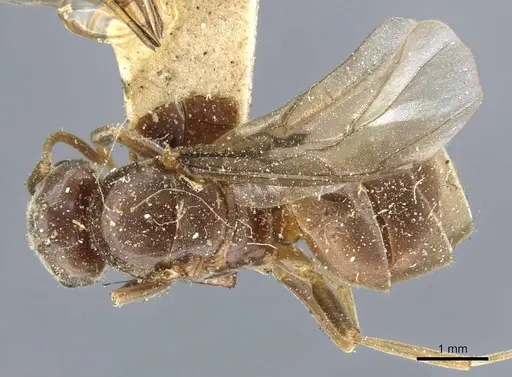
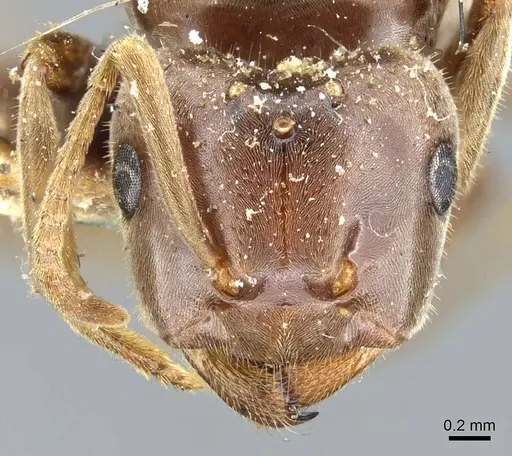
CASENT0912284
View on AntWeb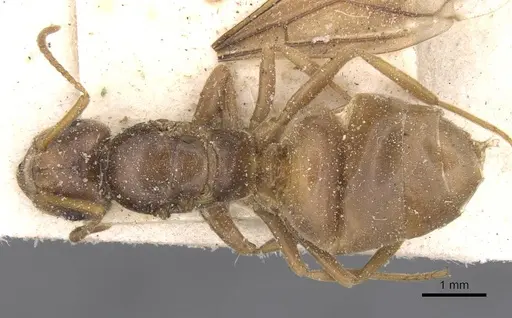
CASENT0915376
View on AntWeb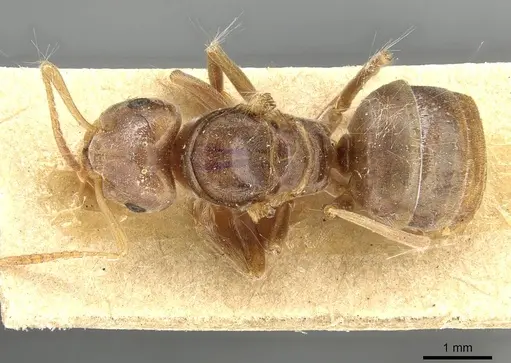
Literature
Loading...Loading products...