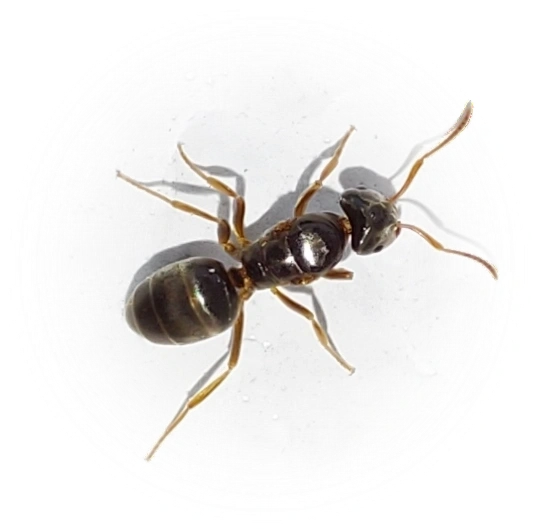

Lasius mixtus
- Scientific Name
- Lasius mixtus
- Tribe
- Lasiini
- Subfamily
- Formicinae
- Author
- Nylander, 1846
- Distribution
- Found in 13 countries
Lasius mixtus Overview
Lasius mixtus is an ant species of the genus Lasius. It is primarily documented in 13 countries , including Belgium, Switzerland, Germany. Detailed taxonomic data and occurrence records can be further explored via authoritative databases such as AntWeb or the Global Biodiversity Information Facility (GBIF).
Lasius mixtus
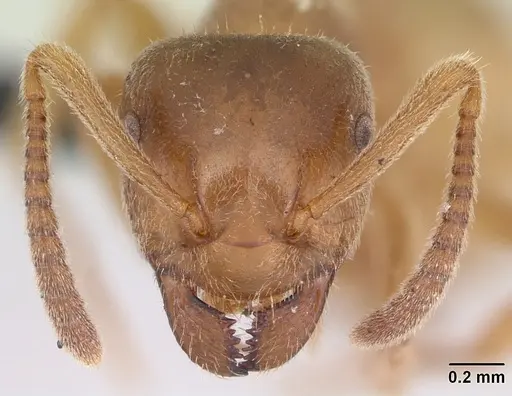
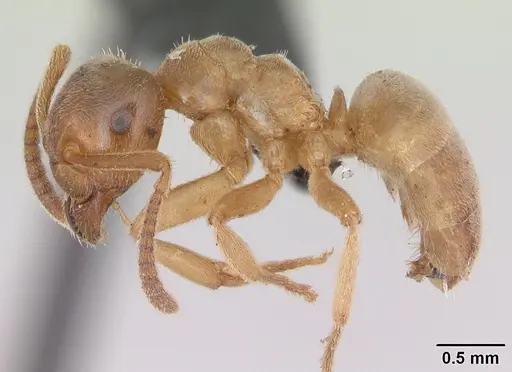
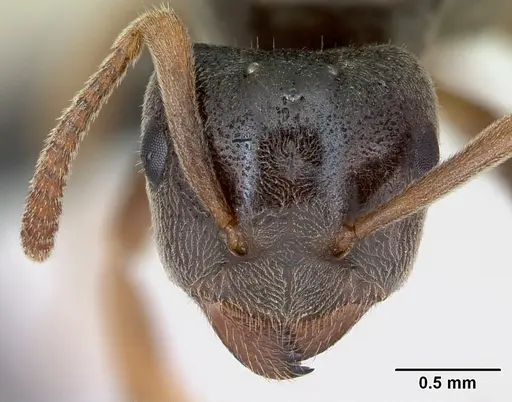
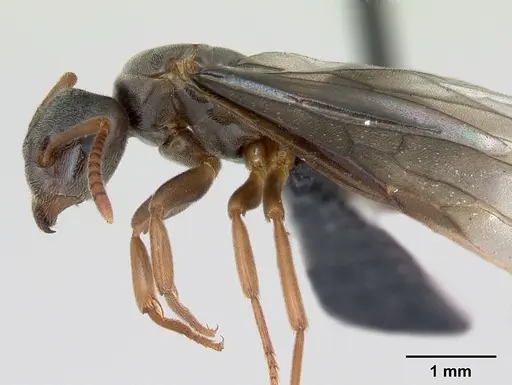
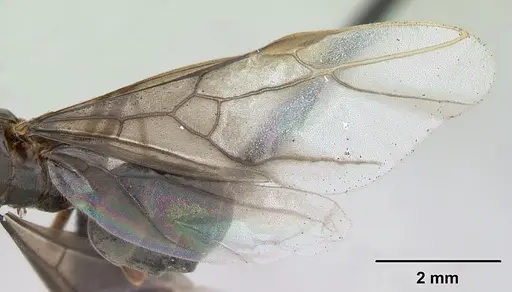
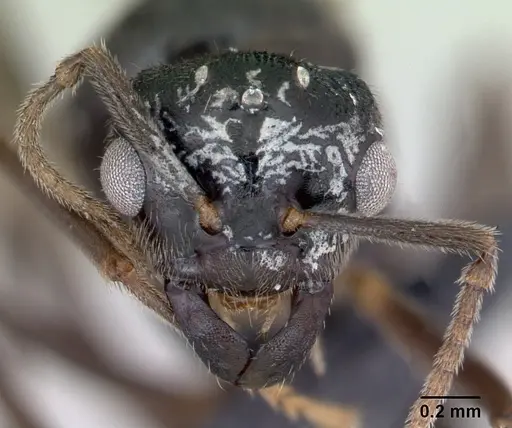
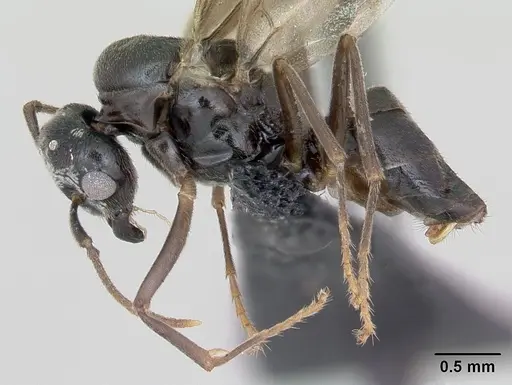
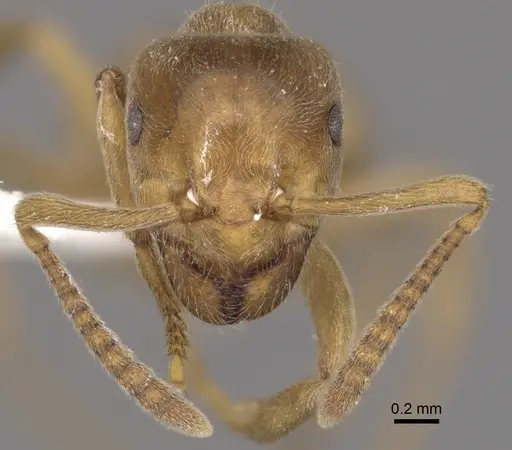
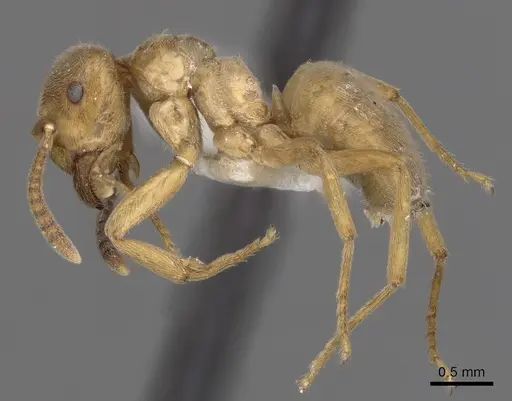
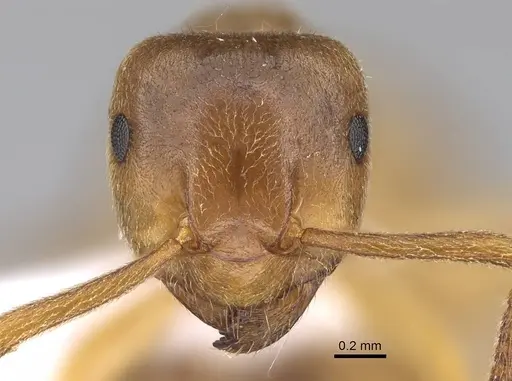
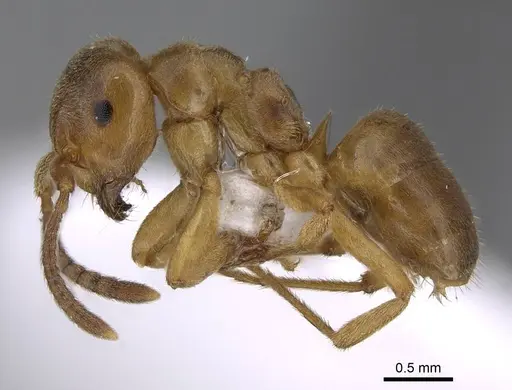
Lasius mixtus is a small yellow-brown ant belonging to the subgenus Chthonolasius. Workers measure 3.2-4.5mm and are pale yellow to brownish yellow in color, with relatively sparse short body hairs and no standing hairs on the front tibiae and scape [1]. This species is distributed throughout northern Eurasia and the subalpine regions of Central Europe, from Scandinavia to the Mediterranean [2][3]. What makes Lasius mixtus truly unique is its winter-active lifestyle, it is the only Lasius species that remains active at air temperatures as low as 5°C, using cold-induced low aggressiveness of host ant workers to safely infiltrate their nests [4][5].
Quick Summary
- Difficulty: Expert
- Origin & Habitat: Northern Eurasia and subalpine regions of Central Europe, found across most of Europe from Britain to Scandinavia, through Central Europe to Russia and the Caucasus. In Greece recorded from the Ionian Islands and Peloponnese at higher elevations (920-1470m) [2][6]. Prefers open habitats like meadows, pastures, heathlands, and forest edges, often in areas with some humidity [7]. Nests deep in the ground among shrub roots and under deep boulders, occasionally constructing mound nests of fine loose soil [1].
- Colony Type: Temporary social parasite, colony structure unconfirmed because founding has never been directly observed. Queens invade and take over colonies of Lasius s.str. species (primarily L. flavus and L. niger) to establish their own colonies [7][8]. Dealate queens are often found wandering singly above ground in spring, searching for host nests from November through early April [9][10].
- Queen: Temporary parasitic
- Size & Growth:
- Queen: 5.5-8 mm [9]
- Worker: 3.2-4.5 mm [9]
- Colony: Unknown, likely moderate sized colonies similar to related L. umbratus
- Growth: Slow, Strategy D species with slow larval development [11]
- Development: Unknown, likely 8-12 weeks based on related Chthonolasius species at optimal temperature (All larval stages capable of overwintering, first egg-laying occurs after diapause [11])
- Antkeeping:
- Temperature: Keep cool, this is a winter-active species that can tolerate temperatures as low as 5°C. Prefer mean soil temperatures of 10-15°C with maximum soil temperatures below 20°C [12]. Avoid warm conditions that would make host colonies aggressive. Room temperature (18-22°C) is acceptable but keep away from heat sources.
- Humidity: Moderate humidity, prefers moist but well-drained soil conditions. Nests are typically deep underground in damp soil among roots. Keep substrate consistently moist but not waterlogged.
- Diapause: Yes, requires winter diapause. This species is unique among Lasius in being winter-active, meaning queens search for host nests during cold months (November to April) when host colonies are sluggish [10][4]. Colonies likely undergo a winter rest period.
- Nesting: Deep soil nests, in nature they nest deep in the ground among shrub roots and under large stones. For captivity, use a deep test tube setup or naturalistic setup with substantial soil depth. They are subterranean and rarely come to the surface. Provide access to a host colony (L. niger or L. flavus) for parasitic founding.
- Behavior: Extremely secretive and subterranean. Workers are rarely seen on the surface because they live almost entirely underground. Queens are winter-active, after nuptial flights in late summer, they hide and wait until cold weather before searching for host nests. They use the reduced aggressiveness of cold host workers to safely adopt nest scent and take over the colony [4]. This species is essentially never found foraging in the open. Escape risk is moderate, workers are small but primarily stay underground.
- Common Issues: Establishing a colony is extremely difficult, queens require a host colony to found their colony, making this species unsuitable for most antkeepers, Subterranean lifestyle means you will rarely see workers, they stay deep in the nest, Cold requirements conflict with keeping host colonies warm, host species prefer warmer conditions, Very rare in the antkeeping hobby, virtually impossible to find a mated queen for sale, Wild-caught colonies may have parasites and are extremely difficult to maintain in captivity
Understanding Lasius mixtus as a Temporary Social Parasite
Lasius mixtus belongs to the subgenus Chthonolasius, which contains all the temporary social parasites in the genus Lasius. Unlike typical ants where a queen founds a new colony alone, Lasius mixtus queens must invade an established colony of another Lasius species (called the host) to start their colony. The host species in this case are primarily Lasius flavus and Lasius niger [7][8]. The queen enters the host nest, kills or replaces the host queen, and uses the host workers to raise her own brood until her first workers emerge. This parasitic founding strategy is why this species is considered 'expert only', you cannot simply keep a queen in a test tube and expect her to found a colony. You would need to successfully introduce a mated Lasius mixtus queen into an established L. niger or L. flavus colony, which is extremely challenging and rarely attempted.
Temperature and Seasonal Requirements
This is one of the most cold-tolerant ant species in Europe. Unlike most ants that become dormant in winter, Lasius mixtus is actually most active during cold periods. Queens can walk at air temperatures as low as 5°C, making this the only winter-active ant in many regions [4][5]. This unique behavior allows queens to infiltrate host colonies when the host workers are sluggish and less aggressive due to cold temperatures. After nuptial flights in late summer (July-September), newly mated queens do not immediately search for host nests. Instead, they hide and wait until temperatures drop, typically from November through early April [10][9]. For captive care, this means keeping the colony cool is actually beneficial, aim for soil temperatures of 10-15°C with maximums below 20°C [12]. However, this creates a challenge because host colonies (L. niger, L. flavus) typically prefer warmer conditions.
Nesting and Housing
In the wild, Lasius mixtus nests deep in the ground, often among shrub roots and under deep boulders. They occasionally construct small mound nests of fine loose soil [1]. Workers are almost entirely subterranean, rarely coming to the surface except during nuptial flights. This subterranean lifestyle makes them extremely difficult to find in the wild, most records are of dealate (wingless) queens searching for host nests or alate reproductives caught in pitfall traps [10]. For captivity, you would need a deep setup with substantial soil or nesting material. A test tube setup with extra depth would work, or a naturalistic formicarium with deep soil chambers. However, the fundamental challenge remains: establishing a colony requires introducing a parasitic queen into a host colony, which is rarely successful. Most antkeepers who work with parasitic species maintain the host colony first, then attempt introduction of the parasite queen.
Distribution and Habitat Preferences
Lasius mixtus has a broad distribution across the Palaearctic region, found throughout Europe from Britain and Scandinavia to the Mediterranean, east through Central Europe to Russia, the Caucasus, and parts of Central Asia [2][3]. In Greece, they are found at higher elevations (920-1470m) in the Peloponnese and Ionian Islands [6]. They prefer open habitats with some humidity, meadows, pastures, heathlands, and forest edges [7]. They are considered the least thermophilic (least heat-loving) of all Chthonolasius species [10][13]. This species is classified as Strategy D, meaning they are poor dispersers with parasitic founding, slow larval development, and all larval stages capable of overwintering [11]. They are considered indicators of natural, undisturbed habitats [13].
Frequently Asked Questions
Can I keep Lasius mixtus as a pet ant?
No, this species is not suitable for antkeeping. As a temporary social parasite, Lasius mixtus queens cannot found colonies independently. They must invade and take over established colonies of Lasius niger or Lasius flavus. This makes captive establishment extremely difficult and virtually impossible for hobbyist antkeepers. Additionally, workers are almost entirely subterranean, so you would rarely see any activity.
How do Lasius mixtus queens found colonies?
Lasius mixtus uses temporary social parasitism. After nuptial flights in late summer, mated queens hide and wait through the winter. In cold weather (around 5°C or lower), when host ant colonies are sluggish and less aggressive, the queen searches for a host nest (typically Lasius flavus or Lasius niger). She enters the nest, adopts its scent, kills or replaces the host queen, and uses the host workers to raise her own brood [4][10].
What do Lasius mixtus eat?
Like other Lasius species, they likely feed on honeydew from aphids tended underground, and may also consume small insects. However, since they live as parasites in host colonies during their early stages, they initially rely on the host workers to feed them. In established colonies, workers would tend root aphids and collect honeydew, similar to other yellow Lasius species.
When do Lasius mixtus nuptial flights occur?
Nuptial flights occur from mid-July through September, with some variation across their range [9][10]. After mating, wingless fertilized queens can be found under stones or wandering above ground, typically in spring (March-April) as they search for host nests [9]. Some queens may also be found searching for host nests during winter months (November to early April) when temperatures are low [10].
Are Lasius mixtus good for beginners?
Absolutely not. This is an expert-only species due to its parasitic founding requirements. Even experienced antkeepers rarely attempt to keep parasitic species because establishing a colony requires introducing a queen into an established host colony, which has an extremely low success rate. If you are interested in Lasius ants, start with easier species like Lasius niger or Lasius flavus.
What temperature should I keep Lasius mixtus at?
Keep them cool, this is a winter-active species. They prefer mean soil temperatures of 10-15°C with maximum soil temperatures below 20°C [12]. They can tolerate temperatures as low as 5°C, which is when they are most active. Avoid warm conditions that would make host colonies aggressive and active.
Where can I find Lasius mixtus in the wild?
Lasius mixtus is found across Europe and into Asia, but it is rarely encountered because it lives almost entirely underground. Look for dealate (wingless) queens wandering on the surface in spring, or catch alates in pitfall traps during nuptial flight season (July-September). They prefer open habitats with some humidity, meadows, pastures, and forest edges. They are most easily found when queens are searching for host nests, typically under stones or in soil near Lasius flavus or L. niger colonies [10][14].
References

This caresheet is licensed under CC BY-SA 4.0 .
CASENT0172710
View on AntWeb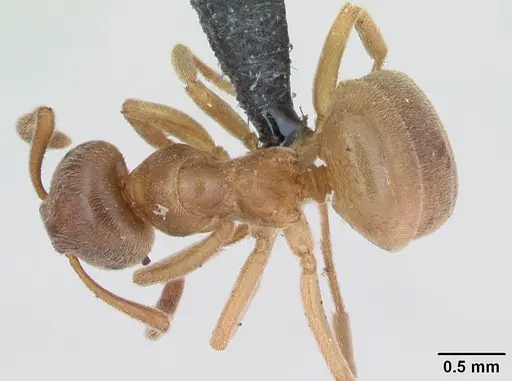
CASENT0172755
View on AntWeb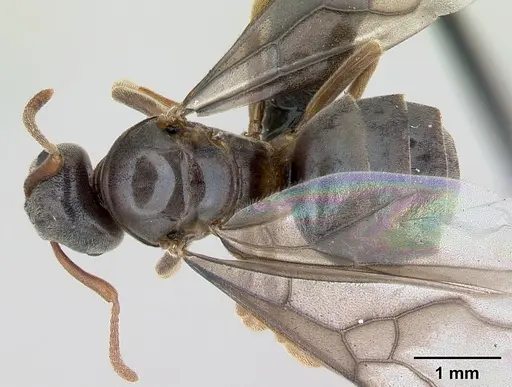
CASENT0172756
View on AntWeb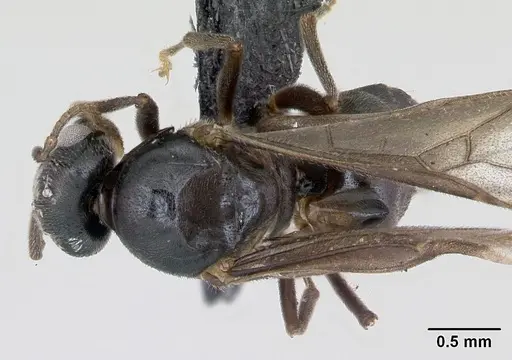
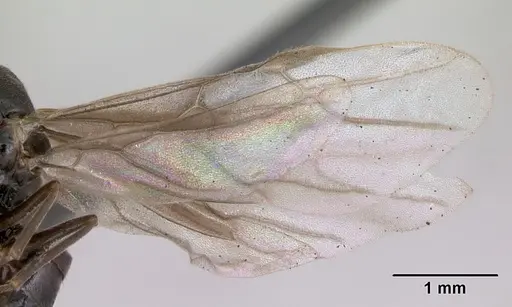
CASENT0280464
View on AntWeb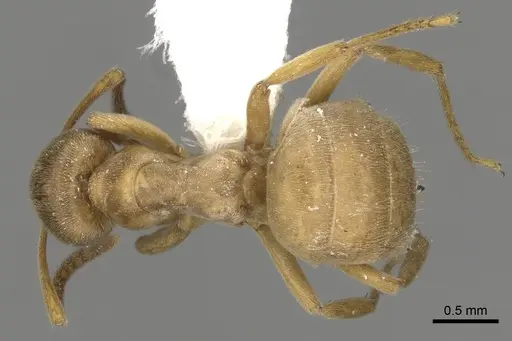
CASENT0922714
View on AntWeb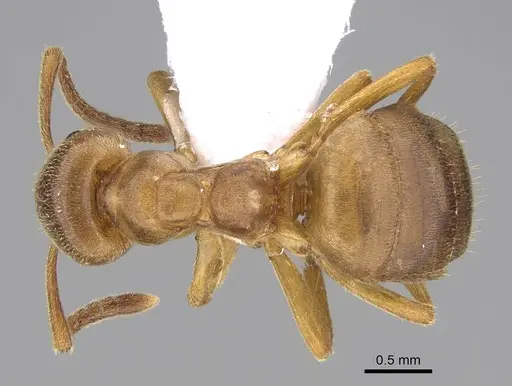
Literature
Loading...Loading products...