

Lasius nevadensis
- Scientific Name
- Lasius nevadensis
- Tribe
- Lasiini
- Subfamily
- Formicinae
- Author
- Cole, 1956
- Common Name
- Charleston Ant
- Distribution
- Found in 1 countries
Lasius nevadensis Overview
Lasius nevadensis (commonly known as the Charleston Ant) is an ant species of the genus Lasius. It is primarily documented in 1 countries , including United States of America. Detailed taxonomic data and occurrence records can be further explored via authoritative databases such as AntWeb or the Global Biodiversity Information Facility (GBIF).
Lasius nevadensis - "Charleston Ant"
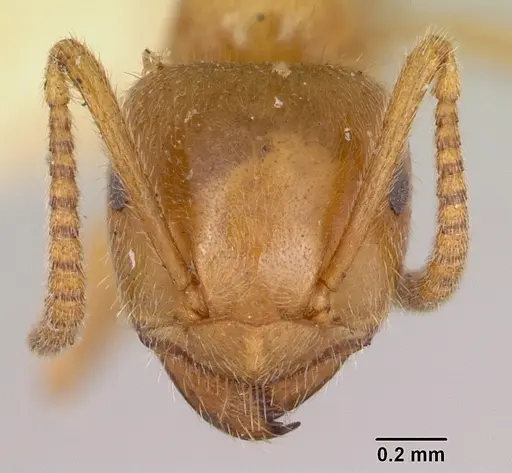
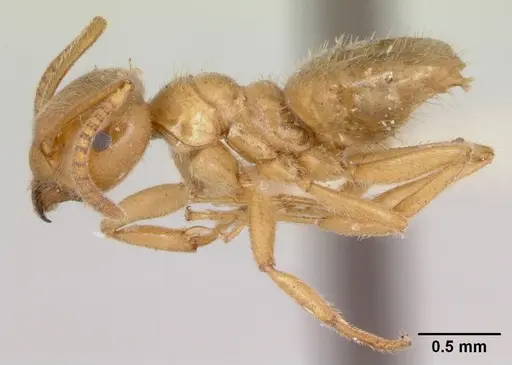
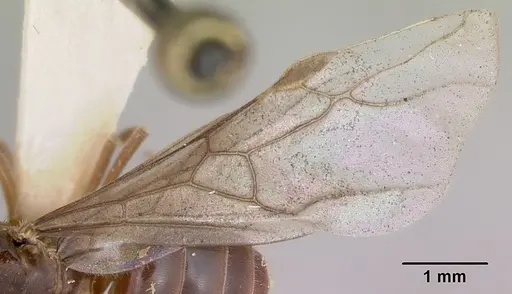
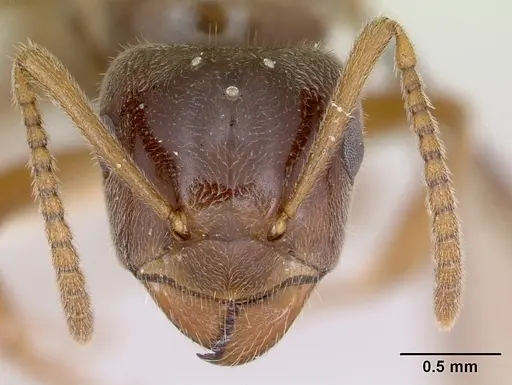
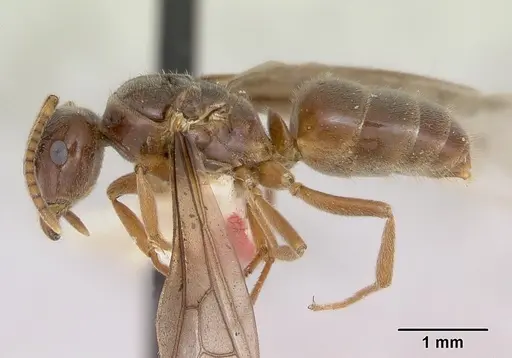
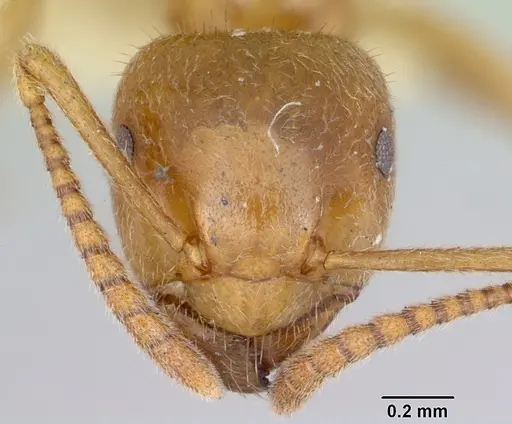
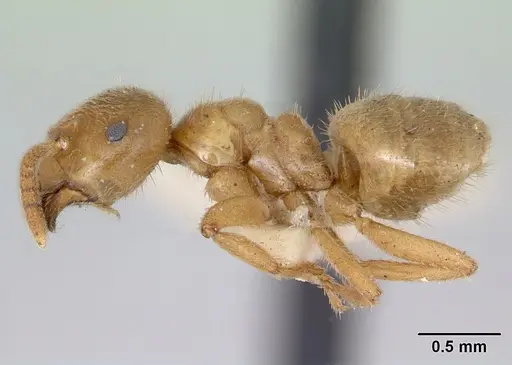
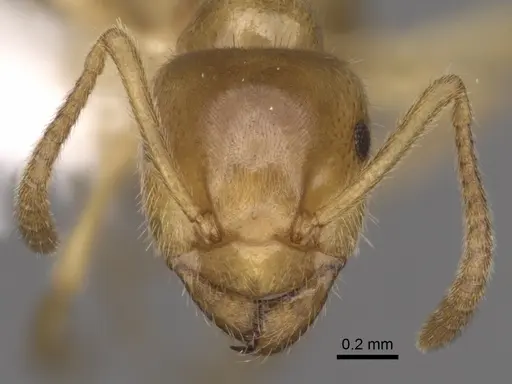
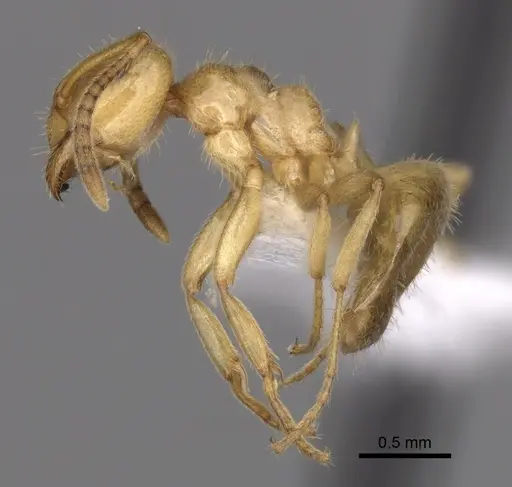
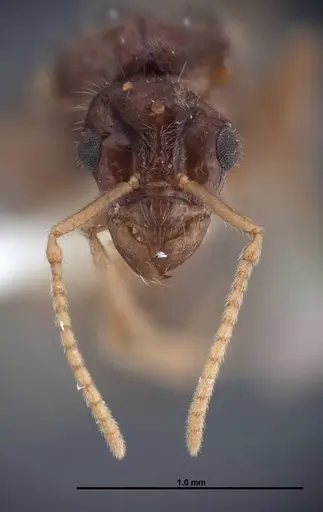
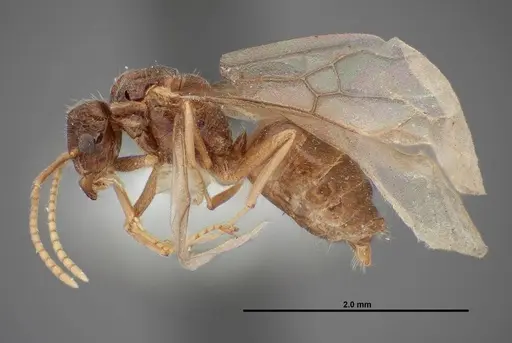
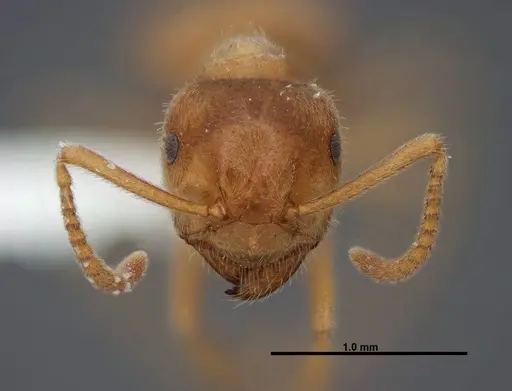
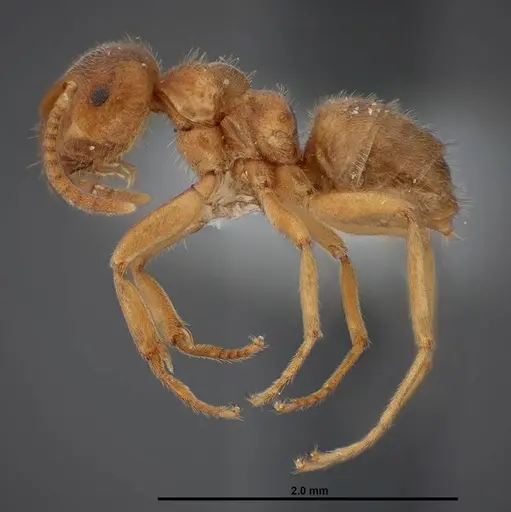
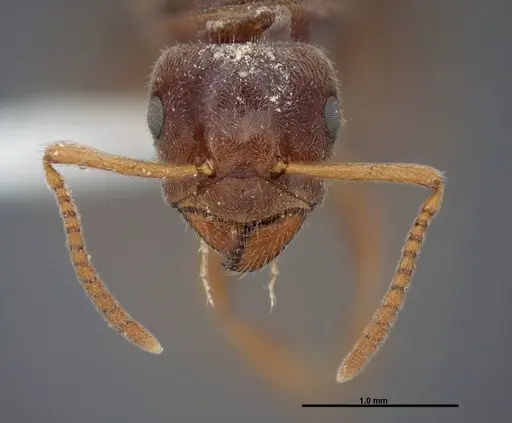
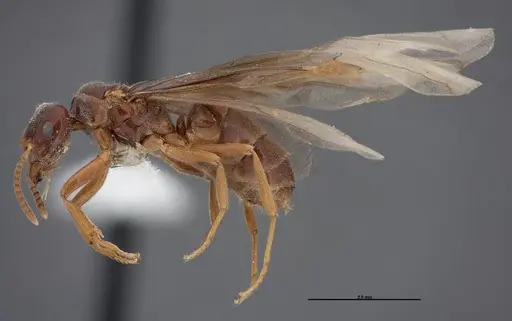
Lasius nevadensis is a small, pale yellowish-brown ant belonging to the Formicinae subfamily. Workers are tiny at around 2mm, with queens reaching approximately 4mm. This species belongs to the umbratus species group within the flavus clade, making it a close relative of the common Lasius umbratus. The workers have distinctive standing hairs on their legs and a darker gaster compared to similar species. This ant is known only from the southwestern United States, specifically Nevada and Utah, where it nests in dry, rocky pine forest habitats. The species was only described in 1956 and remains one of the rarest Lasius species in North America, with very few documented collections.
Quick Summary
- Difficulty: Unknown, likely moderate
- Origin & Habitat: Native to the southwestern United States (Nevada and Utah). Found in open, dry pine and spruce forests with compact soil, often nesting under stones or in rocky slopes. The habitat features rocky, sandy soil in partial shade at the edges of forest gaps [1].
- Colony Type: Likely monogyne (single queen) based on typical Lasius patterns, though colony structure has not been directly studied. Nests collected contained either males or queens, but not both together, suggesting potential seasonal segregation of reproductive castes.
- Colony: Monogyne
- Founding: Claustral
- Size & Growth:
- Queen: Approximately 4mm (head width 1.26mm) [1]
- Worker: Approximately 2mm (head width 0.79-0.87mm) [1]
- Colony: Unknown, estimated moderate (similar umbratus-group species typically reach 1,000-5,000 workers)
- Growth: Moderate, estimated based on related species
- Development: Estimated 6-10 weeks at optimal temperature based on genus-level data for Lasius species (Development time inferred from typical Lasius patterns. The umbratus group generally develops more slowly than the niger clade.)
- Antkeeping:
- Temperature: Keep at room temperature (20-24°C). This species comes from the mountain forests of Nevada so it prefers cooler conditions than tropical ants. Provide a temperature gradient so ants can choose their preferred zone.
- Humidity: Low to moderate. This species inhabits dry, rocky pine forests. Keep nest substrate moderately dry, damp but not wet. Avoid overly humid conditions that could cause mold.
- Diapause: Yes, likely required. As a species from the mountainous western US, it likely requires a winter dormancy period. Provide 3-4 months of cold storage at 5-10°C during winter.
- Nesting: Naturalistic setups with stones or compact soil work well. Y-tong (AAC) nests with narrow chambers are suitable. This species nests under stones in the wild, so provide that option in captivity.
- Behavior: Workers are small and not particularly aggressive. They are ground-nesting and likely forage individually or in small groups for honeydew and small insects. Escape prevention should be moderate, their small size means they could slip through loose connections, but they are not strong climbers like some Lasius species. They are likely nocturnal or crepuscular based on the observed dusk mating flight.
- Common Issues: Very limited distribution data means care requirements are not well-established, expect some experimentation, Colony size and growth rate are unknown, making it difficult to plan feeding schedules, Winter dormancy requirements are not documented but likely necessary based on native habitat, This species is extremely rare in the hobby, finding a colony may be nearly impossible, Limited information on founding behavior, assume claustral like other Lasius
Natural History and Distribution
Lasius nevadensis is one of the rarest Lasius species in North America, known only from a handful of collections in Nevada and Utah. The original description was based on six colonies collected in 1954 from Kyle Canyon in the Charleston Mountains near Las Vegas, Nevada [2]. Additional specimens have been found in Utah. This species inhabits dry, open pine and spruce forests at elevation, typically nesting in compact soil beneath large stones or in rocky slopes with sparse vegetation. The original collector, A.C. Cole, observed a mass mating flight in progress at dusk that continued until darkness, one of the few documented behavioral observations for this species. The nests showed an interesting pattern where some contained only males while others contained only queens (not both castes together), suggesting possible seasonal or spatial separation of reproductive production.
Identification and Distinguishing Features
Workers of Lasius nevadensis can be identified by their small size (around 2mm), pale yellowish-brown body with a slightly darker gaster, and the presence of standing hairs on the femora and tibiae, a key feature that separates them from similar species like Lasius umbratus. The gastric pilosity (body hairs) is relatively sparse compared to related species. Queens are approximately 4mm with a deep yellowish-brown color and dense but very short hairs on the gaster. Males are the smallest caste at around 2mm. This species belongs to the umbratus group within the flavus clade, making it closely related to L. umbratus and L. subumbratus. The standing hairs on the legs are the most reliable field character for identification. [1]
Housing and Nest Setup
Based on natural nesting behavior, this species does well in naturalistic setups that mimic their dry, rocky forest floor habitat. Provide a layer of compact, sandy soil and include flat stones under which the ants can nest. A Y-tong (AAC) formicarium with narrow chambers also works well for this small species. Because they come from dry habitats, keep the nest substrate on the drier side, damp but not wet or waterlogged. Provide a water tube for drinking but avoid excessive moisture. Room temperature (20-24°C) is appropriate, with a slight gradient toward cooler temperatures since they inhabit mountain forests. Escape prevention should be moderate, while not strong climbers, their small size means checking all connections and using fluon on tube openings. [1]
Feeding and Diet
Like other Lasius species, Lasius nevadensis likely feeds on honeydew from aphids and scale insects as a primary food source, along with small insects for protein. Offer sugar water or honey water as a constant energy source, and provide small protein sources like fruit flies, pinhead crickets, or other small insects. In the wild, they forage individually or in small groups rather than forming large raiding columns. Feed small amounts of protein 2-3 times per week, replacing any uneaten prey after 24 hours. The small worker size means prey items should be appropriately sized, not larger than the ants themselves. [1]
Seasonal Care and Winter Dormancy
As a species native to the mountainous western United States, Lasius nevadensis almost certainly requires a winter dormancy period. The original collection data from July 1954 and the observation of mating flights at dusk suggest this species has a seasonal cycle typical of temperate ants. Provide 3-4 months of cold storage during winter at temperatures around 5-10°C (a refrigerator works well). Reduce feeding during this period and keep the nest slightly cooler. Do not feed during deep dormancy. Resume normal temperatures and feeding in spring when the colony becomes active again. This diapause period is essential for the colony's long-term health and reproductive development. [1]
Frequently Asked Questions
How long does it take for Lasius nevadensis to produce first workers?
The exact timeline is unknown, but based on related Lasius species in the umbratus group, expect 6-10 weeks from egg to first worker at room temperature. This is slower than some faster-growing Lasius like L. niger.
What do Lasius nevadensis ants eat?
Like other Lasius species, they likely feed on honeydew and small insects. Offer sugar water or honey water as a constant carbohydrate source, and small protein sources like fruit flies or tiny crickets 2-3 times per week.
Do Lasius nevadensis ants need hibernation?
Yes, almost certainly. As a species from the mountainous western US, they require a winter dormancy period of 3-4 months at 5-10°C. This is essential for colony health.
Are Lasius nevadensis good for beginners?
This species is not recommended for beginners. It is extremely rare in the antkeeping hobby, and its specific care requirements are not well-documented due to limited scientific study. Additionally, this species may be difficult or impossible to acquire.
How big do Lasius nevadensis colonies get?
The maximum colony size is unknown, but related umbratus-group species typically reach 1,000-5,000 workers. Expect moderate growth over several years.
Can I keep multiple Lasius nevadensis queens together?
This has not been documented. Most Lasius species are monogyne (single queen), and polygyny (multiple queens) is uncommon in this genus. It is not recommended to combine unrelated queens.
What temperature do Lasius nevadensis ants need?
Keep them at room temperature, around 20-24°C. They prefer cooler conditions than tropical ants since they come from mountain forests in Nevada. A temperature gradient allows them to choose their preferred zone.
Where is Lasius nevadensis found in the wild?
This species is known only from Nevada and Utah in the United States. It nests in dry, open pine and spruce forests at elevation, typically under stones or in rocky soil. It is one of the rarest Lasius species in North America.
References

This caresheet is licensed under CC BY-SA 4.0 .
CASENT0172890
View on AntWeb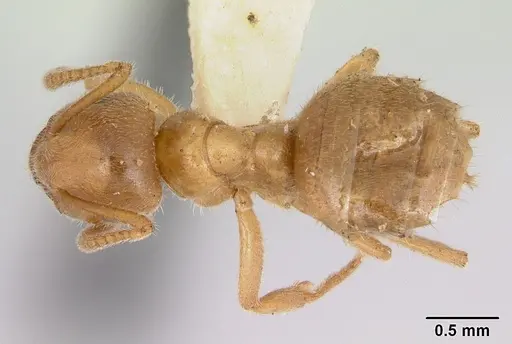
CASENT0172891
View on AntWeb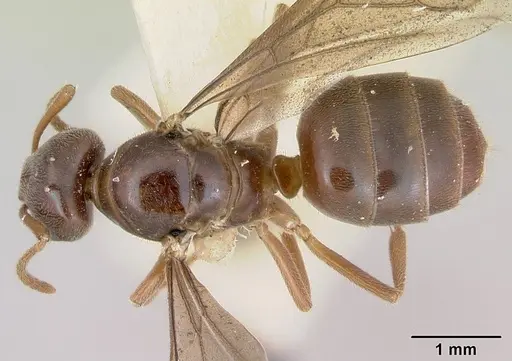
CASENT0172892
View on AntWeb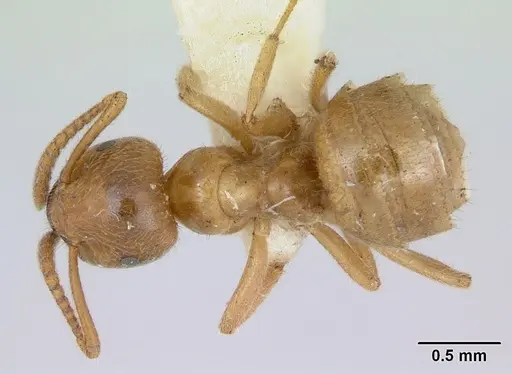
CASENT0280466
View on AntWeb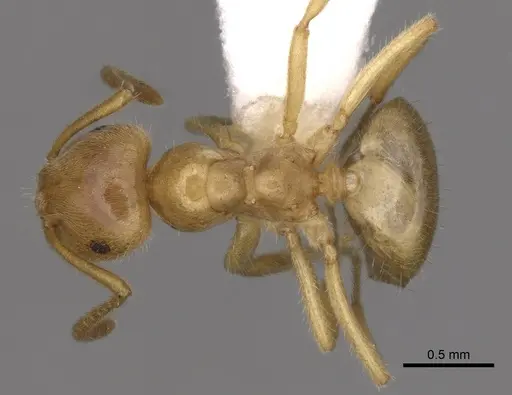
CASENT0923598
View on AntWeb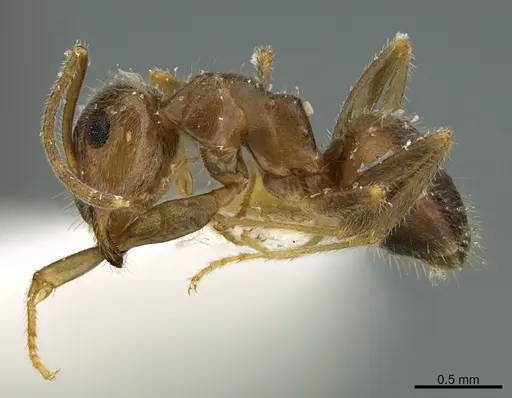
FMNHINS0000077033
View on AntWeb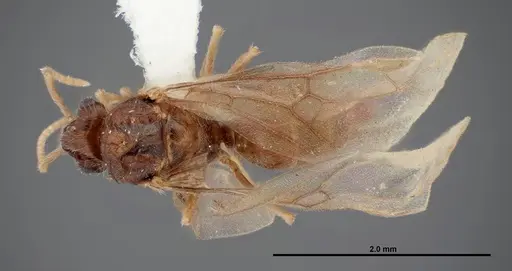
FMNHINS0000083081
View on AntWeb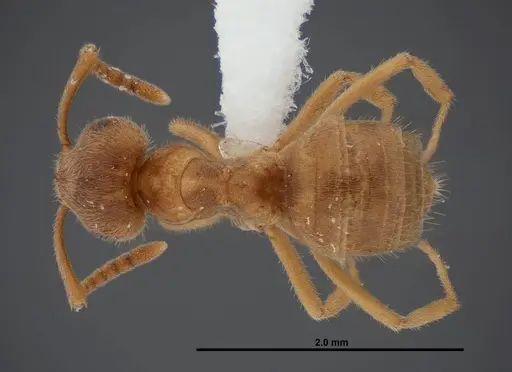
FMNHINS0000083084
View on AntWeb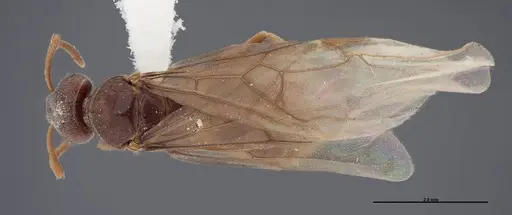
Literature
Loading...Loading products...