
Lasius aphidicola follows a consistent seasonal pattern with peak activity in September. The flight window runs from April to October, providing several months of opportunity for observations.
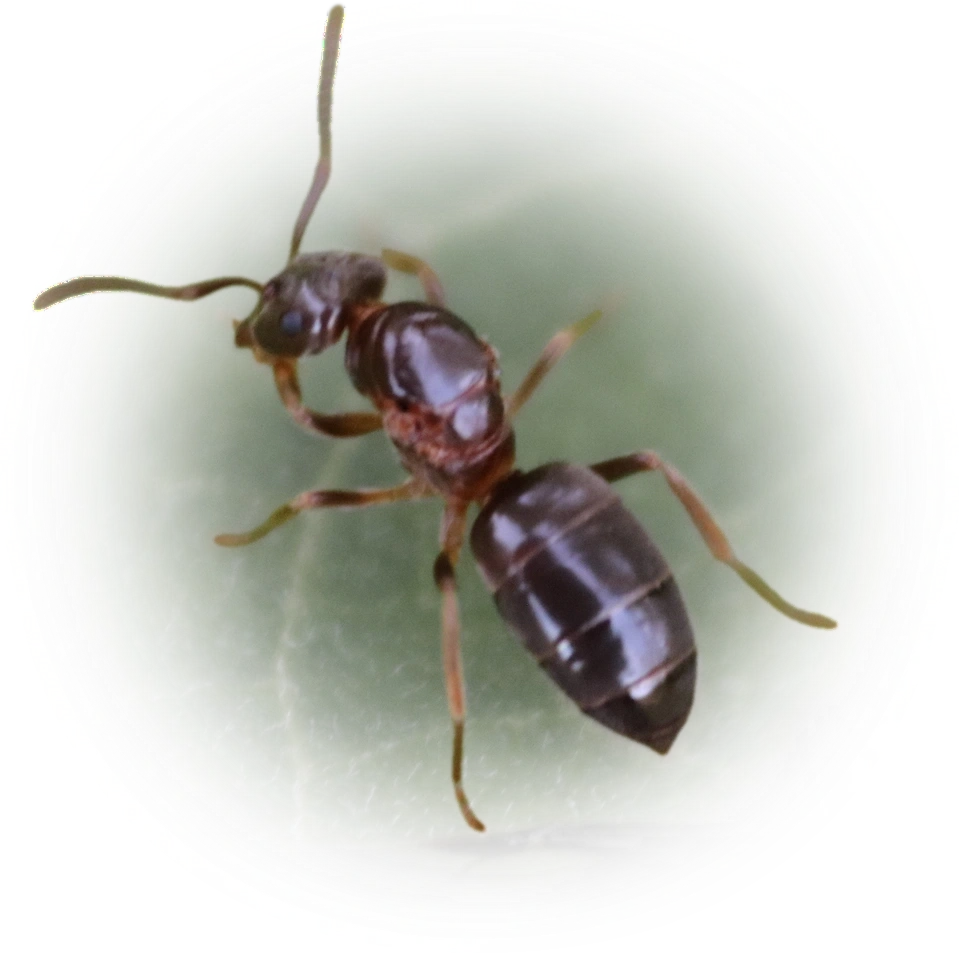
Lasius aphidicola
- Scientific Name
- Lasius aphidicola
- Tribe
- Lasiini
- Subfamily
- Formicinae
- Author
- Walsh, 1863
- Common Name
- Shaded Fuzzy Ant
- Distribution
- Found in 2 countries
- Nuptial Flight
- from April to October, peaking in September
AI Identifiable
try →
Lasius aphidicola Overview
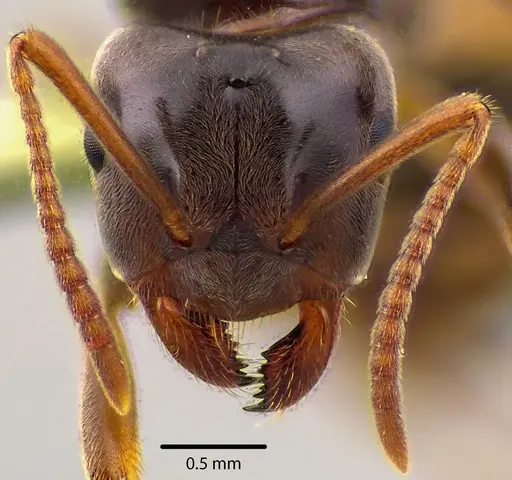
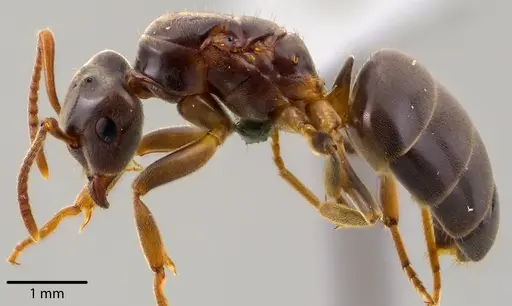
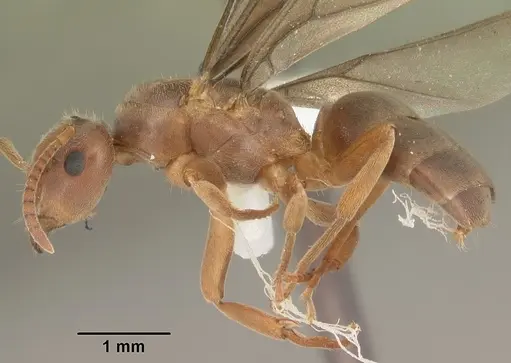
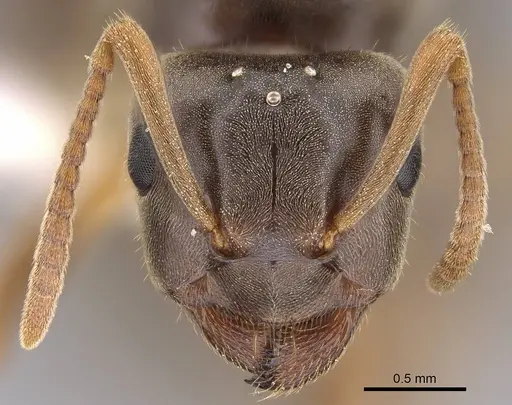
Lasius aphidicola (commonly known as the Shaded Fuzzy Ant) is an ant species of the genus Lasius. It is primarily documented in 2 countries , including Canada, United States of America. Detailed taxonomic data and occurrence records can be further explored via authoritative databases such as AntWeb or the Global Biodiversity Information Facility (GBIF).
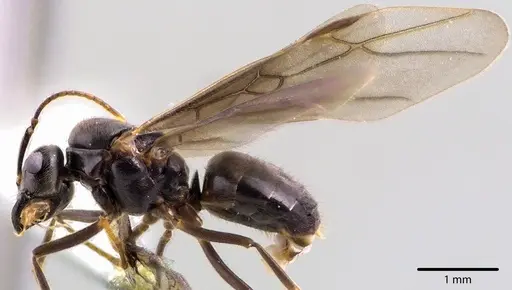
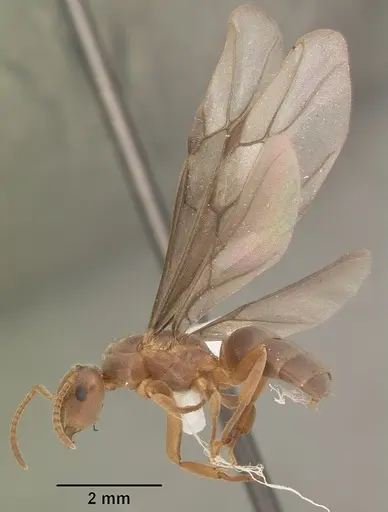
The nuptial flight of Lasius aphidicola is a significant biological event, typically occurring from April to October, peaking in September. During this time, winged queens and males leave the nest to mate and establish new colonies.
Lasius aphidicola - "Shaded Fuzzy Ant"
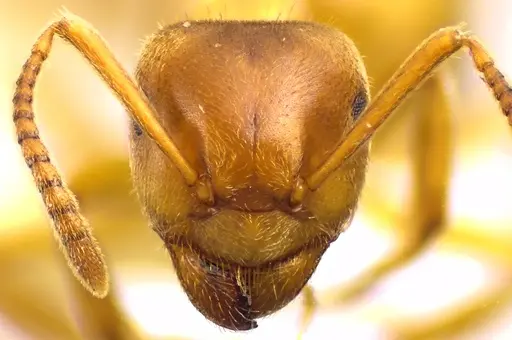
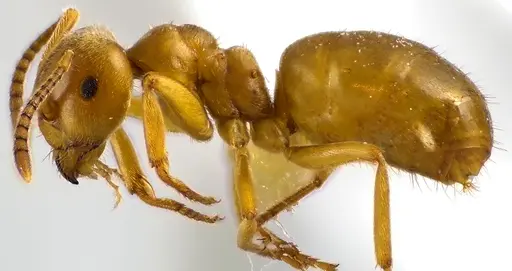
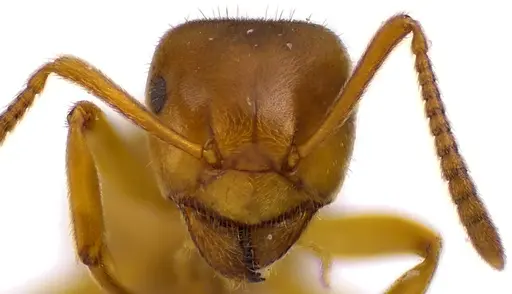
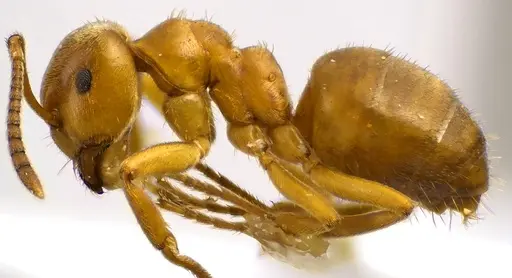
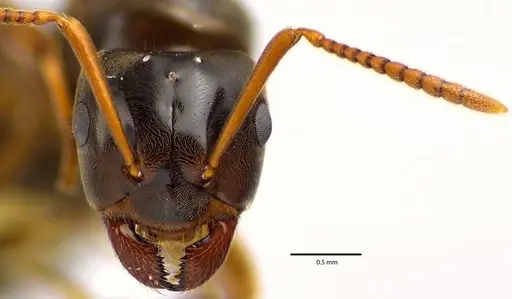
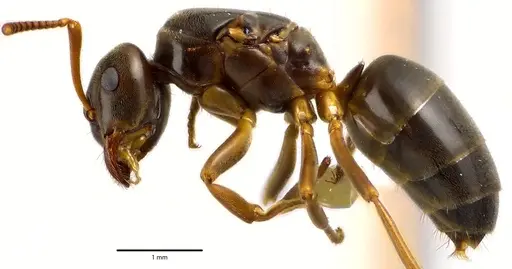
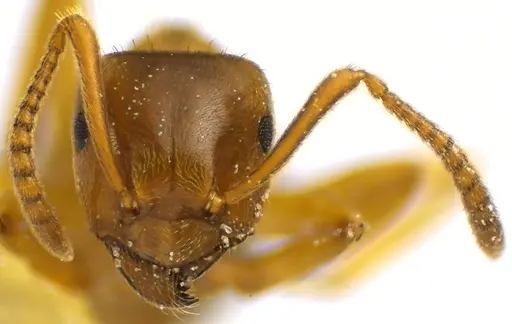
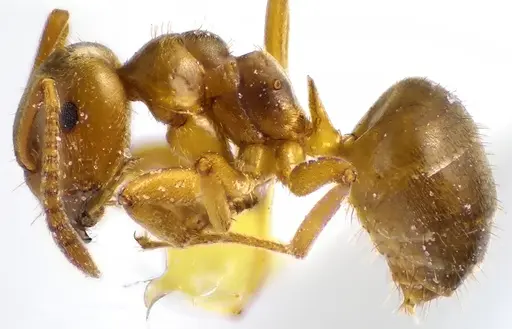
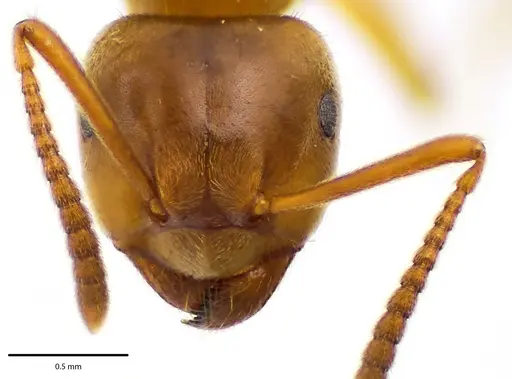
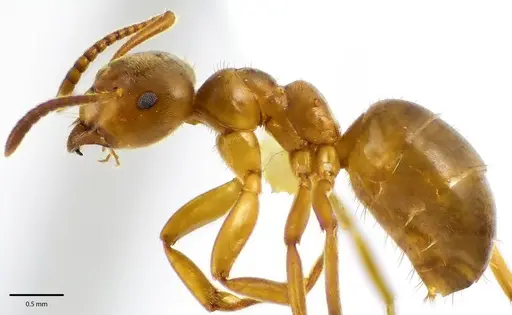
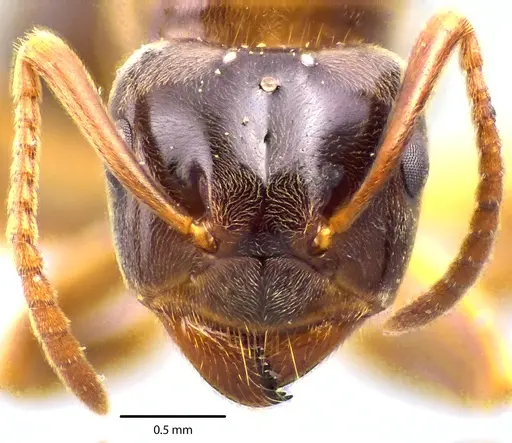
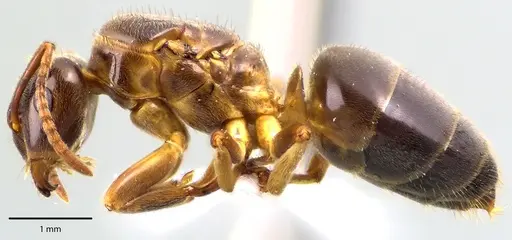
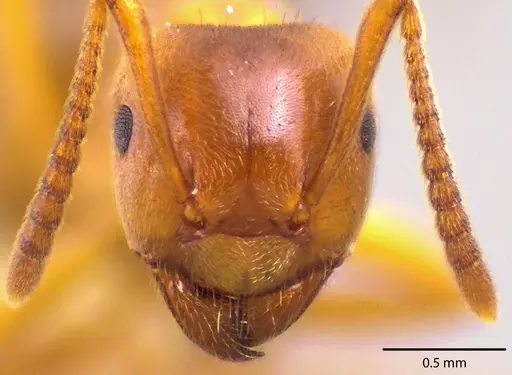
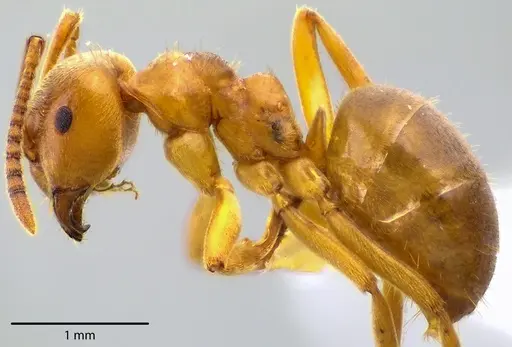
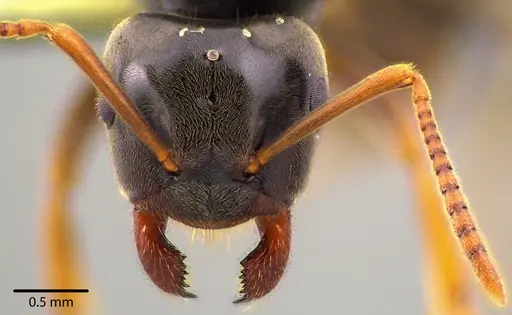
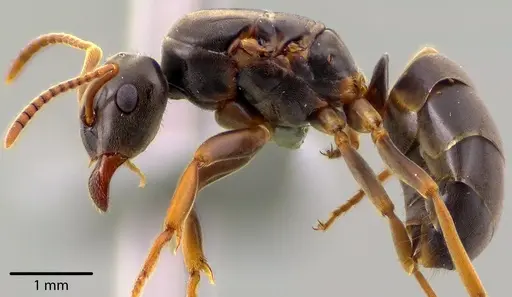
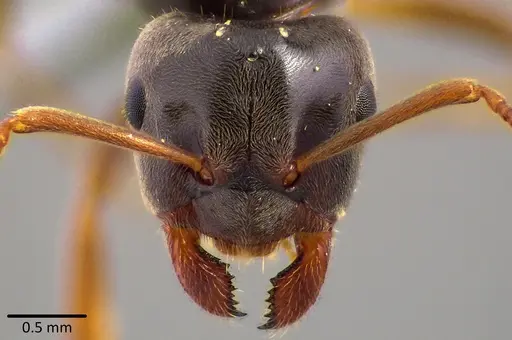
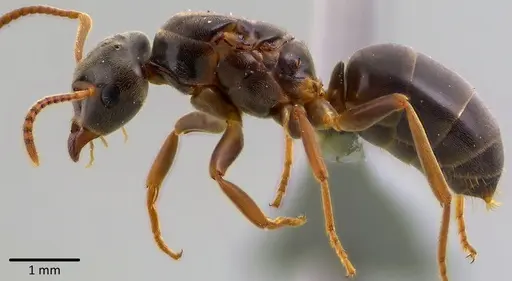
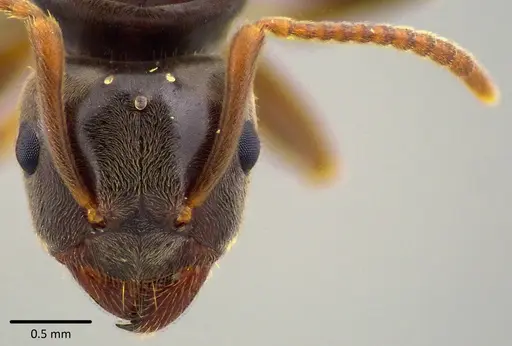
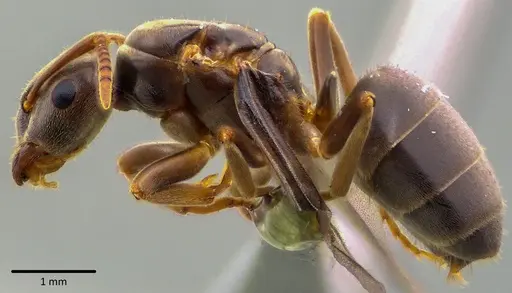
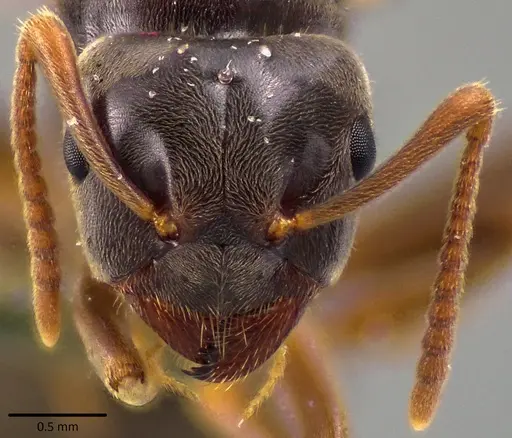
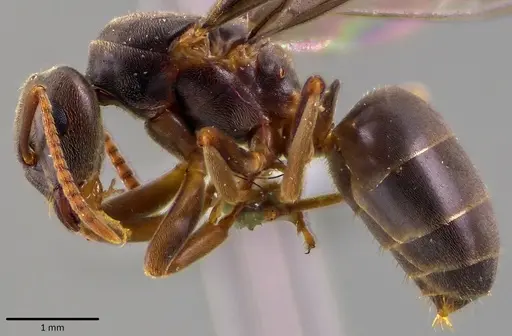
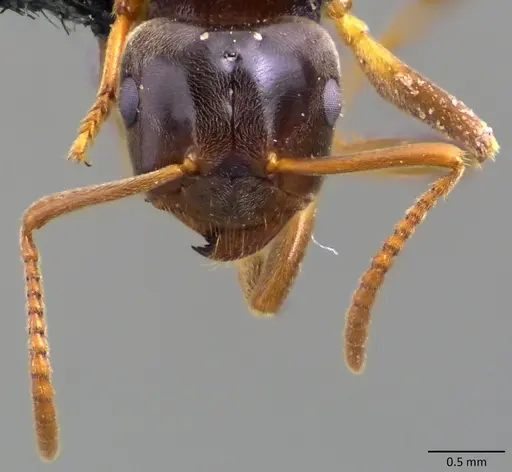
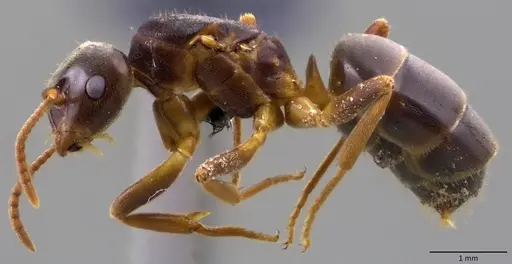
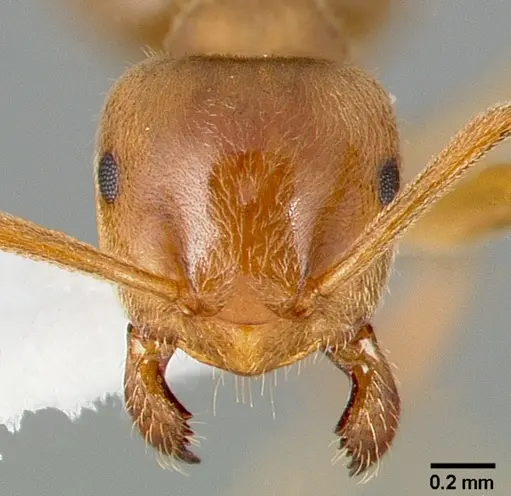
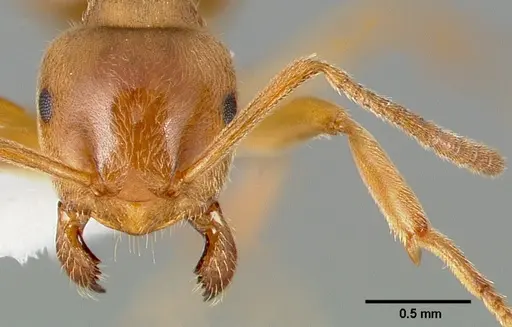
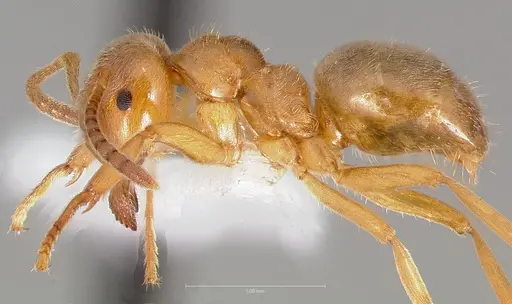
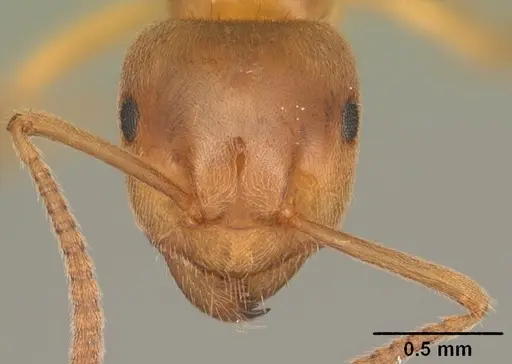
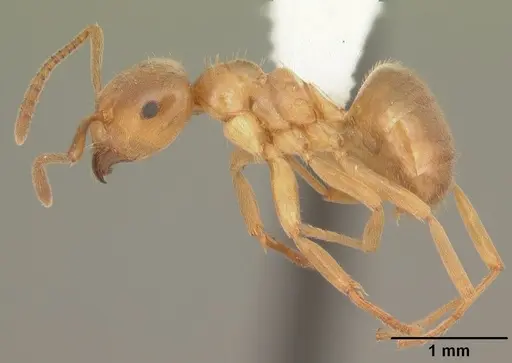
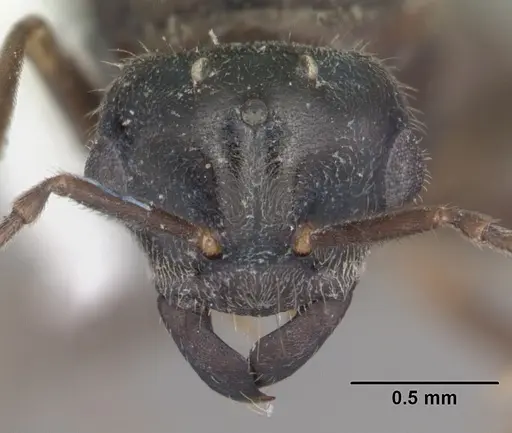
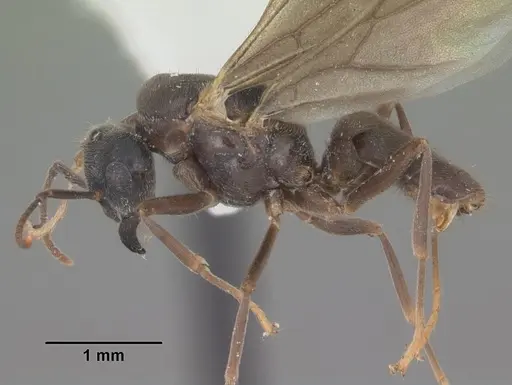
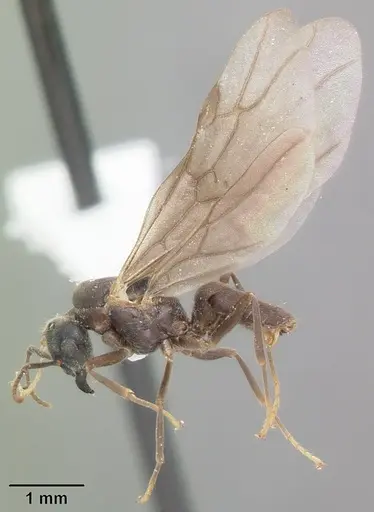
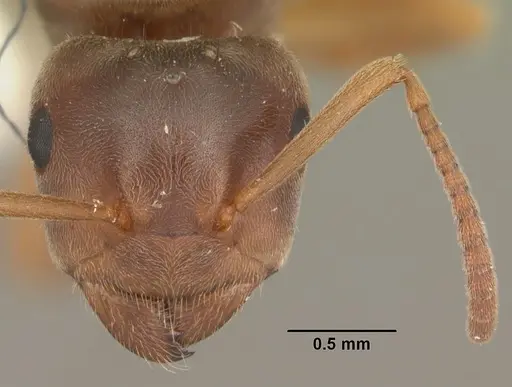
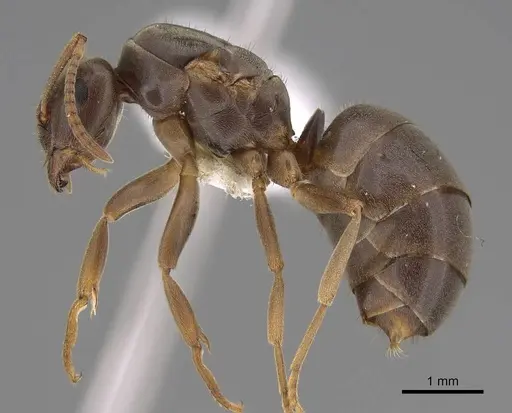
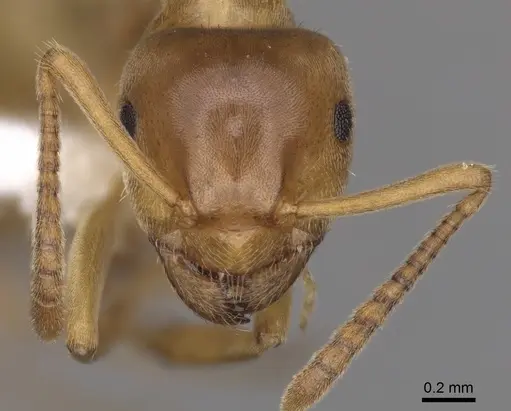
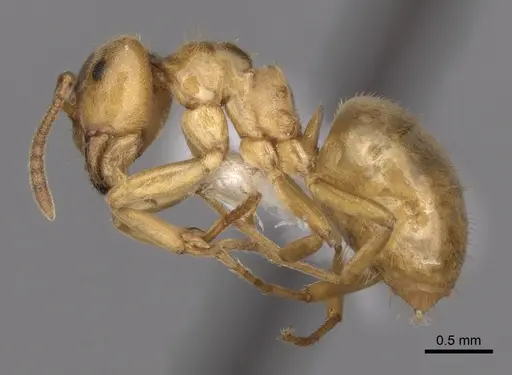
Lasius aphidicola is a small to medium-sized ant native to North America, recognized by its yellow to pale brown coloration and distinctive short, bristly hairs on the gaster. Workers measure approximately 3-5mm, while queens are larger at 7-9mm. The species was only recently distinguished from the European Lasius umbratus in 2018,so older North American records often refer to it under that name [1]. These ants inhabit moist soils in open woodlands, forest edges, and farm fields across Canada, the United States, and Mexico, typically nesting under stones or in rotting logs and stumps [2].
Quick Summary
- Difficulty: Expert
- Origin & Habitat: North America (Canada, United States, Mexico), moist soil in open woodlands, early successional forests, forest edges, and farm fields [2]
- Colony Type: Temporary social parasite, queens invade and take over established colonies of host Lasius species (L. americanus, L. niger, L. neoniger)
- Queen: Socially parasitic, Temporary parasitic
- Size & Growth:
- Queen: 7-9mm (estimated based on genus typical size)
- Worker: 3-5mm (estimated based on genus typical size)
- Colony: Unknown, depends on host colony
- Growth: Unknown
- Development: Unknown, depends on host colony development (Development is tied to host colony since this is a temporary social parasite)
- Antkeeping:
- Temperature: Keep at room temperature (20-24°C), typical for North American Lasius species. A slight gradient is beneficial.
- Humidity: Requires moist substrate conditions, these ants naturally nest in damp soil. Keep the nest substrate consistently moist but not waterlogged.
- Diapause: Yes, likely requires winter hibernation like other North American Lasius species. Provide a cool period around 5-10°C for 3-4 months.
- Nesting: Naturalistic setups with moist soil work well. These ants nest under stones and in rotting wood in the wild, so a soil-based formicarium or test tube setup with damp substrate is appropriate.
- Behavior: This species is a temporary social parasite, queens must invade established colonies of host Lasius species to found new colonies. Workers are not aggressive and spend most of their time underground tending aphids for honeydew. They are rarely seen above ground except on cloudy days. Escape risk is moderate, standard barrier methods work well.
- Common Issues: difficulty establishing colonies, requires obtaining a host colony first, queen adoption failure, host colonies often reject invading queens, slow colony growth, dependent on host worker cooperation, specific host requirements, may only accept certain Lasius species as hosts, parasitic nature makes this species unsuitable for beginners
Nuptial Flight Activity Analysis 1239 observations
Flight Activity by Hour 1239 observations
Lasius aphidicola nuptial flight activity peaks around 15:00 during the afternoon. Activity is spread across a 11-hour window (09:00–19:00). Times may be influenced by human observation patterns.
Understanding the Parasitic Lifestyle
Lasius aphidicola is a temporary social parasite, which means its queens cannot found colonies the way most ants do. Instead, a newly mated queen must find an established colony of another Lasius species (typically Lasius americanus, Lasius niger, or Lasius neoniger) and infiltrate it. The queen kills the host queen and uses the host workers to raise her first brood. Once her own workers emerge, they gradually replace the host workers until the colony becomes purely L. aphidicola. This parasitic relationship is why this species is considered expert-level, you cannot simply set up a queen in a test tube and wait for workers to appear. You must first establish a host colony, then introduce the parasite queen. [1][2]
Housing and Nest Setup
Because this is a parasitic species, you need two colonies to keep it successfully: a host colony and the parasite colony. For the host, any common North American Lasius species like L. americanus or L. niger works well. The nest should mimic their natural conditions, moist soil substrate in a naturalistic setup or test tube with a water reservoir. L. aphidicola itself will eventually occupy part of the same setup once the parasite queen establishes herself. Use standard escape prevention (Fluon on edges) since workers are small but not tiny. [2]
Feeding and Diet
In the wild, Lasius aphidicola workers feed primarily on the honeydew excreted by aphids and coccids. These ants are often found in close association with these sap-sucking insects, sometimes tending them in underground galleries. Workers may venture above ground on cloudy days to forage. In captivity, offer sugar water or honey water as a substitute for honeydew. Protein should be provided occasionally in the form of small insects, though this species is not a heavy predator. The host colony will also need standard Lasius diet. [2]
Temperature and Seasonal Care
Keep both host and parasite colonies at typical room temperature (20-24°C). These ants are native to temperate North America and do not require heated setups. During winter, provide a hibernation period of 3-4 months at cool temperatures (5-10°C), mimicking natural seasonal cycles. This is essential for colony health and reproduction. Place the setup in a cool basement or refrigerator during winter dormancy. [2]
Introducing the Parasite Queen
Introducing a L. aphidicola queen to a host colony is challenging and often fails. Host workers typically attack and kill the intruding queen. Some keepers report success by introducing the queen when the host colony is queenless, or by using colony fragments. Wilson (1955) documented multiple failed attempts to introduce L. aphidicola queens into host colonies of L. pallitarsis, L. americanus, and L. neoniger. The key is finding the right host species and timing. L. neoniger may not be a natural host, so focus on L. americanus or L. niger. [2]
Frequently Asked Questions
Can I keep Lasius aphidicola like a normal ant colony?
No. This is a temporary social parasite, which means queens cannot found colonies independently. You need an established host colony (L. americanus, L. niger, or L. neoniger) first, then introduce the parasite queen. This makes it one of the most difficult ants to keep and is only suitable for experienced antkeepers.
How do I introduce a Lasius aphidicola queen to a host colony?
Introduction is difficult and often fails. The host workers will typically attack the intruding queen. Some keepers try introducing the queen to a queenless host colony fragment, but success rates are low. Wilson's experiments showed repeated failures even when using chilled queens. This species requires advanced techniques and patience.
What do Lasius aphidicola eat?
They primarily feed on honeydew from aphids and coccids. In captivity, offer sugar water or honey water as the main food source. Small insects can be offered occasionally for protein, but they are not active predators like some other ant species.
What temperature do Lasius aphidicola need?
Room temperature (20-24°C) is suitable. They do not require heating. Like other North American Lasius species, they benefit from a winter hibernation period of 3-4 months at 5-10°C.
How long do Lasius aphidicola live?
Queens can live for many years (10-15+ years is typical for Lasius), while workers live for 1-2 years. However, the parasitic lifestyle means the colony lifespan depends on the host colony establishment.
Is Lasius aphidicola good for beginners?
No. This is an expert-level species due to its parasitic founding requirements. Beginners should start with claustral founding ants like Lasius niger or Camponotus species that can establish colonies without a host.
What happens after the parasite queen takes over?
Once the L. aphidicola queen kills the host queen and her first workers emerge, the colony gradually transitions. The parasite workers will slowly replace the host workers until the colony becomes entirely L. aphidicola. This process can take several months to years depending on the initial host colony size.
Where can I find Lasius aphidicola queens?
This species has an unusually long nuptial flight season from June through October. Queens fly singly rather than in swarms. You may find dealate (already mated) queens wandering above ground, particularly after rains. However, finding them is rare and collecting requires permission from property owners.
References

This caresheet is licensed under CC BY-SA 4.0 .
ANTWEB1041619
View on AntWeb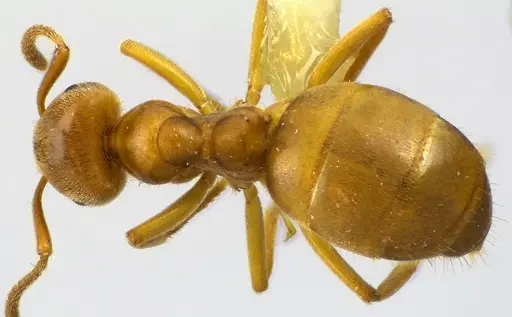
ANTWEB1041620
View on AntWeb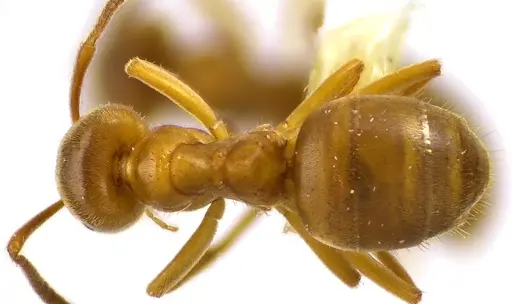
ANTWEB1041632
View on AntWeb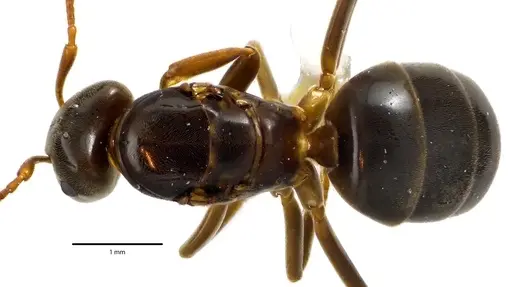
ANTWEB1041644
View on AntWeb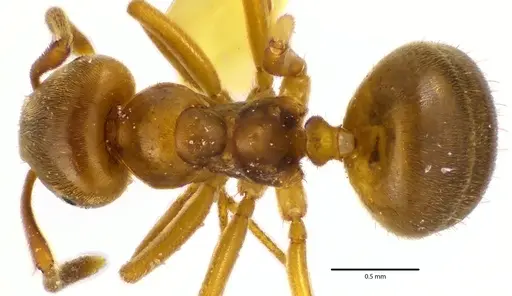
ANTWEB1041682
View on AntWeb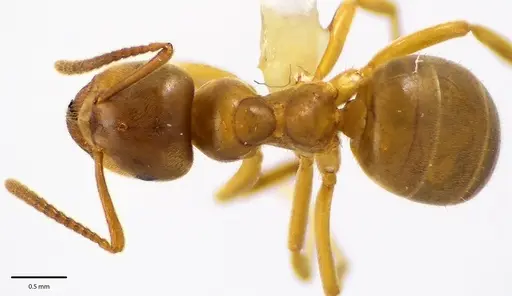
ANTWEB1041693
View on AntWeb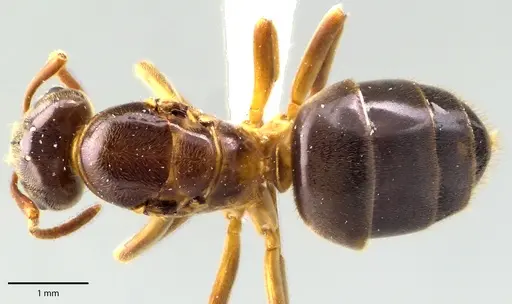
ANTWEB1041726
View on AntWeb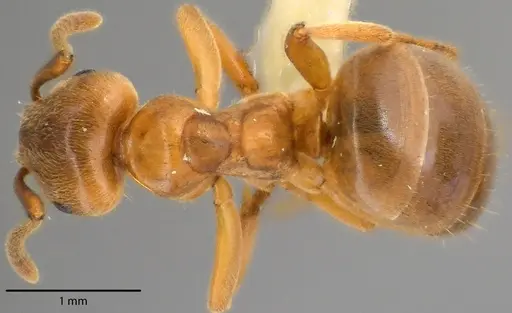
ANTWEB1041733
View on AntWeb
ANTWEB1041734
View on AntWeb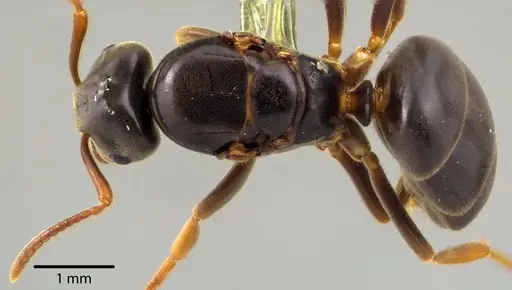
ANTWEB1041742
View on AntWeb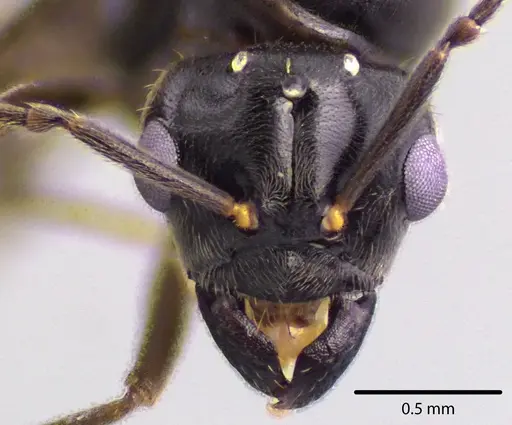
ANTWEB1041745
View on AntWeb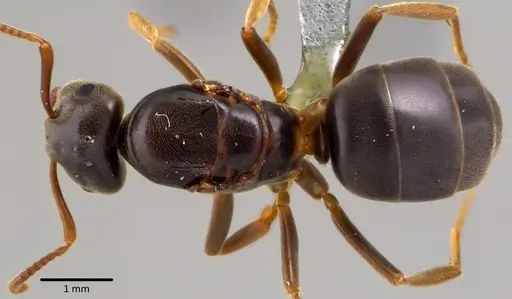
ANTWEB1041748
View on AntWeb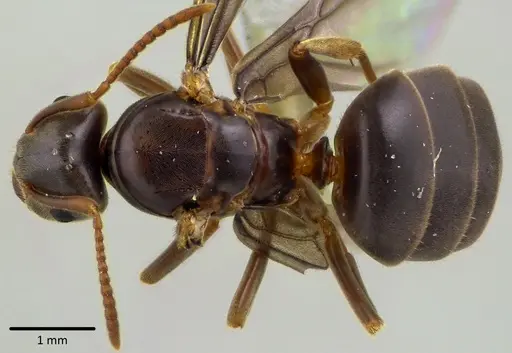
ANTWEB1041763
View on AntWeb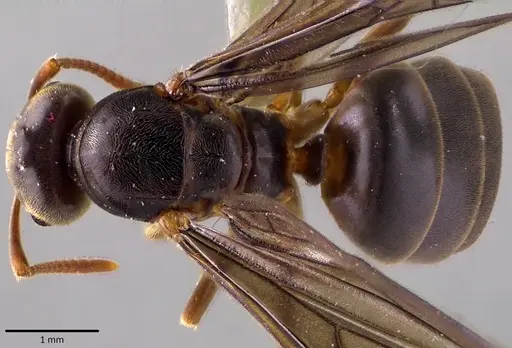
ANTWEB1060118
View on AntWeb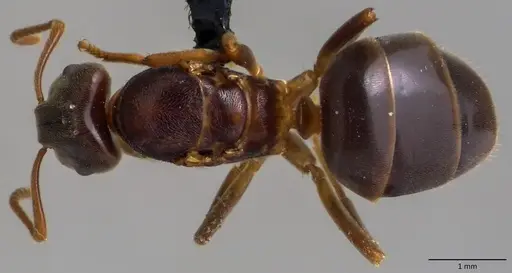
CASENT0005409
View on AntWeb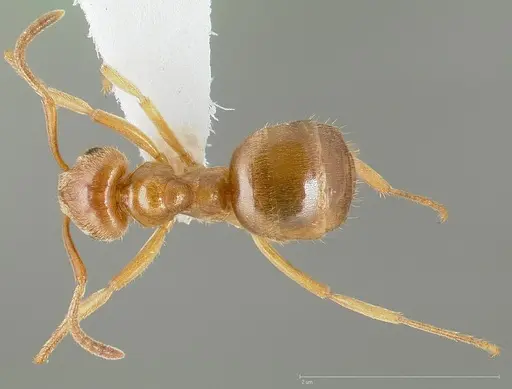
CASENT0103993
View on AntWeb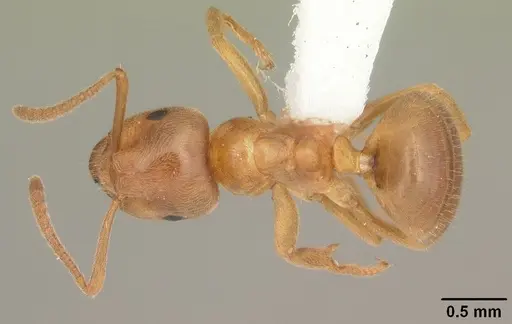
CASENT0103996
View on AntWeb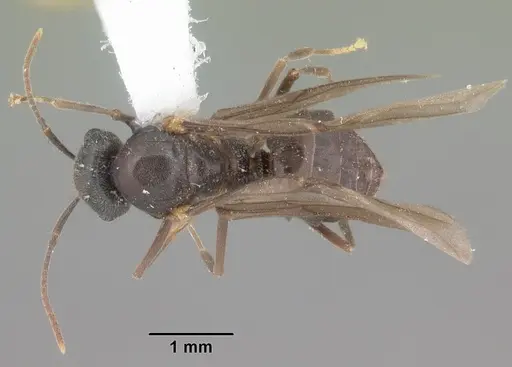
CASENT0103997
View on AntWeb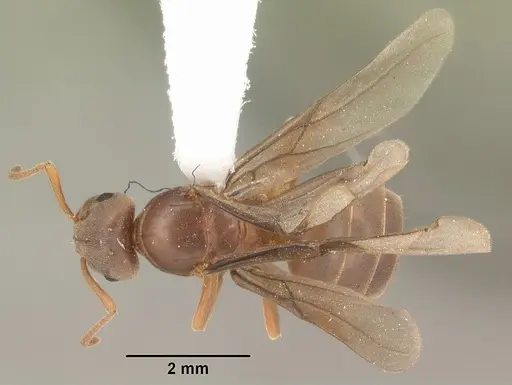
CASENT0221957
View on AntWeb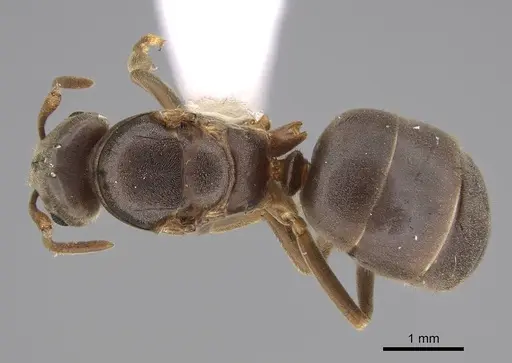
CASENT0280468
View on AntWeb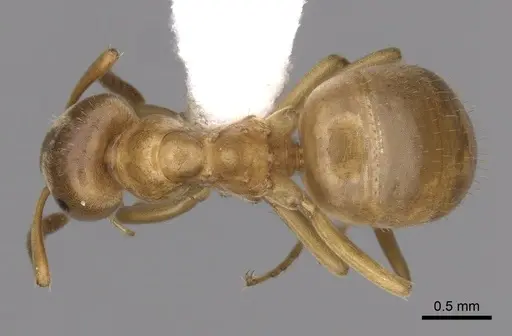
Literature
Loading...Loading products...