

Formica wheeleri
- Scientific Name
- Formica wheeleri
- Tribe
- Formicini
- Subfamily
- Formicinae
- Author
- Creighton, 1935
- Common Name
- Wheeler's Field Ant
- Distribution
- Found in 2 countries
Formica wheeleri Overview
Formica wheeleri (commonly known as the Wheeler's Field Ant) is an ant species of the genus Formica. It is primarily documented in 2 countries , including Canada, United States of America. Detailed taxonomic data and occurrence records can be further explored via authoritative databases such as AntWeb or the Global Biodiversity Information Facility (GBIF).
Formica wheeleri - "Wheeler's Field Ant"
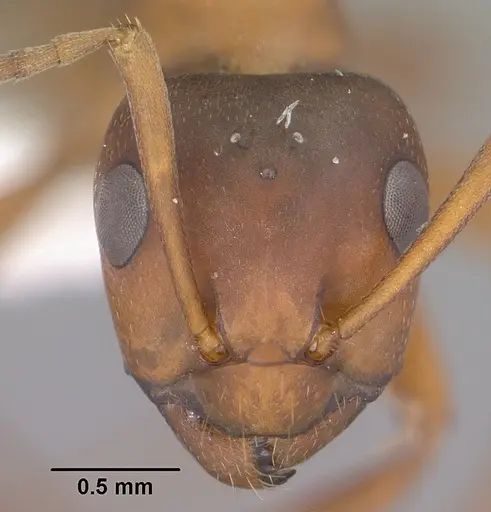
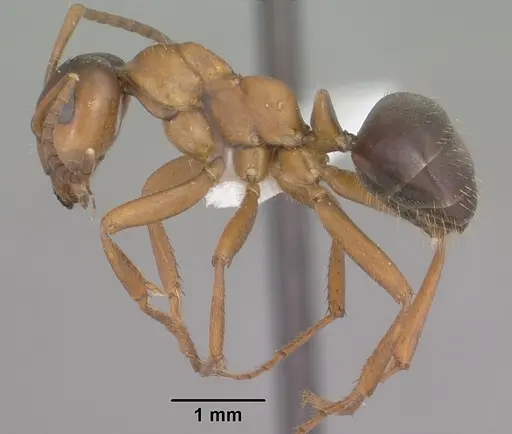
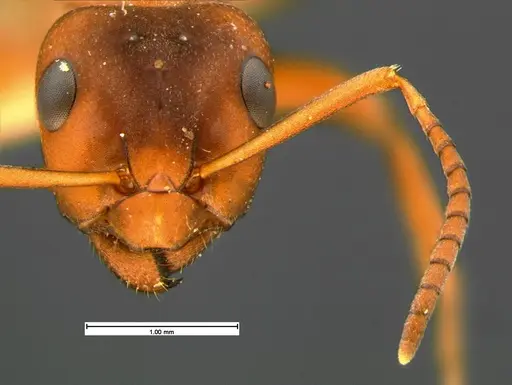
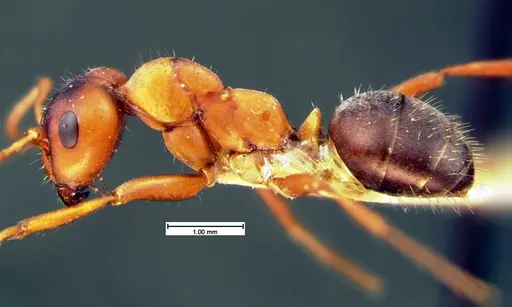
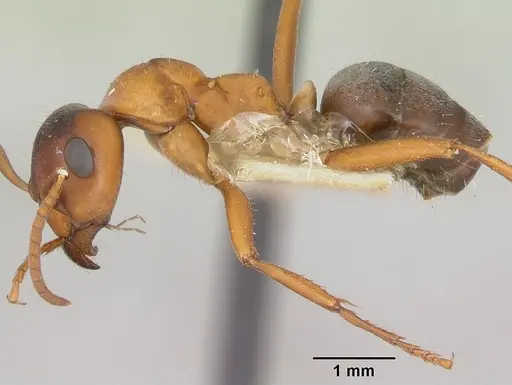
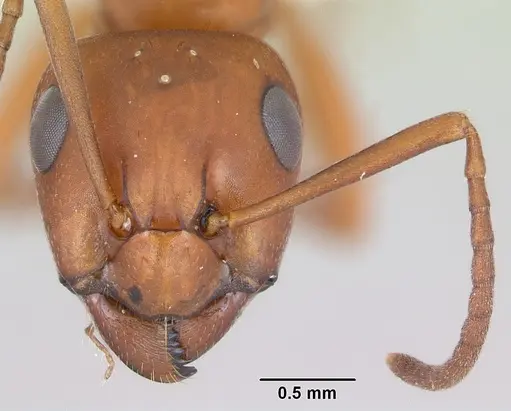
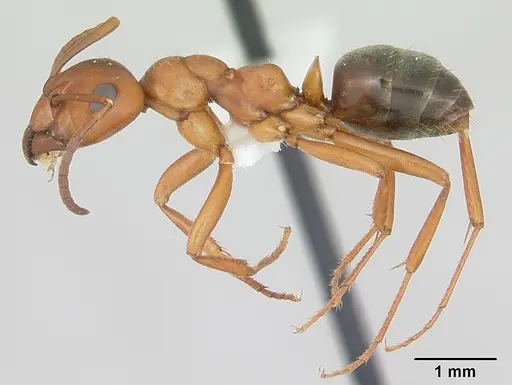
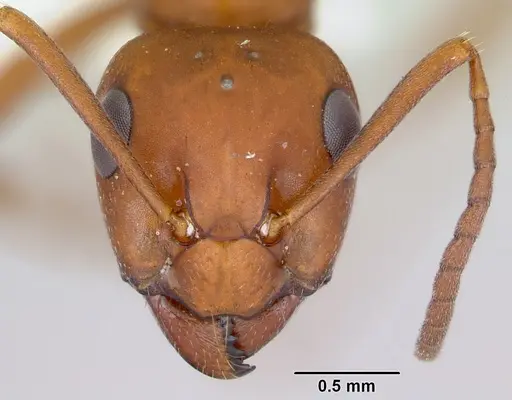
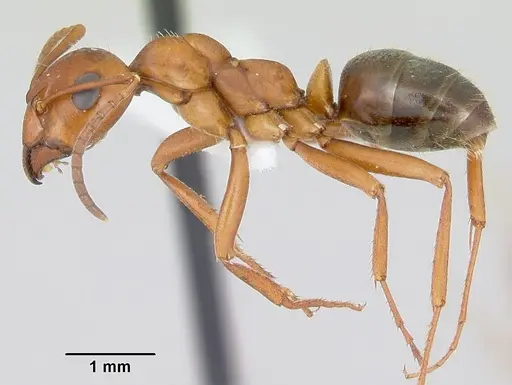
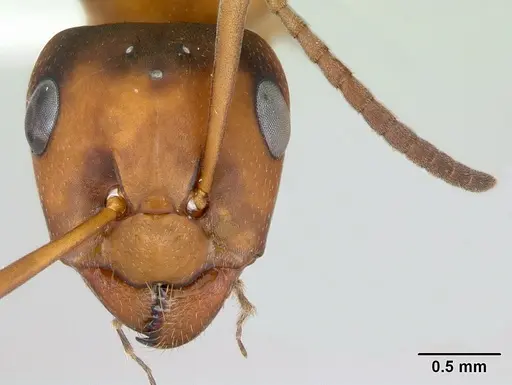
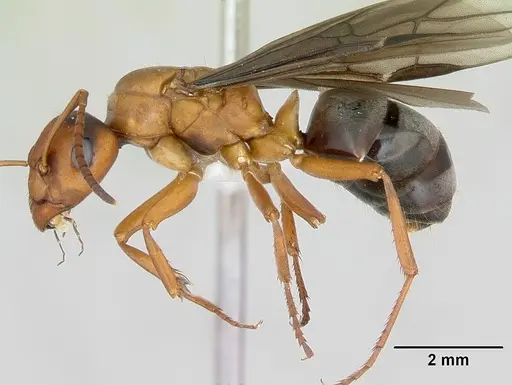
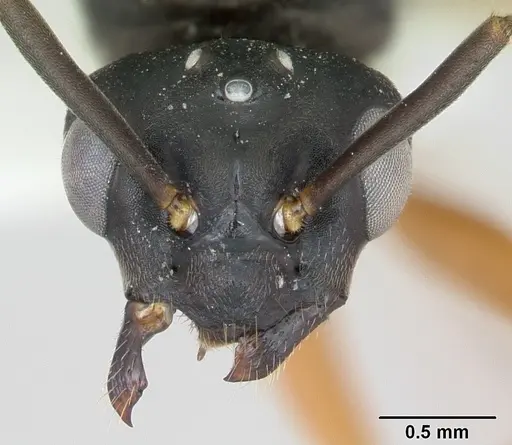
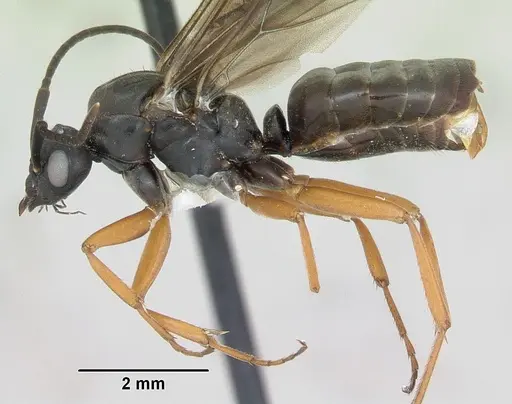
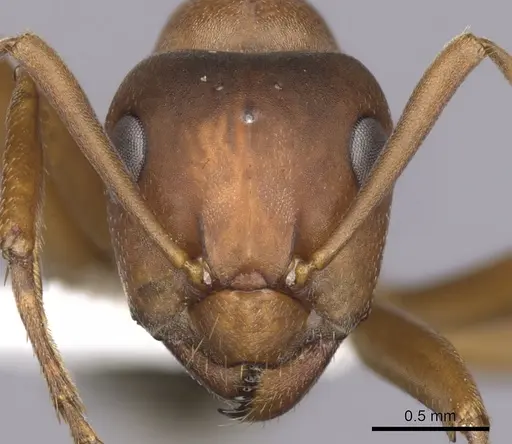
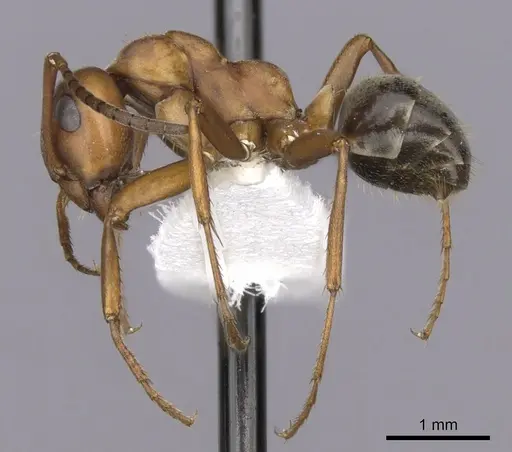
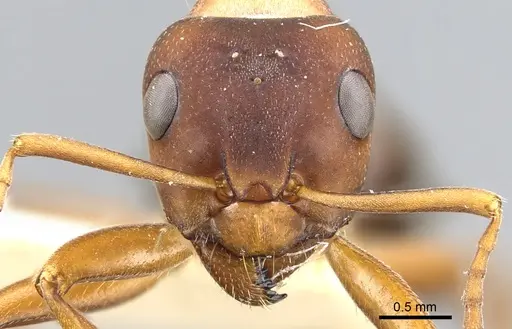
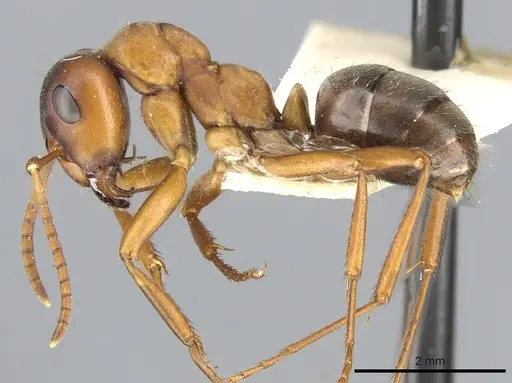
Formica wheeleri is a medium-sized ant native to western North America, ranging from Idaho and Montana south to Nevada, New Mexico, and Arizona. Workers measure around 4-7mm with a distinctive appearance: the head is often darker than the mesosoma, the petiole is broad with a blunt apex when viewed from the front, and they have notably large eyes that extend past the sides of the head. These ants are facultative slave-makers, meaning they raid colonies of other Formica species to capture workers and brood, integrating them into their own colony [1].
What makes F. wheeleri particularly interesting is their social parasitic lifestyle. Unlike some slave-makers that cannot survive without hosts, these ants can establish colonies independently but strongly prefer having enslaved workers. When they do raid, they target species in the Formica neogagates, fusca, and pallidefulva species groups. The enslaved workers do all the foraging, brood care, and nest maintenance while the slave-makers focus on raiding for more slaves [1].
Quick Summary
- Difficulty: Expert
- Origin & Habitat: Western North America, from Idaho and Montana east to North Dakota, south through Nevada, New Mexico, Arizona, and into Mexico. They inhabit sagebrush scrub, grasslands, and areas ranging up to ponderosa pine and aspen-spruce forests at elevations around 5,500 feet [1][2][3].
- Colony Type: Facultative slave-maker, colonies can function without slaves but develop much better with them. Multiple queens may be present in established colonies.
- Colony: Monogyne, Polygyne
- Queen: Temporary parasitic
- Special: Slave-making
- Size & Growth:
- Queen: Estimated 7-9mm based on genus patterns
- Worker: 4-7mm [1]
- Colony: Unknown for this species, but related Formica slave-makers typically reach several thousand workers
- Growth: Moderate, growth depends heavily on presence of enslaved workers
- Development: Estimated 6-8 weeks at optimal temperature based on related Formica species (Development is heavily dependent on enslaved workers raising the brood)
- Antkeeping:
- Temperature: Keep nest area at 20-24°C with a slight gradient. They tolerate cooler temperatures reflecting their mountain and northern habitat [1].
- Humidity: Moderate humidity, they naturally nest under stones in rocky loam soils. Keep substrate moist but not waterlogged.
- Diapause: Yes, they require a winter hibernation period of 3-4 months at 5-10°C, reflecting their temperate to cold mountain habitat [1].
- Nesting: Test tube setups work for founding colonies. Once established, they need a formicarium with chambers sized for their medium size. Provide a connection to an outworld for raiding behavior. Naturalistic setups with stones work well since they naturally nest under rocks [1].
- Behavior: Workers are fast-moving and aggressive, reflecting their predatory raiding behavior. They are active foragers and will readily attack other ant colonies to capture slaves. Escape prevention is important, use fluon on test tube rims and ensure formicarium connections are secure. They have a moderate sting though it's rarely noticeable to humans due to their size. The colony will be most active when they have enslaved workers doing most of the labor [1].
- Common Issues: Without enslaved workers, colony growth is extremely slow, you must provide host Formica colonies, Slave raids can decimate host colonies if not managed carefully in captivity, Finding appropriate host species (F. fusca, F. neorufibarbis, F. neogagates) can be difficult, Overheating can kill colonies faster than other Formica due to their cooler natural habitat, Founding queens have high mortality, they must successfully invade a host colony to thrive
Understanding Slave-Making Behavior
Formica wheeleri is a facultative slave-maker, which means it can survive without slaves but strongly benefits from having them. This places it in an intermediate category, unlike obligate slave-makers that cannot survive without host workers, F. wheeleri queens can found colonies independently, though they face high mortality doing so. In the wild, when a newly mated queen encounters a small colony of another Formica species (typically from the neogagates, fusca, or pallidefulva groups), she forces her way in, somehow eliminates the host queen, and gets the existing workers to accept her. The brood that emerges from the host colony's eggs treats the intruding queen as their own mother. Once the slave-making colony has enough workers, they conduct raids to capture more slaves from neighboring colonies [1][2].
For antkeepers, this means you have two options: keep F. wheeleri without slaves (possible but slow-growing) or maintain both the slave-maker and host colonies together. The host species you'll need are Formica fusca, Formica neorufibarbis, or Formica neogagates, all common North American ants that are legal to keep in most areas. Without slaves, your colony will grow very slowly because the queen must do all the work herself or with just a few daughters [2][3].
Housing and Nest Setup
For founding colonies, use a standard test tube setup with a water reservoir. The queen will seal herself in a chamber and lay eggs, this is the claustral phase. However, unlike typical claustral ants, F. wheeleri queens that attempt to found colonies without access to hosts often fail. Many antkeepers recommend introducing a founding queen to a small host colony rather than letting her try to raise workers alone.
Once established, transfer to a formicarium with moderate-sized chambers. These ants are medium-sized (4-7mm workers) so standard acrylic or Y-tong nests work well. Provide a connection to an outworld for foraging and ensure you can observe their raiding behavior if you maintain host colonies. Because they naturally nest under stones, a naturalistic setup with flat stones on top of soil can also work well, just ensure the nest area stays cool and humid [1].
Escape prevention is important for medium-sized ants. Apply fluon to test tube rims and seal any gaps larger than 1mm. They're not extreme escape artists like some tiny species, but they will find any weakness in your setup.
Feeding and Nutrition
In the wild, F. wheeleri and their enslaved workers eat honeydew from aphids, small insects, and other protein sources. The enslaved workers do most of the foraging, so your colony's feeding behavior depends heavily on whether you have slaves active.
Feed the colony sugar water or honey water constantly, replace every 2-3 days. For protein, offer small insects like fruit flies, small crickets, or mealworms twice weekly. If you have enslaved workers, they will handle most of the food collection and distribution. Without slaves, you'll see the slave-maker workers foraging more actively themselves.
The key insight for keepers is that enslaved workers are the ones who actually process and distribute food to the colony. Without them, feeding becomes less efficient. Some keepers report that their F. wheeleri colonies are pickier about accepting protein sources than other Formica, if insects are rejected, try offering them live rather than pre-killed [1].
Temperature and Seasonal Care
Formica wheeleri comes from cooler mountain habitats in the western United States, so they prefer temperatures on the cooler side compared to many tropical ants. Keep the nest area at 20-24°C, with a slight gradient so ants can choose their preferred temperature. They can tolerate temperatures down to 15°C without issue and should not be kept warm continuously.
Winter hibernation is essential. Reduce temperatures to 5-10°C for 3-4 months (typically November through February in the Northern Hemisphere). During this time, the colony will be mostly inactive. Do not feed them during hibernation, but ensure the nest substrate doesn't dry out completely. Place them in a cool basement, garage, or refrigerator (not freezer) for the winter rest period.
This species is adapted to seasonal temperature swings, do not try to keep them active year-round with constant warmth. Doing so will stress the colony and reduce their lifespan [1].
Integrating Host Colonies
The biggest challenge and reward in keeping F. wheeleri is managing the slave-making relationship. If you want a thriving colony, you'll need to maintain host Formica colonies (F. fusca, F. neorufibarbis, or F. neogagates) as a food source and potential integration target.
There are two approaches: (1) Allow your F. wheeleri to raid your host colonies periodically, capturing brood and workers. The enslaved workers that emerge will join the main colony. (2) Introduce a newly mated F. wheeleri queen directly to a small host colony, allowing her to take over.
The second approach is more reliable for establishing colonies. Place a small host colony (maybe 20-50 workers) in a setup with a separate chamber for the queen. Let the queen introduce herself, the host workers may initially be aggressive but typically accept her after she eliminates their queen. Within weeks, the host workers will care for the slave-maker's brood.
Be aware that each raid will weaken your host colonies. If you want to maintain sustainable host colonies, limit raiding frequency or separate the colonies physically after each integration [2][3][1].
Frequently Asked Questions
Can I keep Formica wheeleri without slave ants?
Yes, but it's not recommended. F. wheeleri is a facultative slave-maker, meaning they CAN survive without slaves but grow much slower and smaller. Without enslaved workers doing the foraging and brood care, the queen and her first workers must do everything themselves. Most experienced keepers recommend maintaining host colonies (F. fusca, F. neorufibarbis, or F. neogagates) for the best results.
What do I feed Formica wheeleri?
Feed them sugar water or honey water constantly, replaced every 2-3 days. For protein, offer small insects like fruit flies, small crickets, or mealworms twice weekly. If you have enslaved workers, they will handle most of the foraging. Live prey is often accepted better than pre-killed insects.
How long does it take for Formica wheeleri to produce first workers?
Without slaves, expect 6-8 weeks from egg to worker at optimal temperatures (20-24°C). With properly integrated enslaved workers, growth can be faster because the host workers immediately care for the new brood. The first workers (nanitics) will be smaller than normal workers.
Do Formica wheeleri need hibernation?
Yes, they require a winter dormancy period of 3-4 months at 5-10°C. This reflects their natural habitat in cool mountain regions of the western United States. Without proper hibernation, the colony will become stressed and workers will have shorter lifespans. Hibernate them in a cool basement, garage, or refrigerator from November to February.
What host species do I need for Formica wheeleri?
The species enslaves Formica from the neogagates, fusca, and pallidefulva species groups. The most commonly available and recommended hosts are Formica fusca and Formica neorufibarbis. These are common North American ants that are legal to keep in most areas. You'll need to maintain separate colonies of these host species.
Is Formica wheeleri good for beginners?
No, this species is not recommended for beginners. The slave-making behavior adds significant complexity, you need to maintain both the slave-maker colony and host colonies, manage introductions, and understand the parasitic relationship. Additionally, they require proper hibernation and cooler temperatures than many beginner species. We recommend starting with easier species like Lasius niger or Formica rufa first.
When should I move my Formica wheeleri colony to a formicarium?
Move them once the colony reaches 50-100 workers and the test tube setup becomes cramped. This is typically after the first year if slaves are present, or longer without slaves. Make sure the formicarium has appropriately sized chambers (not too large) and a connection to an outworld for foraging.
Why are my Formica wheeleri workers dying?
Several causes are possible: (1) No slaves, colonies without hosts grow poorly and workers may be stressed. (2) Too warm, they prefer cooler temperatures (20-24°C max). (3) Improper hibernation, they need 3-4 months at 5-10°C each winter. (4) Poor nutrition, ensure constant sugar water and regular protein. (5) Stress from too-frequent disturbances. Check these factors and adjust accordingly.
References

This caresheet is licensed under CC BY-SA 4.0 .
CASENT0102800
View on AntWeb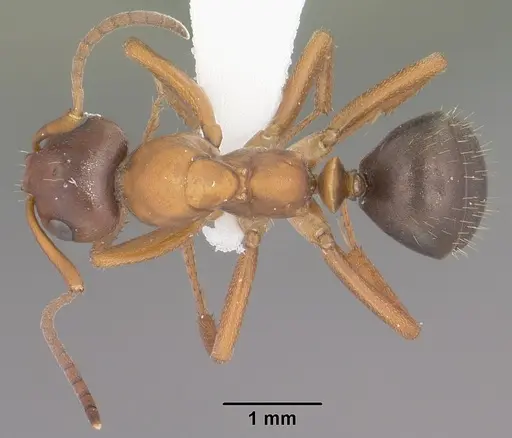
CASENT0105611
View on AntWeb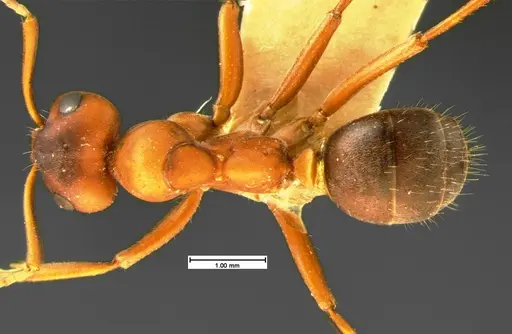
CASENT0173019
View on AntWeb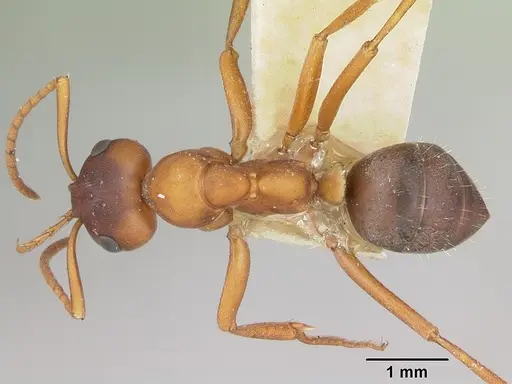
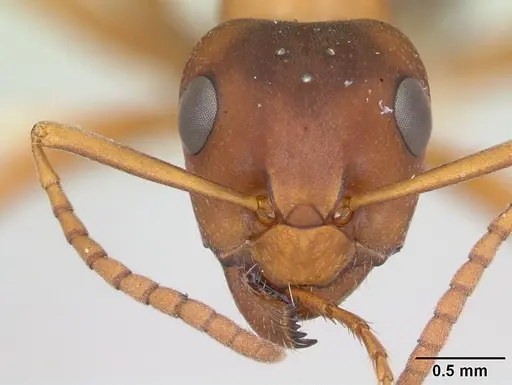
CASENT0173020
View on AntWeb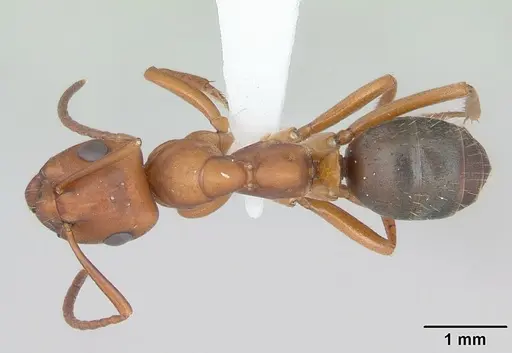
CASENT0173021
View on AntWeb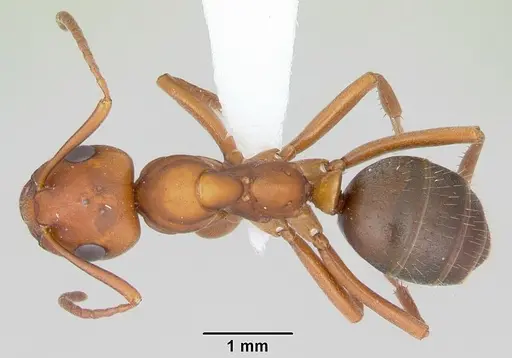
CASENT0173022
View on AntWeb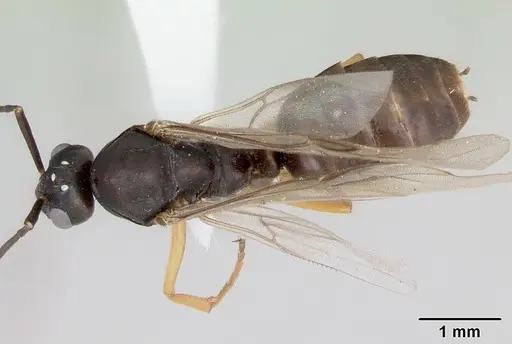
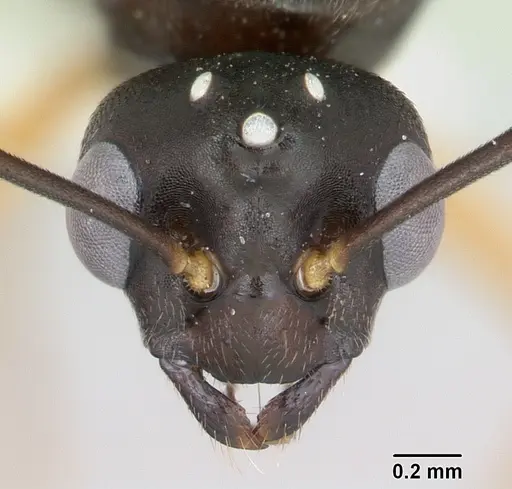
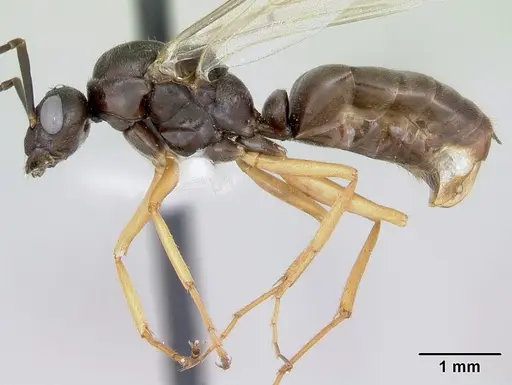
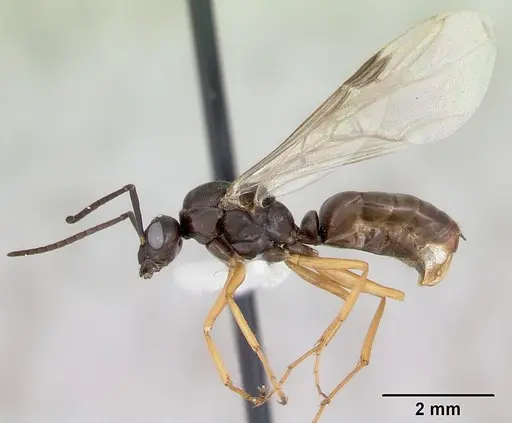
CASENT0173023
View on AntWeb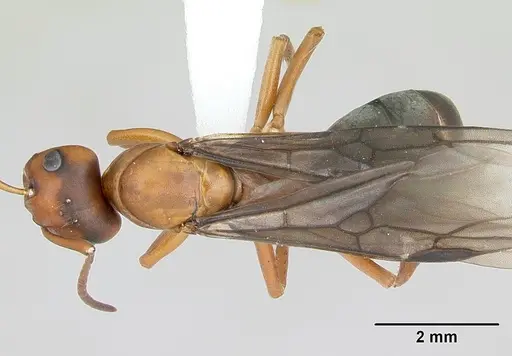
CASENT0173024
View on AntWeb
CASENT0280426
View on AntWeb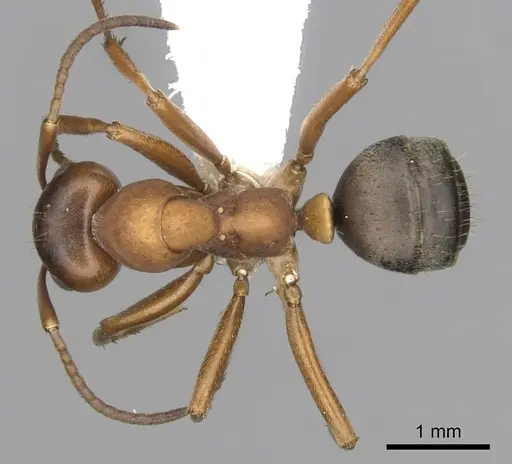
CASENT0903282
View on AntWeb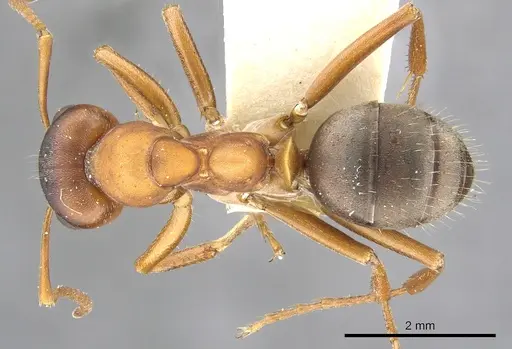
Literature
Loading...Loading products...