

Formica neogagates
- Scientific Name
- Formica neogagates
- Tribe
- Formicini
- Subfamily
- Formicinae
- Author
- Viereck, 1903
- Common Name
- New World Black Ant
- Distribution
- Found in 2 countries
Formica neogagates Overview
Formica neogagates (commonly known as the New World Black Ant) is an ant species of the genus Formica. It is primarily documented in 2 countries , including Canada, United States of America. Detailed taxonomic data and occurrence records can be further explored via authoritative databases such as AntWeb or the Global Biodiversity Information Facility (GBIF).
Formica neogagates - "New World Black Ant"
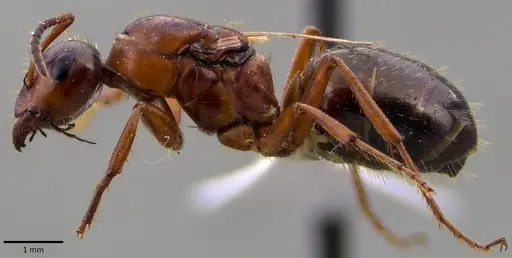
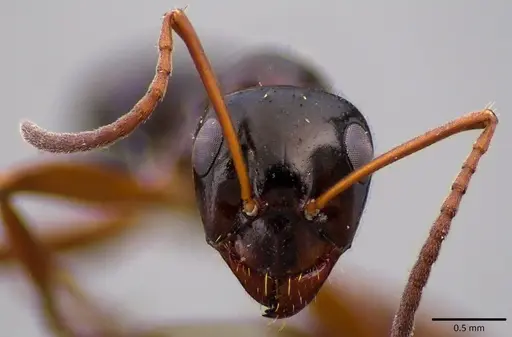
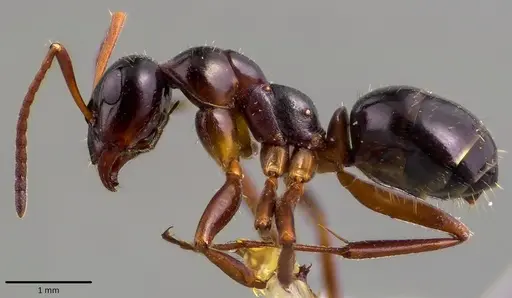
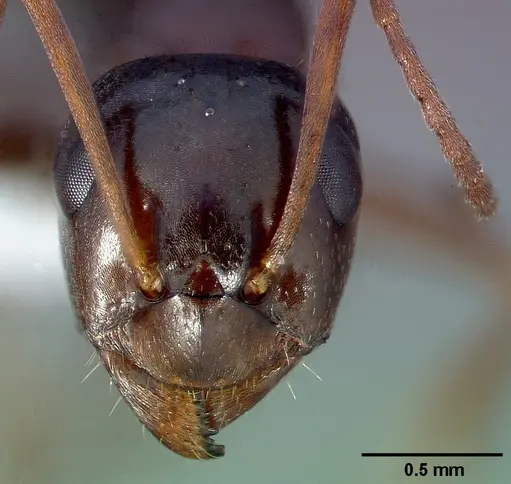
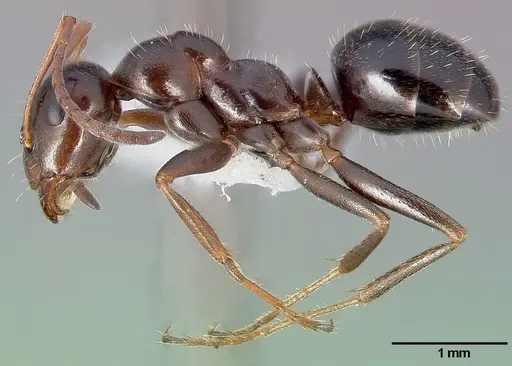
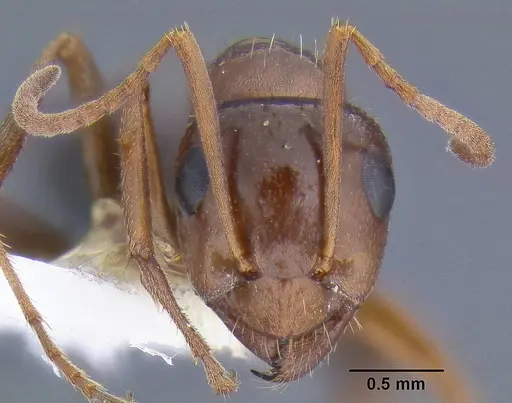
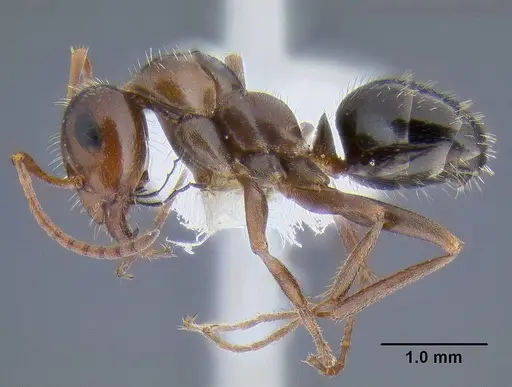
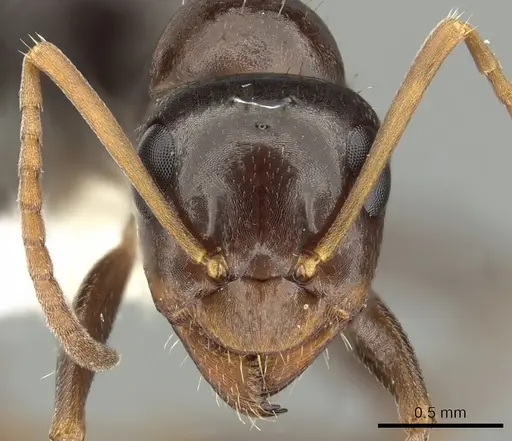
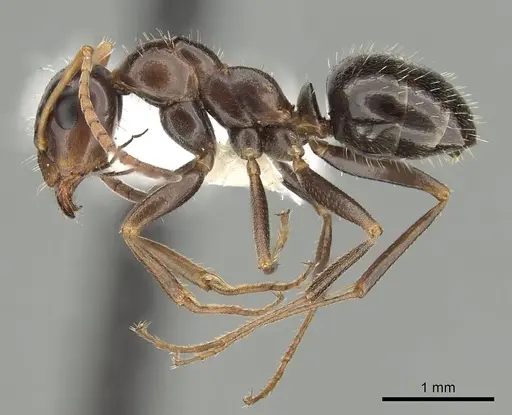
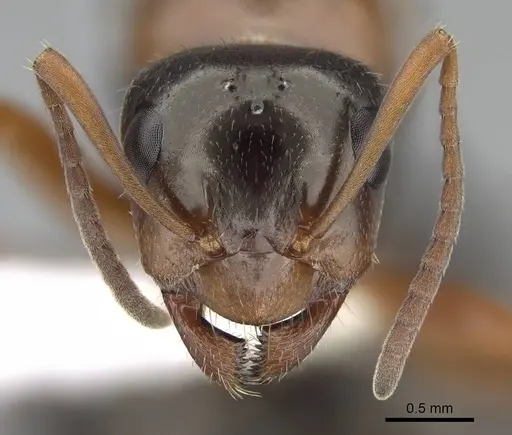
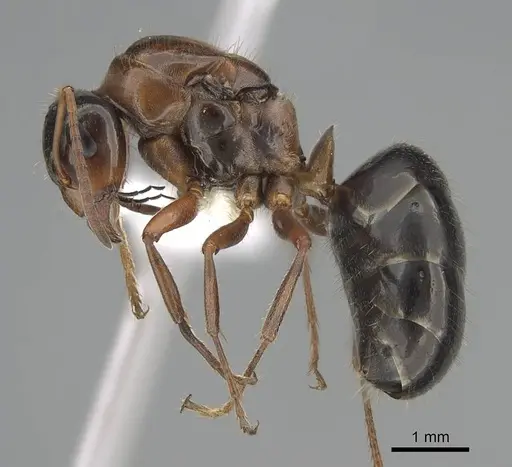
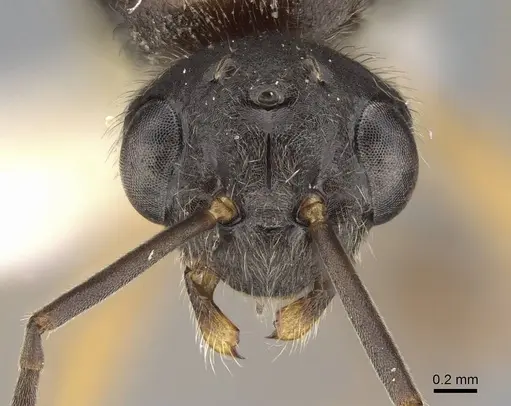
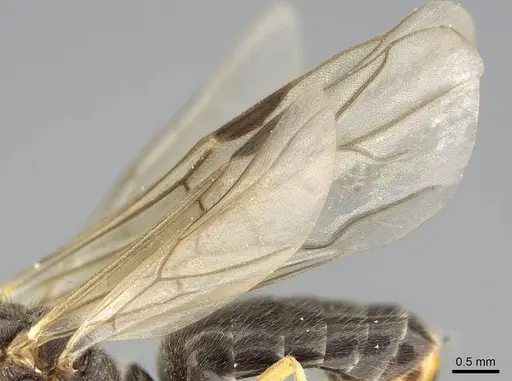
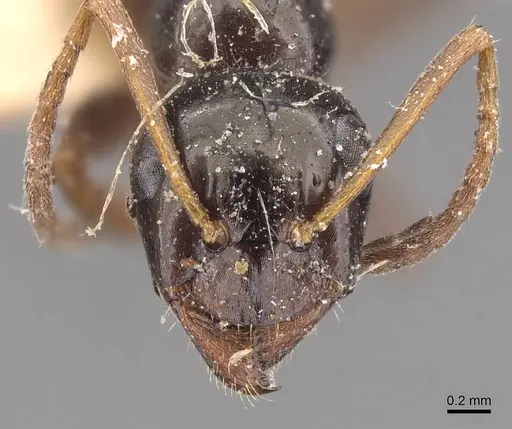
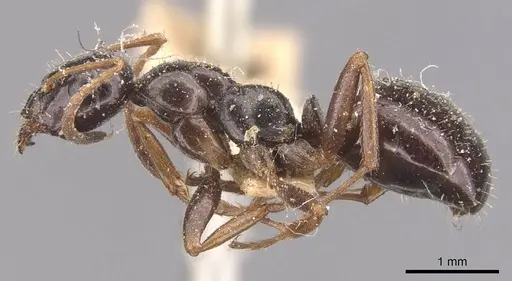
Formica neogagates is a small, slender ant measuring 3.5-5.6mm with a dark brown to black coloration [1][2]. Workers have a smooth, glossy appearance with sparse body hairs and a continuous rounded profile between the dorsal and posterior surfaces of the propodeum [3]. This species belongs to the Formica neogagates group and is found across southern Canada and the northern United States, from coast to coast, with populations extending south through the Rocky Mountains to Nevada, Arizona, and northern Mexico [4][AntWiki].
These ants are known for their timid nature and small colony sizes, typically living in sheltered locations like under stones or logs in moist, wooded areas [AntWiki][5]. They are a common and often dominant species in northeastern US forests, frequently found in mesic oak-hickory woodlands with heavy leaf cover [6][5]. Workers are active foragers that search for honeydew and tend to mealybugs and coccids for this sugary secretion [2].
Quick Summary
- Difficulty: Easy
- Origin & Habitat: Coast-to-coast across southern Canada and northern United States, with extensions south through the Appalachians to North Carolina and the Rocky Mountains to northern Mexico. Found in mesic woodlands, grasslands, pinyon-juniper forests, and aspen forests [4][AntWiki].
- Colony Type: Polygynous (multiple queens per colony). Colonies are small, typically containing only a few hundred workers [2][7]. Nests have multiple dealate (wingless) females [AntWiki].
- Size & Growth:
- Queen:{.size-link} size data unavailable
- Worker:{.size-link} 3.5-5.6mm [1], or 3.7-4.8mm [2]
- Colony: Probably a few hundred individuals [2]
- Growth: Moderate, inferred from small colony size
- Development: Unknown, development timeline has not been directly studied for this species. (Based on typical Formica patterns, expect several months from egg to adult worker at warm temperatures.)
- Antkeeping:
- Temperature: Keep at room temperature (20-24°C). This is a temperate species adapted to moderate conditions, avoid extreme heat.
- Humidity: Keep the nest substrate consistently moist but not waterlogged. In nature, they prefer moist, sheltered woodland habitats with heavy leaf cover [5][2].
- Diapause: Yes, this is a temperate species that requires winter hibernation. Reduce temperature to 5-10°C for 3-4 months during winter, mimicking natural seasonal cycles [AntWiki].
- Nesting: Natural nesting occurs in soil, often under stones or logs, with chambers extending several feet into the ground [5]. In captivity, a naturalistic setup with soil substrate and flat stones or a Y-tong/plaster nest works well. Keep nesting area dark and sheltered.
- Behavior: Workers are timid and dark-colored, often described as timid ants that live in small colonies in sheltered places [5]. When disturbed, they exhibit panic alarm behavior and may flee quickly [2]. However, populous colonies can produce aggressive workers that bite promptly [AntWiki]. Workers forage on the ground and on foliage, and they tend mealybugs and coccids for honeydew [2]. They are not strong escape artists for their size, but standard containment practices should still be used. This species is sensitive to habitat disturbance and does not persist in heavily disturbed urban areas [8][9].
- Common Issues: colonies are small and grow slowly, beginners may lose patience., sensitive to disturbance and dry conditions, may abandon poorly maintained nests., timid nature means they may not thrive with aggressive colony-mates., wild-caught colonies may have parasites including Laboulbenia fungal infections., queens and alates are preyed upon by digger wasps (Aphilanthops).
Nest Preferences and Housing
In the wild, Formica neogagates nests in soil, typically under stones or logs where it is dark and protected [AntWiki][5]. Their nest entrances are small (2-3mm) and often inconspicuous, with chambers and galleries extending several feet into the soil [5]. They prefer moist, sheltered locations in deciduous woodlands, particularly areas with heavy leaf cover, yellow birch, or witch-hazel [5].
For captive care, a naturalistic setup works best, a container with several inches of soil substrate and flat stones or logs on top provides the darkness and humidity they need. Alternatively, a Y-tong or plaster nest with narrow chambers maintains the moist conditions they require. Avoid dry, exposed setups. The nesting area should stay consistently damp but never waterlogged, with some drier areas available if needed. These ants do not do well in overly bright or disturbed locations, place the colony in a quiet area away from vibrations and direct sunlight.
Feeding and Diet
Like most Formica species, F. neogagates is omnivorous but shows a strong preference for honeydew, the sugary secretion from aphids, mealybugs, and coccids [2]. In the wild, workers actively tend these sap-sucking insects, particularly mealybugs (Chorizococcus sp.) and coccids (Orthezia sarcobati) found on plants like winter fat [AntWiki]. They also attend extrafloral nectaries of plants like bigtooth aspen [2].
In captivity, offer sugar water or honey as a constant energy source. For protein, provide small insects like fruit flies, small crickets, or mealworms. Since they tend mealybugs in the wild, they may accept soft-bodied prey. Feed protein 2-3 times per week and keep sugar water available at all times. Remove uneaten prey after 24 hours to prevent mold.
Temperature and Seasonal Care
As a temperate species found across southern Canada and the northern United States, F. neogagates prefers moderate temperatures rather than extremes. Keep the colony at room temperature, ideally around 20-24°C. They are sensitive to heat stress and should not be exposed to temperatures above 30°C. A gentle temperature gradient allows workers to regulate their own conditions.
Winter hibernation is essential for this species. Reduce temperatures to 5-10°C for 3-4 months during winter months (typically November through March in the Northern Hemisphere). This mimics their natural seasonal cycle and supports healthy colony development. Do not skip hibernation, it triggers physiological changes needed for reproduction and colony health. Keep the nest slightly moist during hibernation to prevent desiccation. [5]
Behavior and Colony Dynamics
Formica neogagates is characterized by its timid nature, workers are small, dark, and quick to flee when disturbed [5]. However, larger colonies can produce more aggressive workers that will bite if threatened [AntWiki]. When alarmed, workers exhibit characteristic panic alarm behavior, scattering quickly [2].
Colonies are polygynous, meaning they contain multiple queens that all reproduce [7]. This is unusual among Formica species and contributes to their ability to maintain small, stable colonies. New colonies are founded by single queens (haplometrosis) [10], but once established, additional queens may be adopted. Alate (winged) reproductives develop in summer, alate pupae appear in late June through July, with winged adults emerging in August and September [5].
These ants are natural habitat specialists that thrive in undisturbed environments with native vegetation [9]. They are sensitive to urbanization and disappear from disturbed areas [8].
Health and Common Problems
Several factors can cause colony decline in captivity. These ants are sensitive to dry conditions and disturbance, the nest substrate must remain consistently moist, and the colony should be placed in a quiet location away from vibrations. Wild-caught colonies may carry parasites, including the fungal pathogen Laboulbenia formicarum, which can infect workers [11][12].
Because colonies remain relatively small (only a few hundred workers), growth is slow and beginners may lose patience. Do not overfeed, excess food mold quickly in the humid conditions these ants require. Also watch for escape attempts, as small workers can slip through gaps in equipment.
Finally, be aware that F. neogagates serves as a host for several slave-making ants including Formica creightoni, F. rubicunda, F. subintegra, and the temporary social parasite Polyergus lucidus [2][AntWiki]. While this does not directly affect captive colonies, it reflects their position in the ant ecosystem.
Frequently Asked Questions
How long does it take for Formica neogagates to produce first workers?
The exact development timeline is unconfirmed for this species. Based on typical Formica patterns, expect several months from egg to worker at optimal temperature. Growth is relatively slow, and colonies remain small even when established.
Can I keep multiple Formica neogagates queens together?
Yes, this species is naturally polygynous, meaning colonies typically have multiple queens. Unlike many ants, they do not fight when multiple queens are present. You can keep foundresses together or introduce additional queens to established colonies.
What do Formica neogagates eat?
They primarily eat honeydew from aphids, mealybugs, and coccids. In captivity, provide sugar water or honey constantly, plus small insects like fruit flies or small mealworms 2-3 times per week. They will also attend extrafloral nectaries, so occasional sugar sources are important.
Are Formica neogagates good for beginners?
Yes, they are considered an easy species to keep. They are small but hardy, tolerate room temperature well, and have simple dietary needs. The main challenges are maintaining proper humidity and being patient with their slow growth. Their timid nature also means they are not aggressive escape artists.
Do Formica neogagates need hibernation?
Yes, this temperate species requires a winter dormancy period. Reduce temperatures to 5-10°C for 3-4 months during winter. This is essential for colony health and triggers reproductive behavior. Skipping hibernation can lead to colony decline.
How big do Formica neogagates colonies get?
Colonies remain relatively small compared to many Formica species, typically only a few hundred workers at maturity [2]. This is one of their defining characteristics. Do not expect large, populous colonies.
Why are my Formica neogagates dying?
Common causes include: dry nest conditions (they need consistent moisture), excessive disturbance or vibration, temperatures too high or too low, and poor nutrition. They are sensitive to habitat disturbance and require quiet, stable conditions. Also check for fungal infections like Laboulbenia on workers.
When do Formica neogagates alates appear?
Alate pupae develop in late June through early July, with winged adults emerging in August and September [5]. This is the typical nuptial flight season for this species in the wild.

This caresheet is licensed under CC BY-SA 4.0 .
ANTWEB1041603
View on AntWeb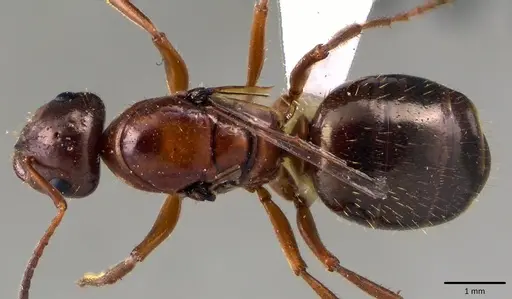

ANTWEB1041784
View on AntWeb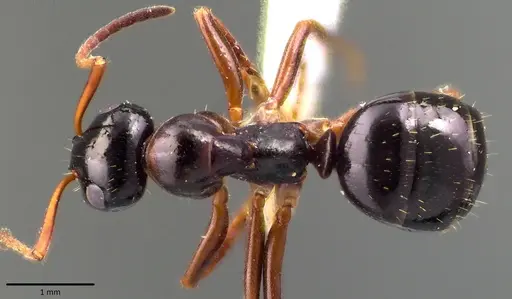
CASENT0005382
View on AntWeb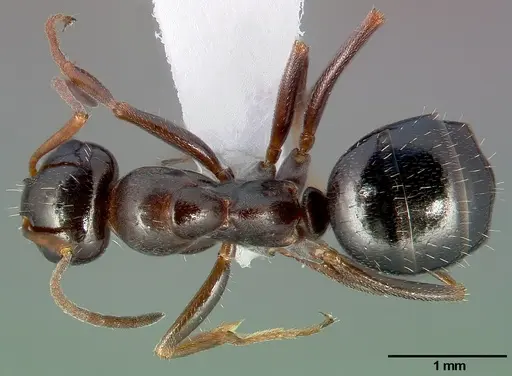
CASENT0106302
View on AntWeb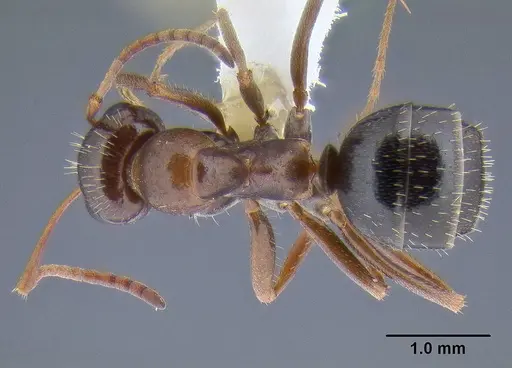
CASENT0280341
View on AntWeb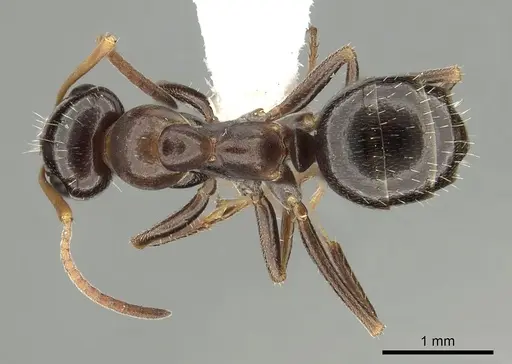
CASENT0843919
View on AntWeb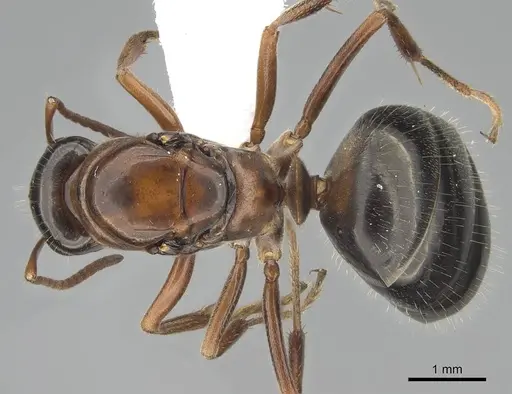
CASENT0843920
View on AntWeb
CASENT0905713
View on AntWeb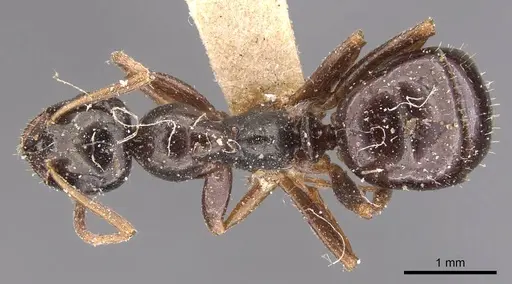
Literature
Loading...Loading products...