

Formica creightoni
- Scientific Name
- Formica creightoni
- Tribe
- Formicini
- Subfamily
- Formicinae
- Author
- Buren, 1968
- Common Name
- Creighton's Slavemaking Ant
- Distribution
- Found in 1 countries
Formica creightoni Overview
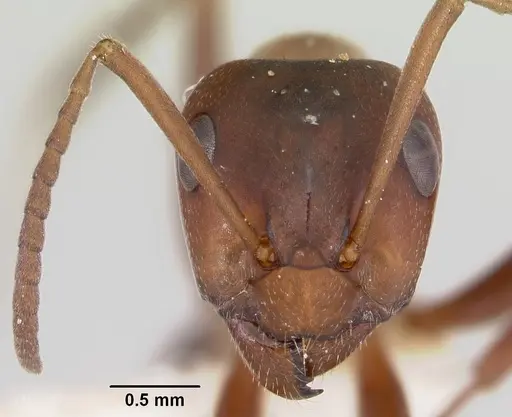
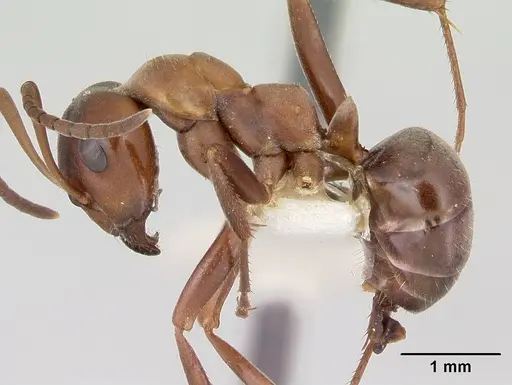
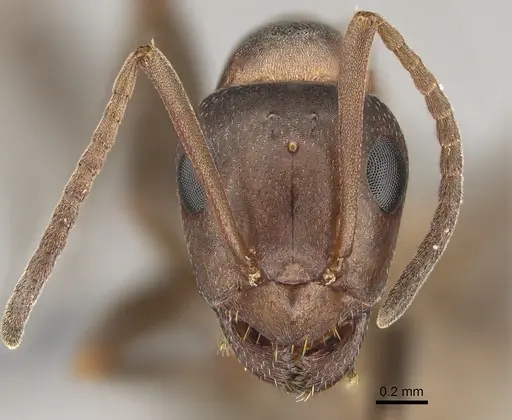
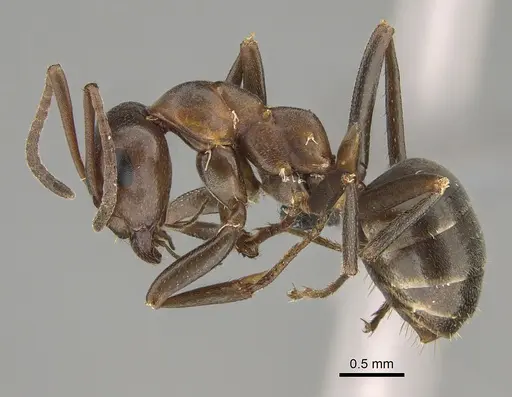
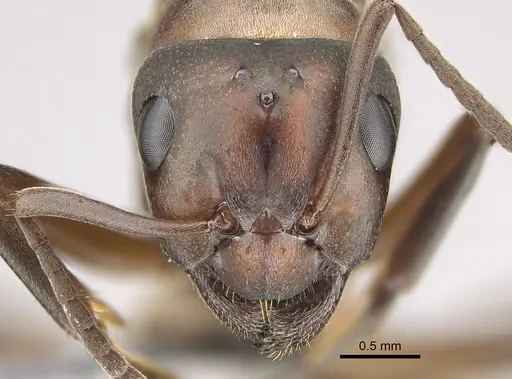
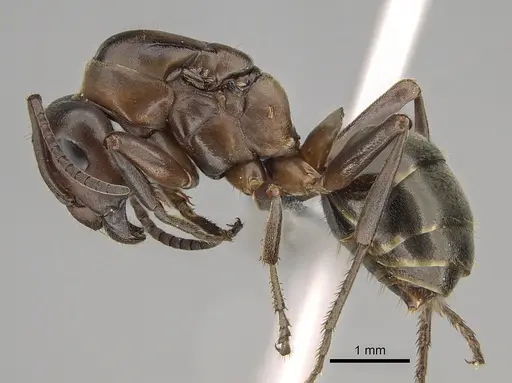
Formica creightoni (commonly known as the Creighton's Slavemaking Ant) is an ant species of the genus Formica. It is primarily documented in 1 countries , including United States of America. Detailed taxonomic data and occurrence records can be further explored via authoritative databases such as AntWeb or the Global Biodiversity Information Facility (GBIF).
Formica creightoni - "Creighton's Slavemaking Ant"
Formica creightoni is a medium-sized slave-making ant native to the central-eastern United States. Workers are typically dark brown to black with lighter legs, and they belong to the subfamily Formicinae. This species is a dedicated slave-maker, they raid colonies of other ant species (particularly Formica neogagates and Formica lasioides) to steal pupae, which they raise as working slaves in their own colony [1]. The species was described by W.F. Buren in 1968 from specimens collected in Iowa, Illinois, and Michigan [1]. These ants inhabit wooded areas with dense vegetation, nesting in rotting logs, under leaf litter, and occasionally near stones [1].
Quick Summary
- Difficulty: Medium
- Origin & Habitat: Central-eastern United States (Michigan, Iowa, Illinois). Found in oak-cherry woods with dense shrub layers and heavy leaf cover, also in grassy open woods slopes and fairly dense deciduous forests [1].
- Colony Type: Slave-making species that raids colonies of F. neogagates and F. lasioides. Colony structure details are limited, but Formica species typically form colonies with single queens (monogyne).
- Colony: Monogyne
- Founding: Claustral
- Special: Slave-making
- Size & Growth:
- Queen: Unknown, estimated 9-12mm based on typical Formica queen size
- Worker: Unknown, estimated 4-7mm based on typical Formica worker size
- Colony: Unknown, likely several hundred workers based on related Formica species
- Growth: Moderate
- Development: Unknown, estimated 6-8 weeks based on typical Formica development at optimal temperature (Development time is unconfirmed for this specific species. Related Formica species typically take 6-8 weeks from egg to worker at room temperature.)
- Antkeeping:
- Temperature: Keep at room temperature, roughly 20-24°C. They are temperate species native to Michigan and should tolerate typical indoor conditions. A slight gradient allowing them to choose their preferred temperature is ideal.
- Humidity: Moderate humidity. In nature they nest in rotting wood and under leaf litter in shaded woods, keep the nest substrate moist but not waterlogged. Provide some drier areas for them to regulate.
- Diapause: Yes, as a temperate species from Michigan, they will need a winter hibernation period. Reduce temperature to around 5-10°C for 3-4 months during winter.
- Nesting: Rotting wood nests in nature. In captivity, a naturalistic setup with soil/wood substrate or a Y-tong/plaster nest works well. They need space for brood piles and should be able to dig tunnels.
- Behavior: This is an active, aggressive slave-making species. Workers are energetic foragers and conduct raids on other Formica colonies to steal pupae. They are not particularly aggressive toward keepers but can deliver a mild sting if threatened. Escape risk is moderate, they are not tiny ants but can climb smooth surfaces. Use standard barrier methods. The slave-making behavior means you may observe raiding parties leaving the nest to scout for target colonies.
- Common Issues: Slave-making behavior can make colony establishment challenging, you may need to provide host species (F. neogagates or F. lasioides) colonies for them to raid or maintain, Slow growth due to specialized diet and raiding behavior, don't expect rapid colony expansion, Winter hibernation is required for long-term colony health, skipping diapause can weaken or kill the colony, Limited availability of host species for raids, without host brood, colonies may struggle to maintain worker population, Very limited specific care information exists, this species is rarely kept and much of care is inferred from related Formica
Understanding Slave-Making Behavior
Formica creightoni is a dulotic species, meaning it conducts raids on other ant colonies to steal brood. The stolen pupae emerge as workers in the raiding colony and perform all the labor, foraging, nursing, nest maintenance, while the slave-makers focus on reproduction and raiding. In the wild, they raid colonies of Formica neogagates and Formica lasioides [1]. In captivity, this presents a unique challenge: you'll need to maintain either target species colonies or provide regular access to their brood. Without host workers, the colony will struggle as the slave-making workers don't perform manual labor. Some keepers provide occasional host pupae, while others maintain permanent host colonies alongside the F. creightoni colony. The raiding behavior is fascinating to observe, workers organize into raiding parties and can be quite aggressive during these expeditions.
Housing and Nest Setup
These ants do well in naturalistic setups that mimic their woodland habitat. Use a mixture of soil and rotting wood as substrate, or a Y-tong/plaster nest with moist conditions. They prefer dark, humid nest chambers and will pile their brood deep in the nest. Because they pile pupae in dense clusters (one wild colony had pupae piled over 15x15 inches) [1], ensure the nest has adequate space for brood accumulation. Outworld space should allow for foraging and raiding behavior, a larger outworld gives them room to organize. Keep lighting low, they prefer shaded conditions similar to the oak-cherry woods where they naturally nest [1]. Escape prevention is important though not as critical as for tiny ants, standard barriers work well.
Feeding and Nutrition
As a slave-making species, F. creightoni has complex nutritional needs. The slave workers do the foraging, so the colony's food intake depends on having active host workers. Feed the colony protein sources (insects, especially small soft-bodied prey) and sugar water or honey. The host species (F. neogagates, F. lasioides) would normally forage for honeydew and small insects, so provide these food types. Some keepers also offer small amounts of seeds or fruit. Without host workers successfully integrated into the colony, you'll need to provide more food directly and may need to assist with feeding. Fresh water should always be available.
Seasonal Care and Hibernation
As a temperate species from Michigan, F. creightoni requires a winter dormancy period. In the wild, colonies slow significantly during Michigan's harsh winters. In captivity, reduce temperatures to 5-10°C for 3-4 months (roughly November through February, depending on your location). During this time, reduce food offerings and minimize disturbance. The colony will cluster in the deeper, more stable areas of the nest. Do not skip hibernation, it is essential for the colony's long-term health and reproductive cycle. Males were observed alate in late July [1], suggesting nuptial flights occur in mid-summer. If you have a mature colony, watch for reproductive alates in July-August.
Colony Establishment and Growth
Starting a F. creightoni colony requires patience. A newly mated queen will found claustrally (sealing herself in) and raise first workers alone on her stored fat. The first generation will be small (nanitics). Growth is typically moderate, don't expect rapid expansion. The slave-making behavior means the colony relies on host species to build workforce. Some keepers introduce host pupae once workers emerge to jumpstart the slave population. Colony size in the wild appears modest (only 4 collections in 26 years of study at the George Reserve) [1], suggesting they don't reach massive colony sizes like some other Formica species. Expect a colony of several hundred workers at maturity.
Frequently Asked Questions
Is Formica creightoni a good species for beginners?
No, this is not a recommended species for beginners. The slave-making behavior requires maintaining host colonies or providing regular access to host brood, which adds significant complexity. The limited available care information also makes troubleshooting difficult. If you're interested in Formica ants, start with more common species like Formica rufa or Formica sanguinea which have established care guides.
How do I keep Formica creightoni in captivity?
You'll need to maintain host colonies (Formica neogagates or Formica lasioides) alongside your F. creightoni colony. Provide a naturalistic setup with moist soil/wood substrate, keep at room temperature (20-24°C), and offer protein and sugar foods. The host workers will do the foraging and nest maintenance. Expect to provide host pupae regularly for the slave population.
How long does it take for Formica creightoni to produce first workers?
The exact development time is unconfirmed, but based on related Formica species, expect 6-8 weeks from egg to first worker at room temperature. Founding colonies are slow to develop, be patient during the claustral phase.
Can I keep multiple queens together?
Formica species are typically monogyne (single queen). Combining unrelated queens is not recommended and has not been documented for this species. Start with one queen for your colony.
Do Formica creightoni need hibernation?
Yes, absolutely. As a temperate species from Michigan, they require a winter dormancy period of 3-4 months at 5-10°C. Skipping hibernation will weaken the colony and can lead to death. Provide hibernation from roughly November to February.
What do I feed my Formica creightoni colony?
Provide protein (small insects like fruit flies, mealworms, crickets) and sugar sources (honey water, sugar water). The host species workers will do most of the foraging. Fresh water must always be available.
Where does Formica creightoni live in the wild?
They are found in the central-eastern United States (Michigan, Iowa, Illinois). They inhabit deciduous woods, particularly oak-cherry forests with dense shrub layers and heavy leaf cover. Nests are found in rotting logs, under leaf litter, and sometimes near stones [1].
Why are my Formica creightoni dying?
Common causes include: lack of host workers (they cannot sustain the colony without slave labor), improper hibernation, too dry or too wet conditions, or stress from disturbance. Ensure you have host species integrated and that temperatures and humidity are stable.
References

This caresheet is licensed under CC BY-SA 4.0 .
CASENT0103449
View on AntWeb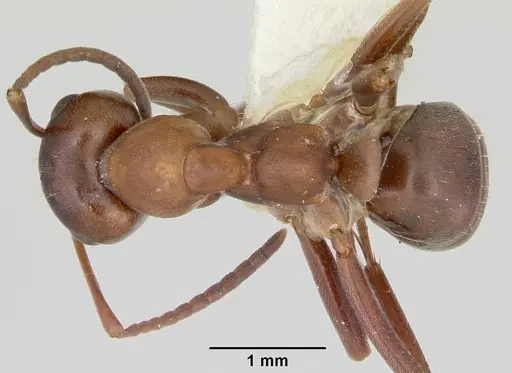
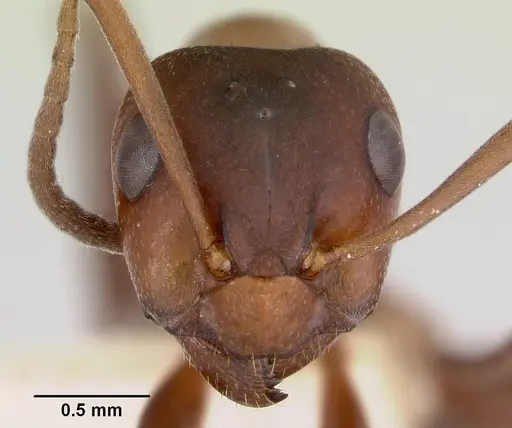
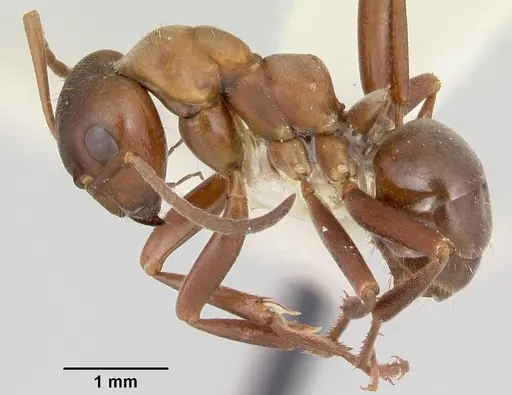
CASENT0103450
View on AntWeb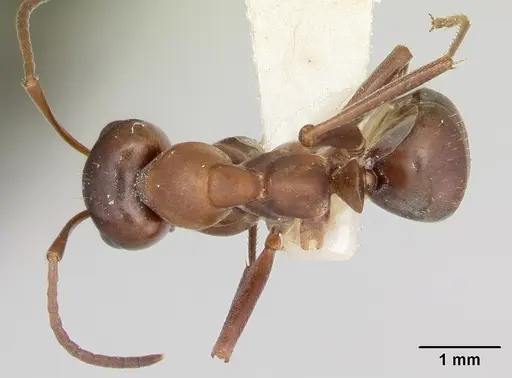
CASENT0923371
View on AntWeb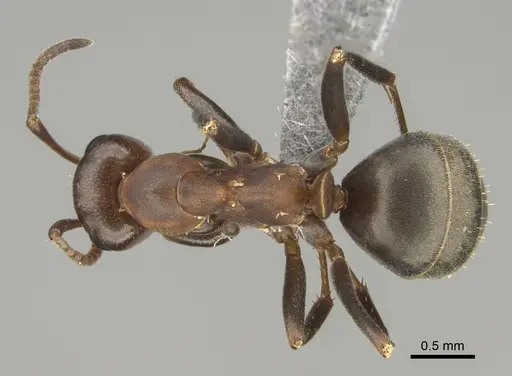
CASENT0923372
View on AntWeb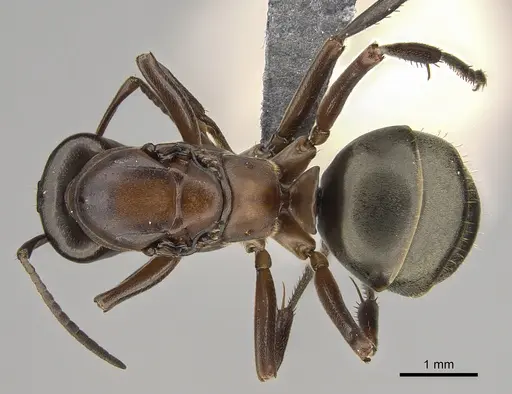
Literature
Loading...Loading products...