

Formica paralugubris
- Scientific Name
- Formica paralugubris
- Tribe
- Formicini
- Subfamily
- Formicinae
- Author
- Seifert, 1996
- Distribution
- Found in 3 countries
Formica paralugubris Overview
Formica paralugubris is an ant species of the genus Formica. It is primarily documented in 3 countries , including Switzerland, France, Italy. Detailed taxonomic data and occurrence records can be further explored via authoritative databases such as AntWeb or the Global Biodiversity Information Facility (GBIF).
Formica paralugubris
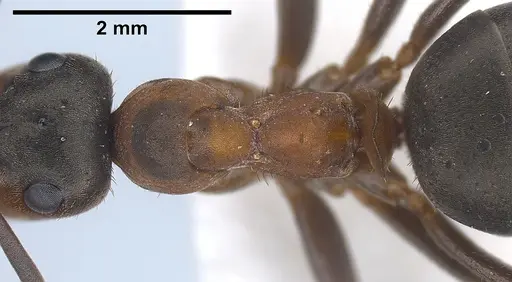
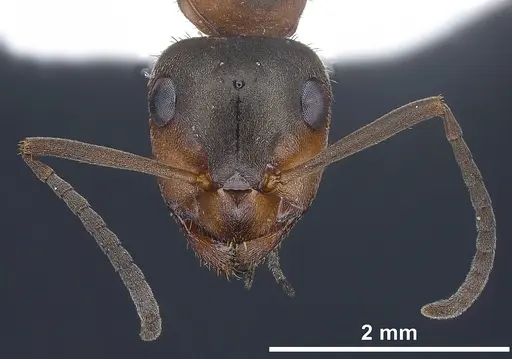
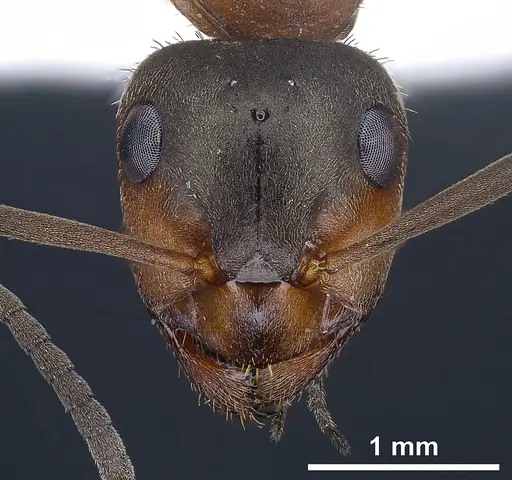
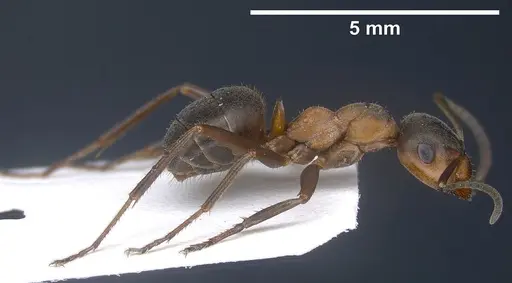
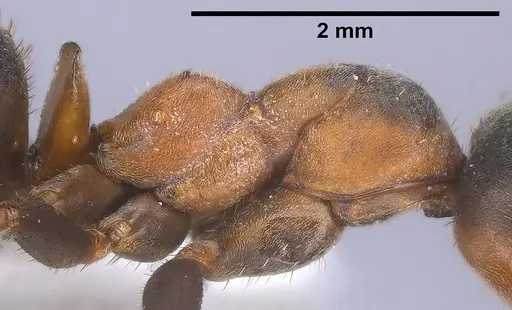
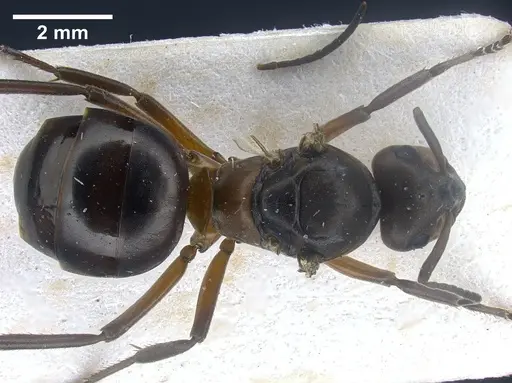
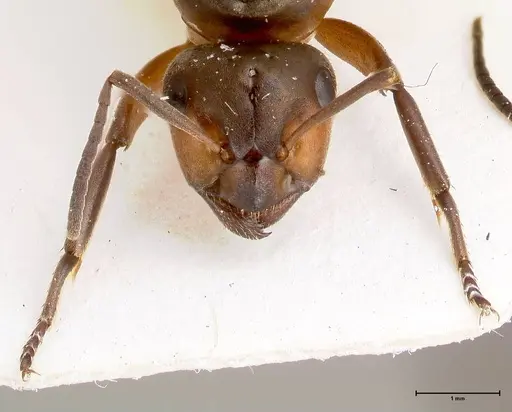
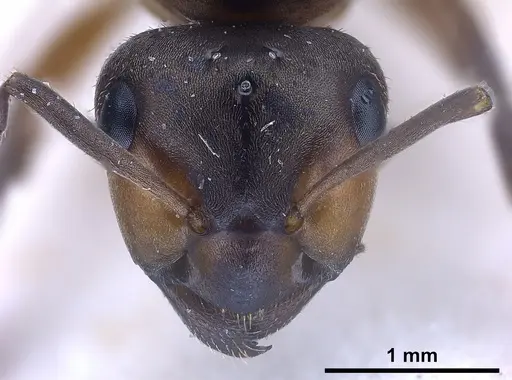
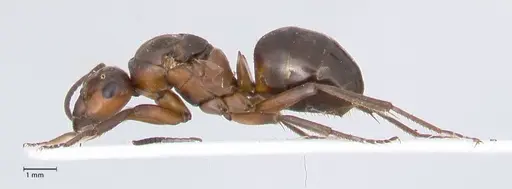
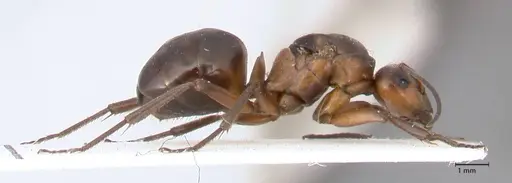
Formica paralugubris is a mountain wood ant and sibling species to Formica lugubris, described as recently as 1996. These are large reddish ants with black abdomens, workers measuring 4-7mm and queens reaching 7-9mm. They belong to the Formica rufa group, known for building large mound nests from plant material. In the wild, they inhabit coniferous forests in the western Alps and Jura mountains at elevations between 1100-2300m, making them a cold-adapted species [1][2]. What makes F. paralugubris particularly fascinating is its supercolonial lifestyle, colonies consist of hundreds of interconnected nests containing tens of thousands of workers and hundreds of queens, all working together without aggression between neighboring nests [3][4].
Quick Summary
- Difficulty: Expert
- Origin & Habitat: Native to the western Alps and Jura mountains (Switzerland, Austria, Germany, Italy). Found at montane to subalpine elevations between 1100-2300m in coniferous forests [1][2]. Has been introduced to Quebec, Canada (1971) and the Italian Apennines (1950s-1980s) for forest pest control [5][6].
- Colony Type: Highly polygynous (multiple queens) and polydomous (multiple interconnected nests). Forms massive supercolonies with hundreds to thousands of nests. Each nest contains hundreds of reproductive queens. Colonies reproduce mainly through budding, with new queens often mating within or near the natal nest before being adopted back or establishing nearby nests [4][5].
- Colony: Polygyne, Supercolonial
- Queen: Socially parasitic, Temporary parasitic
- Size & Growth:
- Queen: 7-9mm (mean 8.4mm) [1]
- Worker: 4-7mm (mean 6.7mm) [1][5]
- Colony: Up to 100,000 workers per colony, with supercolonies containing millions of workers across hundreds of nests [3][5]
- Growth: Moderate to slow, large colonies take years to develop
- Development: 6-8 weeks (estimated based on related Formica species) (Development times are not specifically documented for this species, but based on typical Formica rufa group patterns, expect 6-8 weeks from egg to worker at warm summer temperatures. Colonies grow slowly initially as they establish multiple queens and expand nest networks.)
- Antkeeping:
- Temperature: Keep cool, this is a mountain species adapted to temperatures below 20°C. Aim for 15-22°C in summer, with access to cooler areas. In winter, they require a true diapause (hibernation) at 2-8°C for several months. Room temperature is likely too warm, consider using a cool basement or refrigerator for winter storage [7][2].
- Humidity: Moderate humidity. They prefer damp forest floor conditions but their mounds are well-drained. Keep nest substrate moist but not waterlogged, with some drier areas for brood chambers. Misting occasionally is sufficient, avoid constant dampness that promotes mold [8].
- Diapause: Yes, required. This is a cold-adapted species needing 3-4 months of winter dormancy at 2-8°C. In nature, colonies experience snow cover and freezing temperatures. Without proper hibernation, colonies will weaken and die. Provide this from roughly November-February depending on your climate [8].
- Nesting: Large, naturalistic setups work best. These are mound-building ants that need space for extensive tunnel systems. Y-tong (AAC) nests with large chambers or custom-built formicariums with multiple connected chambers are suitable. Provide materials for mound construction (pine needles, small twigs). They are polydomous, they will expand to multiple nest sites if given the space [5][3].
- Behavior: Generally non-aggressive toward humans but will defend their nest vigorously. Workers are active foragers that hunt insects and tend aphids for honeydew. They have a potent formic acid spray for defense. Notably, they show very low aggression even toward non-nestmates within their supercolony, workers from different nests within the same population rarely fight [9]. They collect conifer resin and incorporate it into their nests, which provides antimicrobial protection and helps regulate pathogen loads [10][11]. Escape risk is moderate, they are large ants but good climbers. Use standard escape prevention (Fluon on container edges).
- Common Issues: winter diapause failure is often fatal, this cold-adapted species cannot survive warm indoor conditions year-round, colonies grow extremely large and need lots of space, beginners may underestimate the scale needed for polydomous colonies, queen adoption complexity, new colonies require adoption by Serviformica hosts or acceptance by established colonies, making artificial founding difficult, introduced populations in Canada and Italy have become invasive, never release this species outside its native range, slow initial growth can lead to keeper impatience and overfeeding, causing mold problems in founding chambers
Understanding the Supercolonial Lifestyle
Formica paralugubris is one of the most socially complex ant species you can keep. Unlike typical ant colonies with one queen and a single nest, these ants form supercolonies, networks of hundreds of interconnected nests containing tens of thousands of workers and hundreds of queens. The key thing to understand is that workers from different nests within the same supercolony do not fight each other. Studies show aggression between non-nestmates within populations is extremely low, they recognize each other as part of the extended family network [9][4]. This means your colony will eventually want to expand into multiple nest sites. In captivity, this translates to needing a large setup with multiple connected chambers or even separate enclosures that workers can move between. The genetic structure shows that nearby nests are more closely related than distant ones, so creating clusters of nests mimics their natural structure [4].
Colony Founding and Acquisition
This is perhaps the most challenging aspect of keeping F. paralugubris. Unlike many ants that you can start with a single claustrated queen, F. paralugubris cannot found colonies independently. Queens lack sufficient body fat reserves for independent foundation and require adoption by Serviformica colonies (temporary social parasitism) or acceptance back into their maternal colony [12][5]. Most reproduction happens through budding: mated queens stay in or near their natal nest and are accepted back, or they disperse on foot with workers to establish new nests nearby. A small percentage of queens perform nuptial flights and then attempt social parasitic colony founding in Serviformica nests [13][14]. For antkeepers, the practical approach is to obtain an established colony fragment or queenright colony piece from an existing supercolony. Wild-caught founding queens are unlikely to succeed without a host colony. Once established, colonies grow by accepting new queens and expanding nest networks.
Temperature and Seasonal Care
This is a cold-adapted mountain species, and temperature management is critical for success. In the wild, they live at elevations where mean soil temperatures stay below 10°C and maximum temperatures rarely exceed 20°C [7]. In captivity, keep them at 15-22°C during the active season, room temperature is likely too warm, especially in summer. More importantly, they require a proper winter diapause. From roughly November through February (3-4 months), colonies need to be kept at 2-8°C. This can be achieved in a refrigerator, unheated basement, or cold garage. Signs of successful diapause include reduced activity and clustering in cooler areas of the nest. Without this cold period, colonies will weaken and eventually die. In summer, if your home is warm, consider providing a cooling option or keeping them in the coolest room of your house. The introduced Canadian population has adapted somewhat but still shows strong preference for cooler conditions [5].
Feeding and Nutrition
Like other red wood ants, F. paralugubris is a generalist predator and honeydew collector. In the wild, they consume enormous numbers of insects, one nest in the Swiss Jura was estimated to catch 400,000 insects per year [3]. They also tend aphids on trees and shrubs, collecting honeydew as a sugar source. In captivity, offer a varied diet: protein sources like crickets, mealworms, and other insects 2-3 times per week, and sugar sources like honey water or sugar water constantly. They will also accept fruit and small amounts of seeds. One unique aspect of this species is their collection of conifer resin, which they incorporate into nest materials for antimicrobial protection. If possible, provide small amounts of fresh pine or spruce resin, this is not required but mimics their natural behavior and may provide health benefits [10][11].
Defense Mechanisms and Handling
Red wood ants are equipped with potent defenses. They possess a formic acid gland and can spray formic acid as a defense against predators and threats. While not dangerous to healthy humans, the spray can cause temporary skin irritation and should be avoided, especially in eyes. When working with your colony, move slowly and avoid disturbing the nest directly. If threatened, workers will raise their abdomens in warning posture before spraying. These ants are not aggressive toward humans but will vigorously defend their nest. For escape prevention, use Fluon or similar barriers on container edges, they are good climbers but not exceptional escape artists like some smaller species. Their size (4-7mm workers) makes them easy to contain with standard barriers. [8]
Invasive Potential and Ethical Considerations
This species has demonstrated invasive potential in introduced ranges. It was introduced to Quebec, Canada in 1971 and to the Italian Apennines in the 1950s-1980s for biological control. In both locations, populations have grown substantially and shown invasive traits, notably excluding native ant species from occupied areas [6]. In the Italian Apennines, studies found zero ant nests in areas occupied by F. paralugubris, while 38 nests were found in unoccupied areas with identical conditions. This means you should NEVER release this species outside its native European range (Alps, Jura mountains). Even within its native range, it is a protected species in some areas due to conservation concerns. Always obtain your colony from reputable sources that can verify the origin.
Frequently Asked Questions
Can I keep Formica paralugubris in a test tube?
No, this species is not suitable for test tube founding or keeping. They are obligately polygynous and polydomous, requiring multiple queens and the ability to expand into multiple nest sites. They also need to build large mound structures and have much higher space requirements than typical ants. A test tube would severely limit their natural behavior and likely result in colony failure.
How long does it take for Formica paralugubris to produce first workers?
Since colonies cannot be founded by single queens (they require parasitic adoption or budding from existing colonies), the timeline depends on the starting condition. If you obtain an established colony fragment with workers, you should see growth within weeks to months. From egg to worker, development takes approximately 6-8 weeks at warm temperatures, based on related Formica species. However, full colony development to thousands of workers takes years.
Can I keep multiple queens together?
Yes, not only can you keep multiple queens together, you MUST keep multiple queens together. This species is obligately polygynous, meaning colonies naturally have hundreds of reproductive queens. Single-queen colonies do not occur in this species. When starting a colony, you should aim to obtain a queenright fragment with multiple queens if possible.
Are Formica paralugubris good for beginners?
No, this species is recommended for experienced antkeepers only. They have complex requirements including obligate polygyny/polydomy, need for cold winter diapause, difficulty in colony founding (requires parasitic adoption or colony budding), and need for very large housing setups. They also have significant ethical considerations due to invasive potential. Beginners should start with easier species like Lasius niger or Messor structor.
Do Formica paralugubris need hibernation?
Yes, absolutely. This is a cold-adapted mountain species requiring 3-4 months of winter dormancy at 2-8°C each year. Without proper hibernation, colonies will weaken and die. This is non-negotiable for keeping this species successfully. Plan for providing cold storage from roughly November-February.
Why are my Formica paralugubris dying?
Common causes include: 1) No hibernation, this species absolutely requires winter dormancy, 2) Too warm, they prefer temperatures below 22°C and room temperature is often too hot, 3) Starting with single queen, they cannot found independently and need multiple queens, 4) Too small enclosure, they need space for polydomous expansion, 5) Improper diet, they need both protein (insects) and sugar (honeydew). Check these factors first.
When should I move Formica paralugubris to a formicarium?
Move them when they outgrow their initial container or when you observe them trying to expand beyond available space. Since they are polydomous, consider providing multiple connected chambers or even separate enclosures from the start. The best time to set up a permanent formicarium is when you first obtain the colony, designing it to accommodate their natural tendency to build multiple nest sites.
What do Formica paralugubris eat?
They are generalist predators and honeydew collectors. Feed them: 1) Protein: crickets, mealworms, flies, and other insects 2-3 times weekly, 2) Sugar: honey water or sugar water available constantly, 3) Optional: fruit, small seeds, and conifer resin if available. They are voracious predators, one wild nest catches an estimated 400,000 insects annually.
References

This caresheet is licensed under CC BY-SA 4.0 .
ANTWEB1041356
View on AntWeb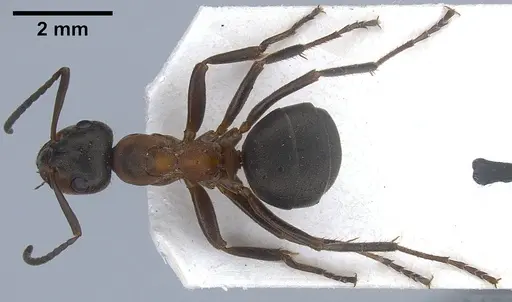
FOCOL0762
View on AntWeb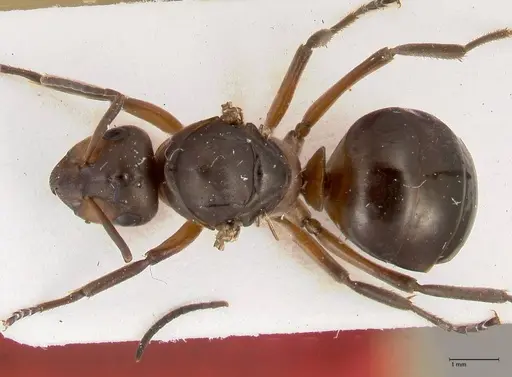
Literature
Loading...Loading products...