
Messor structor shows a March to May flight window. Peak activity occurs in April, with nuptial flights distributed across 3 months.
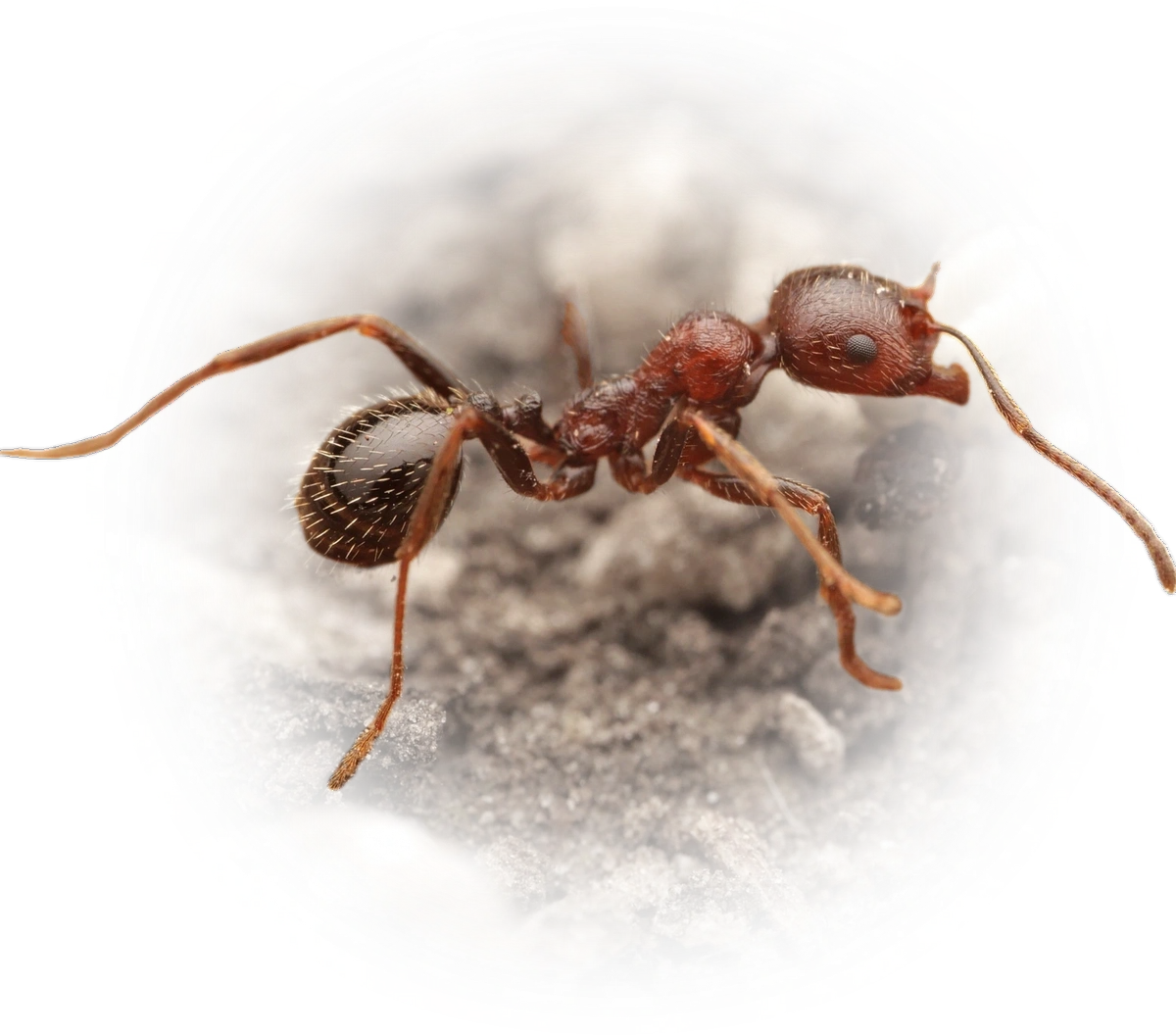
Messor structor
- Scientific Name
- Messor structor
- Tribe
- Stenammini
- Subfamily
- Myrmicinae
- Author
- Latreille, 1798
- Distribution
- Found in 13 countries
- Nuptial Flight
- from March to May, peaking in April
AI Identifiable
try →
Messor structor Overview
Messor structor is an ant species of the genus Messor. It is primarily documented in 13 countries , including Austria, Bulgaria, Czechia. Detailed taxonomic data and occurrence records can be further explored via authoritative databases such as AntWeb or the Global Biodiversity Information Facility (GBIF).
The nuptial flight of Messor structor is a significant biological event, typically occurring from March to May, peaking in April. During this time, winged queens and males leave the nest to mate and establish new colonies.
Messor structor
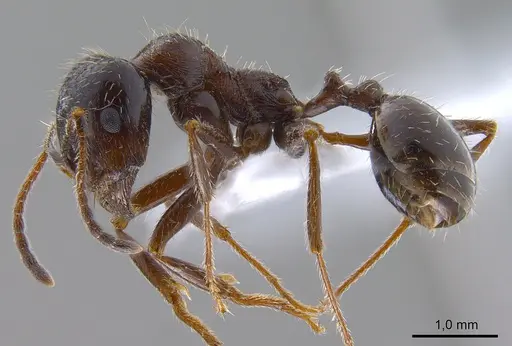
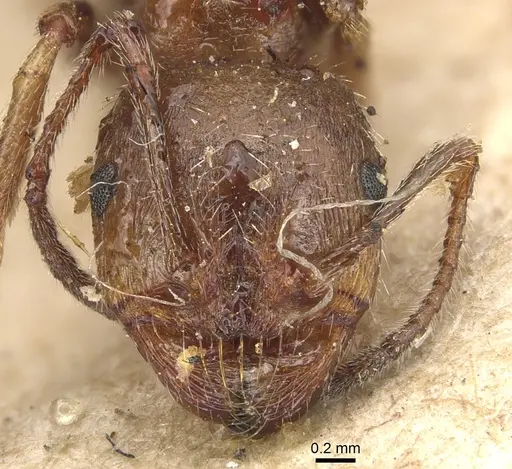
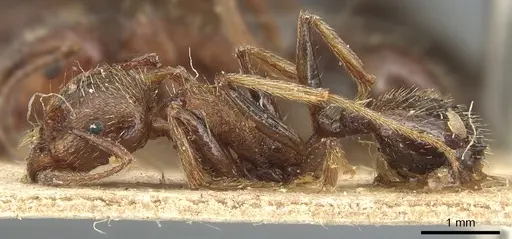
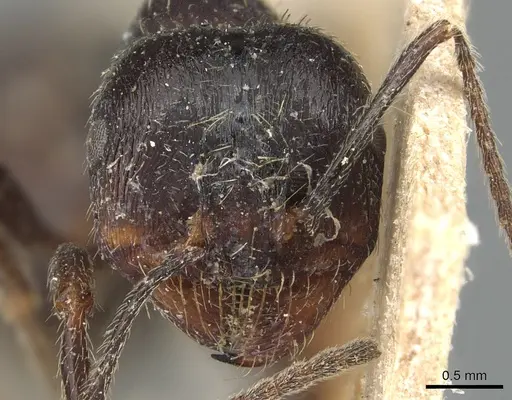
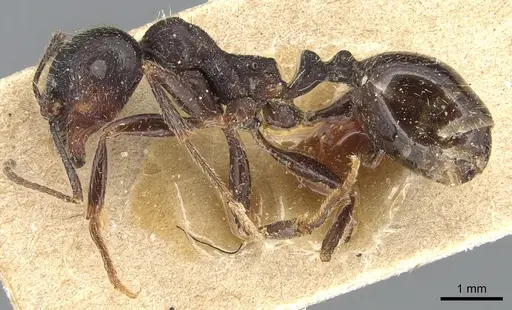
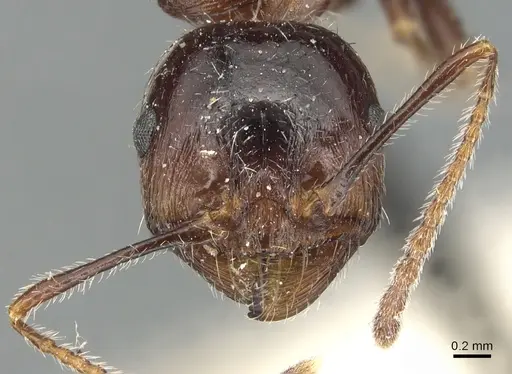
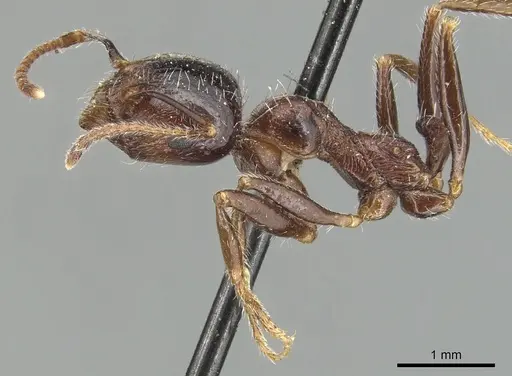
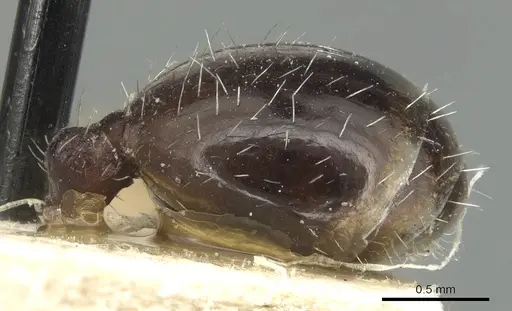
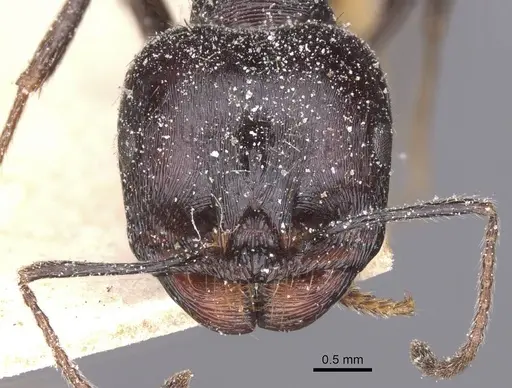
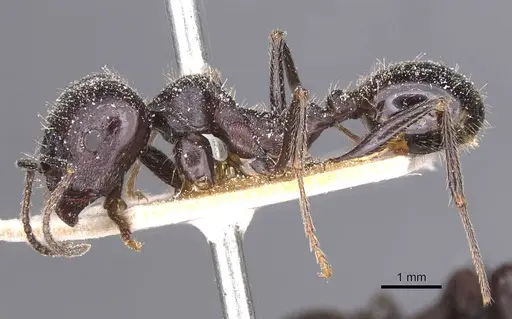
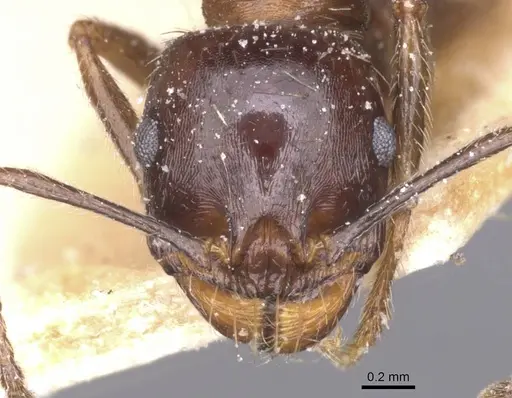
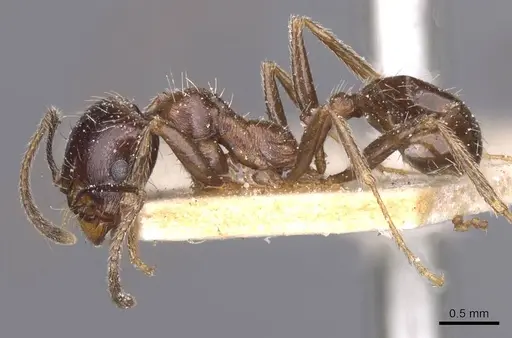
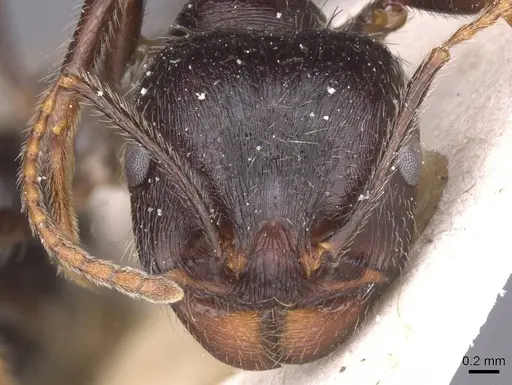
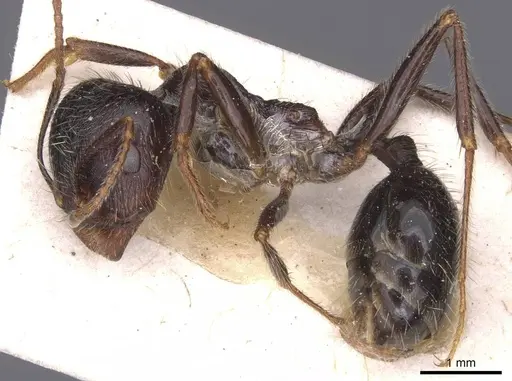
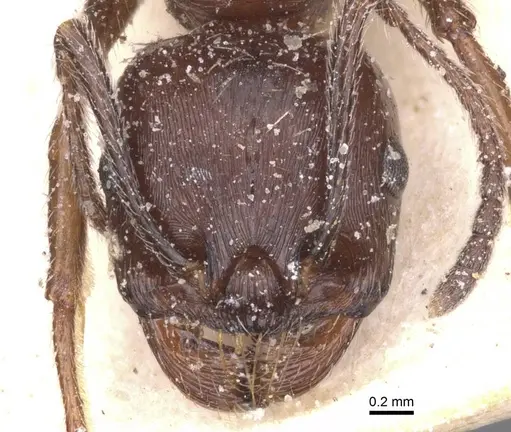
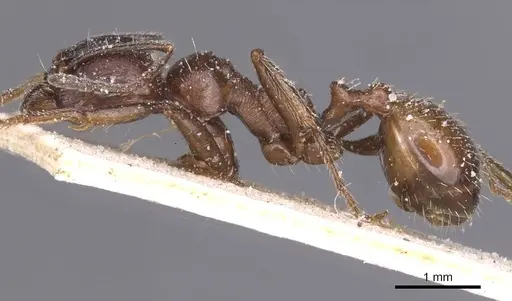
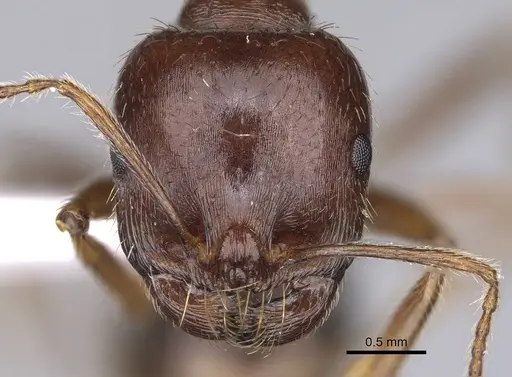
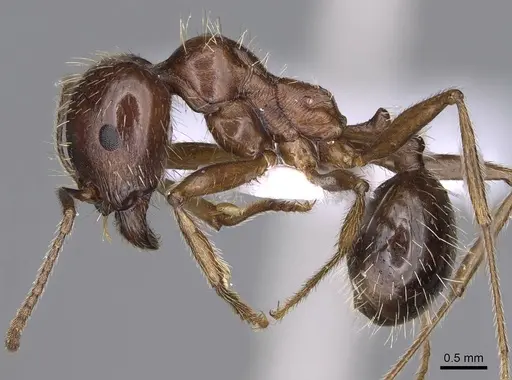
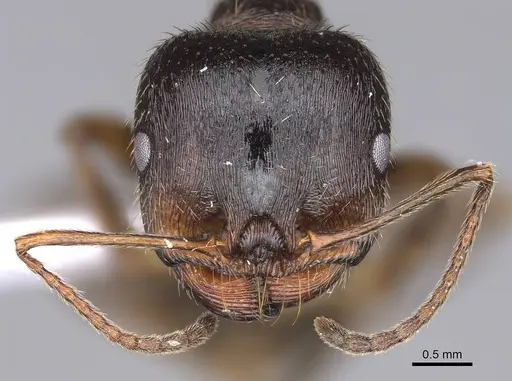
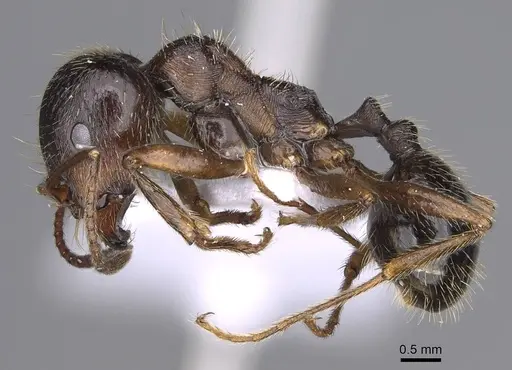
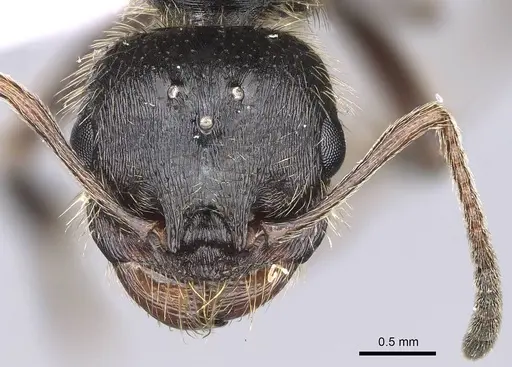
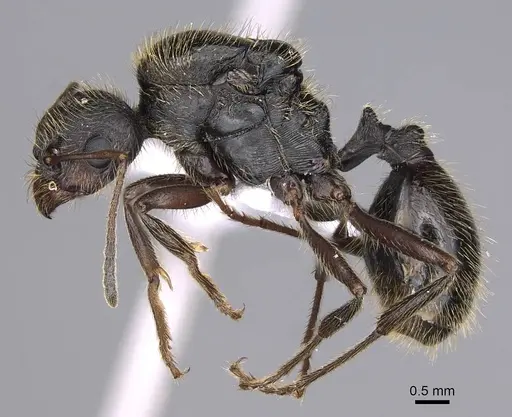
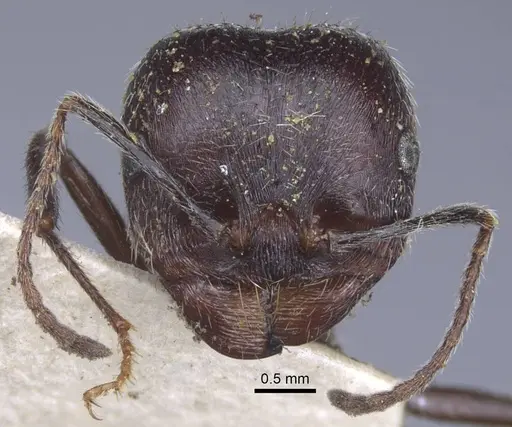
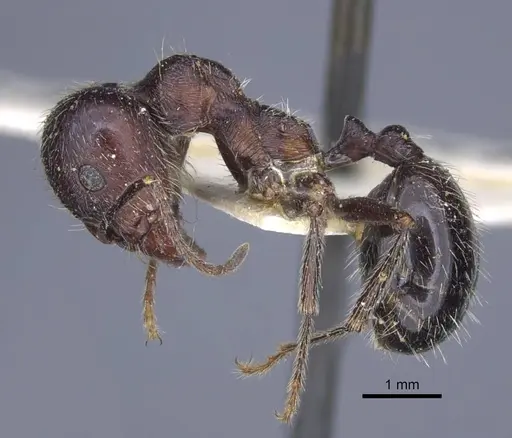
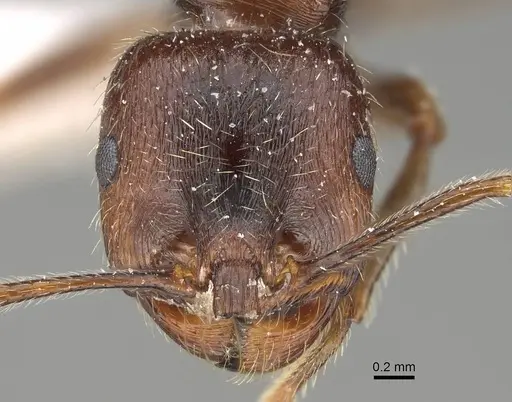
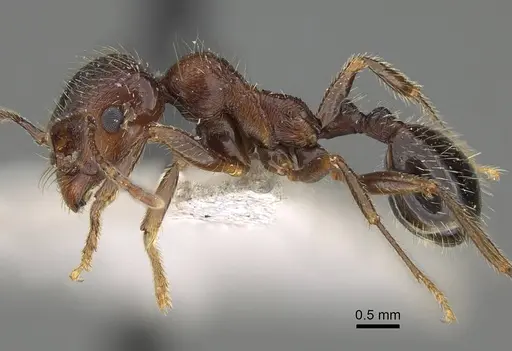
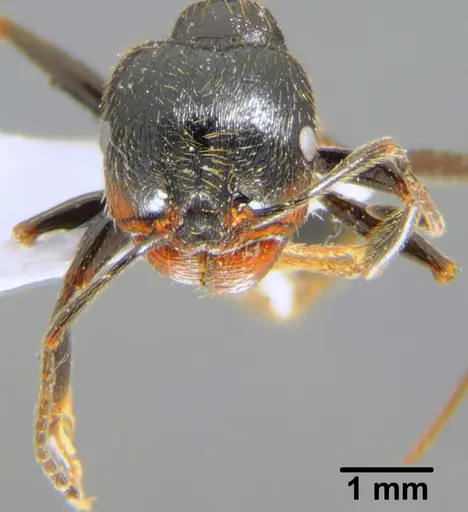
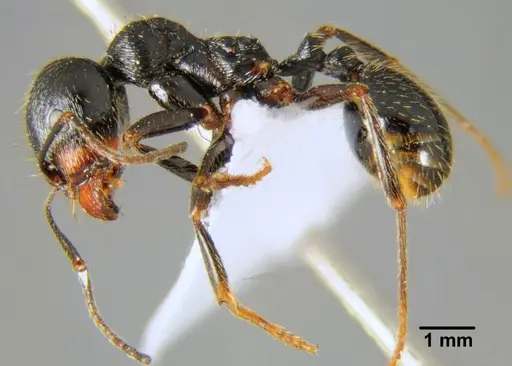
Messor structor is a medium-sized harvester ant native to the Palaearctic region, found across Southern and Central Europe, North Africa, and parts of Asia. Workers measure 3-9mm and are highly polymorphic, colonies contain minor workers with small, slender heads and major workers with large, powerful heads used for grinding seeds. The head and mesosoma range from brown to brownish-red, with a darker brown gaster. Workers have coarse longitudinal striations on the head and an abundance of standing hairs on the sides of the head. This species forms large polygynous colonies (multiple queens) that can reach several thousand workers and builds distinctive nests with crater-like entrances surrounded by seed husks. Unlike many ants, Messor structor is primarily granivorous, it collects and stores seeds in underground granaries, making it a important seed disperser in dry ecosystems [1][2][3].
Quick Summary
- Difficulty: Easy
- Origin & Habitat: Palaearctic region, Southern and Central Europe, North Africa, Turkey, Caucasus, Iran, Central Asia. Inhabits xeric grasslands, steppes, pastures, and open well-drained areas including abandoned fields and lawns. Prefers areas with sparse herbaceous cover and compacted soil [1][4][5].
- Colony Type: Polygynous (multiple queens) colonies with polymorphic workers. Colonies can contain several hundred to 1-2 thousand workers. Some populations show unicolonial behavior with lack of swarming flights, mating occurs in the nest and new colonies may form through fission [1][2][6].
- Colony: Optionally polygyne, Supercolonial
- Founding: Claustral
- Size & Growth:
- Queen: 4-11mm, queens are larger than workers but variable in size [7][8]
- Worker: 3-9mm, highly polymorphic with major workers reaching 9mm and minor workers as small as 2.2mm [9][3]
- Colony: Several hundred to several thousand workers [1][3]
- Growth: Moderate
- Development: 8-12 weeks, development takes 24-29 days for eggs to hatch,16-23 days for larvae to pupate, and 17-28 days for pupae to emerge as workers (total 57-80 days at laboratory conditions) [10] (Development times are temperature-dependent, warmer conditions accelerate development)
- Antkeeping:
- Temperature: Keep at 22-26°C. This is a warmth-loving species that thrives in hot, dry conditions. In captivity, room temperature within this range works well, with a slight gradient toward warmer areas if possible [11][12]
- Humidity: Low to moderate, prefer dry conditions. Keep nest substrate relatively dry, similar to their natural steppe habitat. Provide a water tube but avoid excessive moisture [12]
- Diapause: Yes, requires a winter rest period of 2-3 months at reduced temperatures (around 10-15°C) to simulate natural seasonal cycle. This helps trigger reproductive behavior in spring [5]
- Nesting: Ground-nesting species. In captivity, use a naturalistic setup with compact soil substrate or a Y-tong/plaster nest with chambers scaled to colony size. Provide deep areas for seed storage granaries. Nest entrances should have some substrate around them for their characteristic crater-like mounds [1][13]
- Behavior: Generally peaceful but major workers will defend the nest aggressively when threatened. Forms long foraging columns (10-20m) in search of seeds. Workers carry seeds back to the nest along established trails, dropping seeds at depots along the way. Primarily nocturnal during summer months. Major workers often guard nest entrances. Highly active foragers that can travel considerable distances. Escape risk is moderate, use standard barrier methods [1][3][14].
- Common Issues: colonies may fail if kept too humid, these are steppe ants that prefer dry conditions, slow growth compared to some species can frustrate beginners, be patient through the founding stage, major workers are large but colonies need time to develop major caste, don't expect large soldiers immediately, test tube setups may be too small for established colonies, prepare to upgrade to formicarium as colony grows, seed storage requires space, ensure the nest has adequate chamber depth for granaries
Nuptial Flight Activity Analysis 148 observations
Flight Activity by Hour 148 observations
Messor structor nuptial flight activity peaks around 15:00 during the afternoon. Activity is spread across a 14-hour window (05:00–18:00). Times may be influenced by human observation patterns.
Housing and Nest Setup
Messor structor is a ground-nesting ant that requires a nest with soil or compact substrate deep enough for seed storage chambers. In the wild, they build nests in the ground with crater-like entrances surrounded by seed husks. For captivity, a naturalistic setup with compacted soil works best, or you can use a Y-tong (acrylic) nest with appropriately sized chambers. The nest should have areas for brood, seed storage (granaries), and queen chambers. Since colonies can reach several thousand workers, plan for expansion. Provide an outworld connected to the nest where foragers can search for seeds. Use a water tube for hydration but avoid creating overly humid conditions, these are dry habitat ants [1][13][5].
Feeding and Diet
As granivorous ants, Messor structor primarily eats seeds. In captivity, offer a variety of seeds including grass seeds, poppy seeds, millet, and other small seeds. They will also eat insect protein (small crickets, mealworms) especially when raising brood, and some fruit. Workers use their powerful mandibles to crack seeds open, majors do the initial grinding while minors process the pieces into flour. In laboratory tests, they accepted cooked meat, mushrooms, rice, plant buds, bread, and various seeds, but refused raw starch. Provide a constant supply of seeds and remove any moldy or uneaten portions. Fresh water should always be available [15][3][12]
Temperature and Seasonal Care
Messor structor thrives at warm temperatures between 22-26°C. This is a thermophilic species adapted to hot, dry steppe environments. In summer, they are often nocturnal to avoid heat. During the winter, colonies require a diapause (hibernation) period of 2-3 months at reduced temperatures around 10-15°C. This winter rest is essential for triggering reproductive behavior in spring. Without proper hibernation, queens may not produce sexuals. In Central Europe, this species is restricted to the warmest lowland areas (Pannonic zone) and has declined due to habitat loss and cooling climates. In captivity, simulate natural seasonal temperature cycles [16][17][11].
Colony Development and Growth
Colonies grow moderately fast once established. Queens are claustral, they seal themselves in a chamber and raise the first workers alone using stored fat reserves. The first workers (nanitics) are smaller than mature workers. Development from egg to worker takes approximately 8-12 weeks under optimal conditions. Colonies are polygynous, meaning they have multiple queens that all lay eggs. This leads to faster colony growth than single-queen species. Mature colonies can contain several thousand polymorphic workers including majors with large heads for seed processing. Major workers develop over time as the colony grows, don't expect large soldiers immediately. Some populations show unicolonial behavior where colonies lack distinct boundaries and may reproduce through fission rather than nuptial flights [2][10][18].
Foraging Behavior
Messor structor is famous for its impressive foraging columns that can extend 10-20 meters in search of seeds. Workers form well-visible trails and carry seeds back to the nest along established routes. Seeds are dropped at depots along the trail before reaching the nest. Inside the nest, seeds are stored in granaries, underground chambers where they are kept for consumption during lean periods. Major workers guard nest entrances and use their powerful mandibles to crack hard seeds. The colony processes seeds through a division of labor: majors do initial grinding with their massive mandibular muscles, while smaller workers process the pieces into flour using saliva rich in amylase enzymes. This species plays a crucial role in seed dispersal and ecosystem engineering in steppe habitats [1][3][14].
Frequently Asked Questions
How long does it take for Messor structor to raise first workers?
Expect first workers (nanitics) to emerge in about 8-12 weeks from when the queen lays eggs, at optimal temperatures around 24-26°C. Development is temperature-dependent, cooler conditions will slow growth [10].
Can I keep Messor structor in a test tube?
Test tubes work for founding colonies, but established colonies need more space. These ants need room for seed storage granaries, so upgrade to a naturalistic or acrylic nest once the colony reaches 30-50 workers [5]
What do Messor structor ants eat?
They are primarily seed-eaters. Offer various small seeds (grass, poppy, millet), plus some insect protein and occasional fruit. Remove uneaten seeds to prevent mold [15][3]
Do Messor structor ants need hibernation?
Yes, they require a winter rest period of 2-3 months at 10-15°C. This diapause is essential for triggering spring reproduction. Without it, colonies may not produce sexuals [5]
Are Messor structor good for beginners?
Yes, they are relatively easy to keep. They are not aggressive, don't require live prey, and tolerate some variation in care. The main challenges are providing proper dry conditions and managing seed storage space as colonies grow [5]
How big do Messor structor colonies get?
Mature colonies can reach several thousand workers. They are polygynous (multiple queens) which supports large colony sizes. Growth is moderate, expect 1-2 years to reach 100+ workers [1][3]
Do Messor structor ants sting?
They have a stinger but rarely use it. These ants are not aggressive toward humans and are considered docile. Major workers may bite if handled roughly, but they pose minimal danger [5]
When should I move my colony to a formicarium?
Move to a larger nest when the colony reaches 30-50 workers or when the test tube becomes crowded. Messor structor needs space for seed storage, so choose a nest with multiple chambers [5]
Why are my Messor structor dying?
Common causes include: too much humidity (keep them dry), poor seed quality, or lack of hibernation. These are steppe ants, excessive moisture is their main killer. Also ensure they have proper protein for brood development [5]
Can I keep multiple queens together?
Yes, Messor structor is naturally polygynous (multiple queens per colony). Unlike many species, they tolerate multiple egg-laying queens. In the wild, colonies commonly have several queens [1][2]
References

This caresheet is licensed under CC BY-SA 4.0 .
ANTWEB1008070
View on AntWeb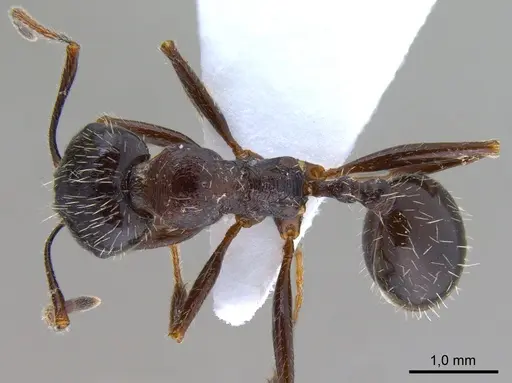
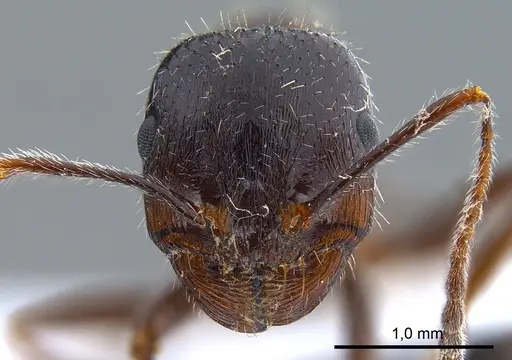
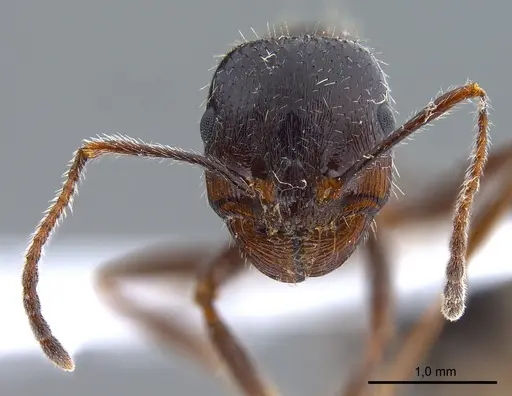
CASENT0904131
View on AntWeb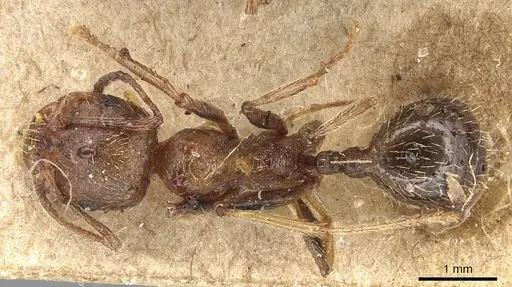
CASENT0904133
View on AntWeb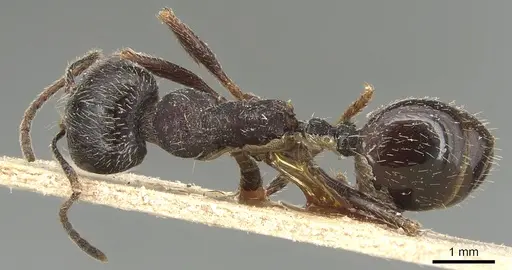
CASENT0904134
View on AntWeb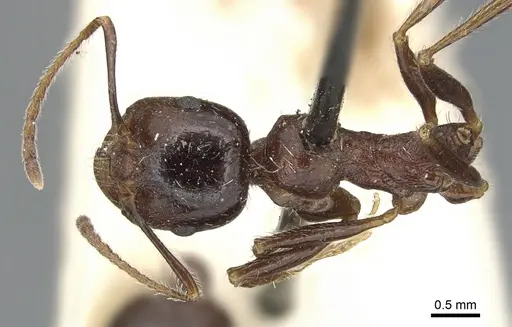
CASENT0913227
View on AntWeb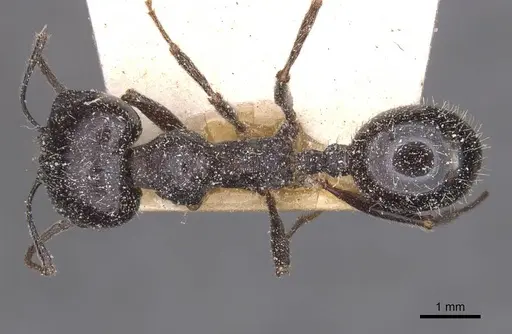
CASENT0913228
View on AntWeb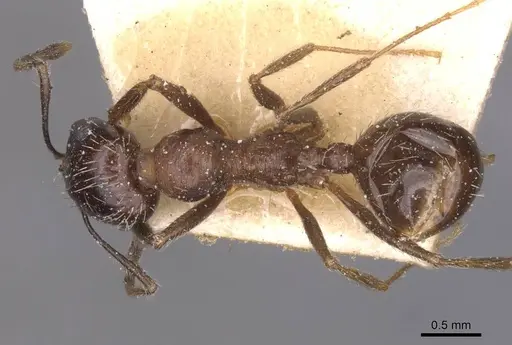
CASENT0913229
View on AntWeb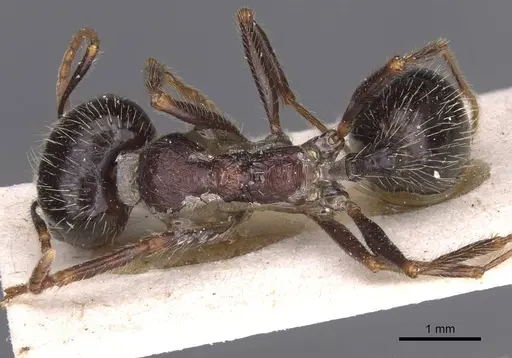
CASENT0913230
View on AntWeb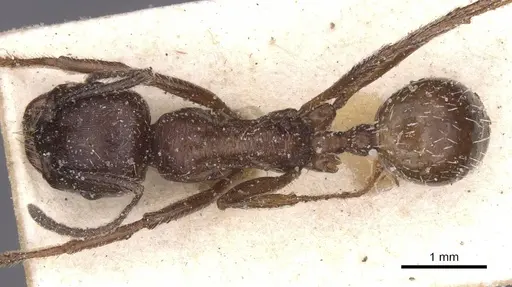
CASENT0914237
View on AntWeb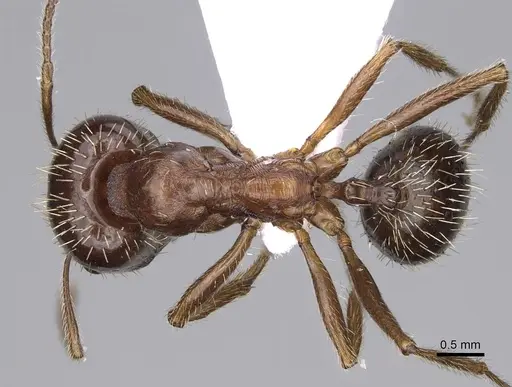
CASENT0914238
View on AntWeb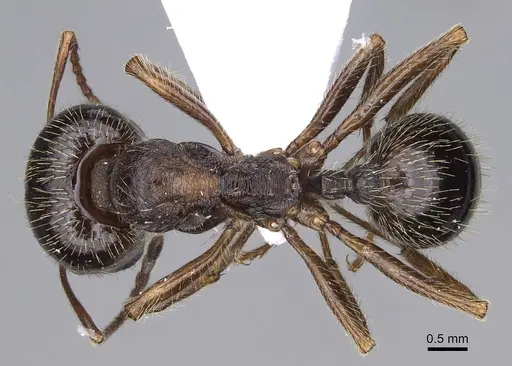
CASENT0914239
View on AntWeb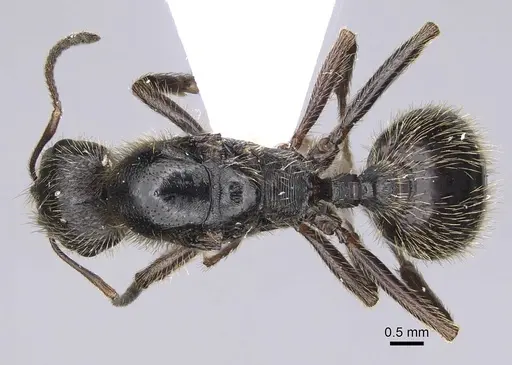
CASENT0916940
View on AntWeb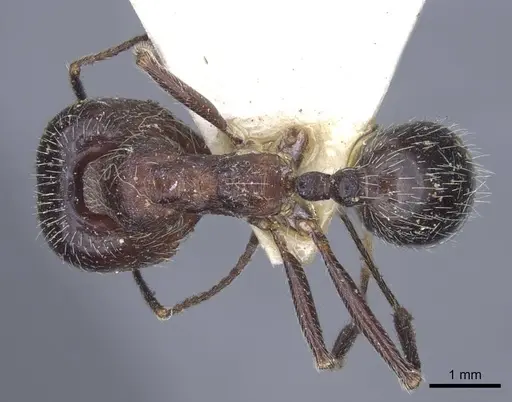
CASENT0922404
View on AntWeb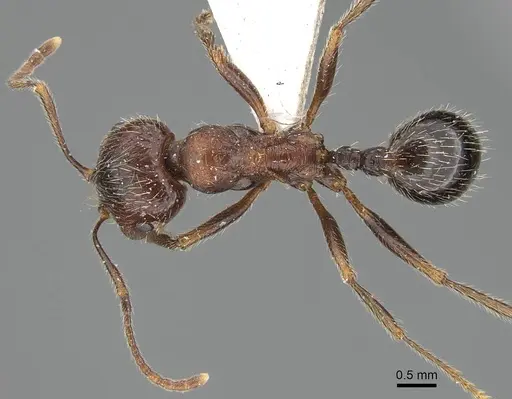
CFH000045
View on AntWeb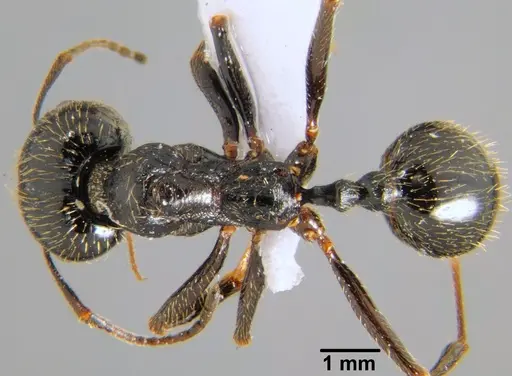
Literature
Loading...Loading products...