

Formica nepticula
- Scientific Name
- Formica nepticula
- Tribe
- Formicini
- Subfamily
- Formicinae
- Author
- Wheeler, 1905
- Distribution
- Found in 2 countries
Formica nepticula Overview
Formica nepticula is an ant species of the genus Formica. It is primarily documented in 2 countries , including Canada, United States of America. Detailed taxonomic data and occurrence records can be further explored via authoritative databases such as AntWeb or the Global Biodiversity Information Facility (GBIF).
Formica nepticula
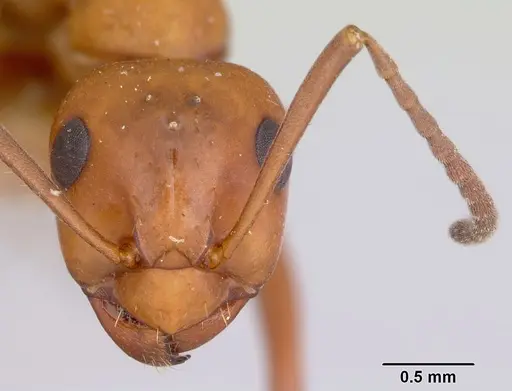
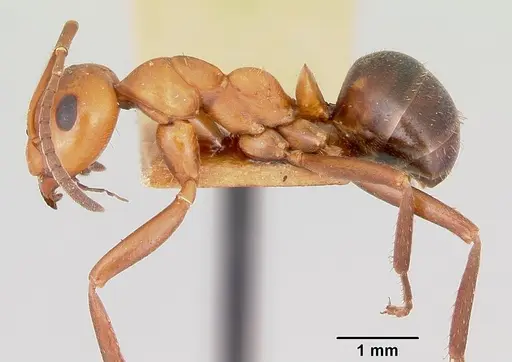
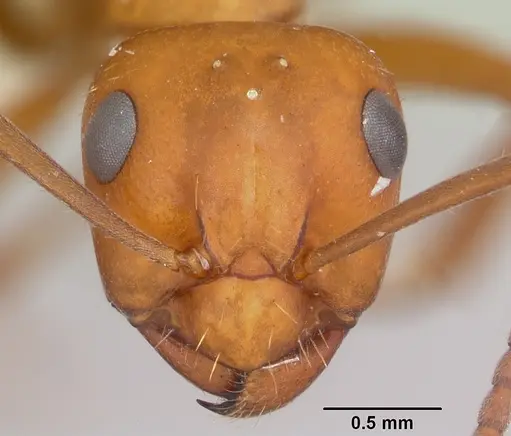
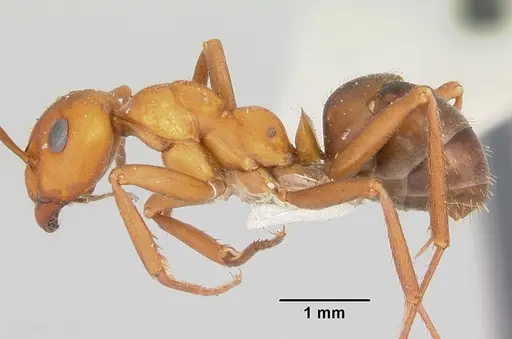
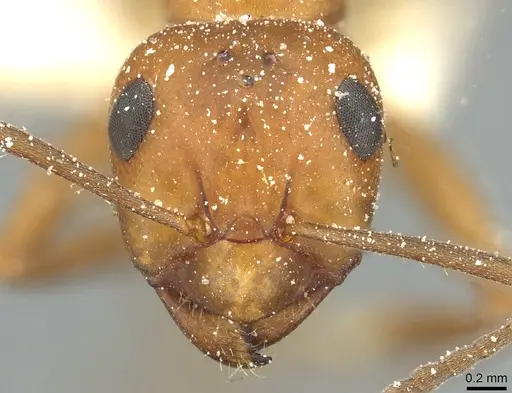
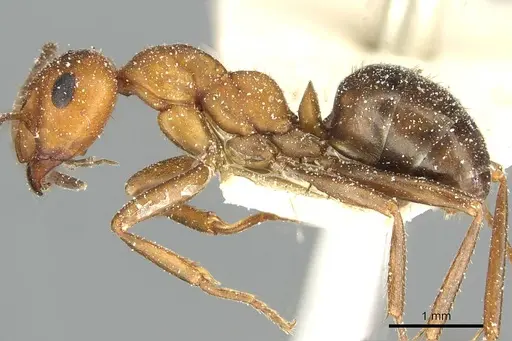
Formica nepticula is a small to medium-sized ant native to the United States, belonging to the Formica microgyna species group. Workers have a distinctive bicolored appearance with yellowish-red heads, mesosomas, and petioles, contrasting with a medium brown gaster. They are covered in abundant erect hairs across most body surfaces. This species is a temporary social parasite, the tiny queen must invade and take over a host colony of another Formica species to establish her own colony. The host species for F. nepticula has not been definitively identified but is likely one of the smaller Formica species. These ants are natural habitat specialists found primarily in natural forested areas with rich leaf litter [1][2].
Quick Summary
- Difficulty: Expert
- Origin & Habitat: Eastern United States, primarily Michigan and surrounding states. Found in natural habitats including oak-hickory hillsides and old-growth forest with dense leaf litter. Nests are typically constructed in the trashy layer of leaves, often under objects like metal pieces, with brood stored in the upper leaf layers [1][2][3].
- Colony Type: Temporary social parasite, single queen colonies that require a host Formica colony for establishment. The queen invades a host colony, kills or replaces the host queen, and uses host workers to raise her first brood. Once the parasitic workers emerge, they gradually replace the host colony.
- Colony: Monogyne
- Queen: Temporary parasitic
- Special: Slave-making
- Size & Growth:
- Queen: Tiny, significantly smaller than the largest workers, approximately 5-6mm (estimated based on microgyna group patterns)
- Worker: 4-6mm [4]
- Colony: Likely moderate, similar to other microgyna group species, probably several hundred workers at maturity
- Growth: Moderate, initial growth depends on host colony acceptance
- Development: Unknown for this specific species, likely 6-8 weeks at optimal temperature based on genus patterns (Development timeline is unconfirmed. First workers (nanitics) are raised by host workers after the parasitic queen establishes herself.)
- Antkeeping:
- Temperature: Keep at room temperature around 20-24°C. Provide a temperature gradient so ants can self-regulate. Based on typical Formica requirements and their Michigan range, they prefer moderate temperatures [1].
- Humidity: Moderate to high humidity. In nature, they nest in leaf litter which retains moisture. Keep the nest substrate consistently damp but not waterlogged. Leaf litter areas should remain slightly moist [1].
- Diapause: Yes, based on Michigan distribution and temperate climate, colonies likely require a winter hibernation period. Keep at 5-10°C for 3-4 months during winter.
- Nesting: Naturalistic setup with deep leaf litter layers works best. A formicarium with multiple chambers filled with moist soil and leaf debris mimics their natural nest structure. They prefer nesting in decomposing leaf material rather than pure soil [1].
- Behavior: Workers are not aggressive in the sense of actively attacking, but they will bite vigorously if handled or threatened. They forage along loose, sparse trails over long distances and are conspicuous as they travel on leaves. Workers will scavenge for protein sources like meat and likely tend aphids for honeydew. The colony relocates frequently, one colony was observed moving its entire nest 44 feet in a single day [1].
- Common Issues: temporary parasitic founding is extremely difficult, obtaining a mated queen to introduce to a host colony has an extremely low success rate, host colony rejection, even if you obtain a host colony, the parasitic queen may be killed by host workers, escape risk is moderate, use standard Formica escape prevention, colonies may abandon nests frequently in captivity, similar to wild behavior, very limited availability, this species is rarely kept in captivity due to parasitic nature
Understanding Temporary Social Parasitism
Formica nepticula is a temporary social parasite, meaning its queens cannot found colonies independently like most ants. Instead, a newly mated queen must find and invade an established colony of another Formica species, this is her 'host' colony. The queen enters the host nest, kills or displaces the host queen, and uses the host workers to raise her own first brood. This process is called 'temporary parasitism' because once the parasitic queen's workers emerge, they gradually replace the host workers until only the parasitic colony remains. The host species for F. nepticula has not been definitively identified but is likely one of the smaller Formica species in the subgenus Serviformica [5][6]. This parasitic lifestyle explains why this species is rarely kept in captivity, establishing a colony requires not just the parasitic queen, but also a compatible host colony.
Housing and Nest Setup
These ants require a naturalistic setup that mimics their natural leaf-litter nesting habitat. A deep formicarium or naturalistic setup with multiple chambers filled with moist soil and decomposing leaf litter works best. The setup should have a deep layer of leaf debris in the lower portions where workers can create chambers, with the brood typically stored in the upper, slightly drier leaf layers. The colony at the E.S. George Reserve had brood scattered over an area of 12 by 18 inches, so provide ample space. Use a hydration system that keeps the substrate consistently moist. Include pieces of decaying wood or leaf litter from their natural habitat if possible, this helps the colony feel at home and provides foraging opportunities [1].
Feeding and Nutrition
Workers are generalist foragers that will collect both protein and carbohydrates. In the wild, they foraged for meat (workers were observed returning with bits of meat) and likely scavenge insects. They probably also tend aphids for honeydew, similar to other Formica species. In captivity, offer protein sources like small insects (fruit flies, small crickets, mealworms), and provide sugar water or honey as a constant carbohydrate source. Workers at the Reserve would not accept cookie crumbs but readily took meat, so focus on protein-rich foods. Feed protein 2-3 times per week and keep sugar water available at all times. Remove uneaten prey after 24-48 hours to prevent mold [1].
Colony Behavior and Dynamics
This species shows interesting behavioral traits in the wild. Colonies are highly mobile and will relocate frequently, one documented colony moved its entire nest about 44 feet in a single day after its original nest was destroyed. Workers travel along loose, sparse trails over long distances and are conspicuous as they move across leaf surfaces. They are not aggressive toward humans but will bite vigorously if handled or threatened. The workers are large and visually striking with their red and black coloration. These ants are natural habitat specialists found primarily in undisturbed natural areas with rich leaf litter, suggesting they may be sensitive to habitat disturbance and may not thrive in highly modified captive environments [1][2][3].
Seasonal Care and Hibernation
As a species native to Michigan and the northeastern United States, F. nepticula experiences cold winters and requires a hibernation period. In captivity, you should provide a winter rest period of 3-4 months at temperatures between 5-10°C. This typically involves moving the colony to a cooler location (basement, garage, or refrigerator) during late autumn. Reduce feeding during this period as the colony will be less active. The colony at the E.S. George Reserve was observed with alate pupae and adult sexuals in late June to early July, suggesting nuptial flights occur in mid-summer. After hibernation in spring, gradually resume normal feeding and temperatures over a period of 1-2 weeks [1].
Frequently Asked Questions
Can I keep Formica nepticula as a pet ant?
This species is extremely difficult to keep and is not recommended for antkeepers. Unlike most ants, F. nepticula is a temporary social parasite, the queen cannot found a colony alone and requires a host Formica colony to survive. Even if you obtain a host colony, introducing a parasitic queen has a very low success rate. This species is rarely available in the antkeeping hobby precisely because of these complex requirements.
What do I feed Formica nepticula?
Offer protein-rich foods like small insects (fruit flies, pinhead crickets, mealworms) 2-3 times per week. They also need a constant source of carbohydrates, provide sugar water or honey. Unlike some ants, they may not accept cookie crumbs or other processed foods. Remove uneaten prey after 24-48 hours to prevent mold growth.
What temperature do they need?
Keep them at room temperature around 20-24°C. Provide a temperature gradient so workers can choose their preferred temperature. They are native to the temperate eastern United States and do not require extreme heat. During winter, they need a hibernation period at 5-10°C.
How do I establish a Formica nepticula colony?
You cannot establish this colony through normal means. Unlike typical ants, F. nepticula queens are temporary social parasites that must invade a host Formica colony. This requires obtaining both a newly mated parasitic queen AND a compatible host colony, then introducing the queen to the host. Even with both, success rates are extremely low. This species is not recommended for antkeepers and is rarely kept in captivity.
What is the host species for Formica nepticula?
The specific host species for F. nepticula has not been definitively identified. Based on the microgyna group patterns, it likely parasitizes species in the Serviformica subgenus (formerly known as 'slave-making' Formica). Potential hosts might include species like Formica fusca, Formica argentea, or related species, but this has not been confirmed in scientific literature.
Do they need hibernation?
Yes. As a species native to Michigan and the northeastern United States, they require a winter hibernation period. Keep the colony at 5-10°C for 3-4 months during winter (typically November through February, depending on your location). Reduce feeding during this period and gradually resume normal care in spring.
Are Formica nepticula good for beginners?
No. This species is not suitable for beginners or even most experienced antkeepers. The requirement for a host colony makes establishment nearly impossible in captivity. Additionally, they are natural habitat specialists that may be sensitive to environmental changes. If you're interested in Formica ants, consider more commonly kept species like Formica rufa or Formica exsecta which have straightforward care requirements.
How big do colonies get?
The maximum colony size for F. nepticula is not well documented. Based on related species in the microgyna group, colonies likely reach several hundred workers at maturity. The two colonies documented at the E.S. George Reserve were described as 'larger' but exact worker counts were not provided.
References

This caresheet is licensed under CC BY-SA 4.0 .
CASENT0103383
View on AntWeb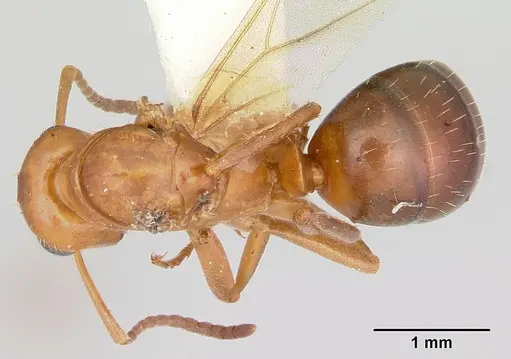
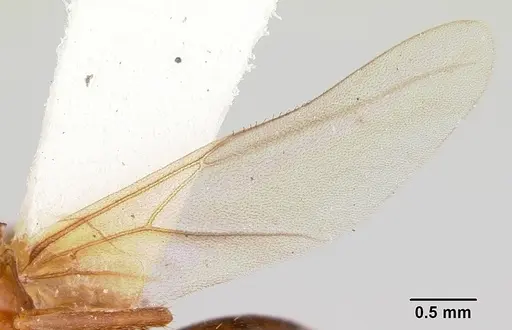
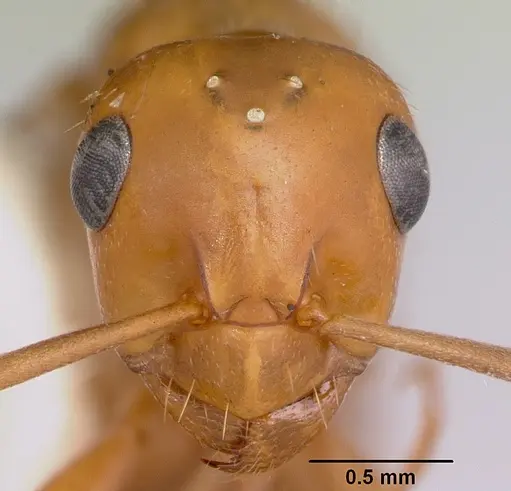
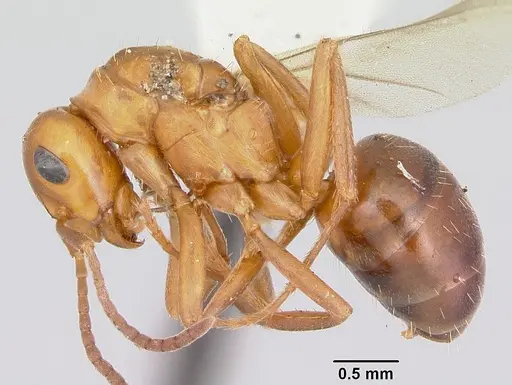
CASENT0103384
View on AntWeb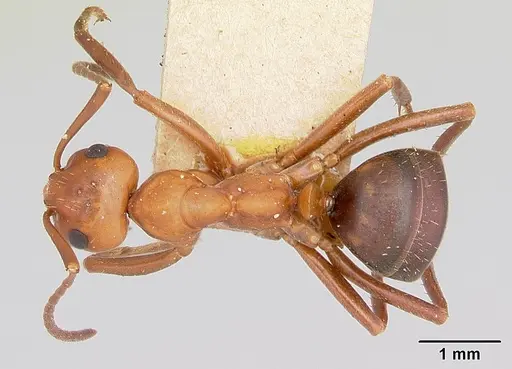
CASENT0105608
View on AntWeb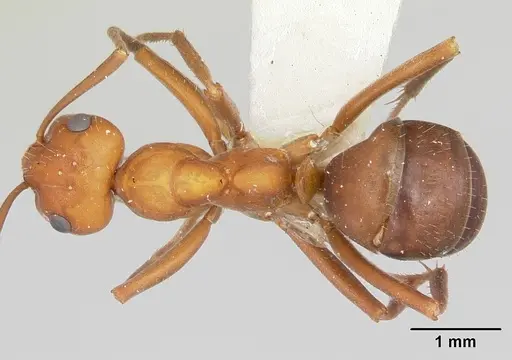
CASENT0912251
View on AntWeb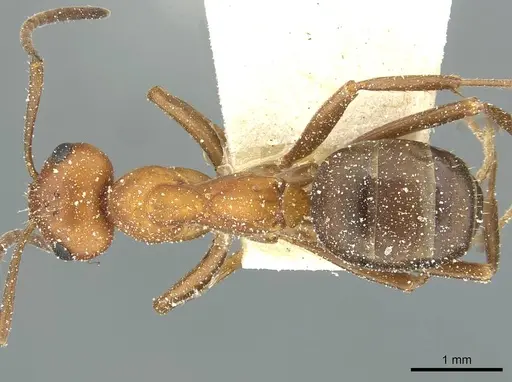
Literature
Loading...Loading products...