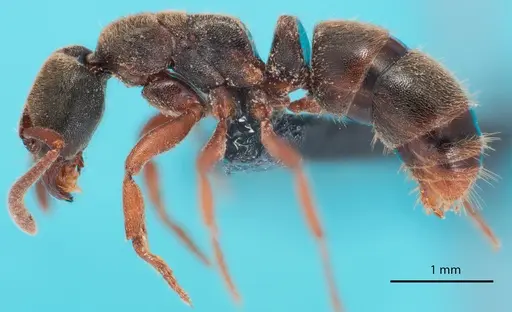
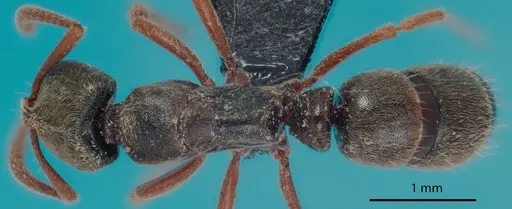
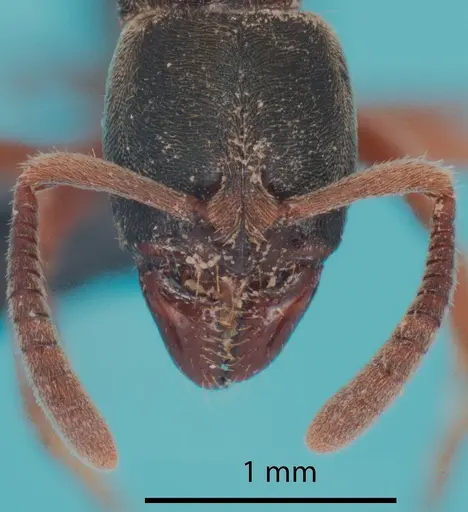
Euponera sharpi - "Sharp's Euponera Ant"
Euponera sharpi is a fascinating species of ant within the Ponerinae subfamily, known for its predatory nature. These ants are medium-sized, with workers typically ranging from 6–8 mm, though some sources indicate sizes up to 10.5mm for the genus. They are generally reddish-brown to black, with small eyes and often a shiny body surface. Colonies of Euponera sharpi are quite small, usually containing only a few to several dozens of workers. They are generalist predators, hunting other arthropods in their environment.
- Difficulty: Medium
- Origin & Habitat: Native to tropical and subtropical regions of East Asia, including Borneo, Indonesia, Malaysia, Singapore, Vietnam, and China (Guangxi, Hunan, Guangdong, Fujian, Macau, Taiwan). in These ants are typically found nesting within the soil, leaf litter, or decaying wood. In their native range, they inhabit both forest and open habitats, often in humid environments..
- Colony Type: Monogyne, though some species in the genus Euponera can exhibit polygyny or gamergates. Euponera sharpi is primarily monogyne., claustral (queens lay eggs and raise first brood without foraging), though some ponerine species have ergatoid queens that may forage or gamergates may take over reproduction. founding.
- Size & Growth:
- Queen: 6-10.5mm
- Worker: 6-8mm
- Colony: Small (dozens). Slow growth.
- Antkeeping:
- Temperature: Maintain a temperature range of 22-26°C. Consistent temperatures are important for brood development..
- Humidity: Keep humidity levels between 60-80% in the nest. A good moisture gradient is crucial, with a more humid area for the brood and a drier area for general activity..
- Diapause: Not required. Not specified at Not specified.
- Nesting: As they are hypogaeic (nesting underground/leaf litter), nests that mimic their natural environment are ideal. Ytong nests, natural soil setups, or even acrylic nests with a substrate layer are suitable. They prefer small, compact nesting spaces..
- Behavior: Medium (towards prey, low towards handler unless provoked) aggressiveness.
- Common Issues: Mold in nest, Mites, Colony stalling, Overfeeding leading to waste, Humidity fluctuations.
Euponera sharpi are predatory ants, meaning their primary diet consists of other arthropods. This necessitates a consistent supply of live insect prey, such as small roaches, crickets, or mealworms. It's important to offer appropriately sized prey to prevent injury to the workers. Observing their hunting behavior can be quite rewarding, but it also means they may not readily accept sugary foods like honey water as their main sustenance.
Their small colony size, typically ranging from a few to a few dozen workers, means that they won't overrun your setup like some larger species. However, this also implies a slower growth rate, requiring patience from the antkeeper. It's crucial to avoid overfeeding these smaller colonies, as uneaten food can lead to mold and mite issues, which are particularly detrimental to smaller setups.
Euponera sharpi are known to nest in soil, leaf litter, or decaying wood in their natural habitats. For antkeepers, providing a naturalistic setup that incorporates these elements can greatly benefit the colony's well-being and allow for more natural behaviors. Consider a formicarium with a deep substrate layer or a natural setup in a terrarium to cater to their nesting preferences.
While the genus Euponera can have both winged queens (alates) and ergatoid (wingless) queens, and some species even exhibit gamergates (reproductive workers), Euponera sharpi is generally considered to have alate queens. This offers an interesting aspect for advanced antkeepers who might be interested in observing nuptial flights if conditions are right, though breeding them in captivity is quite challenging.
Frequently Asked Questions
What do Euponera sharpi ants eat?
These ants are generalist predators, so they primarily eat live insects like small roaches, crickets, or mealworms. Ensure the prey is not too large for them to handle. They may not show much interest in sugary foods.
How large do Euponera sharpi colonies get?
Euponera sharpi colonies are quite small, typically ranging from a handful to about 50 workers.
What kind of nest is best for Euponera sharpi?
They prefer nests that mimic their natural underground or leaf litter environments. Ytong nests, natural soil setups, or acrylic nests with a good substrate layer are ideal. They appreciate compact spaces.
Do Euponera sharpi ants sting?
Yes, like many Ponerine ants, Euponera sharpi possess a sting. Handle with care to avoid any defensive reactions.
What temperature and humidity do they need?
Maintain temperatures between 22-26°C and humidity levels of 60-80% in the nest. A moisture gradient is beneficial.
Are they difficult to keep for beginners?
Euponera sharpi are rated as 'Medium' difficulty. Their specific predatory diet and small colony size, which can be sensitive to environmental changes, make them less suitable for absolute beginners. Consistent care and attention to detail are key.
Do they require diapause (hibernation)?
No, as a species native to tropical and subtropical regions, Euponera sharpi does not typically require a diapause period.
What's their growth rate like?
Their colony growth rate is generally slow due to their smaller colony sizes. Patience is a virtue when keeping this species.
Can I keep multiple queens together?
Euponera sharpi is primarily monogyne, meaning they typically have a single queen per colony. While some related species in the genus might exhibit polygyny or gamergates, it's best to assume monogyne for E. sharpi unless proven otherwise.
What are common issues when keeping them?
Common issues include mold in the nest due to overfeeding or excess humidity, mites, colony stalling (lack of growth), and improper humidity fluctuations. Careful monitoring is essential.
Do the workers have different sizes or roles?
Workers of Euponera sharpi are monomorphic, meaning they are all roughly the same size and do not have distinct size-based subcastes like majors or minors.
Where can I find Euponera sharpi in the wild?
They are native to East Asia, including parts of China, Vietnam, Malaysia, Indonesia, and Singapore. They are often found in humid forests and open habitats, nesting in soil, leaf litter, or decaying wood.
What's the typical lifespan of a queen?
While specific data for Euponera sharpi queens is limited, Ponerine queens generally have a lifespan of several years, though precise duration can vary greatly based on species and care.
How should I introduce new food to them?
Offer small pieces of live insect prey in their outworld. Remove any uneaten food promptly to prevent mold growth. You can use tweezers to place the prey near their nest entrance or foraging area.