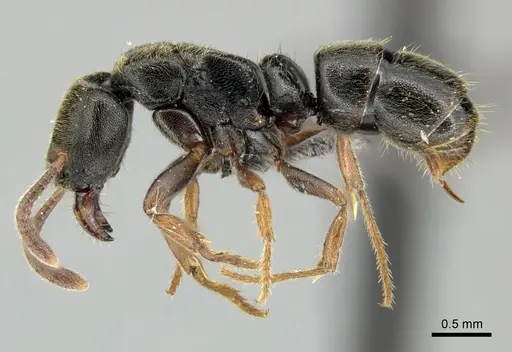
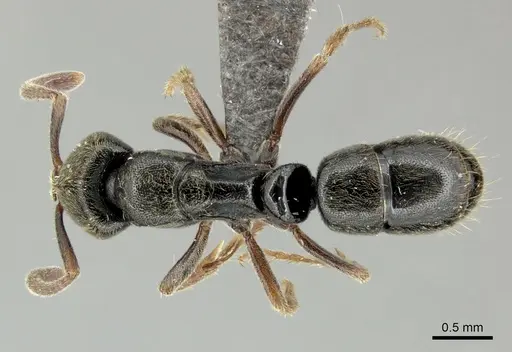
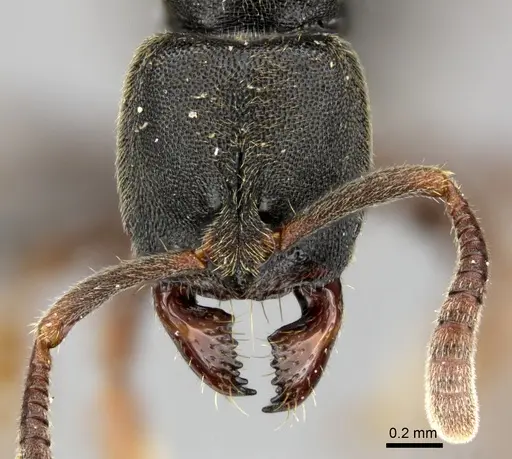
Euponera brunoi - "African Ponerine Ant"
Euponera brunoi is a fascinating Ponerine ant species, often observed in various habitats across Africa. These ants are known for their relatively large size, with workers typically ranging from 4.75 mm to 10.5 mm in length. They exhibit a sleek, dark coloration, usually black with reddish-brown extremities and appendages. A distinctive feature is the presence of a basal fovea (pit) on the dorsolateral surface of their mandibles. While their habits are not extensively documented, they are recognized as generalist predators, actively foraging for insects and even collecting seeds. They are also known to prey on termites, highlighting their ecological importance in their native environments. Colonies generally remain small, with observations indicating a mean size of 4-50 individuals.
- Difficulty: Medium
- Origin & Habitat: Afrotropical Region (Sub-Saharan Africa and Madagascar), extending into eastern Asia in some related species. Specifically, Euponera brunoi has been recorded in countries like Cameroon, Central African Republic, Democratic Republic of Congo, Eswatini, Gambia, Guinea, Ivory Coast, Kenya, Nigeria, Sudan, Uganda, and Zimbabwe. in These ants are primarily found in terrestrial environments, including soil, leaf litter, and rotting wood. They are common in savannas and semi-deciduous forest zones, often constructing crater-like nest entrances in open, sandy ground or under stones. They have also been found in cocoa cultivation regions..
- Colony Type: Monogyne (single queen) or potentially functional monogyny due to small colony size and reproductive strategy of related species., claustral (though some ponerine species may exhibit semi-claustral tendencies, specific details for e. brunoi are scarce, but their small colony size and predatorial nature suggest a claustral or minimally semi-claustral approach where the queen sustains the initial brood). founding.
- Size & Growth:
- Queen: 6.0-10.5mm
- Worker: 4.75-10.5mm
- Colony: Small (tens, typically 4-50 workers, rarely up to 50). Slow growth.
- Antkeeping:
- Temperature: Maintain a stable temperature between 24-28°C (75-82°F) for optimal activity and brood development. Consistent temperatures are crucial, as significant fluctuations can stress the colony..
- Humidity: Provide a humidity gradient, with part of the nest at 60-70% humidity and a drier foraging area. Maintaining adequate humidity in the nest is important for brood development and preventing desiccation, especially given their natural preference for soil and leaf litter environments..
- Diapause: Not required. Not specified at Not specified.
- Nesting: These ants prefer nesting in natural substrates such as soil, loam, or fine gravel. For artificial setups, deep naturalistic setups like Ytong nests or tubs and trays with a suitable substrate are recommended to allow for their burrowing habits. They are known to construct crateriform mounds with slender channels..
- Behavior: Medium (towards prey, low towards handler if unprovoked) aggressiveness.
- Common Issues: Lack of appropriate live prey leading to starvation, Mold in nest due to uneaten food, Humidity fluctuations impacting brood development, Colony stalling due to inadequate nest setup, Stress from excessive vibrations or light.
Keeping Euponera brunoi can be a rewarding experience for ant keepers, but it's important to understand their unique predatory nature. Unlike many common ant species that thrive on sugar solutions, these ants are primarily insectivores and require a consistent supply of small feeder insects. Providing a varied diet of different insect types, such as roaches, mealworms, or crickets, is crucial for their long-term health and the overall development of the colony. Always ensure the feeder insects are captive-bred to avoid introducing parasites or pesticides to your colony.
Their natural nesting preferences mean that standard test tube setups might not be ideal for long-term keeping. Consider moving a founding queen and her initial brood into a small Ytong nest or a naturalistic setup with a deep substrate once the first workers emerge. This will allow them to express their natural digging behaviors and create a more stable environment for their small colony. Proper ventilation in the outworld is also important, but ensure the humidity in the nest itself remains stable.
While general information suggests small colony sizes, observing the growth and behavior of your specific Euponera brunoi colony will be key to successful keeping. Ponerine ants often have distinct foraging strategies, and you might observe them foraging singly or in small groups rather than large trails. This behavior requires careful monitoring during feeding times to ensure all workers have access to food and to promptly remove any uneaten prey to prevent mold.
Euponera brunoi, like many Ponerine ants, possess a sting. While not typically aggressive towards keepers unless provoked, caution should always be exercised during handling or maintenance. Avoid direct contact with workers and use proper tools when interacting with the colony. Their venom, while not typically dangerous to humans unless allergic, can be painful, so it's always best to err on the side of caution.
Given their African origin, maintaining a warm and stable environment is paramount. Fluctuations in temperature can significantly stress these ants and impact their brood development. Utilizing heat mats with a thermostat, or ensuring the formicarium is in a consistently warm room, will contribute to their well-being. Regular monitoring of both temperature and humidity within the nest is highly recommended to replicate their natural habitat conditions as closely as possible.
Frequently Asked Questions
What should I feed my Euponera brunoi colony?
These ants are primarily insectivores, so you'll want to offer them a variety of small, captive-bred feeder insects like flightless fruit flies, small mealworms, roach nymphs, or cricket pieces. They're generalist predators and even consume termites in the wild. While they have been observed collecting grass seeds, their primary diet in captivity should be protein-rich live or freshly killed insects.
How large do Euponera brunoi colonies get?
Euponera brunoi colonies are typically quite small, generally ranging from around 4 to 50 workers. This makes them a great option for keepers who prefer smaller, more manageable colonies.
Do Euponera brunoi queens lay eggs constantly?
Queen activity and egg-laying can vary, but generally, Ponerine queens will lay eggs consistently if conditions are stable and food is abundant. They don't usually experience distinct 'bursts' of egg-laying like some other ant species, but a steady production is expected in a healthy colony.
What type of nest is best for Euponera brunoi?
Given their natural preference for nesting in soil, leaf litter, and rotting wood, a naturalistic setup like a Ytong nest or a deep tubs and trays setup with a suitable substrate (like sand or loam) is highly recommended. This allows them to burrow and create their own tunnels, which is crucial for their well-being.
Do Euponera brunoi sting, and is it dangerous?
Yes, Euponera brunoi workers do possess a sting, as is common with many Ponerine ants. While generally not aggressive towards keepers unless provoked or handled directly, their sting can be painful. As with any ant sting, exercise caution and avoid direct contact. Severe allergic reactions are rare but possible if you have a pre-existing allergy.
What temperature and humidity do these ants need?
Euponera brunoi thrives in warm conditions, ideally between 24-28°C (75-82°F). For humidity, aim for a gradient within the nest, with one part at 60-70% humidity and a slightly drier foraging area. This helps prevent mold while still providing the necessary moisture for their brood.
Are they good for beginner ant keepers?
Euponera brunoi is rated as 'Medium' difficulty. While not as challenging as some exotic species, their specific dietary needs (live insects) and preference for naturalistic nesting setups make them a bit more involved than common beginner species like Lasius niger. Experience with other predatory ant species would be beneficial.
Do they need a diapause (hibernation)?
No, Euponera brunoi originates from tropical and subtropical regions of Africa and does not require a diapause period. Consistent warmth and humidity year-round are essential for their health and continuous development.
How fast do Euponera brunoi colonies grow?
Colony growth for Euponera brunoi is considered slow. Their small maximum colony size (tens of workers) means you won't see explosive growth, which can be a pro for keepers who prefer less rapidly expanding colonies.
Can I keep multiple queens together?
Euponera brunoi is listed as monogyne, meaning colonies typically have a single queen. While some Ponerine ants can exhibit reproductive flexibility, it's generally best to keep them as single-queen colonies to ensure stability and avoid conflicts.