

Euponera gorogota
- Scientific Name
- Euponera gorogota
- Tribe
- Ponerini
- Subfamily
- Ponerinae
- Author
- Rakotonirina & Fisher, 2013
- Distribution
- Found in 1 countries
Euponera gorogota Overview
Euponera gorogota is an ant species of the genus Euponera. It is primarily documented in 1 countries , including Madagascar. Detailed taxonomic data and occurrence records can be further explored via authoritative databases such as AntWeb or the Global Biodiversity Information Facility (GBIF).
Euponera gorogota
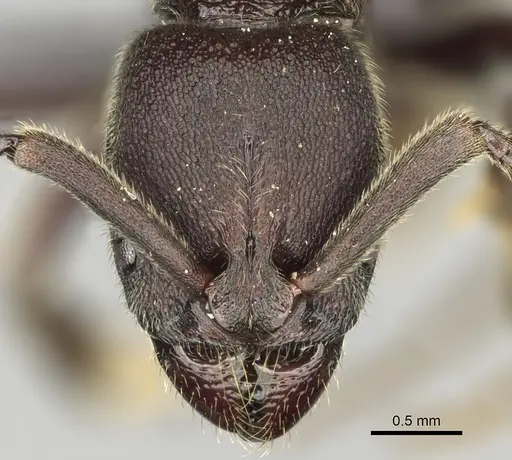
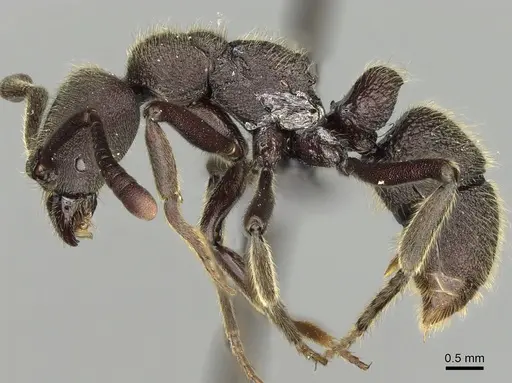
Euponera gorogota is a rare Ponerine ant species known only from a single worker specimen collected in the lowland rainforests of Makirovana in northeastern Madagascar. Workers are medium-sized at approximately 1.56mm head width and 2.67mm mesosoma length, with a distinctive dark brown coloration and lighter brown tips on the antennae and gaster. The species is characterized by its deeply impressed metanotal groove, flattened petiole node with a notched posterior margin, and notably the presence of long erect hairs covering the antennal scapes and outer tibia surfaces. This ant belongs to the sikorae species-group and was originally described as Euponera gorogota before being transferred to Euponera. The species was discovered through leaf litter sampling at 415m elevation in pristine rainforest habitat. Due to being known from only a single specimen, virtually nothing is documented about its biology, colony structure, or captive care requirements.
Quick Summary
- Difficulty: Expert
- Origin & Habitat: Lowland rainforest of Makirovana in northeastern Madagascar at 415m elevation [1][2]. The only specimen was collected by sifting leaf litter in pristine rainforest [2].
- Colony Type: Unknown, the species is known from only a single worker specimen with no queen, colony, or reproductive data available [2].
- Size & Growth:
- Queen: Unknown, no queen specimens have been collected or described [2].
- Worker: Workers measure approximately 1.56mm head width,1.79mm head length, and 2.67mm mesosoma length [2].
- Colony: Unknown, only a single worker has ever been collected [2].
- Growth: Unknown
- Development: Unknown, no brood development data exists for this species [2]. (No development data exists. Related Ponerine ants typically require 6-12 weeks for egg-to-worker development at optimal temperatures, but this is an estimate only.)
- Antkeeping:
- Temperature: Unknown, no thermal data exists for this species. Based on related Madagascar Ponerinae and its lowland rainforest origin, it likely prefers warm, humid conditions in the range of 24-28°C. Start in this range and observe colony activity [3].
- Humidity: Unknown, no humidity data exists. Its collection from leaf litter in lowland rainforest suggests high humidity needs, likely 70-85% similar to other Madagascar Ponerinae [3].
- Diapause: Unknown, no seasonal data exists. Madagascar lowland species may have reduced activity during cooler months but true diapause is unconfirmed [3].
- Nesting: Unknown, no natural nesting observations exist. Related species in the sikorae-group typically nest in rotting wood, soil, or leaf litter in humid forest environments. A naturalistic setup with moist substrate or a Y-tong/plaster nest would be appropriate starting points [3].
- Behavior: Unknown, no behavioral observations exist for this species. As a Ponerine ant, it likely has predatory tendencies similar to related genera, with a potent sting for subdueing prey. Exercise extreme caution when handling as Ponerinae typically have functional stingers. Escape prevention should be excellent given its medium size, standard barriers should suffice but tiny gaps should still be avoided [3].
- Common Issues: No biological data exists, this is one of the most poorly known ant species in captivity with essentially no documented care information, Risk of purchasing misidentified ants, only a single type specimen exists, so vendor identification may be unreliable, Unknown dietary requirements, must be determined through careful experimentation with protein sources, Potential specialized habitat needs, leaf litter sampling suggests ground-dwelling or litter-dwelling behavior that may require specific setup, No colony establishment data, founding behavior, claustral vs semi-claustral status, and colony growth patterns are completely unknown
Species Discovery and Rarity
Euponera gorogota represents one of the rarest and most poorly documented ant species in the world. The entire scientific knowledge of this species rests on a single worker specimen collected in April 2011 during a leaf litter sampling expedition in the Makirovana Forest of northeastern Madagascar. This forest is located at approximately -14.1707 latitude and 49.9541 longitude at 415 meters elevation. The specimen was collected by Brian L. Fisher and colleagues as part of a comprehensive Madagascar ant biodiversity survey. The extreme rarity of this species means that virtually no biological information exists, we do not know what the queen looks like, how colonies are structured, when nuptial flights occur, what they eat, or how they develop. Any antkeeper considering this species must understand they would be pioneering entirely new captive husbandry protocols based on inference from related species. [2][1]
Identification and Distinguishing Features
Identifying Euponera gorogota requires attention to several distinctive morphological features. The worker has a head width of 1.56mm and mesosoma length of 2.67mm, with an elongated head that is narrower at the front than the back. The anterior margin of the clypeus is wide and straight with a slight median notch. The eyes are small with more than 30 ommatidia and are located in the anterior fourth of the head. The antennal scape is short and does not reach the posterior margin of the head. The metanotal groove is deeply impressed, creating a distinct constriction between the mesonotum and propodeum. The posterolateral margin of the propodeum has broad lamellae that project into a tubercle at the level of the propodeal spiracle. The petiolar node is distinctive, anteroposteriorly flattened with the posterior margin medially notched when viewed from above. Most characteristically, the antennal scape and outer surface of the tibiae are covered with erect slender hairs. The body is dark brown with brown apices on the antennae and tip of the gaster. [2][1]
Related Species and Taxonomic Context
Euponera gorogota belongs to the sikorae species-group within the genus Euponera. This species was originally described as Euponera gorogota in 2013 by Rakotonirina and Fisher before being transferred to Euponera by Schmidt and Shattuck in 2014. The species is most similar to Euponera maeva, another Madagascar endemic, sharing the deeply impressed metanotal groove and the distinctive notched petiole. However, E. gorogota can be distinguished by its roughly straight posterior cephalic margin (versus more concave in E. maeva), much broader lamellae on the propodeum that project into a tubercle, and the presence of erect hairs on the antennal scape and tibiae (absent in E. maeva). The Ponerinae subfamily contains predatory ants with potent stings, and this species-group likely shares similar ecological roles in Madagascar's rainforest ecosystems. [1]
Inferred Care Requirements
Because no biological data exists for Euponera gorogota, all care recommendations must be based on inference from related Ponerine ants and the species' known habitat. This ant was collected from leaf litter in lowland rainforest at 415m elevation in northeastern Madagascar, a hot, humid tropical environment. Related Madagascar Ponerinae typically require warm temperatures (24-28°C), high humidity (70-85%), and protein-rich diets. As a Ponerine, it likely has predatory feeding habits and may accept small invertebrates like fruit flies, pinhead crickets, or other small arthropods. Nesting preferences are unknown but likely involve moist soil or rotting wood given the rainforest habitat. This species should be considered expert-only due to the complete lack of documented captive care information, keepers must be prepared to experiment carefully and document their findings for the benefit of future antkeepers. Always use excellent escape prevention and exercise caution around the potent sting that Ponerine ants possess.
Legal and Ethical Considerations
Euponera gorogota is endemic to Madagascar and was discovered in a protected forest area. Any acquisition would likely be from captive-bred colonies, and keepers should verify the legal origin of any specimens. Madagascar has strict regulations on the export of native species, and this rare species is unlikely to be available in the antkeeping hobby. If specimens do become available, they would represent significant conservation value and should only be kept by experienced keepers committed to establishing sustainable captive populations. Never release this or any non-native ant species in any location outside their native range, they could become invasive or spread pathogens to native ant communities.
Frequently Asked Questions
How do I care for Euponera gorogota ants?
No documented care information exists for this species. It is known from only a single worker specimen collected in 2011. Any care would need to be inferred from related Madagascar Ponerinae, likely warm temperatures (24-28°C), high humidity (70-85%), and protein-based diets. This species should only be kept by expert antkeepers willing to experiment and document their findings.
What does Euponera gorogota eat?
Diet is completely unconfirmed for this species. As a Ponerine ant, it likely has predatory feeding habits and would accept small live invertebrates. Related Ponerinae typically feed on insects and other small arthropods. Sugar sources may or may not be accepted. Careful experimentation with small prey items would be necessary to determine captive diet.
How big do Euponera gorogota colonies get?
Unknown, only a single worker has ever been collected. No colony size data exists. Related Madagascar Ponerinae typically form small to moderate colonies, but this is purely speculative for E. gorogota.
What temperature do Euponera gorogota ants need?
Unknown, no thermal data exists. Based on its origin from lowland rainforest in northeastern Madagascar, it likely prefers warm conditions around 24-28°C. Start in this range and adjust based on colony behavior.
Is Euponera gorogota good for beginners?
No. This species is absolutely not suitable for beginners. It is one of the most poorly documented ant species in existence, known from only a single worker specimen with no biological data whatsoever. Keeping this species would require pioneering entirely new captive protocols.
How long does it take for Euponera gorogota eggs to develop into workers?
Unknown, no development data exists for this species. Related Ponerine ants typically require 6-12 weeks for complete development from egg to worker at optimal temperatures, but this is a rough estimate only.
Can I keep multiple Euponera gorogota queens together?
Unknown, no colony structure data exists. Only a single worker has ever been documented. The colony type (monogyne, polygyne, etc.) is completely unconfirmed. Combining unrelated queens is not recommended without documented evidence of social tolerance.
What kind of nest does Euponera gorogota need?
Unknown, no natural nesting observations exist. Based on related species and its collection from leaf litter in rainforest, it likely prefers moist environments. A naturalistic setup with moist substrate or a Y-tong/plaster nest with high humidity would be appropriate starting points.
Where does Euponera gorogota come from?
This species is endemic to northeastern Madagascar. The only known specimen was collected from the Makirovana Forest at 415m elevation in lowland rainforest. The exact coordinates are approximately -14.1707 latitude and 49.9541 longitude.
Is Euponera gorogota available in the antkeeping hobby?
Extremely unlikely. This species is known from only a single specimen collected in 2011 and has never been documented in the antkeeping trade. Any 'Euponera gorogota' offered for sale would likely be misidentified or illegally obtained. This species represents a significant conservation concern given its extreme rarity.
Does Euponera gorogota need hibernation?
Unknown, no seasonal data exists. As a lowland rainforest species from tropical Madagascar, it likely does not require true hibernation but may have reduced activity during cooler periods. Monitor colony behavior and adjust temperatures accordingly.
References

This caresheet is licensed under CC BY-SA 4.0 .
CASENT0166009
View on AntWeb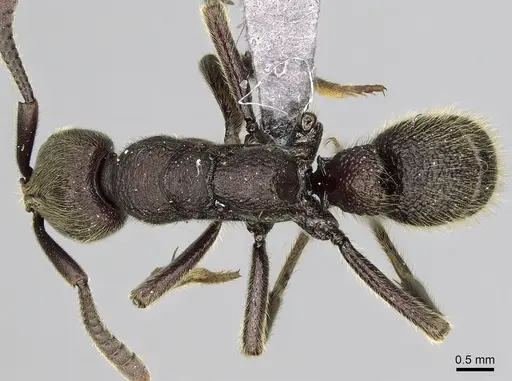
Literature
Loading...Loading products...