

Euponera zoro
- Scientific Name
- Euponera zoro
- Tribe
- Ponerini
- Subfamily
- Ponerinae
- Author
- Rakotonirina & Fisher, 2013
- Distribution
- Found in 1 countries
Euponera zoro Overview
Euponera zoro is an ant species of the genus Euponera. It is primarily documented in 1 countries , including Madagascar. Detailed taxonomic data and occurrence records can be further explored via authoritative databases such as AntWeb or the Global Biodiversity Information Facility (GBIF).
Euponera zoro
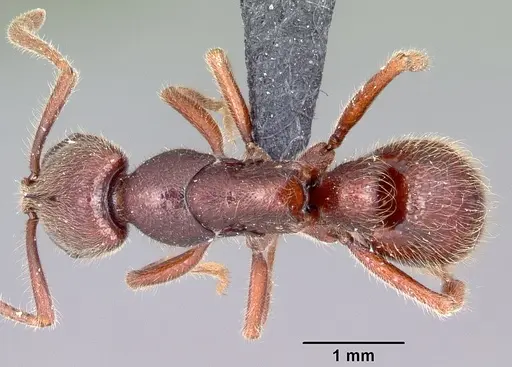
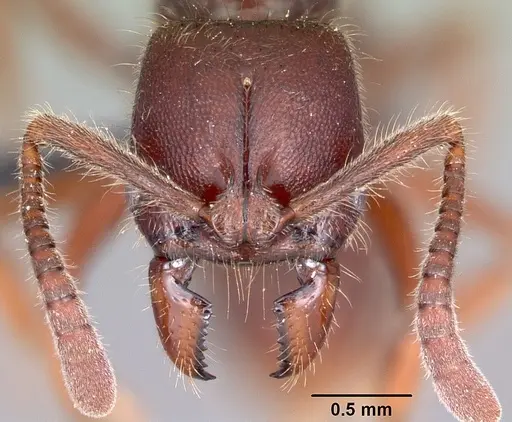
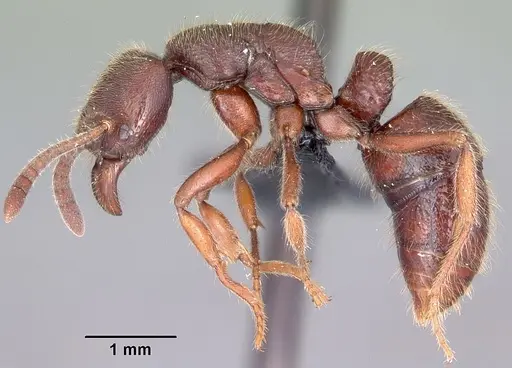
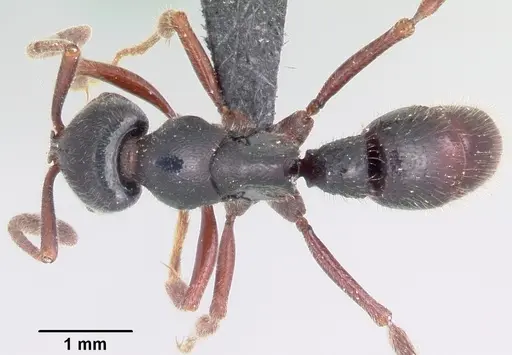
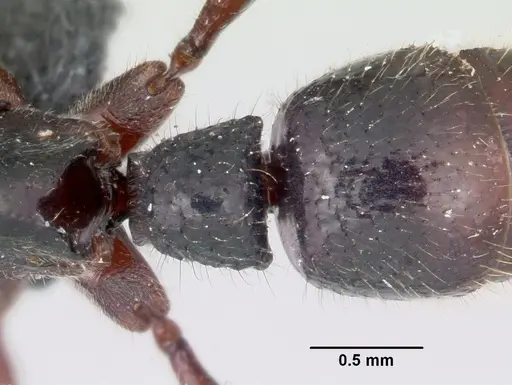
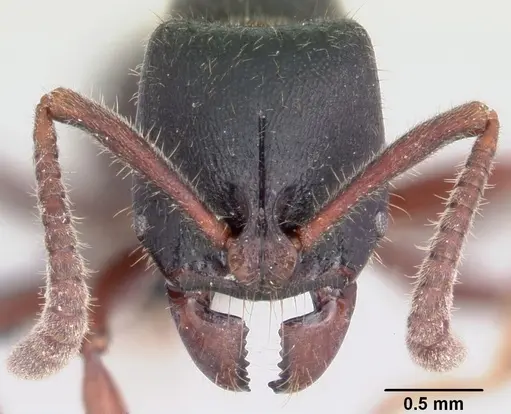
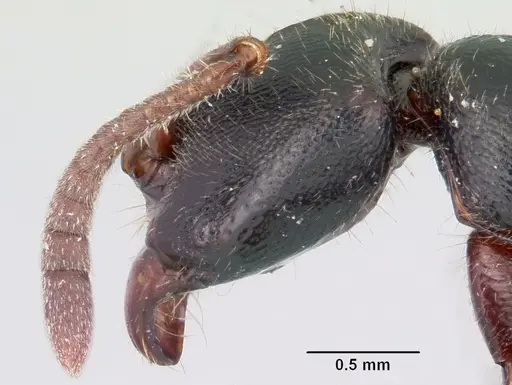
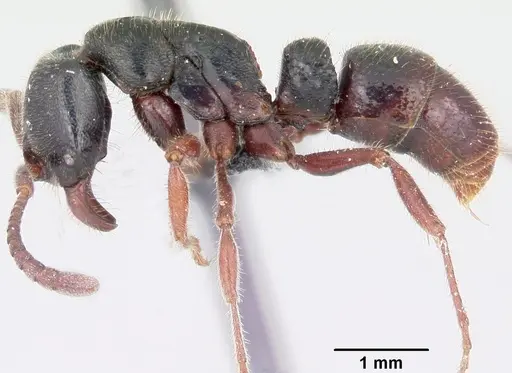
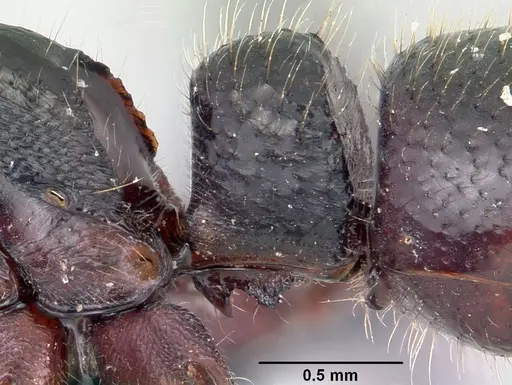
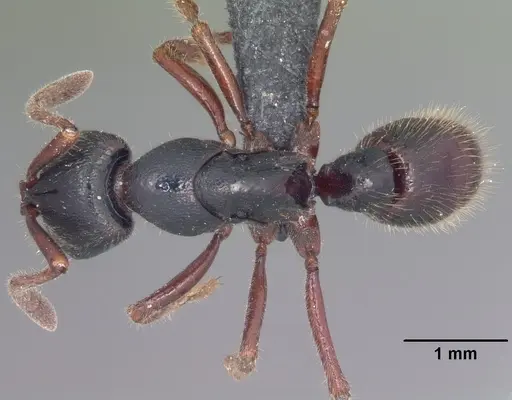
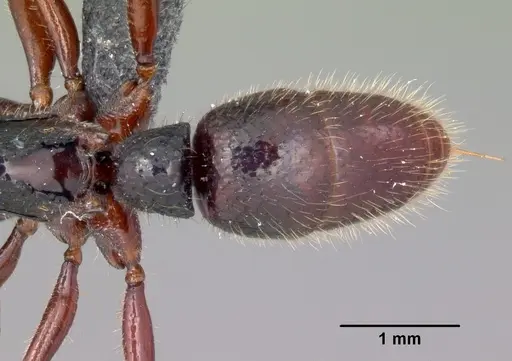
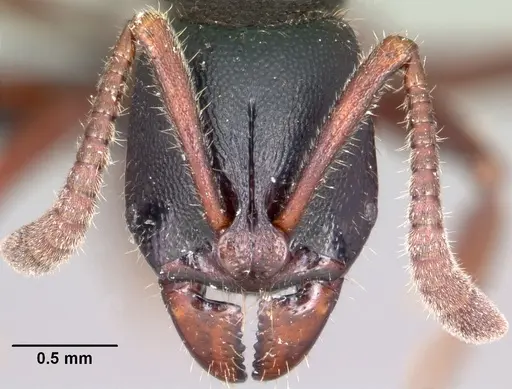
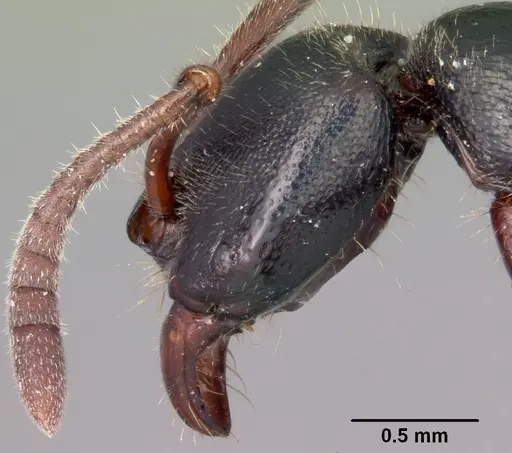
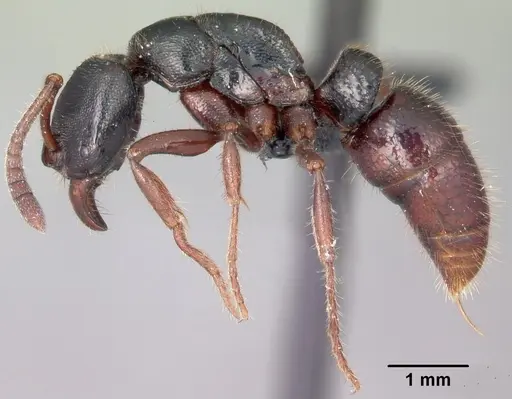
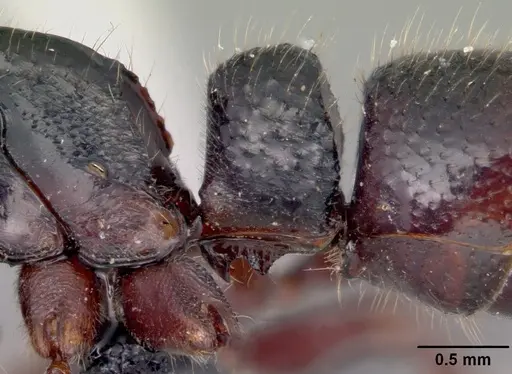
Euponera zoro is a small Ponerine ant endemic to Madagascar, found exclusively in the lowland rainforests of Marojejy and Ambalagoavy Nord in the northeast and southeast of the island. Workers measure 1.22-1.32mm in head width and are primarily black with brownish-red legs and gaster. This species belongs to the sikorae species-group within the Pachycondyla genus revision. A particularly interesting trait is the ergatoid queen, a wingless reproductive that closely resembles workers, differing mainly in having an ocellus (simple eye), a broader head, and more slender erect hairs on the body. This means queens don't fly to mate, instead, mating likely occurs on or near the nest surface. The species was collected from leaf litter extraction and malaise traps at elevations of 450-625m.
Quick Summary
- Difficulty: Medium
- Origin & Habitat: Lowland rainforests of Marojejy and Ambalagoavy Nord in northeast and southeast Madagascar,450-625m elevation [1][2].
- Colony Type: Ergatoid queen system, queens are wingless and worker-like, suggesting potential for replacement reproductives within established colonies. Colony structure is unconfirmed but ergatoid morphology indicates possible multiple reproductives or queen replacement capability.
- Size & Growth:
- Queen: 1.25mm head width (ergatoid) [2]
- Worker: 1.22-1.32mm head width [2]
- Colony: Unknown, likely moderate based on typical Ponerine patterns
- Growth: Unknown, likely moderate
- Development: 6-10 weeks (estimated based on typical Ponerine development) (Development timeline is unconfirmed for this species. Estimates based on related Ponerine ants suggest 6-10 weeks from egg to first worker at optimal temperatures.)
- Antkeeping:
- Temperature: Keep around 24-27°C, this matches their lowland rainforest origin in Madagascar. A gentle gradient allowing workers to self-regulate is ideal.
- Humidity: High humidity required, rainforest species. Keep nest substrate consistently moist but not waterlogged. Aim for 70-85% humidity with good ventilation to prevent mold.
- Diapause: Unknown, as a tropical species from Madagascar, they likely do not require true hibernation but may reduce activity during cooler periods.
- Nesting: In nature they inhabit leaf litter and rotting wood in humid rainforest floors. In captivity, a moist naturalistic setup or Y-tong/plaster nest works well. Provide damp substrate and avoid drying out.
- Behavior: Ponerine ants are typically predatory and may have functional stingers. Workers are likely active foragers on the forest floor, hunting small invertebrates. They may be defensive when threatened. Escape risk is moderate, they are small ants but not extremely tiny, so standard barriers should work. However, their small size still warrants attention to escape prevention.
- Common Issues: high humidity maintenance is critical, drying out can be fatal, predatory diet requirements may be challenging for beginners to meet consistently, slow colony growth may lead to overfeeding or excessive disturbance, ergatoid queen system means nuptial flights won't happen, breeding requires different approach, tropical species may struggle if temperatures drop below 20°C
Housing and Nest Setup
Euponera zoro comes from humid lowland rainforests in Madagascar, so your setup needs to reflect that damp, shaded environment. A naturalistic terrarium-style setup with moist substrate works well, use a mix of soil and rotting wood pieces to mimic their natural leaf litter habitat. Alternatively, a Y-tong (acrylic) nest with moist plaster or soil chambers can work, provided you maintain humidity. The key is keeping the nest substrate consistently damp without creating standing water. Good ventilation is essential to prevent mold while maintaining humidity. Because they are small ants, ensure your formicarium or test tube setup has appropriately sized chambers and passages. [1][2]
Feeding and Diet
As a Ponerine ant, Euponera zoro is likely predatory and should be fed small live invertebrates. In captivity, they likely accept small prey like fruit flies, pinhead crickets, mealworms, and other appropriately-sized insects. Offer protein sources regularly, 2-3 times per week for established colonies. Sugar sources may or may not be accepted, some Ponerines take honey or sugar water, but their primary nutrition likely comes from prey. Observe your colony's preferences and adjust feeding accordingly. Remove uneaten prey after 24-48 hours to prevent mold issues in the humid setup they require.
Temperature and Humidity
Being from lowland rainforests in Madagascar, this species needs warm and humid conditions. Keep temperatures in the 24-27°C range, this is typical room temperature in many homes but verify with a thermometer. If your room is cooler, use a heating cable on one side of the nest to create a gentle gradient. Humidity should be high, aim for 70-85% relative humidity in the nest area. This means keeping the substrate moist but not waterlogged. A water reservoir or moisture chamber connected to the nest helps maintain consistent humidity. Monitor for condensation on nest walls, some condensation is normal and indicates good humidity, but excessive dripping can flood the nest. [1][2]
The Ergatoid Queen System
One of the most interesting aspects of Euponera zoro is their ergatoid queen, this means the queen is born without wings and looks very similar to workers, differing mainly in having a small ocellus (simple eye), a broader head, and more slender body hairs. Unlike most ant species where queens have wings and fly to mate, these wingless queens mate on or near the nest surface. This also means nuptial flights won't occur, if you want to propagate the colony, you'll need to let the colony grow naturally rather than expecting dispersing queens. The ergatoid system also suggests potential for replacement reproductives if the primary queen dies, as the queen morphology is already worker-like. [2]
Behavior and Temperament
Ponerine ants like Euponera zoro are typically active hunters and may exhibit defensive behavior when their nest is disturbed. They have functional stingers as part of the Ponerinae subfamily, so they can defend themselves if threatened. Workers are likely to be active foragers, hunting small prey across the forest floor. In captivity, they should show steady activity once established. Their small size means they can squeeze through small gaps, use fine mesh and check all connections for escape routes. They are not aggressive toward humans in a dangerous way, but disturbing the nest may result in defensive responses.
Frequently Asked Questions
How long does it take for Euponera zoro to produce first workers?
The exact egg-to-worker timeline is unconfirmed for this species. Based on typical Ponerine ant development, expect around 6-10 weeks from egg to first worker at optimal temperatures (24-27°C). Be patient, Ponerines often develop more slowly than common house ants.
What do Euponera zoro ants eat?
They are predatory Ponerine ants that likely hunt small invertebrates. Feed them appropriately-sized live prey like fruit flies, small crickets, mealworms, or other tiny insects. Some colonies may accept sugar water or honey, but protein from prey should be their primary food source.
What temperature do Euponera zoro ants need?
Keep them warm at 24-27°C, reflecting their lowland rainforest origin in Madagascar. This is roughly room temperature in many homes, but verify with a thermometer. Avoid temperatures below 20°C.
Do Euponera zoro queens have wings?
No, this species has ergatoid queens, meaning the queen is wingless and looks very similar to workers. This is unusual and interesting, queens don't fly to mate like most ant species. Instead, mating likely occurs on or near the nest surface.
Are Euponera zoro good for beginners?
This species is rated as Medium difficulty. They require specific conditions (high humidity, warm temperatures) and need a predatory diet, which may be more challenging than keeping common ant species. They are not the best choice for a first ant colony, but experienced antkeepers should do well with them.
How big do Euponera zoro colonies get?
Colony size is unconfirmed for this species. Based on typical Ponerine patterns, colonies likely reach dozens to a few hundred workers. They are not known to form supercolonies.
Do Euponera zoro need hibernation?
As a tropical species from Madagascar, they likely do not require true hibernation. However, they may reduce activity during cooler periods. If you keep them at room temperature (24-27°C), they should remain active year-round.
What humidity level do Euponera zoro need?
High humidity is essential, aim for 70-85% in the nest area. Keep the substrate consistently moist but not waterlogged. This is critical as drying out can be fatal for this rainforest species.
Can I keep multiple Euponera zoro queens together?
The colony structure is unconfirmed for this species. The ergatoid queen system suggests potential for replacement reproductives, but whether they naturally form multi-queen colonies is unknown. Combining unrelated queens is not recommended without documented evidence of success.
References

This caresheet is licensed under CC BY-SA 4.0 .
Literature
Loading...Loading products...