

Euponera sjostedti
- Scientific Name
- Euponera sjostedti
- Tribe
- Ponerini
- Subfamily
- Ponerinae
- Author
- Mayr, 1896
- Distribution
- Found in 2 countries
Euponera sjostedti Overview
Euponera sjostedti is an ant species of the genus Euponera. It is primarily documented in 2 countries , including Gabon, Tanzania, United Republic of. Detailed taxonomic data and occurrence records can be further explored via authoritative databases such as AntWeb or the Global Biodiversity Information Facility (GBIF).
Euponera sjostedti
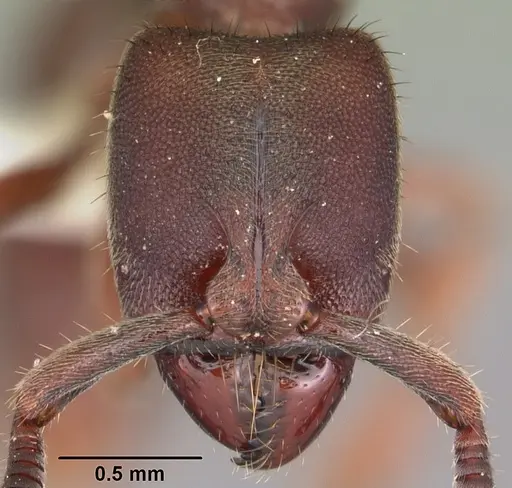
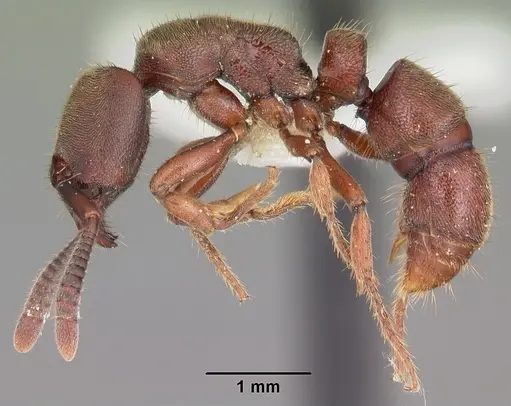
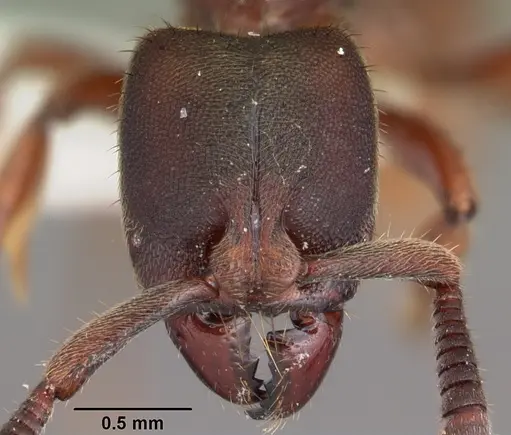
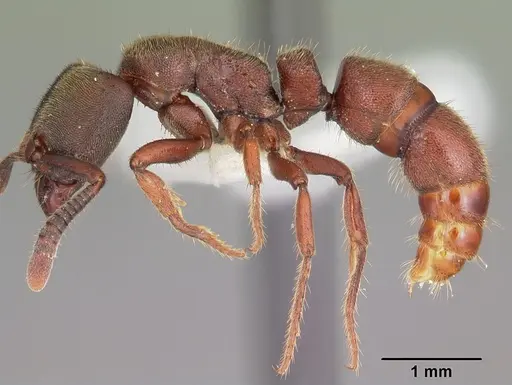
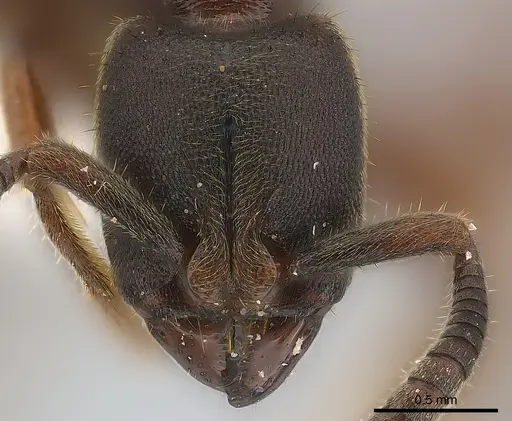
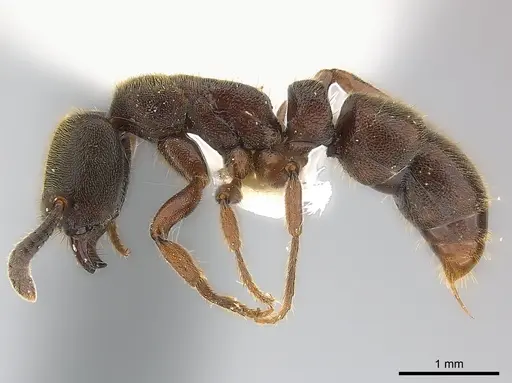
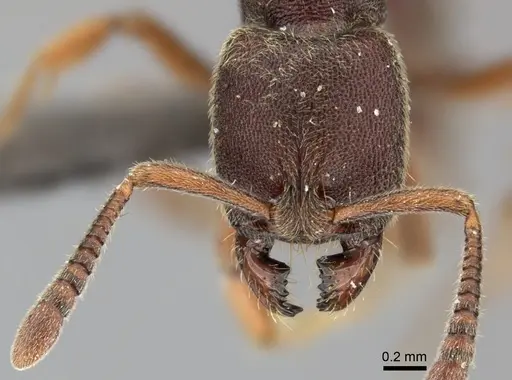
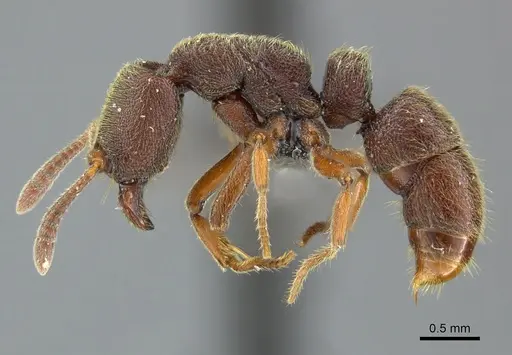
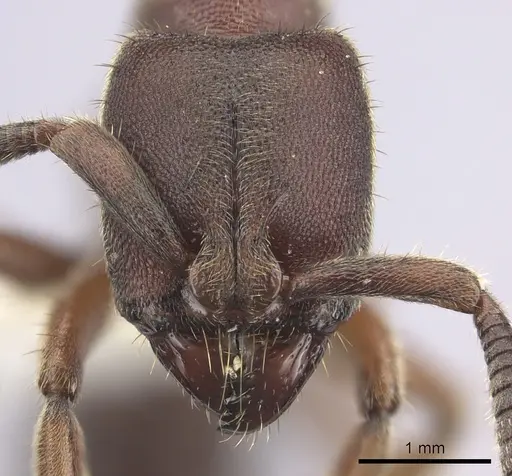
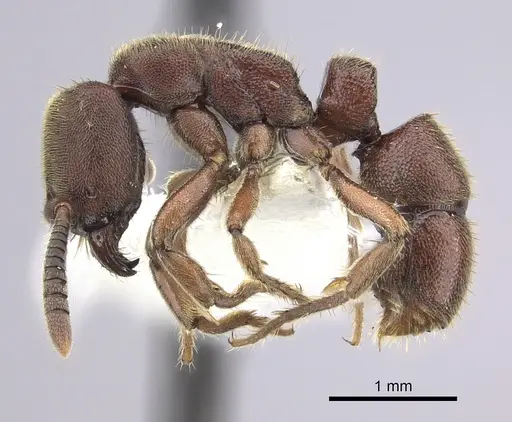
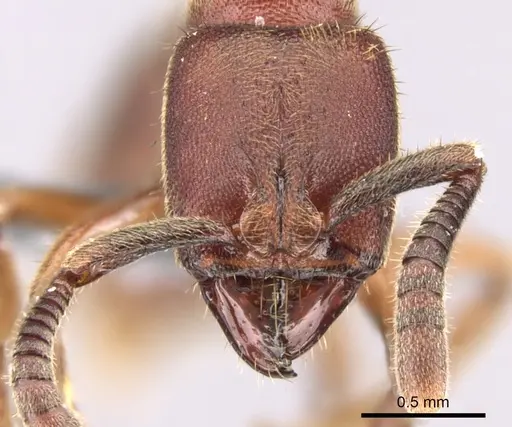
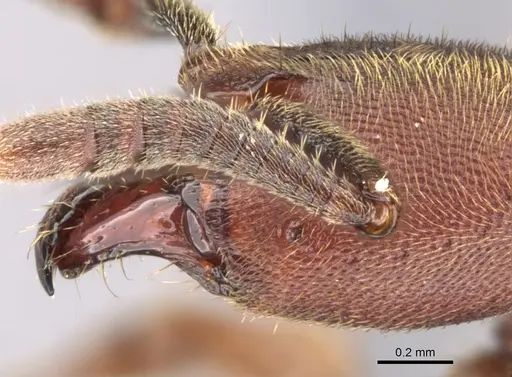
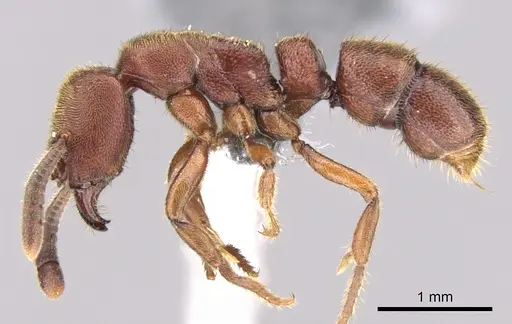
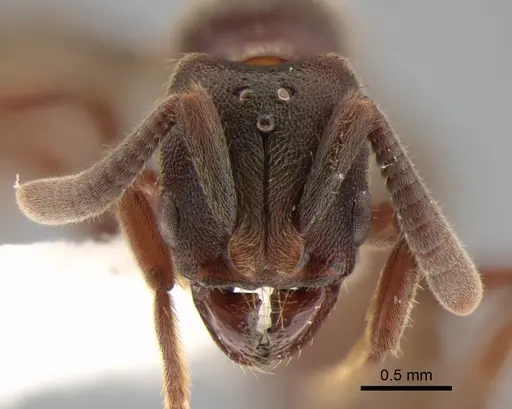
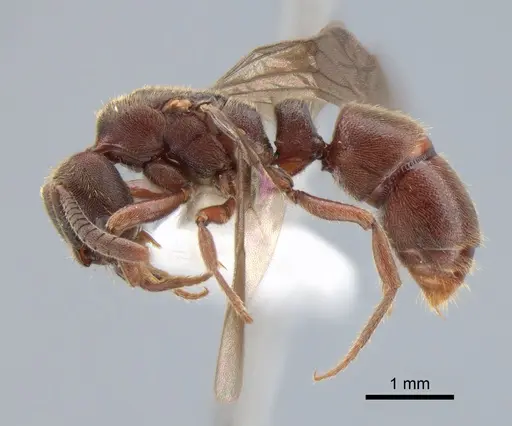
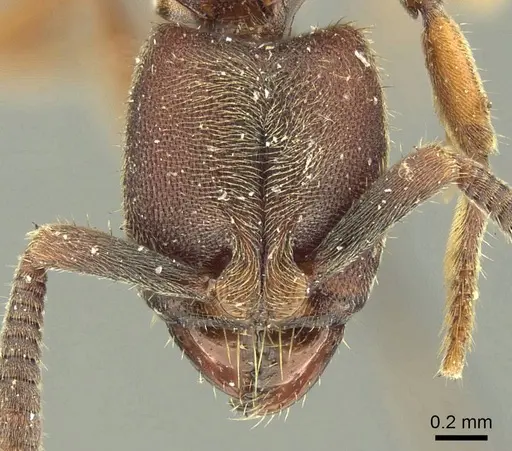
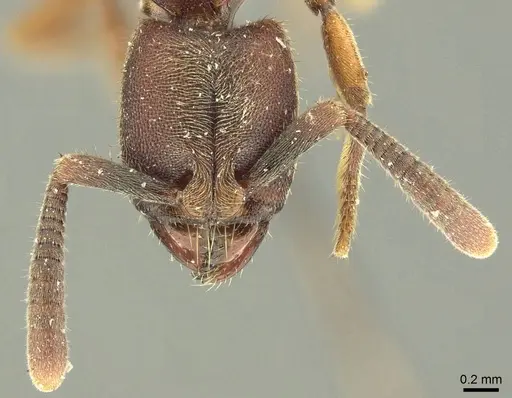
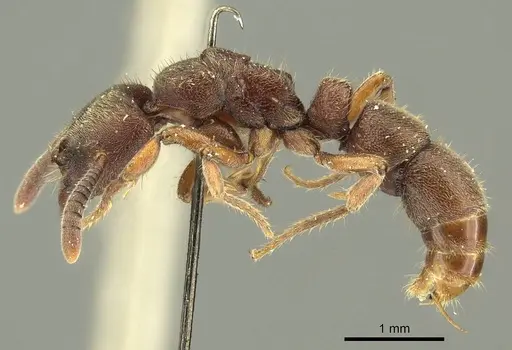
Euponera sjostedti is a medium-sized predatory ant native to the Afrotropical region, found across central and east Africa including Cameroon, Democratic Republic of Congo, Kenya, Nigeria, Uganda, and Tanzania. Workers are robust with a distinctive dark coloration, and the species is characterized by vestigial eyes and a reduced palp formula of 2,2, features suggesting a cryptic, leaf-litter dwelling lifestyle. As a member of the subfamily Ponerinae, these ants possess a potent sting and are active predators of small invertebrates. The species was originally described from Cameroon in 1896 and has undergone several taxonomic revisions, most recently being placed in the genus Euponera after being moved from Pachycondyla and Bothroponera [1][2].
Quick Summary
- Difficulty: Medium
- Origin & Habitat: Afrotropical region, found in Cameroon, Democratic Republic of Congo, Kenya, Nigeria, Uganda, and Tanzania. In Gabon, they have been collected at elevations ranging from 110m to 640m in forested areas, suggesting they prefer humid forest environments with leaf litter microhabitats [3][4].
- Colony Type: Colony structure is unconfirmed. Based on typical Ponerinae patterns, likely single-queen (monogyne) colonies, though this has not been directly documented.
- Size & Growth:
- Queen: Approximately 6-7mm based on genus-level estimates for medium-sized Ponerinae
- Worker: Approximately 5-7mm based on species descriptions [1]
- Colony: Likely small to moderate, Ponerinae colonies typically reach several hundred workers at most. Estimated maximum of 200-500 workers based on related species.
- Growth: Moderate, Ponerinae species generally develop more slowly than many Myrmicinae ants
- Development: Estimated 6-10 weeks at optimal temperature based on typical Ponerinae development patterns [1] (Direct development data unavailable for this species. Ponerinae brood development is typically temperature-dependent, with warmer conditions (24-28°C) accelerating development.)
- Antkeeping:
- Temperature: Keep at 24-28°C. This aligns with their Afrotropical origin and matches requirements for related Ponerinae species. A gentle gradient allowing thermoregulation is recommended.
- Humidity: High humidity required, these are forest-dwelling ants from humid tropical environments. Keep nest substrate consistently moist but not waterlogged. Target 70-85% humidity within the nest area.
- Diapause: Likely minimal or no true diapause given their tropical distribution. However, slight temperature reduction during winter months (reducing to around 20-22°C) may simulate seasonal slowdown.
- Nesting: In nature, they likely nest in leaf litter, rotting wood, or soil. In captivity, a naturalistic setup with moist substrate (soil or sand mixture) or a Y-tong/plaster nest works well. Provide damp substrate and avoid overly dry conditions.
- Behavior: Euponera sjostedti is a predatory ant that hunts small invertebrates. Workers are active foragers, typically hunting in leaf litter and soil surfaces. They possess a potent sting and should be handled with care. Workers are moderate in size and relatively robust. Escape prevention should be moderate, they are not tiny but can fit through small gaps. They are not known to be particularly aggressive toward humans but will defend the nest. As cryptic, leaf-litter dwelling ants, they are not heavy climbers and are more likely to remain within the nest and foraging areas.
- Common Issues: Limited specific care data means keepers must rely on genus-level guidance and monitor colony response, High humidity requirements can lead to mold problems if ventilation is inadequate, Predatory diet means colonies require consistent access to live prey, failure to provide adequate protein leads to colony decline, Slow development compared to common ant species may frustrate beginners, Wild-caught colonies may carry parasites that can devastate captive colonies
Housing and Nest Setup
Euponera sjostedti requires a humid, naturalistic setup that mimics their leaf-litter forest floor habitat. A naturalistic terrarium-style setup works well, use a mixture of soil and sand as substrate, kept consistently moist. Provide hiding spots like flat stones, pieces of bark, or leaf litter on the surface. A Y-tong (acrylic) or plaster nest with moist substrate chambers is also suitable. Ensure the nest area maintains high humidity (70-85%) while allowing some ventilation to prevent mold. Because they have vestigial eyes and are likely surface-dwelling in leaf litter, avoid overly dark or completely enclosed nests, they prefer some ambient light. The outworld should include moist soil areas for foraging. [3][1]
Feeding and Diet
As a Ponerinae ant, Euponera sjostedti is primarily predatory and requires a protein-rich diet. Offer small live prey such as fruit flies, small crickets, mealworms, and other small insects. They likely hunt small invertebrates in nature, so prey should be appropriately sized, roughly matching the ant's body size or smaller. Feed protein prey 2-3 times per week, adjusting based on colony size and consumption. Sugar sources may be accepted occasionally, but protein is the primary dietary requirement. Always remove uneaten prey to prevent mold. A shallow water dish should be available at all times.
Temperature and Seasonal Care
Maintain temperatures between 24-28°C for optimal colony health and development. This species originates from tropical Africa where temperatures are consistently warm year-round. Use a heating cable or mat on one side of the nest to create a gentle thermal gradient, allowing workers to regulate their temperature. Avoid temperatures below 20°C for extended periods. During winter months in temperate climates, a slight reduction to around 20-22°C is acceptable, but avoid true cold diapause. High humidity is essential, monitor substrate moisture regularly and rehydrate when needed. Avoid placing the setup near air conditioning or heating vents that could cause rapid drying. [3]
Handling and Safety
Euponera sjostedti possesses a potent sting typical of Ponerinae ants. While not among the most dangerous species, their sting can cause significant pain and should be treated with respect. When working with the colony, use gentle techniques and avoid provoking defensive responses. Transfer colonies using test tubes or containers rather than direct handling. Keep escape barriers in place during feeding and nest maintenance. If stung, wash the area with soap and water and apply a cold compress. Seek medical attention if allergic reactions occur. These ants are not aggressive but will defend their nest if threatened. [1]
Colony Establishment and Growth
Establishing a colony from a wild-caught queen is the most common approach. The queen likely seals herself in a claustral chamber and raises the first brood alone, as is typical for most Ponerinae. During founding, provide a quiet, dark location and do not disturb the queen. First workers (nanitics) typically appear within 6-10 weeks under optimal conditions. The colony will grow gradually, Ponerinae species generally develop more slowly than many common ant species. Growth rate is moderate, with colonies potentially reaching several hundred workers over 1-2 years. Monitor colony health and adjust feeding and humidity as the colony expands. Be patient, these ants reward consistent care with long-lived, fascinating colonies.
Frequently Asked Questions
How long does it take for Euponera sjostedti to produce first workers?
First workers typically appear in 6-10 weeks under optimal conditions (24-28°C, high humidity). This is based on typical Ponerinae development timelines since specific data for this species is unavailable.
What do Euponera sjostedti eat?
They are predatory ants that require live protein prey. Offer small insects like fruit flies, small crickets, mealworms, and other appropriately-sized invertebrates. Protein should be provided 2-3 times per week. Sugar sources may occasionally be accepted but are not required.
Are Euponera sjostedti good for beginners?
They are rated as medium difficulty. While not the most challenging species, they require more specific conditions (high humidity, warm temperatures, live prey) than beginner-friendly species like Lasius or Messor. Some antkeeping experience is recommended.
What temperature do Euponera sjostedti need?
Keep them at 24-28°C. This tropical species requires consistent warmth. A heating cable on one side of the nest can create a thermal gradient. Avoid temperatures below 20°C for extended periods.
How big do Euponera sjostedti colonies get?
Based on typical Ponerinae colony sizes, they likely reach several hundred workers (estimated 200-500). Growth is moderate, expect 1-2 years to reach moderate colony size.
Do Euponera sjostedti need hibernation?
No true hibernation is required due to their tropical origin. A slight temperature reduction during winter (to around 20-22°C) may be beneficial but is not necessary. Avoid cold temperatures below 18°C.
Can I keep multiple Euponera sjostedti queens together?
Colony structure is unconfirmed, but Ponerinae are typically single-queen colonies. Combining unrelated queens is not recommended without documented evidence of pleometrosis (multiple queen founding) in this species.
What humidity level do Euponera sjostedti require?
High humidity is essential, target 70-85% within the nest area. Keep the substrate consistently moist but not waterlogged. This matches their forest floor habitat in tropical Africa.
Where is Euponera sjostedti found in the wild?
They are native to the Afrotropical region, found in Cameroon, Democratic Republic of Congo, Kenya, Nigeria, Uganda, and Tanzania. They live in humid forest environments at elevations from 110m to 640m, typically in leaf litter microhabitats.
References

This caresheet is licensed under CC BY-SA 4.0 .
CASENT0102999
View on AntWeb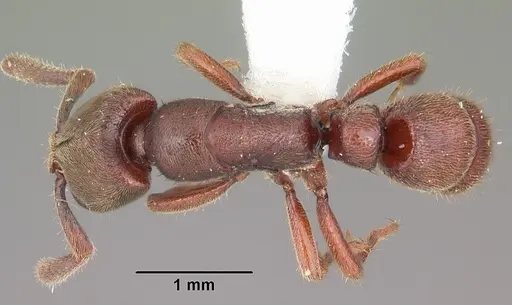
CASENT0104155
View on AntWeb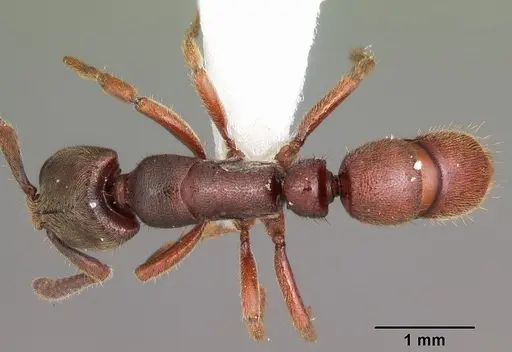
CASENT0217142
View on AntWeb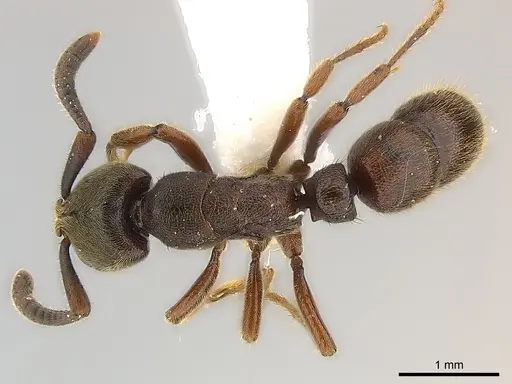
CASENT0235601
View on AntWeb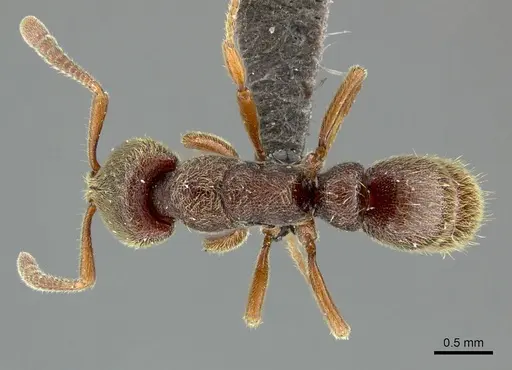
CASENT0249206
View on AntWeb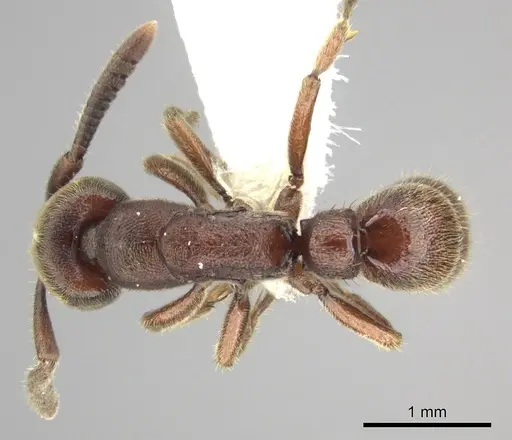
CASENT0286677
View on AntWeb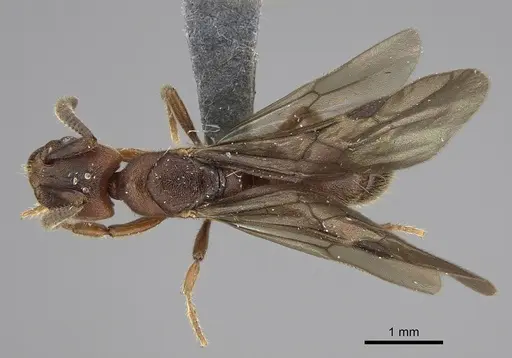
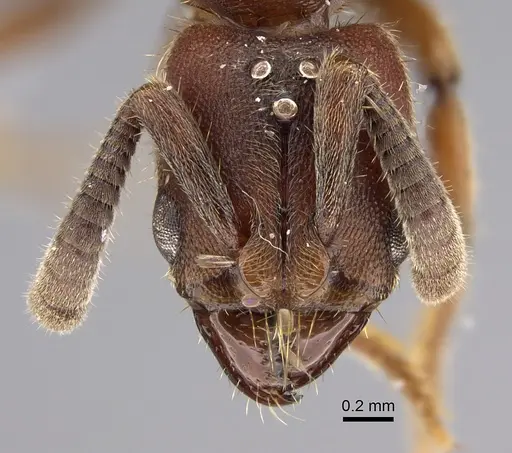
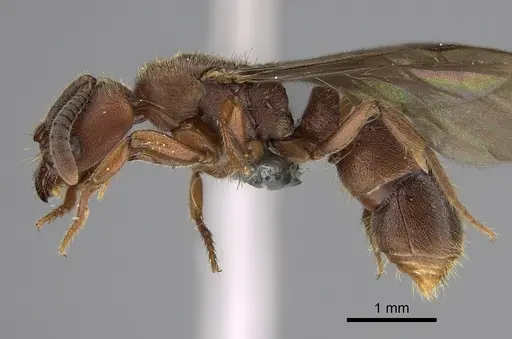
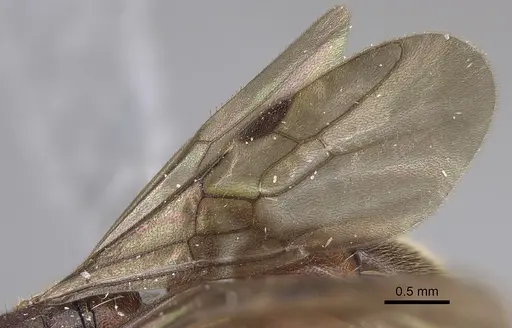
CASENT0296396
View on AntWeb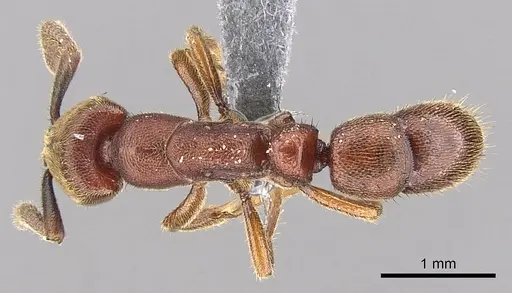
CASENT0872801
View on AntWeb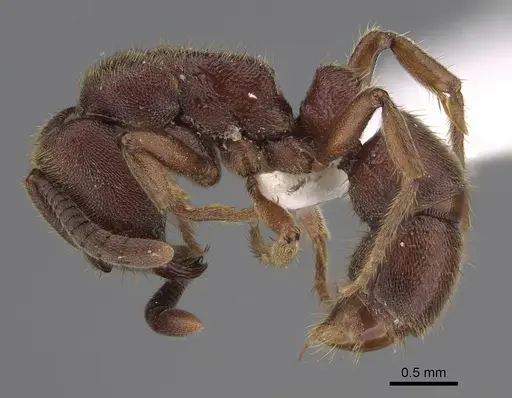
CASENT0882091
View on AntWeb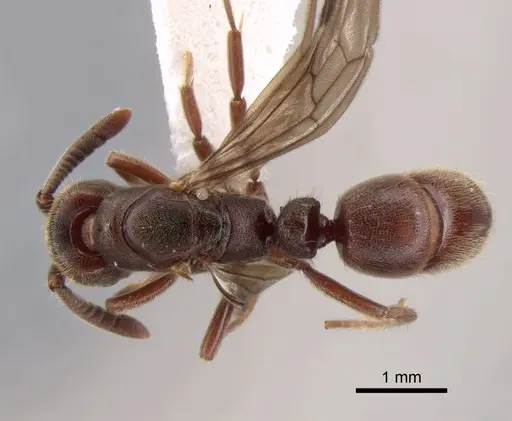
CASENT0915670
View on AntWeb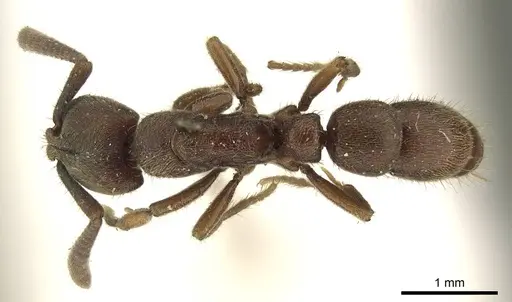
Literature
Loading...Loading products...