

Euponera rovana
- Scientific Name
- Euponera rovana
- Tribe
- Ponerini
- Subfamily
- Ponerinae
- Author
- Rakotonirina & Fisher, 2013
- Distribution
- Found in 1 countries
Euponera rovana Overview
Euponera rovana is an ant species of the genus Euponera. It is primarily documented in 1 countries , including Madagascar. Detailed taxonomic data and occurrence records can be further explored via authoritative databases such as AntWeb or the Global Biodiversity Information Facility (GBIF).
Euponera rovana
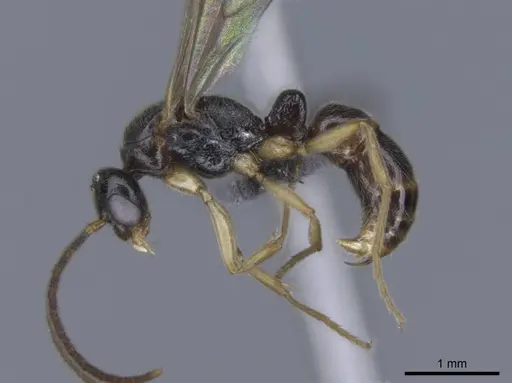
Euponera rovana is a medium-sized ponerine ant native to the rainforests of northeastern Madagascar. Workers measure 1.01-1.14mm in head width and 1.58-1.77mm in mesosoma length, with a dark brown coloration and golden hairs on the body [1][2]. This species is known only from the Makirovana Forest near Sambava, where it lives at elevations between 225-715m [1]. The workers forage through leaf litter on the forest floor, and colonies nest in rotten logs or under mats of roots and litter on rocks [1][2]. This is one of the rarer ponerine species in the ant-keeping hobby, with limited availability.
Quick Summary
- Difficulty: Medium
- Origin & Habitat: Northeastern Madagascar, specifically the Makirovana Forest near Sambava. Found in rainforest habitats at 225-715m elevation on east-facing mountain slopes [1][2].
- Colony Type: Colony structure is unconfirmed. Only the worker caste has been documented. Queens have not been described in the scientific literature.
- Size & Growth:
- Queen: Unknown, queen caste has not been described [2]
- Worker: Workers are 1.01-1.14mm HW (head width),1.13-1.26mm HL (head length), with a mesosoma length of 1.58-1.77mm [2].
- Colony: Unknown, colony size has not been documented in scientific literature
- Growth: Unknown
- Development: Unknown, development has not been studied. Based on typical Ponerinae patterns, expect 6-10 weeks at optimal temperature. (Development timeline is unconfirmed. Ponerine ants typically have longer development than many Myrmicinae species.)
- Antkeeping:
- Temperature: Keep at 22-26°C. This species comes from a warm rainforest environment in Madagascar, so aim for low-to-mid 20s°C with stable temperatures. A gentle gradient allows workers to self-regulate.
- Humidity: Keep substrate consistently moist but not waterlogged. These ants live in rainforest leaf litter and rotten logs, so they need high humidity, aim for 70-85% in the nest area. Provide a water source.
- Diapause: No, Madagascar is tropical with minimal seasonal temperature variation. However, slight slowdowns during cooler periods may occur.
- Nesting: In captivity, they do well in naturalistic setups with moist substrate or in Y-tong/plaster nests with high humidity. They naturally nest in rotten wood and under root mats, so provide damp nesting material. Avoid dry conditions.
- Behavior: Workers are foragers that search through leaf litter, suggesting active hunting behavior typical of Ponerinae. They are likely predatory on small invertebrates. Escape risk is moderate, these are not tiny ants but use fine mesh barriers anyway. Temperament is unknown but most Ponerinae can sting if threatened.
- Common Issues: high humidity maintenance is critical, drying out causes colony failure, limited availability makes this species difficult to acquire, predatory diet requires live prey, not suitable for keepers who want sugar-based feeding, colony size and development timeline are unknown, making care more challenging, only worker caste known, queen founding behavior is unconfirmed
Natural History and Distribution
Euponera rovana is endemic to northeastern Madagascar, known only from the Makirovana Forest near Sambava. This is a relatively small geographic range in the rainforests along the island's east coast. The elevation range of 225-715m places them in the low-to-mid elevation rainforest zone. Workers have been collected foraging through leaf litter, while colonies were found in rotten logs and under mats of roots and litter on rocks. This suggests they are ground-nesting ants that prefer damp, shaded microhabitats typical of forest floors. The species was originally described in 2013 as Euponera rovana and later moved to Euponera as part of taxonomic revisions [1][2].
Identification and Morphology
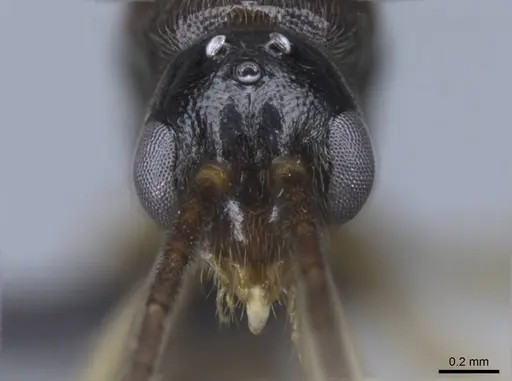
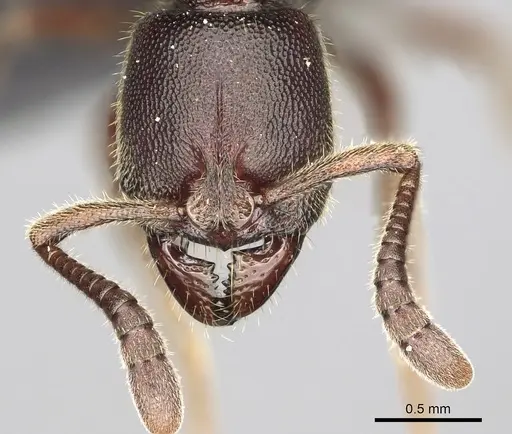
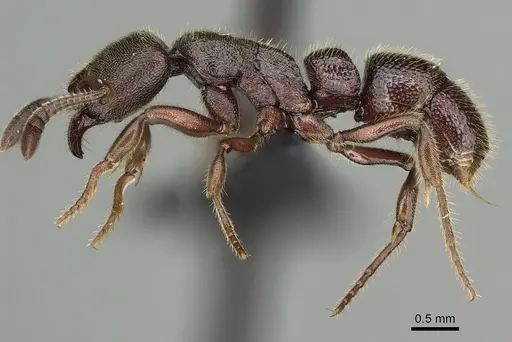
Workers of Euponera rovana are medium-sized for a ponerine ant, with a head width of 1.01-1.14mm. They can be identified by several key features: the anteromedial clypeal margin is broadly convex with a median blunt denticle, there are no sharp teeth or tubercles on the posterolateral margins of the propodeum and petiolar node, and the petiole node in dorsal view is nearly as long as broad. The mesopleuron and metapleuron are densely rugulose with superimposed punctures. The eyes are small, composed of only nine ommatidia. Coloration is dark brown with golden hairs on the body, being more abundant on the head and promesonotum, and longer on the petiole and gaster [2].
Housing and Nesting
In captivity, Euponera rovana does best in naturalistic setups that replicate their natural environment. They naturally nest in rotten logs and under root mats, so provide damp substrate material such as a mix of soil and rotting wood. Y-tong nests or plaster nests with high humidity chambers also work well. The key is maintaining consistently moist conditions without waterlogging. Provide a water source and ensure ventilation prevents mold buildup. Since they forage through leaf litter in the wild, include some substrate depth for them to explore and hunt. A small outworld connected to the nest allows workers to forage for prey.
Feeding and Diet
As a Ponerinae ant, Euponera rovana is likely predatory, feeding on small invertebrates they find in leaf litter. In captivity, offer small live prey such as fruit flies, pinhead crickets, mealworms, and other small insects. The small eye size (nine ommatidia) and leaf-litter foraging behavior suggest they are active hunters. Sugar sources may be accepted occasionally but should not be the primary food. Feed protein prey 2-3 times per week, and remove uneaten prey to prevent mold. Since colony size and growth rate are unknown, adjust feeding based on colony consumption.
Temperature and Humidity Requirements
Keep temperatures in the 22-26°C range, aiming for low-to-mid 20s°C. This matches their natural rainforest environment in Madagascar. Temperature stability is important, avoid drafts and sudden changes. For humidity, aim for 70-85% in the nest area. The forest floor environment they inhabit is consistently moist, so the substrate should feel damp to the touch. Provide a water reservoir in the nest setup and mist occasionally if needed. A heating cable on one side of the nest can create a gentle gradient if room temperature is below optimal.
Seasonal Care
As a tropical species from Madagascar, Euponera rovana does not require a true hibernation or diapause period. The island has minimal seasonal temperature variation, so year-round keeping at stable temperatures is appropriate. You may observe slight slowdowns during cooler periods, but this is not a true diapause. Maintain consistent temperature and humidity throughout the year. Avoid exposing them to temperatures below 18°C for extended periods.
Frequently Asked Questions
How long does it take for Euponera rovana to produce first workers?
The egg-to-worker timeline is unconfirmed as this species has not been studied in captivity. Based on typical Ponerinae development patterns, expect 6-10 weeks at optimal temperature (22-26°C). The lack of documented colony development makes this uncertain.
What do Euponera rovana ants eat?
They are likely predatory, feeding on small invertebrates. Offer live prey such as fruit flies, small crickets, mealworms, and other tiny insects. Sugar water may be accepted occasionally but should not be the primary food source.
What humidity do Euponera rovana need?
Keep humidity high at 70-85%. These ants live in rainforest leaf litter and rotten logs in the wild, so they need consistently moist conditions. The substrate should feel damp but not be waterlogged.
What temperature is best for Euponera rovana?
Maintain temperatures between 22-26°C. This matches their natural environment in the lowland rainforests of northeastern Madagascar. A gentle gradient allows workers to self-regulate.
Is Euponera rovana good for beginners?
This species is not ideal for beginners. Limited availability, unknown colony structure, and the need for high humidity make it a more challenging species. The lack of documented captive care information means keepers must work with estimates and inferences.
How big do Euponera rovana colonies get?
Colony size is unknown, this has not been documented in scientific literature. Based on similar Ponerinae species, colonies likely reach several hundred workers at most.
Can I keep multiple Euponera rovana queens together?
This is unknown. The colony structure (monogyne vs polygyne) has not been documented, and only workers have been described in scientific literature. Do not attempt combining unrelated queens without documented evidence of success.
What nest type is best for Euponera rovana?
Naturalistic setups with moist substrate or Y-tong/plaster nests with high humidity work best. They naturally nest in rotten wood and under root mats, so replicate these conditions with damp nesting material.
Where is Euponera rovana found in the wild?
This species is endemic to the Makirovana Forest near Sambava in northeastern Madagascar. It is known only from this single location at elevations of 225-715m in rainforest habitat.
Do Euponera rovana need hibernation?
No, they do not require hibernation. As a tropical species from Madagascar, they need year-round warm conditions. Slight slowdowns may occur during cooler periods but this is not a true diapause.
Why is Euponera rovana so rare in the ant-keeping hobby?
This species has a very limited natural distribution (only known from Makirovana Forest in northeastern Madagascar) and was only described in 2013. The limited scientific documentation and narrow geographic range make them rarely available from suppliers.
References

This caresheet is licensed under CC BY-SA 4.0 .
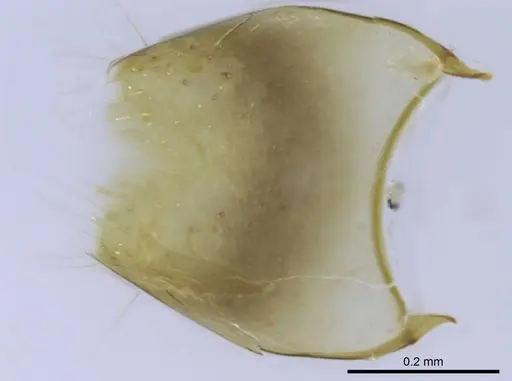
CASENT0212486
View on AntWeb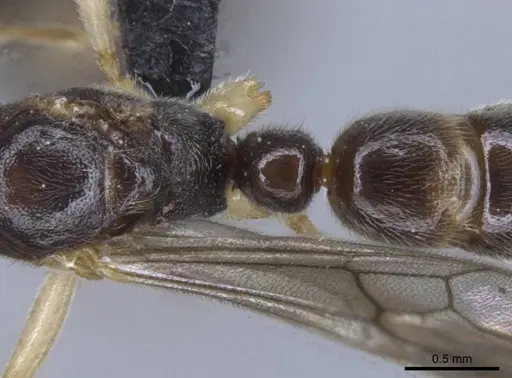
CASENT0231107
View on AntWeb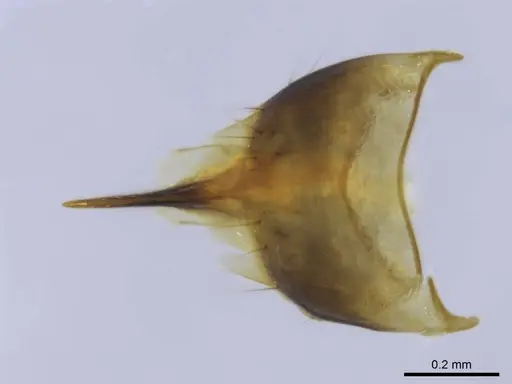
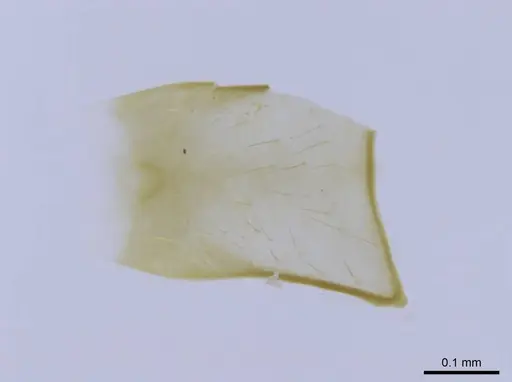
CASENT0243496
View on AntWeb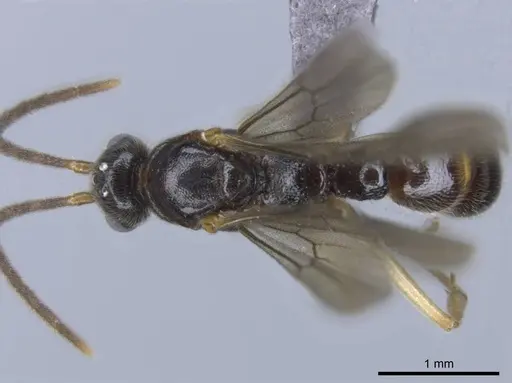
CASENT0247289
View on AntWeb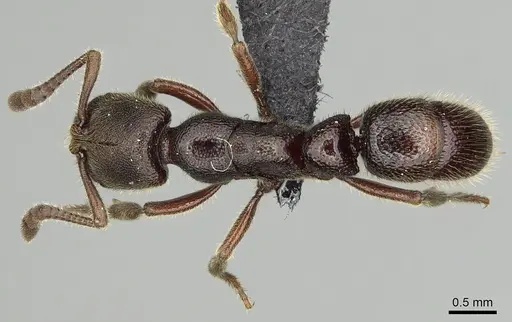
Literature
Loading...Loading products...