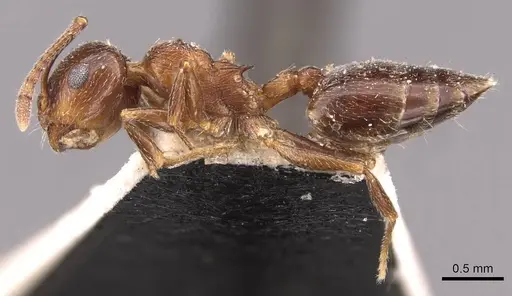
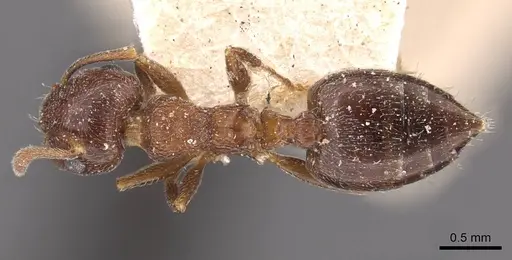
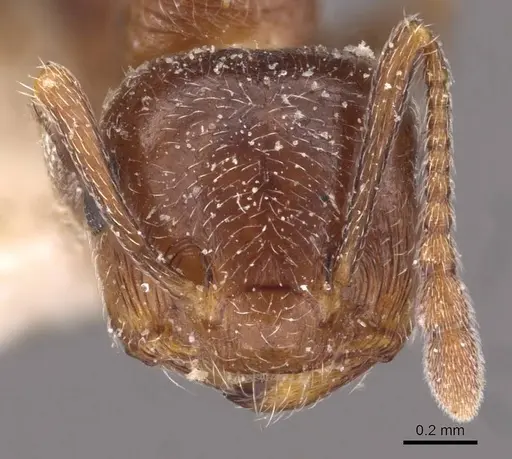
Crematogaster mosis - "Acrobat Ant / Cocktail Ant"
Crematogaster mosis is a species of acrobat ant, characterized by its distinctive heart-shaped gaster (abdomen) that workers can raise over their bodies when alarmed or defending the colony. This unique posture gives them their common names, 'Acrobat Ant' or 'Cocktail Ant'. Workers are typically small, and while specific sizes for C. mosis are not readily available, other Crematogaster workers range from 2-4 mm. They are known for their generalized and omnivorous foraging habits, often tending to sap-feeding insects for honeydew. Crematogaster species can be quite aggressive and territorial, especially larger colonies.
- Difficulty: Easy
- Origin & Habitat: Afrotropical Region (United Arab Emirates, Yemen) and Palaearctic Region (Israel, Lebanon). in Generally found in forest, woodland, and shrubby habitats. Many tropical species are arboreal (tree-dwelling), nesting in dead wood, hollow stems, or building carton nests. Some temperate species also nest in the ground, under leaf litter, or stones..
- Colony Type: Monogyne (single queen), though a few Crematogaster species can be polygynous., claustral (queen seals herself in). founding.
- Size & Growth:
- Queen: 7-9mm
- Worker: 2-4mm
- Colony: Medium (thousands), with some species forming large polydomous colonies blanketing forest canopies.. Fast, especially once the first workers arrive and conditions are optimal. They can reach thousands of workers in less than two years. growth.
- Antkeeping:
- Temperature: Preferred nest temperature is between 21-25°C. A heating mat or cable can accelerate brood development and colony growth. The outworld can be slightly warmer, between 20-28°C..
- Humidity: They do not have extreme humidity demands, preferring a range of 50-60% in the nest. They can tolerate drier conditions and are capable of raising nest humidity if it becomes too dry. The outworld can be kept at 30-50%..
- Diapause: Required. 2-3 months at 10-15°C.
- Nesting: In the wild, they often nest in dead trees, under bark, in hollow stems, or other tree cavities, as well as in logs, stumps, under leaf litter, and sometimes under stones. For artificial setups, a wooden nest is ideal, or a Ytong nest is a good alternative due to its moisture retention. Start with a small nest size appropriate for the colony..
- Behavior: Medium (towards handler, food or other ants) aggressiveness.
- Common Issues: Humidity fluctuations, Queen stress (especially during founding), Colony stalling (due to improper conditions), Escape attempts (due to high activity).
One of the most captivating aspects of keeping Acrobat Ants, or 'Cocktail Ants' as they're often called, is their unique defensive posture. When threatened, these ants will raise their heart-shaped gaster (abdomen) high over their heads, resembling an acrobat or a scorpion. This behavior is not just for show; they can also apply a defensive venom topically from their spatulate sting, which is quite effective at repelling or even deterring other ants. Observing this distinctive behavior in your formicarium is truly a highlight of antkeeping this genus.
Crematogaster species are generally quite active and exploratory, making them engaging to observe. It's recommended to introduce an outworld once your colony reaches around 15 workers, as they tend to wander. This also provides them ample space for foraging and disposing of waste, which they are remarkably good at keeping outside the nest, simplifying clean-up for the keeper. While they are known for their foraging prowess, ensuring a secure setup is key, as they can be a bit clumsy on smooth surfaces like plastic and glass.
When it comes to feeding your Crematogaster mosis colony, remember they are omnivores with a hearty appetite, especially during their rapid growth phases. They thrive on a balanced diet of sugary foods for the workers and protein for the queen and developing brood. Honey or sugar water are excellent carbohydrate sources, and for protein, various feeder insects like crickets, mealworms, or fruit flies are readily accepted. Providing a consistent food supply is crucial to support their impressive growth rate, which can see a colony swell to thousands of workers within a couple of years.
Diapause, or hibernation, is a vital part of the annual cycle for Crematogaster mosis, ensuring the queen's long-term health and the colony's vitality. From late October to early March, these ants require a period of reduced activity at cooler temperatures, ideally around 10-15°C. During this time, the queen pauses egg-laying, giving her a much-needed rest. While feeding isn't typically necessary during deep diapause, always ensure they have access to water. You can offer small amounts of carbohydrates and protein every other month in case they become active.
Crematogaster mosis colonies exhibit a fascinating social structure. While most Crematogaster species are monogyne (having a single queen), there have been reports of ergatogynes or 'intermediate workers' in some species. These morphologically unique females, larger than regular workers but smaller than queens, can lay unfertilized eggs that develop into males, especially in queenless colonies. Although not typically seen in C. mosis specifically, it highlights the complex and adaptive reproductive strategies within the wider Crematogaster genus.
Frequently Asked Questions
What makes Crematogaster mosis unique for antkeeping?
Crematogaster mosis, like other 'Acrobat Ants,' stands out because its workers can raise their heart-shaped gaster over their bodies when they feel threatened, performing a kind of 'cocktail' or 'acrobatic' pose. They also apply a defensive venom topically, making them truly engaging to watch and a unique addition to any ant setup.
Are Crematogaster mosis easy to keep for beginners?
Yes, Crematogaster mosis is considered an easy species for antkeepers. They are adaptable to a range of temperatures and humidity, grow relatively fast, and are generally robust. However, understanding their specific needs for nesting and diet is crucial for their success.
What's the best type of nest for a Crematogaster mosis colony?
Crematogaster mosis ants naturally love nesting in wood, so a wooden formicarium is often the top choice. If wood isn't an option, Ytong (aerated concrete) nests are also suitable due to their excellent moisture retention properties. Starting with a smaller nest that matches the colony's current size is always recommended.
Do Crematogaster mosis need to hibernate?
Yes, Crematogaster mosis requires a period of diapause, or hibernation, during the cooler months, typically from late October to early March. This resting phase, ideally at 10-15°C, is essential for the queen's health and the long-term well-being of the colony. Remember to provide constant access to water during this time.
What do Acrobat Ants eat?
These 'Cocktail Ants' are quite omnivorous! Their diet should include a good mix of sugary foods like honey water for the workers, and plenty of protein sources, such as freshly killed feeder insects (crickets, mealworms, fruit flies) for the queen and the growing brood. Consistent feeding supports their impressive growth rate.
How fast do Crematogaster mosis colonies grow?
Crematogaster mosis colonies are known for their rapid growth, especially once they're well-established with their first workers. With proper care and feeding, a colony can expand exponentially, potentially reaching thousands of workers in under two years!
Do Crematogaster mosis workers sting or bite?
Crematogaster ants possess a well-developed, spatulate sting, but they typically don't 'sting' in the traditional sense like a bee. Instead, they apply a defensive venom topically by wiping it on their aggressor, often while raising their gaster. While generally not aggressive towards handlers unless provoked, their defensive secretions can be an effective deterrent to other ants.
How can I prevent mold in my Crematogaster mosis nest?
While Crematogaster mosis isn't extremely sensitive to humidity, maintaining appropriate moisture levels and ensuring good ventilation are key to preventing mold. Regularly removing any uneaten food or waste from the outworld, where they dispose of debris, will also help keep the nest clean and mold-free.
What temperature is best for Crematogaster mosis?
For optimal growth and activity, keep your Crematogaster mosis nest between 21-25°C. A heating mat can be beneficial to encourage faster brood development. The outworld can have a slightly broader temperature range, from 20-28°C.
Are Crematogaster mosis prone to escaping their setup?
Crematogaster mosis workers are quite active and enjoy exploring, which can sometimes lead to escape attempts, especially if your enclosure isn't secure. They can be a bit clumsy on smooth surfaces, but it's still best to use a good escape barrier like PTFE (Fluon) on the walls of your outworld to keep them contained.
When should I provide an outworld for my Crematogaster mosis colony?
It's a good idea to introduce an outworld once your Crematogaster mosis colony reaches around 15 workers. This gives them dedicated foraging space and allows them to practice their natural behavior of disposing of waste outside the main nest, which helps maintain cleanliness within their living area.
How long does it take for a Crematogaster mosis egg to become a worker?
The full development from egg to adult worker for Crematogaster mosis generally takes about 4-6 weeks. This includes approximately 10 days from egg to larvae, 12-15 days from larvae to pupa, and another 10 days from pupa to worker. Optimal temperatures can help speed up this process.
Can I have multiple queens with Crematogaster mosis?
Crematogaster mosis is typically a monogyne species, meaning colonies usually have only one queen. While some other Crematogaster species can be polygynous (multiple queens), it's generally recommended to keep C. mosis with a single queen for optimal colony health and stability in a captive environment.