

Crematogaster striatula
- Scientific Name
- Crematogaster striatula
- Tribe
- Crematogastrini
- Subfamily
- Myrmicinae
- Author
- Emery, 1892
- Distribution
- Found in 3 countries
Crematogaster striatula Overview
Crematogaster striatula is an ant species of the genus Crematogaster. It is primarily documented in 3 countries , including Côte d'Ivoire, Cameroon, Ghana. Detailed taxonomic data and occurrence records can be further explored via authoritative databases such as AntWeb or the Global Biodiversity Information Facility (GBIF).
Crematogaster striatula
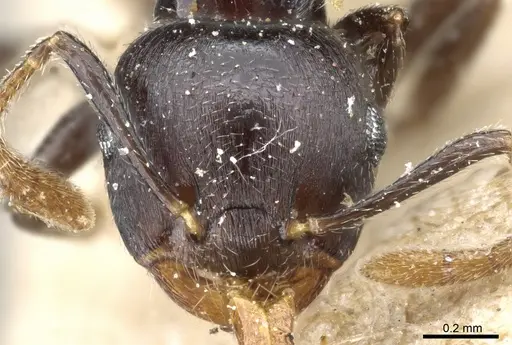
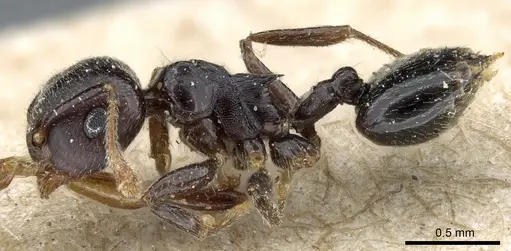
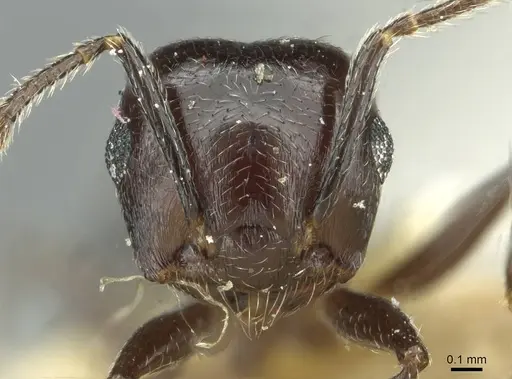
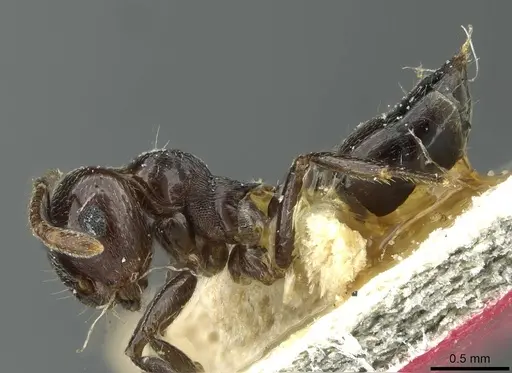
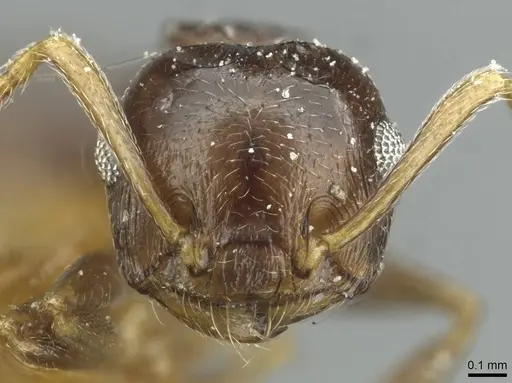
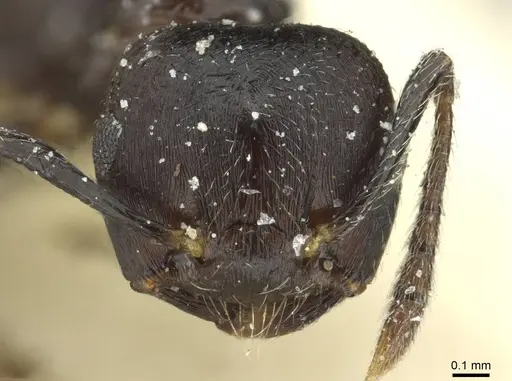
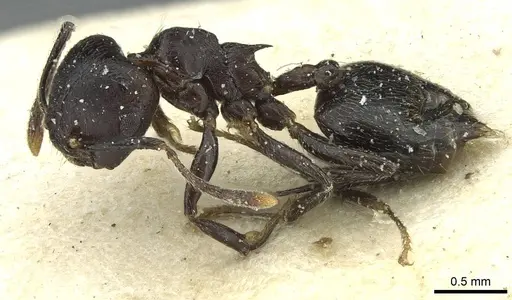
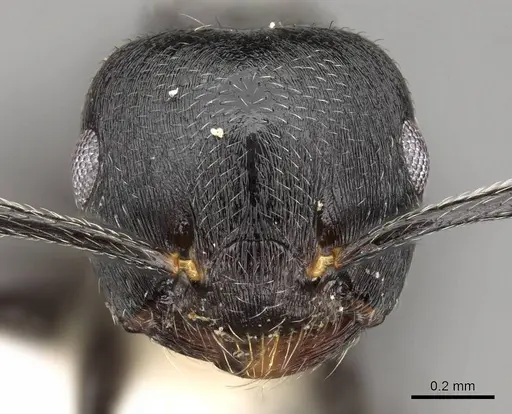
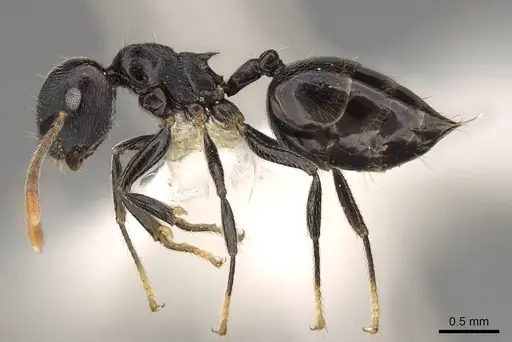
Crematogaster striatula is a small arboreal ant species native to West and Central Africa. Workers are typically 2-4mm with a distinctive heart-shaped gaster (the rounded rear part of the ant) that they raise in a defensive display when threatened. They have a dark brown to black coloration with lighter legs and antennae. This species is incredibly abundant in its native range, particularly in cocoa farms and forest edges across Cameroon, Ghana, Ivory Coast, and neighboring countries. What makes C. striatula particularly interesting is its mutualistic relationship with sap-sucking insects like psyllids, workers build protective carton shelters around these insects and in return collect the honeydew they produce. They are territorially dominant arboreal ants that form complex networks of nests in trees and use long-term trail systems to forage.
Quick Summary
- Difficulty: Medium
- Origin & Habitat: West and Central Africa including Cameroon, Ghana, Ivory Coast, Nigeria, Sierra Leone, and Democratic Republic of Congo. Found in tropical forests, cocoa agroforestry systems, and forest edges. This is an arboreal species that nests in tree crevices, twigs, and hollows rather than in soil [1][2].
- Colony Type: Likely single-queen colonies (monogyne) based on typical Crematogaster patterns, though colony structure is not extensively documented. They are polydomous, they build multiple connected nests and outstations in trees [3].
- Colony: Monogyne
- Founding: Claustral
- Size & Growth:
- Queen: Estimated 5-7mm based on genus typical sizes [4]
- Worker: 2-4mm [4]
- Colony: Large colonies, they are among the most abundant ant species in their range with thousands of workers in established colonies [5]
- Growth: Moderate, estimated 6-10 weeks from egg to first worker based on related Crematogaster species
- Development: 6-10 weeks (estimated based on genus patterns for tropical Crematogaster) (Development time is estimated, no direct species-specific data available. Tropical species typically develop faster than temperate ones.)
- Antkeeping:
- Temperature: Keep at 24-28°C. As a tropical arboreal species from West Africa, they need warm conditions. A heating cable on one side of the nest creates a temperature gradient they can choose from [4].
- Humidity: Moderate to high humidity (60-80%). These are forest ants that naturally experience humid conditions. Keep the nest substrate slightly moist but allow some drying between waterings. Mist occasionally but avoid waterlogging [1].
- Diapause: No, this is a tropical species that does not require hibernation. They remain active year-round in their native habitat [4].
- Nesting: Arboreal setup works best. These ants naturally nest in tree hollows, twigs, and crevices. In captivity, they do well in Y-tong (acrylic) nests, plaster nests with cork or wood sections, or naturalistic setups with cork pieces. They prefer tight, enclosed spaces scaled to their small size. Test tubes can work for founding colonies but may need to be modified to simulate tree-nesting conditions [2][6].
- Behavior: Crematogaster striatula is an active, arboreal forager with a generally non-aggressive temperament toward keepers but will defend their nest vigorously. Workers raise their heart-shaped gasters as a warning display when threatened, they can squirt formic acid from their gaster, though this is more of a deterrent than painful to humans. They are excellent escape artists due to their small size, so fine mesh barriers and tight-fitting lids are essential. They forage along established trails and collect honeydew from sap-sucking insects, small prey, and dead insects. Their polydomous nature means they may establish satellite nests, this is normal behavior, not a sign of colony stress [3][2].
- Common Issues: escape prevention is critical, their tiny size means they can squeeze through standard barriers, use fine mesh and tight-fitting lids, arboreal nesting means they need vertical space and climbing surfaces, horizontal-only setups may cause stress, colonies can be sensitive to disturbance when establishing satellite nests, avoid excessive colony inspections, tropical species, cold temperatures below 20°C can weaken or kill colonies, may be outcompeted by more aggressive ants like Pheidole megacephala if housed in shared spaces
Housing and Nest Setup
Crematogaster striatula is an arboreal species that requires housing that reflects its tree-dwelling nature. In the wild, these ants nest in tree hollows, twigs, and crevices in bark [2][6]. For captive care, Y-tong (acrylic) nests work well, especially those with cork or wood sections that simulate their natural tree-nesting environment. Plaster nests with inserted cork pieces also mimic their preferred conditions. Avoid fully horizontal setups, these ants prefer vertical space and will do better with some climbing structure. Test tubes can work for founding colonies but should be positioned to allow the queen to feel enclosed, similar to a tree cavity. Provide multiple connected chambers to accommodate their polydomous tendencies, they like to spread out and may establish satellite nests within their enclosure. Escape prevention is critical due to their tiny size, use fine mesh (at least 0.5mm) on all ventilation holes and ensure all lids fit tightly.
Feeding and Diet
In their native habitat, C. striatula is an opportunistic forager that collects multiple food sources. Workers tend sap-sucking insects like psyllids and aphids, collecting the honeydew these insects produce [7]. They also hunt small prey like springtails and other micro-arthropods, scavenge dead insects, and feed on extrafloral nectar from plants [3]. In captivity, offer a varied diet: sugar water or honey as a constant energy source, small live prey like fruit flies or pinhead crickets for protein, and occasional treats like mealworms. Since they naturally collect honeydew, they will readily accept sugar sources. Feed small amounts every 2-3 days and remove uneaten prey within 24 hours to prevent mold. Their small size means even tiny prey items are substantial meals, avoid offering oversized insects.
Temperature and Seasonal Care
As a tropical species from West and Central Africa, Crematogaster striatula requires warm temperatures year-round. Keep the nest area at 24-28°C (75-82°F). A heating cable placed on one side of the nest creates a temperature gradient that allows the ants to regulate their own conditions, they will move between warmer and cooler areas as needed. These ants are active throughout the year in their native habitat and do not enter diapause or hibernation. Room temperature is often insufficient unless your home is naturally warm, monitor with a thermometer and supplement with gentle heating if needed. Avoid temperatures below 20°C (68°F) as prolonged cold can weaken or kill colonies. No seasonal adjustments are needed, maintain consistent warm conditions year-round. [4]
Colony Behavior and Social Structure
Crematogaster striatula exhibits polydomous behavior, they build and maintain multiple nest sites connected by foraging trails rather than a single central nest [3]. This is a territorially dominant arboreal species that actively defends its foraging areas. Workers communicate using chemical trails and can establish long-term foraging networks. When threatened, workers raise their heart-shaped gaster in a distinctive warning display and may release formic acid as a defensive spray, this is rarely painful to humans due to their small size but serves as an effective deterrent against predators. They are known to build protective structures around sap-sucking insects like psyllids, creating carton shelters that protect these insects in exchange for honeydew [7]. This complex behavior demonstrates their sophisticated social organization. In captivity, you may notice workers establishing secondary nests within their enclosure, this is normal polydomous behavior, not a sign of colony stress.
Growth and Development
The colony growth rate for C. striatula is moderate. Based on typical Crematogaster development patterns, expect 6-10 weeks from egg to first worker (nanitic) at optimal temperature. The queen lays eggs in batches, and larvae develop through several instars before pupating. First-generation workers (nanitics) are typically smaller than mature workers but quickly help expand the colony. Once established, colonies can grow substantially, they are among the numerically dominant ant species in their native ecosystems, with thousands of workers in mature colonies [5]. Growth rate depends on temperature, feeding frequency, and colony size. Established colonies with multiple workers grow faster as they can forage more efficiently. Be patient during the founding phase, it can take several months before you see significant colony growth.
Common Challenges
The primary challenge with C. striatula is escape prevention. Their tiny worker size (2-4mm) means they can squeeze through gaps that would contain larger ants. Always use fine mesh on ventilation, check lid seals regularly, and consider barrier methods like fluon on enclosure edges. As an arboreal species, they may become stressed in horizontal-only setups, provide vertical climbing space and multiple chambers. They can be outcompeted by more aggressive ant species, so avoid housing them in shared spaces with aggressive species. When establishing satellite nests (normal polydomous behavior), avoid excessive disturbance that might cause the colony to abandon the nest. Finally, as tropical ants, they are vulnerable to cold, keep them warm and avoid placing their enclosure near windows or air conditioning vents.
Frequently Asked Questions
How long does it take for Crematogaster striatula to produce first workers?
Expect 6-10 weeks from egg to first worker at optimal temperature (24-28°C). This is an estimate based on related Crematogaster species since specific development data for C. striatula is not available. The founding phase can feel slow, be patient and ensure the queen is undisturbed.
Can I keep multiple Crematogaster striatula queens together?
Combining unrelated queens is not recommended. While colony structure is not extensively documented, Crematogaster species typically establish single-queen colonies. If you acquire multiple foundresses, house them separately until you can confirm one is established as the primary egg-layer.
Do Crematogaster striatula ants sting?
They can release formic acid from their gaster as a defensive spray, but due to their small size, this is not painful to humans. Their primary defense is the warning display where they raise their heart-shaped gaster.
What do Crematogaster striatula eat?
They are opportunistic feeders that accept sugar sources (honey, sugar water), small live prey (fruit flies, springtails), and dead insects. In captivity, offer honey or sugar water constantly and protein prey 2-3 times per week.
Are Crematogaster striatula good for beginners?
They are rated as medium difficulty. They are more challenging than common temperate species because they require tropical conditions (warmth year-round), escape prevention due to their small size, and an arboreal setup that mimics their tree-nesting behavior.
What temperature do Crematogaster striatula need?
Keep them at 24-28°C (75-82°F). As a tropical West African species, they need consistent warmth. A heating cable on part of the nest creates a gradient they can regulate themselves.
Do Crematogaster striatula need hibernation?
No. This is a tropical species that remains active year-round in its native habitat. Do not attempt to hibernate them, cold temperatures can weaken or kill the colony.
Why are my Crematogaster striatula escaping?
Their tiny size makes them excellent escape artists. Use fine mesh (0.5mm or smaller) on all ventilation, ensure lids fit tightly, and consider applying fluon barrier to enclosure edges. Check regularly for small gaps.
When should I move my colony to a formicarium?
Move to a formicarium once the colony reaches 20-30 workers and outgrows the founding test tube. For arboreal species like this, choose a setup with vertical climbing space and multiple chambers to accommodate their polydomous nature.
How big do Crematogaster striatula colonies get?
They can become very large, thousands of workers in mature colonies. They are among the numerically dominant ant species in their native ecosystems, particularly in cocoa farms across West Africa.
Are Crematogaster striatula aggressive?
They are not particularly aggressive toward keepers but will defend their nest vigorously. They are territorially dominant in their native range and can outcompete many other ant species. Their main defense is the warning display with their raised gaster.
References

This caresheet is licensed under CC BY-SA 4.0 .
CASENT0904482
View on AntWeb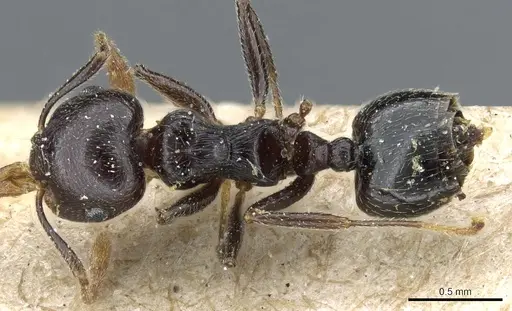
CASENT0912816
View on AntWeb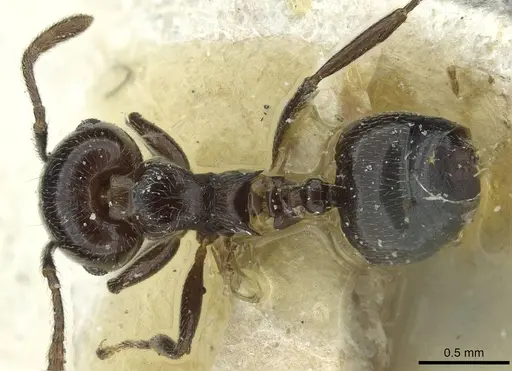
CASENT0912817
View on AntWeb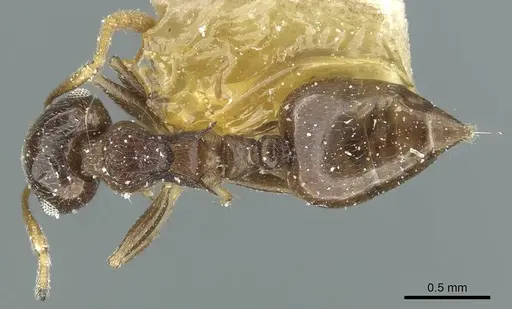
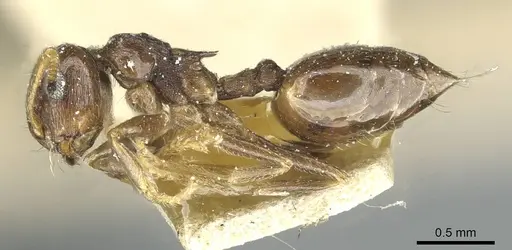
CASENT0912818
View on AntWeb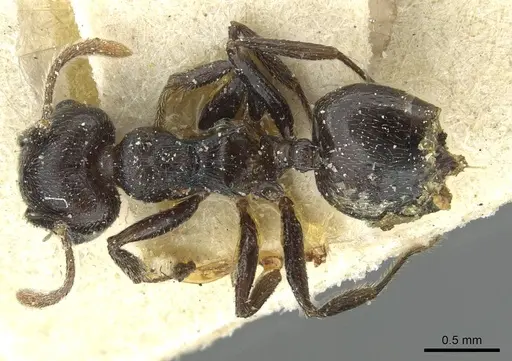
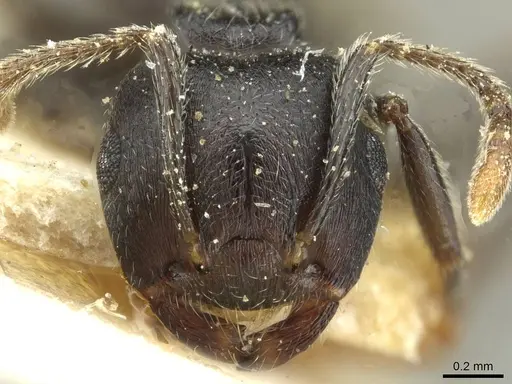
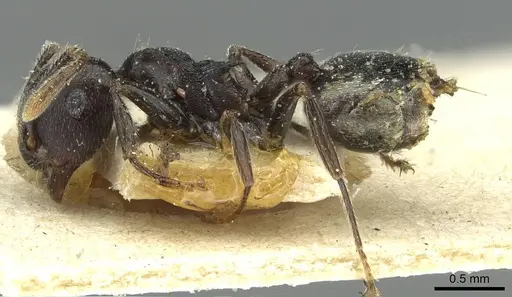
CASENT0912819
View on AntWeb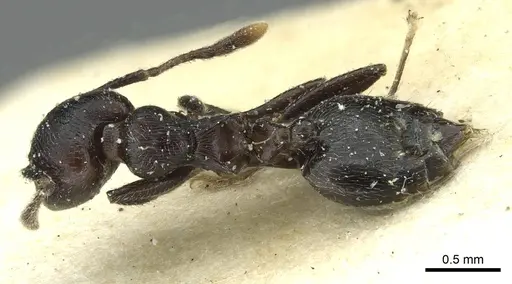
CASENT0914191
View on AntWeb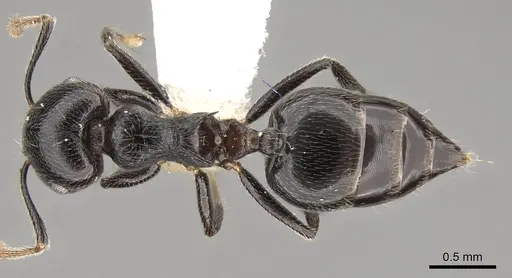
Literature
Loading...Loading products...