

Crematogaster bicolor
- Scientific Name
- Crematogaster bicolor
- Tribe
- Crematogastrini
- Subfamily
- Myrmicinae
- Author
- Smith, 1860
- Distribution
- Found in 1 countries
Crematogaster bicolor Overview
Crematogaster bicolor is an ant species of the genus Crematogaster. It is primarily documented in 1 countries , including Vanuatu. Detailed taxonomic data and occurrence records can be further explored via authoritative databases such as AntWeb or the Global Biodiversity Information Facility (GBIF).
Crematogaster bicolor
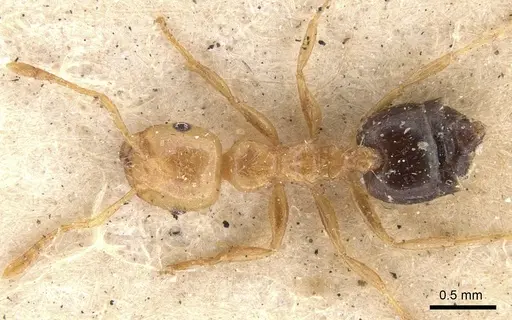
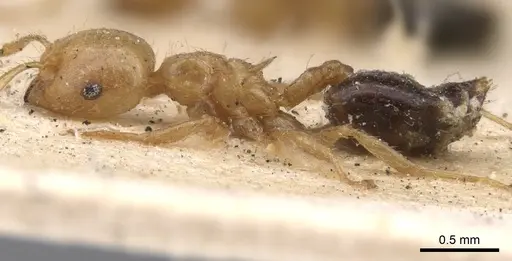
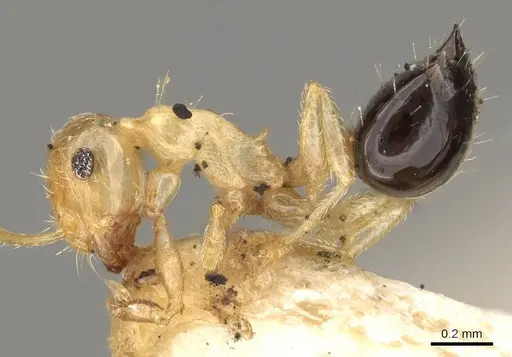
Crematogaster bicolor is a tiny myrmicine ant native to the Indonesian archipelago and surrounding regions. Workers measure approximately 3.2mm and have a distinctive appearance: honey-yellow body with a black abdomen, giving them their common name reference. The peduncle (the narrow waist connecting thorax and abdomen) and its nodes are yellow, and the entire body is very smooth and shining. Their abdomen is notably heart-shaped, and the thorax has two acute spines on the metathorax. This species was originally described by Frederick Smith in 1860 from specimens collected on Bacan Island (formerly Bachian) in the Maluku Islands of Indonesia [1]. They have since been recorded across the Indomalaya region including Sumatra, Singapore, and the Philippines [2]. These ants nest under bark, a typical behavior for their genus [3].
Quick Summary
- Difficulty: Medium
- Origin & Habitat: Tropical Indonesian archipelago, found on Bacan Island, Sumatra, and the Philippines. Nests under bark in forested areas [1][3].
- Colony Type: Colony structure is unconfirmed. The genus Crematogaster includes both single-queen and multi-queen species, but specific data for C. bicolor is lacking.
- Size & Growth:
- Queen: Estimated 5-7mm based on related Crematogaster species
- Worker: Approximately 3.2mm (1.5 lines) [1]
- Colony: Unknown, likely small to moderate based on typical genus patterns
- Growth: Unknown
- Development: Estimated 5-8 weeks based on typical Crematogaster development at tropical temperatures (Development timeline is estimated from genus-level data since species-specific research is unavailable)
- Antkeeping:
- Temperature: Keep warm, roughly 24-28°C. As a tropical Indonesian species, they need stable warmth. A heating cable on one side of the nest creates an appropriate gradient.
- Humidity: High humidity preferred, aim for 70-80%. Keep the nest substrate consistently moist but not waterlogged. Mist occasionally and provide a water tube.
- Diapause: No, tropical species do not require hibernation. Maintain warm conditions year-round.
- Nesting: They naturally nest under bark, so a Y-tong (AAC) nest or plaster nest works well. They prefer tight, enclosed chambers. Test tubes can work for founding colonies but may need moving to a formicarium as the colony grows.
- Behavior: Crematogaster ants are known for their distinctive heart-shaped abdomen and ability to raise it defensively (they can spray formic acid). Workers are active foragers and will search for honeydew and small prey. Their small size means escape prevention is critical, they can squeeze through tiny gaps. They are generally not aggressive toward keepers but will defend the nest if threatened.
- Common Issues: escape prevention is critical due to their tiny size, use fine mesh and tight-fitting lids, tropical humidity requirements can lead to mold if ventilation is poor, lack of species-specific care data means keepers must adapt from genus-level knowledge, small colony size makes them vulnerable to stress, handle gently during transfers
Appearance and Identification
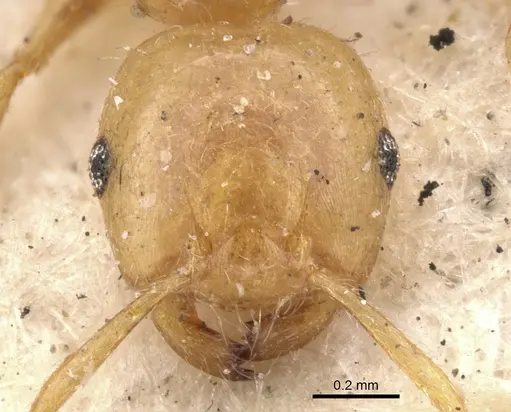
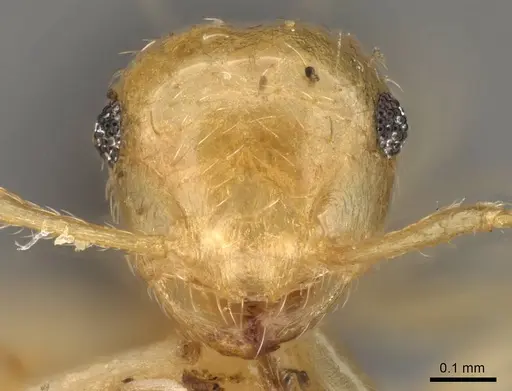
Crematogaster bicolor workers are small ants measuring approximately 3.2mm. They have a striking two-tone coloration: the head, thorax, and peduncle are honey-yellow while the abdomen is black. The body surface is very smooth and shining, with black eyes. Their most distinctive feature is the heart-shaped abdomen, which they can raise defensively. The thorax is flattened above, and the metathorax has two acute spines. The peduncle attaches to the basal segment of the abdomen from above, giving them their characteristic appearance [1]. These identification features are consistent with the genus Crematogaster, which is known for the heart-shaped gaster (abdomen).
Natural History and Distribution
This species was originally described by Frederick Smith in 1860 from specimens collected on Bacan Island (formerly Bachian) in the Maluku Islands of Indonesia, where they were found nesting under bark [1]. The type specimens were collected by Alfred Russell Wallace during his famous Malay Archipelago expedition. The species has since been recorded across the Indomalaya region, including Sumatra and the Philippines (Mindanao) [2]. The subspecies Crematogaster bicolor imbellis is also recognized [3]. As a tropical species from the Indonesian archipelago, they inhabit warm, humid forest environments where they nest under tree bark or in decaying wood.
Housing and Nest Preferences
In the wild, Crematogaster bicolor nests under bark, which tells us they prefer enclosed, dark spaces. For captive care, a Y-tong (AAC) nest or plaster formicarium works well, both provide the tight chambers and humid conditions they need. Test tubes can work for founding colonies, but the small workers may escape through gaps around cotton plugs, so use fine mesh barriers. As the colony grows, you may need to move them to a larger formicarium. Provide a water tube for humidity and mist the nest occasionally. Avoid overly wet conditions that can cause mold, but don't let the nest dry out completely.
Feeding and Diet
Like most Crematogaster species, they are omnivorous and will accept both sugar and protein sources. Offer sugar water, honey, or diluted syrup as a constant carbohydrate source. For protein, provide small insects like fruit flies, pinhead crickets, or mealworm pieces. They likely tend aphids in the wild for honeydew, so offering sugar sources is important. Feed protein 2-3 times per week, and keep sugar water available at all times. Remove uneaten prey after 24 hours to prevent mold.
Temperature and Humidity Requirements
As a tropical species from Indonesia, Crematogaster bicolor needs warm, humid conditions. Keep the nest at 24-28°C, this is warm for antkeeping but appropriate for tropical species. A heating cable on one side of the nest creates a gentle gradient, letting workers choose their preferred temperature. For humidity, aim for 70-80%, they come from damp tropical forests. Keep the substrate consistently moist but not waterlogged. A water tube in the outworld helps maintain humidity. Since they don't require hibernation, maintain these conditions year-round.
Behavior and Defense
Crematogaster ants have a distinctive defensive behavior: they can raise their heart-shaped abdomen over their head and spray formic acid at threats. This gives them their common name 'cocktail ants' for their habit of raising the abdomen like a cocktail glass. They are generally not aggressive toward keepers but will defend the colony if threatened. Workers are active foragers and will readily search for food. Their small size means they are excellent escape artists, use fine mesh on all openings and check for gaps regularly.
Frequently Asked Questions
How long does it take for Crematogaster bicolor to produce first workers?
The exact timeline is unknown for this species, but based on typical Crematogaster development, expect 5-8 weeks from egg to worker at optimal tropical temperatures (24-28°C). Be patient, small colonies grow slowly.
What do Crematogaster bicolor ants eat?
They are omnivorous. Offer sugar water, honey, or diluted syrup as a constant carbohydrate source. For protein, provide small insects like fruit flies, pinhead crickets, or mealworm pieces. Remove uneaten food after 24 hours.
Do Crematogaster bicolor ants sting?
They don't sting but can spray formic acid defensively. This is generally harmless to humans but can be irritating if sprayed in eyes. They are not considered dangerous to keepers.
Can I keep Crematogaster bicolor in a test tube?
Yes, test tubes work for founding colonies. However, due to their tiny size, ensure excellent escape prevention, use fine mesh barriers and check for gaps around cotton plugs. You may need to move them to a formicarium as the colony grows.
What temperature do Crematogaster bicolor ants need?
Keep them warm at 24-28°C. A heating cable on one side of the nest creates a gradient. They are tropical ants from Indonesia and need consistent warmth year-round, no hibernation is required.
How big do Crematogaster bicolor colonies get?
The maximum colony size is unknown for this species. Based on typical genus patterns, expect small to moderate colonies of probably under 500 workers. They are not among the larger Crematogaster species.
Are Crematogaster bicolor ants good for beginners?
They are rated Medium difficulty. The main challenges are their tiny size (escape prevention is critical) and the lack of species-specific care data. If you have experience with small Myrmicinae ants, they can be rewarding.
Do Crematogaster bicolor ants need hibernation?
No, they are a tropical species from Indonesia and do not require hibernation. Keep them warm and humid year-round. Sudden temperature drops can stress or kill them.
Why are my Crematogaster bicolor ants dying?
Common causes include: temperature stress (too cold or too hot), low humidity causing desiccation, escape-related losses (they are tiny), or mold from overly wet conditions. Check that your nest conditions match their tropical requirements.
When should I move Crematogaster bicolor to a formicarium?
Move them when the test tube becomes crowded or the water reservoir runs low. For this small species, a Y-tong or plaster nest works well. Make sure the new nest has appropriately sized chambers, tight spaces are better than large open areas.
References

This caresheet is licensed under CC BY-SA 4.0 .


Literature
Loading...Loading products...