

Crematogaster formosa
- Scientific Name
- Crematogaster formosa
- Subgenus
- Orthocrema
- Tribe
- Crematogastrini
- Subfamily
- Myrmicinae
- Author
- Mayr, 1870
- Distribution
- Found in 2 countries
Crematogaster formosa Overview
Crematogaster formosa is an ant species of the genus Crematogaster. It is primarily documented in 2 countries , including Guatemala, Mexico. Detailed taxonomic data and occurrence records can be further explored via authoritative databases such as AntWeb or the Global Biodiversity Information Facility (GBIF).
Crematogaster formosa
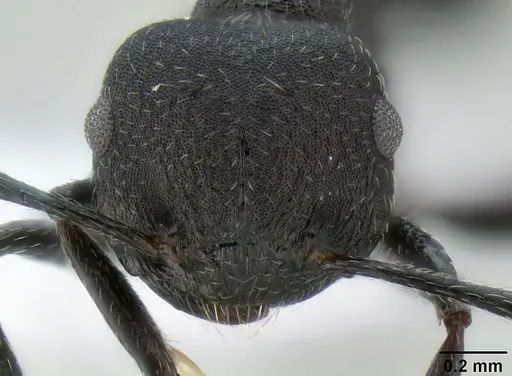
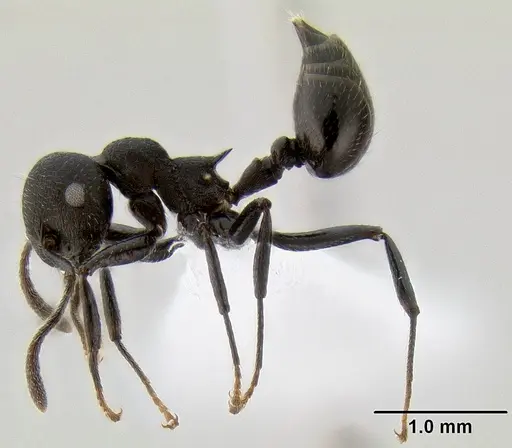
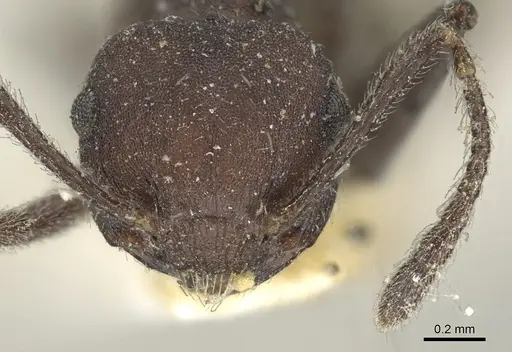
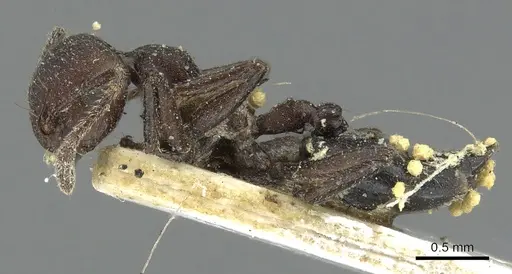
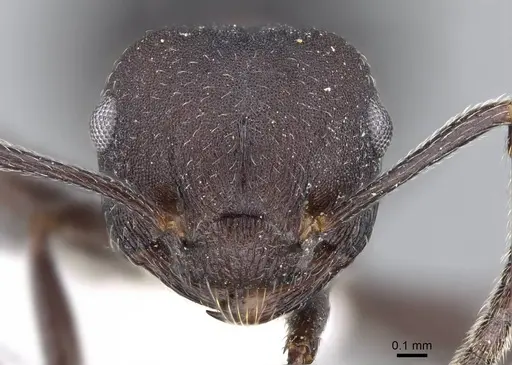
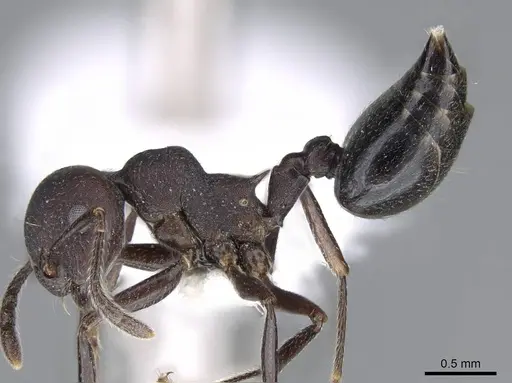
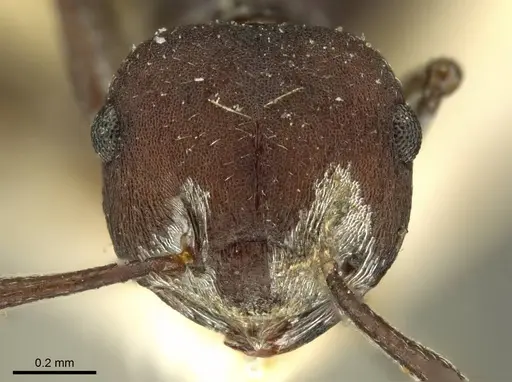
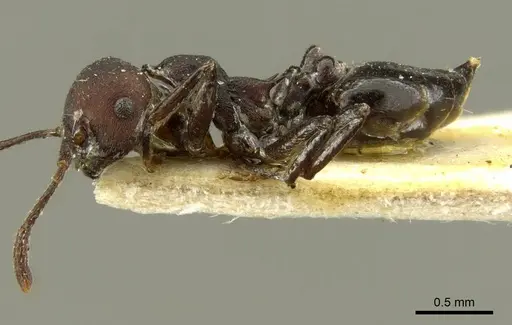
Crematogaster formosa is a small Neotropical ant species native to Mexico and Guatemala, where it inhabits cloud forest environments. Workers are tiny at 2-3mm with the characteristic heart-shaped abdomen that gives acrobat ants their name, they can raise their gaster over their head when threatened. The species has a dark brown to black coloration with a distinctly punctate (dotted) surface on the head and pronotum, which helps distinguish it from similar species [1]. This species belongs to the Orthocrema clade, a group within the diverse Crematogaster genus known for their arboreal tendencies and often complex colony structures [2].
Quick Summary
- Difficulty: Medium
- Origin & Habitat: Native to the Neotropical region, specifically Mexico and Guatemala. In the wild, these ants inhabit cloud forest environments where they typically nest in dead wood, under bark, or in hollow twigs [3]. They are often found in humid, shaded areas associated with tropical and subtropical forests.
- Colony Type: Colony structure is not fully documented for this specific species, but most Crematogaster species are polygyne (multiple queens) or facultatively polygyne. The genus is known for colonies that can have multiple egg-laying queens working together.
- Colony: Optionally polygyne
- Founding: Claustral
- Size & Growth:
- Queen: Approximately 5-6mm (estimated based on genus patterns)
- Worker: 2-3mm [1]
- Colony: Likely reaches several hundred to a few thousand workers (typical for Crematogaster)
- Growth: Moderate
- Development: 6-8 weeks (estimated based on genus patterns for Neotropical species) (Development time depends on temperature, warmer conditions within the safe range will speed up development)
- Antkeeping:
- Temperature: Keep at 22-26°C. As a Neotropical species from cloud forests, they prefer warm but not hot conditions with stable temperatures. A heating cable on one side of the nest can create a gentle gradient if room temperature falls below this range.
- Humidity: High humidity required, aim for 70-80%. Cloud forest origin means they need consistently moist conditions. Keep the nest substrate damp but not waterlogged, with some drier areas available for the ants to regulate their own humidity.
- Diapause: No, as a Neotropical species from a consistently warm climate, they do not require hibernation. However, they may slow down slightly during cooler periods.
- Nesting: Prefers nesting in wood or cork-based setups that retain moisture. Y-tong (AAC) nests, cork nests, or naturalistic setups with dead wood work well. They do well with tight-fitting chambers scaled to their small size. Avoid completely dry setups.
- Behavior: Workers are active foragers that search for honeydew, nectar, and small prey. They are not particularly aggressive toward humans but will defend their nest vigorously. Their small size means escape prevention is important, they can squeeze through small gaps. The characteristic acrobat behavior (raising the gaster) is their primary defense mechanism. Workers are fast-moving and will readily explore their outworld for food.
- Common Issues: high humidity can lead to mold growth if ventilation is poor, balance is key, small size makes escape prevention critical, use fine mesh and tight-fitting barriers, wild-caught colonies may carry parasites that can decimate captive colonies, overheating is a risk, keep temperatures below 30°C, colonies may be slow to establish during founding phase, patience is needed
Housing and Nest Setup
Crematogaster formosa does well in setups that mimic their natural arboreal habitat. Cork nests or Y-tong (AAC) nests work excellently as they hold humidity well while providing appropriate chamber sizes. The chambers should be scaled to their small 2-3mm worker size, tight passages help them feel secure. A water tube attached to the nest provides a constant moisture source. For the outworld, any standard container works, but ensure connections are secure since their small size allows them to escape through tiny gaps. A layer of substrate in the outworld is optional but can help with humidity. Lighting is not critical, they prefer dimmer conditions similar to their shaded forest floor habitat. [3][1]
Feeding and Diet
Like most Crematogaster species, these ants are omnivorous with a preference for sweet liquids. Offer sugar water, honey, or diluted maple syrup as a constant carbohydrate source. For protein, provide small insects like fruit flies, small crickets, or mealworm pieces. They will also scavenge on small amounts of seeds or dead insects. In their natural habitat, they are known to visit nectaries, they have been observed feeding on the nectar of ferns (Platycerium crassinervata) in Mexican cloud forests [4]. This shows they readily accept plant-derived sugars. Feed protein sources 2-3 times per week, and keep a sugar source available at all times. Remove uneaten prey after 24-48 hours to prevent mold.
Temperature and Seasonal Care
Maintain temperatures between 22-26°C for optimal colony health and brood development. As a species from the Mexican and Guatemalan cloud forests, they are accustomed to warm, humid conditions year-round. Avoid temperatures above 30°C as this can stress or kill the colony. Room temperature within this range is usually sufficient, but a small heating cable placed on one end of the nest can help during cooler months. Do not provide a diapause period, this species does not naturally experience cold winters. They may show slightly reduced activity during cooler periods but should remain active year-round if kept warm. Monitor for signs of overheating such as workers clustering away from heat sources. [2][3]
Behavior and Defense
Crematogaster formosa gets its common name from its distinctive defensive behavior, when threatened, workers raise their abdomen over their head like an acrobat balancing. This exposes the tip of the gaster, which can secrete irritating chemicals in some species. They are not known to sting humans but may attempt to bite if handled roughly. Workers are fast-moving and excellent foragers, quickly discovering food sources in the outworld. They communicate using chemical trails, so you may see them establishing paths to food. Colony defense is coordinated, if the nest is disturbed, multiple workers will respond. Their small size makes them less intimidating than larger ants, but they are still capable defenders of their territory. [1]
Colony Establishment and Growth
Founding queens are claustral, after mating, the queen seals herself in a small chamber and raises the first brood alone without foraging. She lives entirely on her stored fat reserves and wing muscles, which she breaks down to feed the developing larvae. This founding phase typically takes 4-6 weeks, after which the first workers (nanitics) emerge. These first workers are smaller than mature workers but immediately begin foraging to support the growing colony. Growth is moderate, established colonies can reach several hundred workers within the first year under good conditions. The colony will continue expanding as long as proper nutrition and conditions are maintained. Multiple queens may be present in established colonies, which can accelerate growth.
Common Problems and Solutions
The most common issues with keeping Crematogaster formosa relate to their small size and humidity requirements. Escape prevention is critical, even tiny gaps in tubing or lid seals can allow workers to escape. Use fine mesh on any air holes and check all connections regularly. Mold is another common problem caused by excessive humidity combined with poor ventilation. Ensure some airflow while maintaining moisture. Temperature extremes are dangerous, both cold (below 18°C) and hot (above 30°C) conditions can harm the colony. Wild-caught colonies may carry internal parasites that can devastate captive colonies, so quarantine and careful observation during the first few months is recommended. Finally, be patient during the founding phase, queens sealed in their chambers may seem inactive, but this is normal claustral behavior.
Frequently Asked Questions
How long does it take for Crematogaster formosa to get their first workers?
Expect first workers (nanitics) to emerge in about 6-8 weeks after the queen lays eggs, assuming temperatures around 24-26°C. This is typical for Neotropical Crematogaster species. The queen will remain sealed in her chamber until the first workers emerge.
Can I keep multiple Crematogaster formosa queens together?
Most Crematogaster species are facultatively polygyne, meaning they can have multiple queens. However, combining unrelated foundress queens is risky, they may fight initially. If you want to try a multi-queen colony, introduce them while still in founding claustral chambers and monitor for aggression.
What do Crematogaster formosa ants eat?
They are omnivorous but prefer sweet foods. Offer sugar water, honey, or maple syrup constantly. For protein, provide small insects like fruit flies, pinhead crickets, or mealworm pieces 2-3 times per week. They will also scavenge on dead insects.
Do Crematogaster formosa ants sting?
They do not sting humans. Their primary defense is the acrobat behavior, raising the abdomen over the head, and some species can secrete irritating chemicals. They may bite if handled roughly, but they are not considered dangerous to humans.
What temperature is best for Crematogaster formosa?
Keep them at 22-26°C. This Neotropical cloud forest species prefers warm conditions but not extreme heat. Room temperature in this range is ideal. Avoid temperatures above 30°C.
Are Crematogaster formosa good for beginners?
They are rated as medium difficulty. They require high humidity and careful escape prevention due to their small size, which makes them slightly more challenging than larger, hardier species. However, their moderate care requirements make them manageable for intermediate antkeepers.
How big do Crematogaster formosa colonies get?
Based on genus patterns, established colonies likely reach several hundred to a few thousand workers. Growth is moderate, expect a well-established colony after 1-2 years with proper care.
Do Crematogaster formosa need hibernation?
No. As a Neotropical species from Mexico and Guatemala, they do not require a diapause or hibernation period. They remain active year-round when kept at their preferred temperature range of 22-26°C.
What size escape prevention do I need for Crematogaster formosa?
Because workers are only 2-3mm, use fine mesh (at least 0.5mm) on all ventilation holes. Check all tube connections and lid seals regularly, these tiny ants can squeeze through remarkably small gaps. Fluon applied to the inner rim of the outworld lid helps create a barrier.
When should I move Crematogaster formosa to a formicarium?
Keep them in a test tube or small container for the founding phase (first 6-12 months). Once the colony reaches 50+ workers and you see consistent activity, you can connect them to a larger formicarium or outworld setup. They do well in cork or Y-tong nests that hold humidity well.
References

This caresheet is licensed under CC BY-SA 4.0 .
CASENT0193615
View on AntWeb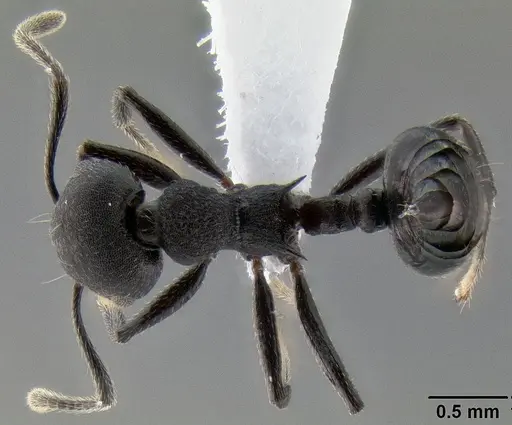
CASENT0902153
View on AntWeb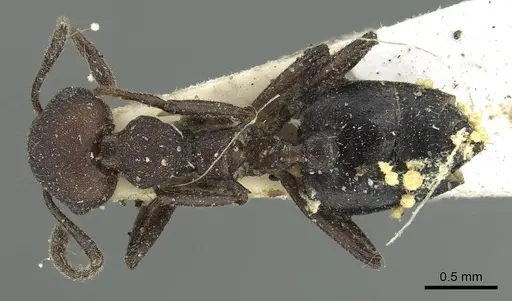
CASENT0914567
View on AntWeb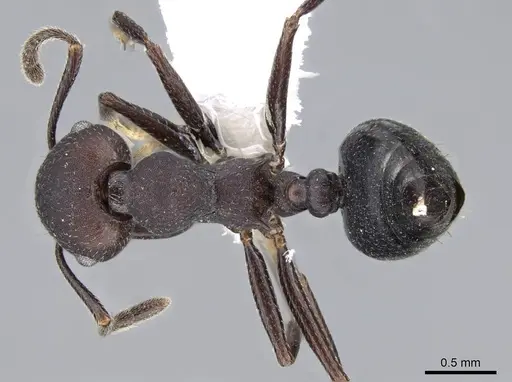
CASENT0919702
View on AntWeb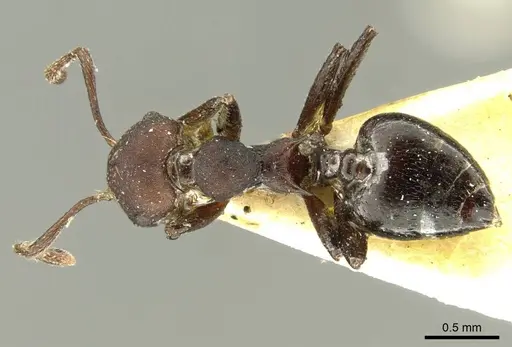
Literature
Loading...Loading products...