

Bothriomyrmex paradoxus
- Scientific Name
- Bothriomyrmex paradoxus
- Tribe
- Bothriomyrmecini
- Subfamily
- Dolichoderinae
- Author
- Dubovikoff & Longino, 2004
- Distribution
- Found in 3 countries
Bothriomyrmex paradoxus Overview
Bothriomyrmex paradoxus is an ant species of the genus Bothriomyrmex. It is primarily documented in 3 countries , including Costa Rica, Honduras, Mexico. Detailed taxonomic data and occurrence records can be further explored via authoritative databases such as AntWeb or the Global Biodiversity Information Facility (GBIF).
Bothriomyrmex paradoxus
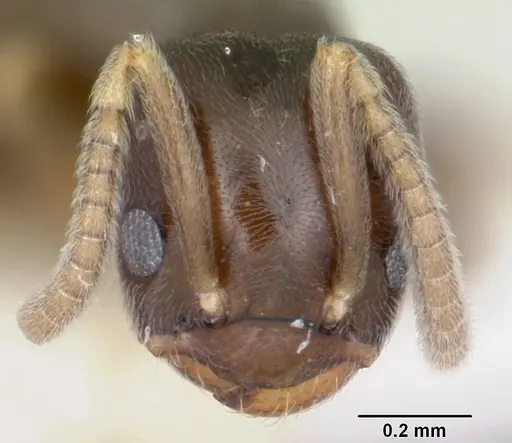
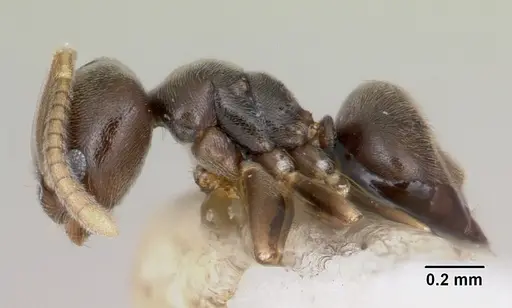
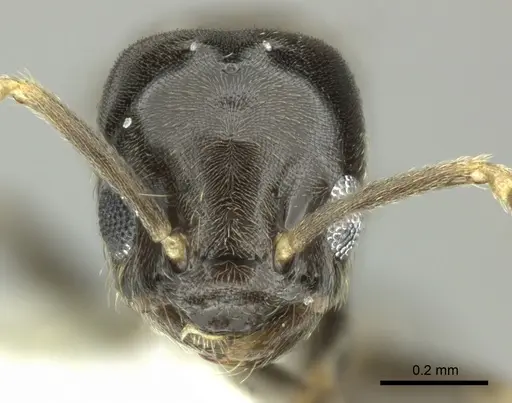
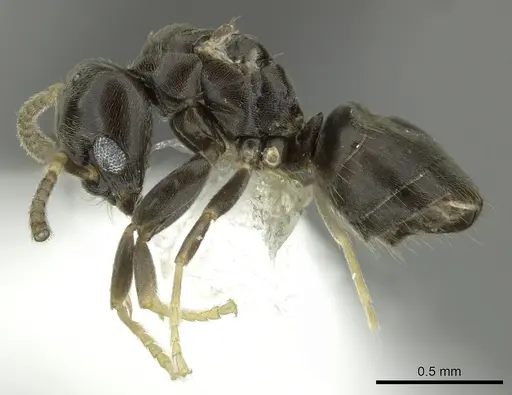
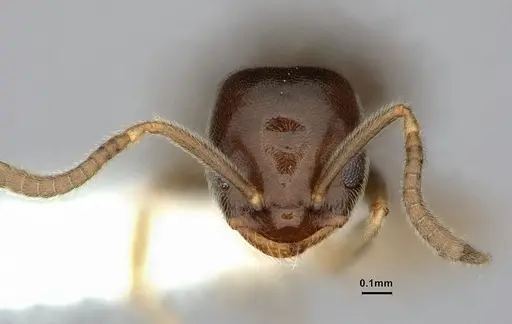
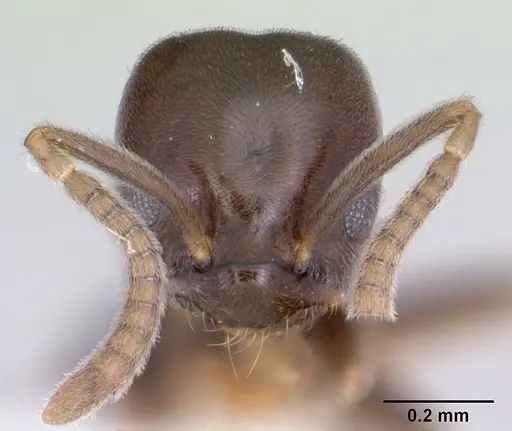
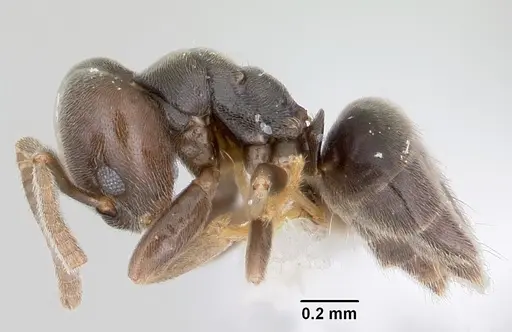
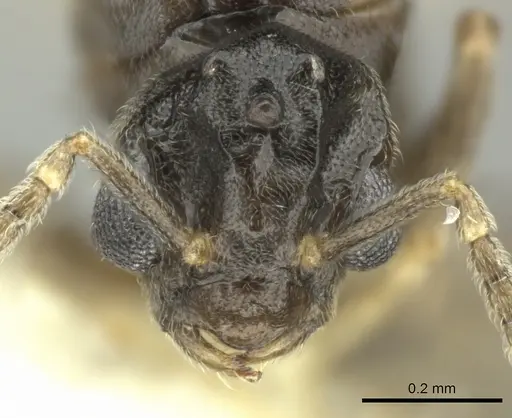
Bothriomyrmex paradoxus is a tiny, dark brown ant native to Costa Rica and Honduras, representing the first member of its genus discovered in the New World. Workers measure just 0.52mm in head width, making them among the smaller ants you might encounter. Queens are slightly larger at 0.53-0.54mm. The species features a characteristic dark brown body with lighter antennae and legs, covered in short dense pubescence with longer setae on the gaster. This ant belongs to the Dolichoderinae subfamily and tribe Bothriomyrmecini, a group known for unusual social behaviors. The species was only described in 2004,making it a relatively recent discovery, and appears to be a relict species isolated in Central America from its Old World relatives for a very long time [1][2].
What makes this species particularly interesting is its lifestyle. In the wild, colonies nest beneath epiphyte mats on fallen trees in tropical montane forest, often found alongside scale insects (Margarodidae) that provide honeydew. Like other Bothriomyrmex species, it may exhibit temporary social parasitism, the queen invades a host colony (likely Tapinoma), kills the host queen, and uses the host workers temporarily until her own workers hatch. This behavior is known from Palearctic relatives but remains unconfirmed for B. paradoxus [1].
Quick Summary
- Difficulty: Unknown, species not yet kept in captivity
- Origin & Habitat: Tropical montane moist forest in Costa Rica and Honduras, found at 500-1100m elevation. Nests beneath epiphyte mats on fallen trees in mature rainforest [1][2].
- Colony Type: Colony structure is unconfirmed. Wild colonies contain workers and brood piles, with dealate queens and males collected. Like related species, may exhibit temporary social parasitism where queens invade host colonies [1].
- Queen: Temporary parasitic
- Size & Growth:
- Queen: 0.53-0.54mm head width,6-7mm total length (estimated from measurements) [1]
- Worker: 0.52mm head width, approximately 3-4mm total length [1]
- Colony: Unknown, no colony size data available [1]
- Growth: Unknown
- Development: Unknown, no development data available (Development timeline has not been studied. Related Dolichoderines typically develop from egg to worker in 4-8 weeks at tropical temperatures.)
- Antkeeping:
- Temperature: Keep at 22-26°C as a starting point. This species comes from tropical montane Costa Rica (500-1100m elevation), so it prefers warm but not extreme conditions. Use a heating cable on one side of the nest to create a gentle gradient if your room temperature falls below this range [1].
- Humidity: High humidity required, these ants live under epiphyte mats in humid tropical forest. Keep the nest substrate consistently moist but not waterlogged. Provide a water tube and mist occasionally, but ensure ventilation prevents mold buildup [1].
- Diapause: Unknown, as a tropical species from Costa Rica, true hibernation is unlikely. Seasonal activity changes may occur but have not been documented [1].
- Nesting: In nature, they nest under epiphyte mats on fallen trees, a humid, sheltered microhabitat. For captivity, a small test tube setup or small acrylic nest works well given their tiny size. Keep the nest humid and dark. The very small worker size means escape prevention must be excellent, use fine mesh barriers [1].
- Behavior: These are tiny, ground-dwelling ants found in the forest floor stratum. They are likely docile and non-aggressive, consistent with other Dolichoderines. Their primary defense is chemical, they can release defensive compounds from their glands rather than using stings. The very small size means excellent escape prevention is critical, they can squeeze through tiny gaps. Foraging style is likely opportunistic, gathering honeydew from scale insects and small insects [1][3].
- Common Issues: Species not yet kept in captivity, all care recommendations are extrapolated from habitat data and related species, tiny size makes escape prevention critical, use fine mesh and tight-fitting lids, temporary social parasitism behavior (if confirmed) means founding may require a host colony, no established feeding protocols, start with sugar water and small live prey, humidity requirements are high, dry conditions will likely kill colonies
Discovery and Distribution
Bothriomyrmex paradoxus was only described in 2004 by Dmitry Dubovikoff and John Longino, making it one of the more recently discovered ant species. It holds a special place in ant biogeography as the first member of its genus found in the Americas. Previously, the genus Bothriomyrmex was considered strictly Old World (Palearctic, Oriental, Australasian regions), so finding this species in Costa Rica was unexpected, hence the name 'paradoxus' [1][4].
The species is known from only two widely separated localities in Costa Rica: one at 500m elevation in Heredia Province (11km SE La Virgen) and another at 1100m in Guanacaste Province (Estación Cacao). More recent collections have also confirmed its presence in Honduras. Both locations are in tropical montane moist forest with epiphyte-laden trees, suggesting this species prefers humid, shaded forest habitats at moderate elevations [2][1].
Natural History and Nesting
In the wild, Bothriomyrmex paradoxus nests beneath epiphyte mats on fallen trees in mature rainforest. Researchers found workers and brood piles abundant under these mats, particularly where large Margarodidae (scale insects) were present. These scale insects provide a steady source of honeydew, which the ants tend like cattle [1].
The epiphyte mat environment provides ideal conditions: high humidity, protection from predators, and consistent temperatures. The ants were found interdigitated with other ant species including Hypoponera opacior, various Solenopsis, Tapinoma, Crematogaster sotobosque, and Pheidole biconstricta. Near forest edges, invasive Solenopsis geminata was actively invading the area, showing how this species may be displaced by more aggressive competitors [1].
Potential Social Parasitism
Like other Bothriomyrmex species, B. paradoxus may exhibit temporary social parasitism. In this behavior, a newly mated queen enters a host colony (likely Tapinoma based on associations), kills or displaces the host queen, and uses the host workers to raise her first brood. Once her own workers emerge, they take over the colony [1].
This behavior has been documented in Palearctic Bothriomyrmex species but remains unconfirmed for B. paradoxus. If true, it would have significant implications for captive husbandry, you might need to introduce the queen to a small Tapinoma colony rather than allowing her to found independently. However, more research is needed to confirm this behavior in this specific species.
Taxonomy and Relict Status
Bothriomyrmex paradoxus belongs to Bothriomyrmex s.s. (stricto sensu, meaning the strict definition of the genus) and is part of the tribe Bothriomyrmecini. Despite being found in Central America, it shares morphological traits with Palearctic species rather than Asian or Australian members of the genus [1][5].
The species is considered a relict, a survivor of an ancient lineage that was once more widespread. The genus likely originated in the Oriental region around 42 million years ago and subsequently spread to the Palearctic. B. paradoxus may represent an ancient lineage that became isolated in Central America when global climate patterns shifted, similar to other relict species like Technomyrmex fulvus and Perissomyrmex snyderi in the region [6][1].
Care Recommendations
Since this species has never been kept in captivity, all care recommendations are educated guesses based on its natural habitat and related species. Start with a small test tube setup or mini acrylic nest, these tiny ants need appropriately scaled housing. Maintain temperatures of 22-26°C and high humidity similar to tropical forest floor conditions [1].
For feeding, offer sugar water (honey or sugar solution) as a primary energy source, plus small live prey like fruit flies or springtails. The association with scale insects in the wild suggests they may rely heavily on honeydew/sugar sources. Given their very small size, escape prevention must be excellent, use fine mesh barriers and ensure all connections are sealed. Start with conservative approaches and adjust based on colony behavior [1].
Frequently Asked Questions
Can I keep Bothriomyrmex paradoxus in captivity?
This species has never been documented in the antkeeping hobby. All care recommendations are extrapolated from its natural habitat in Costa Rica and behavior of related Palearctic species. If you obtain a colony, expect a learning curve and be prepared to adjust conditions based on colony response.
What do Bothriomyrmex paradoxus ants eat?
In the wild, they associate with scale insects (Margarodidae) and feed on honeydew. They likely also hunt small invertebrates. In captivity, offer sugar water or honey as a primary food source, plus small live prey like fruit flies or pinhead crickets. Start with sugar sources given their association with honeydew-producing insects.
How big do Bothriomyrmex paradoxus colonies get?
Colony size is unknown, no scientific data exists on maximum colony size. Related Dolichoderine species typically form colonies ranging from dozens to a few hundred workers.
What temperature do Bothriomyrmex paradoxus ants need?
Based on their tropical montane habitat in Costa Rica (500-1100m elevation), aim for 22-26°C. This is warmer than room temperature for most homes, so you may need a small heating cable or heat mat on one side of the nest to maintain these temperatures.
Do Bothriomyrmex paradoxus ants need hibernation?
As a tropical species from Costa Rica, true hibernation is unlikely. The species probably experiences seasonal activity changes but not a winter dormancy period. Do not attempt hibernation unless you observe clear seasonal slowing in captivity.
How do I start a Bothriomyrmex paradoxus colony?
Founding behavior is unconfirmed. If they follow the pattern of related Bothriomyrmex species, the queen may practice temporary social parasitism, invading a host colony like Tapinoma. However, claustral founding (queen sealing herself in and raising first workers alone) cannot be ruled out. No established protocols exist for this species.
Are Bothriomyrmex paradoxus ants good for beginners?
No, this species is not recommended for beginners. It has never been kept in captivity, no established care protocols exist, and its small size and potential social parasitism make it challenging. Additionally, obtaining a colony may be difficult as the species is only known from limited wild collections.
What is the egg to worker timeline for Bothriomyrmex paradoxus?
Unknown, development has not been studied. Based on related Dolichoderines in tropical conditions, expect approximately 4-8 weeks from egg to first worker, but this is purely an estimate.
Can I keep multiple queens together?
Unknown, colony structure has not been documented. Do not attempt combining unrelated queens until more is known about their social structure.
References

This caresheet is licensed under CC BY-SA 4.0 .
CASENT0103277
View on AntWeb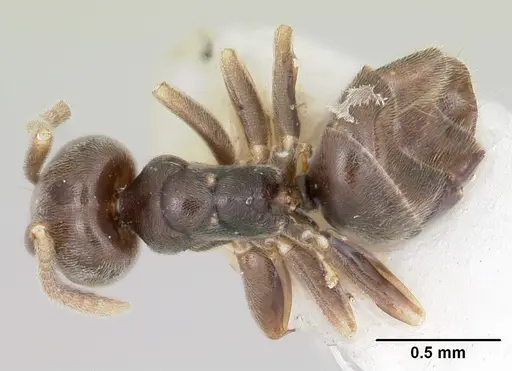
CASENT0617893
View on AntWeb
CASENT0886029
View on AntWeb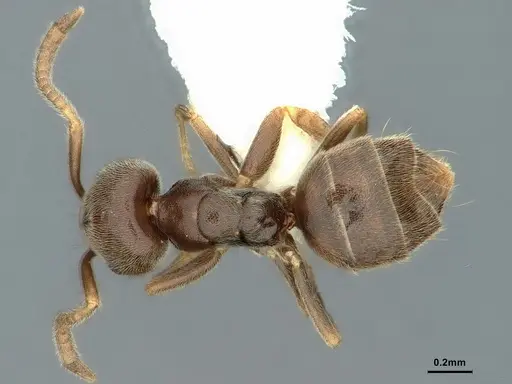
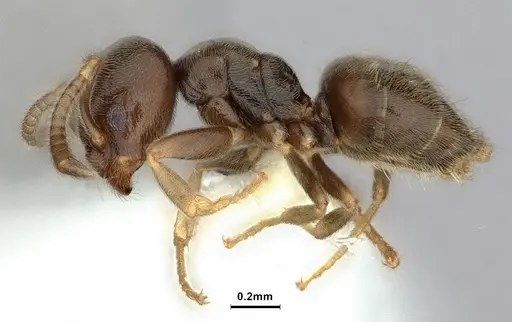
JTLC000003511
View on AntWeb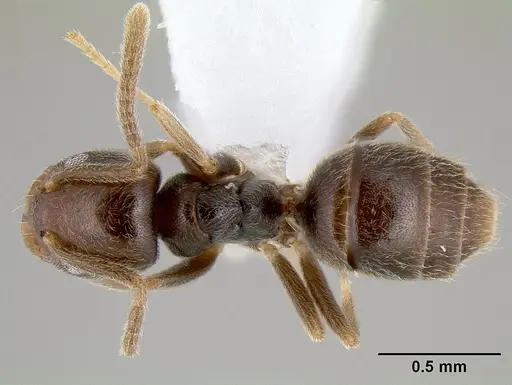
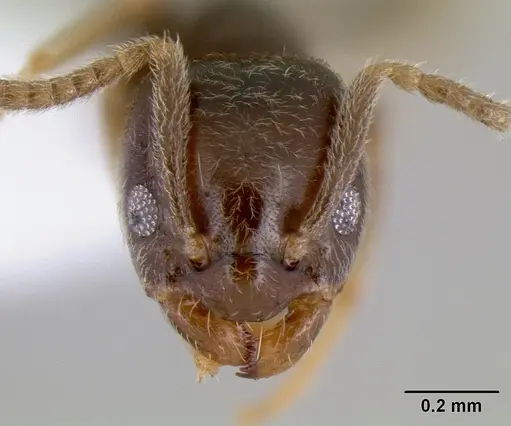
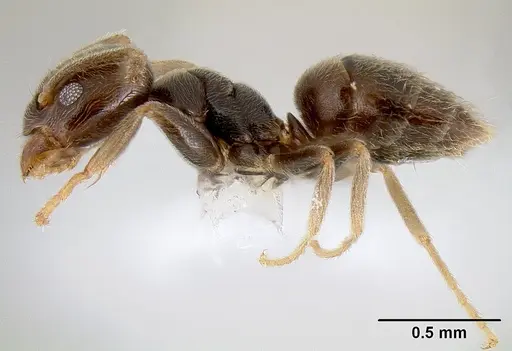
JTLC000003512
View on AntWeb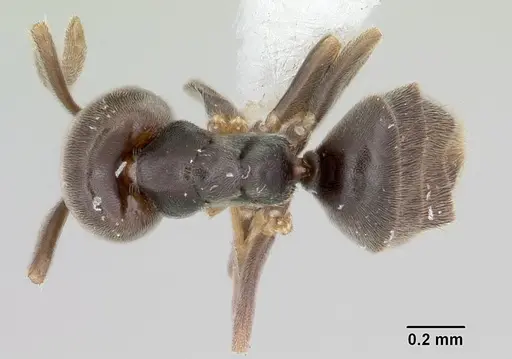
JTLC000004271
View on AntWeb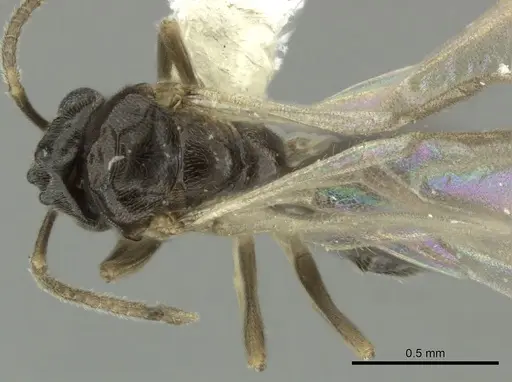
Literature
Loading...Loading products...