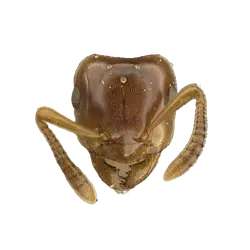
Lepisiota frauenfeldi - "Browsing Ant"
The Browsing Ant, Lepisiota frauenfeldi, is a slender, shiny, dark brown ant species, typically 3-4 mm long, with long antennae and legs. When disturbed, they exhibit a characteristic rapid, haphazard movement, similar to crazy ants. This species is monomorphic, meaning all workers are the same size. They are known for forming supercolonies, which can reach very large numbers, and are considered an invasive species in many regions due to their competitive nature and ability to displace native ant species and other invertebrates.
- Difficulty: Medium
- Origin & Habitat: Southern Europe, Mediterranean, Middle East, Asia (Palearctic region), with introduced populations globally. in Thermophilous species found in a variety of dry, open habitats including luminous deciduous and pine forests, mixed forests, roadsides, olive plantations, dry pastures with shrubs and rocks, agricultural areas, hotel gardens, grasslands, and urban areas. They often nest under stones, logs, sheets of tin, sidewalk edges, or in piles of rubble, and can also be found in dry organic matter, building rubble, gardens, structures, and cavities in buildings..
- Colony Type: Polygyne (multiple queens), claustral (queens can bud off from original colony) founding.
- Size & Growth:
- Queen: Not specified
- Worker: 3-4mm
- Colony: Supercolony (hundreds of thousands/millions). Fast, due to ability to form supercolonies and bud off new queens. growth.
- Antkeeping:
- Temperature: Being a thermophilous species, they prefer warmer conditions. A temperature range of 24-28°C should be suitable, mimicking their natural warm environments..
- Humidity: While specific humidity percentages aren't widely documented for captive care, their natural habitat in drier climates suggests they prefer lower to moderate humidity. Aim for 50-70% humidity within the nest..
- Diapause: Required. 3-4 months at 10-15°C.
- Nesting: Given their tendency to nest in various cavities, including under stones, in sand, or within structures, suitable artificial nests include acrylic, Ytong (aerated concrete), or natural setups like tubs and tubes with a sand or soil substrate. They do not build obvious nests but move into existing spaces..
- Behavior: High (towards food or other ants) aggressiveness.
- Common Issues: Colony stalling (if not fed sufficiently due to high growth rate), Overfeeding leading to waste, Humidity fluctuations (if not kept in their preferred drier conditions), Escapes due to rapid movement.
One fascinating aspect of keeping Lepisiota frauenfeldi is their incredibly fast and erratic movement when disturbed, a trait that has earned them the nickname 'browsing ant' or often likened to 'crazy ants'. This frantic scurrying isn't just a quirky behavior; it's a key identifier for these ants. When handling your colony or observing them in their outworld, you'll notice this distinct, almost frenzied activity, which can be quite captivating. It’s important to have a secure setup to prevent escapes, as their agility can make them tricky to contain if the nest isn't escape-proof.
These ants are well-known for their polygynous colonies, meaning they can have multiple queens, and their ability to form massive supercolonies. This supercolony formation allows them to quickly establish large populations, making them highly competitive in natural environments. For antkeepers, this means your colony can grow very rapidly, requiring frequent expansions to accommodate their numbers. Be prepared for a booming population that will need ample space and resources to thrive.
Lepisiota frauenfeldi are quite adaptable when it comes to nesting, often found in various loose materials like sand, under logs, or within crevices. In a captive setting, this flexibility means they can do well in a variety of nest types, from simple test tubes for founding to more elaborate setups like Ytong or acrylic nests as the colony grows. Providing a dry, open outworld with some rubble or loose substrate might mimic their preferred natural nesting sites and encourage foraging behavior.
A crucial consideration when keeping Lepisiota frauenfeldi is their omnivorous diet. In the wild, they consume other ants, insects, spiders, and even farm sap-sucking insects like aphids, mealybugs, and scale insects for their honeydew. This behavior can be recreated in captivity by offering a varied diet of insects and sugar water. Ensure a consistent supply of both protein and carbohydrates to support their rapid growth and large colony sizes.
While they don't pose a threat to human health by stinging, Lepisiota frauenfeldi can be quite aggressive towards other ant species and invertebrates. This aggressive nature, combined with their ability to form supercolonies, makes them a dominant force. If you're considering keeping multiple ant species, ensure they are housed in separate, secure setups to prevent any inter-colony conflicts. Their competitive behavior is fascinating to observe, but requires careful management in a mixed ant room.
Frequently Asked Questions
What kind of nest is best for a Lepisiota frauenfeldi colony?
These ants are pretty flexible! They'll do well in setups that mimic their natural nesting habits, so consider formicariums made of Ytong (aerated concrete), acrylic, or even naturalistic setups with sand and loose debris. They don't dig elaborate nests themselves but will readily move into existing cavities. For a founding queen, a simple test tube setup is perfect, then transition to a larger space as the colony expands. Ensure the nest is secure, as these ants are quick!
How often should I feed my Lepisiota frauenfeldi colony?
Given their rapid growth and large colony potential, Lepisiota frauenfeldi have quite an appetite! You'll want to offer them protein (like small insects) and sugar water (or honey-dew substitutes) regularly. For a growing colony, feeding every 2-3 days might be necessary, adjusting based on their consumption. Don't leave uneaten food in the outworld for too long to prevent mold or mites.
Do Lepisiota frauenfeldi queens start colonies alone?
Yes, Lepisiota frauenfeldi queens are typically claustral, meaning they seal themselves off to raise their first brood. However, they are also polygynous, which means multiple queens can co-found a colony or new queens can 'bud off' from an existing supercolony. This pleometrosis behavior contributes to their ability to form massive populations quickly.
Are Lepisiota frauenfeldi a good species for beginner antkeepers?
While fascinating, their rapid growth rate, potential for supercolony formation, and swift, erratic movements might make them a bit challenging for absolute beginners. They require consistent feeding and space expansions to prevent issues like colony stalling or escapes. If you're new to antkeeping, you might want to start with a slower-growing, less demanding species first, or be prepared for a very active colony!
How do I prevent Lepisiota frauenfeldi from escaping?
Their 'browsing' or 'crazy' ant behavior means they are incredibly fast! You'll need very secure setups. Consider using a fluon or talcum powder barrier around the top edges of your outworld or any openings. Ensure there are no gaps or cracks in your formicarium, and always supervise when feeding or observing them outside the main nest.
What kind of food do Lepisiota frauenfeldi eat?
These ants are omnivores, just like many ant species! In the wild, they forage on other insects, spiders, and even 'farm' sap-sucking insects for their sugary excretions. In captivity, a balanced diet of feeder insects (like crickets, mealworms, or roaches) for protein and sugar water or honey-dew for carbohydrates will keep them thriving. Make sure to vary their diet to provide all necessary nutrients.
Do I need to hibernate Lepisiota frauenfeldi?
Yes, Lepisiota frauenfeldi generally require a diapause period, especially those originating from more temperate parts of their range in Europe and the Mediterranean. A cool down period of 3-4 months at around 10-15°C will help them reset their colony cycle and ensure the long-term health of your queen and colony. Gradually reduce the temperature and feeding as you approach diapause, and slowly bring them back to normal temperatures afterward.
Why are my Lepisiota frauenfeldi running around so frantically?
That's their signature move! Lepisiota frauenfeldi are known as 'browsing ants' or 'crazy ants' precisely because of their quick, erratic movements when disturbed. It's a natural defensive and foraging behavior. It's not usually a sign of stress unless combined with other symptoms like prolonged inactivity or many ants dying off.
Can Lepisiota frauenfeldi coexist with other ant species in a larger setup?
Absolutely not! Lepisiota frauenfeldi are highly aggressive and competitive, especially when forming their supercolonies. They are known to displace and even prey upon native ant species. It's crucial to house them in a completely isolated setup to prevent them from attacking or overrunning other ant colonies you might be keeping.
What's the typical lifespan of a Lepisiota frauenfeldi queen?
While specific longevity data for Lepisiota frauenfeldi queens in captivity isn't as widely documented as for some other common ant species, queens from polygynous species like this can often live for several years under optimal conditions. Providing a stable environment, proper nutrition, and a diapause period will contribute to her well-being and the colony's longevity.
Are these ants attracted to electrical components?
Yes, interestingly, Lepisiota frauenfeldi have been noted to be attracted to electrical currents and may even nest in electrical boxes in the wild. While not a common issue in typical formicarium setups, it's something to be aware of if you have complex heating cables or other electrical components near their enclosure.
How large can a Lepisiota frauenfeldi colony get?
These ants can form impressive supercolonies in the wild, numbering in the tens of thousands to millions of individuals. In captivity, with proper care and space, you can expect a very large colony, potentially reaching into the many thousands of workers. Be ready to upgrade their nest frequently as they expand!
Do Lepisiota frauenfeldi sting or bite?
No, good news for antkeepers! Lepisiota frauenfeldi do not sting and are not considered a threat to human health through venom. They will, however, 'teem' over anything that disturbs them, but this is more of an overwhelming swarming behavior rather than an aggressive attack with a sting. They are more likely to bite, but their small size means any bite is negligible to humans.