

Hypoponera dulcis
- Scientific Name
- Hypoponera dulcis
- Tribe
- Ponerini
- Subfamily
- Ponerinae
- Author
- Forel, 1907
- Distribution
- Found in 15 countries
Hypoponera dulcis Overview
Hypoponera dulcis is an ant species of the genus Hypoponera. It is primarily documented in 15 countries , including Congo, Democratic Republic of the, Central African Republic. Detailed taxonomic data and occurrence records can be further explored via authoritative databases such as AntWeb or the Global Biodiversity Information Facility (GBIF).
Hypoponera dulcis
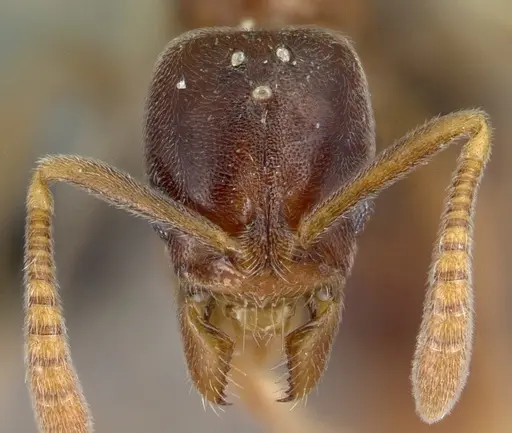
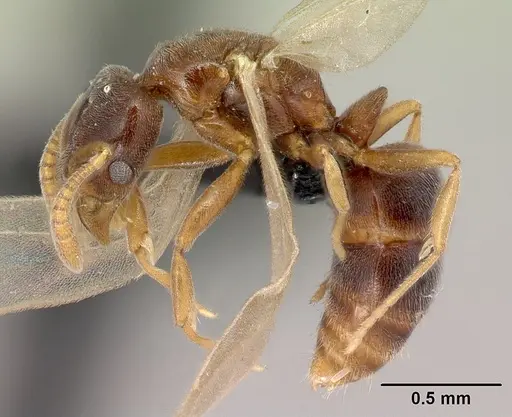
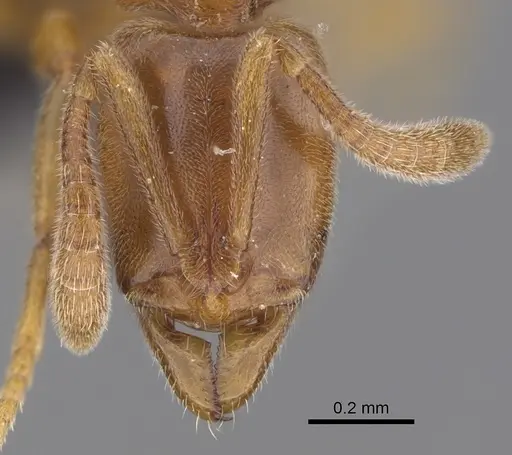
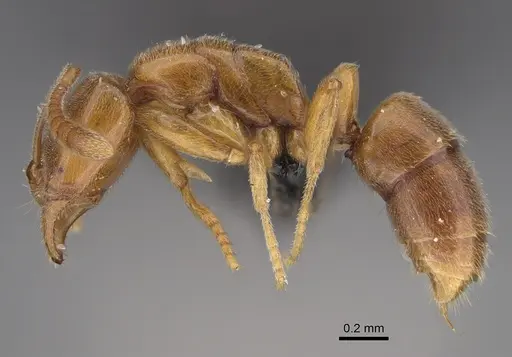
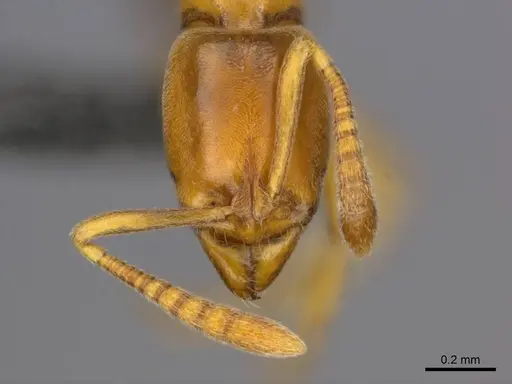
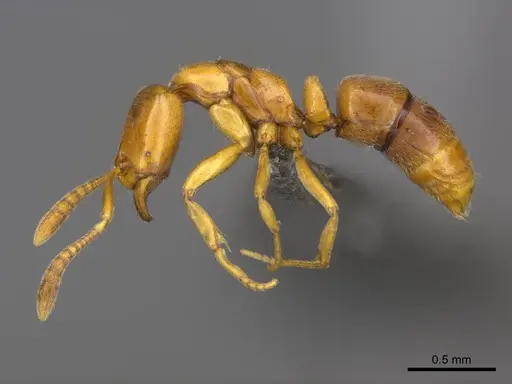
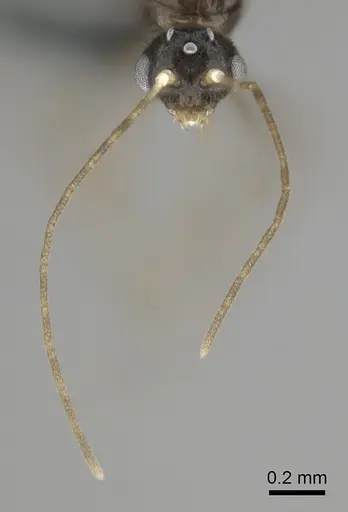
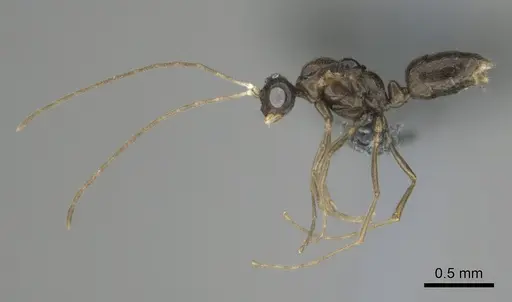
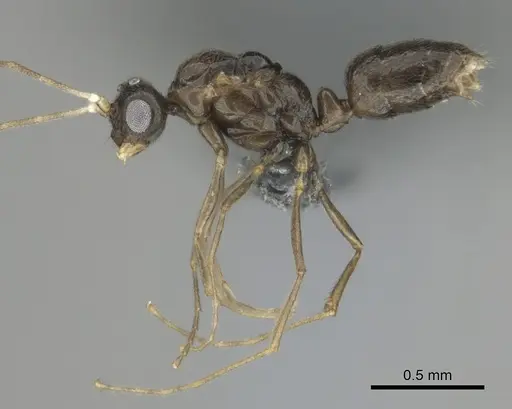
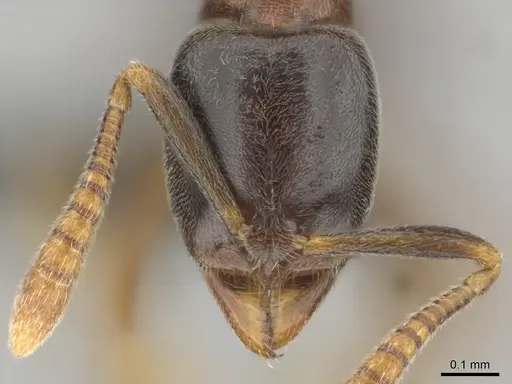
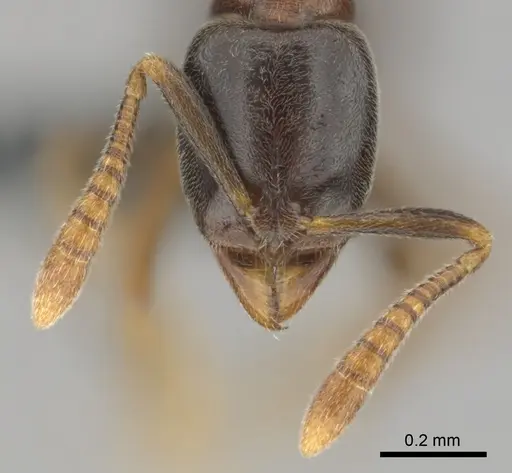
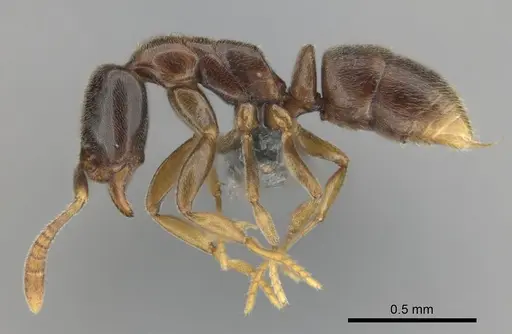
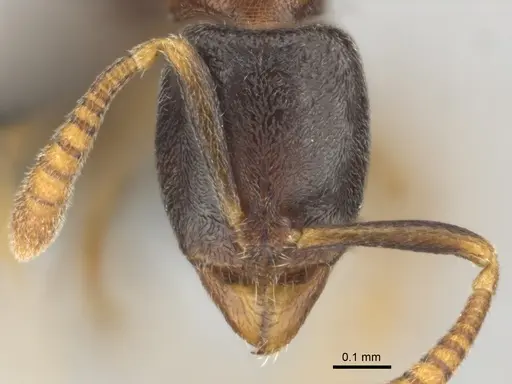
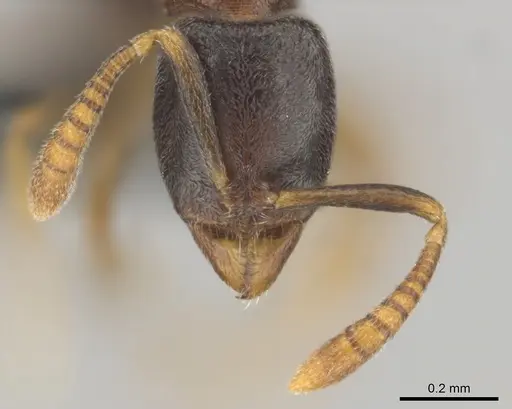
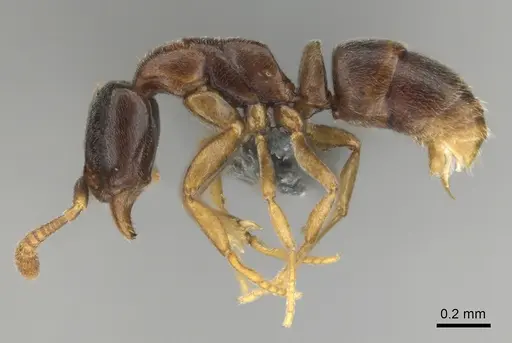
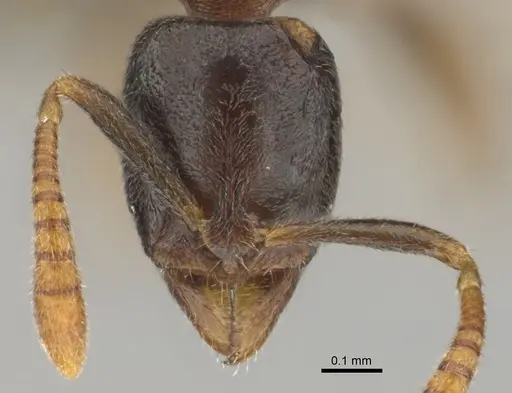
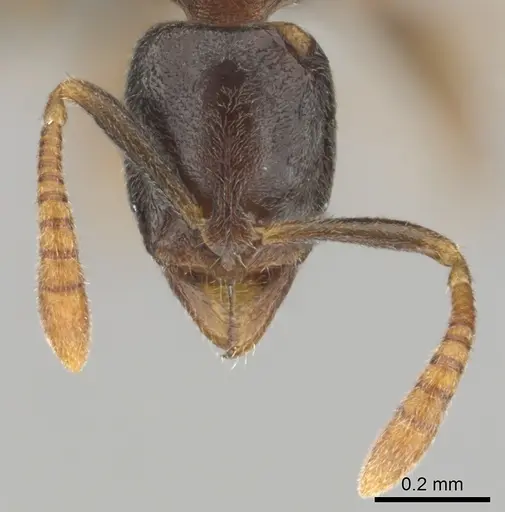
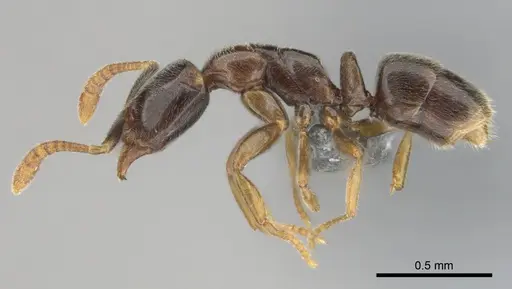
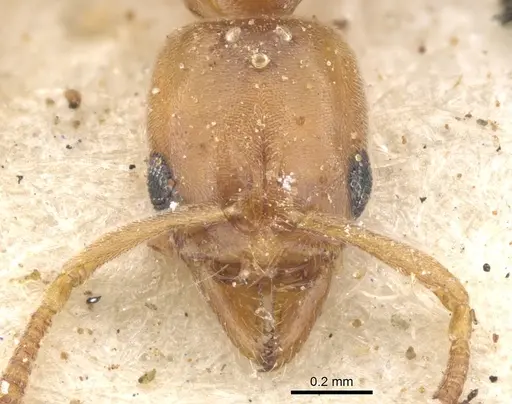
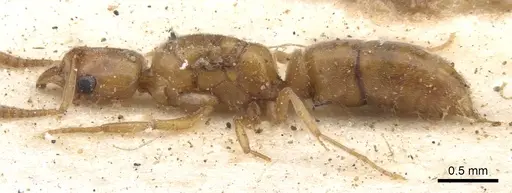
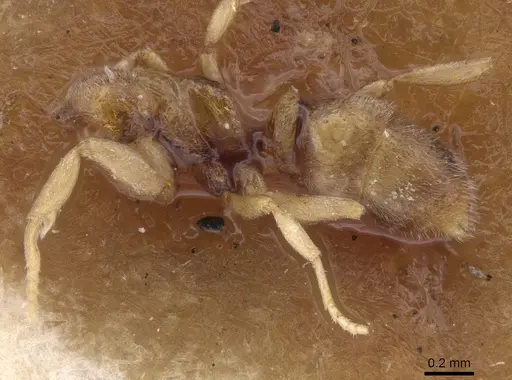
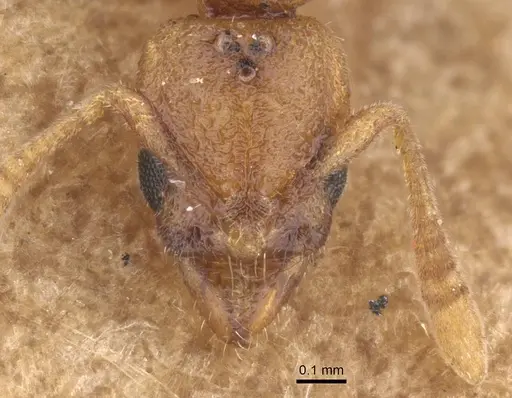
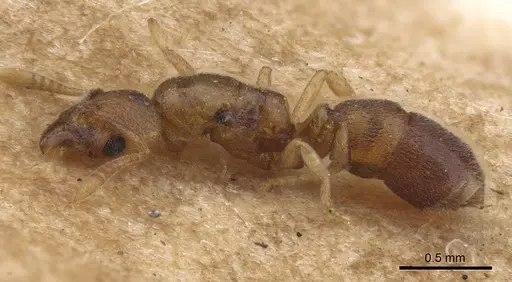
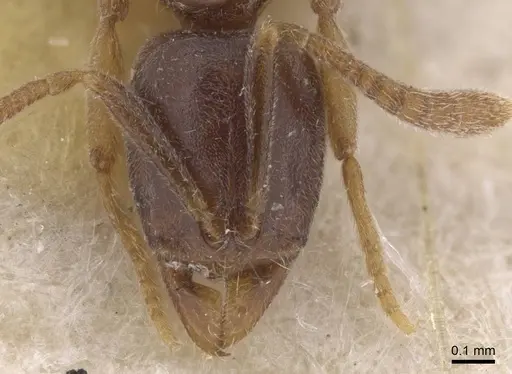
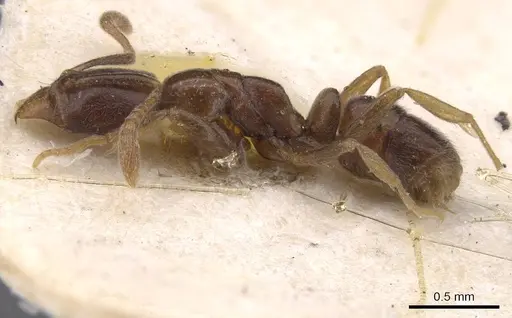
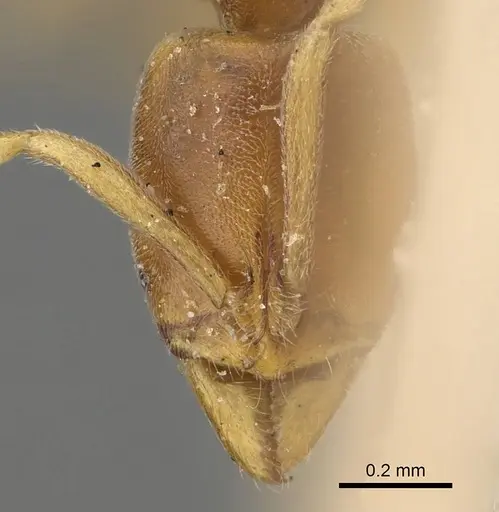
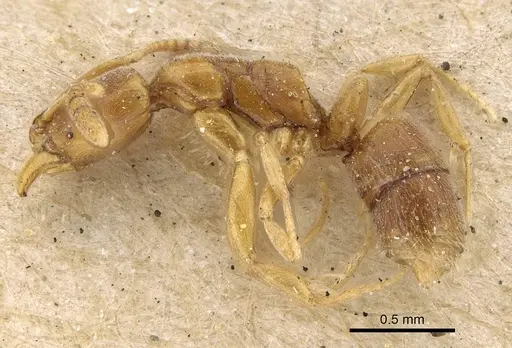
Hypoponera dulcis is a tiny ponerine ant native to sub-Saharan Africa, where it is one of the most widespread and abundant ant species in the region. Workers measure just 2.5-3mm and are reddish-brown to dark brown in color, with small but visible eyes and relatively long antennae scapes. The petiole is scale-like and the ants have a smooth, shiny appearance. This species is incredibly abundant in the wild, in Ghana surveys, it made up over half of all Ponerini ants collected and 4.2% of all ants in the study [1]. They are cryptic leaf-litter ants that nest in soil and decaying wood, making them difficult to spot despite their numbers [2].
Quick Summary
- Difficulty: Medium
- Origin & Habitat: Sub-Saharan Africa, found across countries including Ghana, Nigeria, Kenya, South Africa, Tanzania, Gabon, Cameroon, and many others. They live in leaf litter and topsoil layers of tropical forests and savannas [1][2].
- Colony Type: Single-queen colonies (monogyne). No worker-queen intercaste forms or ergatoid replacement reproductives have been observed in hundreds of specimens examined [1].
- Colony: Monogyne
- Founding: Claustral
- Size & Growth:
- Queen: Queens not fully described in available literature, estimated 4-5mm based on genus
- Worker: 2.5-3mm (HL 0.54-0.63mm, HW 0.44-0.52mm) [1]
- Colony: Likely small to moderate, hundreds of workers based on leaf-litter sampling abundance
- Growth: Moderate, typical for small ponerines
- Development: Estimated 6-10 weeks based on typical Ponerinae development at warm temperatures (Development time is estimated from related Ponerinae species, specific data for H. dulcis is not available)
- Antkeeping:
- Temperature: Keep at 24-28°C. As a tropical African species, they need warm conditions. A heating cable on one side of the nest creates a suitable gradient [1].
- Humidity: High humidity, they live in leaf litter and soil in humid tropical environments. Keep the nest substrate consistently moist but not waterlogged. Mist occasionally and provide a water tube.
- Diapause: No, being a tropical species, they do not require hibernation. Keep them warm year-round.
- Nesting: Y-tong (AAC) nests or plaster nests work well. These ants are cryptic and prefer dark, tight spaces. Provide moist substrate and avoid bright lighting. They nest in soil and decaying wood in the wild [2].
- Behavior: These are shy, cryptic ants that avoid confrontation. Workers are small and non-aggressive. They are not known to sting and pose no danger to keepers. They forage in leaf litter and likely hunt small micro-arthropods. Escape prevention should be good since they are small but not particularly agile climbers, standard barriers work fine.
- Common Issues: slow colony growth can frustrate beginners who expect fast development, tiny workers can be hard to see and monitor, use good lighting when observing, wild-caught colonies may have parasites that affect survival in captivity, overheating is a risk, keep temperatures stable and avoid direct heat sources, dry conditions will kill colonies, monitor humidity closely
Nest Preferences
In the wild, Hypoponera dulcis nests in soil and decaying wood within leaf litter layers [2]. They are cryptic ants that prefer dark, tight spaces and are rarely seen on the surface. For captivity, Y-tong (AAC) nests or plaster nests work well. The chambers should be appropriately sized for their tiny workers, tight spaces help them feel secure. Keep the nest substrate consistently moist. Avoid bright lighting near the nest as these ants prefer dark conditions. A small piece of damp soil or coconut fiber in the outworld helps maintain humidity.
Feeding and Diet
Like other Ponerinae ants, Hypoponera dulcis is predatory and likely feeds on small micro-arthropods in the wild. Offer small live prey such as fruit flies, pinhead crickets, and small mealworms. They probably also accept honey or sugar water, though this is not confirmed for this specific species. Feed protein prey 2-3 times per week and keep a constant sugar source available. Remove uneaten prey after 24 hours to prevent mold. Their small size means they can only tackle very small prey items.
Temperature and Care
As a tropical African species, Hypoponera dulcis needs warm temperatures between 24-28°C. Use a heating cable or heating mat on one side of the nest to create a temperature gradient. Room temperature may be sufficient if your home stays in this range. Do not let temperatures drop below 22°C for extended periods. They do not require hibernation, keep them warm year-round. High humidity is essential, mist the outworld occasionally and ensure the nest substrate stays damp. A water tube in the outworld provides drinking water. [1]
Behavior and Temperament
Hypoponera dulcis is a shy, non-aggressive species. Workers are small and cryptic, spending most of their time hidden in the nest or foraging quietly in the leaf litter. They are not known to sting and pose no danger to keepers. Colonies are relatively small and grow slowly compared to more common ant species. Workers are not particularly good climbers, so standard escape barriers are usually sufficient. However, their small size means they can slip through small gaps, use fine mesh if concerned. They are best suited for keepers who enjoy observing cryptic species rather than active, visible foragers. [1]
Colony Founding
The founding behavior of Hypoponera dulcis has not been directly documented. Based on typical Ponerinae patterns, queens are likely claustral, they seal themselves in a chamber and survive on stored fat reserves until the first workers emerge. After mating, the queen digs a small chamber in soil or decaying wood and seals the entrance. She raises the first brood alone without foraging. The first workers (nanitics) are typically smaller than mature workers. Expect 4-8 weeks for eggs to develop into workers at warm temperatures.
Growth and Development
Specific development times for Hypoponera dulcis are not documented in available literature. Based on related Ponerinae species, expect 6-10 weeks from egg to first worker at optimal temperatures (around 26°C). Colony growth is moderate, these are not fast-growing ants. Colonies likely reach several hundred workers at maturity based on their abundance in leaf litter samples. The queen is relatively small compared to many other ant species, which correlates with smaller colony sizes. Be patient with these ants, they develop slowly but colonies can live for many years.
Frequently Asked Questions
How long does it take for Hypoponera dulcis to have first workers?
Estimated 6-10 weeks from egg to worker at optimal temperatures (24-28°C). Specific development data for this species is not available, so this is based on typical Ponerinae development patterns.
Can I keep Hypoponera dulcis in a test tube?
Yes, test tubes work well for founding colonies. Keep the tube horizontally or at a slight angle with a water reservoir. Cover the tube with a dark cloth since these cryptic ants prefer dark conditions. Once the colony grows beyond 30-50 workers, consider moving to a Y-tong or plaster nest.
What do Hypoponera dulcis ants eat?
They are predatory and likely eat small micro-arthropods. Feed small live prey like fruit flies, pinhead crickets, and small mealworms. They probably accept sugar water or honey as well, though this is not confirmed for this species.
Are Hypoponera dulcis good for beginners?
They are rated as medium difficulty. They require warm, humid conditions and grow slowly. They are best suited for keepers who have kept ants before and can maintain proper humidity levels. Their cryptic nature means you won't see as much activity as more visible species.
Do Hypoponera dulcis need hibernation?
No, as a tropical African species, they do not require hibernation. Keep them warm year-round at 24-28°C.
How big do Hypoponera dulcis colonies get?
Colony size is estimated at several hundred workers maximum. They are not among the largest ant species, but colonies can live for many years with proper care.
When should I move Hypoponera dulcis to a formicarium?
Move them when the colony reaches 30-50 workers or when the test tube shows signs of mold from too much moisture. Y-tong nests work well for this species.
Why are my Hypoponera dulcis dying?
Common causes include: dry conditions (keep substrate moist), temperatures too low (keep at 24-28°C), mold from excess moisture, or parasites from wild-caught colonies. Check your humidity and temperature first.
Can I keep multiple Hypoponera dulcis queens together?
This species is monogyne, single queen colonies. Combining unrelated queens is not recommended as they would likely fight. In the wild, only one queen per colony has been observed.
References

This caresheet is licensed under CC BY-SA 4.0 .
CASENT0093977
View on AntWeb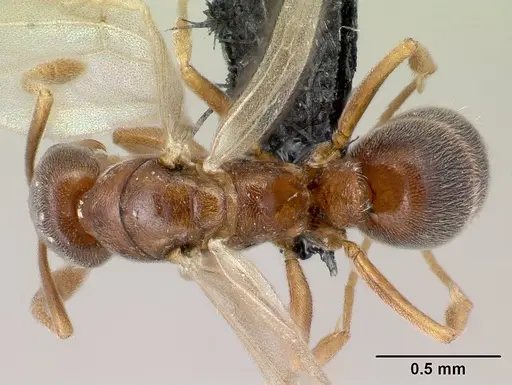
CASENT0128475
View on AntWeb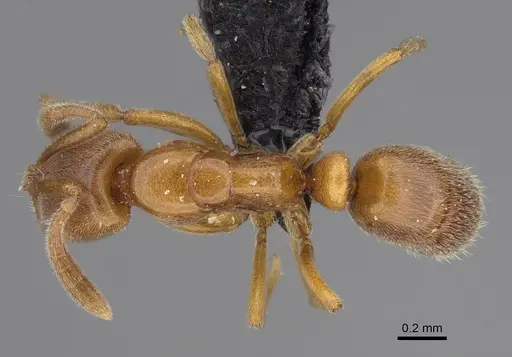
CASENT0226572
View on AntWeb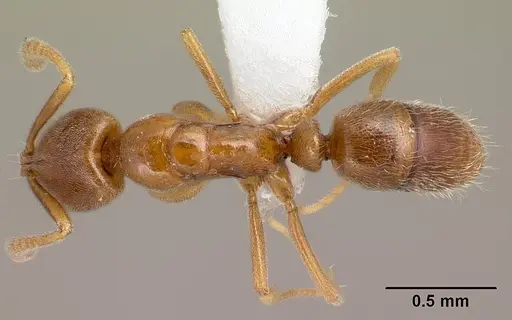
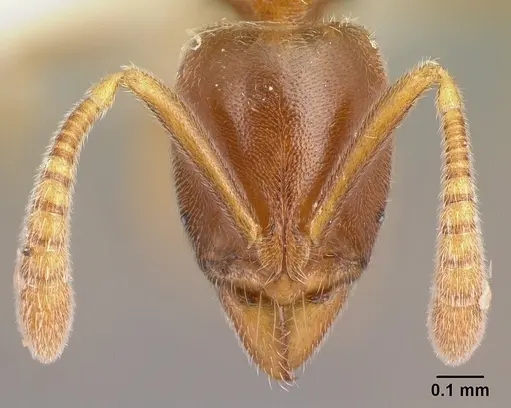
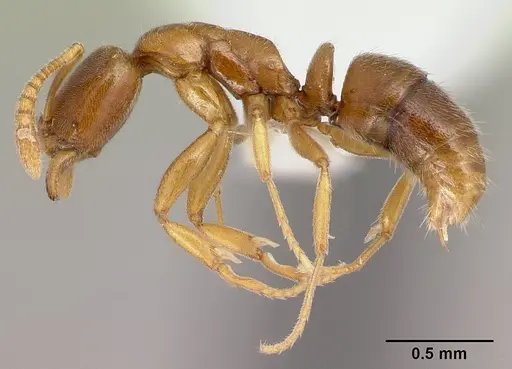
CASENT0226576
View on AntWeb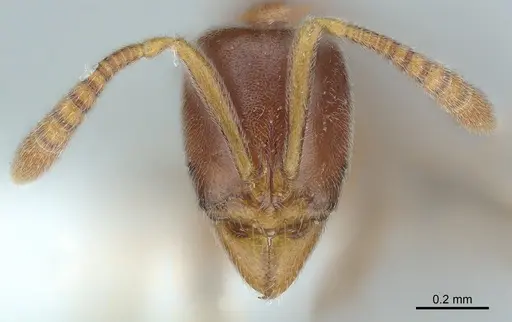
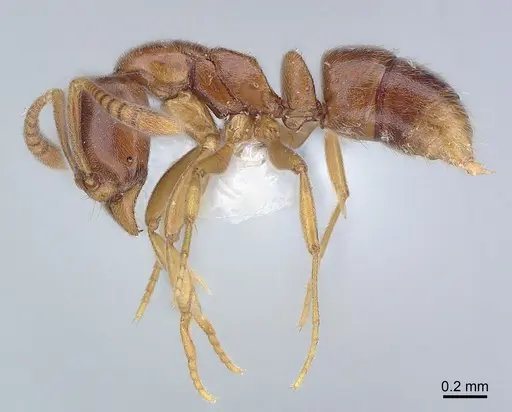
CASENT0257268
View on AntWeb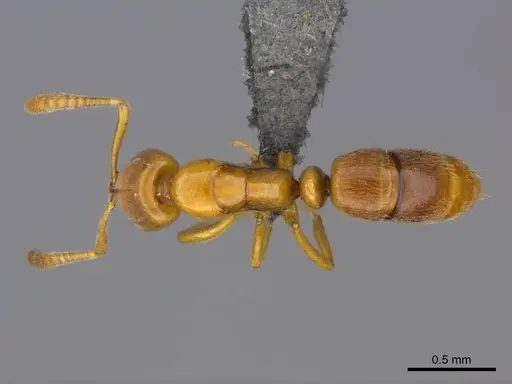
CASENT0270530
View on AntWeb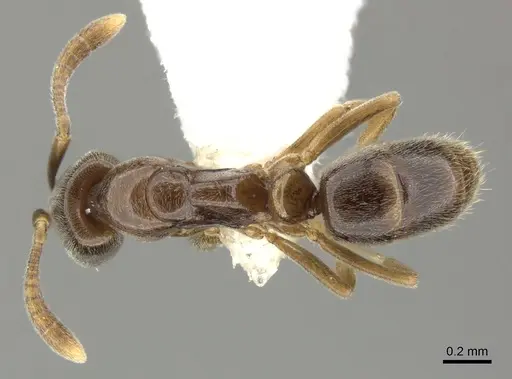
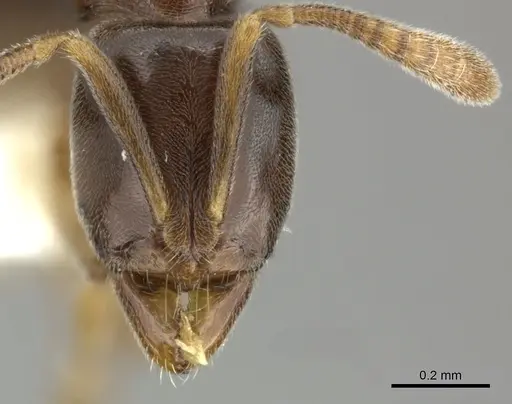
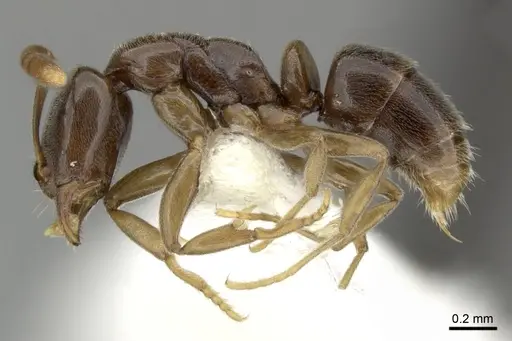
CASENT0356835
View on AntWeb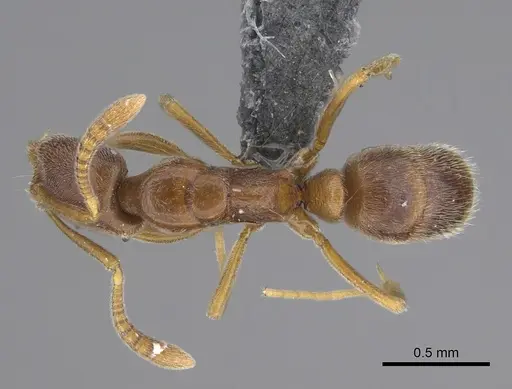
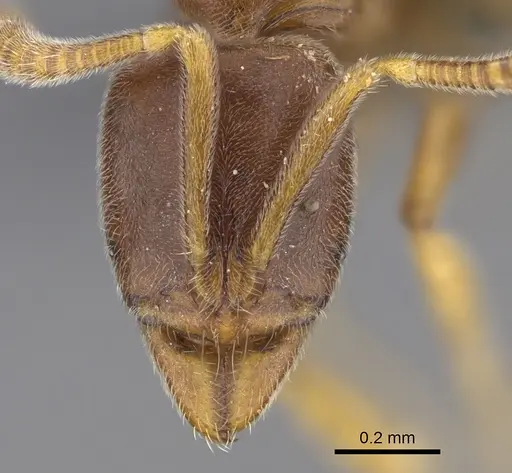
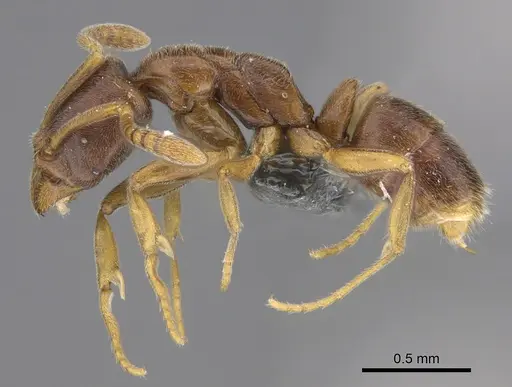
CASENT0401823
View on AntWeb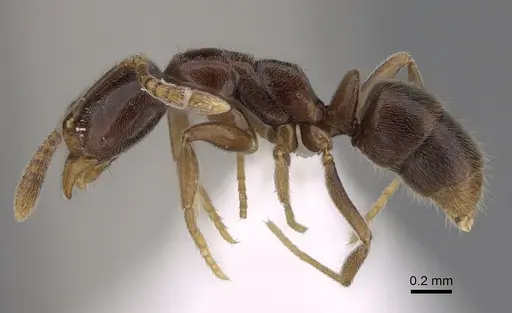
CASENT0783280
View on AntWeb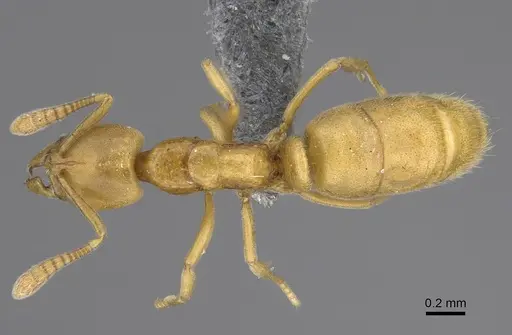
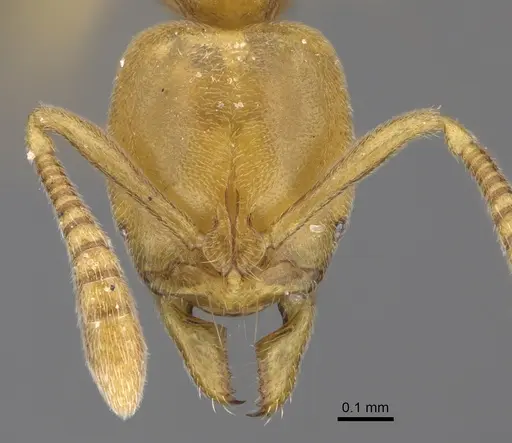
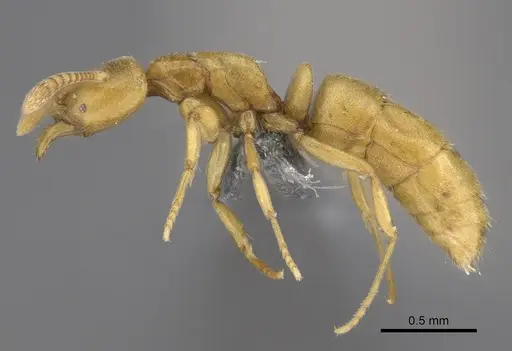
CASENT0815678
View on AntWeb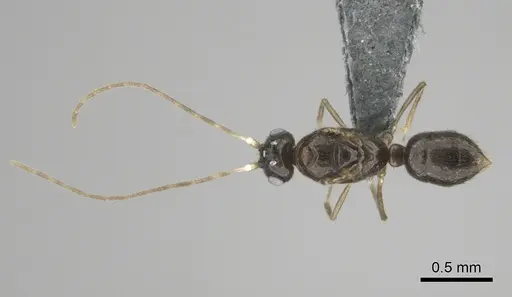
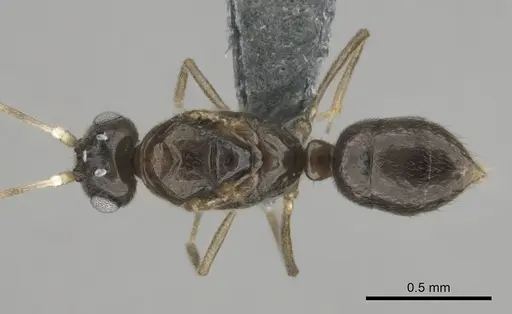
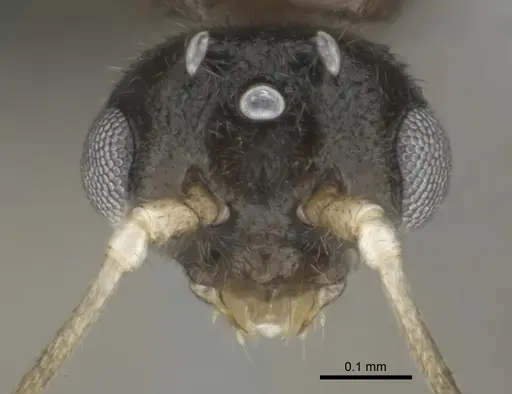
CASENT0815680
View on AntWeb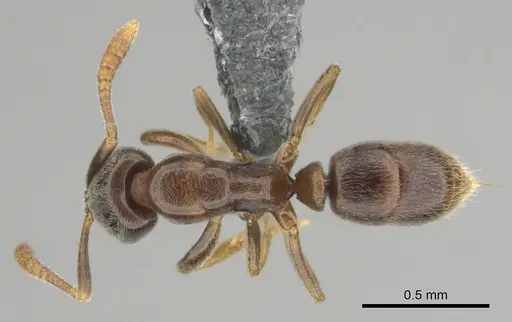
CASENT0815778
View on AntWeb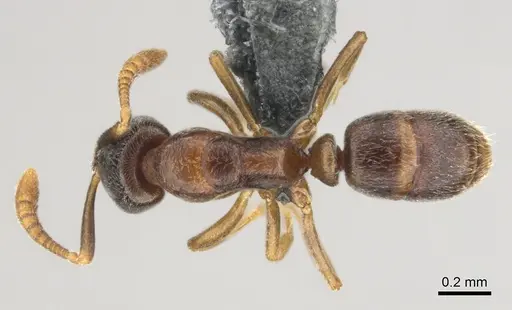
CASENT0815858
View on AntWeb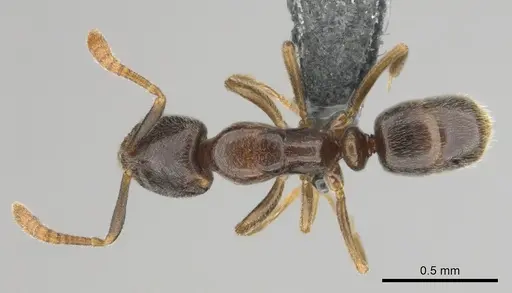
CASENT0902542
View on AntWeb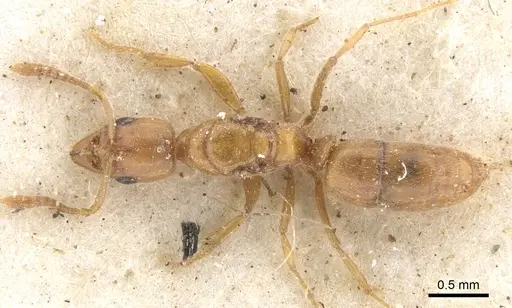
CASENT0915482
View on AntWeb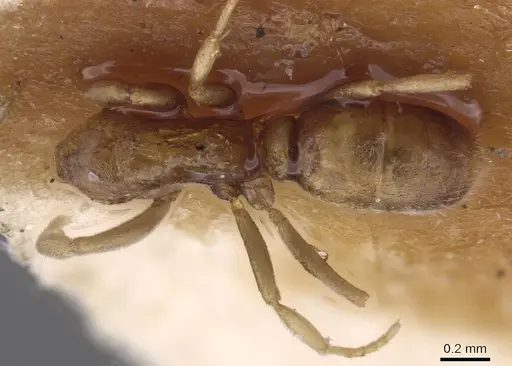
CASENT0915483
View on AntWeb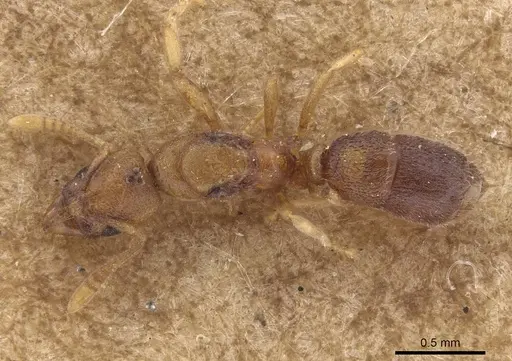
CASENT0915486
View on AntWeb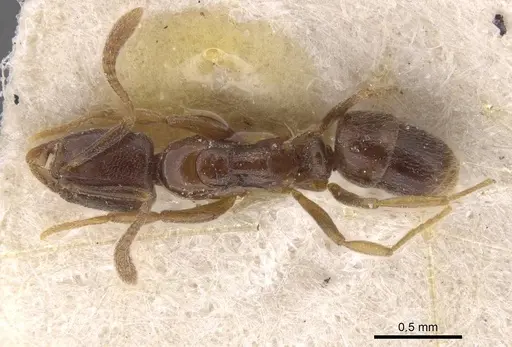
CASENT0922436
View on AntWeb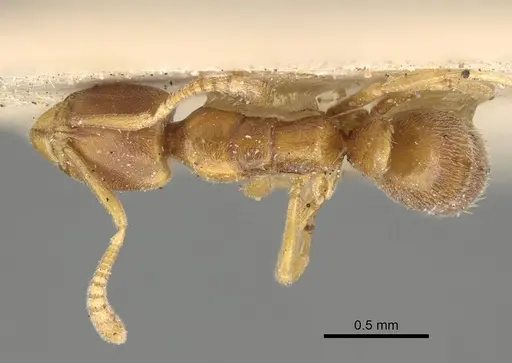
Literature
Loading...Loading products...