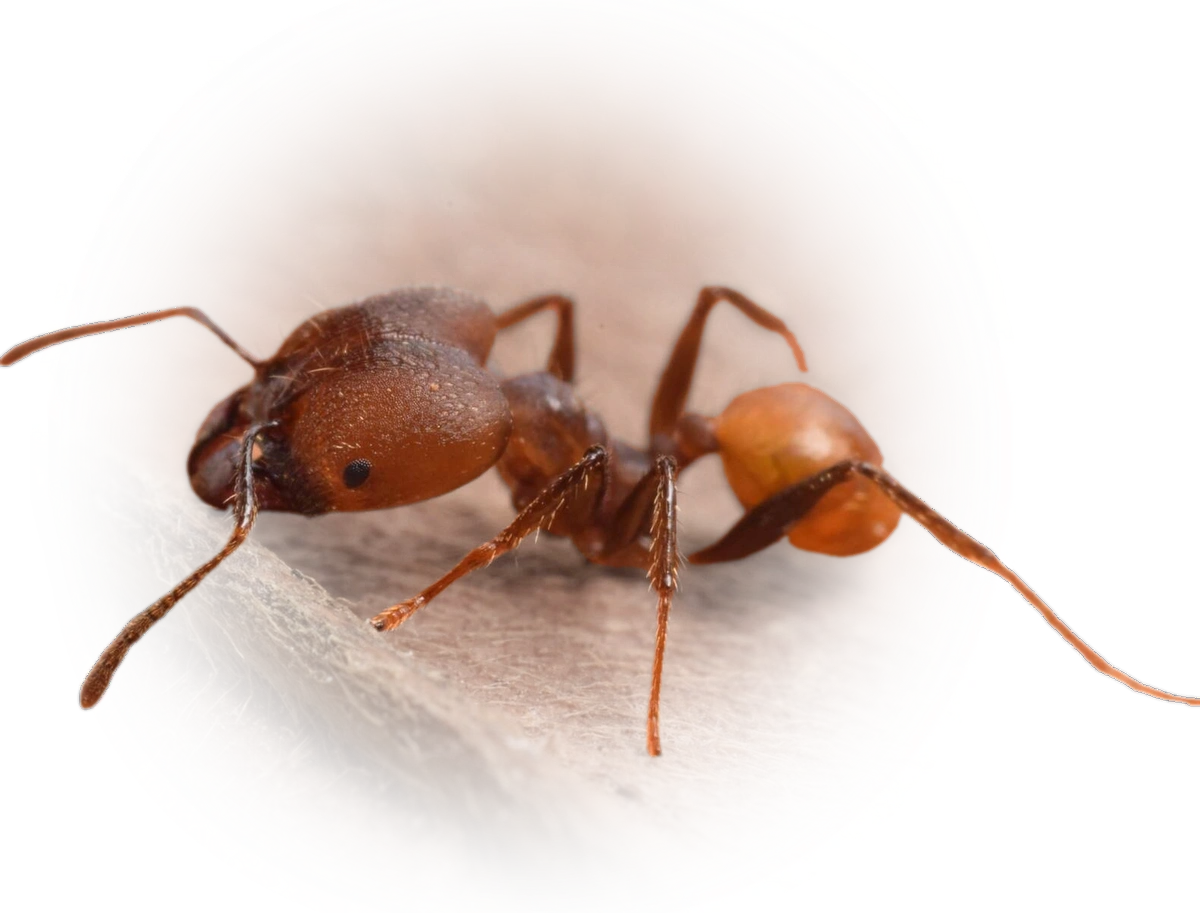

Pheidole biconstricta
- Scientific Name
- Pheidole biconstricta
- Tribe
- Attini
- Subfamily
- Myrmicinae
- Author
- Mayr, 1870
- Distribution
- Found in 11 countries
Pheidole biconstricta Overview
Pheidole biconstricta is an ant species of the genus Pheidole. It is primarily documented in 11 countries , including Brazil, Colombia, Costa Rica. Detailed taxonomic data and occurrence records can be further explored via authoritative databases such as AntWeb or the Global Biodiversity Information Facility (GBIF).
Pheidole biconstricta
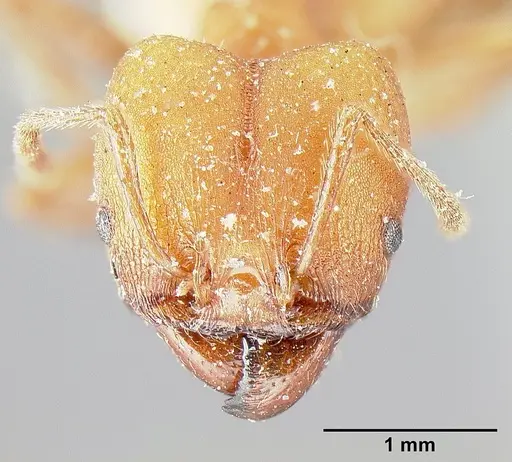
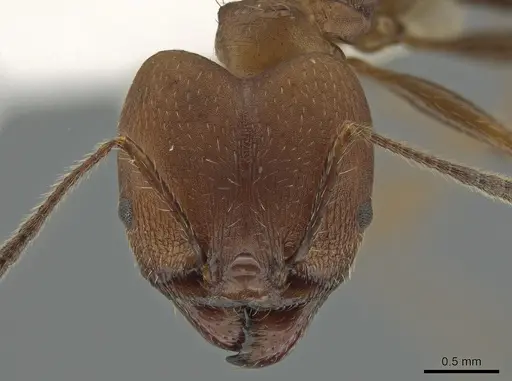
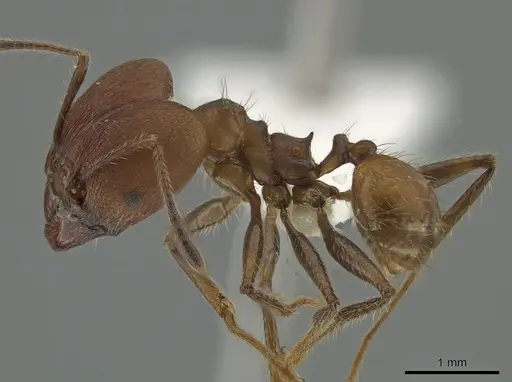
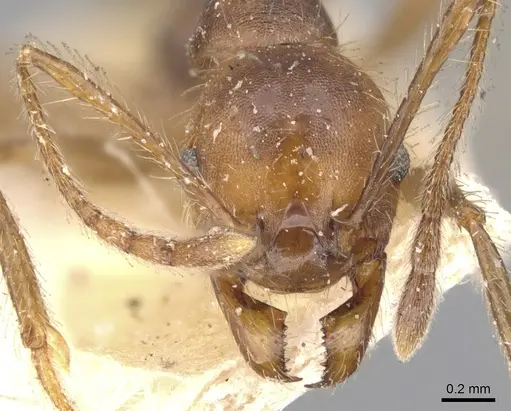
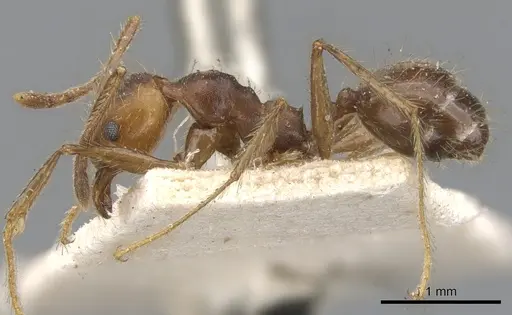
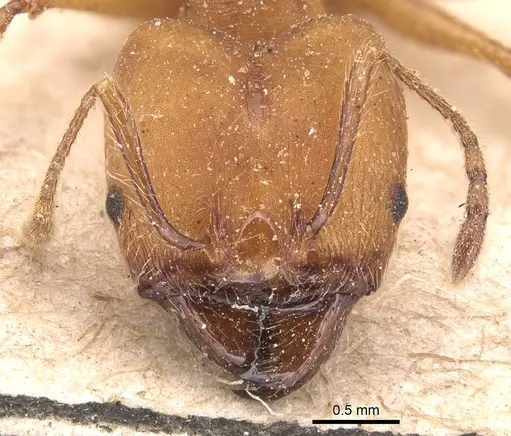
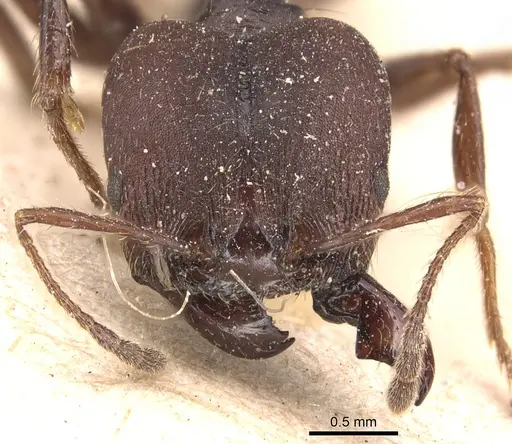
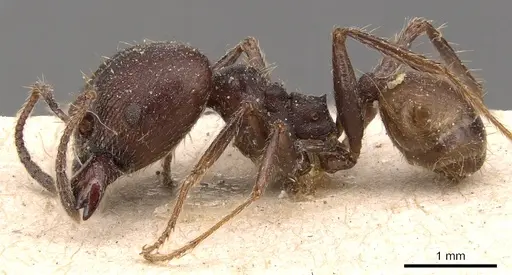
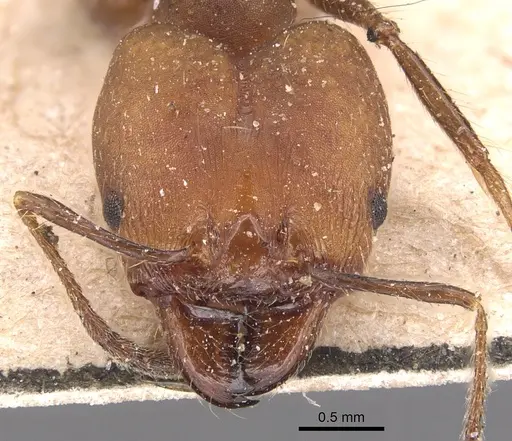
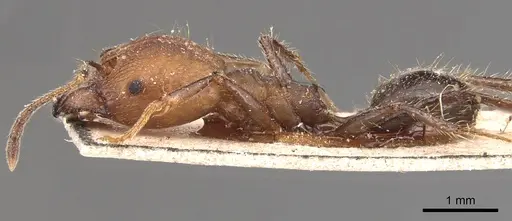
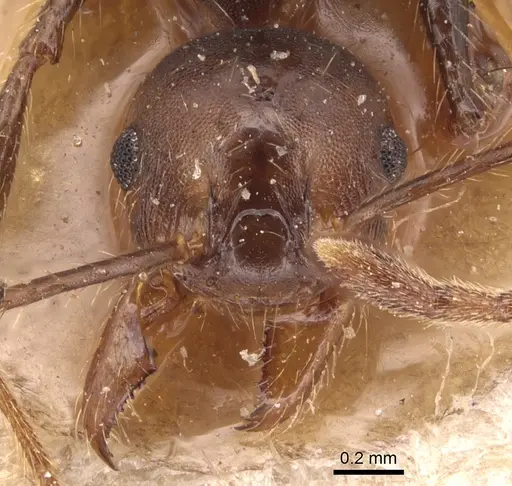
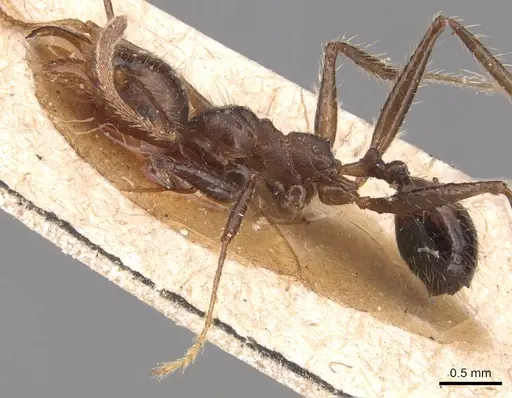
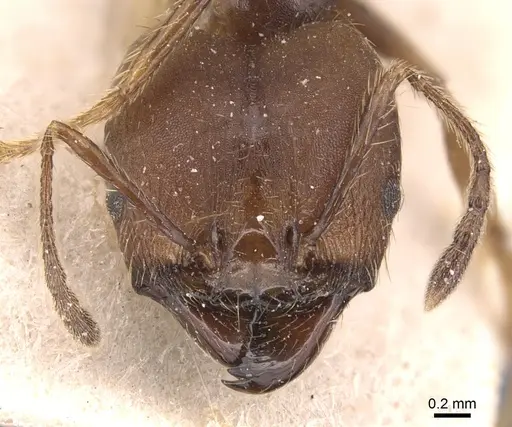
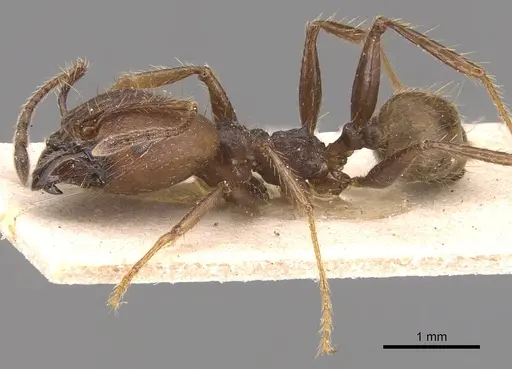
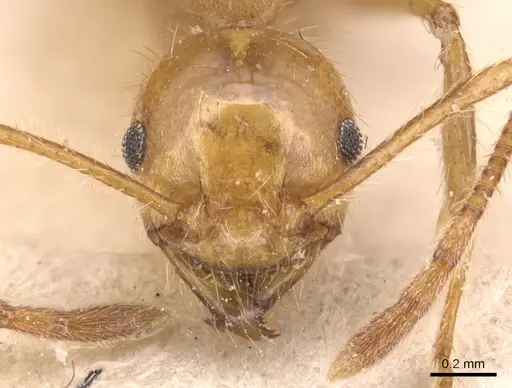
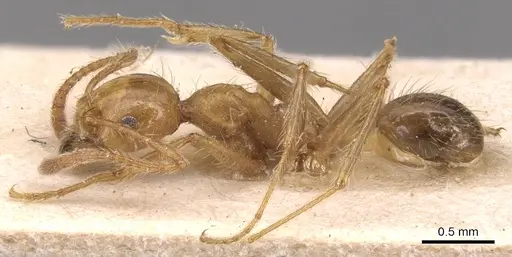
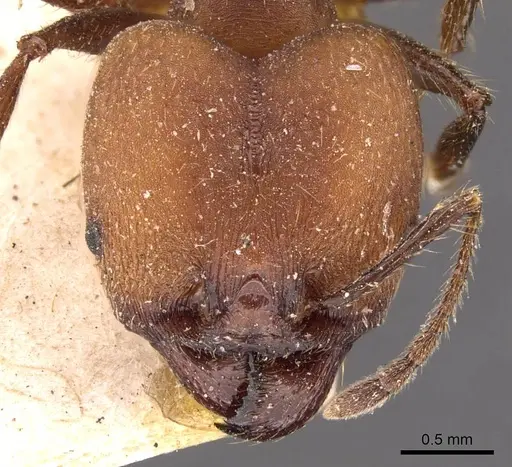
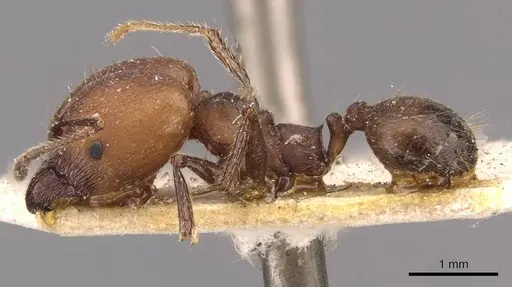
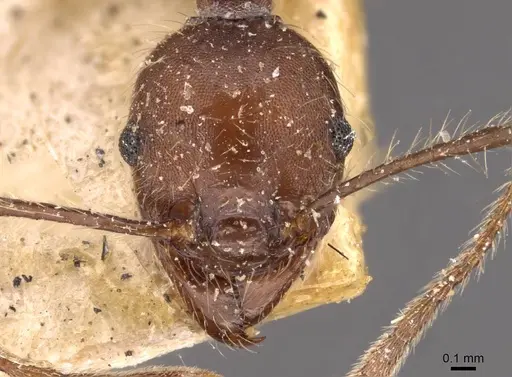
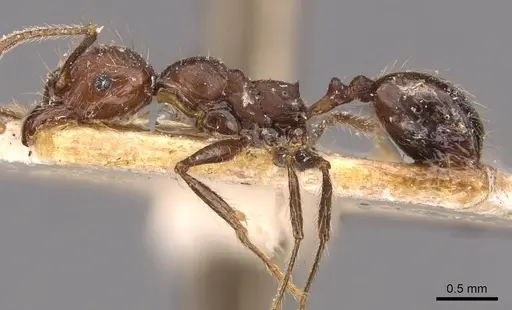
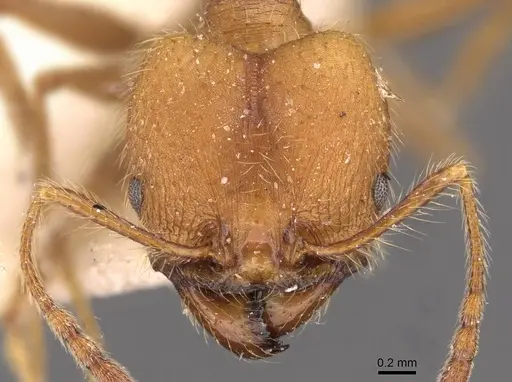
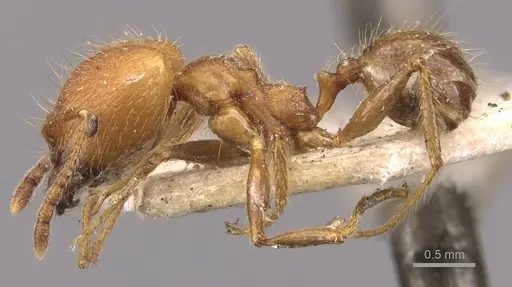
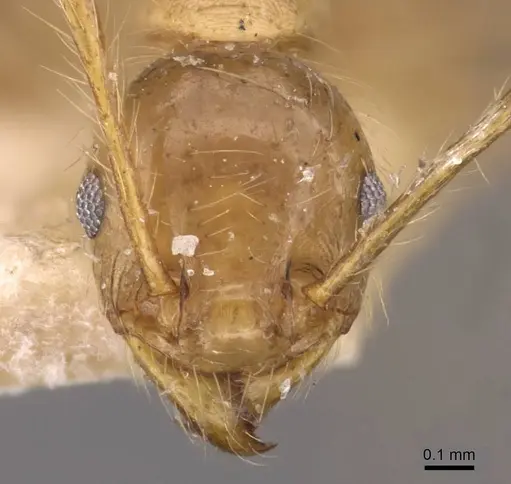
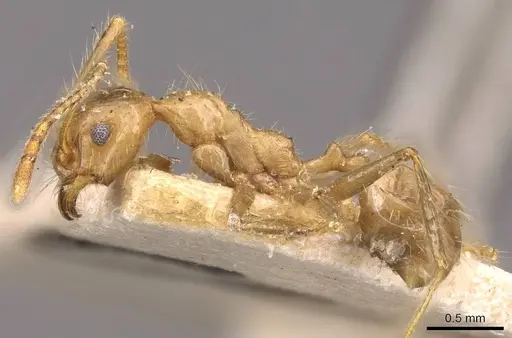
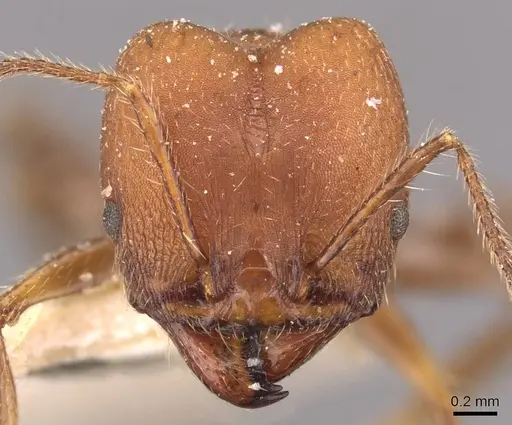
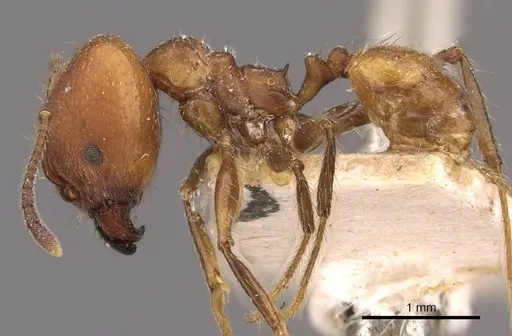
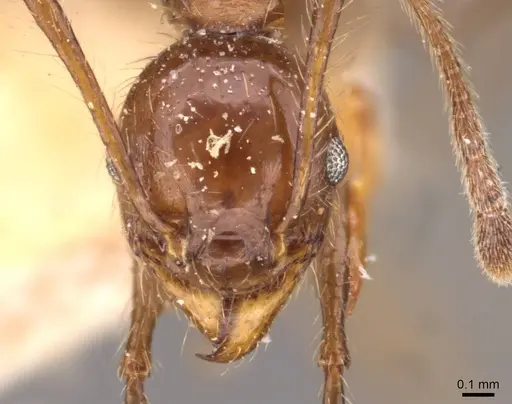
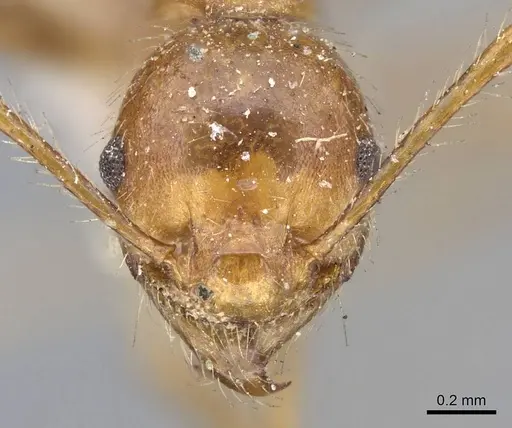
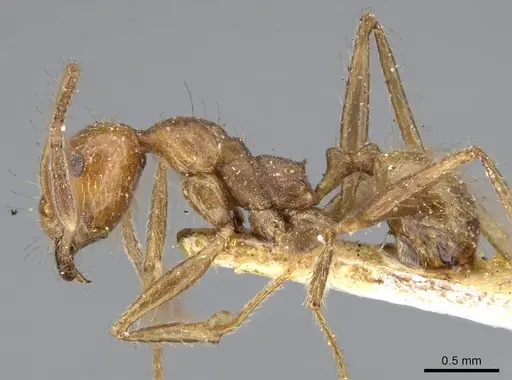
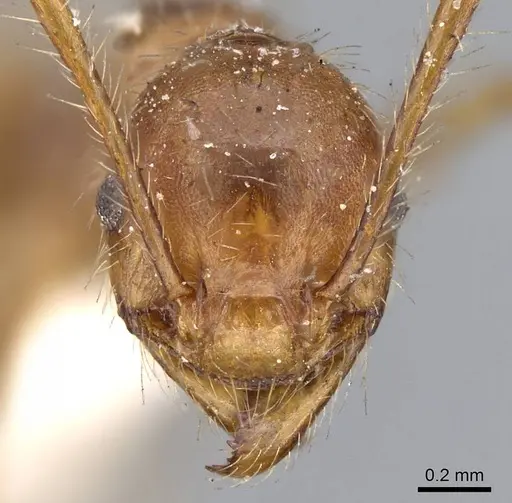
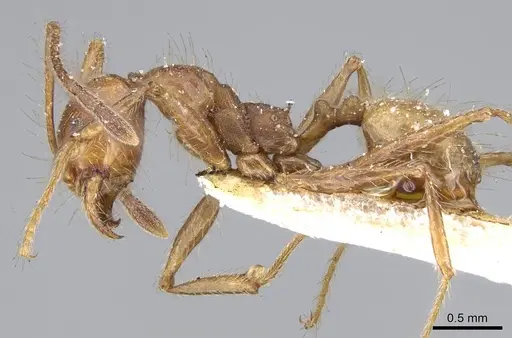
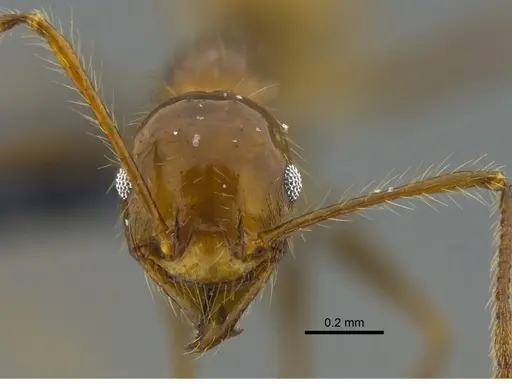
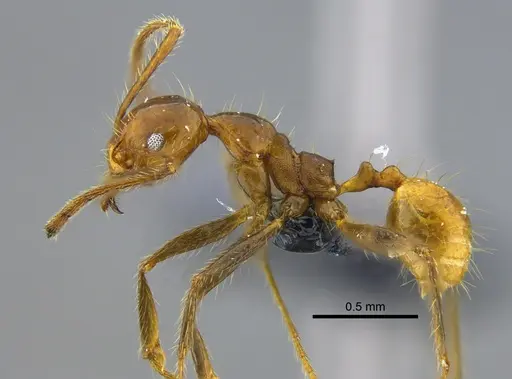
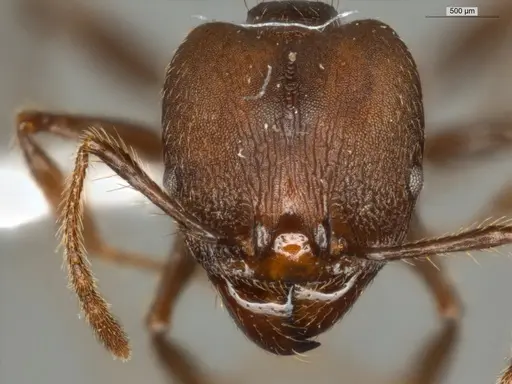
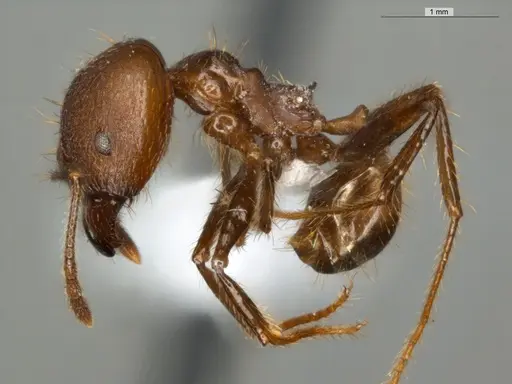
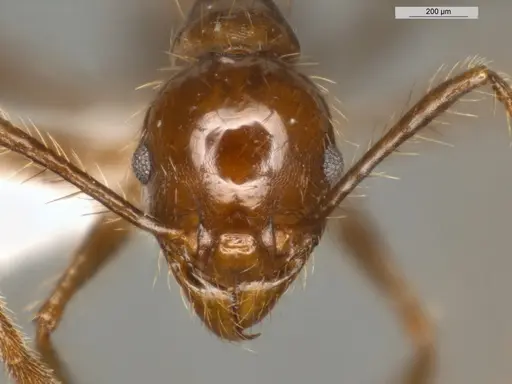
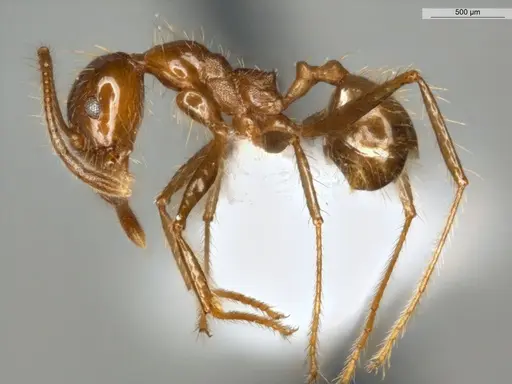
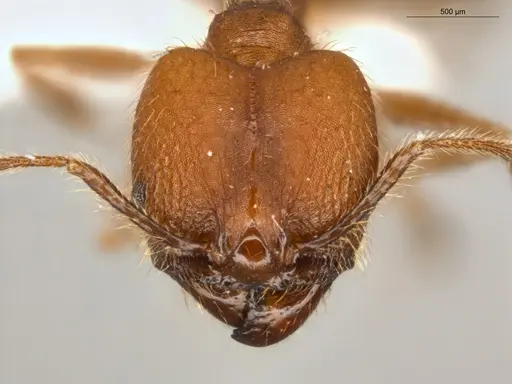
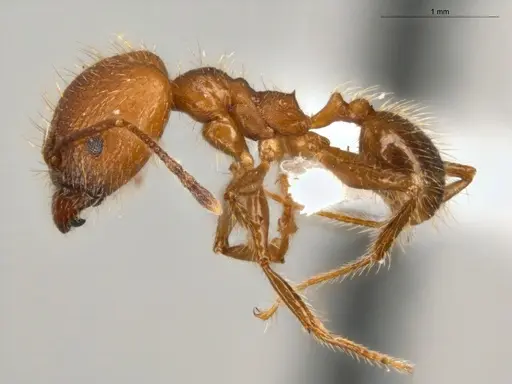
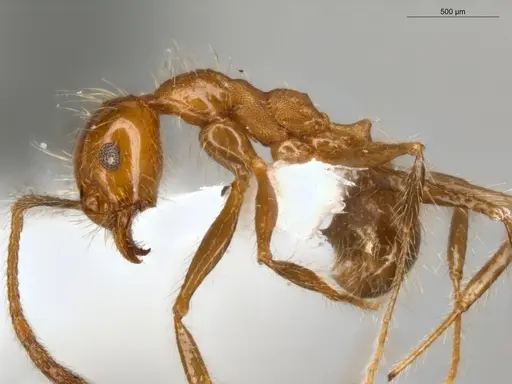
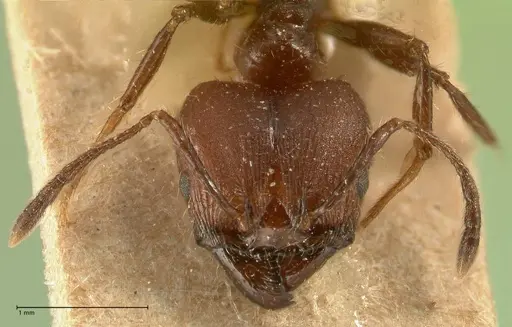
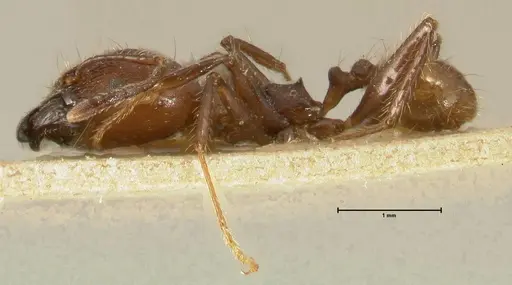
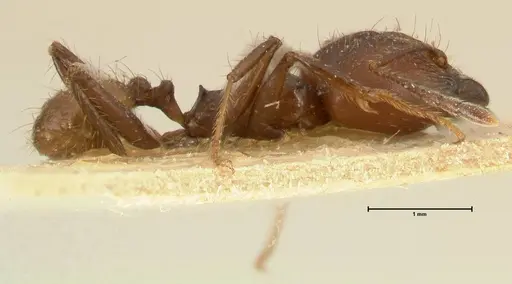
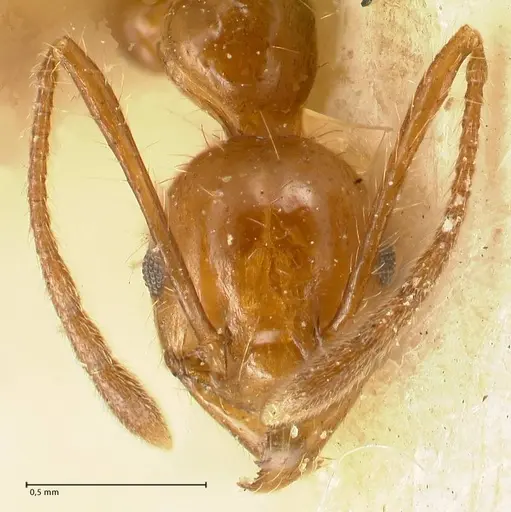
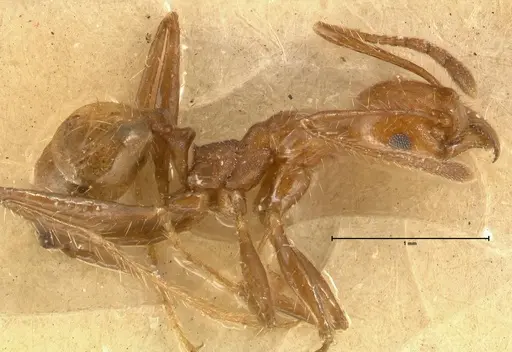
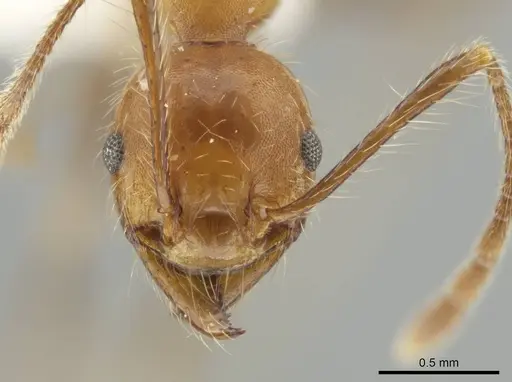
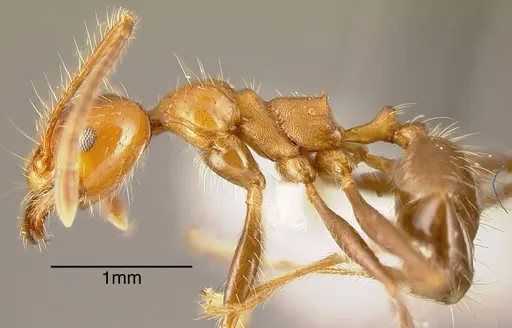
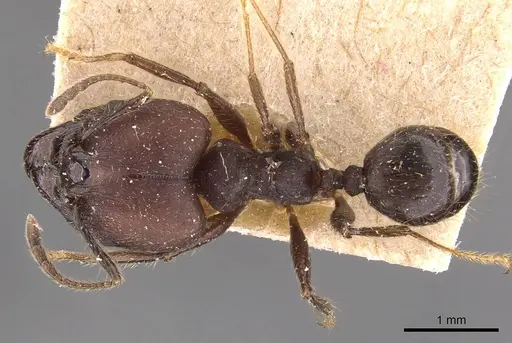
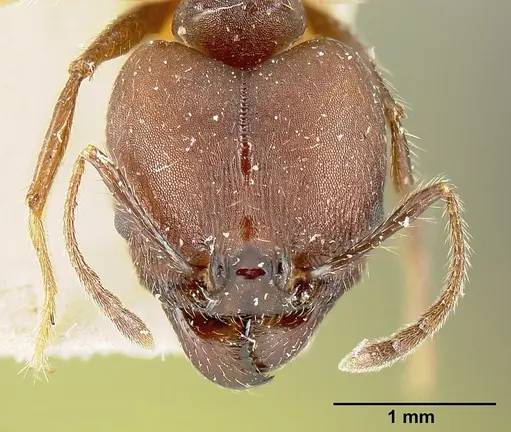
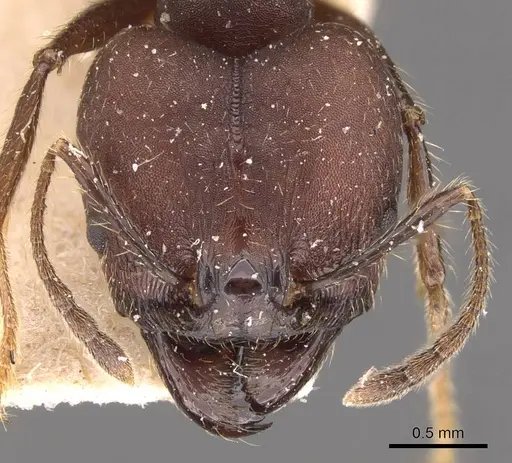
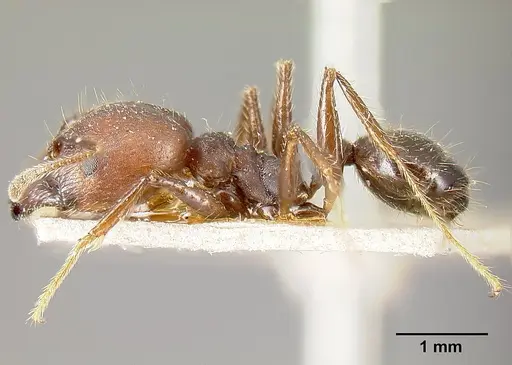
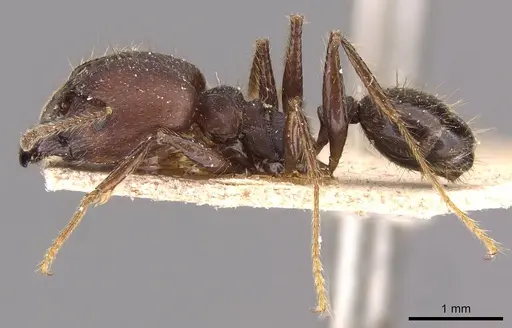
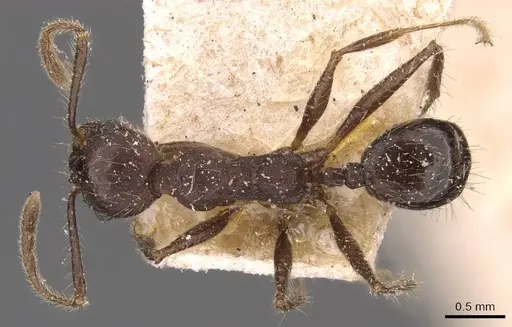
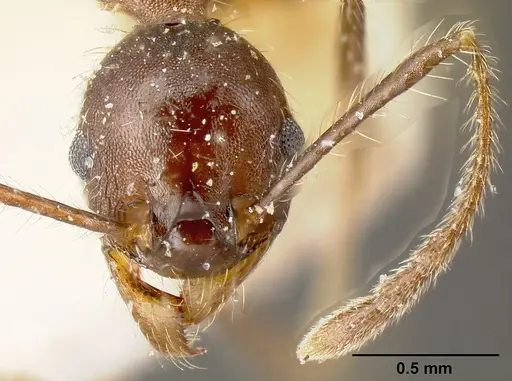
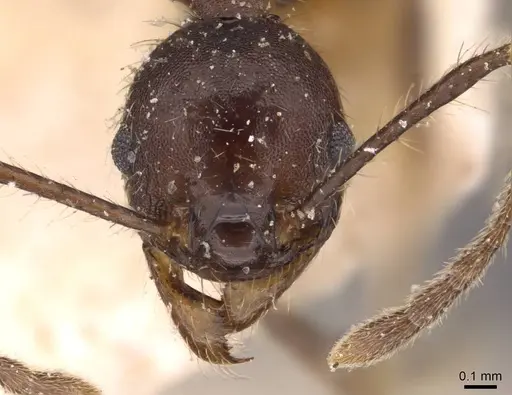
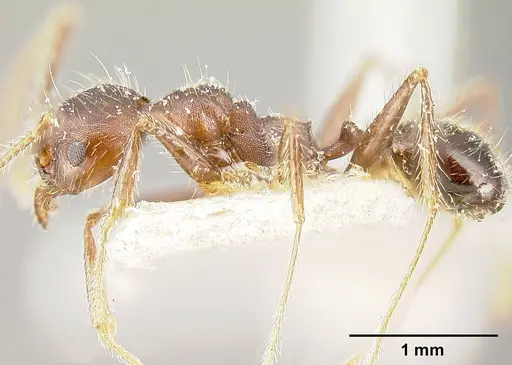
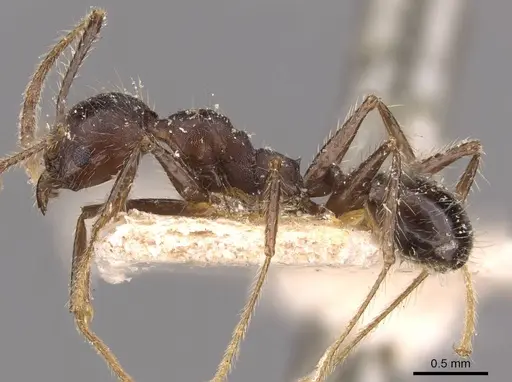
Pheidole biconstricta is a large, dimorphic ant species native to tropical forests throughout the Neotropics, ranging from Mexico down to Brazil and Bolivia. These ants form massive colonies potentially reaching into the tens of thousands of workers, with distinct major and minor worker castes. Majors are impressive at 5.2mm with well-developed propodeal spines, while minors are smaller at 3.3-3.6mm. Their coloration ranges from reddish-yellow to dark reddish-brown. What makes this species particularly fascinating is their army ant-like hunting behavior, large groups of workers coordinate to capture live insect prey through 'gang-pulling', and they defend themselves with specialized pygidial glands that secrete an irritant gumming agent. They also tend Homoptera (aphids and their relatives) and visit extrafloral nectar sources, sometimes building carton shelters to protect their food sources.
Quick Summary
- Difficulty: Medium
- Origin & Habitat: Native to tropical moist forests across the Neotropical region, from Guatemala through Costa Rica, Panama, and into South America (Brazil, Bolivia, Peru, Ecuador, Colombia, Venezuela). Found from sea level up to 2500m elevation in Colombia. Nests in rotting logs, stumps, and dead wood on the forest floor [1][2][3].
- Colony Type: Large colonies with single queen (monogyne) confirmed. Colonies can be polydomous, meaning they spread across multiple nesting sites in the environment. Queens are found under loose bark, in dead branches, and commonly under epiphyte mats on fallen trees [1][4].
- Colony: Monogyne
- Founding: Claustral
- Size & Growth:
- Queen: Approximately 5-6mm (estimated from soldier measurements as major workers are similar in head size to queens in Pheidole)
- Worker: Minor workers: 3.3-3.6mm, Major workers: approximately 5.2mm [5][3]
- Colony: Tens of thousands of workers, colonies are among the largest in the genus [1]
- Growth: Fast, tropical species with year-round development potential
- Development: 6-8 weeks (estimated based on typical Pheidole development in tropical conditions) (Tropical species develops rapidly year-round when kept warm. First workers (nanitics) typically smaller than normal workers.)
- Antkeeping:
- Temperature: Keep at 24-28°C. This is a lowland tropical species that thrives in warm, humid conditions. A heating cable on one side of the nest creates a gradient for the colony to self-regulate [6].
- Humidity: High humidity required, aim for 70-80%. These forest floor ants need moist substrate. Keep the nest area damp but not waterlogged. Provide a water tube for drinking access.
- Diapause: No, as a tropical species, they do not require hibernation. However, they may reduce activity slightly during cooler periods.
- Nesting: In captivity, they do well in Y-tong (AAC) nests, plaster nests, or naturalistic setups with rotting wood and moist substrate. They prefer enclosed spaces with multiple chambers. Given their polydomous nature in the wild, providing some extra connected spaces can encourage natural behavior. Avoid dry, airy conditions.
- Behavior: These ants are aggressive and defend themselves vigorously. Their key defense mechanism is the hypertrophied pygidial gland, when threatened, workers lift their abdomen toward the enemy and secrete a viscous, irritating gumming agent that also serves as an alarm pheromone to recruit more workers [7][8]. Workers forage day and night, hunting in coordinated groups similar to army ants. They are skilled escape artists due to their small size, use fine mesh and fluon barriers. They readily accept protein foods and sugar sources.
- Common Issues: escape prevention is critical, their small size allows them to squeeze through tiny gaps, use tight-fitting lids and fine mesh barriers, colonies can become extremely large quickly, be prepared to upgrade to larger housing before they outgrow initial setups, aggressive defense means frequent disturbance can lead to heavy release of irritant secretions, place nest in a quiet location, high humidity needs can lead to mold if ventilation is poor, balance humidity with adequate airflow, wild-caught colonies may carry parasites that can decimate captive colonies, quarantine and monitor new colonies carefully
Nest Preferences and Housing
In the wild, Pheidole biconstricta nests in rotting logs, stumps, and dead wood on the forest floor. They also build carton shelters on low vegetation to protect Homoptera they tend. For captive care, Y-tong (AAC) nests or plaster nests work well, both provide the dark, humid environment these ants prefer. naturalistic setups with rotting wood pieces and moist substrate can also work, mimicking their natural forest floor habitat. Given their large colony size potential, plan ahead with housing that can accommodate thousands of workers. Provide multiple connected chambers to accommodate their polydomous tendencies. Keep the nest area consistently moist but not flooded, these are forest floor ants accustomed to damp conditions. [1]
Feeding and Diet
Pheidole biconstricta is a versatile feeder with both predatory and trophobiont tendencies. Workers actively hunt live insect prey using coordinated gang-pulling behavior, reminiscent of army ants. They also tend Homoptera (aphids, scale insects, and similar sap-sucking insects) for honeydew, and visit extrafloral nectar sources on plants. In captivity, offer a varied diet: protein sources like mealworms, small crickets, and other insects 2-3 times per week. Sugar water, honey, or commercial ant sweets should be available constantly. They accept protein readily and will hunt down live prey enthusiastically. Their aggressive foraging means they can consume significant amounts of food as colonies grow large. [6][1]
Temperature and Seasonal Care
As a lowland tropical species, Pheidole biconstricta requires warm temperatures year-round. Keep the nest area at 24-28°C for optimal brood development. A heating cable placed on top of the nest (never underneath where it can dry out the substrate) creates a gentle thermal gradient. Room temperature in most homes may be too cool, monitor with a thermometer. Unlike temperate species, they do not require hibernation or winter dormancy. However, they may show reduced activity during cooler periods. Maintain consistent warmth and humidity for year-round colony growth. These ants are adapted to the warm, humid conditions of tropical rainforests. [6][3]
Defense Mechanisms and Handling
This species has a remarkable defense system that keepers should understand. The hypertrophied pygidial gland produces a mixture of iridoid compounds including iridodial, dihydronepetalactone, iridomyrmecin, and actinidine [9]. When threatened, workers perform a distinctive behavior: they lift their gaster toward the enemy and release a viscous gumming agent that both physically entangles and chemically irritates attackers [7]. This secretion also serves as an alarm pheromone, recruiting more defenders to the area. This means disturbing the nest frequently can trigger mass defensive responses and release of irritant secretions. Place the formicarium in a quiet area and minimize nest disturbances. If you need to move the colony, do so carefully and consider using ventilation.
Colony Growth and Development
Pheidole biconstricta colonies can grow to extraordinary sizes, potentially tens of thousands of workers, making them one of the larger Pheidole species in captivity. Growth is fast in tropical conditions, with brood developing continuously year-round. The colony is dimorphic with distinct major and minor workers. Majors have large, powerful heads and are used for seed processing, defense, and heavy food transport. Minors handle most foraging, brood care, and general tasks. Colonies are polydomous in the wild, meaning they maintain multiple nest sites connected by foragers. This suggests they appreciate having extra space and multiple chambers as they grow. Be prepared to upgrade housing as the colony expands. [4][1]
Frequently Asked Questions
How long does it take for Pheidole biconstricta to produce first workers?
Expect first workers (nanitics) in about 6-8 weeks after the queen lays eggs, when kept at optimal tropical temperatures of 24-28°C. As a tropical species, development is faster than temperate ants.
Can I keep multiple Pheidole biconstricta queens together?
No. This species is monogyne, meaning colonies have a single queen. Unlike some Pheidole species that can be polygynous, P. biconstricta colonies should be started with one queen only.
How big do Pheidole biconstricta colonies get?
Colonies can reach tens of thousands of workers, among the largest of any Pheidole species. This is a massive, dominant species in its native tropical forest habitat.
What do Pheidole biconstricta eat?
They are generalist feeders. Offer live insects (they actively hunt prey through gang-pulling), protein sources like mealworms or crickets, and constant sugar (honey water or sugar water). They also tend Homoptera in the wild, so they readily accept sweet liquids.
Are Pheidole biconstricta good for beginners?
They are rated as medium difficulty. They require warm, humid tropical conditions and can grow very large. Their aggressive defense and chemical secretions may not make them ideal for beginners, but their hardiness and active foraging make them rewarding for intermediate keepers.
Do Pheidole biconstricta need hibernation?
No. As a tropical species from lowland rainforests, they do not require hibernation or winter cooling. Keep them warm year-round at 24-28°C.
When should I move Pheidole biconstricta to a formicarium?
Start them in a test tube setup for founding. Once the colony reaches 50-100 workers and you see them actively foraging, you can move them to a proper nest. Given their large colony size potential, choose a spacious formicarium from the start.
Why are my Pheidole biconstricta dying?
Common causes include: temperatures below 24°C (they need warmth), low humidity (they need damp conditions), escape through small gaps (use fine mesh), or parasites from wild-caught colonies. Check your temperature and humidity first.
Are Pheidole biconstricta aggressive?
Yes, they are notably aggressive. Workers defend the nest vigorously and coordinate attacks on prey like army ants. Their pygidial gland defense system is also an effective deterrent. Handle with care and minimize nest disturbances.
What is the best nest type for Pheidole biconstricta?
Y-tong (AAC) nests or plaster nests work well. They provide the dark, humid environment these forest floor ants need. Naturalistic setups with rotting wood and moist substrate also mimic their natural habitat.
References

This caresheet is licensed under CC BY-SA 4.0 .
CASENT0601290
View on AntWeb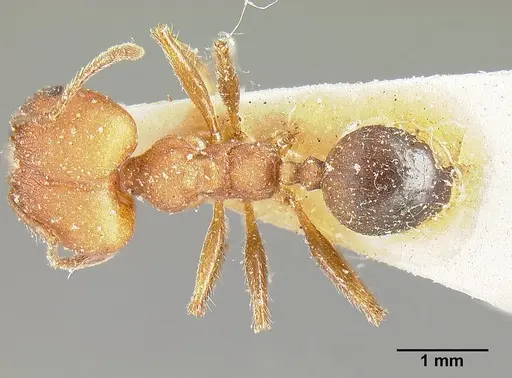
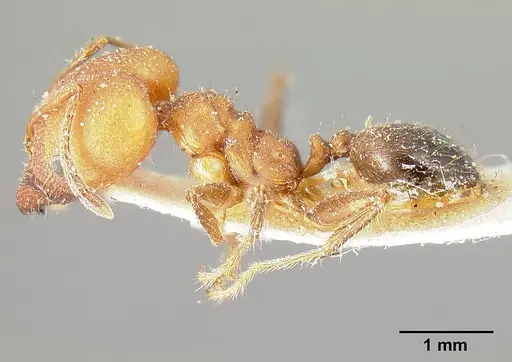
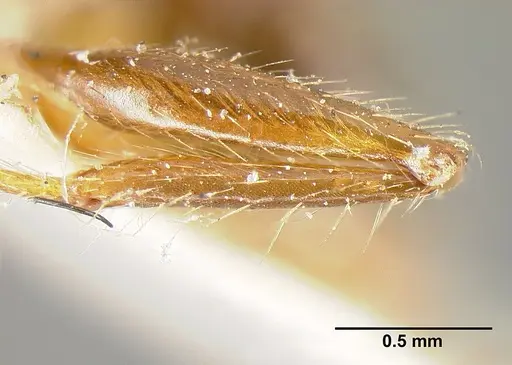
CASENT0601291
View on AntWeb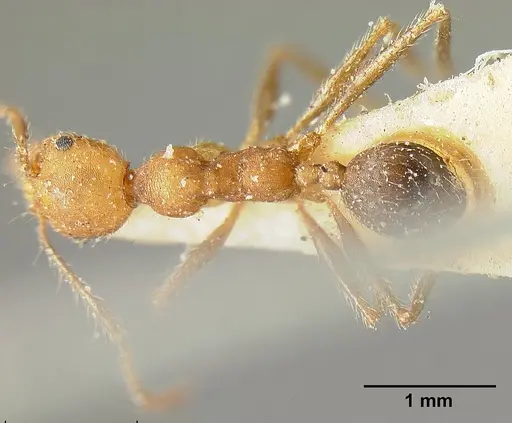
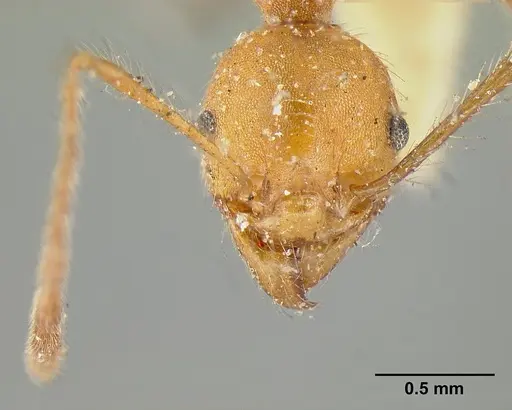
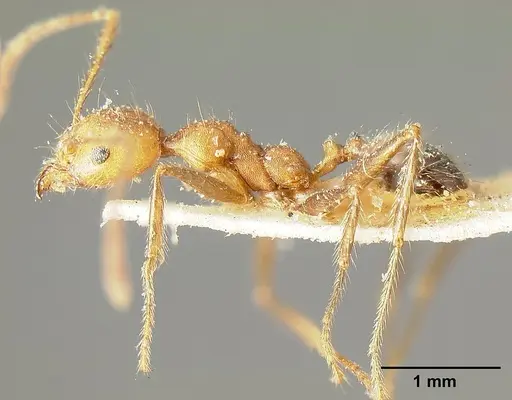
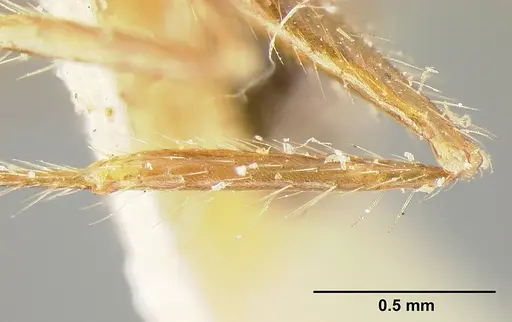
CASENT0635436
View on AntWeb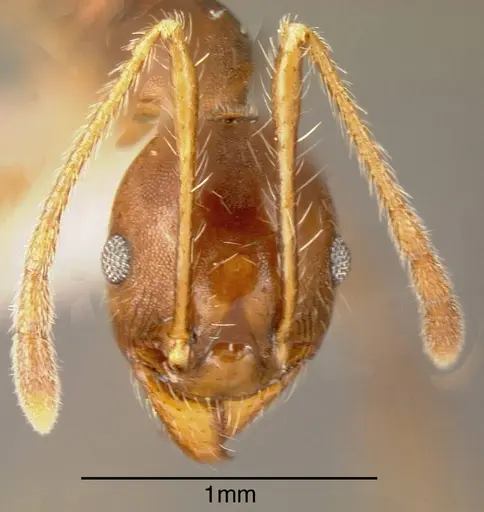
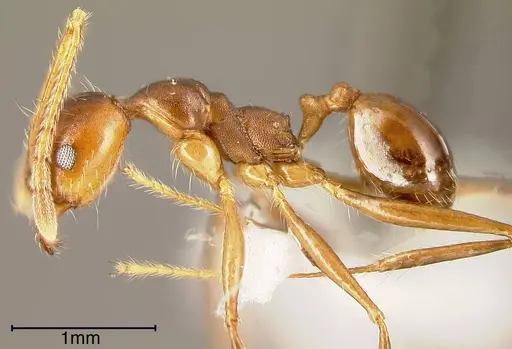
CASENT0643907
View on AntWeb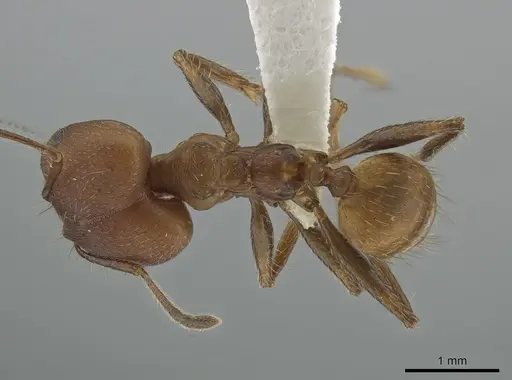
CASENT0901477
View on AntWeb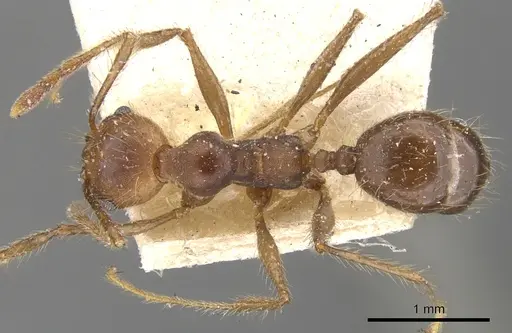
CASENT0904350
View on AntWeb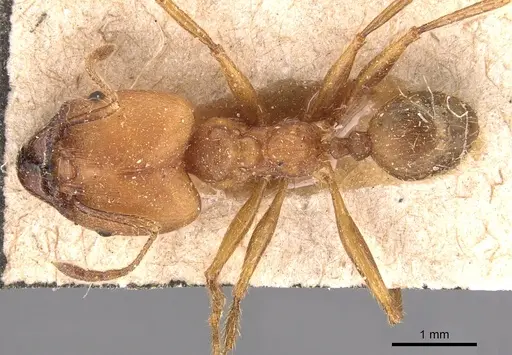
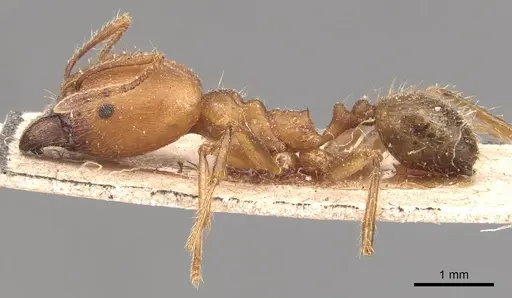
CASENT0904351
View on AntWeb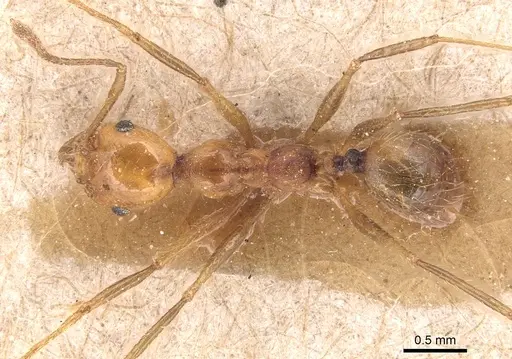
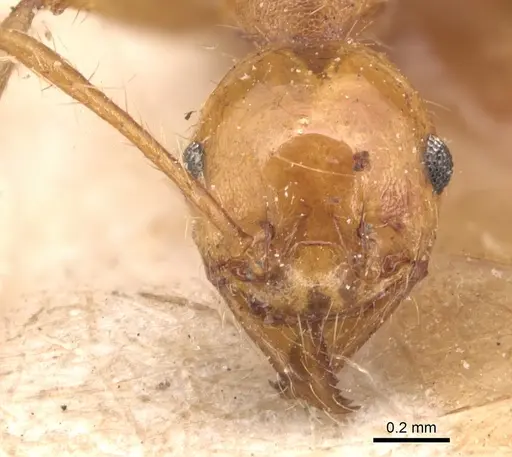
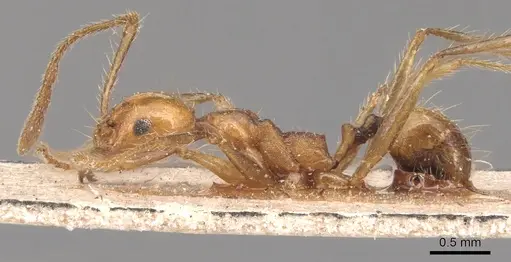
CASENT0904352
View on AntWeb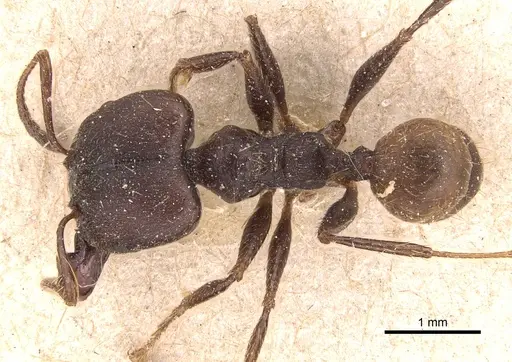
CASENT0904353
View on AntWeb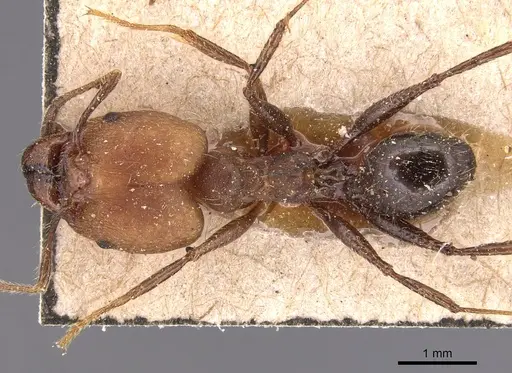
CASENT0904354
View on AntWeb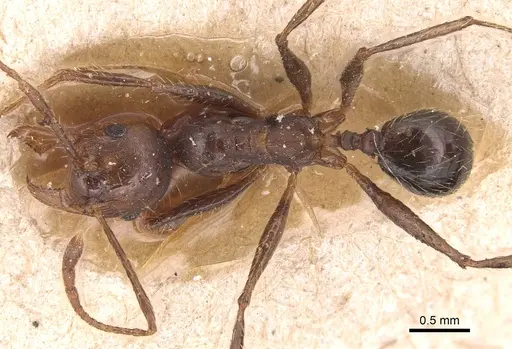
CASENT0904355
View on AntWeb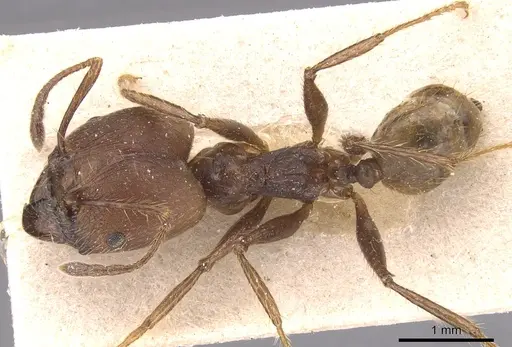
CASENT0904356
View on AntWeb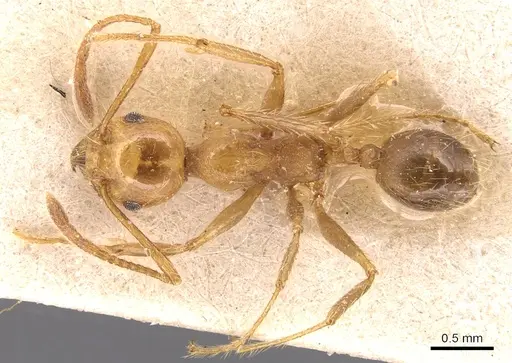
CASENT0908085
View on AntWeb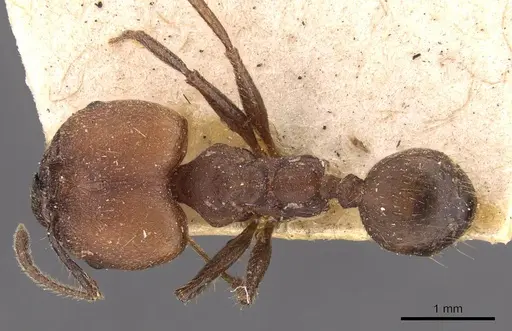
CASENT0908086
View on AntWeb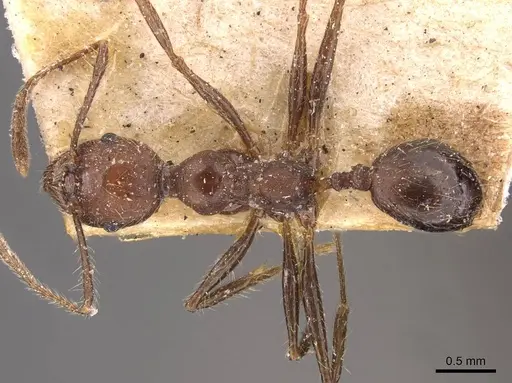
CASENT0908087
View on AntWeb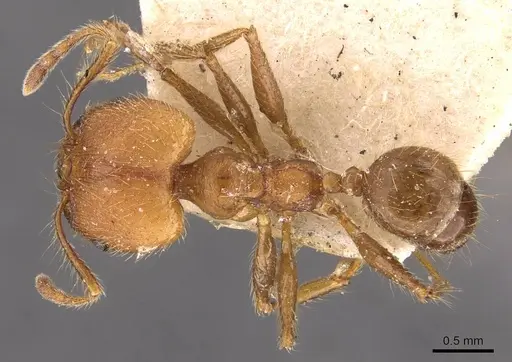
CASENT0908088
View on AntWeb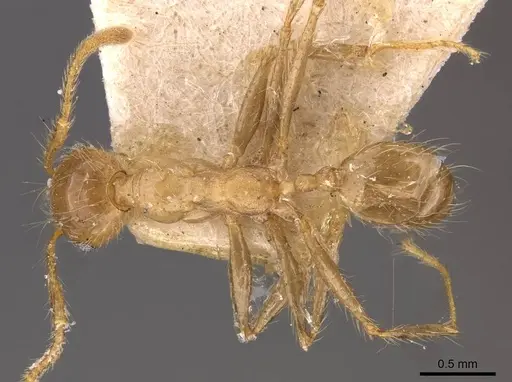
CASENT0908089
View on AntWeb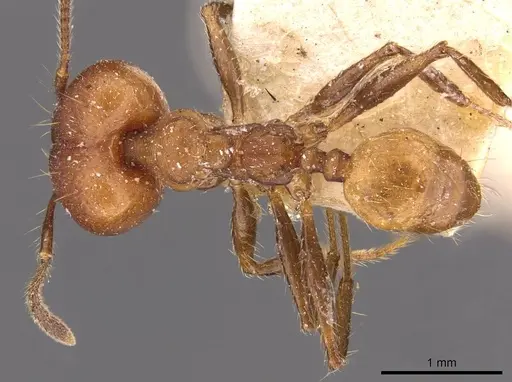
CASENT0908090
View on AntWeb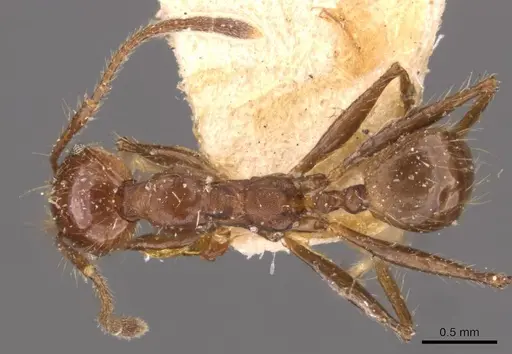
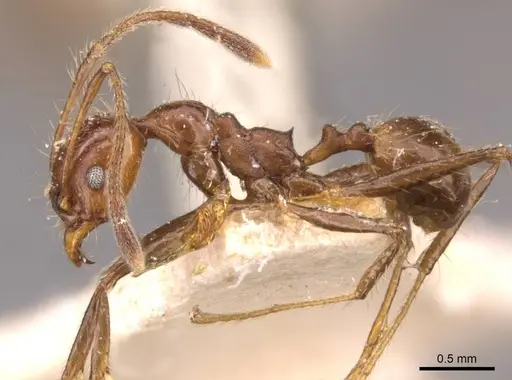
CASENT0916051
View on AntWeb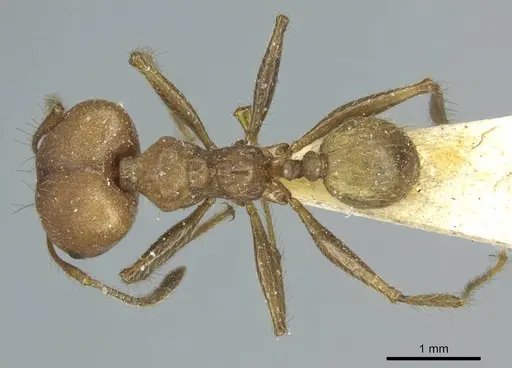
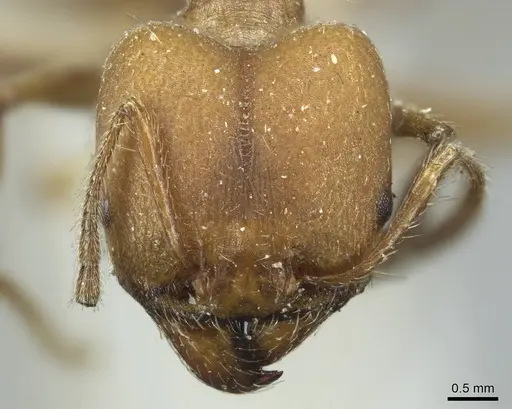
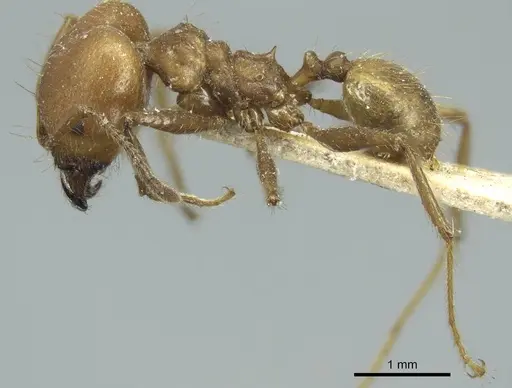
CASENT0919768
View on AntWeb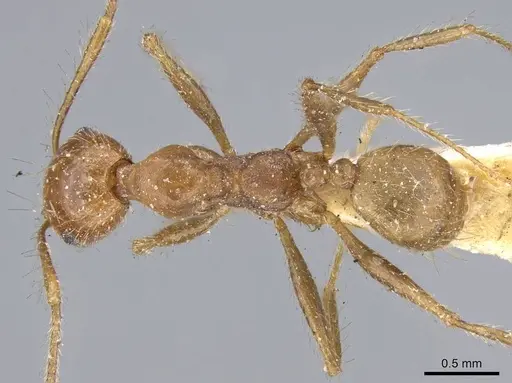
CASENT0919769
View on AntWeb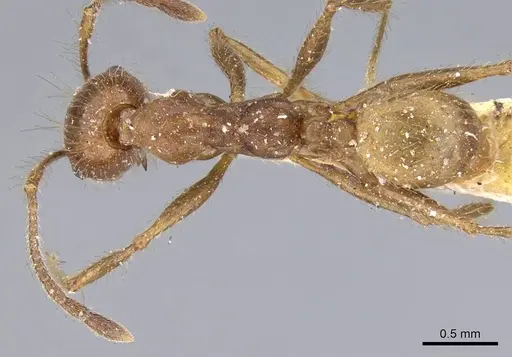
CBUMAGENT42055
View on AntWeb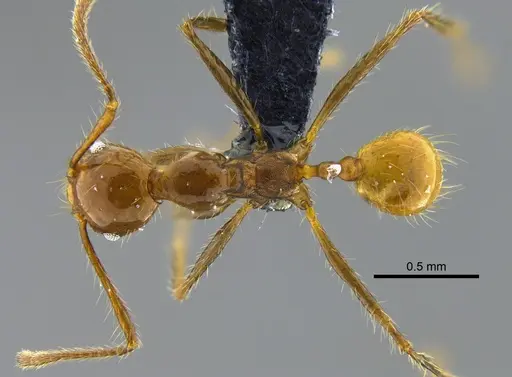
ECOFOG-IT14-0155-24-S
View on AntWeb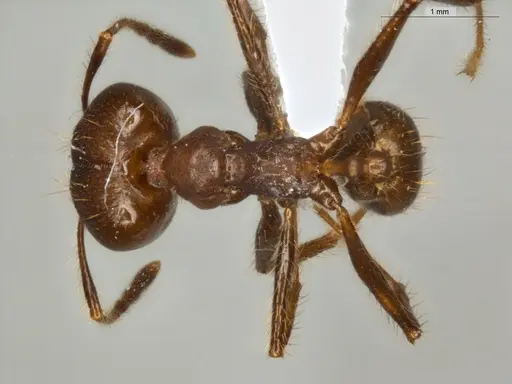
ECOFOG-IT14-0155-24
View on AntWeb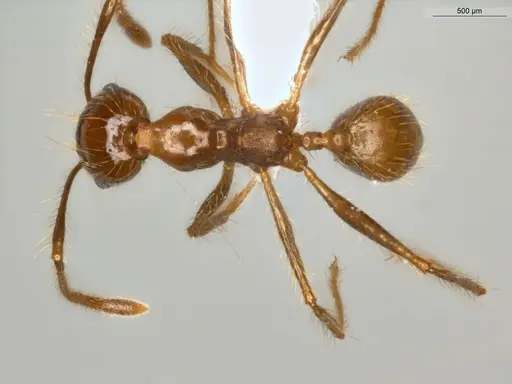
ECOFOG-SL13-0127-19-S
View on AntWeb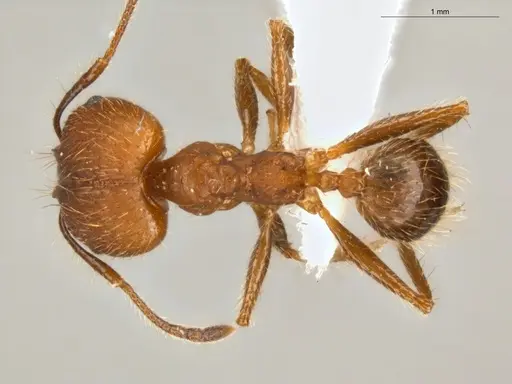
ECOFOG-SL13-0127-19
View on AntWeb
FOCOL1426
View on AntWeb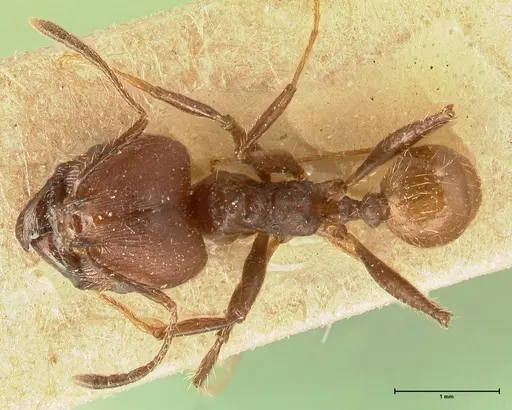
FOCOL1427
View on AntWeb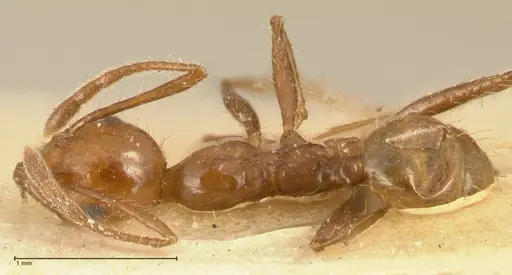
INBIOCRI001281888
View on AntWeb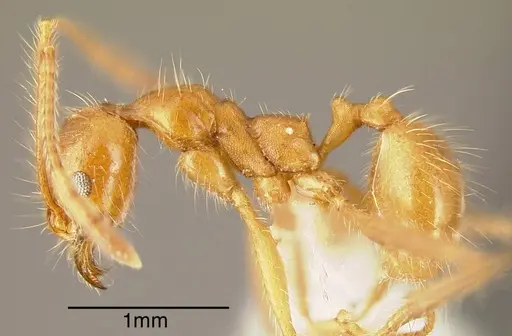
INBIOCRI002272024
View on AntWeb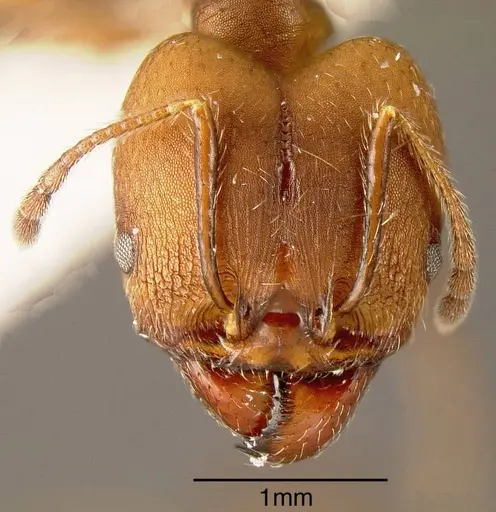
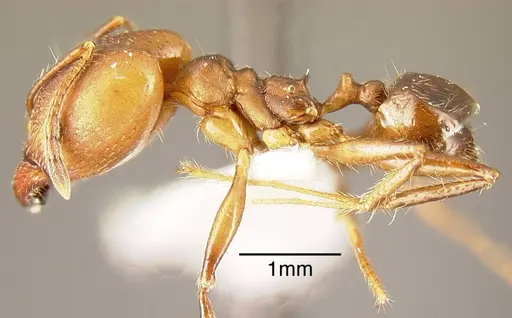
INBIOCRI002279529
View on AntWeb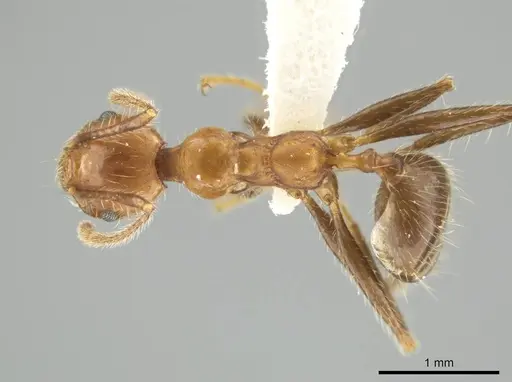
JTLC000001479
View on AntWeb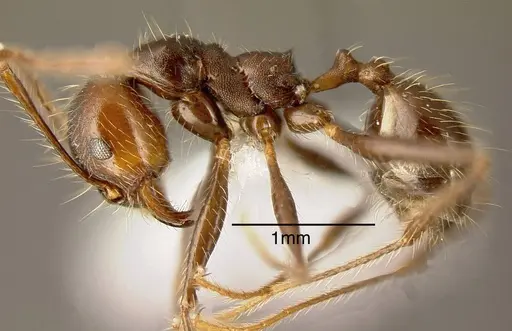
JTLC000014066
View on AntWeb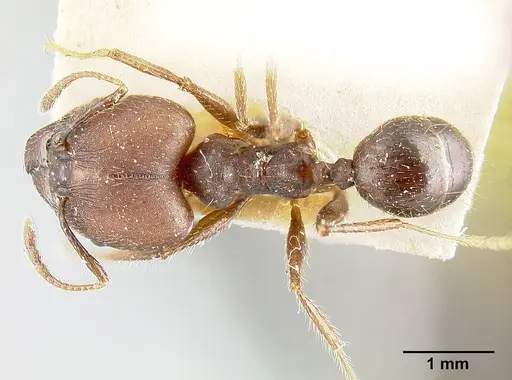
JTLC000014067
View on AntWeb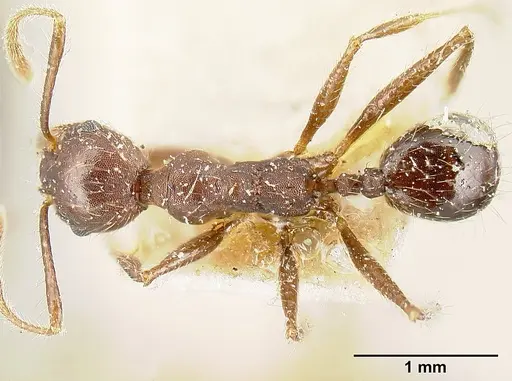
Literature
Loading...Loading products...