

Azteca forelii
- Scientific Name
- Azteca forelii
- Tribe
- Leptomyrmecini
- Subfamily
- Dolichoderinae
- Author
- Emery, 1893
- Distribution
- Found in 8 countries
Azteca forelii Overview
Azteca forelii is an ant species of the genus Azteca. It is primarily documented in 8 countries , including Colombia, Costa Rica, Ecuador. Detailed taxonomic data and occurrence records can be further explored via authoritative databases such as AntWeb or the Global Biodiversity Information Facility (GBIF).
Azteca forelii
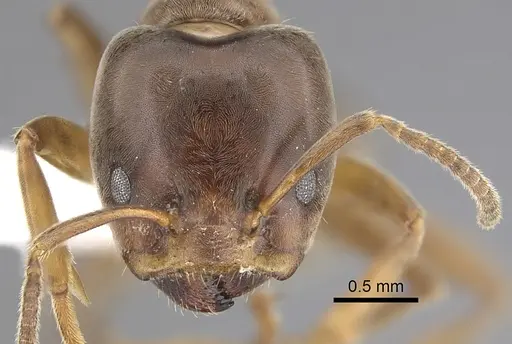
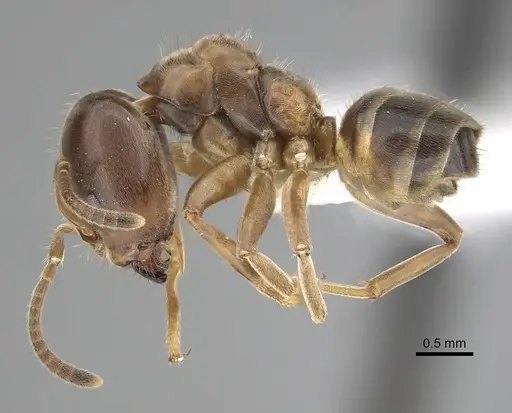
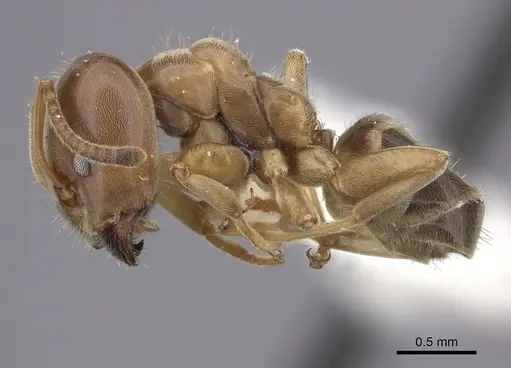
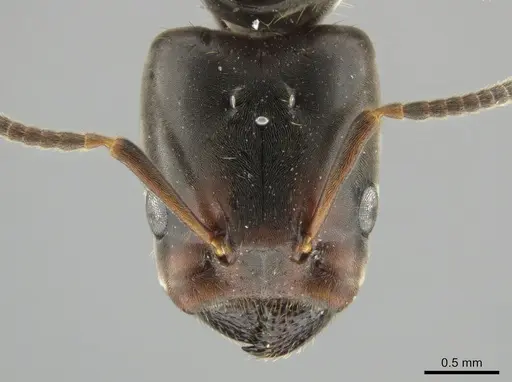
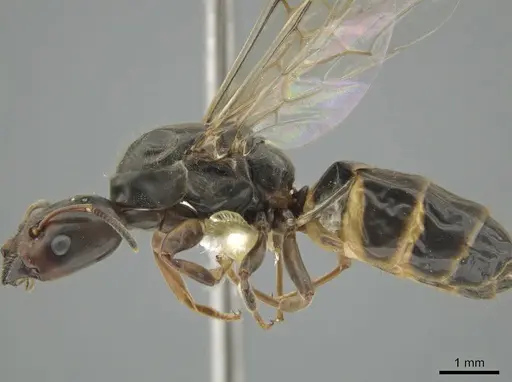
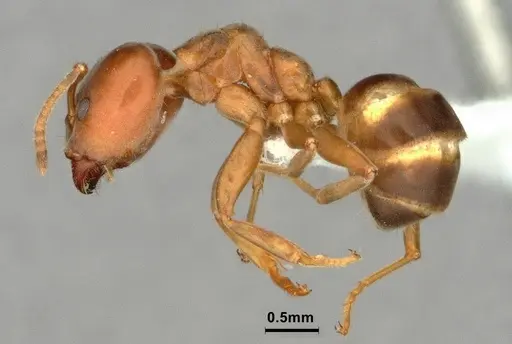
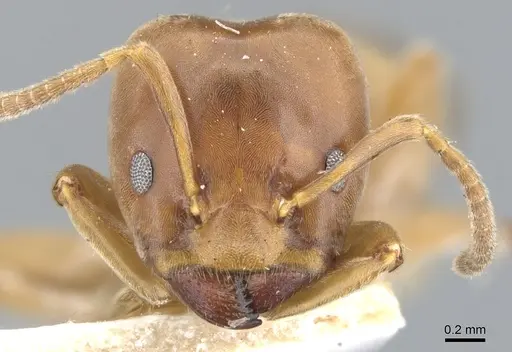
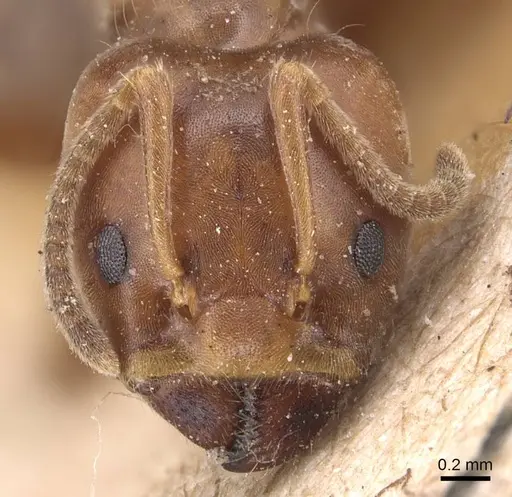
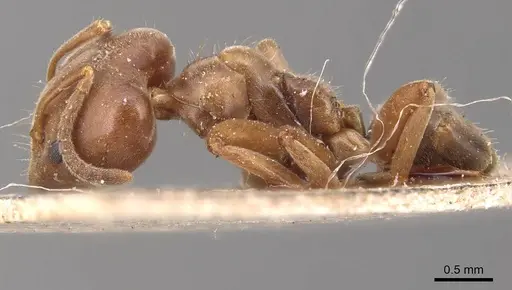
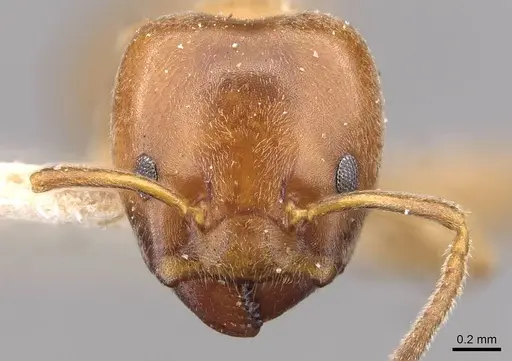
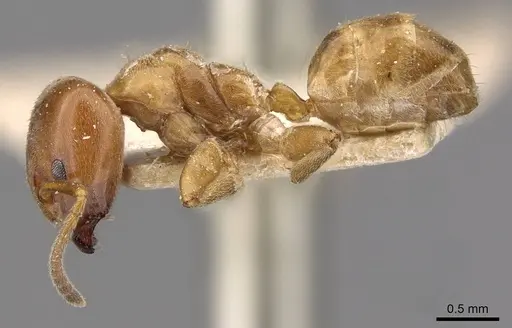
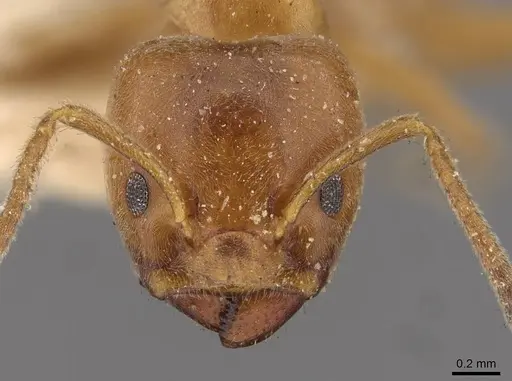
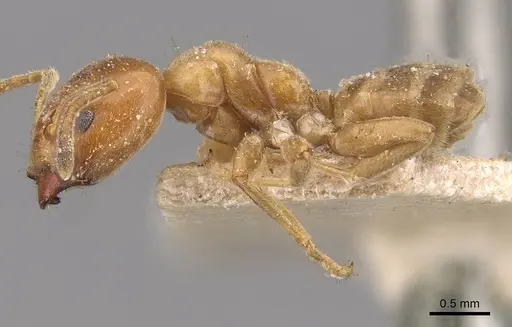
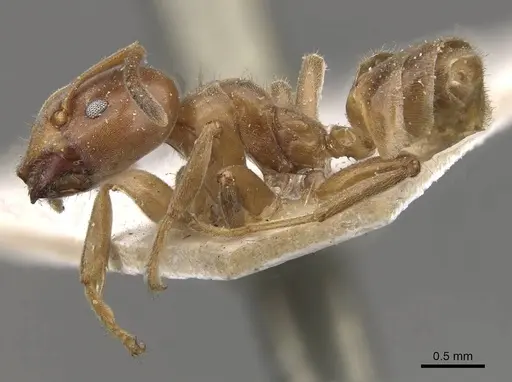
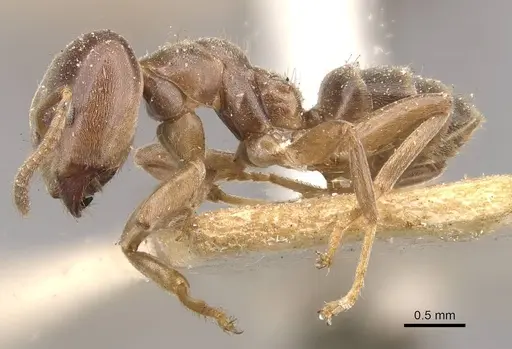
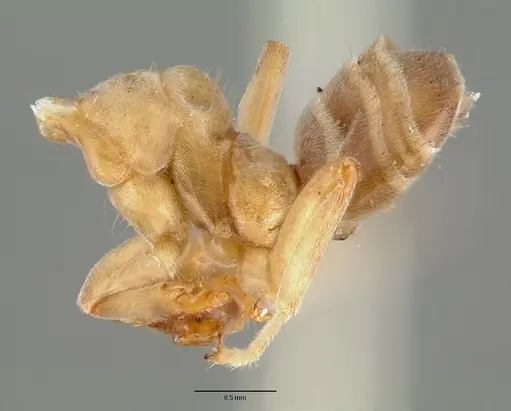
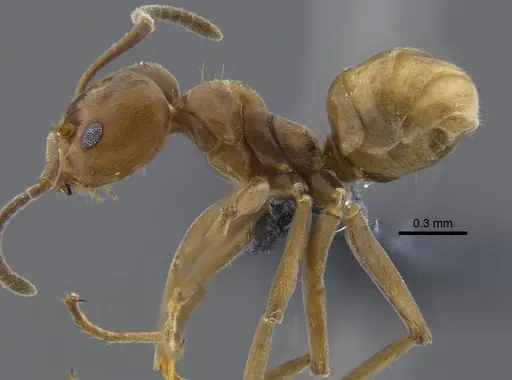
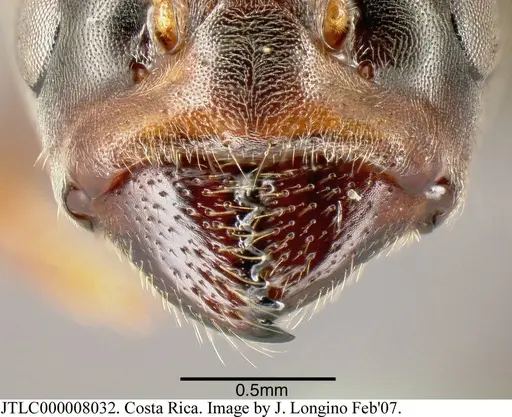
Azteca forelii is a medium-sized arboreal ant species native to tropical Central and South America, ranging from southern Mexico to Ecuador. Workers measure 1.4-1.7mm and are reddish-brown with distinctive bristly mandibles covered in stiff erect setae. Queens are larger at 1.9-2.0mm and have a dark brown body with yellow-brown markings on the clypeus and gastral segments. This species constructs elaborate carton galleries, light-colored, coarse thatch-like structures, on the surfaces of large trees, often covering branches and extending down the trunk into the soil at the tree's base. The galleries are remarkably similar to those built by Crematogaster stollii, and researchers believe A. forelii may sometimes take over these nests. Workers remain hidden inside these galleries and are rarely seen on the outside surface, making this species difficult to locate in the wild.
Quick Summary
- Difficulty: Expert
- Origin & Habitat: Tropical dry forest and seasonal wet forest from southern Mexico to Ecuador, primarily on the Pacific slope. Nests in large trees, constructing carton galleries on tree surfaces and extending into cavities within branches and the soil at the tree base [1][2].
- Colony Type: Colony structure is not well-documented. This is an arboreal species that builds extensive carton gallery systems rather than underground nests. Queens were only described in 2007,and colony size data is limited [1].
- Size & Growth:
- Queen: 1.9-2.0mm (head length) [1]
- Worker: 1.4-1.7mm (head length) [1]
- Colony: Unknown, likely large given the extensive gallery systems observed in the wild
- Growth: Unknown
- Development: Unknown, no development data exists for this species (Development has not been studied. Related Azteca species typically develop in 6-10 weeks at tropical temperatures.)
- Antkeeping:
- Temperature: Tropical species, keep at 24-28°C. Provide a temperature gradient allowing workers to self-regulate. Room temperature in most homes may be slightly cool [1].
- Humidity: Requires high humidity mimicking tropical forest conditions. Keep nest substrate consistently moist but not waterlogged. Provide humidity around 70-80% [1].
- Diapause: Unknown, tropical species likely does not require true hibernation, but may reduce activity in cooler months
- Nesting: This species is NOT suitable for standard ant-keeping setups. They require access to large tree structures or equivalent arboreal space to build their characteristic carton galleries. Standard test tubes, Y-tongs, and formicaria are inappropriate for this species. Captive keeping has never been documented.
- Behavior: Extremely secretive, workers are never exposed on the outer surface of their carton galleries. They remain hidden within the gallery network, tending hemipteran symbionts (scale insects) inside plant cavities. The galleries serve as protected foraging highways connecting to food sources. This species is not aggressive and will retreat rather than defend exposed workers. Escape risk is minimal given their arboreal, gallery-based lifestyle, but this is irrelevant since standard captivity methods do not work [1].
- Common Issues: This species has never been kept in captivity, there is no established husbandry method, Standard nest types (test tubes, Y-tongs, plaster nests) are completely inappropriate for this arboreal carton-building species, Requires access to living tree structures or equivalent to build galleries, impossible to provide in typical ant farms, Queens were only described in 2007, this is one of the least-studied ant species in the hobby, The extensive gallery systems they build in the wild cannot be replicated in captivity
Why This Species Is Not Recommended for Antkeepers
Azteca forelii is one of the most challenging ant species to keep in captivity, in fact, there is no documented evidence that anyone has successfully maintained a colony. This is not a species for beginners, intermediate keepers, or even most experts. The fundamental issue is that these ants are obligate arboreal nesters that construct elaborate carton galleries on tree surfaces. They never expose workers on outer surfaces, instead living entirely within interconnected gallery networks that can span an entire tree canopy and extend down the trunk into the soil. Replicating this environment in captivity is essentially impossible with standard ant-keeping equipment. Test tubes, Y-tongs, acrylic nests, and naturalistic setups all fail to provide what this species needs: access to living tree structures large enough to support their gallery-building behavior. If you are interested in keeping Azteca species, consider more commonly kept species like Azteca alfari or Azteca aurita which have more documented captive care information. [1][2]
Natural History and Nesting Behavior
In the wild, Azteca forelii constructs remarkable carton galleries that appear as light-colored, coarse thatch covering tree branches and trunks. These galleries are distinct from both the dark mud-like structures of termites and the papery carton typical of other Azteca species. The gallery system is extensive, researchers have observed galleries covering nearly every branch of a canopy Ficus tree, with multiple galleries extending down the trunk and into the soil at the tree's base. The galleries lead to small cavities in live branch tips, which the ants fill with brood and coccoid Hemiptera (scale insects). These hemipterans are tended as a food source, similar to how other Azteca species farm honeydew. Queens were unknown to science until 2007,when Longino discovered an associated colony at Ciudad Neily in Costa Rica. The species favors tropical dry forest or seasonal wet forest, occurring at low density throughout the Pacific slope but absent from wet Atlantic slopes. They need large trees to nest, preferring mature forests but also accepting large trees along roadsides or pasture edges [1][2].
Identification and Distinguishing Features
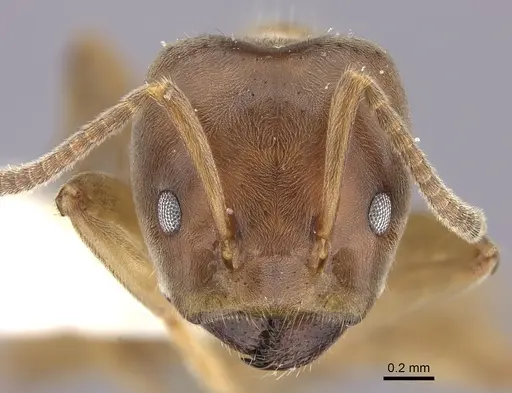
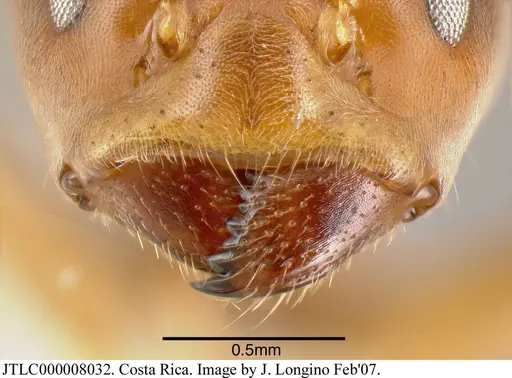
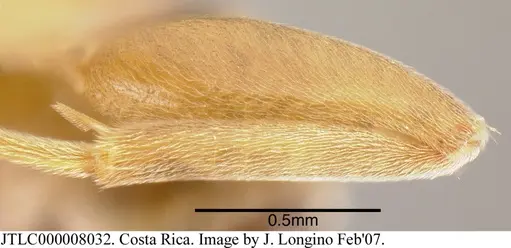
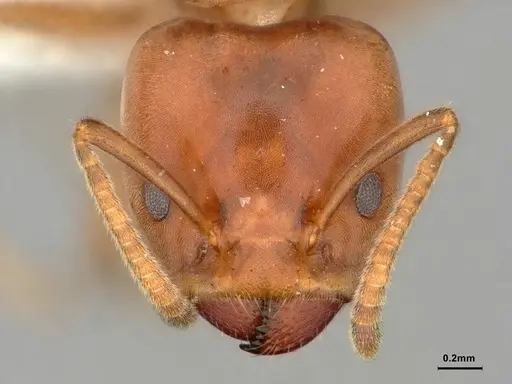
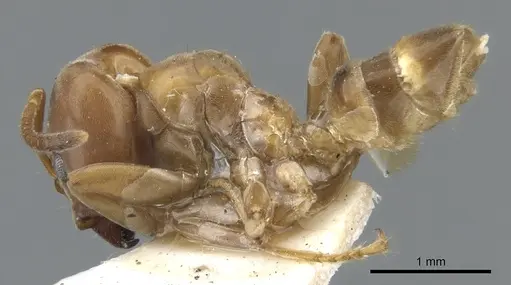
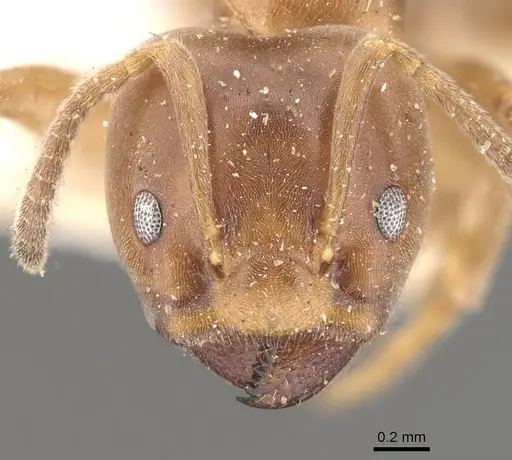
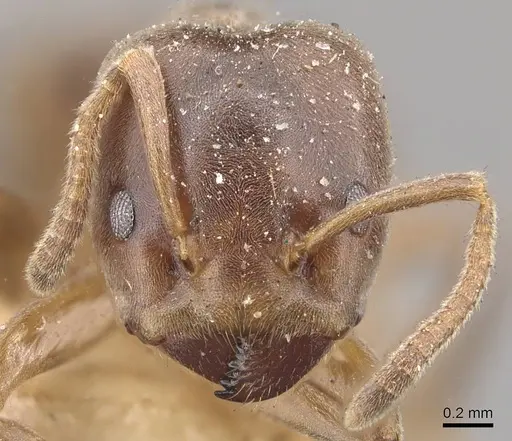
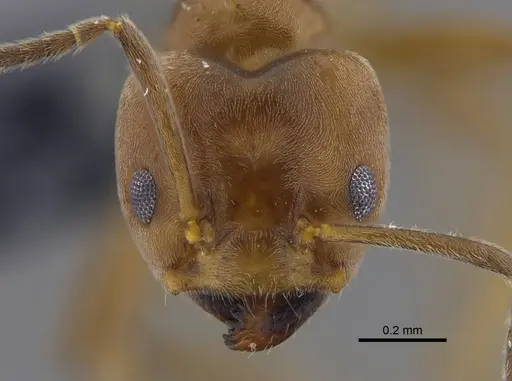
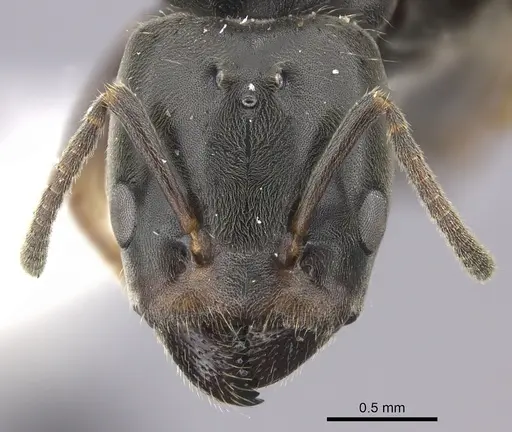
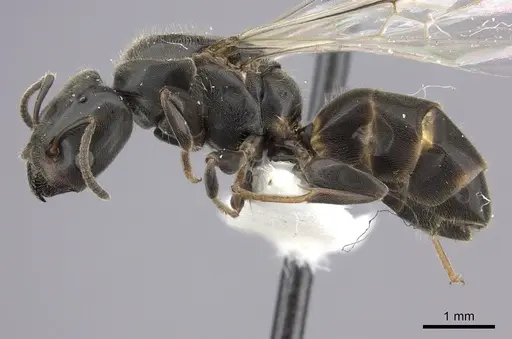
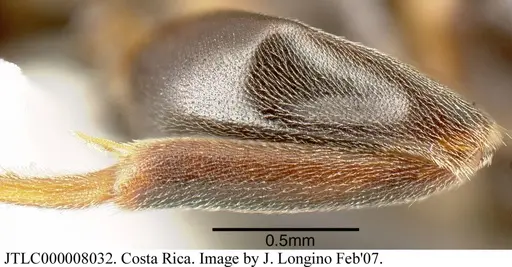
Azteca forelii can be identified by several distinctive characteristics. Workers have densely punctate/striate mandibles that are opaque nearly to the chewing margin, and reduced pilosity on the appendages. The mandibles appear bristly due to conspicuous erect setae arising from small punctures. Workers are reddish-brown in color. Queens are much larger than related species like Azteca brevis and Azteca nigricans, with a head length of 1.9-2.0mm compared to smaller species. The queen's body is dark brown with lighter yellow-brown markings: a thin strip of anterior clypeus, area near mandibular insertions, thin anterior and posterior bands on the abdominal segments, and the abdominal undersides. This species was previously considered to have multiple varieties (championi, eiseni, raptrix, ursina, xysticola), but all were synonymized by Longino in 2007. It is closely related to Azteca alfari but can be differentiated by the mandible sculpture and dull surface [1].
Distribution and Habitat
Azteca forelii ranges from southern Mexico through Guatemala, Honduras, Nicaragua, Costa Rica, Panama, Colombia (specifically La Guajira and Magdalena regions), Venezuela, Trinidad and Tobago, and Ecuador. This is primarily a Pacific slope species in Costa Rica, occurring in tropical dry forest and seasonal wet forest habitats. It is notably absent from the wet Atlantic slope despite suitable-looking forests existing there. The species requires large trees for nesting, which is why mature forests are preferred, though isolated large trees along roadsides or pasture edges can also support colonies. The distribution extends west to the Santa Marta region of Colombia. This arboreal species is classified as inhabiting vegetation in forest canopies rather than ground-nesting [3][2][4][5].
Relationship with Other Species
Azteca forelii shares its habitat and sometimes its nests with Crematogaster stollii, a species that builds remarkably similar carton galleries. The two species occur at similar densities in the same kinds of habitats across their range. Early researcher Forel noted that A. forelii might usurp C. stollii nests, describing one variety (raptrix) as potentially evidence of this behavior. However, later observations by Longino showed both species occupying extensive gallery systems simultaneously, with fresh carton construction in areas of both colonies. It remains unclear whether one species sometimes takes over the other's nests, or if they simply coexist in close association. This species is not a Cecropia specialist like some other Azteca, instead building independent carton nests on tree surfaces [1][2].
Frequently Asked Questions
Can I keep Azteca forelii in a test tube?
No. This species cannot be kept in any standard ant-keeping setup including test tubes, Y-tongs, acrylic nests, or formicaria. They are obligate arboreal nesters that build extensive carton galleries on tree surfaces, behavior that cannot be replicated in captivity. There is no documented case of successful captive maintenance of this species.
What do Azteca forelii eat?
Like other Azteca species, they likely feed on honeydew from tended hemipterans (scale insects) and may supplement with small insects. In the wild, researchers found the galleries led to plant cavities filled with coccoid Hemiptera that the ants tended. They were never observed foraging outside their galleries in the wild.
How big do Azteca forelii colonies get?
Colony size has not been documented. Based on the extensive gallery systems observed in the wild, colonies are likely large, potentially thousands of workers given the kilometers of gallery pathways that can cover an entire tree.
Are Azteca forelii good for beginners?
No. This species is not recommended for any level of antkeeper. It has never been successfully kept in captivity, requires arboreal tree-dwelling conditions that cannot be provided with standard equipment, and has no established care guidelines. Even experienced antkeepers should not attempt this species.
How long does it take for Azteca forelii to develop from egg to worker?
This has never been studied. There is no development data for this species. Related Azteca species in tropical conditions typically develop from egg to worker in 6-10 weeks, but this is an estimate with no specific data for A. forelii.
Do Azteca forelii need hibernation?
As a tropical species from Central and South America, they likely do not require true hibernation. However, they may reduce activity during cooler seasons. No specific seasonal care data exists for this species.
Can I keep multiple Azteca forelii queens together?
Colony structure (monogyne vs polygyne) has not been documented for this species. Queens were only described in 2007 and colony social structure remains unstudied. Given the complete lack of captive keeping information, combining queens is not recommended.
What temperature do Azteca forelii need?
As a tropical species, they likely require temperatures in the 24-28°C range. They occur in lowland tropical forests in the wild. However, no specific captive temperature requirements have been established since the species has never been kept in captivity.
Where does Azteca forelii live in the wild?
They range from southern Mexico through Central America to Ecuador, primarily in tropical dry forest and seasonal wet forest on the Pacific slope. They nest in large trees, building carton galleries on the tree surface that can extend from the canopy down to the soil at the tree's base.
References

This caresheet is licensed under CC BY-SA 4.0 .
CASENT0249541
View on AntWeb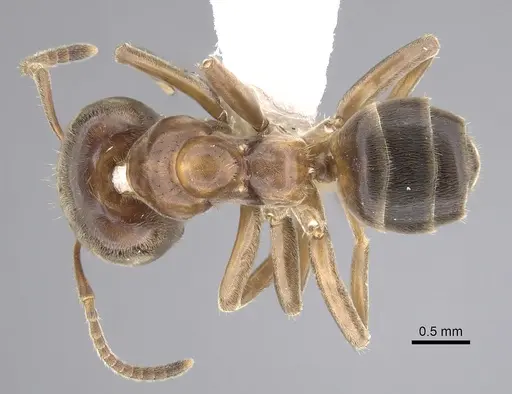
CASENT0619152
View on AntWeb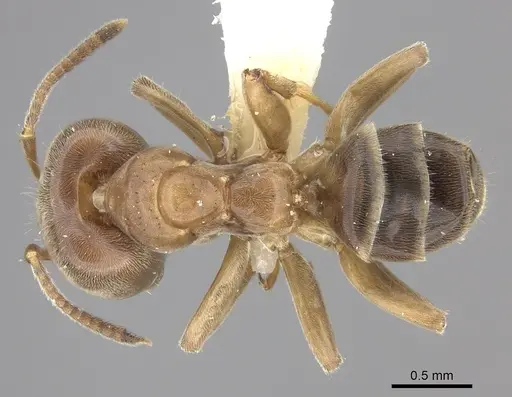
CASENT0640388
View on AntWeb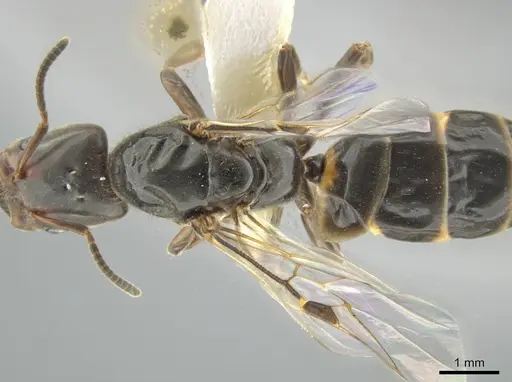
CASENT0886053
View on AntWeb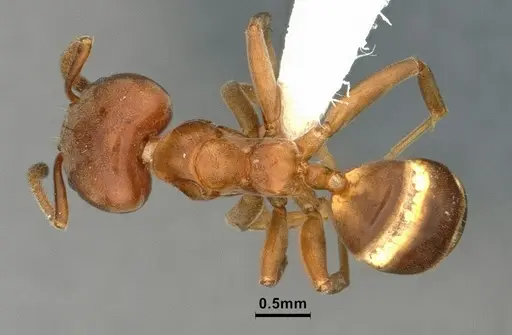
CASENT0903015
View on AntWeb
CASENT0905091
View on AntWeb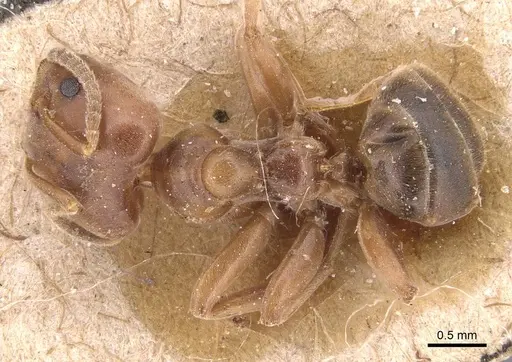
CASENT0909628
View on AntWeb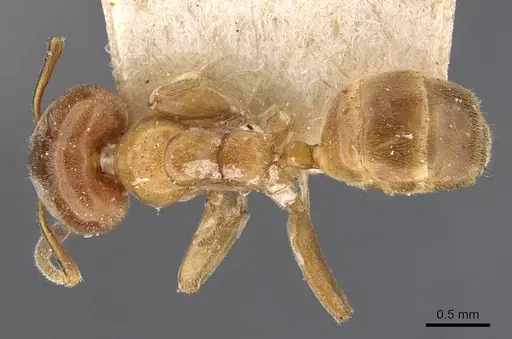
CASENT0909629
View on AntWeb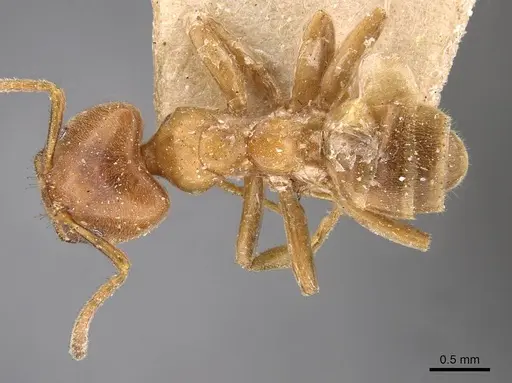
CASENT0909630
View on AntWeb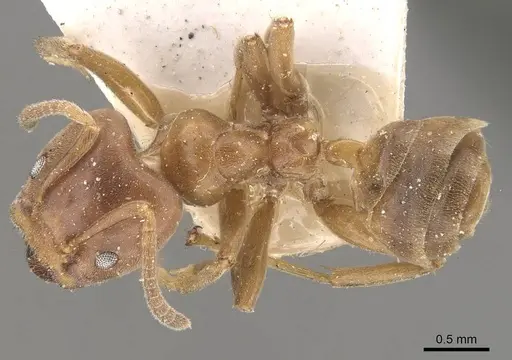
CASENT0909632
View on AntWeb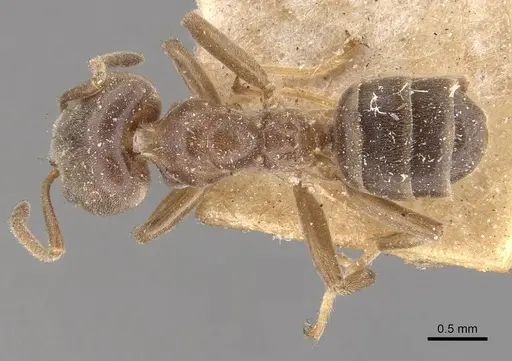
CASTYPE00610
View on AntWeb

CBUMAGENT41840
View on AntWeb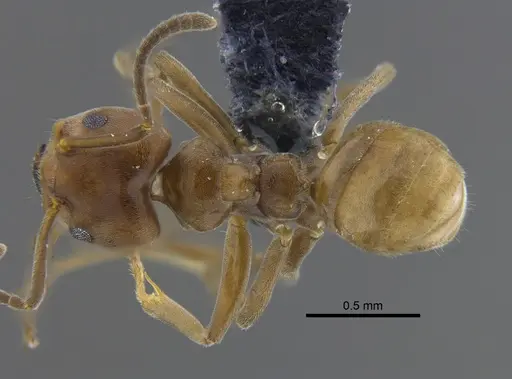
JTLC000008032
View on AntWeb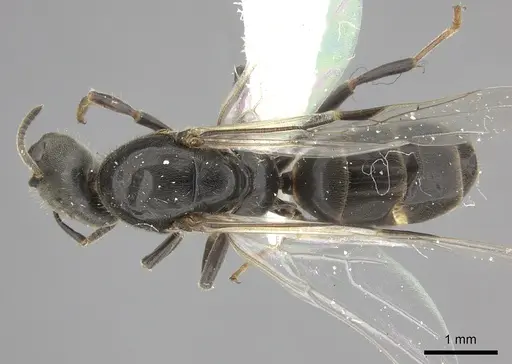
JTLC000009410
View on AntWeb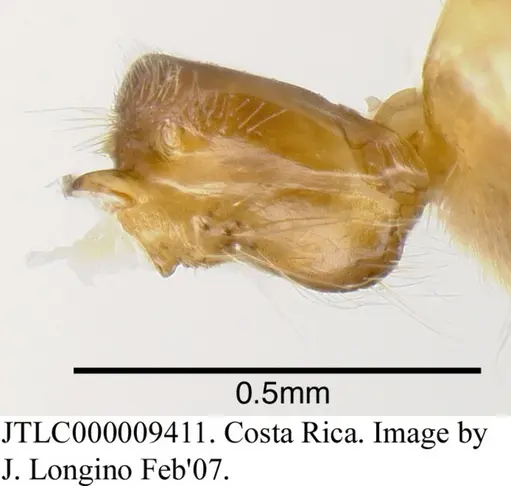
JTLC000009411
View on AntWeb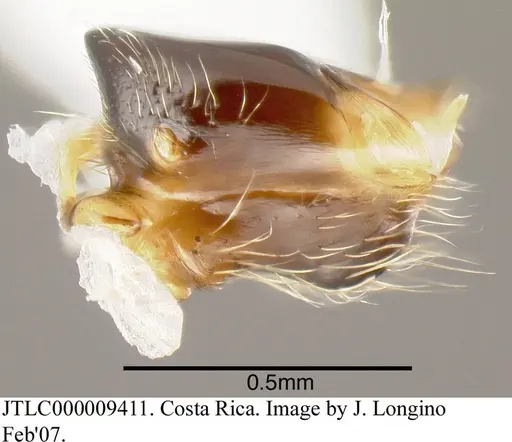
Literature
Loading...Loading products...