

Azteca brevis
- Scientific Name
- Azteca brevis
- Tribe
- Leptomyrmecini
- Subfamily
- Dolichoderinae
- Author
- Forel, 1899
- Distribution
- Found in 3 countries
Azteca brevis Overview
Azteca brevis is an ant species of the genus Azteca. It is primarily documented in 3 countries , including Costa Rica, French Guiana, Panama. Detailed taxonomic data and occurrence records can be further explored via authoritative databases such as AntWeb or the Global Biodiversity Information Facility (GBIF).
Azteca brevis
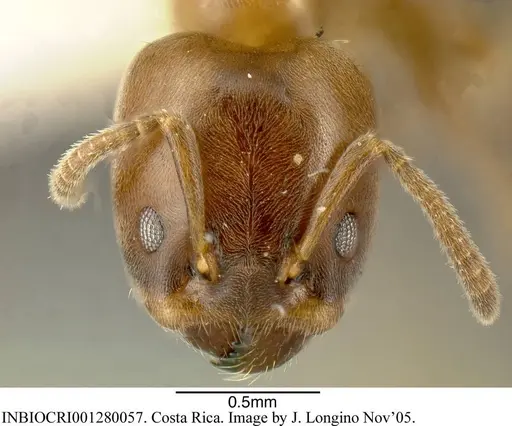
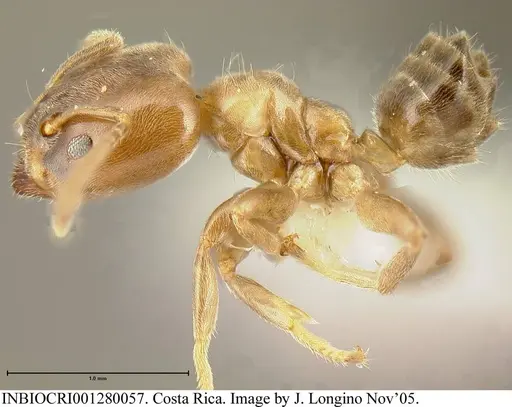
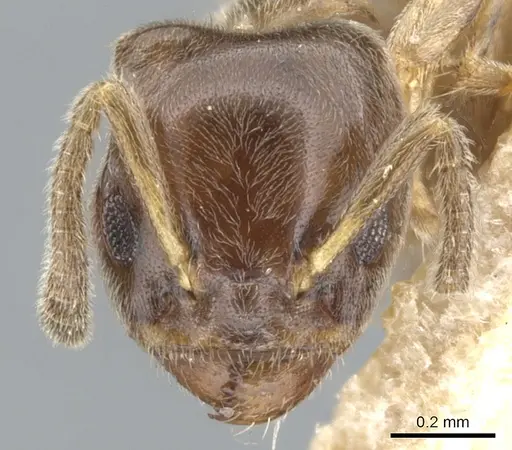
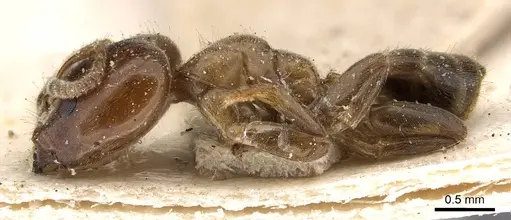
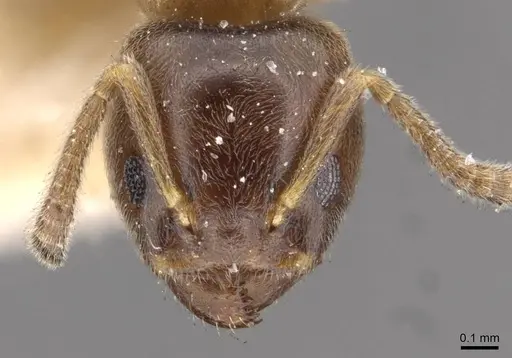
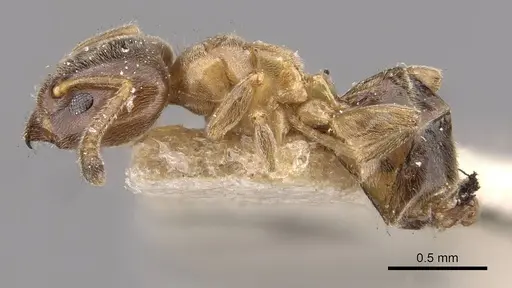
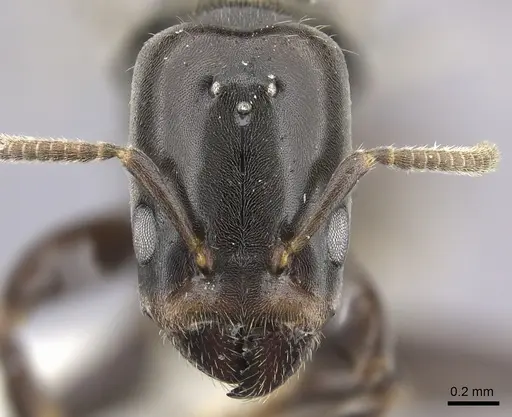
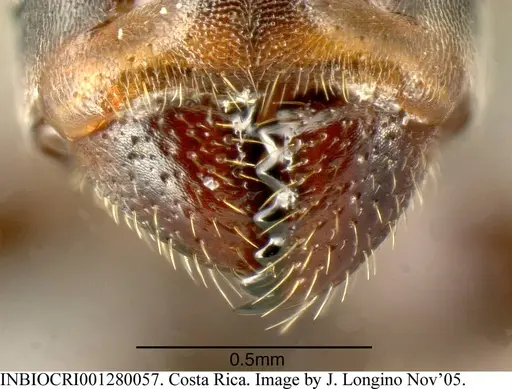
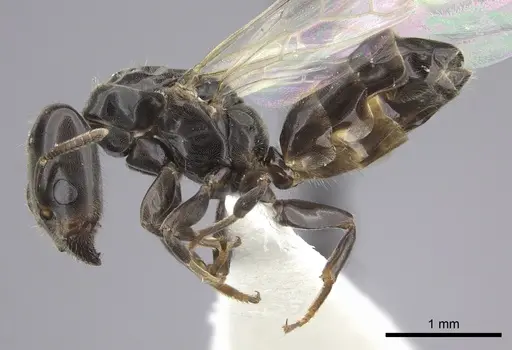
Azteca brevis is a small reddish-brown arboreal ant native to the wet forests of Costa Rica's Pacific lowlands, with records also from Nicaragua and French Guiana [1][2]. Workers measure about 4mm long and have bristly mandibles and compact bodies, while queens are slightly larger and darker in color [1][3]. These ants are famous for constructing sophisticated trap galleries, crusty black carton tunnels built along tree branches using masticated plant material reinforced with fungal mycelium [4][3]. Colonies are polydomous, meaning they spread themselves across multiple branch tips connected by runway galleries, and they maintain large populations of coccoid hemipterans inside plant stems for honeydew [1][3].
Quick Summary
- Difficulty: Expert
- Origin & Habitat: Pacific lowlands of Costa Rica, wet forests, also found in Nicaragua and French Guiana [1][2]
- Colony Type: Polydomous colonies distributed across multiple branch tips, queen number per colony unconfirmed [1][3]
- Size & Growth:
- Queen: ~5-6mm (estimated from head length 1.57mm) [1]
- Worker: ~4mm [3][1]
- Colony: Unknown, likely moderate (hundreds to thousands of workers) [5][1]
- Growth: Moderate to fast (estimated from tropical habitat)
- Development: Unknown, likely 6-10 weeks at 25-27°C based on related tropical Azteca species (Timeline not directly studied, estimate based on genus patterns)
- Antkeeping:
- Temperature: 24-28°C (tropical wet forest species) [1]
- Humidity: High humidity required, keep nest substrate moist but not waterlogged with good ventilation to prevent mold in carton material [1][3]
- Diapause: No (tropical species) [2]
- Nesting: Arboreal setup essential, requires vertical branches or stems with ability to construct carton galleries, will not thrive in standard soil or acrylic block nests [1][3]
- Behavior: Highly specialized trap-hunters that ambush prey from gallery holes, show worker polymorphism with larger workers specializing in hunting, aggressive defense of territory, rapid recruitment to prey using pheromones [6][3]. Escape risk is extreme due to 1mm gallery holes [3].
- Common Issues: extremely difficult to replicate natural gallery structures and fungal carton construction in captivity., require specialized arboreal setups with live plant material or realistic branch structures., gallery exit holes measure only 1mm in diameter, requiring exceptional escape prevention with fine mesh., may struggle without access to coccoid hemipterans for honeydew or very frequent protein feeding., carton material is prone to mold without adequate ventilation.
Nest Preferences and Arboreal Requirements
In nature, Azteca brevis nests exclusively in live stems of trees including Licania, Grias, Myriocarpa, Tetrathylacium costaricensis, Ocotea nicaraguensis, and various Moraceae [1]. Workers cover occupied stems with distinctive crusty black carton runways full of small round holes approximately 1mm in diameter [1][3]. These galleries serve as protected highways connecting multiple nest sites and allow the colony to distribute brood across numerous branch tips [1][3]. In captivity, you must provide an arboreal setup with vertical branches or hollow stems that allow for gallery construction. Standard horizontal formicaria or soil nests will not work. The setup must maintain high humidity while allowing the carton to dry slightly to prevent fungal mold [3].
The Trap-Gallery Behavior
This species constructs ingenious gallery-shaped traps along branches of their host plants [6]. Workers build arched tunnels 2mm high and 3-4mm wide using masticated bark and plant pith reinforced with Chaetothyrialean fungal hyphae [3][4]. The gallery walls contain evenly distributed circular holes about 1mm wide, slightly larger than a worker's head, lined with bulky rings [3]. When hunting, larger workers (weighing ~1.2mg compared to 0.95mg for nest workers) position themselves beneath these holes with mandibles wide open [6]. When prey walks over a hole, workers seize its appendages and pull backwards, spreadeagling the victim against the gallery roof [6]. They can capture prey up to 48 times their own weight, including spiders, grasshoppers, termites, and caterpillars [6]. Successful hunters release recruitment pheromones to summon nestmates for the lengthy process of subduing and carving up large prey [6].
Feeding and Diet
Azteca brevis maintains a mutualistic relationship with coccoid hemipterans (scale insects), particularly Cryptostigma species, which they keep inside plant stems and gallery tunnels [1][3][7]. These insects provide honeydew as a primary carbohydrate source. However, the ants are also active predators, hunting a wide variety of arthropods including spiders, grasshoppers, heteropterans, winged termites, butterflies, cockroaches, caterpillars, and even other ants [6]. In captivity, you must provide both sugar sources (honey water or sugar water) and live prey. Small fruit flies, springtails, and tiny crickets may be accepted, but the colony may decline without access to hemipteran honeydew or very frequent protein feeding.
Temperature and Humidity
Native to the wet forests of Costa Rica's southern Pacific lowlands, this species requires warm, stable temperatures between 24-28°C [1]. Humidity should remain high, mimicking the damp forest environment where they build their carton galleries [1]. However, ventilation is critical, stagnant air will cause mold to grow on the fungal carton material [3]. Provide a gradient with slightly drier areas near ventilation holes and moist areas deeper in the nest. During the dry season, wild colonies slow or stop gallery construction, resuming rapid building (up to 4cm per day) when rains return [3].
Colony Structure and Growth
Colonies are polydomous, meaning workers and brood are distributed across multiple branch tips connected by runway galleries [1][3]. This structure allows the colony to exploit resources across a wide area. The total colony size is unknown but likely ranges from hundreds to several thousand workers given their polydomous nature and the large populations of hemipterans they maintain [5][1]. Development time from egg to worker has not been documented for this species, but based on other tropical Azteca, expect approximately 6-10 weeks at 25-27°C.
Frequently Asked Questions
Can I keep Azteca brevis in a test tube?
No. This species requires an arboreal setup with vertical branches or plant stems where they can build their characteristic carton galleries. They will not survive in test tubes or standard soil nests.
What do Azteca brevis eat?
They feed on honeydew from coccoid hemipterans (scale insects) that they maintain inside plant stems, supplemented by predation on various arthropods including spiders, grasshoppers, termites, and caterpillars [1][6].
How long until Azteca brevis gets their first workers?
The egg-to-worker timeline is unconfirmed for this species. Based on related tropical Azteca, expect roughly 6-10 weeks at 25-27°C, but this is an estimate.
Are Azteca brevis good for beginners?
No. This is an expert-level species due to their specialized arboreal nesting requirements, need for gallery construction, specific dietary needs involving hemipteran tending, and small size requiring exceptional escape prevention.
Can I keep multiple Azteca brevis queens together?
Unknown. While colonies are polydomous (occupying multiple nests), whether they accept multiple founding queens or unrelated queens has not been documented. It is not recommended to attempt combining queens.
Do Azteca brevis need hibernation?
No. They are a tropical species from Costa Rica's wet forests and remain active year-round. They do not require a winter rest period.
Why are my Azteca brevis dying?
Common causes include improper nest type (they need arboreal galleries, not soil), lack of appropriate food (they may need hemipteran honeydew), mold growth in their carton nests due to poor ventilation, or escape-related stress.
How big do Azteca brevis colonies get?
Colony size is unknown but likely moderate, possibly reaching hundreds to thousands of workers distributed across multiple nest sites (polydomy) [5][1].
What is the escape risk with Azteca brevis?
High. Their gallery holes are only 1mm in diameter, meaning they can squeeze through extremely small gaps. You must use fine mesh barriers and tight-fitting lids.
References

This caresheet is licensed under CC BY-SA 4.0 .
CASENT0619155
View on AntWeb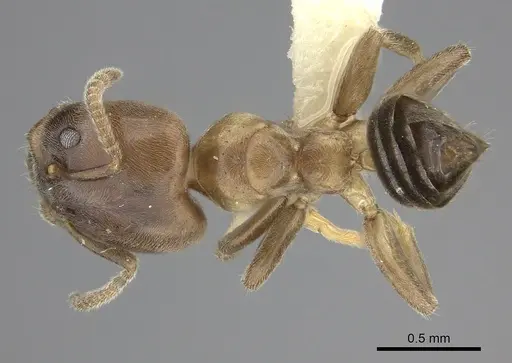
CASENT0903012
View on AntWeb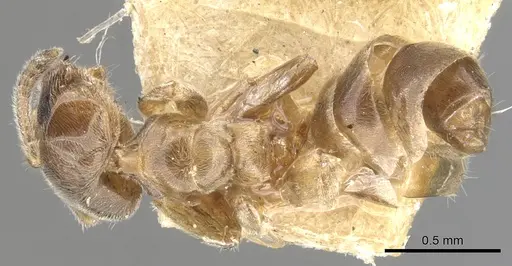
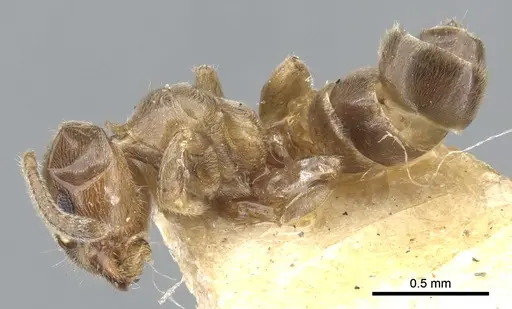
CASENT0909602
View on AntWeb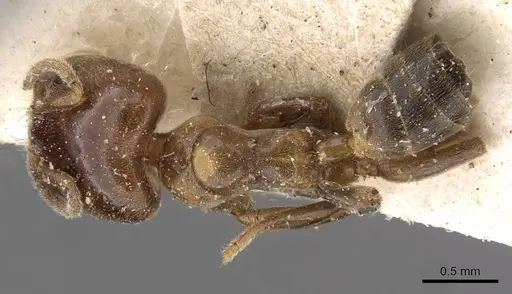
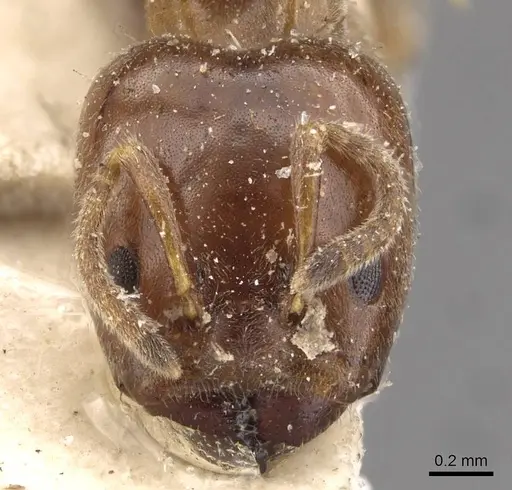
CASENT0909603
View on AntWeb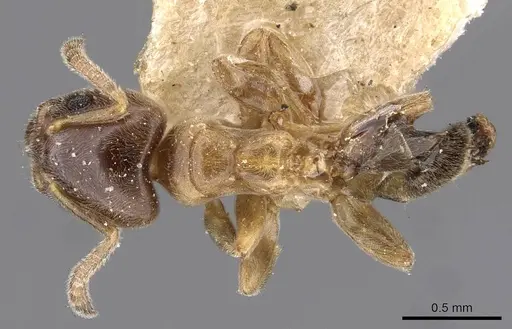
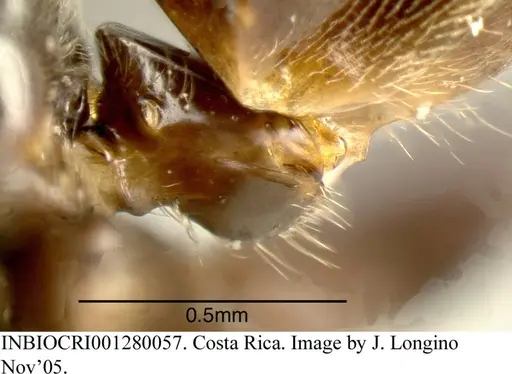
INBIOCRI001280057
View on AntWeb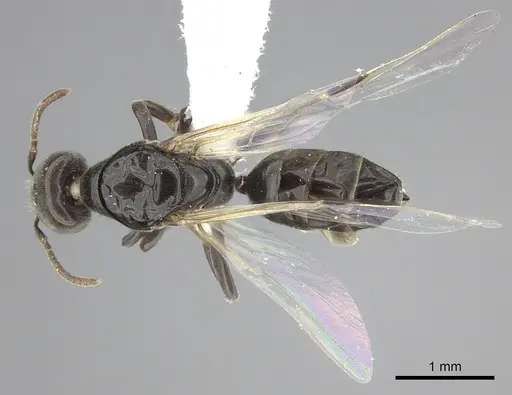
JTLC000009499
View on AntWeb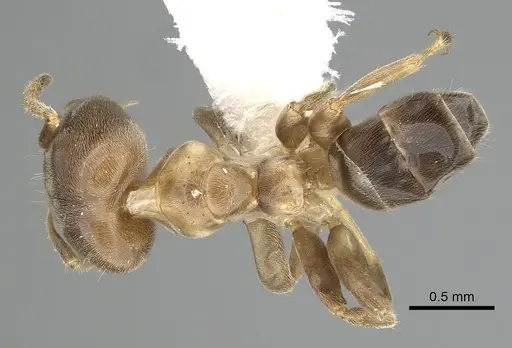
Literature
Loading...Loading products...