

Azteca nigricans
- Scientific Name
- Azteca nigricans
- Tribe
- Leptomyrmecini
- Subfamily
- Dolichoderinae
- Author
- Forel, 1899
- Distribution
- Found in 4 countries
Azteca nigricans Overview
Azteca nigricans is an ant species of the genus Azteca. It is primarily documented in 4 countries , including Costa Rica, Guatemala, Mexico. Detailed taxonomic data and occurrence records can be further explored via authoritative databases such as AntWeb or the Global Biodiversity Information Facility (GBIF).
Azteca nigricans
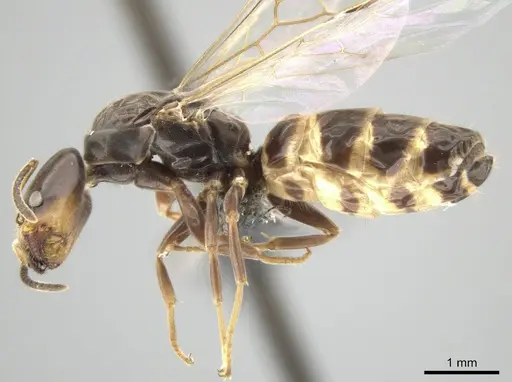
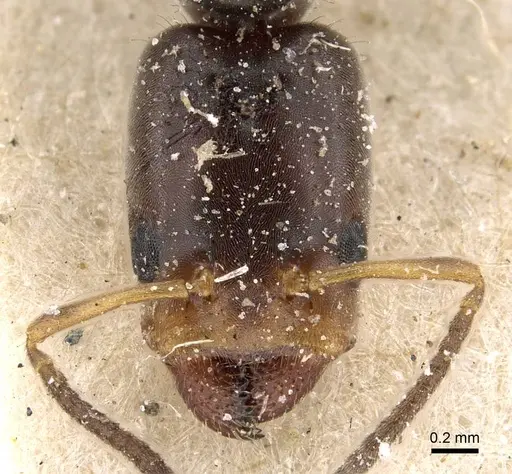
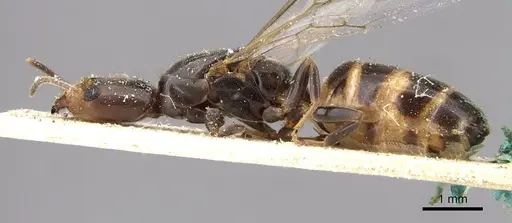
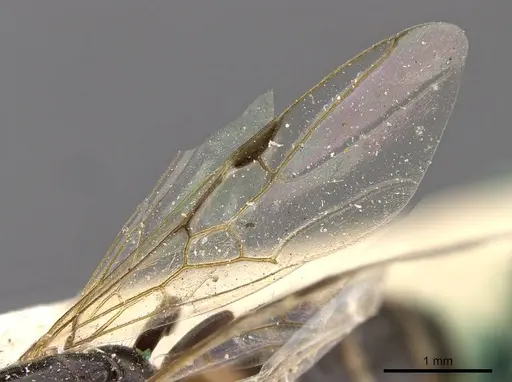
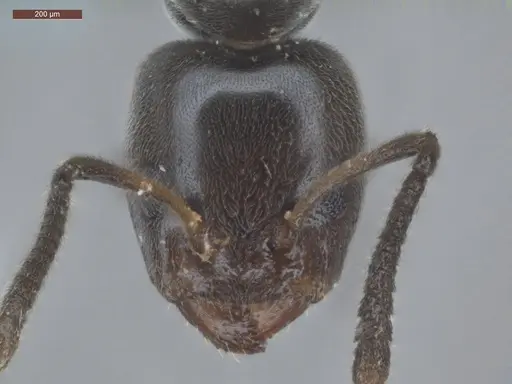
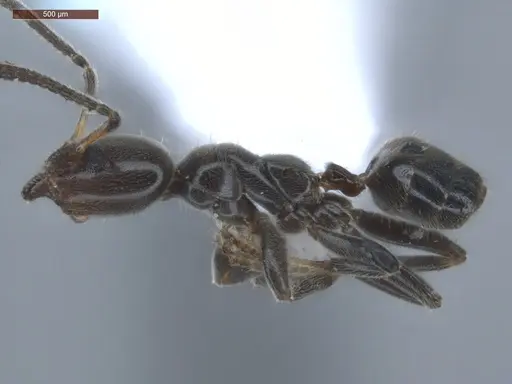
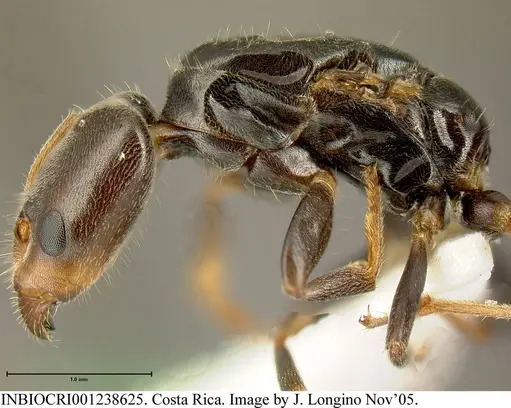
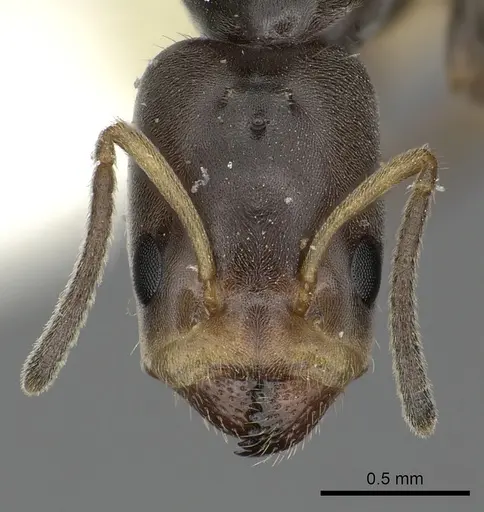
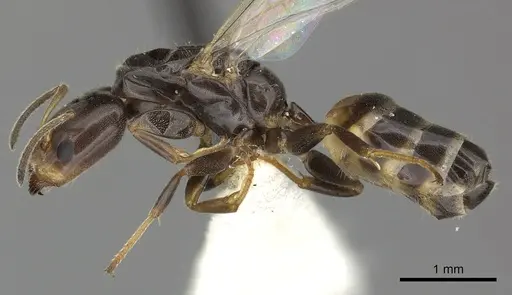
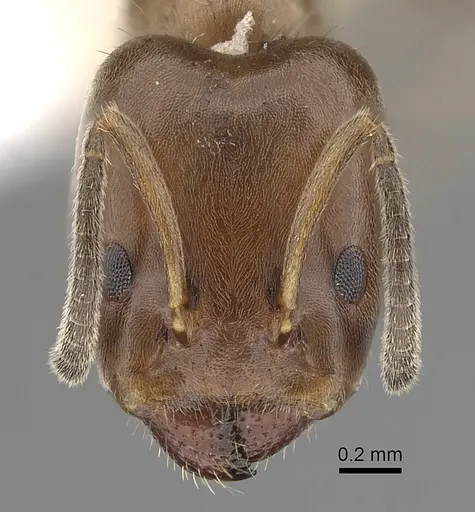
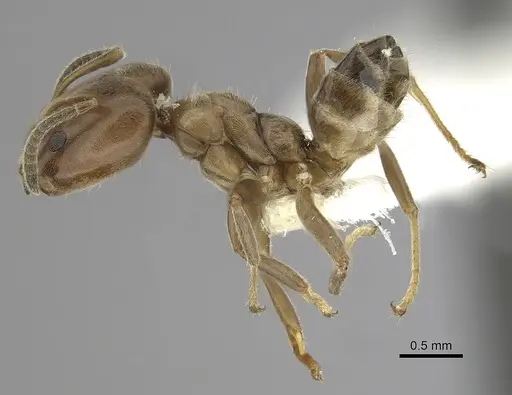
Azteca nigricans is a medium-sized arboreal ant found throughout wet forests of Central America and into Colombia. Workers measure around 1.0-1.4mm in head length and have a distinctive reddish-brown coloration, while queens are slightly larger at 1.5-1.6mm with a dark brown body featuring lighter yellow-brown markings on the clypeus and gaster. Unlike many Azteca species that build carton nests, these ants are live-stem dwellers, they colonize the hollow stems of various tropical trees by chewing small entrance holes and creating irregular chambers for brood. Colonies are polydomous, meaning they maintain multiple nests spread throughout the tree canopy, with the single queen hidden in one of these many chambers. Workers are frequently visible foraging exposed on tree stems rather than remaining hidden within the vegetation [1].
Quick Summary
- Difficulty: Expert
- Origin & Habitat: Wet forest habitats in Panama, Costa Rica, Guatemala, and Colombia. These ants are arboreal, nesting exclusively in the live stems of canopy trees including Cecropia, Inga, Pentaclethra, Erythrina, and Dendropanax species [1][2].
- Colony Type: Polydomous colonies with a single queen (monogynous). Colonies maintain multiple nests distributed across tree crowns, with brood stored in different chambers throughout the canopy [1].
- Colony: Monogyne
- Size & Growth:
- Queen: 1.48-1.64mm head length (HLA) [1]
- Worker: 1.04-1.42mm head length (HLA) [1]
- Colony: Large colonies that can occupy large portions of canopy trees [1]
- Growth: Moderate, estimated based on typical Azteca patterns
- Development: 8-12 weeks, estimated based on typical tropical arboreal ant development (Development times not specifically documented for this species, estimates based on related Azteca species in tropical conditions)
- Antkeeping:
- Temperature: Keep at 24-28°C. These are tropical ants from lowland wet forests, so they need warm, stable temperatures year-round [1].
- Humidity: High humidity required, aim for 70-85%. Provide a naturalistic setup with live plants or regularly mist the enclosure to maintain moisture in the arboreal environment.
- Diapause: No, these are tropical ants that do not enter hibernation. Maintain consistent temperatures year-round.
- Nesting: Arboreal setup essential. Provide live potted plants with hollow stems (such as bamboo, tropical houseplants with thick stems, or custom-made stem setups) or a naturalistic vivarium with climbing structures and plants. They will not thrive in typical ground-based formicariums. Avoid carton materials, they naturally nest in live plant stems, not constructed carton [1].
- Behavior: Workers are active foragers that move openly on plant surfaces rather than hiding within vegetation. They tend coccoid scale insects for honeydew inside their nest chambers. Colonies are polydomous and will expand into new growth as it appears, abandoning older nest chambers lower in the plant. Workers are not particularly aggressive but will defend their colony. Escape risk is moderate, they can climb but are not extreme escape artists like some tiny species [1].
- Common Issues: arboreal nature makes captive housing challenging, standard ground nests are completely unsuitable, polydomous colonies need vertical space and multiple potential nest sites to thrive, humidity control is critical, too dry and brood desiccates, too wet and mold becomes a problem, tropical species requires year-round warmth, room temperature may be too cold in winter, colonies can grow very large, requiring significant space and plant material over time
Housing Azteca nigricans
This is the most challenging aspect of keeping A. nigricans. These are obligate arboreal ants that nest in live plant stems, they will not thrive in standard formicariums designed for ground-nesting species. The ideal setup is a naturalistic vivarium (paludarium-style enclosure) containing live tropical plants with hollow or pithy stems. Suitable plants include bamboo sections, tropical houseplants like pothos or philodendron with thick stems, or custom-made wooden/acrylic stem mimics. The enclosure should be tall rather than wide, with plenty of climbing surfaces and foliage. Provide a water feature or regular misting to maintain high humidity. Temperature should be maintained at 24-28°C using a gentle heat source if needed. Lighting from grow lights will support the live plants and create a natural day-night cycle. The key requirement is providing the vertical, plant-based environment these ants naturally inhabit [1].
Feeding and Nutrition
In the wild, A. nigricans tends coccoid scale insects (Hemiptera) that live on the walls of their nest cavities inside plant stems. These scale insects produce honeydew, which is a primary carbohydrate source for the ants. Workers also forage for nectar and small insects. In captivity, you should provide sugar water or honey water as a constant carbohydrate source. For protein, offer small insects like fruit flies, small crickets, or mealworm pieces. The ants may also accept honeydew from scale insects if you introduce scale insects to the enclosure, but this is optional. Feed protein prey 2-3 times per week and keep sugar water available at all times. Remove uneaten prey after 24 hours to prevent mold issues in the humid environment [1][3].
Colony Structure and Behavior
A. nigricans forms polydomous colonies, this means the colony maintains multiple nest sites rather than a single central nest. In the wild, they occupy various chambers throughout tree crowns, moving into new shoots as they grow and abandoning older, lower chambers. The single queen remains hidden in one of these many nest sites. Brood is distributed across different chambers and must be physically carried by workers when the colony expands into new areas. This behavior means your captive colony will benefit from having multiple potential nest sites available. Workers are active foragers that move openly on plant surfaces, unlike some Azteca species that remain hidden. They do not construct carton material like their relatives A. brevis do, instead they use natural cavities in plant stems [1].
Temperature and Seasonal Care
As tropical wet forest inhabitants, A. nigricans requires warm, stable temperatures year-round. The ideal range is 24-28°C, which mimics their natural lowland canopy environment. Unlike temperate ants, they do not enter diapause or hibernation. Temperature drops below 22°C can slow colony development and weaken the colony. Use a low-wattage heat mat or cable on one side of the enclosure to maintain warmth, but avoid direct heat on the nest areas. Room temperature in most homes may be insufficient, especially in winter, consider using a thermostat-controlled heater or heat cable. Maintain humidity at 70-85% through regular misting or a water feature. Good ventilation is essential to prevent mold in the humid setup [1].
Growth and Development
Specific development times for A. nigricans have not been documented in scientific literature. Based on related Azteca species in tropical conditions, expect 8-12 weeks from egg to worker at optimal temperatures (around 26°C). The colony will start slowly, a newly mated queen founding alone will take several months to produce her first nanitic workers. Once the colony reaches 20-30 workers, growth typically accelerates. These ants can form very large colonies in the wild, potentially occupying large portions of canopy trees. In captivity, expect the colony to grow progressively over months to years, with the workers living for several years. The polydomous nature means the colony will naturally want to expand into new stem sections as it grows [1].
Frequently Asked Questions
Can I keep Azteca nigricans in a test tube?
No. This species is arboreal and cannot be kept in standard ground-based setups like test tubes or standard formicariums. They require a naturalistic vivarium with live plants or vertical stem structures to mimic their natural habitat in tree canopies.
What is the best nest type for Azteca nigricans?
A naturalistic vivarium with live tropical plants is essential. Provide plants with hollow or pithy stems (bamboo, thick-stemmed houseplants) or custom-made stem mimics. They will not use carton nests or ground formicariums.
How long until first workers with Azteca nigricans?
Estimated 8-12 weeks from egg to first worker at optimal temperature (around 26°C). This is based on typical development times for related Azteca species, as specific development data for A. nigricans is not documented.
Are Azteca nigricans good for beginners?
No. This is an expert-level species due to their arboreal nature and specific housing requirements. They need a naturalistic vivarium with live plants, high humidity, and year-round warmth. Beginners should start with easier species like Lasius or Tetramorium.
Can I keep multiple queens together?
No. A. nigricans is monogynous, meaning colonies have a single queen. Multiple unrelated queens would likely fight. In the wild, colonies have one queen hidden in one of many nest chambers throughout the canopy.
How big do Azteca nigricans colonies get?
Very large. In the wild, colonies can occupy large portions of canopy trees. In captivity, given proper care, colonies can grow to thousands of workers over several years.
Do Azteca nigricans need hibernation?
No. These are tropical ants from wet forests in Central America. They do not enter diapause and require warm temperatures (24-28°C) year-round.
What do Azteca nigricans eat?
They primarily feed on honeydew from scale insects (coccoid Hemiptera) that they tend inside their nest chambers, plus nectar and small insects. In captivity, provide sugar water or honey water constantly, and offer small insects like fruit flies or cricket pieces 2-3 times per week.
Why is my Azteca nigricans colony dying?
The most common issues are: temperature too cold (below 22°C), humidity too low or too high causing mold, incorrect housing (they need arboreal setups not ground nests), or insufficient space for their polydomous nature. Ensure you have a proper naturalistic vivarium with plants and maintain warm, humid conditions.
When to move Azteca nigricans to a formicarium?
They should not be moved to a traditional formicarium. Instead, start them in a small arboreal setup (a section of bamboo or plant stem in a small container) and gradually upgrade to a larger naturalistic vivarium as the colony grows. The key is providing appropriate vertical, plant-based housing from the beginning.
References

This caresheet is licensed under CC BY-SA 4.0 .
CASENT0249547
View on AntWeb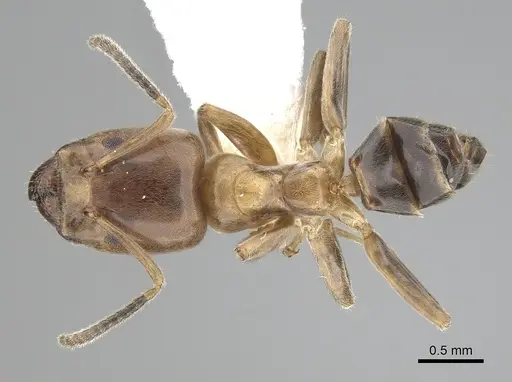
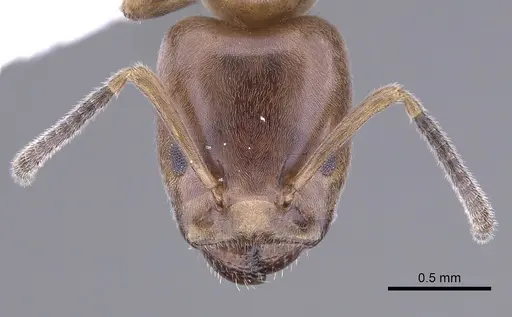
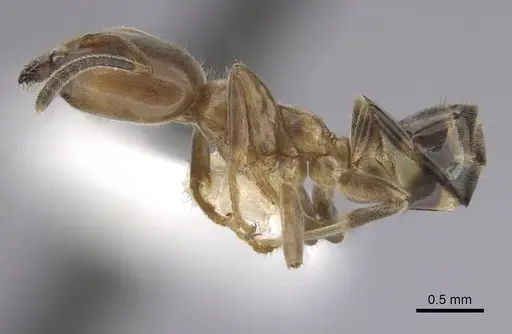
CASENT0619165
View on AntWeb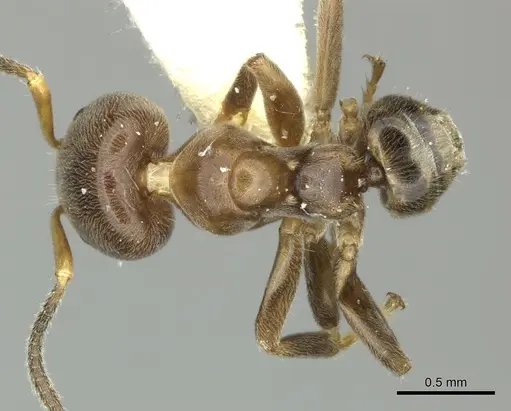
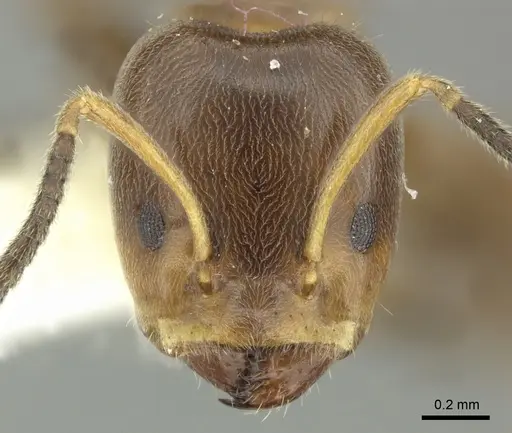
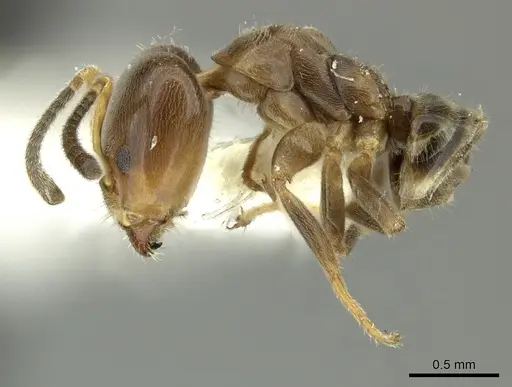
CASENT0649883
View on AntWeb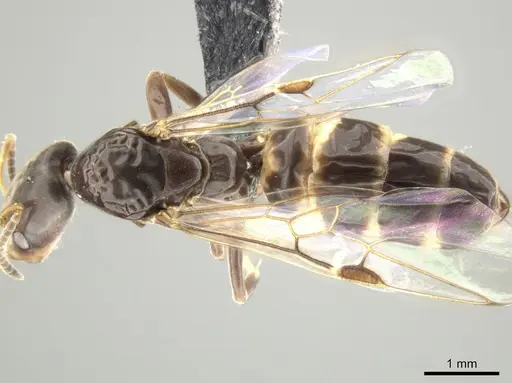
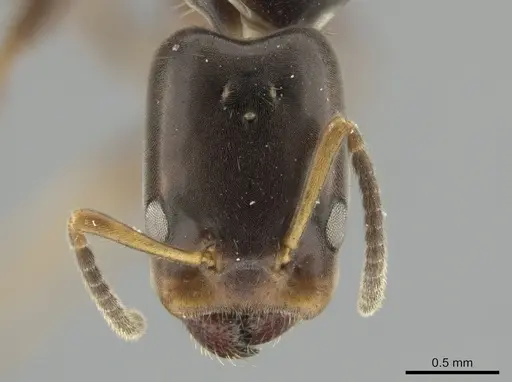
CASENT0909625
View on AntWeb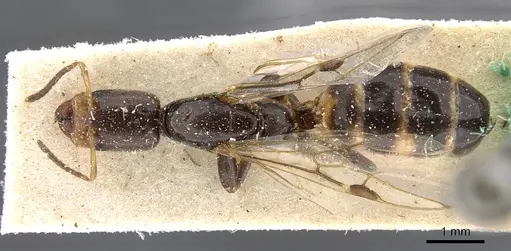
ECOFOG-HC-0035
View on AntWeb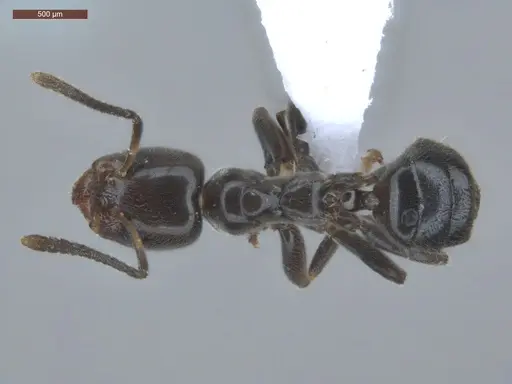
INBIOCRI001237847
View on AntWeb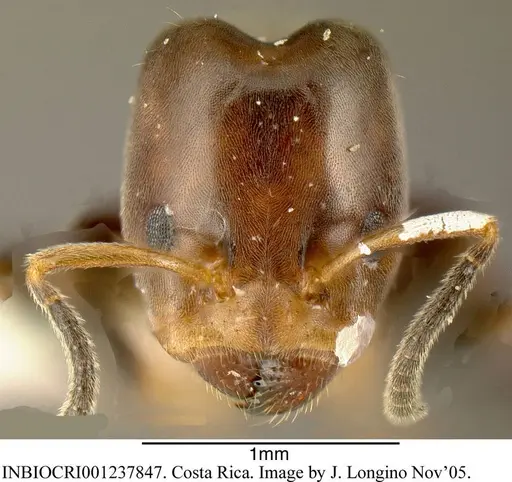
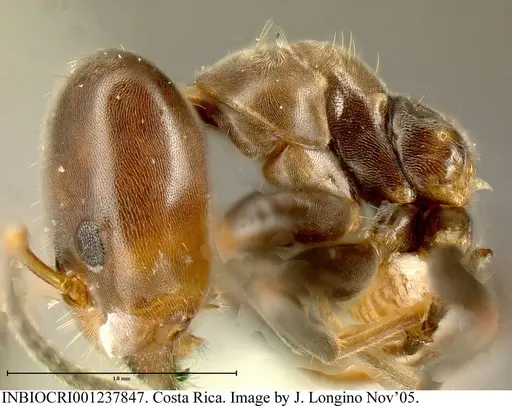
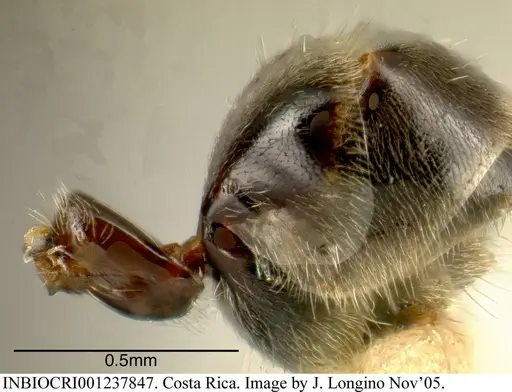
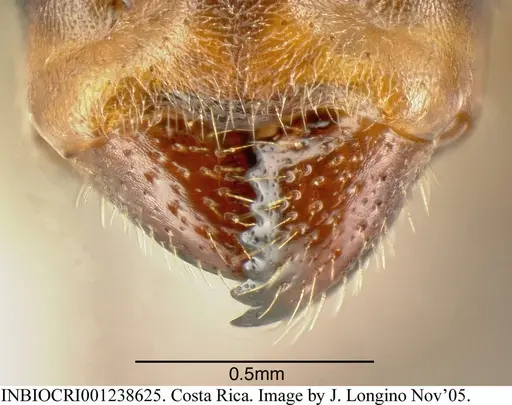
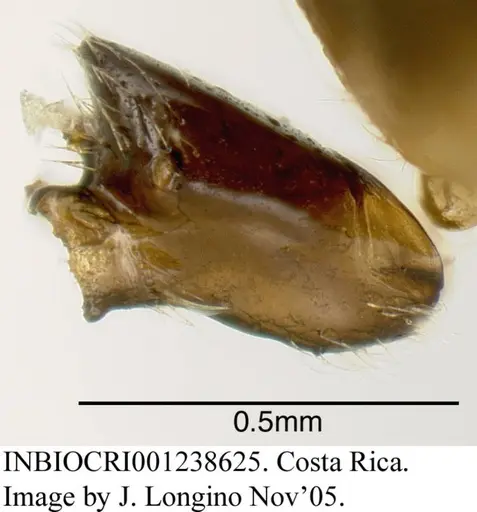
INBIOCRI001238625
View on AntWeb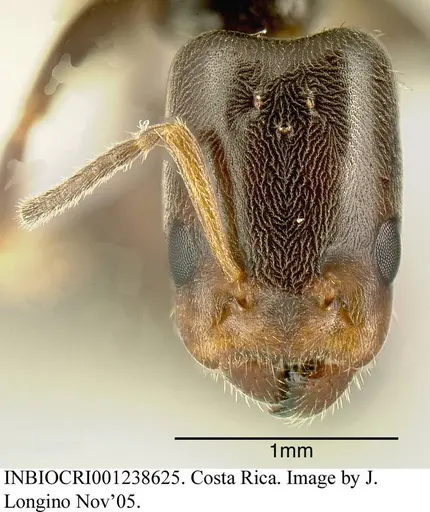
INBIOCRI001254181
View on AntWeb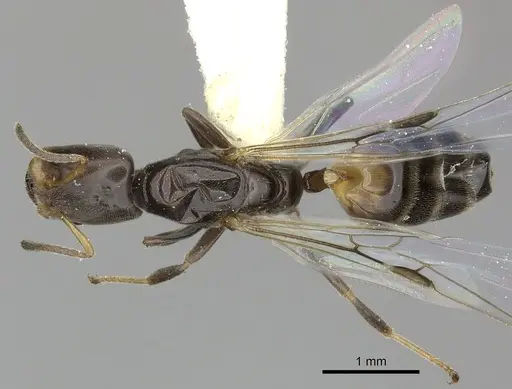
JTLC000009529
View on AntWeb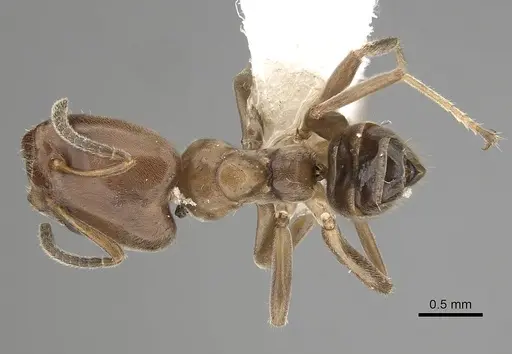
Literature
Loading...Loading products...