

Azteca alfari
- Scientific Name
- Azteca alfari
- Tribe
- Leptomyrmecini
- Subfamily
- Dolichoderinae
- Author
- Emery, 1893
- Distribution
- Found in 13 countries
Azteca alfari Overview
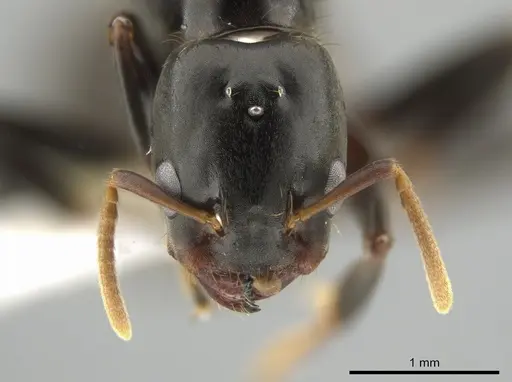
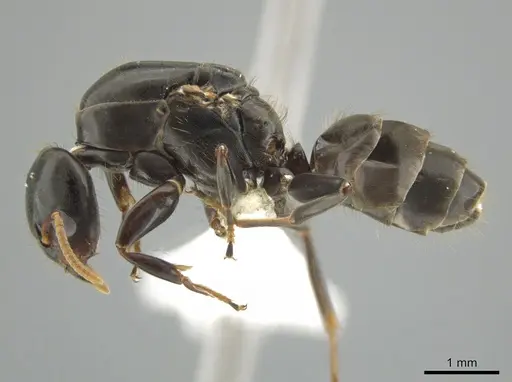
Azteca alfari is an ant species of the genus Azteca. It is primarily documented in 13 countries , including Argentina, Bolivia, Plurinational State of. Detailed taxonomic data and occurrence records can be further explored via authoritative databases such as AntWeb or the Global Biodiversity Information Facility (GBIF).
Azteca alfari
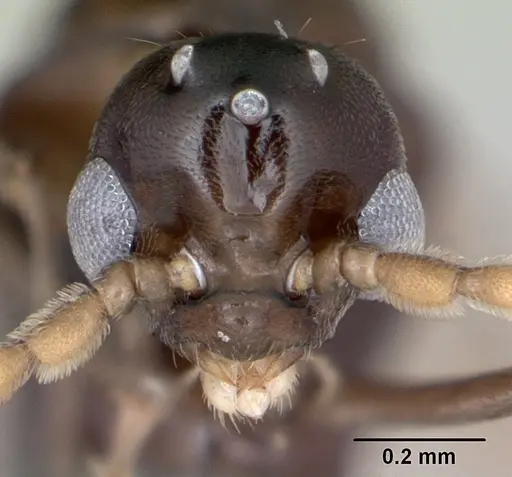
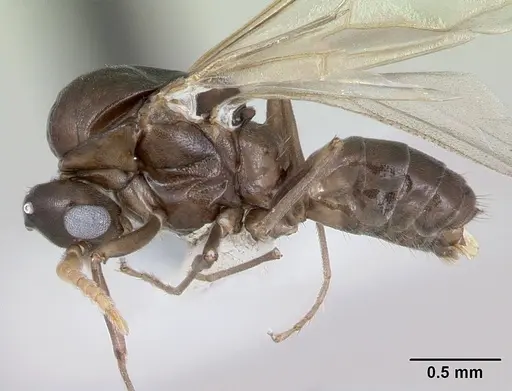
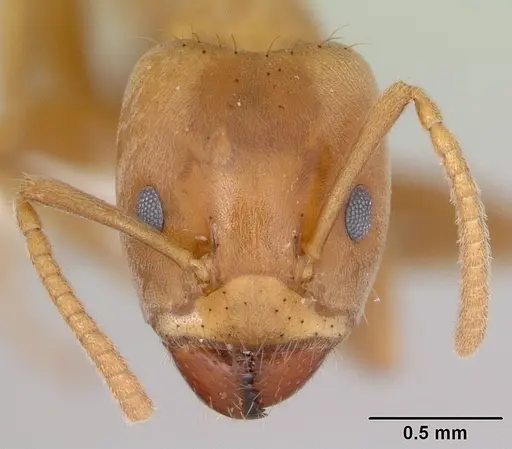
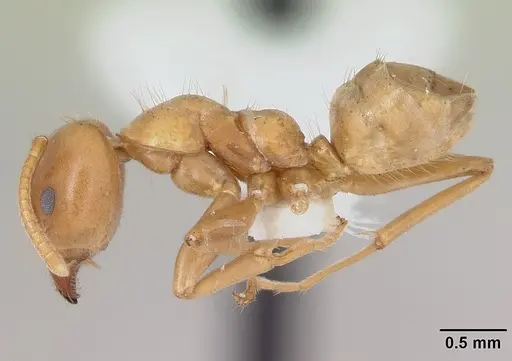
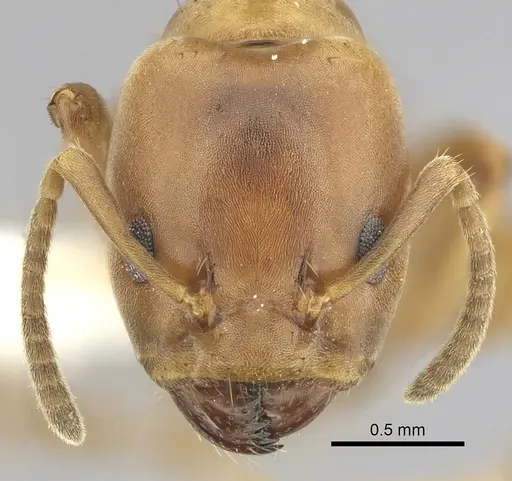
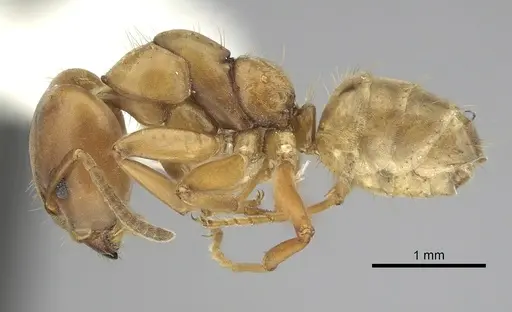
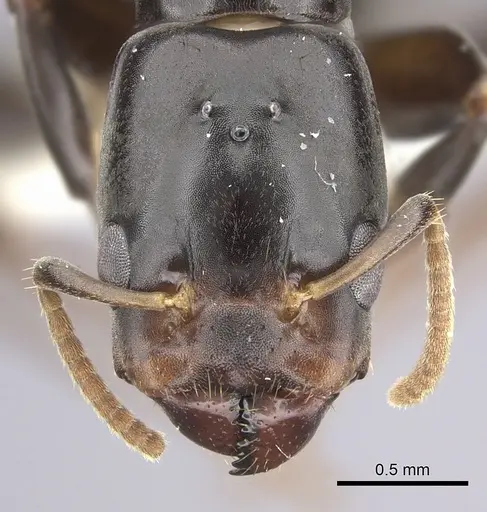
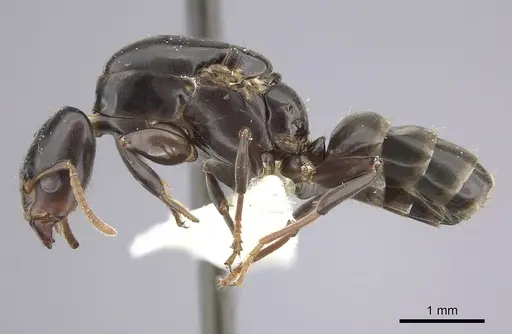
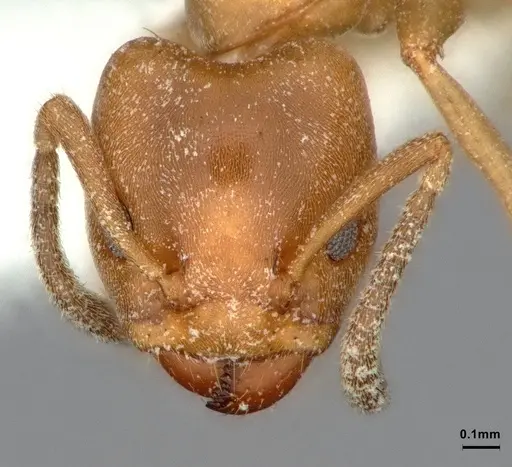
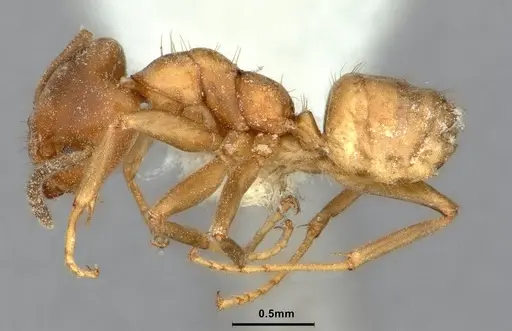
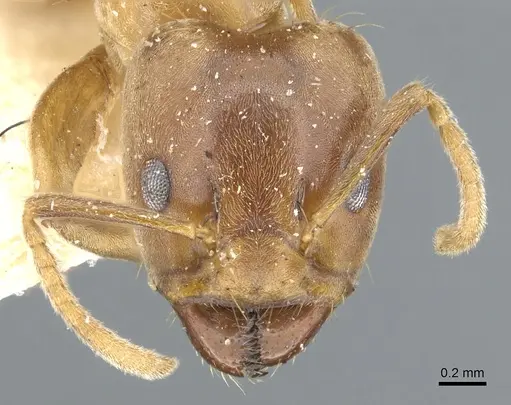
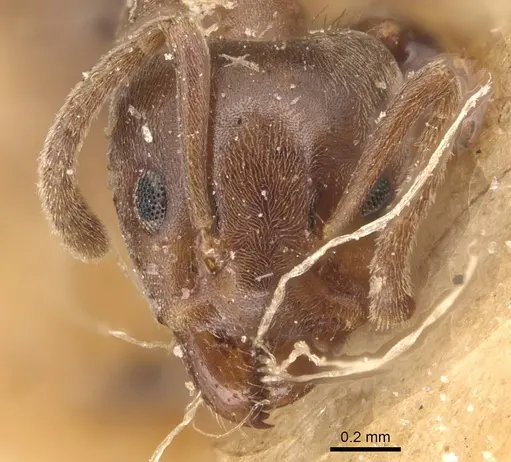
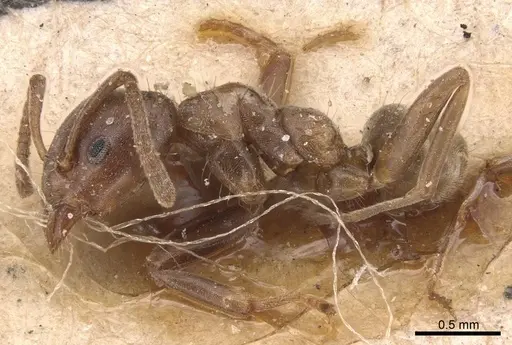
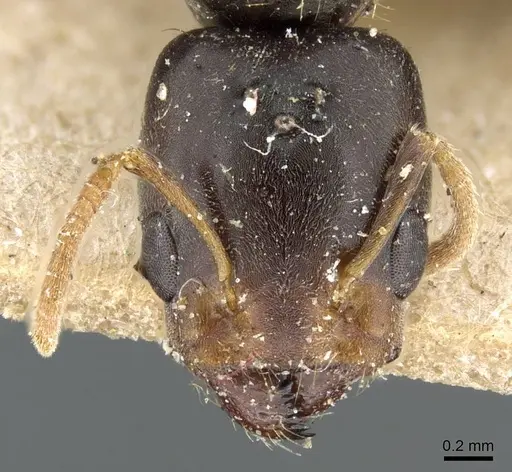
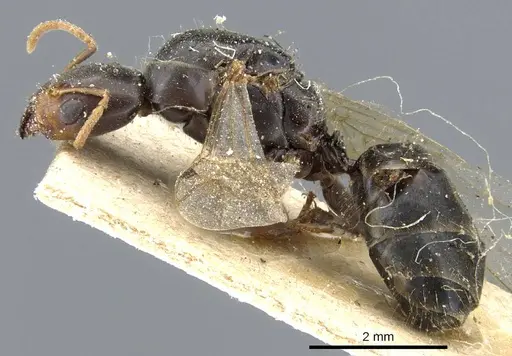
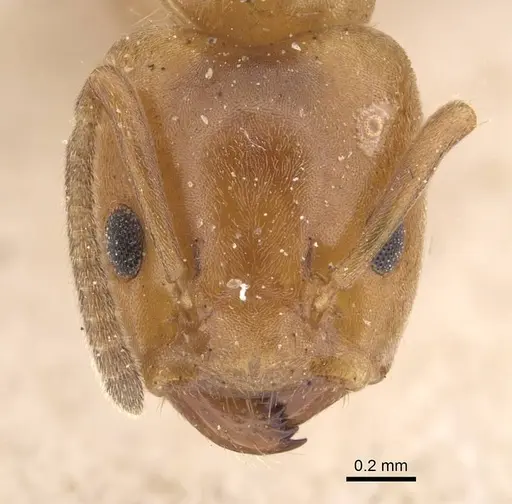
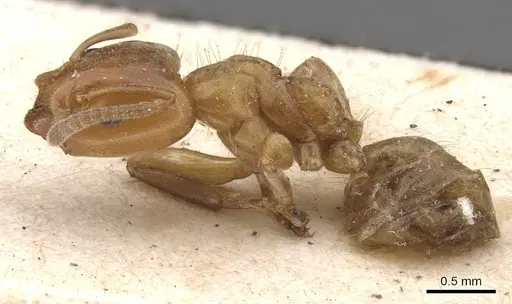
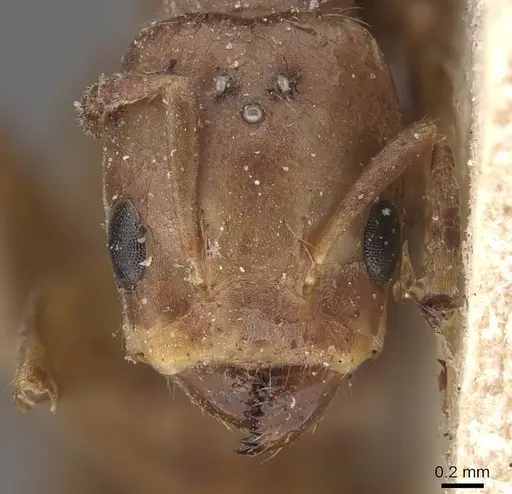
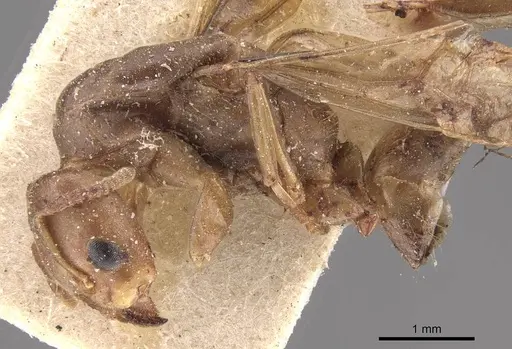
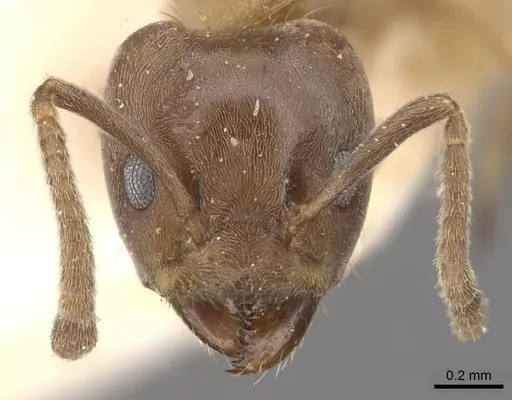
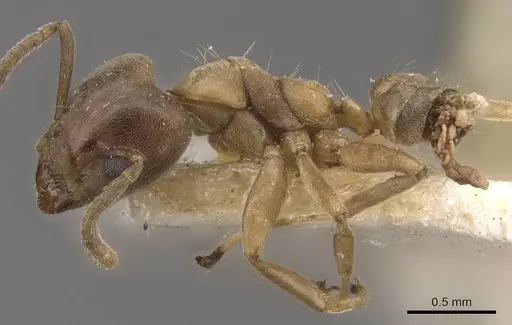
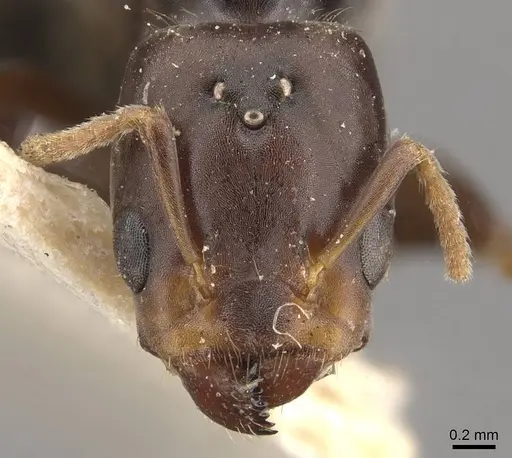
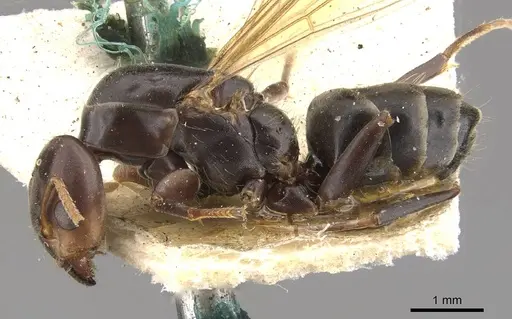
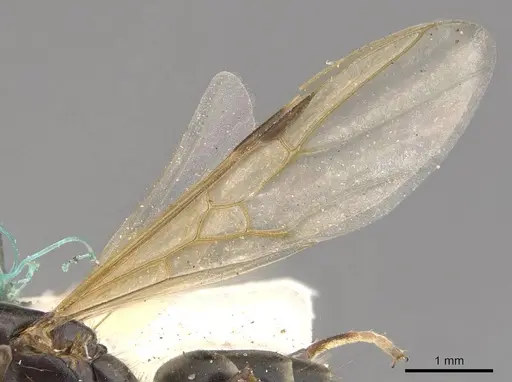
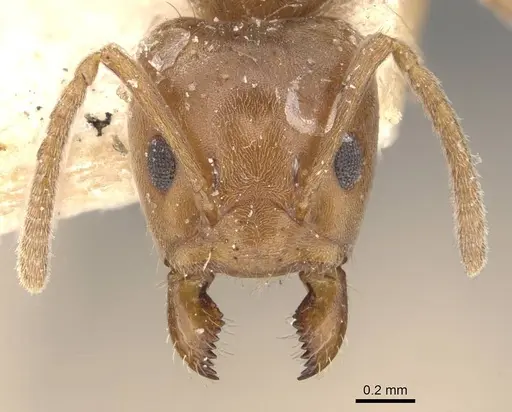
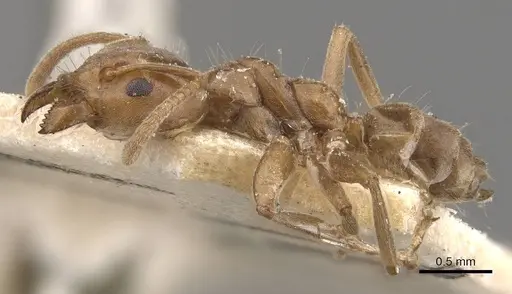
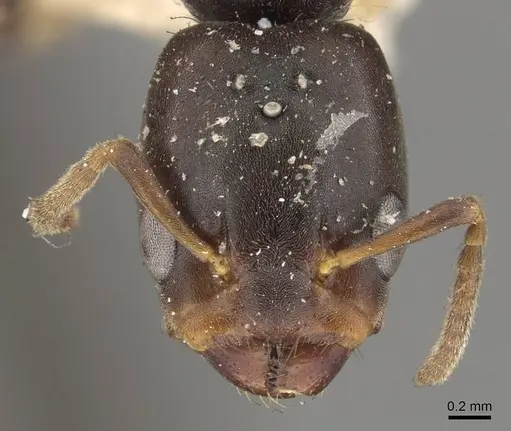
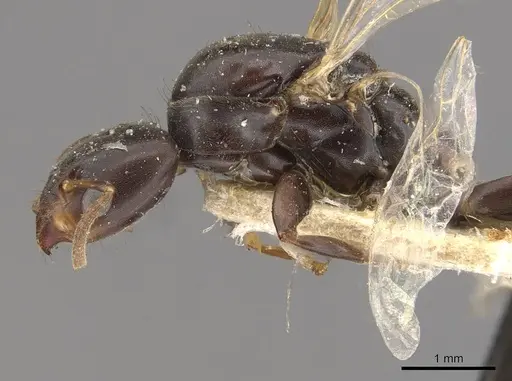
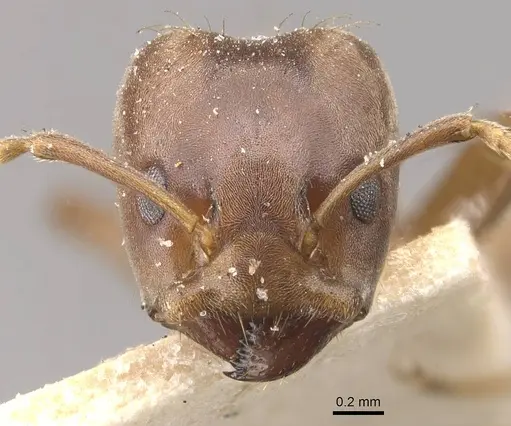
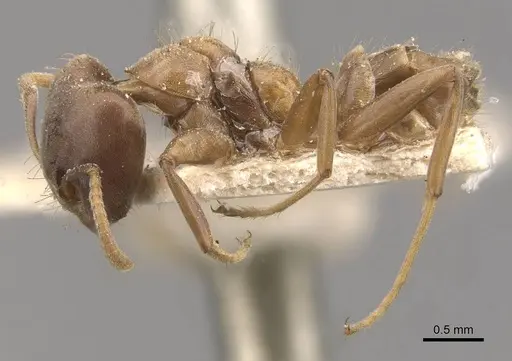
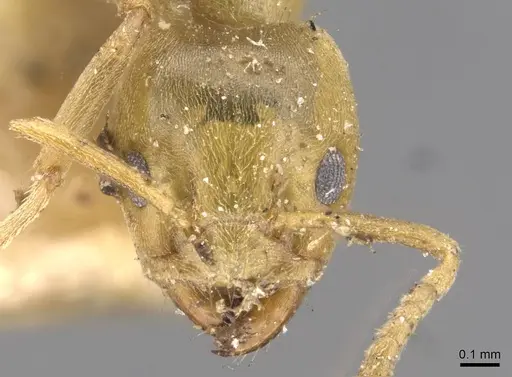
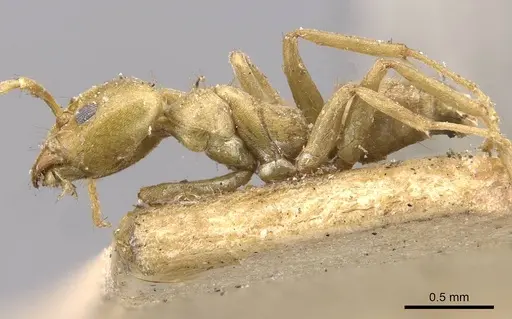
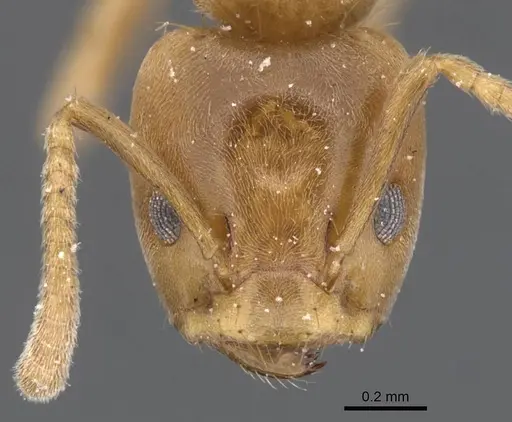
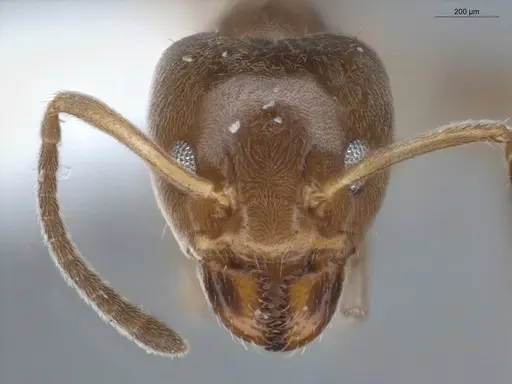
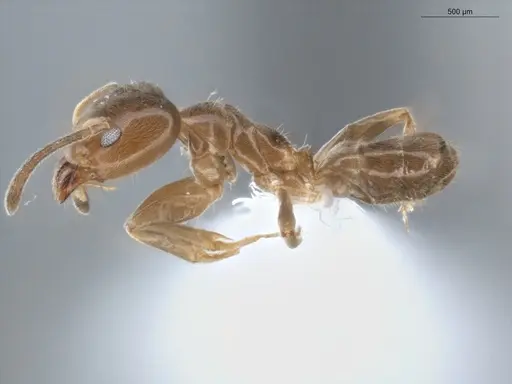
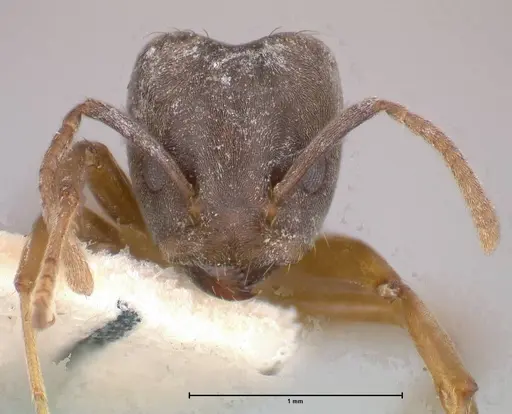
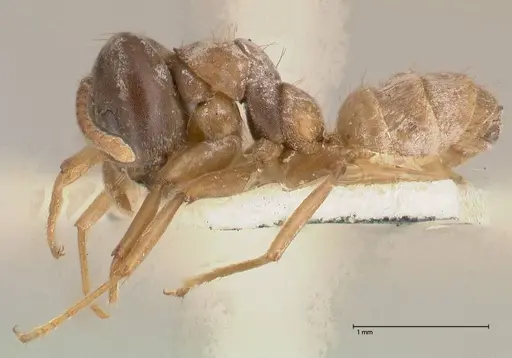
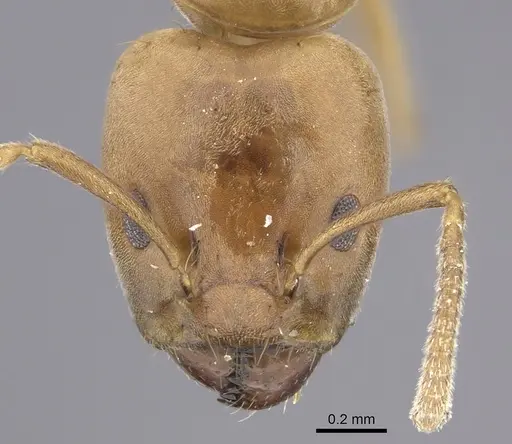
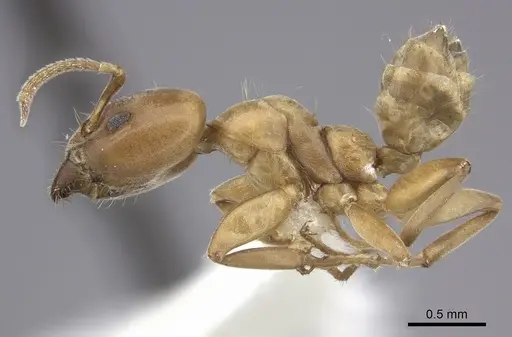
Azteca alfari are tiny ants, with workers measuring just 2-3 millimeters [1]. They live exclusively inside Cecropia trees, making them one of the most specialized ants you could encounter [2]. Unlike ants that nest in soil or rotting wood, these are true tree-dwellers that farm fungi inside the hollow stems of their host plant [3]. They range from Central Mexico down to northern Argentina and are the most widespread of all Cecropia-dwelling ants, often found in open or disturbed areas [2]. If you are looking for a standard ant farm species, look elsewhere, these require living plants and complex symbiotic relationships to survive.
Quick Summary
- Difficulty: Expert
- Origin & Habitat: Lowland rainforests of Central and South America, exclusively associated with Cecropia trees [2][4].
- Colony Type: Single-queen colonies that become polydomous (spread across multiple nest sites within one tree) as the host plant grows [5][2].
- Colony: Monogyne
- Founding: Claustral
- Size & Growth:
- Queen: Approximately 4-5 mm (estimated from head measurements 1.51-1.69 mm) [2].
- Worker: 2-3 mm [1].
- Colony: Likely thousands of workers in mature trees (estimated based on similar Azteca species) [6].
- Growth: Unknown/Moderate
- Development: Unknown. (Development time has not been documented for this species.)
- Antkeeping:
- Temperature: Tropical warmth, roughly 24-28°C (inferred from lowland rainforest habitat below 600m elevation) [4].
- Humidity: Very high, they inhabit enclosed, humid plant stems. Maintain damp conditions with good ventilation to prevent mold.
- Diapause: No. This is a tropical species that remains active year-round [4].
- Nesting: Obligate Cecropia hollow stems (domatia). They cannot survive in standard artificial nests [2][3].
- Behavior: Workers in young colonies are usually aggressive, biting intruders readily, while workers in mature colonies often retreat inside stems when disturbed [2]. They are diurnal foragers [7] and fiercely defend their host tree against herbivores and army ants [8].
- Common Issues: cannot survive without living Cecropia host plant and associated fungal gardens [2][3]., extremely small size (2-3mm) makes escape prevention nearly impossible in standard setups., difficulty providing appropriate food, they require Müllerian bodies from Cecropia or specialized fungal cultivation [11][3]., sensitivity to microclimate changes, the enclosed domatia environment is difficult to replicate artificially [13].
The Cecropia Obligate Mutualism
This is not a typical ant you can keep in a test tube. Azteca alfari are obligate Cecropia ants, meaning they cannot survive without their specific host tree [2]. After mating, the queen searches for a young Cecropia sapling (usually under 2 meters tall), bites her way into the hollow stem through the prostoma tissue, and seals herself inside [9][2]. She carries fungal spores and hyphal fragments from her mother colony in her infrabuccal pocket (a special mouth pouch) and begins cultivating them on the inner walls of the plant [3][10]. The colony feeds these fungi, and the fungi help process the plant material. The ants also rely on Müllerian bodies, special lipid-rich food bodies that Cecropia produces on the leaf petioles specifically for the ants [11]. Without this specific tree and its associated fungi, the ants cannot found colonies or survive long-term.
Nest Structure and Polydomy
As the Cecropia tree grows and branches, the colony expands into what is called a polydomous structure, meaning they maintain multiple connected nest sites throughout the same tree [5][2]. Workers create 1 to 3 entrance holes per branch, each about 2-4 millimeters wide, positioned roughly 4-22 centimeters from the branch tip [12][13]. Inside the hollow stems (domatia), the ants chew up the plant's parenchyma tissue to create cardboard-like carton structures where they place their brood [13]. The brood and workers spread out into the branch tips while the older trunk sections are gradually abandoned as the tree matures [2].
Feeding and Fungal Gardens
These ants are farmers first and foremost. They cultivate specific Chaetothyrialean fungi inside the tree, with one particular fungal OTU (operational taxonomic unit) being preferred and consistently found with this ant species across different regions [3][14]. New queens carry these fungi from their birth colony to seed the new garden, representing vertical transmission from mother to daughter colonies [10][15]. Until the first workers hatch, the queen feeds the larvae with these fungal hyphae [3]. Once workers arrive, they collect Müllerian bodies from the Cecropia leaves, tend scale insects for honeydew, and hunt small insects that land on the foliage [11][16]. In captivity, replicating this diet is nearly impossible without the living plant and its associated food bodies.
Behavior and Defense
Young colonies are typically aggressive, with workers rushing out to bite intruders [2]. Mature colonies often become more docile, retreating deeper into the stems when disturbed [2]. They defend their host tree fiercely against herbivores and even repel army ants (Eciton species) by depositing defensive substances at the entrances or by their presence alone [8]. When alarmed, they release 2-heptanone as an alarm pheromone, which can accumulate to high concentrations inside the enclosed domatia [13]. They are diurnal foragers, active during the day [7].
Captive Keeping Reality
Let us be direct: you cannot keep Azteca alfari in a standard test tube, formicarium, or Y-tong nest. They require living Cecropia trees or extremely complex artificial domatia with maintained fungal cultures [2][3]. The humidity must remain high and stable, temperatures must stay tropical (roughly 24-28°C), and you must provide the specific food bodies or fungal substitutes they need. This species is only viable in research facilities or botanical gardens with the proper plant infrastructure. Attempting to keep them in a standard ant setup will result in colony death. They are escape artists due to their tiny size (2-3mm), and their specialized dietary and nesting needs make them unsuitable for hobbyist ant keeping.
Frequently Asked Questions
Can I keep Azteca alfari in a test tube?
No. They require hollow Cecropia stems (domatia) and associated fungal gardens to survive. They cannot be kept in artificial nests [2][3].
What do Azteca alfari eat?
They cultivate Chaetothyrialean fungi inside their host tree, eat Müllerian bodies produced by the Cecropia plant, tend scale insects for honeydew, and hunt small insects that land on the leaves [3][11][16].
Do Azteca alfari need hibernation?
No. They are tropical lowland ants and remain active year-round. They do not require a winter rest period [4].
How long until Azteca alfari get their first workers?
The exact timeline is unknown. Based on related tropical Dolichoderinae, it may take 6-10 weeks, but this has not been documented for this species.
How big do Azteca alfari colonies get?
Exact numbers are unknown, but they likely reach thousands of workers in mature trees, spreading across multiple branches in a polydomous arrangement [6][2].
Are Azteca alfari good for beginners?
Absolutely not. They are expert-level ants requiring specialized botanical setups with living Cecropia trees and fungal cultivation. They are not suitable for standard ant keeping [2].
Why are my Azteca alfari dying?
Likely because they lack their Cecropia host plant, proper fungal gardens, or appropriate humidity and temperature. They cannot survive in standard ant farms or without their specific plant mutualist [2][3].
References

This caresheet is licensed under CC BY-SA 4.0 .
CASENT0173824
View on AntWeb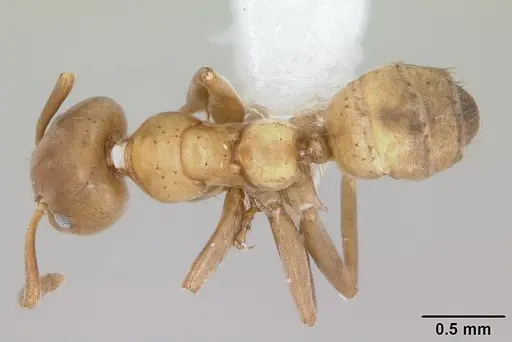
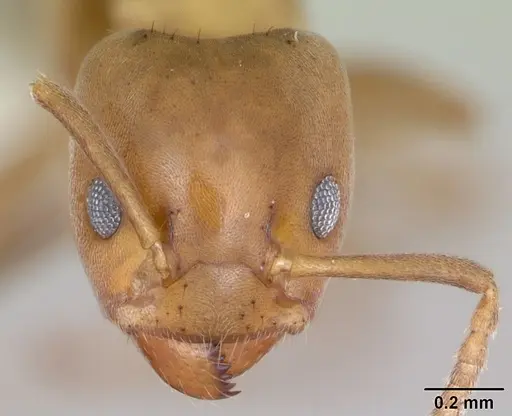
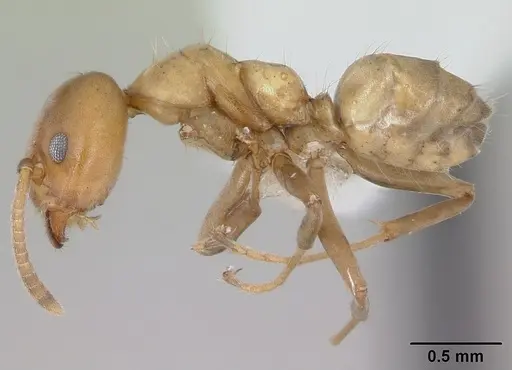
CASENT0173825
View on AntWeb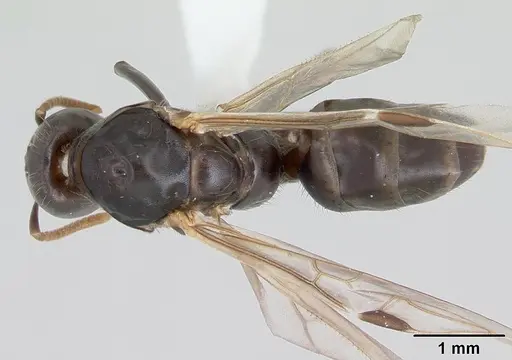
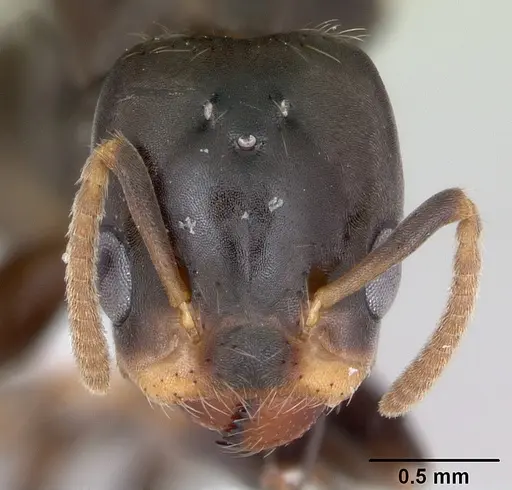
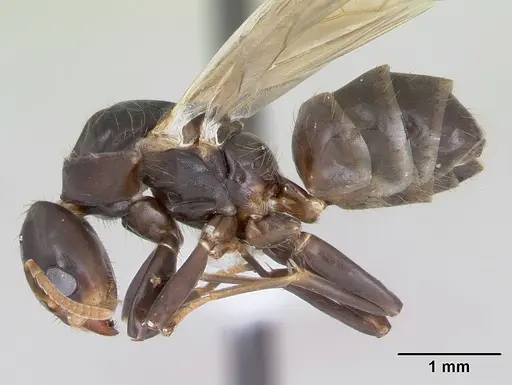
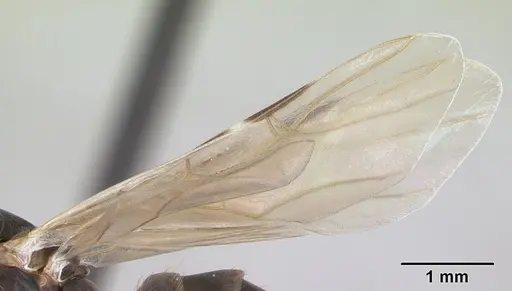
CASENT0173826
View on AntWeb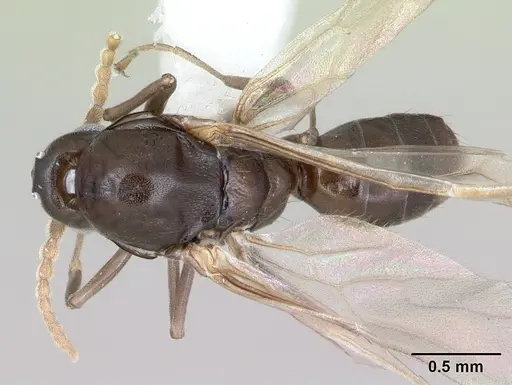
CASENT0173827
View on AntWeb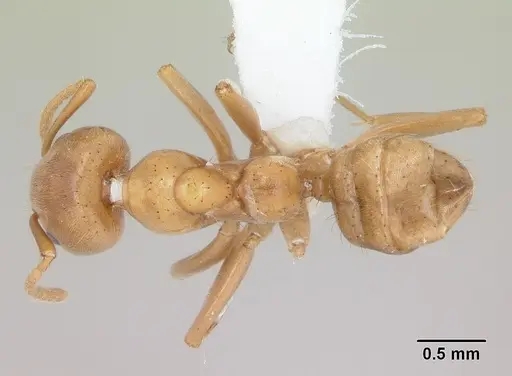
CASENT0249530
View on AntWeb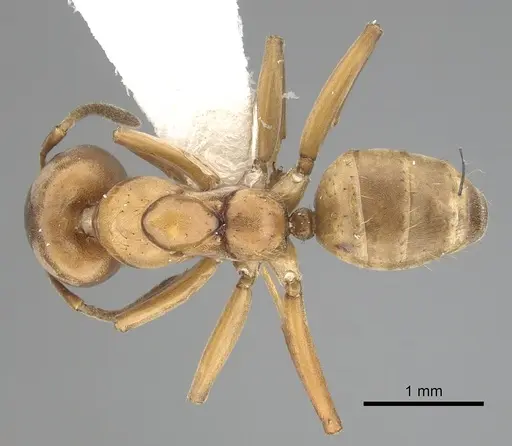
CASENT0249591
View on AntWeb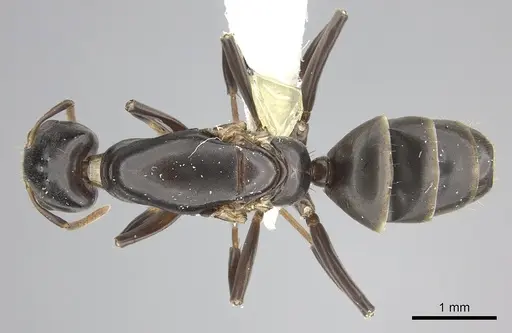
CASENT0633616
View on AntWeb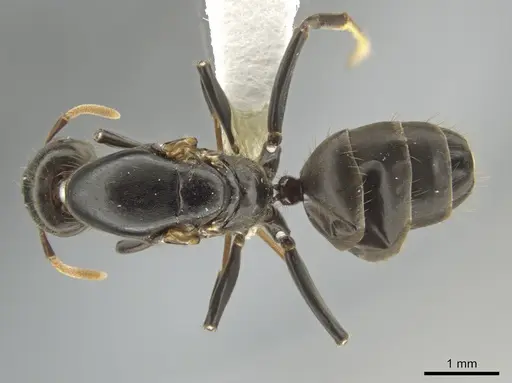
CASENT0886025
View on AntWeb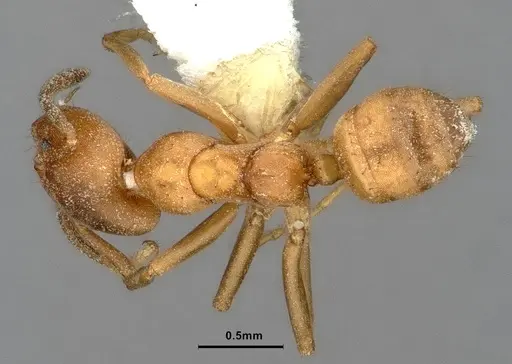
CASENT0903002
View on AntWeb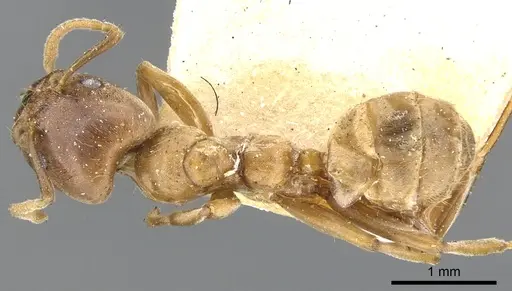
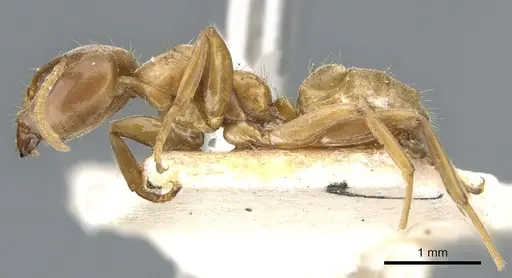
CASENT0903003
View on AntWeb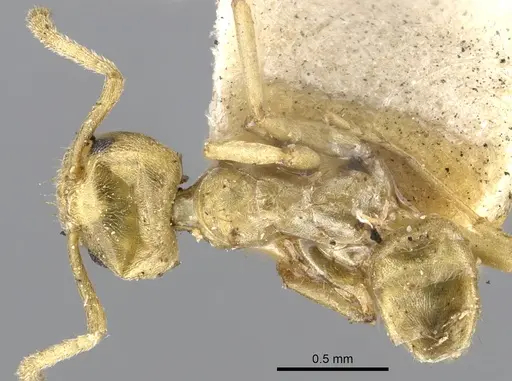
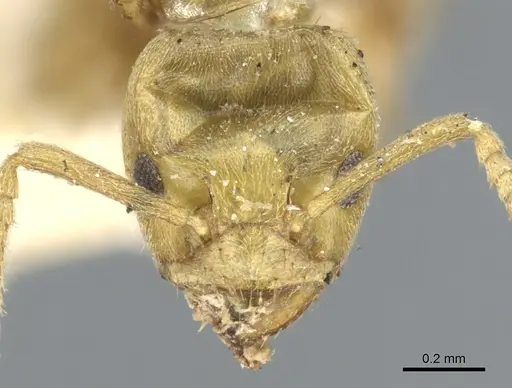
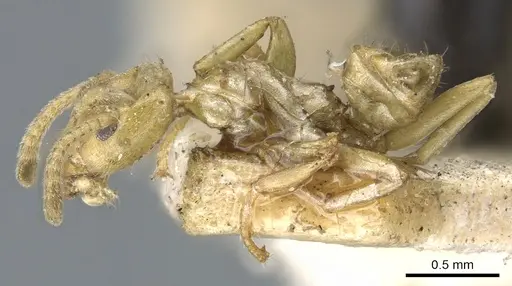
CASENT0905089
View on AntWeb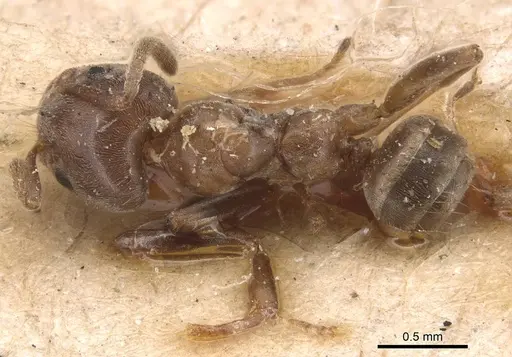
CASENT0905095
View on AntWeb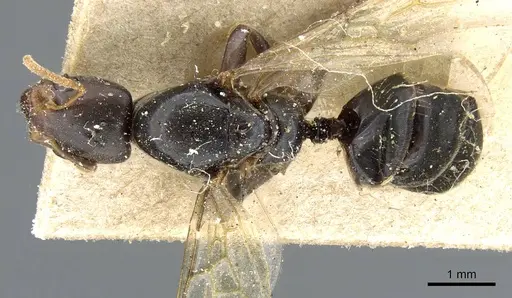
CASENT0909585
View on AntWeb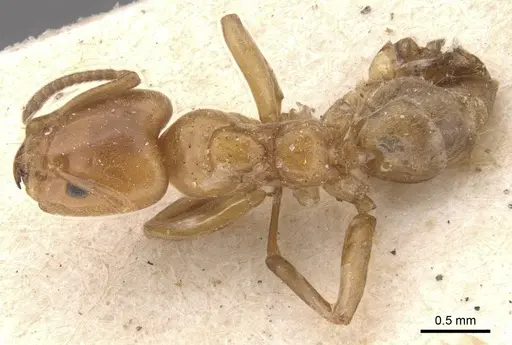
CASENT0909586
View on AntWeb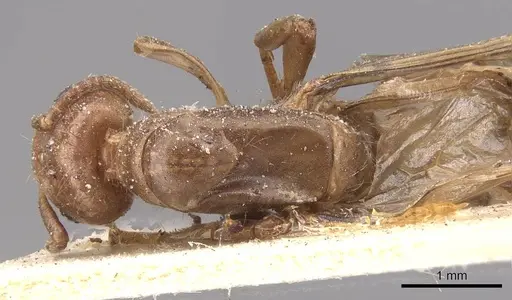
CASENT0909587
View on AntWeb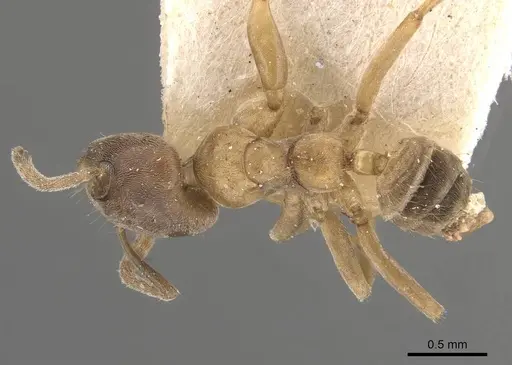
CASENT0909592
View on AntWeb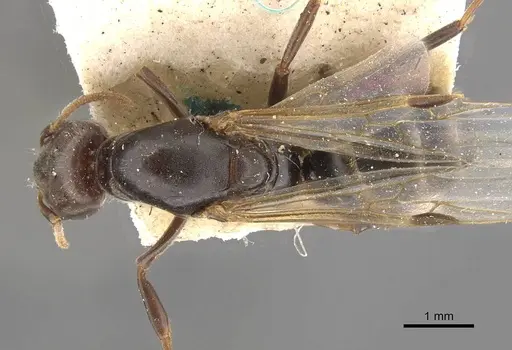
CASENT0909593
View on AntWeb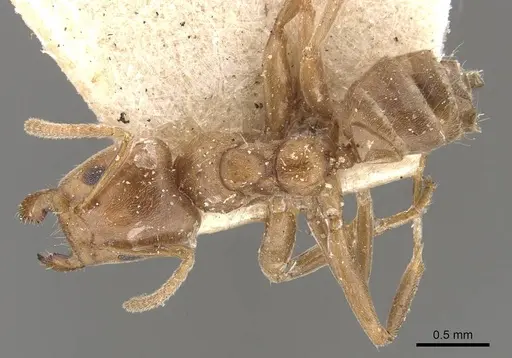
CASENT0909594
View on AntWeb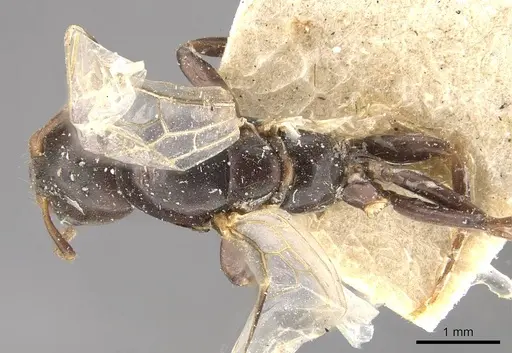
CASENT0909631
View on AntWeb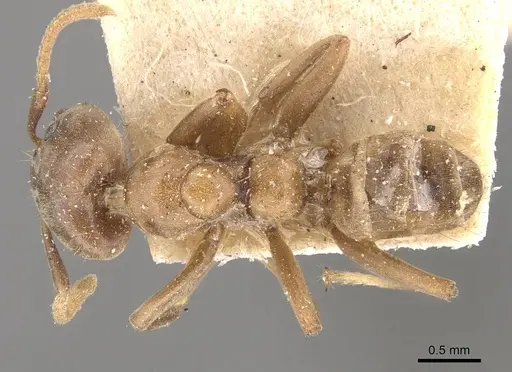
CASENT0909711
View on AntWeb
CASENT0911459
View on AntWeb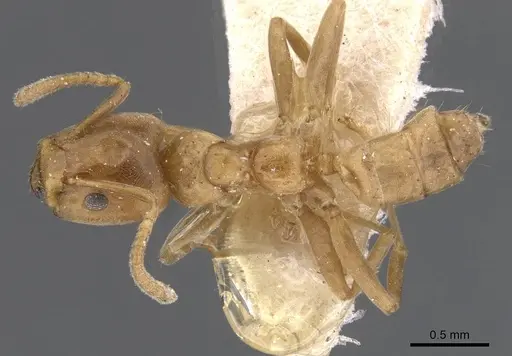
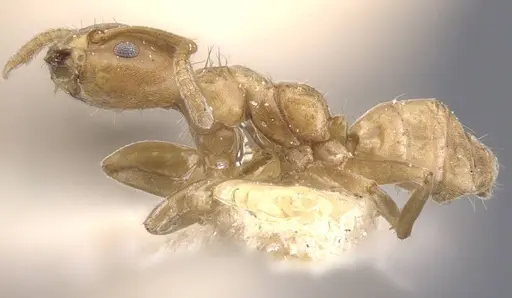
CBUMAGENT41838
View on AntWeb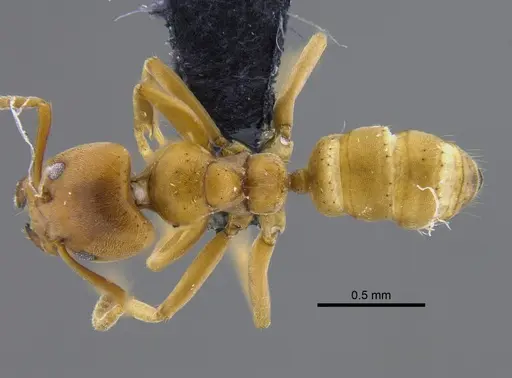
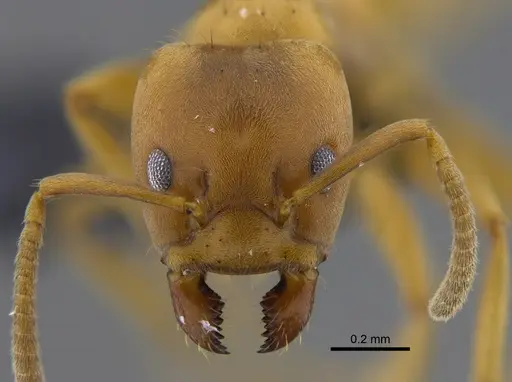
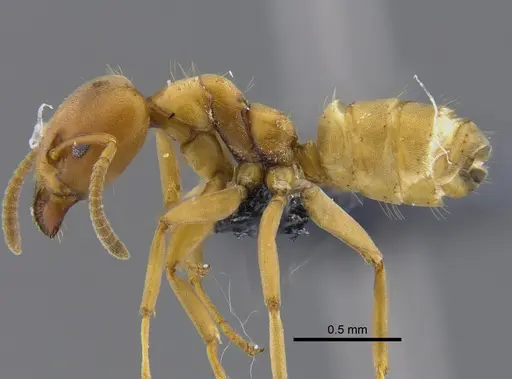
ECOFOG-KR19-0078-03
View on AntWeb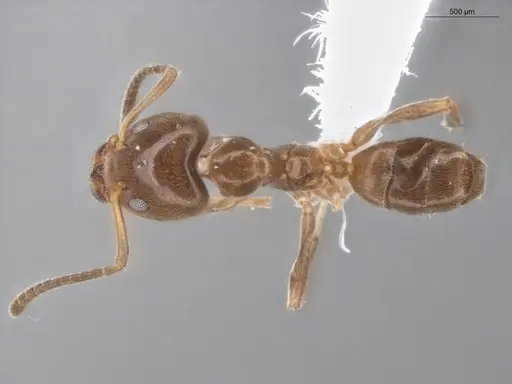
FOCOL0537
View on AntWeb
INBIOCRI001280538
View on AntWeb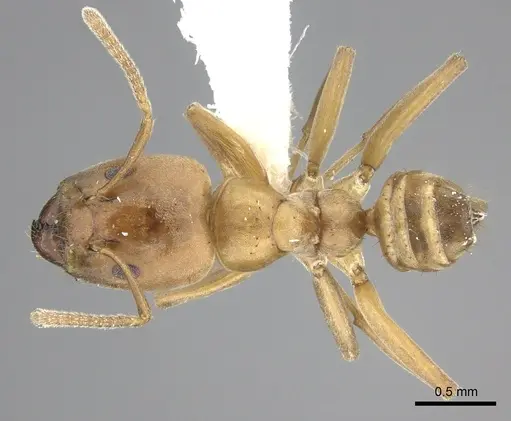
JTLC000007882
View on AntWeb
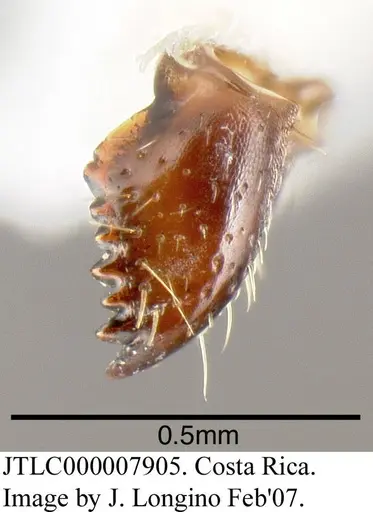
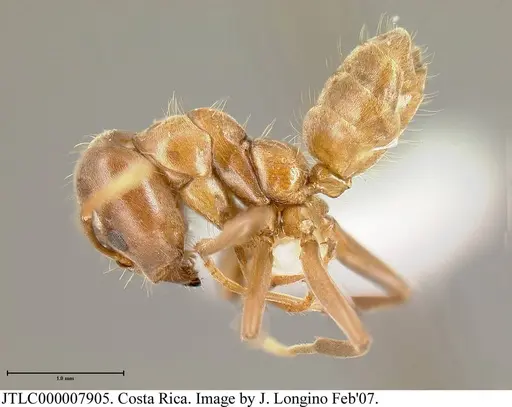
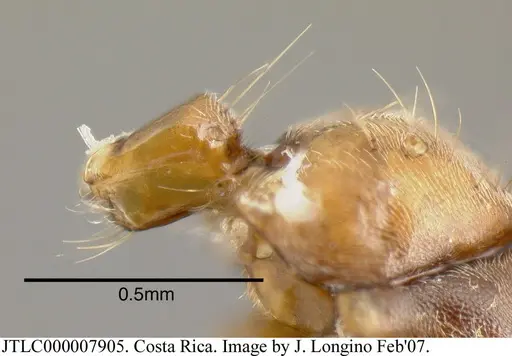
JTLC000007905
View on AntWeb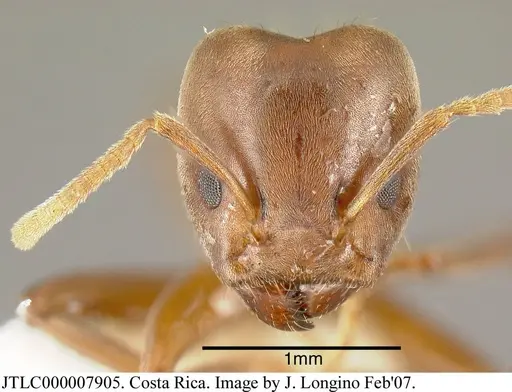
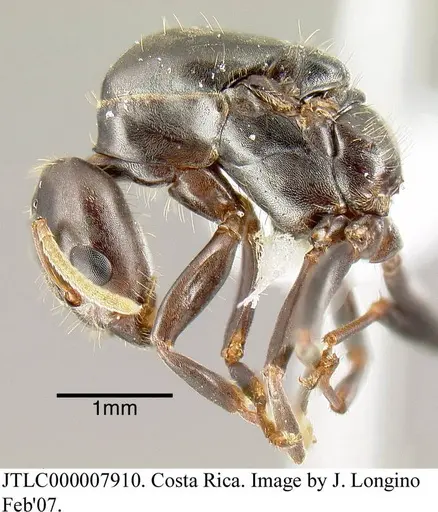
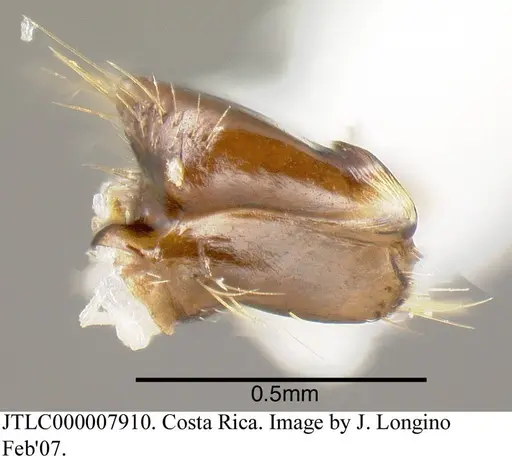
JTLC000007910
View on AntWeb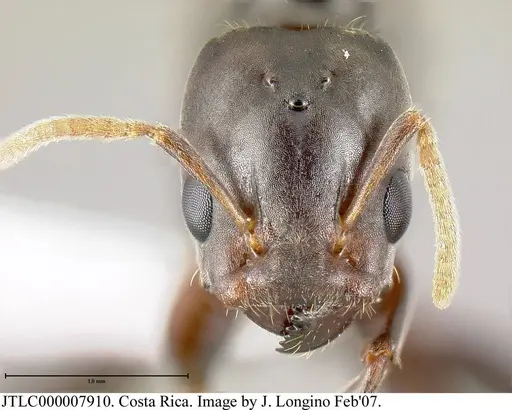
Literature
Loading...Loading products...