Temnothorax ambiguus shows a July to August flight window. Peak activity occurs in July, with nuptial flights distributed across 2 months.

Temnothorax ambiguus
- Scientific Name
- Temnothorax ambiguus
- Tribe
- Crematogastrini
- Subfamily
- Myrmicinae
- Author
- Emery, 1895
- Common Name
- Doubtful Acorn Ant
- Distribution
- Found in 2 countries
- Nuptial Flight
- from July to August, peaking in July
AI Identifiable
try →
Temnothorax ambiguus Overview
Temnothorax ambiguus (commonly known as the Doubtful Acorn Ant) is an ant species of the genus Temnothorax. It is primarily documented in 2 countries , including Canada, United States of America. Detailed taxonomic data and occurrence records can be further explored via authoritative databases such as AntWeb or the Global Biodiversity Information Facility (GBIF).
The nuptial flight of Temnothorax ambiguus is a significant biological event, typically occurring from July to August, peaking in July. During this time, winged queens and males leave the nest to mate and establish new colonies.
Temnothorax ambiguus - "Doubtful Acorn Ant"
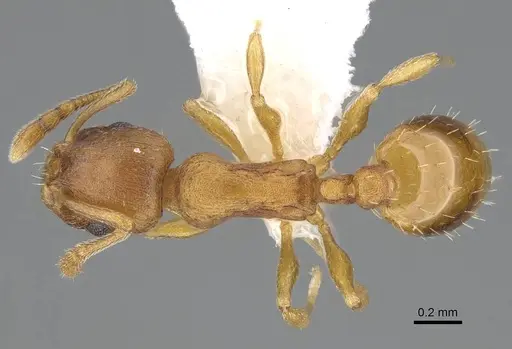
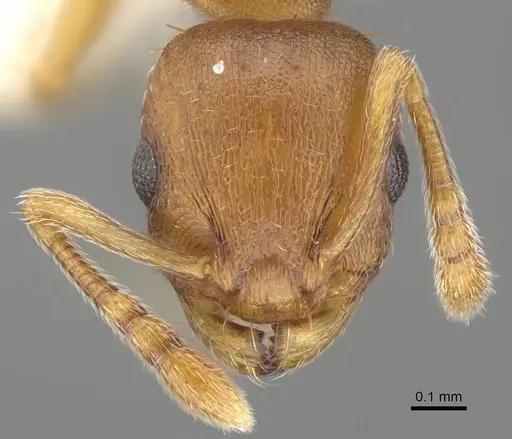
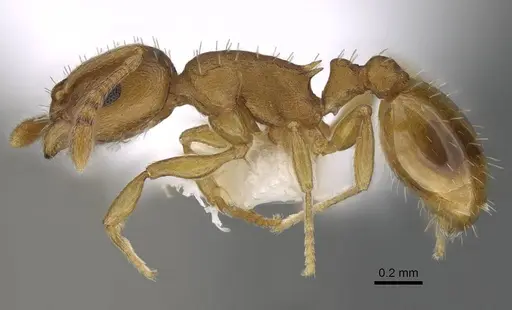
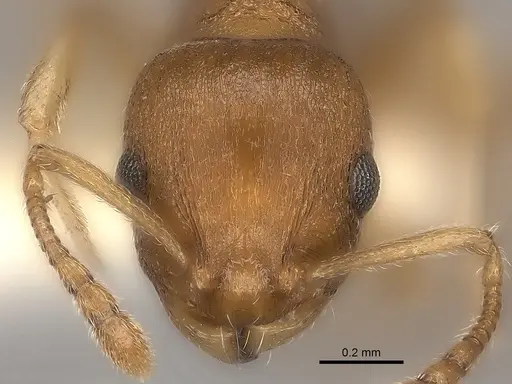
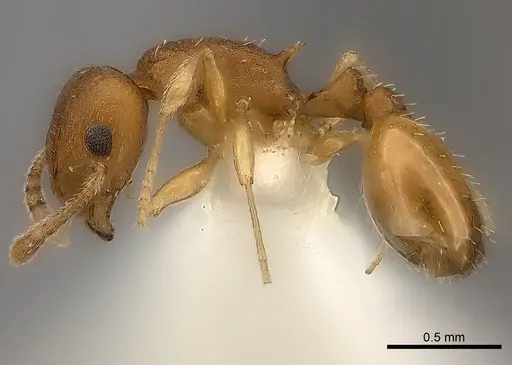
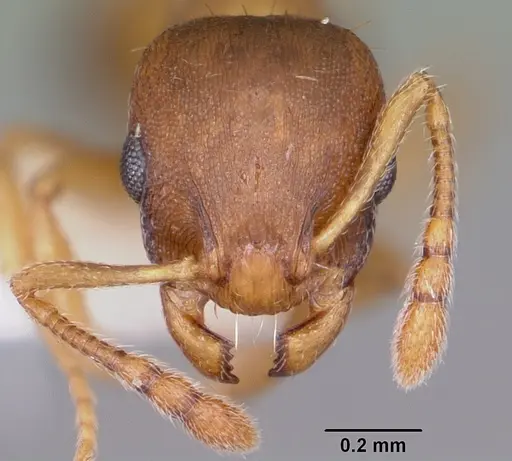
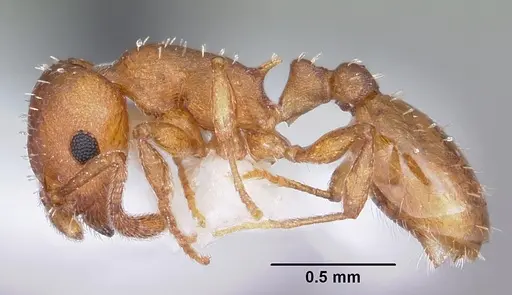
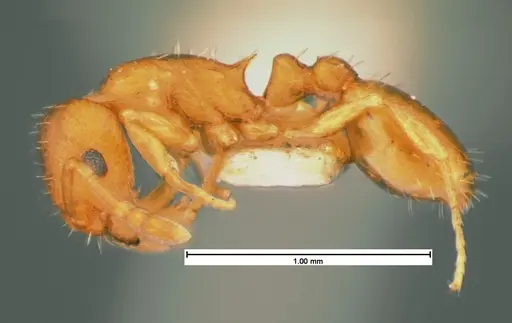
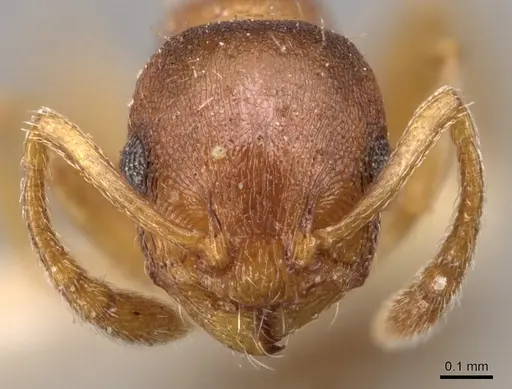
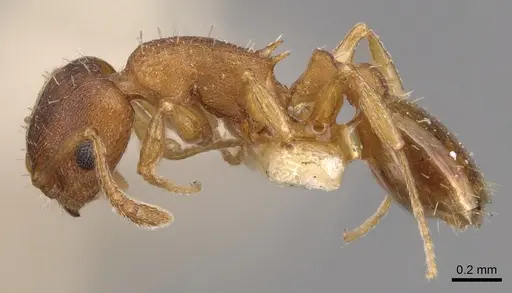
Temnothorax ambiguus is a tiny ant native to eastern and central North America, from Quebec to Virginia and west to the Great Plains [1]. Workers are 2.2-3.5 mm long, pale brownish-yellow to dark orangish-brown, with a distinctly broad postpetiole and shorter propodeal spines than the similar Temnothorax curvispinosus [2][3]. Unlike its relatives, they lack dark spots on the gaster. They live in small colonies (typically under 100 workers) and have a flexible social structure: they can have one or multiple queens, and often spread across several nest sites (polydomous) [4]. They nest in preformed cavities like acorns, hollow twigs, grass stems, and even the mounds of other ants [5]. Because of their small size and adaptable nesting, they are a great choice for keepers interested in a calm, low-maintenance species.
Quick Summary
- Difficulty: Easy
- Origin & Habitat: Eastern and central North America, found in woodlands, fens, bogs, prairies, and old fields [1][6]. In the Midwest they prefer dry-mesic to mesic grasslands, while in the Northeast they inhabit moist woodlands and wetlands [6].
- Colony Type: Facultatively polygynous (multiple queens possible) and polydomous (multiple nest sites). About 20% of nests have multiple queens, and 30% are queenless at any time [4]. Workers can lay male eggs in queenless nests [2]. Colonies may also be monogynous.
- Size & Growth:
- Queen: Estimated ~4-5 mm (inferred from Temnothorax genus, no direct measurements available)
- Worker: 2.2-3.5 mm [2][3]
- Colony: Typically under 100 workers, occasionally exceeds this number [6]. Average around 50 workers [7].
- Growth: Moderate
- Development: Unknown for this species, based on related Temnothorax species, estimated 6-8 weeks at room temperature. (Alates are produced mid-summer with adult alates appearing July-September [8].)
- Antkeeping:
- Temperature: Room temperature (20-24 °C) works well. In the wild they inhabit warm, sunny locations like forest edges and open meadows [9]. They can tolerate brief cooler periods.
- Humidity: Provide a humidity gradient: one side of the nest moist, the other dry. They live in both dry grasslands and moist fens, so they handle variation. Avoid constant waterlogging.
- Diapause: Yes, they need a cool rest period. In nature, colonies contract to a single nest over winter and significant nest mortality occurs [6]. Give them 3-4 months at 10-15 °C.
- Nesting: Small preformed cavities work best, test tubes with cotton, Y‑tong nests with narrow chambers, or natural setups with acorns, twigs, or small rocks. They readily use tiny spaces. Nesting microhabitats include acorns, hickory nuts, dead twigs, hollow plant stems, under rocks, and in Formica mounds [5].
- Behavior: Timid and non‑aggressive. Workers spend about 68% of their time motionless [6]. Larger colonies show more aggression than smaller ones, and they attack other ant species more readily than their own kind [6]. Forage on the ground and on vegetation for honeydew and small insects. Escape risk is moderate due to their tiny size, use fine mesh or tight cotton plugs.
- Common Issues: overfeeding can lead to mold in small cavities, feed tiny portions., losing the queen can be fatal, queenless colonies may only produce males and slowly decline., their small size makes escape prevention critical, seal all gaps with fine mesh or tightly packed cotton., slow growth may frustrate keepers used to larger, faster species., wild colonies face heavy pressure from slave-maker raids (Protomognathus americanus, Temnothorax duloticus, Temnothorax pilagens), but captive colonies are safe.
Nuptial Flight Activity Analysis 52 observations
Flight Activity by Hour 52 observations
Temnothorax ambiguus nuptial flight activity peaks around 23:00 during the night. Activity is spread across a 24-hour window (00:00–23:00). Times may be influenced by human observation patterns.
Housing and Nest Setup
Temnothorax ambiguus is a cavity‑nesting ant that thrives in small, preformed spaces. Offer test tubes with a water reservoir, Y‑tong nests with narrow chambers, or small naturalistic setups with acorns, hollow twigs, or pieces of bark in a soil base. They prefer chambers just large enough to move through comfortably. Because they are polydomous in the wild (spreading across multiple nest sites), you can provide several connected nest areas, but this is optional. Seal all gaps carefully, their tiny size lets them squeeze through standard barriers. Use cotton packed firmly or fine mesh on openings. They nest in acorns, hickory nuts, dead twigs in leaf litter, hollow plant stems, under rocks, and in Formica mounds [5].
Feeding and Diet
These ants are general scavengers. Give them sugar water or honey water 2-3 times per week, and small protein items like fruit flies, pinhead crickets, or tiny pieces of mealworm once or twice a week. In the wild they lap up honeydew and hunt small insects [2]. Remove uneaten prey after 24 hours to prevent mold. Because colonies are small, portion sizes should be tiny, a few drops of sugar water and prey smaller than a worker is enough. Place food where they can easily find it, either on the ground or on low vegetation.
Temperature and Seasonal Care
Keep them at room temperature, ideally 20-24 °C. They naturally live in warm, sunny locations like forest edges and open meadows [9], so typical indoor temperatures work well. In summer they are active and grow. For winter, give them a diapause period, they are adapted to cold northern winters. In the wild, colonies contract to a single nest and suffer 33-50% winter mortality [6]. Keep them cool (10-15 °C) for 3-4 months, in a basement, garage, or refrigerator. Reduce feeding during this time and keep the nest slightly moist. This rest period helps them start the next season strong.
Colony Structure and Social Organization
Temnothorax ambiguus has a notably flexible social structure. Nests can have 0,1,or multiple queens, about 30% of wild nests are queenless,50% have one queen, and 20% have more than one [4]. Queens come in different types: A‑queens are fully fertile and inseminated, b‑queens are young, recently mated queens that may replace older ones, c‑queens are older and sterile, and C‑queens can lay eggs without mating [4]. Workers also reproduce: queenless colonies produce males from worker‑laid eggs. Workers have 2 ovarioles, while queens have 6 [4]. In summer, colonies often fragment across multiple nest sites (polydomous), with different sub‑nests containing different numbers of queens. During winter they coalesce into a single nest. This flexibility means your colony may naturally change queen numbers over time, that is normal, not a problem.
Reproduction and Nuptial Flights
Reproduction happens in early to mid‑summer. Males appear in nests from late June through July, and females (alates) develop from June to early September [8]. Alates are attracted to lights on warm, humid nights, you may see them at windows in early summer. New colonies are started by pleometrosis: multiple queens team up and found together, then some may be adopted into existing nests [4]. If you have a mated queen, she can start a colony alone (though whether she seals in is unknown). The first workers (nanitics) are tiny and emerge after several weeks. In queenless nests, workers can lay eggs that develop into males, and sometimes even new queens are produced [6]. This species also produces diploid males, males that develop from fertilized eggs instead of unfertilized ones, found in 29.4% of examined nests [6].
Defense and Parasite Awareness
Temnothorax ambiguus is a common host for three species of slave‑making ants: Protomognathus americanus, Temnothorax duloticus, and Temnothorax pilagens [10][11]. In the wild, colonies face about a 31% annual chance of being raided, with zero survivorship after raids in some studies [12]. Your captive colony is very unlikely to encounter these parasites, but be careful if you collect from the wild or keep colonies outdoors in summer. Workers can recognize and attack intruding slavemakers, and enslaved workers have been observed biting and dragging slavemakers out of nests [13]. They also use a smearing defense: a modified, flattened stinger that wipes venom onto enemies rather than piercing.
Frequently Asked Questions
How long does it take for Temnothorax ambiguus to produce first workers?
Unknown specifically for this species. Based on related Temnothorax species, expect first workers (nanitics) about 6-8 weeks after the queen lays eggs at room temperature. The first workers will be smaller than mature workers.
Can I keep multiple queens together in one colony?
Yes, they naturally form both single‑queen and multi‑queen colonies. In the wild, about 20% of nests have multiple queens, and colony foundation often begins with several queens together (pleometrosis) [4]. However, unrelated queens may fight when first introduced, so it is best to let them establish naturally or introduce queens carefully.
Do Temnothorax ambiguus ants sting?
They belong to the subfamily Myrmicinae, which includes stingers, but their sting is very mild due to their tiny size and is not dangerous to humans. Their main defense is biting and chemical alarm signals.
What do Temnothorax ambiguus eat?
They are general scavengers. Offer sugar water or honey water as a constant energy source, and small protein items like fruit flies, tiny crickets, or mealworms 1-2 times weekly. They also collect honeydew in the wild [2].
Do they need hibernation?
Yes, they are adapted to northern North American winters and need a cool period (10-15 °C) for 3-4 months. In the wild, significant nest mortality occurs over winter [6]. Without this rest, colony health may decline over time.
How big do colonies get?
Colonies typically stay small, under 100 workers in most cases, though occasional nests exceed this number [6]. Average colony size is about 50 workers [7]. They grow slowly, so patience is needed.
What nest type is best?
They prefer tiny cavities scaled to their 2-3 mm size. Test tubes with cotton barriers, Y‑tong nests with narrow chambers, or naturalistic setups with small acorns, twigs, or hollow plant stems work well. Avoid large open spaces, they feel safer in tight cavities. Nest microhabitats include acorns, hickory nuts, dead twigs, hollow plant stems, under rocks, and Formica mounds [5].
Are they good for beginners?
Yes, they are easy to care for, tolerate room temperature, and have simple diet requirements. The main challenges are their small size (careful escape prevention needed) and slow colony growth. Their fascinating social flexibility makes them interesting to observe.
Why are my workers dying outside the nest?
Some worker mortality is normal (workers live only weeks to months). However, a sudden die‑off could mean stress from poor conditions (wrong humidity/temperature, mold, starvation). In queenless colonies, workers may lay male eggs, this signals decline, as only males are produced. Check humidity and food, and make sure the queen is still present.
Report an Issue
The current care sheet is based fully on literature. See inconsistencies, or something that's incorrect? Please , it will be resolved after review from an admin. Contributing to the blogs tab also helps providing information, to make us be able to further improve the caresheets. Thank you for your support!
References

This caresheet is licensed under CC BY-SA 4.0 .
CASENT0000392
View on AntWeb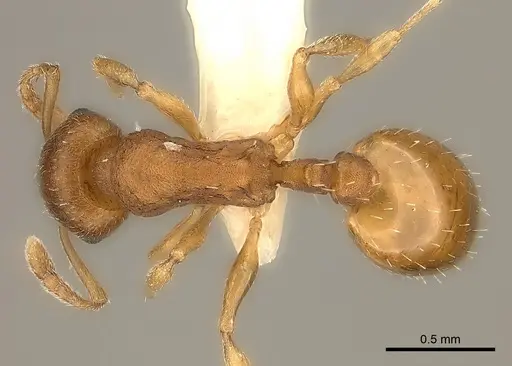
CASENT0104803
View on AntWeb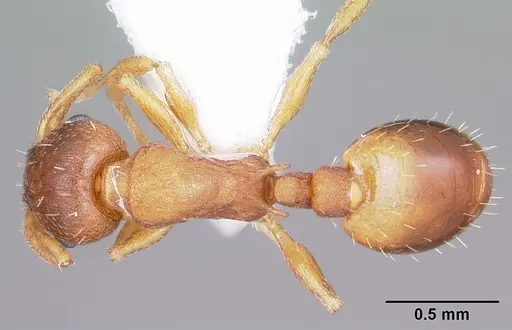
CASENT0105539
View on AntWeb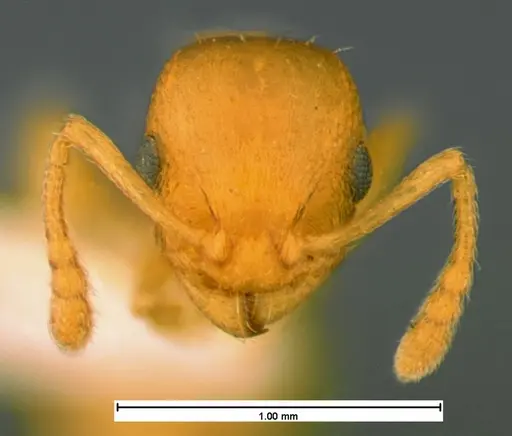
CASENT0904763
View on AntWeb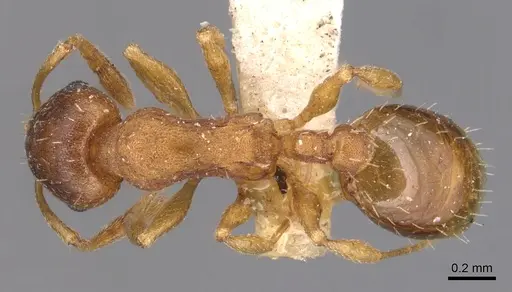
CASENT0915985
View on AntWeb