
Temnothorax curvispinosus exhibits a clear seasonal flight window. Peak flight activity is concentrated in June, with the overall period spanning June to July. The concentrated timeframe makes peak months critical for sightings.
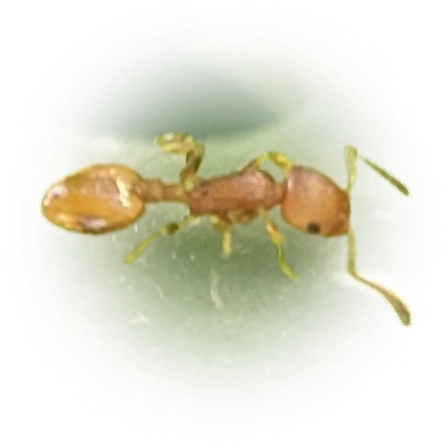
Temnothorax curvispinosus
- Scientific Name
- Temnothorax curvispinosus
- Tribe
- Crematogastrini
- Subfamily
- Myrmicinae
- Author
- Mayr, 1866
- Common Name
- Bent-spined Acorn Ant
- Distribution
- Found in 1 countries
- Nuptial Flight
- from June to July, peaking in June
AI Identifiable
try →
Temnothorax curvispinosus Overview
Temnothorax curvispinosus (commonly known as the Bent-spined Acorn Ant) is an ant species of the genus Temnothorax. It is primarily documented in 1 countries , including United States of America. Detailed taxonomic data and occurrence records can be further explored via authoritative databases such as AntWeb or the Global Biodiversity Information Facility (GBIF).
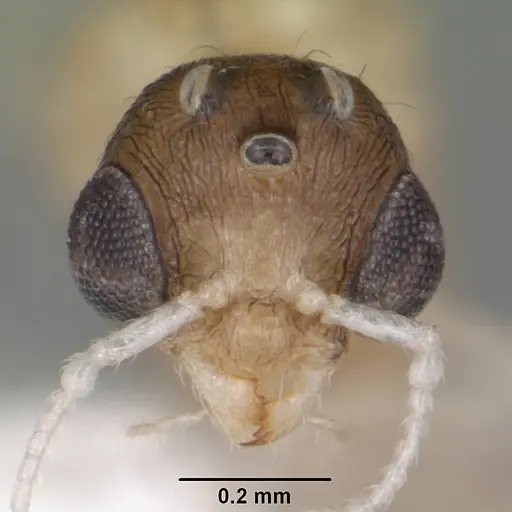
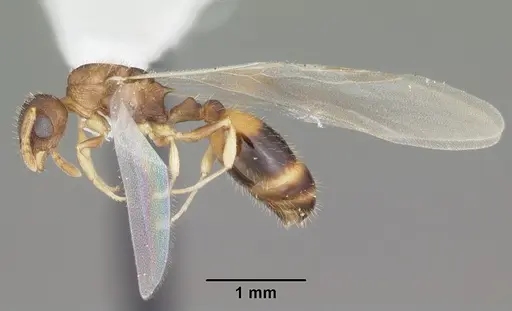
The nuptial flight of Temnothorax curvispinosus is a significant biological event, typically occurring from June to July, peaking in June. During this time, winged queens and males leave the nest to mate and establish new colonies.
Temnothorax curvispinosus - "Bent-spined Acorn Ant"
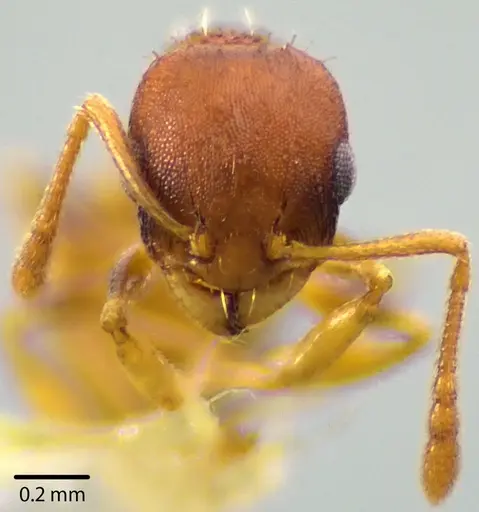
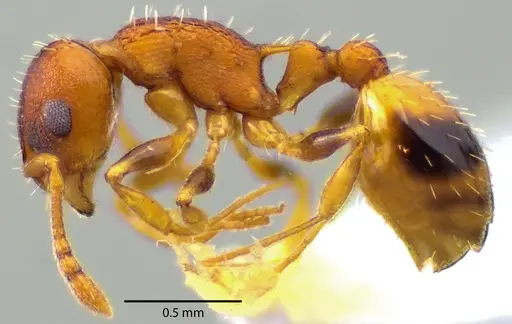
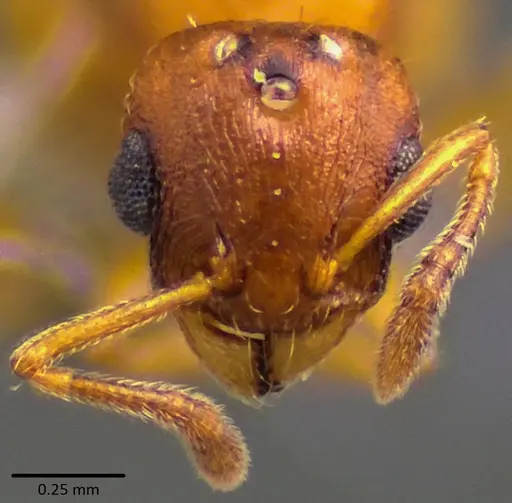
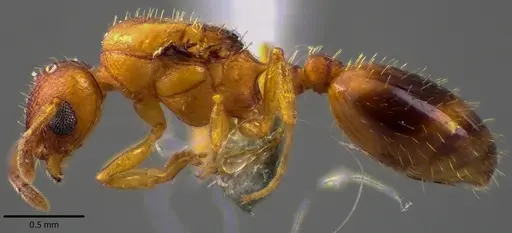
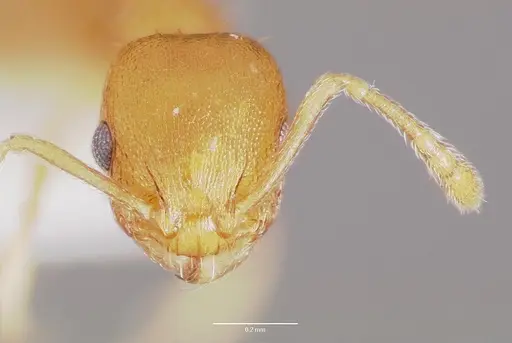
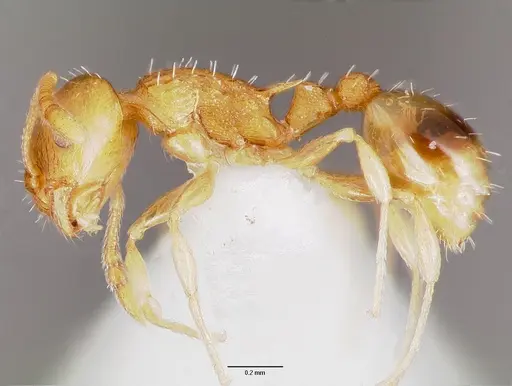
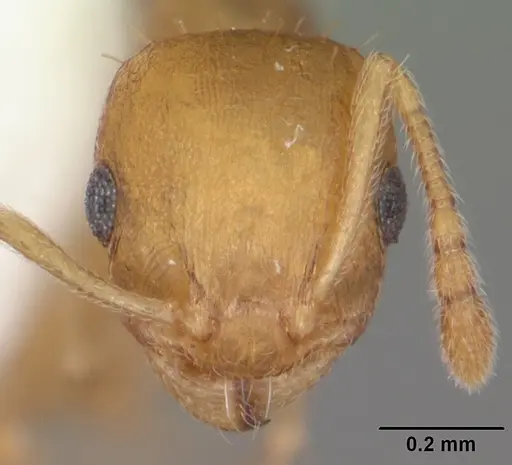
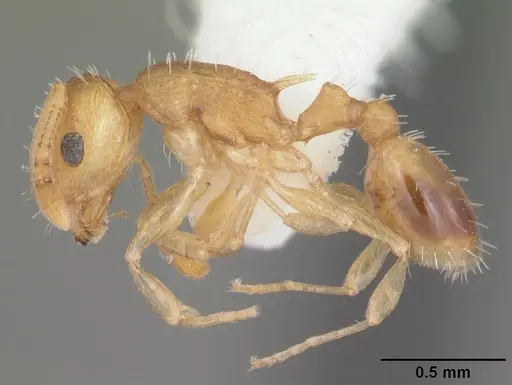
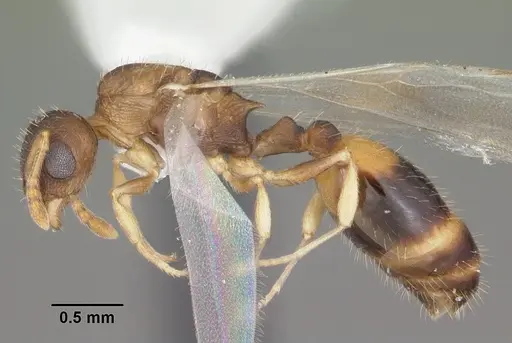
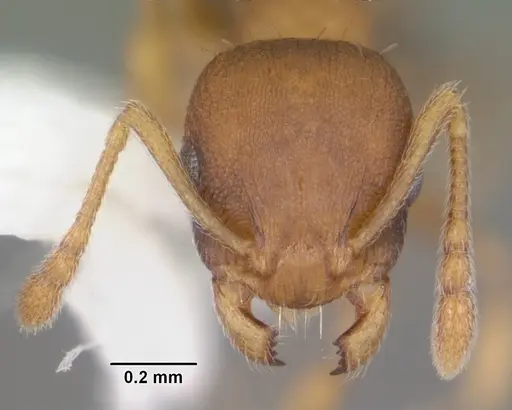
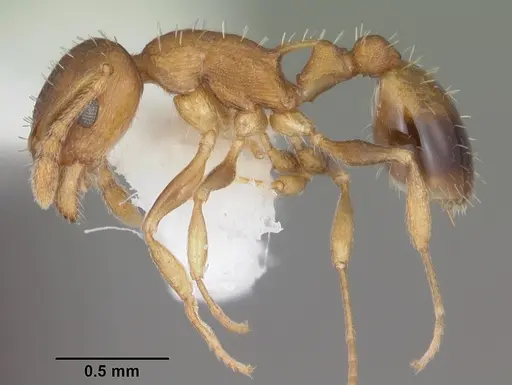
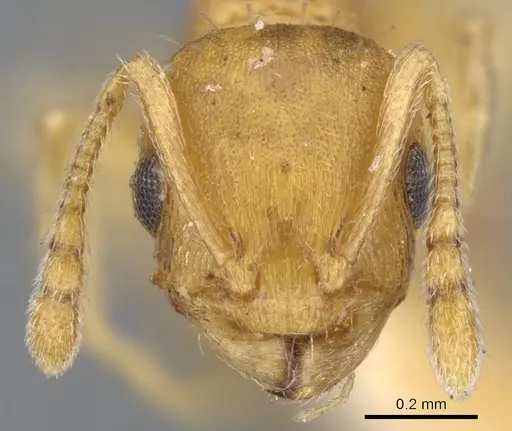
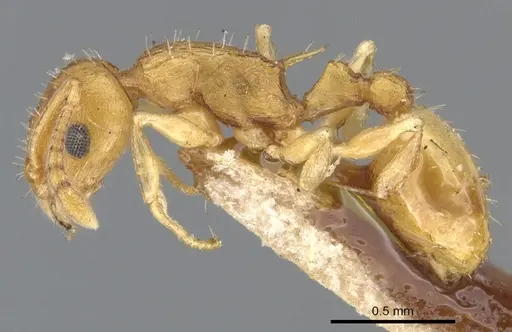
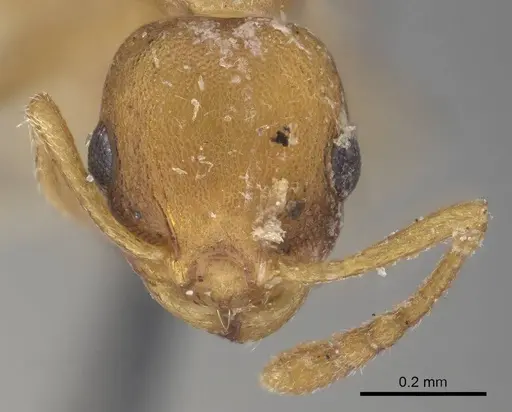
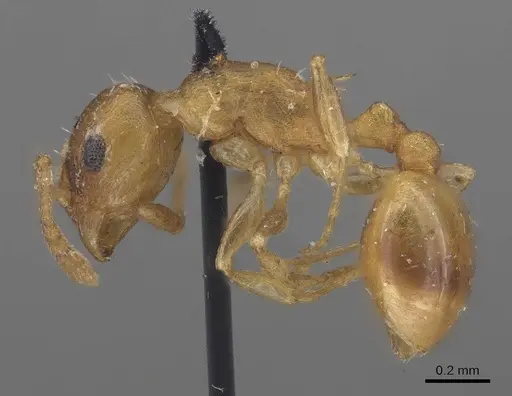
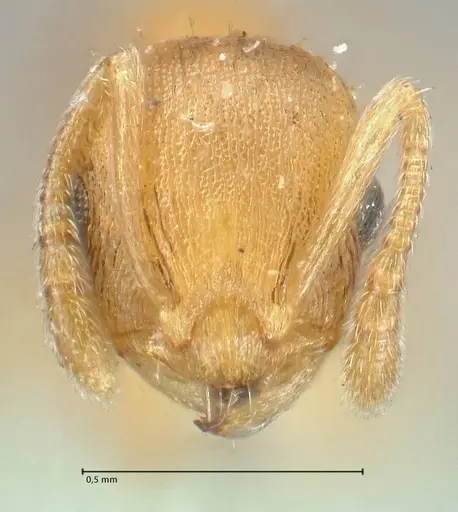
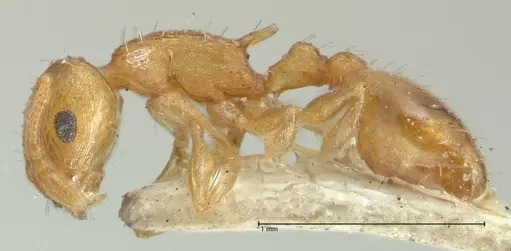
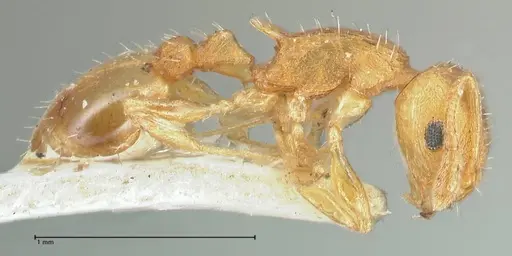
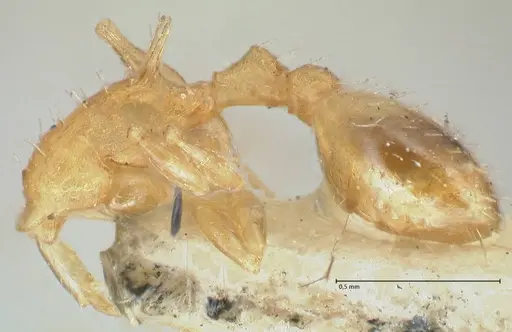
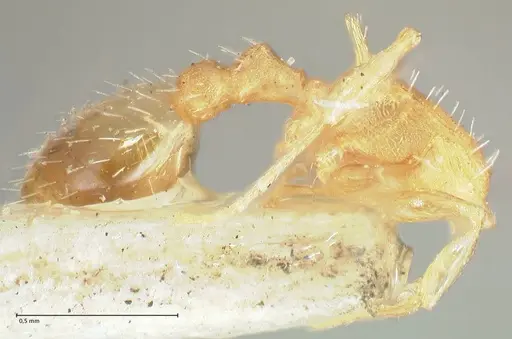
Temnothorax curvispinosus is a small yellow ant native to eastern North America, easily recognized by its very long, inwardly curved propodeal spines that sit close together at the base [1]. Workers measure about 2.4mm in length, while queens are larger at 3-3.3mm [2]. These ants are cavity-nesting specialists that live inside fallen acorns, hickory nuts, hollow twigs, and other small plant cavities on the forest floor [3]. They are one of the most thoroughly studied ant species in the eastern United States, making them excellent candidates for antkeepers who want to observe complex social behaviors [4]. This species is facultatively polygynous, meaning colonies can have either a single queen or multiple queens working together, and they are polydomous, meaning a single colony may occupy multiple nest sites [5][6].
Quick Summary
- Difficulty: Easy
- Origin & Habitat: Eastern United States, from Maine south to Florida and west to Texas, living in deciduous forest habitats [7]. They nest in preformed plant cavities like acorns, hickory nuts, hollow twigs, and dead branches in leaf litter [8].
- Colony Type: Facultatively polygynous, colonies can have one queen (monogyne) or multiple queens (polygynous). Queenless colonies are common, and workers can lay eggs to produce males. Colonies are also polydomous, meaning they spread across multiple nest sites in summer but coalesce into a single cavity for winter [5][9].
- Colony: Optionally polygyne
- Founding: Claustral, Pleometrosis
- Size & Growth:
- Queen: 3-3.3mm [2]
- Worker: 2.4mm [2]
- Colony: Typically 80-100 workers, occasionally up to 369 workers in larger colonies [7][10]
- Growth: Moderate
- Development: 6-8 weeks (estimated based on typical Temnothorax development) (Egg laying begins mid-April and continues until early September. All eggs develop into larvae by October, with larvae overwintering and pupating in early June [10].)
- Antkeeping:
- Temperature: Keep at room temperature, around 20-24°C. They can tolerate temperatures from 11.6°C to 34.1°C for colony growth, with optimal growth at intermediate warming of 2-4°C above ambient [11]. Avoid temperatures above 34°C as this stops colony growth. Limited activity below 20°C [12].
- Humidity: Keep nest substrate slightly moist but not waterlogged. In the wild, colonies move within their acorn to avoid overly damp or moldy areas [13]. They prefer stable conditions rather than extreme moisture.
- Diapause: Yes, colonies are less active in winter and may cluster together in a single cavity. Foraging stops during winter months [14]. Keep at cool room temperature (around 10-15°C) for 2-3 months.
- Nesting: Provide small cavities like test tubes, Y-tong nests, or acrylic nests with narrow chambers. They prefer compact, high-ceilinged cavities over thin, flat spaces [15]. A test tube setup works well for founding colonies.
- Behavior: Workers are diurnal and forages actively during daylight hours, primarily in spring and early summer [14]. They use tandem running to recruit nestmates to food sources [16]. These ants are relatively non-aggressive and are known to be poor competitors at food baits [17]. They feed on honeydew, plant nectar, seeds, and small insects. Escape prevention is important due to their small size, use fine mesh barriers. Colonies relocate when disturbed or when conditions become unfavorable [14].
- Common Issues: tiny size means escapes are likely without fine mesh barriers, colonies often fail during hibernation if kept too wet, queenless colonies are common in the wild, may affect colony stability, slow growth can frustrate beginners who overfeed or overhandle the colony, wild-caught colonies may have parasites that kill them in captivity
Nuptial Flight Activity Analysis 218 observations
Flight Activity by Hour 218 observations
Temnothorax curvispinosus nuptial flight activity peaks around 23:00 during the night. Activity is spread across a 24-hour window (00:00–23:00). A secondary activity peak occurs around 21:00. Times may be influenced by human observation patterns.
Housing and Nest Setup
Temnothorax curvispinosus is a cavity-nesting ant that thrives in small, enclosed spaces. In the wild, they live inside fallen acorns, hickory nuts, hollow twigs, and other natural cavities on the forest floor [3]. For captivity, a simple test tube setup works perfectly for founding colonies. As the colony grows, you can upgrade to a Y-tong (AAC) nest or a small acrylic formicarium with narrow chambers. Laboratory studies show they prefer larger cavities with compact, high-ceilinged spaces over thin, flat crevices, even when the total volume is the same [15]. This means providing them with chambers that are proportionally deep rather than wide. A small entrance hole leading to a chamber of about 1-2cm works well. Keep the nest area dark or covered, as these ants prefer dim conditions. Escape prevention is critical, use fluon on the edges of any open setups and ensure lid seals are tight, as these tiny ants can squeeze through remarkably small gaps.
Feeding and Diet
In the wild, T. curvispinosus workers forage for honeydew droplets on leaf surfaces, feed at extrafloral nectaries of plants like bracken fern and bigtooth aspen, collect seeds, and scavenge dead insects [7]. They do not tend aphids but will readily attend extrafloral nectaries. For captive colonies, offer a constant source of sugar water or honey, and provide small protein sources like fruit flies, pinhead crickets, or other tiny insects. They are not aggressive foragers and are considered poor discoverers of food resources compared to other ant species [17], so place food near their nest entrance. Feed protein 2-3 times per week and keep sugar water available at all times. Remove any uneaten prey after 24 hours to prevent mold.
Temperature and Seasonal Care
Keep your colony at room temperature, ideally around 20-24°C. Research shows colony growth optimizes at intermediate temperatures, with the highest growth occurring in warming chambers that are 2-4°C above ambient [11]. The minimum temperature for colony growth is around 11.6°C, while the maximum is about 34.1°C, above this, colonies stop growing [11]. Their critical thermal maximum (CTmax) is around 43.4°C, but sustained temperatures above 34°C will stress the colony [11]. During winter, reduce temperatures to simulate dormancy. Keep them at cool room temperature (10-15°C) for 2-3 months. In the wild, foraging activity is highest in spring and early summer, drops in fall, and stops entirely during winter [14]. Do not feed during the winter dormancy period.
Colony Structure and Social Organization
One of the most fascinating aspects of T. curvispinosus is their flexible social structure. Colonies can be either monogyne (single queen) or polygynous (multiple queens), and this can change seasonally [5]. Studies show about 36-37% of wild colonies are queenless at any given time, and workers can reproduce in queenright colonies, laying eggs that develop into males [18][19]. New colonies are founded through pleometrosis, where multiple queens start a nest together, and new queens can be adopted into existing nests [5]. This flexibility makes them robust but also means colony dynamics can be complex. In summer, colonies become polydomous, spreading across multiple nest sites with varying queen numbers, but in winter they coalesce into a single cavity [14]. Understanding this can help you interpret behaviors like variable brood production or occasional queenless periods.
Behavior and Observation
Temnothorax curvispinosus is an excellent species for observing complex ant behaviors. They use tandem running to recruit nestmates to food sources or new nest sites, one worker leads another to the target while maintaining physical contact [16]. They are also known for their sophisticated house-hunting behavior when colonies need to relocate, using quorum sensing to make collective decisions [20]. These ants are diurnal and most active during daylight hours, with foraging peaking in spring and early summer [14]. They are relatively non-aggressive and are poor competitors at food baits, often losing to more dominant species [17]. Their small size and preference for cavity nesting make them easy to observe in captive setups. Watch for their characteristic long, curved propodeal spines, this is the feature that gives them their scientific name 'curvispinosus' meaning 'curved spine'.
Winter Care and Hibernation
T. curvispinosus requires a winter rest period to maintain healthy colony cycles. In the wild, colonies become less active in fall and stop foraging entirely during winter [14]. They overwinter within their nest cavity, typically in a single acorn or nut embedded in leaf litter. About one-third to one-half of all wild nests do not survive the winter, either from colony death or migration to new sites during warm winter days [14]. For captive colonies, reduce temperatures to around 10-15°C for 2-3 months during winter. Do not feed during this period. Keep the nest slightly moist but not wet, excessive moisture combined with cool temperatures can be fatal. In spring, gradually warm the colony and resume normal feeding. Queens have about a 50% chance of surviving winter, while workers have roughly 50-67% survival rates [14].
Host Species and Parasites
Temnothorax curvispinosus is an important host species for several social parasites, which is worth knowing about if you collect colonies from the wild. It is the preferred host of the slave-making ant Temnothorax duloticus, which raids their colonies to steal brood [21][22]. It is also host to Temnothorax americanus and the inquiline parasite Temnothorax minutissimus [23][6][24]. If you collect a wild colony and notice unusual ants or behaviors, the colony may be parasitized. Signs include the presence of different-looking ants, suppressed queen reproduction, or workers showing aggression toward what appear to be nestmates. Healthy colonies can sometimes coexist with parasites for some time, but parasitized colonies often decline over time. Purchasing from reputable sellers who verify colony health is recommended if you want to avoid this issue.
Frequently Asked Questions
Can I keep Temnothorax curvispinosus in a test tube?
Yes, test tubes work perfectly for these tiny ants. They are cavity-nesting ants that naturally live in small spaces like acorns and hollow twigs. A standard test tube with a cotton water reservoir provides ideal conditions. Make sure the tube is dark or covered, as they prefer dim conditions. Upgrade to a larger setup like a Y-tong nest when the colony reaches 50+ workers.
How long does it take for Temnothorax curvispinosus to produce first workers?
From egg to first worker takes approximately 6-8 weeks at room temperature (20-24°C). Queens are claustral, meaning they seal themselves in and raise the first brood alone without foraging. The timeline depends on temperature, warmer conditions within their tolerance range (11.6-34.1°C) speed development, while cooler temperatures slow it down.
Do Temnothorax curvispinosus ants sting?
No, Temnothorax ants do not have functional stingers. As members of the subfamily Myrmicinae, they lack the ability to sting. They may bite if threatened, but this is not painful or dangerous to humans. Their main defense is escape, they are small and quick.
Are Temnothorax curvispinosus good for beginners?
Yes, they are excellent for beginners. They are small, docile, and have straightforward care requirements. They don't require heating in most home environments, and their cavity-nesting behavior makes them easy to house in simple setups. The main challenges are escape prevention due to their tiny size and providing appropriate protein foods. Their fascinating social behaviors make them rewarding to watch.
Can I keep multiple queens together in one colony?
Yes, T. curvispinosus is facultatively polygynous, meaning colonies can have either one queen or multiple queens. In the wild, about 17% of nests have multiple queens, and queenless colonies are common. You can keep multiple foundress queens together during colony founding (pleometrosis), though some may eventually be rejected or one may kill the others. It's generally safer to start with a single queen to ensure colony stability.
How big do Temnothorax curvispinosus colonies get?
Colonies typically reach 80-100 workers, though larger colonies can grow to around 200-370 workers [7][10]. The average colony size in studies was about 82 workers per colony. They are not large colony formers like some other ant species, their small size and cavity-nesting lifestyle keep populations moderate.
Do Temnothorax curvispinosus need hibernation?
Yes, they benefit from a winter rest period. In the wild, foraging stops during winter and colonies become dormant. Keep them at cool temperatures (10-15°C) for 2-3 months during winter. Reduce feeding to nothing during this period and keep the nest slightly moist. This rest period helps maintain natural colony cycles and supports healthy reproduction in spring.
What do Temnothorax curvispinosus eat?
They are omnivores with a preference for sugary foods. In the wild, they feed on honeydew from leaves, plant nectar from extrafloral nectaries, seeds, and dead insects. In captivity, offer sugar water or honey constantly, and provide small protein sources like fruit flies, pinhead crickets, or other tiny insects 2-3 times per week. They are poor foragers, so place food near their nest entrance.
Why are my Temnothorax curvispinosus dying?
Common causes include: temperatures above 34°C (which stops colony growth), excessive moisture causing mold, escape due to inadequate barriers, stress from overhandling, or parasites from wild-caught colonies. Check that your setup is at room temperature (20-24°C), not too wet, and has secure escape prevention. If the colony was wild-caught, parasites may be the issue. Ensure you're not feeding too much, as uneaten food causes mold.
When should I move Temnothorax curvispinosus to a formicarium?
You can keep them in a test tube setup indefinitely for most colony sizes. Consider upgrading to a Y-tong or acrylic nest when the colony reaches 50+ workers and the test tube feels crowded. These ants prefer small, compact cavities, so don't give them excessive space. A gradual transition works best, connect the new nest to the test tube and let them relocate on their own.
References

This caresheet is licensed under CC BY-SA 4.0 .
ANTWEB1041719
View on AntWeb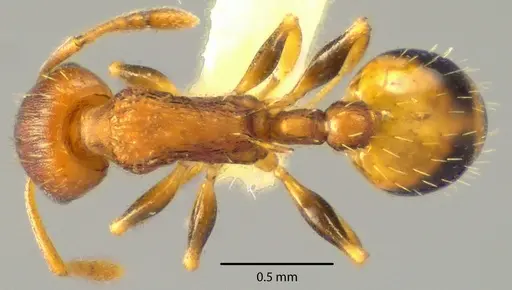
ANTWEB1041759
View on AntWeb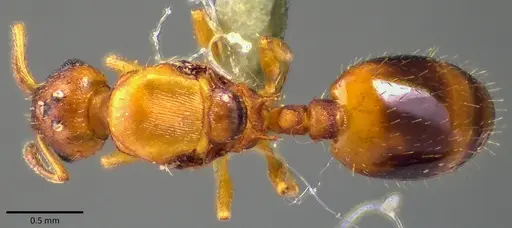
CASENT0003234
View on AntWeb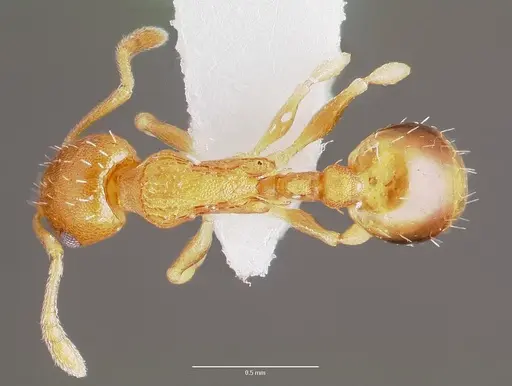
CASENT0100713
View on AntWeb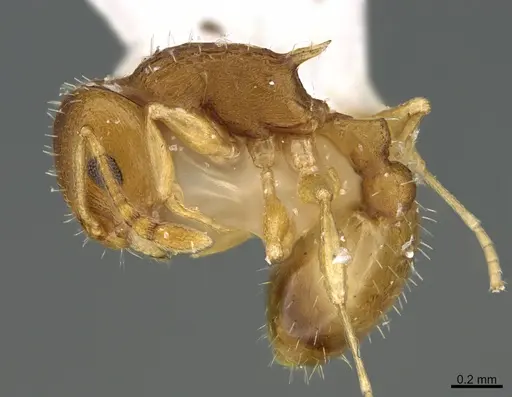
CASENT0104032
View on AntWeb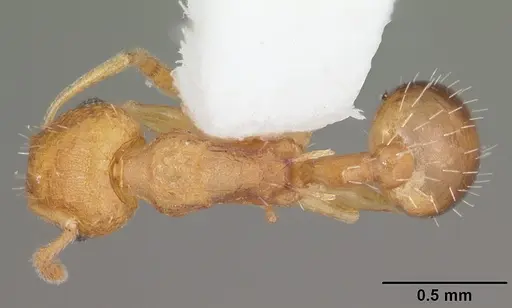
CASENT0104038
View on AntWeb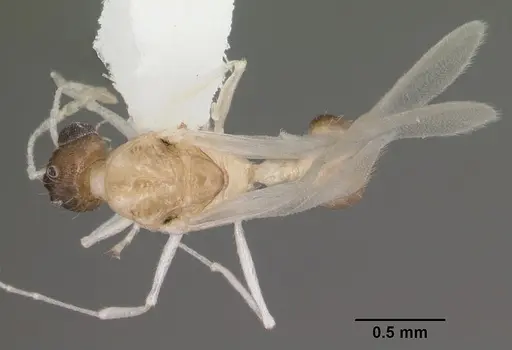
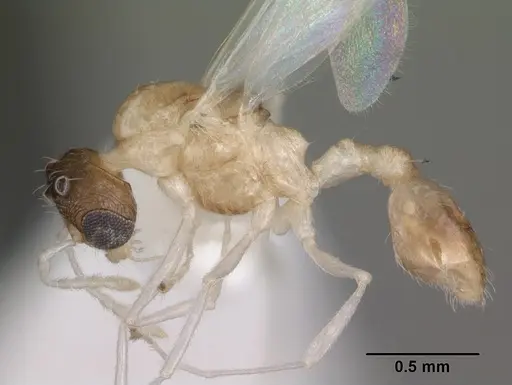
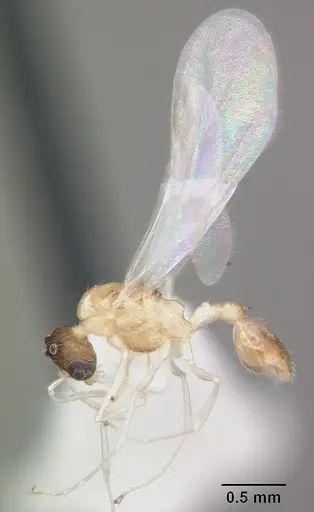
CASENT0104039
View on AntWeb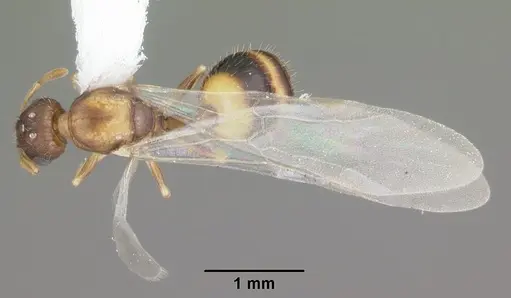
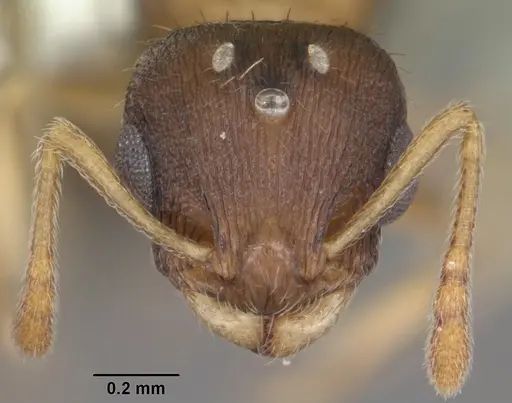
CASENT0104040
View on AntWeb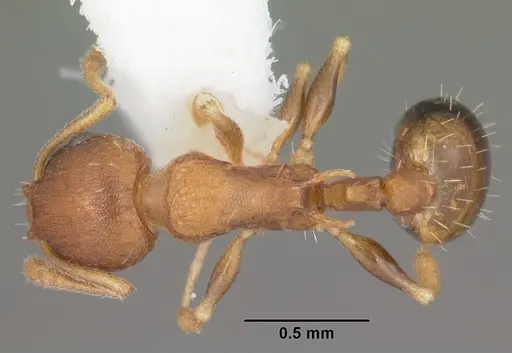
CASENT0901789
View on AntWeb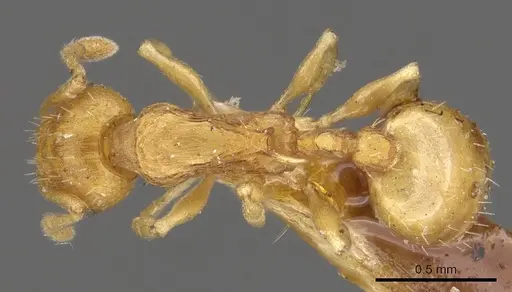
CASENT0919744
View on AntWeb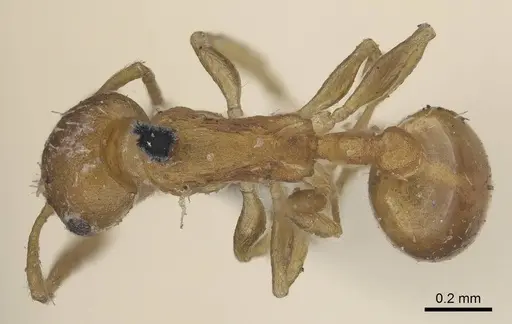
FOCOL2040
View on AntWeb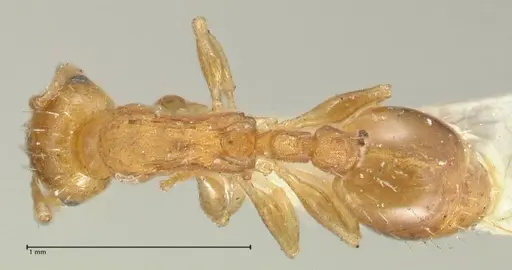
FOCOL2041
View on AntWeb
Literature
Loading...Loading products...